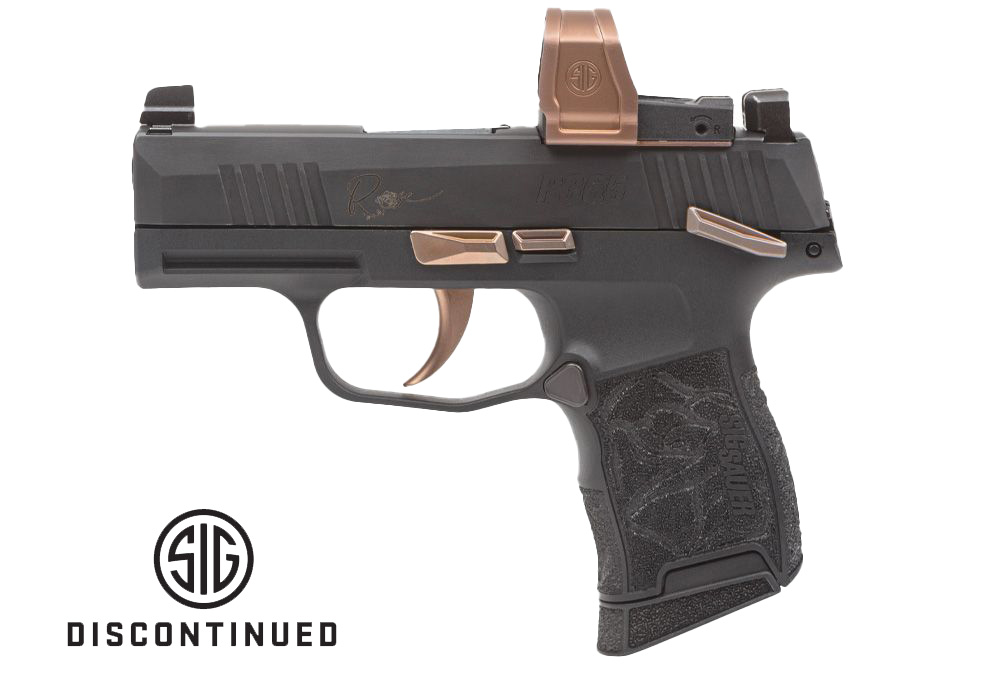
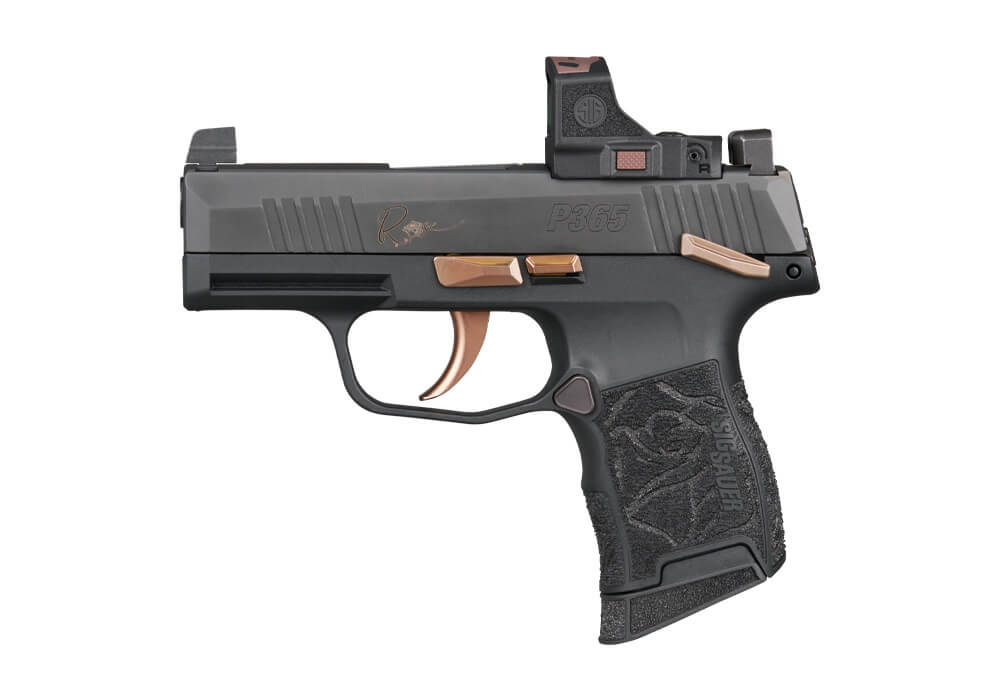
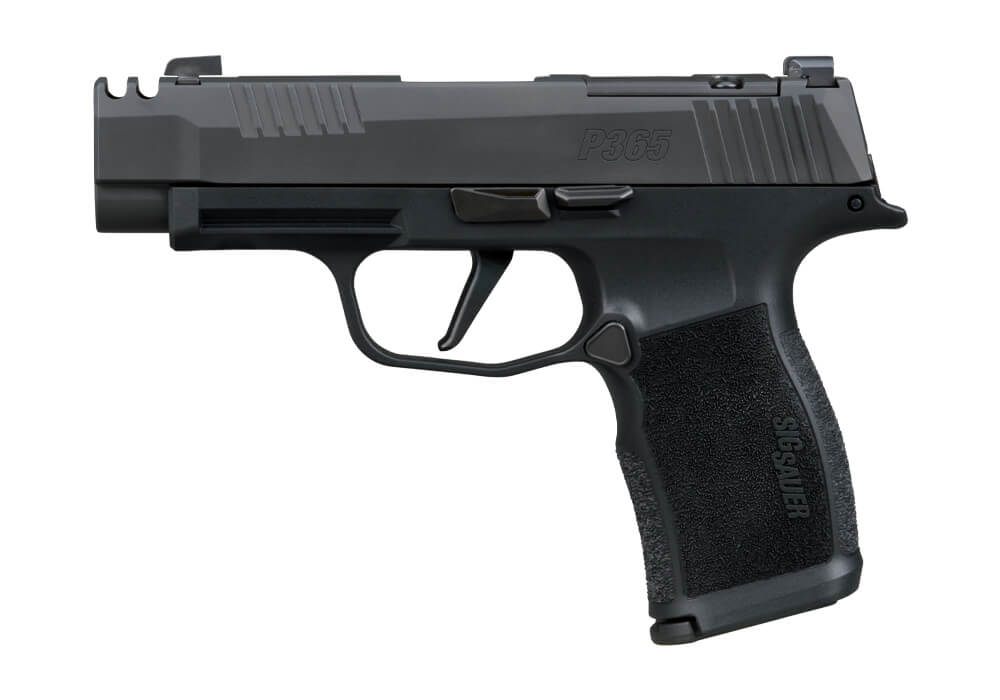
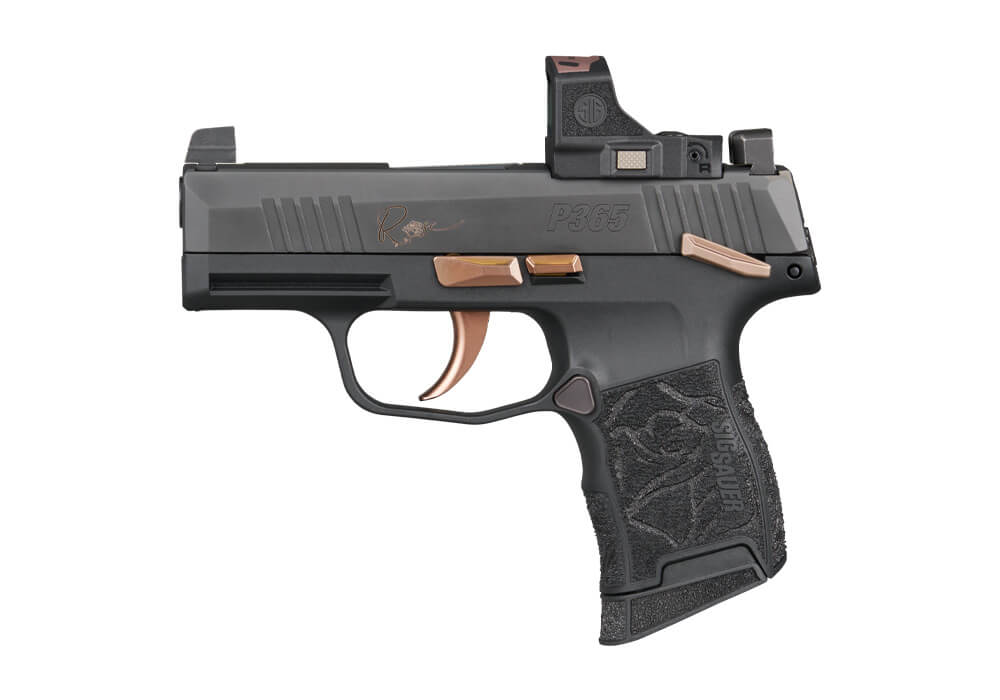
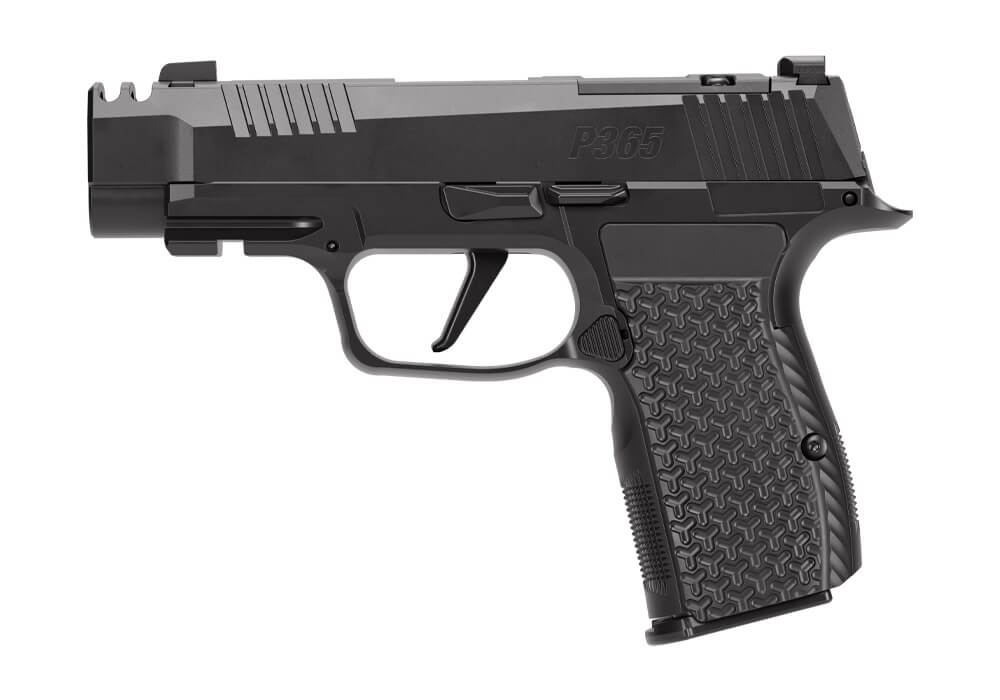
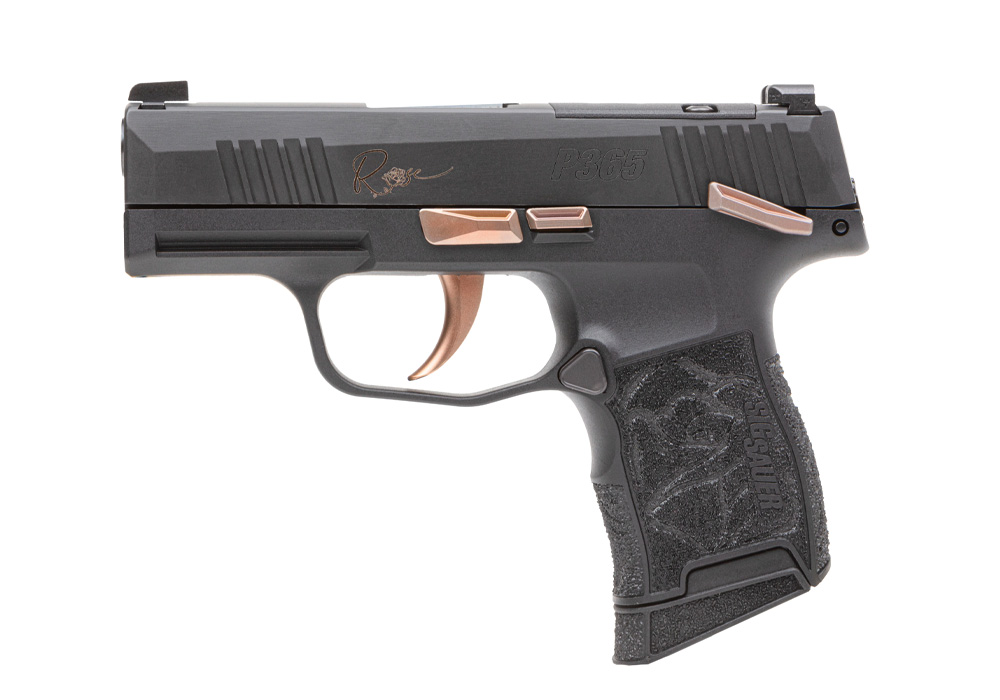
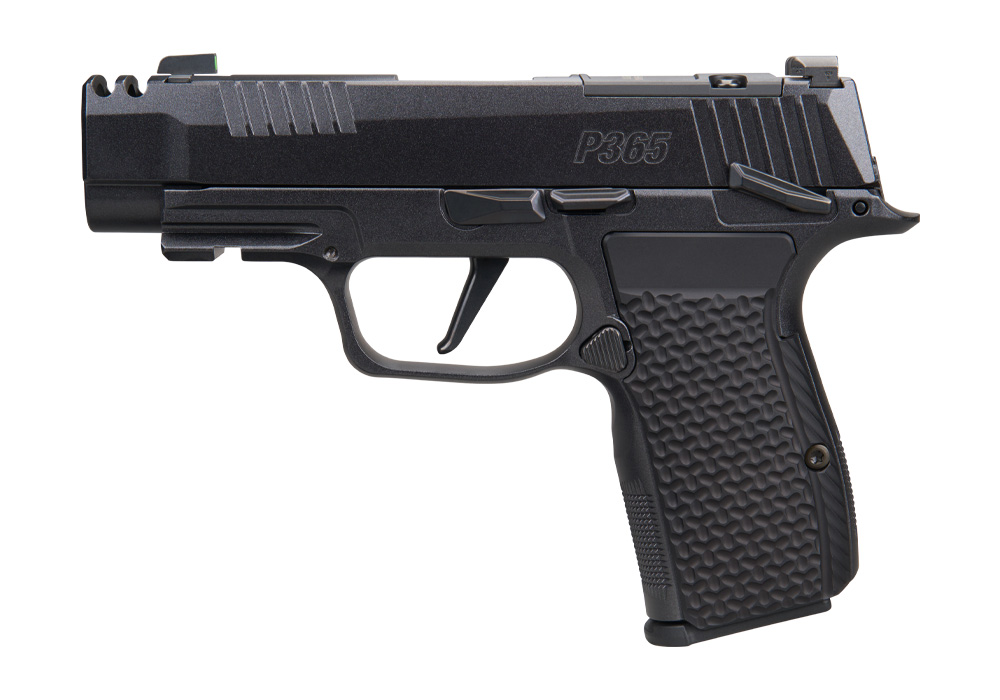
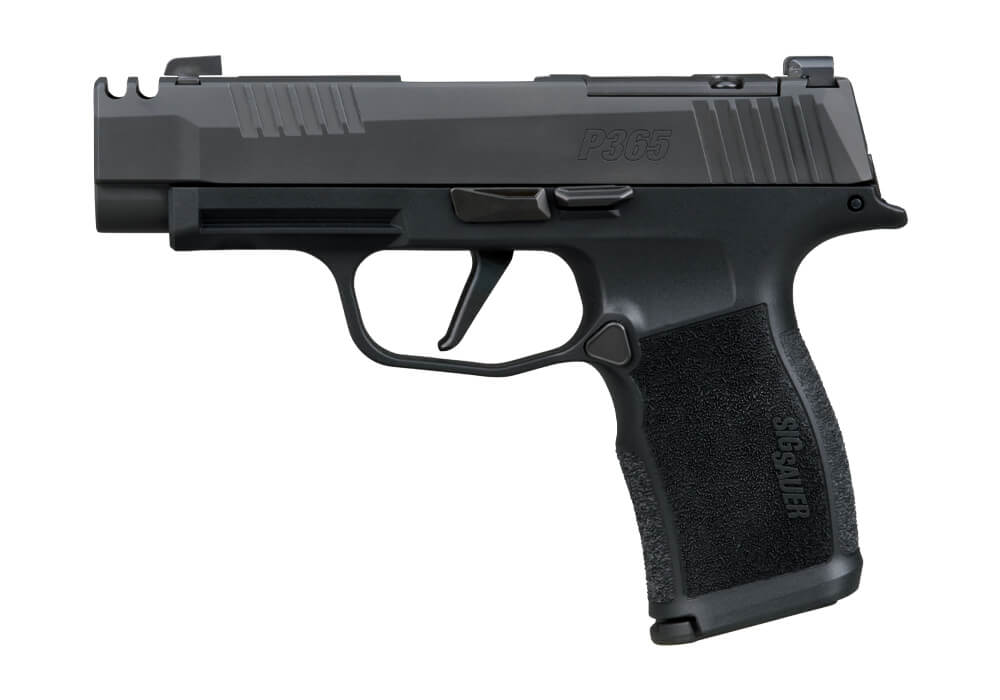
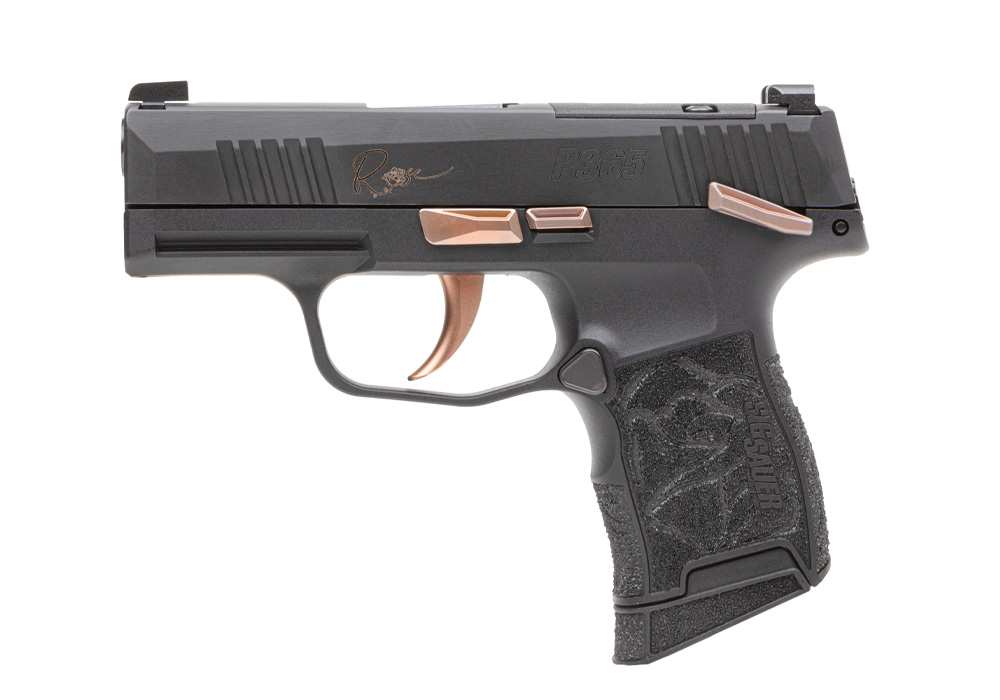
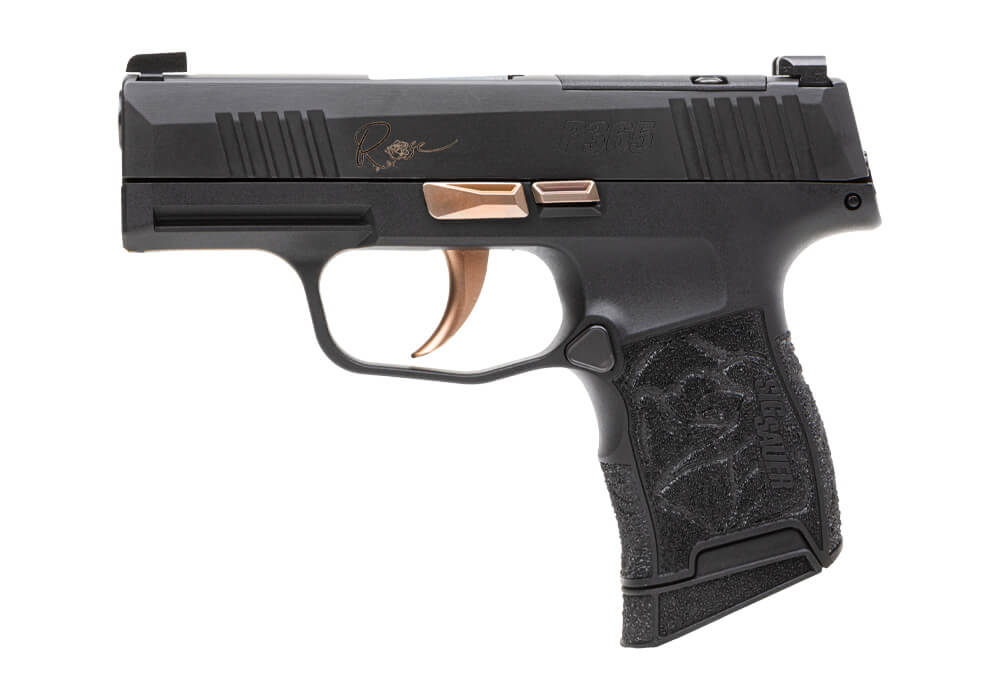
Choosing among .380 pistols for first time buyers often begins with comfort, confidence, and practical handling rather than a long list of advanced features. The .380 ACP cartridge is widely valued for its manageable recoil, compact dimensions, and broad availability, making it a familiar starting point for new handgun owners. A pistol that feels natural in the hand can encourage regular practice, while a design that is overly small, difficult to operate, or uncomfortable to fire may spend more time stored away than used at the range. Pay close attention to grip shape, surface texture, overall weight, and the position of controls. A slightly larger frame may settle more comfortably during firing and help reduce the sharp movement that some very small pistols can produce. At the same time, a slim profile may be easier to carry for individuals who plan to use a proper holster. The most suitable choice depends on hand size, strength, intended use, and personal comfort. New owners should handle several unloaded options at a licensed retailer or range, keeping the muzzle pointed in a safe direction and following staff instructions. Pay particular attention to how easily the slide can be operated, whether the magazine can be inserted and removed without excessive strain, and whether the controls are easy to identify by touch. People with limited hand strength or reduced dexterity may especially appreciate a slide that is simple to retract, a magazine spring that does not require extreme effort, and sights that are easy to see in varied lighting. These details can matter during routine practice, cleaning, and safe storage just as much as they do on the firing line.
First-time buyers should also consider how the pistol will be used. A handgun intended primarily for range practice may benefit from a comfortable grip, an easy-to-see sight picture, and a frame that remains steady through repeated sessions. A pistol selected for discreet carry should be paired with a quality holster that fully covers the trigger guard, remains secure during movement, and fits the chosen clothing and belt system. For home protection, secure access, dependable operation, clear identification of the target, and a carefully planned storage method deserve close attention. Every new owner should learn the basic rules of firearm safety before loading a pistol: treat every firearm as loaded, keep the muzzle pointed in a safe direction, keep the trigger finger outside the trigger guard until the sights are on the intended target, and be certain of the target and what lies beyond it. A locking device or secure safe can help prevent unauthorized access, particularly in homes with children, visitors, or others who should not handle firearms. Local laws may address purchase eligibility, waiting periods, transport, storage, concealed carry, magazine configuration, and training requirements, so reviewing applicable regulations is an essential part of the buying process. New owners can also benefit from a certified instructor who can explain loading, unloading, sight alignment, grip, stance, maintenance, and safe storage in a calm, hands-on setting. During a first range visit, begin with a deliberate pace rather than focusing on speed. The sound of the first few shots can feel surprisingly sharp in an enclosed lane, but a steady grip, relaxed shoulders, and measured breathing help build familiarity. After each session, inspect the pistol according to the owner’s manual, clean and lubricate it as directed, and store it securely.
A .380 pistol can be a thoughtful gift for an adult who has expressed a genuine interest in responsible firearm ownership, provided the recipient can legally receive it and the transfer follows all applicable rules. A gift should never be a surprise that places pressure on someone to accept a firearm they have not selected or trained to use. It is better to involve the recipient in choosing a comfortable grip, suitable sights, and an appropriate round count, whether that means a standard magazine or an extended magazine option. Eye and ear protection, a sturdy range bag, a lockable storage container, and instruction from a qualified professional can be just as valuable as the pistol itself. Ammunition selection also deserves care: use loads appropriate for the firearm and follow the manufacturer’s guidance, beginning with reliable full-metal-jacket ammunition for many introductory range sessions before evaluating other options with professional advice. Those who want additional practice resources can explore 380 Pistols For Range Shooting for more ways to compare range-oriented choices. As the weather shifts through the cooler months, a consistent practice routine can help owners become familiar with different clothing layers, holster placement, and safe handling in changing conditions. The right .380 pistol is ultimately one that the owner can grip securely, operate confidently, store responsibly, and practice with regularly. Taking time to compare fit, controls, recoil, sight visibility, magazine handling, and support equipment gives first-time buyers a stronger foundation for responsible ownership and a more comfortable experience from the first range session onward.