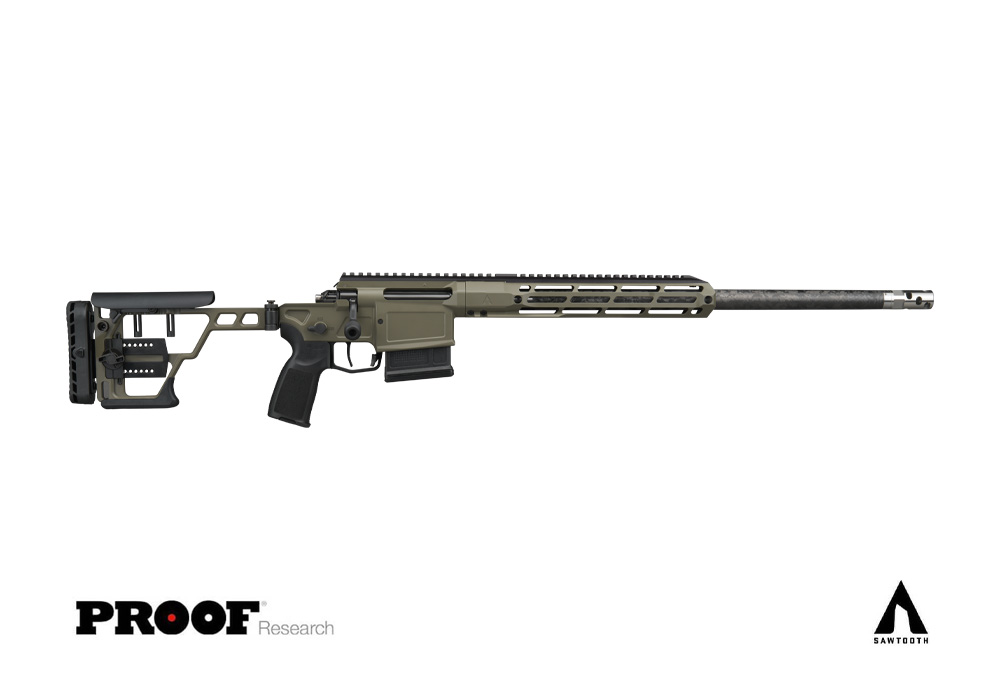
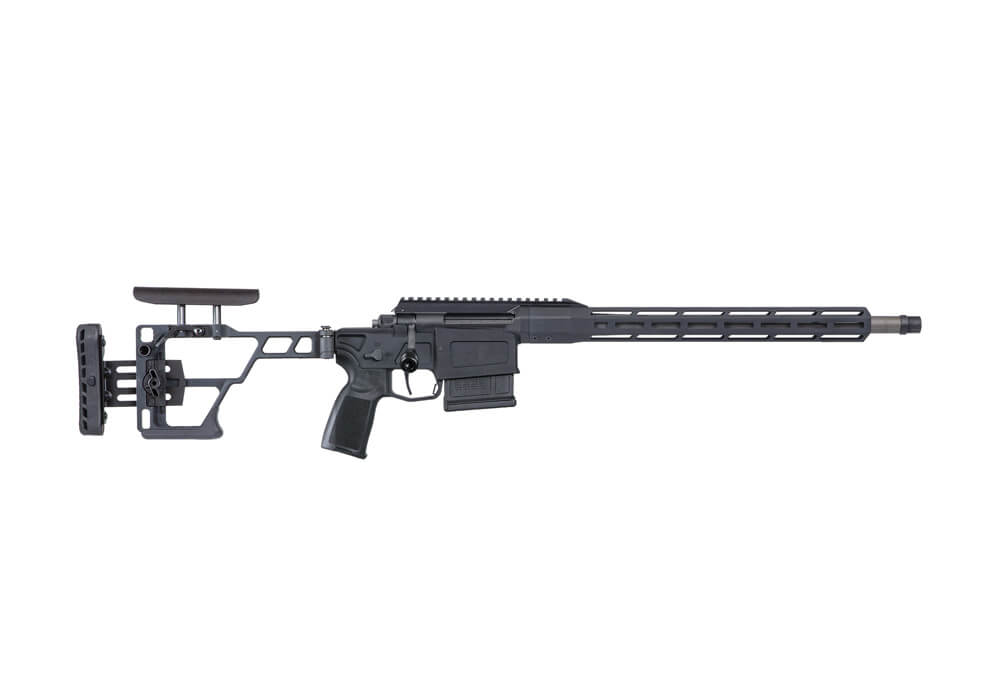
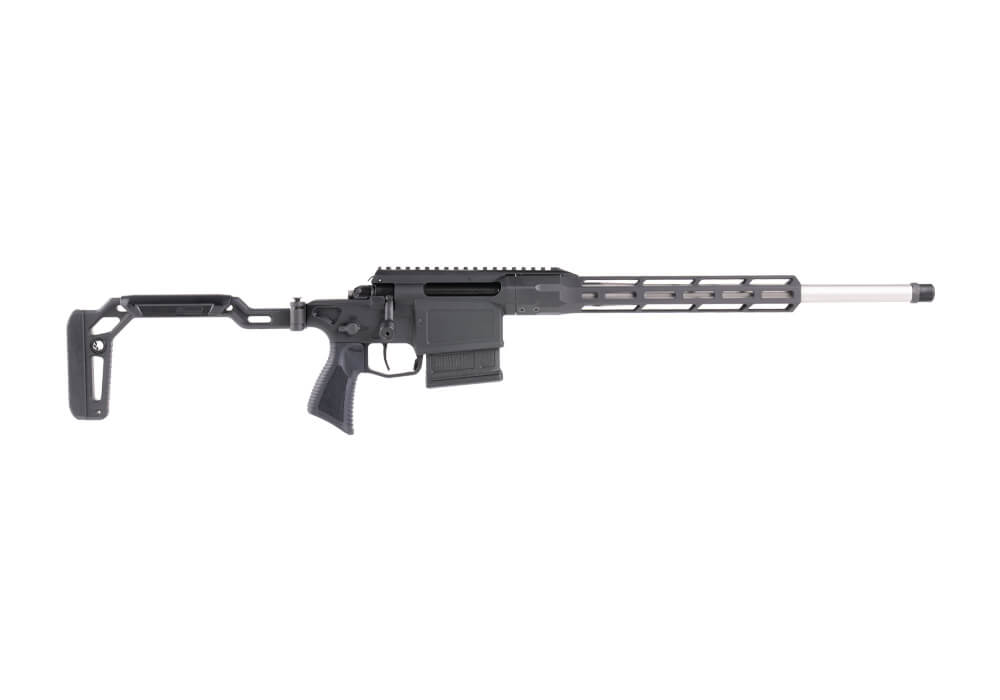
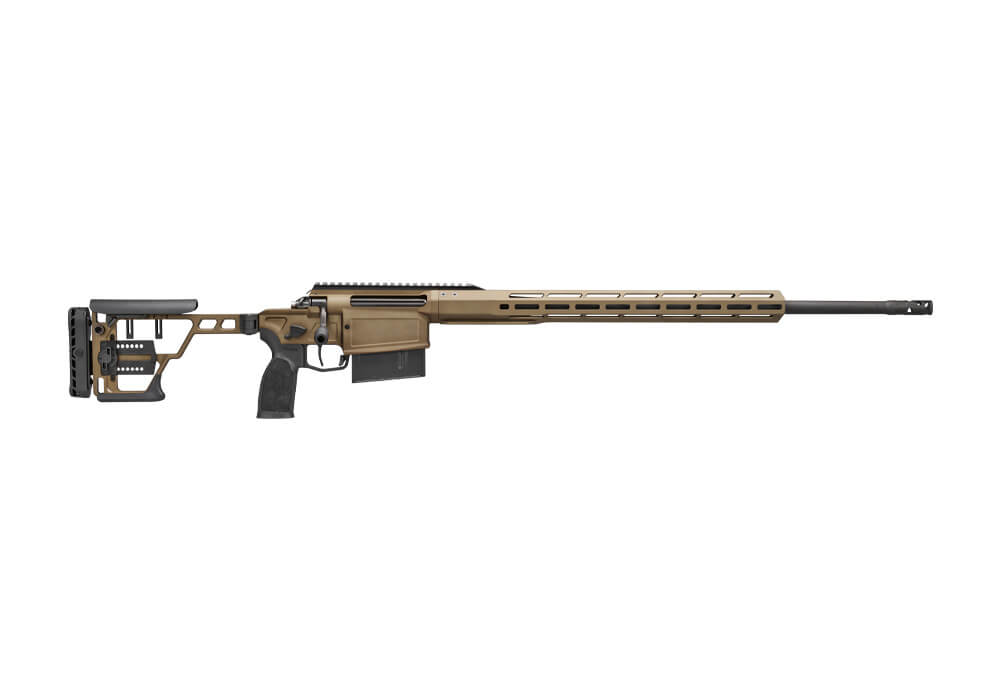
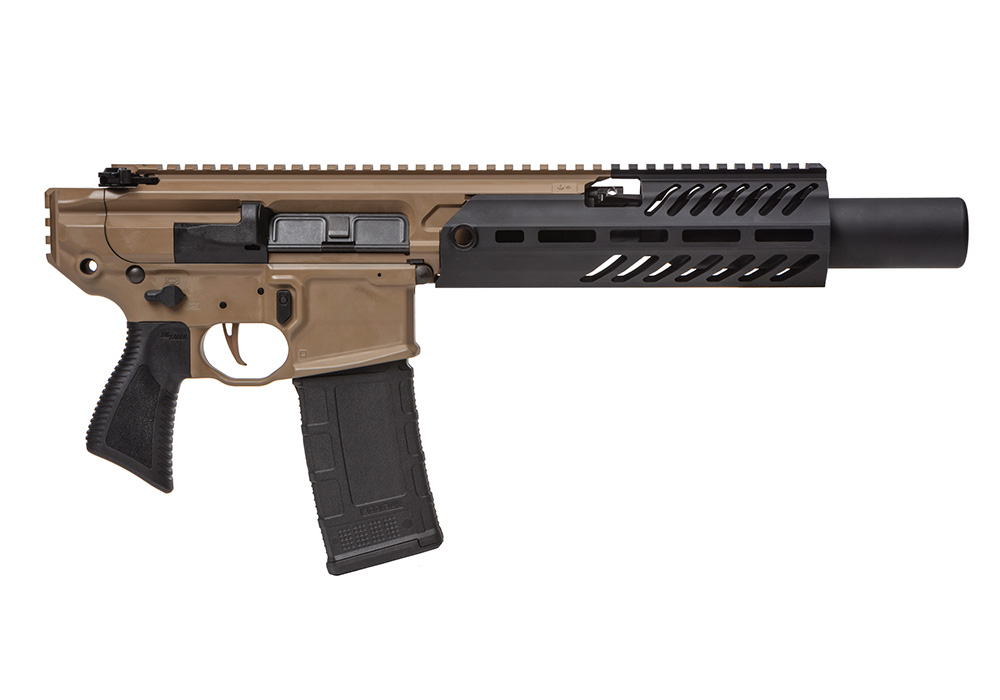
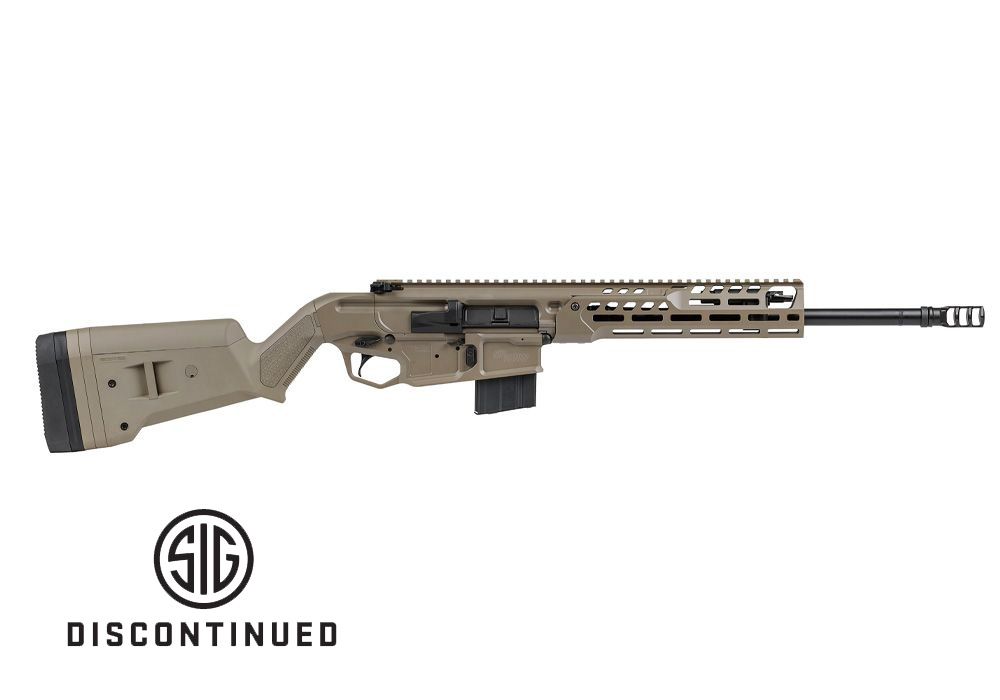
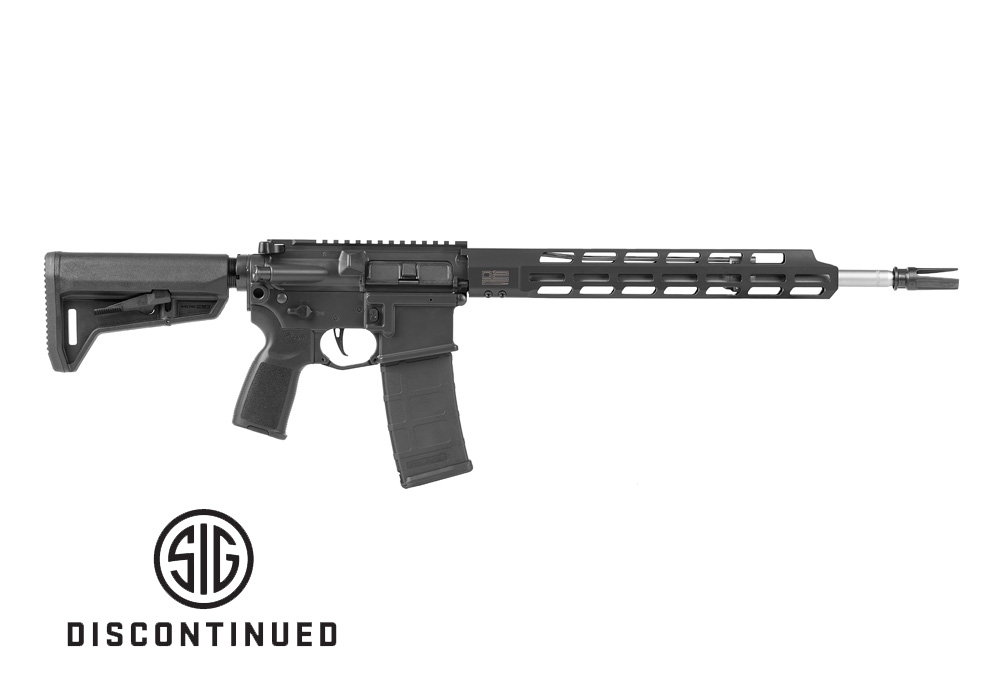
Rifles for predator hunting are selected for consistent accuracy, manageable weight, and a fit that remains comfortable during both a long walk and an extended wait. The category commonly serves hunters pursuing coyotes and other predators where lawful, with rifle characteristics suited to open country, broken terrain, or tighter cover. A relatively flat trajectory is often desirable, but trajectory comes from the combination of chambering, ammunition, and distance—not from the rifle alone. Mechanical consistency, a clear sight picture, and a stock that supports a repeatable shooting position are equally important considerations. A rifle carried along fence lines or across rolling ground presents different comfort priorities than one transported a short distance to a stationary position. Lighter configurations can ease the burden of carrying equipment, while a heavier barrel or more substantial stock can change balance and feel when the rifle rests on a stable support. Neither approach is universally better; the right balance reflects the hunter’s intended use, physical comfort, and familiarity with the platform. Bolt-action and semiautomatic rifles offer different operating characteristics, and preferences often come down to control layout, handling, maintenance expectations, and applicable hunting regulations. A familiar action can feel more natural than a design selected only for its specifications. Overall length also matters when moving through brush, entering a vehicle with an unloaded firearm, or arranging equipment at a hunting location. The most useful comparison considers the complete rifle rather than any single feature: weight, stock dimensions, barrel configuration, sighting compatibility, and the position of the controls all contribute to how it handles. For experienced hunters and those building a first dedicated setup, rifles for predator hunting are best understood as field equipment that should support deliberate, responsible use without adding unnecessary complexity. Clear identification of the animal, a safe direction, and awareness of the surrounding property remain essential regardless of the rifle’s design or advertised performance.
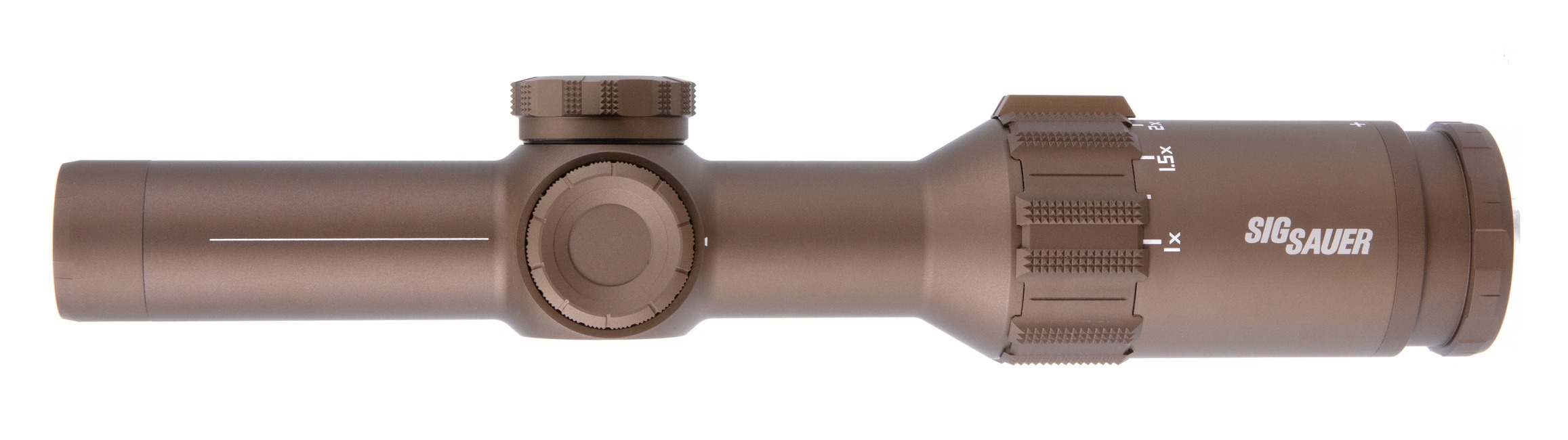
Materials and construction influence how a hunting rifle feels in the hands and how well it stands up to repeated field use. Synthetic stocks can offer practical resistance to moisture absorption and everyday scuffs, while wood stocks bring a traditional feel and require attention to their finish and exposure. Metal chassis configurations may provide additional adjustment options, though their weight and handling characteristics vary considerably. Barrel steel, receiver construction, and protective finishes deserve consideration together; no single material or coating eliminates the need for care. A durable exterior is valuable when equipment brushes against vegetation, rides in a protective case, or encounters dust along a trail. Surface wear and mechanical condition are separate concerns, so a clean-looking rifle still warrants routine inspection according to its manual. Stock fit is just as consequential as exterior toughness. Length of pull affects the relationship between the shoulder, grip, and trigger, while comb height influences how naturally the eye aligns with an optic. Adjustable features can help accommodate different body proportions, but adjustment range matters only when it produces a comfortable, repeatable fit. Grip shape, fore-end width, and the placement of sling attachment points also influence how the rifle carries and settles onto a rest. Someone walking substantial distances may value a streamlined profile and comfortable sling arrangement; someone spending more time seated may place greater emphasis on balance against a supported position. Barrel length and contour influence overall dimensions and weight distribution, so those specifications are most meaningful when considered alongside the rest of the setup. An optic, mounting hardware, sling, and other compatible accessories all contribute to the total weight carried in the field. Access to the safety and other controls should remain unobstructed after accessories are installed. Thoughtful compatibility helps preserve the rifle’s intended handling rather than turning a straightforward hunting setup into a collection of parts that compete for space or interfere with one another.
Ammunition compatibility is a foundational part of selecting a predator hunting rifle, and chamber markings and manufacturer guidance should govern every ammunition choice. The related collection of Ammunitions For Predator Hunting provides a companion to rifle comparisons, with the firearm’s exact chambering remaining the essential starting point. Broad descriptions such as lightweight, accurate, or flat-shooting do not establish compatibility, and ammunition that performs consistently in one rifle may produce different results in another. Responsible evaluation also accounts for local rules concerning hunting methods, permitted equipment, and ammunition materials. Field accuracy depends on more than a specification sheet: a secure optic mount, suitable ammunition, a comfortable fit, and the shooter’s familiarity all contribute to consistency. No equipment feature replaces practice at an appropriate range or sound judgment about a hunting situation. Long-term ownership brings its own practical considerations, particularly for equipment that sees regular transport and outdoor use. Cleaning access, the maintenance procedures outlined in the manual, and the condition of protective finishes all affect the ownership experience. Manufacturer-recommended cleaning products and methods help protect the bore, action, stock, and exterior surfaces without introducing unsuitable chemicals or unnecessary abrasion. Before cleaning, inspection, or transport, the rifle should be unloaded and handled according to its manual, with ammunition kept separate from the work area. Any uncertainty about wear, damage, or function calls for qualified professional attention rather than improvised repair. Secure storage that prevents unauthorized access is equally important, along with compliance with applicable transport and storage laws. For hunters refining an established setup, practical improvements may be as simple as a better-fitting stock or a carrying arrangement that feels less cumbersome over distance. For a first hunting rifle, understandable controls and manageable upkeep can matter more than an extensive feature list. A well-considered choice brings together fit, durability, compatible ammunition, and the realities of the hunt, creating equipment that is comfortable to carry, straightforward to maintain, and suited to responsible predator hunting.