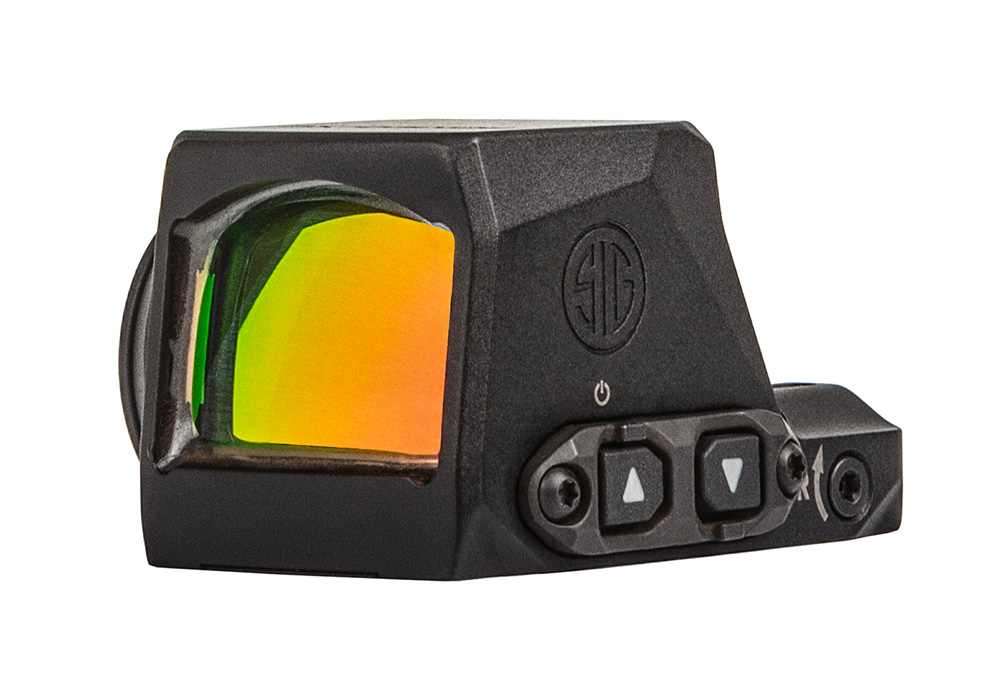
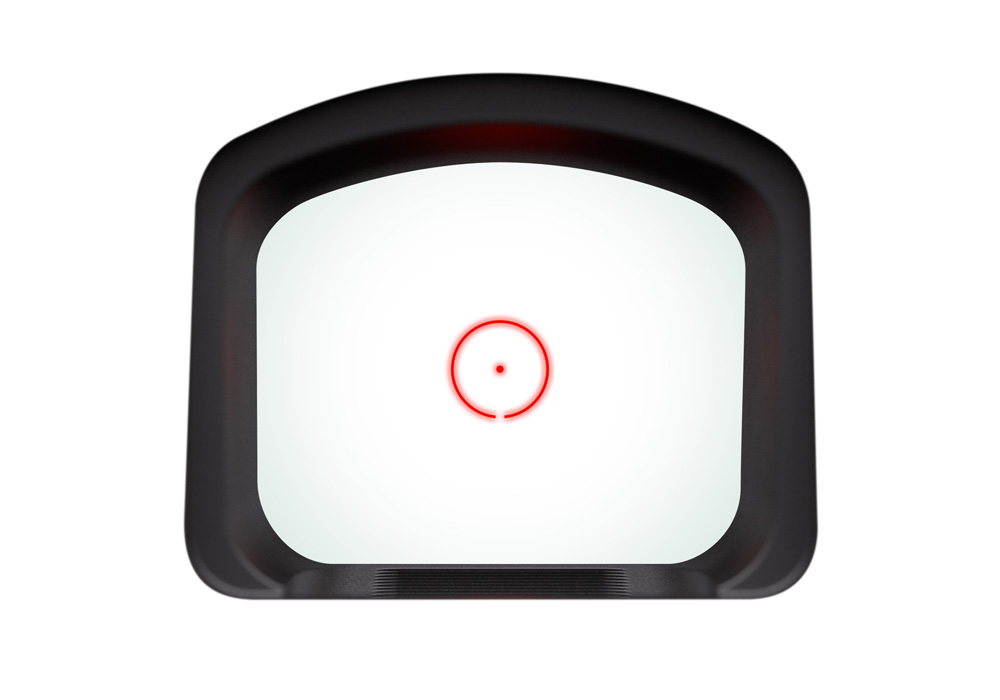
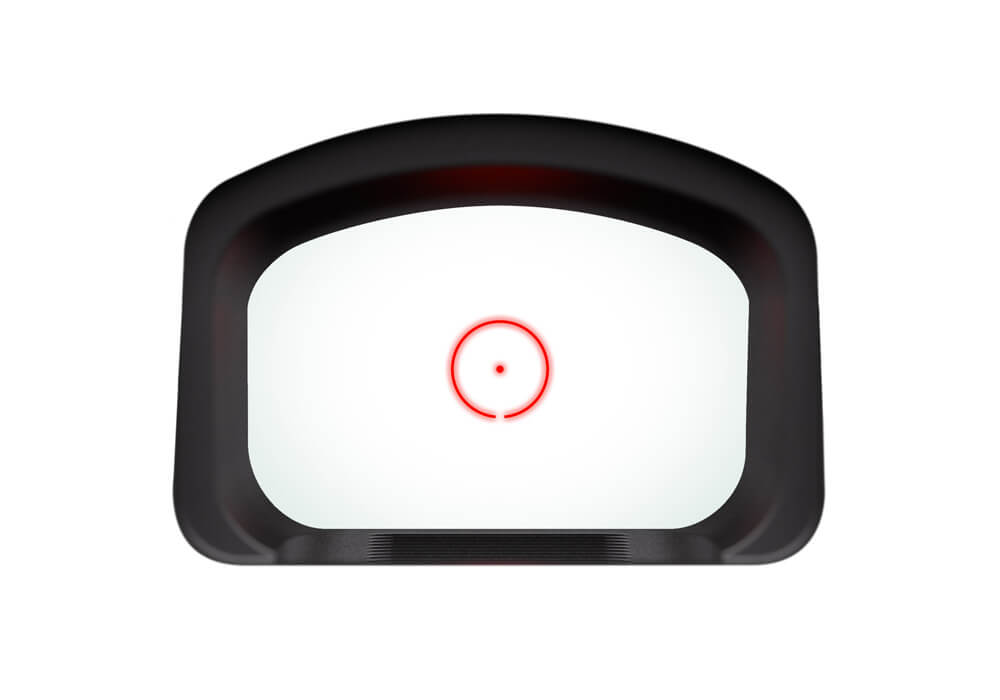
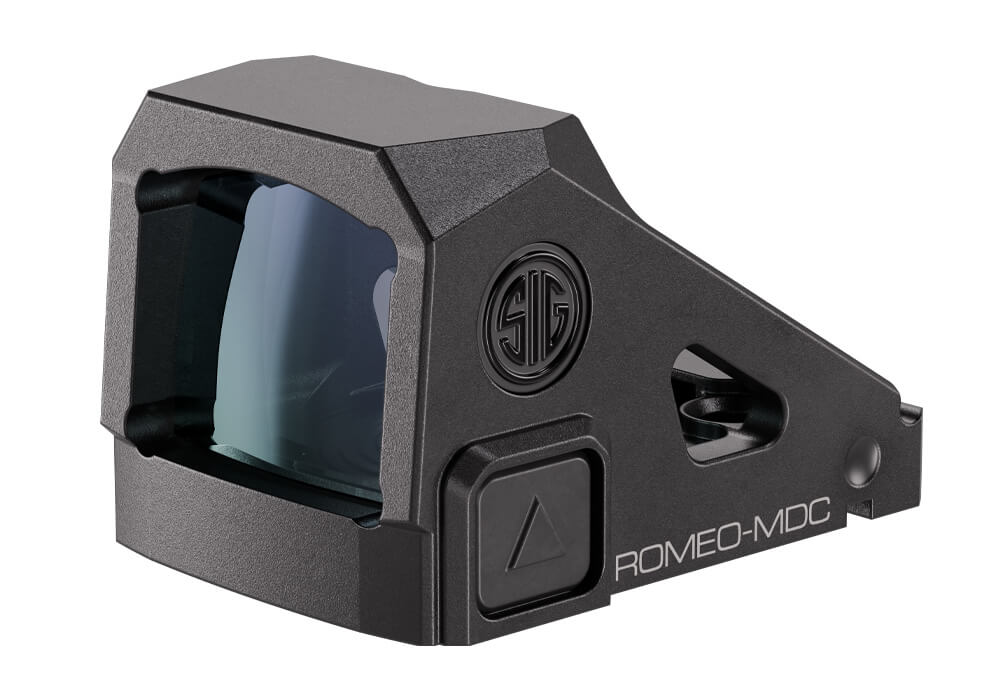
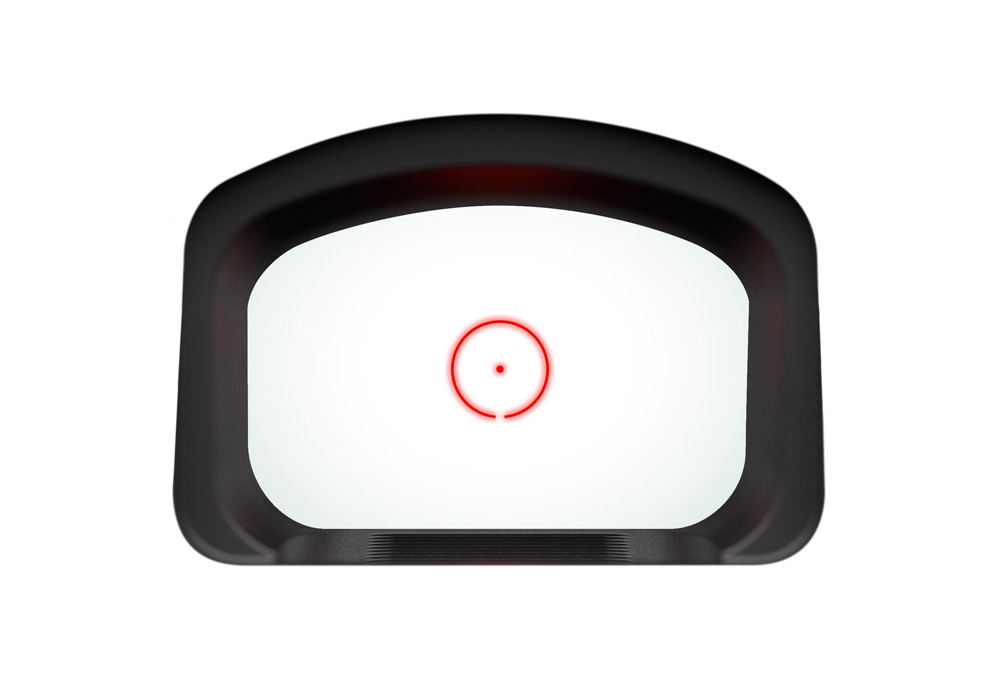
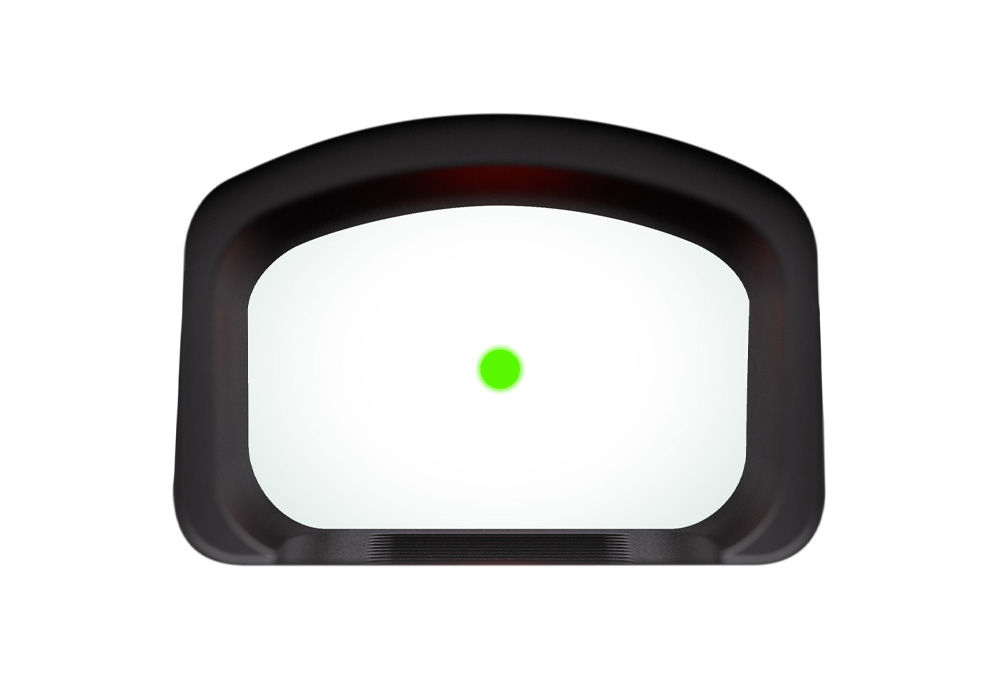
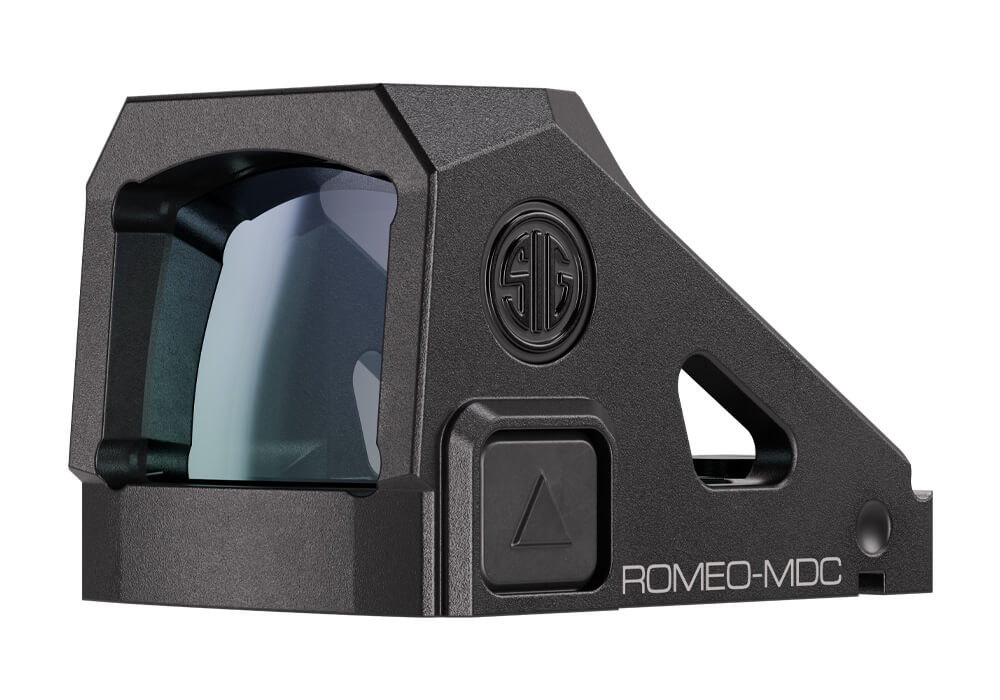
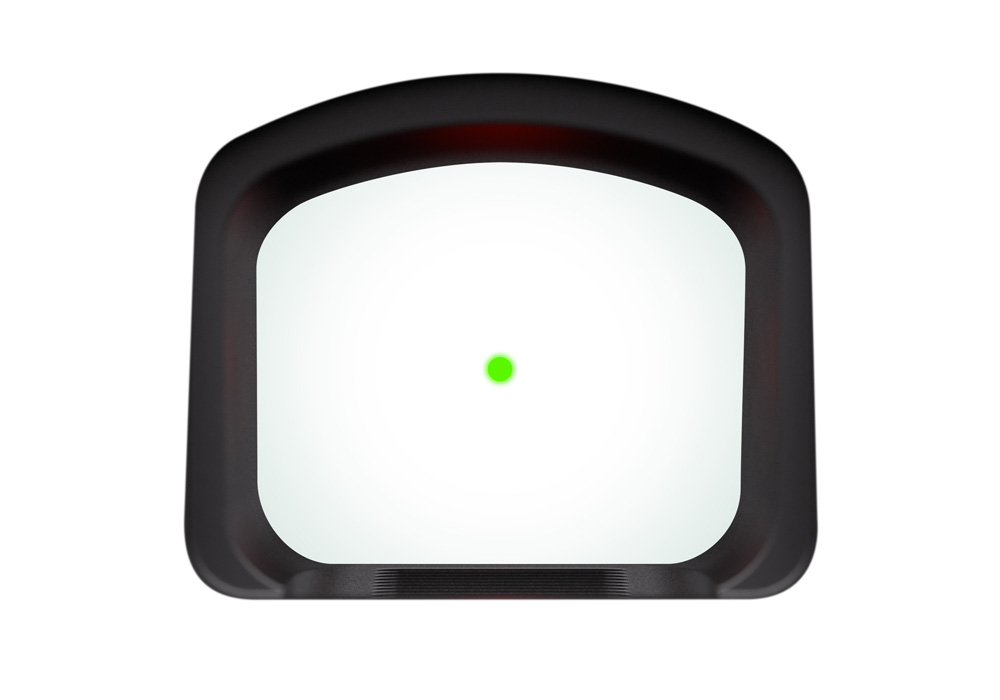
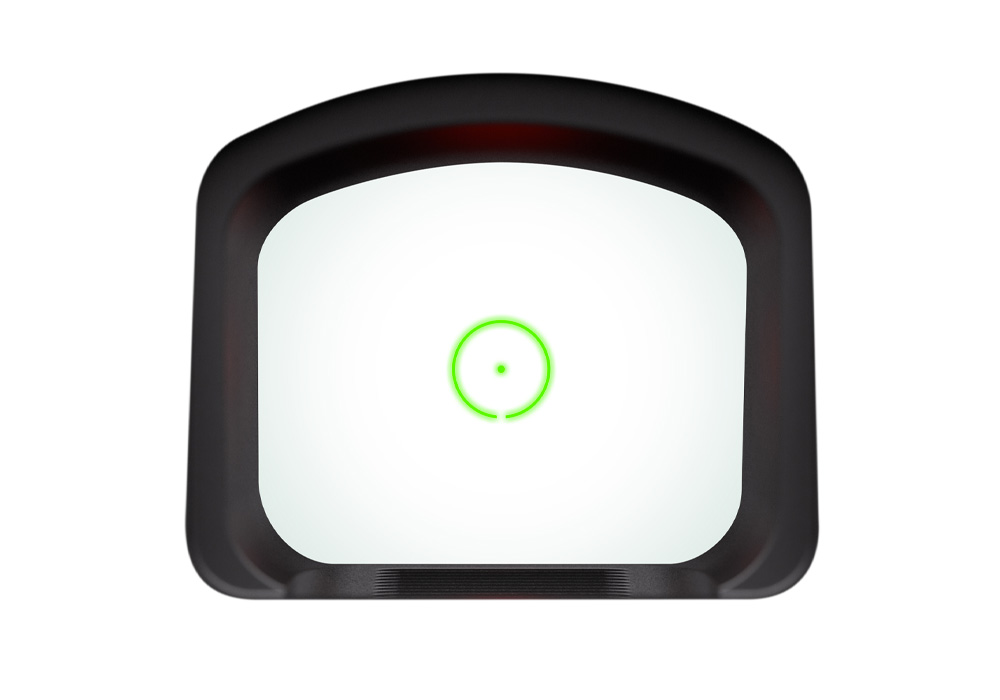
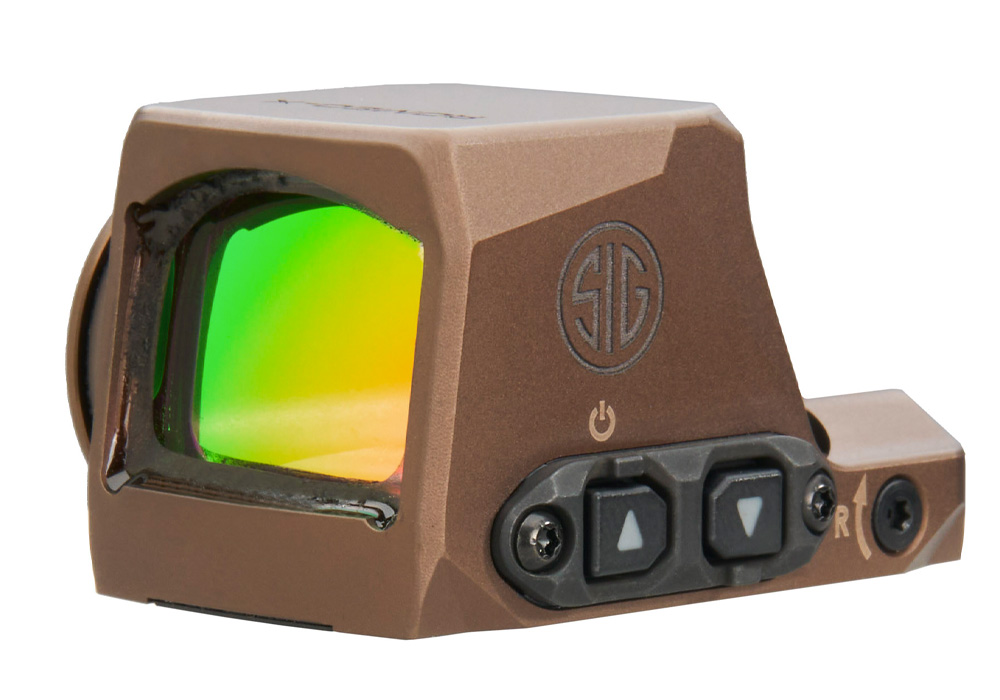
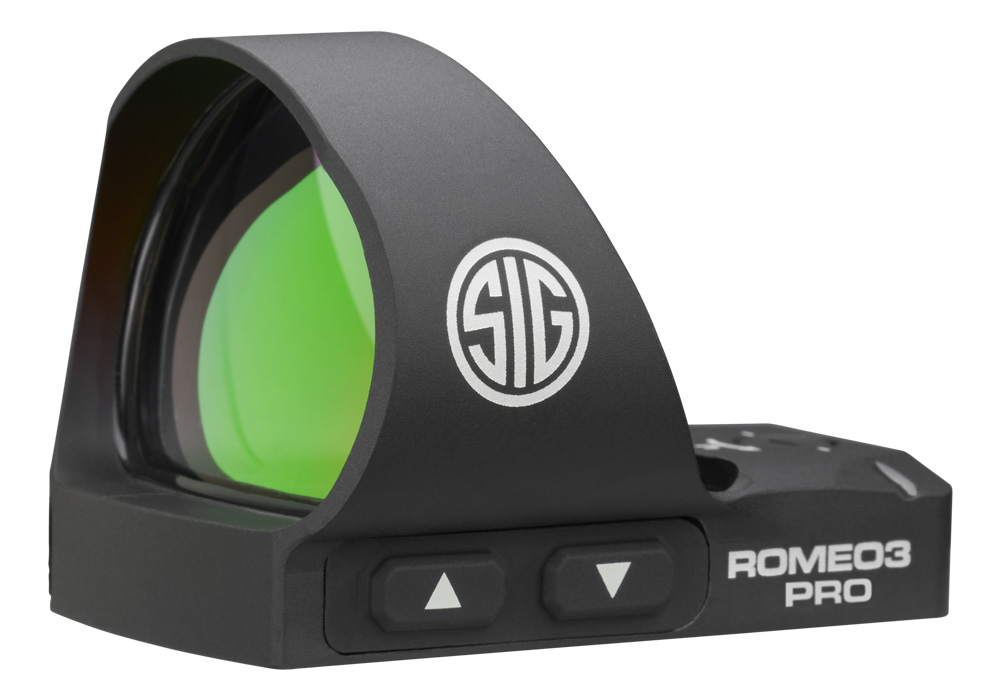
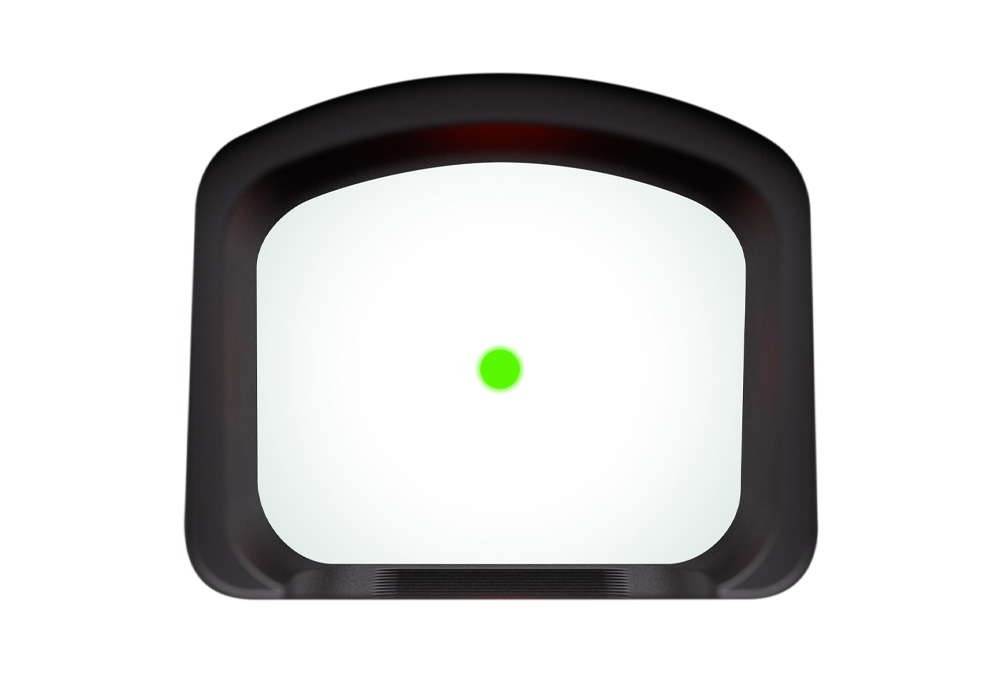
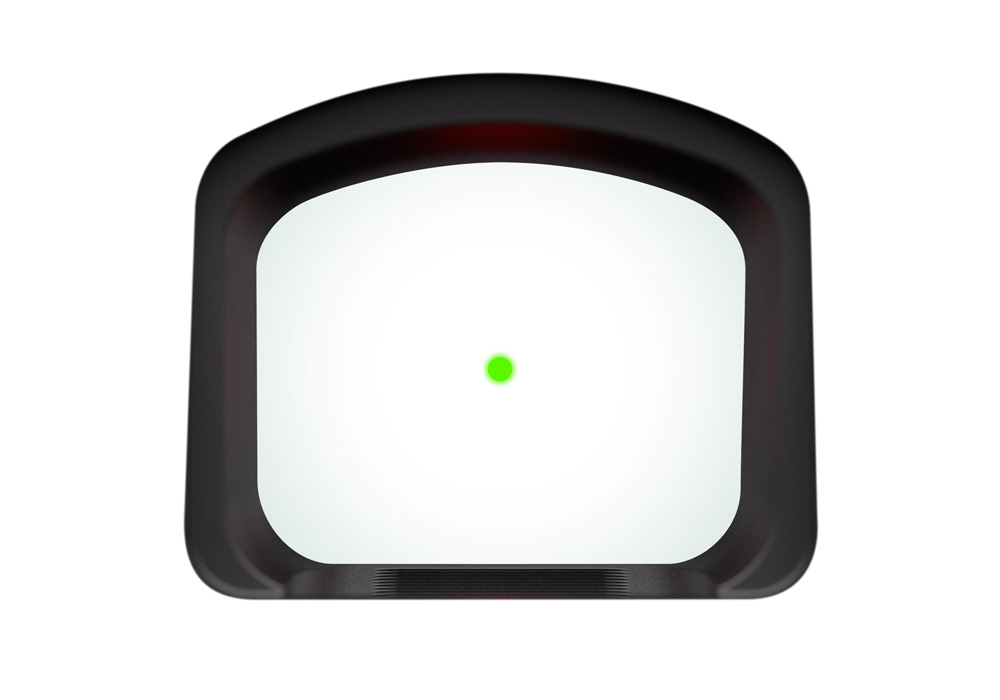
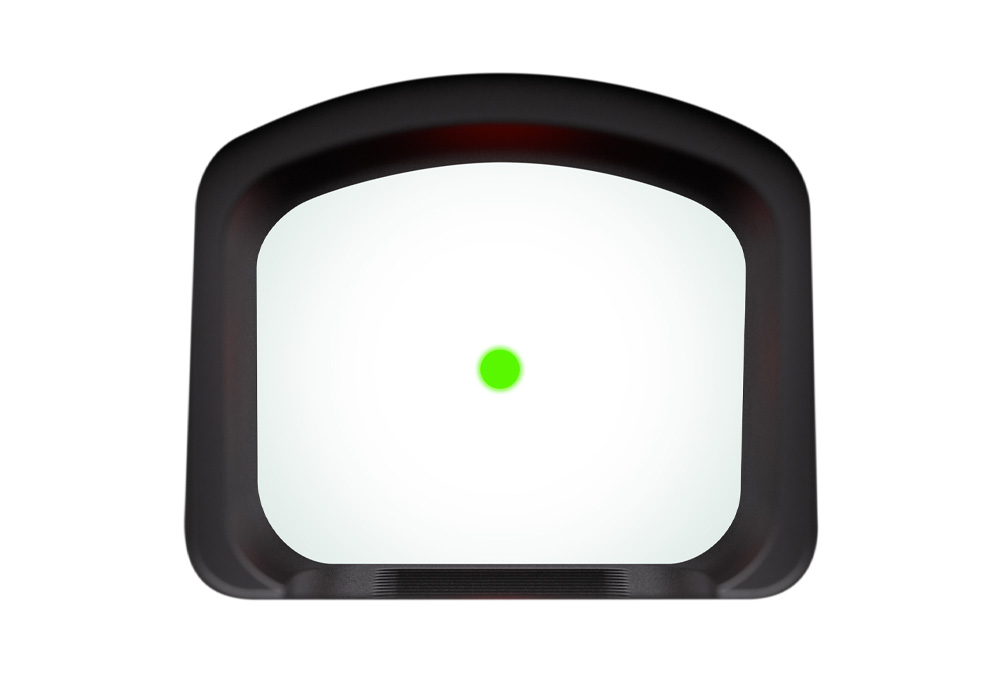
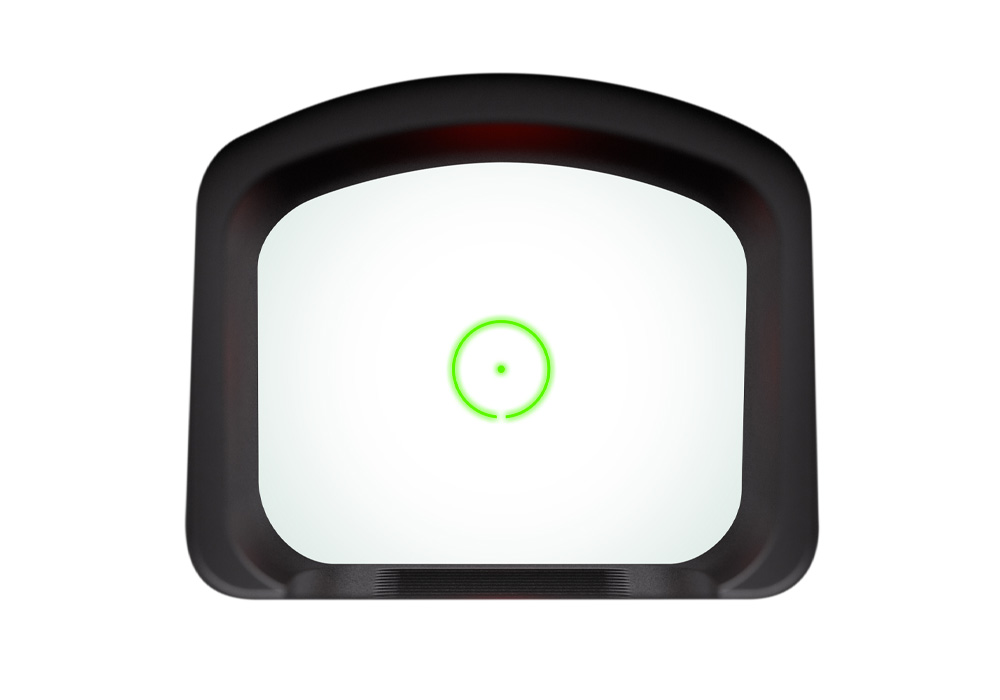
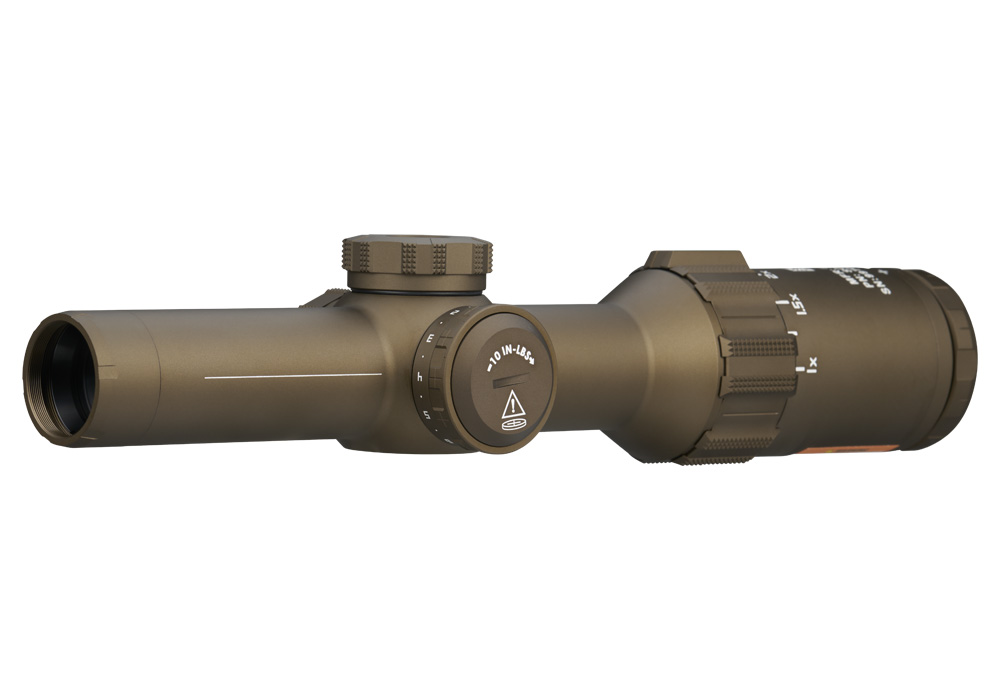
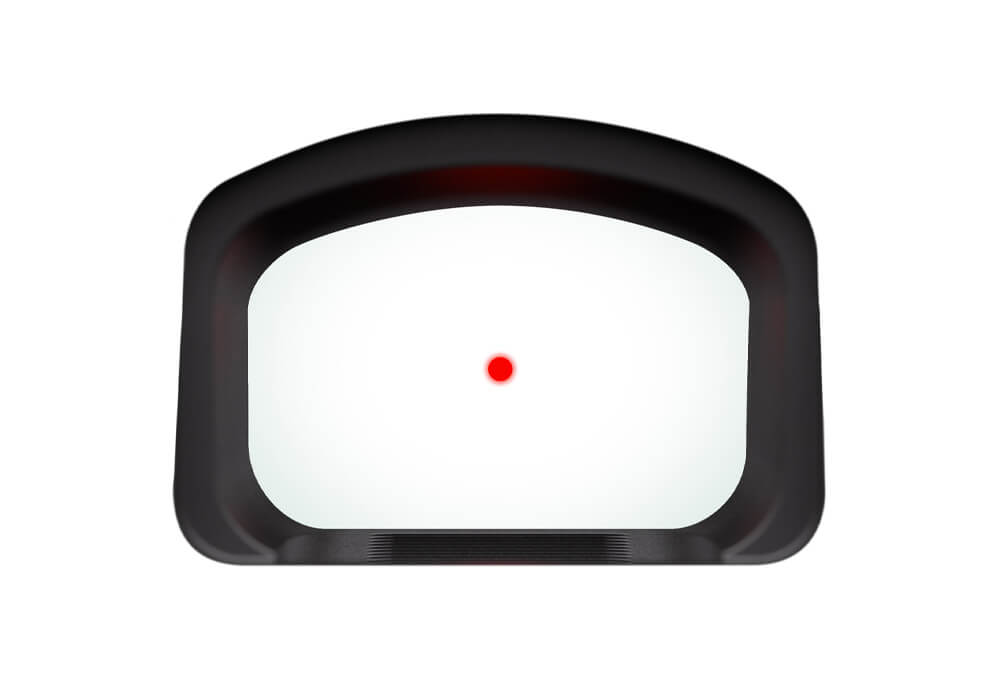
Advanced reflex sight optics are designed to put a bright aiming point in the shooter’s field of view without requiring the eye to align a front sight, rear sight, and target along a single plane. Most use an open viewing window and a projected red dot or similar illuminated reticle, allowing the shooter to keep both eyes open while maintaining a broad view of the surrounding area. This combination makes a reflex sight a practical choice for handguns, carbines, rifles, and shotguns used at close to moderate distances. Compared with traditional iron sights, an advanced red dot sight can simplify the sight picture: instead of carefully centering several components, the shooter focuses on the target and places the illuminated point where the shot is intended to land. That natural presentation is especially useful when working from a ready position, moving between targets at the range, or practicing from varied shooting positions. A compact optic can also add very little weight and bulk, which matters on a slide-mounted pistol or a lightweight rifle that is carried over uneven ground. When selecting an advanced reflex sight, start with the firearm and mounting system. Pistol optics typically require a compatible slide cut or adapter plate, while rifles and shotguns may use a Picatinny or other standardized rail. Confirming the footprint, screw pattern, mounting height, and available clearance before purchase helps prevent compatibility problems and supports a secure installation. A lower mounting position may allow a shooter to use the optic alongside existing sights, known as a co-witness setup, while a taller mount can provide additional clearance over a handguard or shotgun receiver. The intended distance and target size also influence reticle selection. A smaller dot can offer a more precise aiming reference at longer distances, while a larger dot is often quicker to see against a moving or close-range target. Reticle brightness should be adjustable enough for shaded interiors, overcast fields, bright sun, and the changing light that often arrives during the cooler months. An optic that looks perfectly balanced in a dim indoor store may require a different setting when the sun reflects off snow, pale ground, or a brightly colored target.
Durability and usability are equally important when comparing advanced reflex sight optics. Look for a clear viewing window, crisp illumination, straightforward controls, and a battery compartment that can be accessed without removing the optic when possible. A side-loading battery design can preserve zero and reduce the need to disturb the mount during routine maintenance. Battery life varies with reticle intensity, operating mode, temperature, and storage conditions, so responsible users keep a spare battery available and inspect the optic before heading to the range or field. Automatic shutoff and motion-activated illumination can help conserve power, but manual controls remain valuable when a shooter wants to select a precise brightness level. Construction should be appropriate for the firearm and the environment. A well-sealed optic can better resist rain, dust, and condensation, while shock-resistant housing helps it withstand the repeated impulse of recoil and the bumps that come with transport. Open reflex sights offer a generous viewing window and a light, streamlined profile, making them popular for rapid target acquisition. Enclosed red dot designs place the emitter and lenses within a protective body, which may be preferable for duty use, extended exposure to blowing debris, or particularly demanding field conditions. Neither format replaces the need for proper setup and practice. After mounting, confirm that fasteners are tightened according to the manufacturer’s instructions, establish a reliable zero at a suitable distance, and verify the point of impact with the ammunition intended for regular use. A dot that appears to float, flare, or change shape may indicate an eye-related issue, an unsuitable brightness setting, or an astigmatism effect rather than a mechanical problem. Adjusting illumination downward in low light and using a consistent presentation can often make the reticle cleaner and easier to track. For a broader look at the design features and performance considerations found in modern optics, explore Advanced Red Dot Sight Technology.
These optics may serve recreational shooters refining their first target drills, experienced competitors seeking a fast and repeatable sight picture, hunters carrying a compact firearm through brush, or responsible firearm owners equipping a platform for defensive readiness. On a rifle or carbine, a reflex sight can be paired with a magnifier when the user needs both quick close-range aiming and a more detailed view at greater distances. On a shotgun, the open window can help keep the sight picture visible while the shooter tracks a moving target, provided the optic and mount are suited to the firearm’s recoil. Hunters should consider the size and color of the reticle, the contrast of the local terrain, the possibility of gloves or cold fingers affecting controls, and whether the optic remains visible against dark timber, open fields, or low-light backgrounds. Range users may place greater emphasis on repeatable adjustments, precise elevation and windage controls, and a window that makes it easy to diagnose an inconsistent presentation. An advanced reflex sight can also be a thoughtful gift for a lawful adult who already owns a compatible firearm and has expressed interest in improving their setup, although a gift card or a conversation about footprint and mounting requirements may be wiser than choosing an optic without knowing the recipient’s platform. Safe storage, appropriate eye and ear protection, muzzle awareness, and careful handling remain essential with every firearm and accessory. New users benefit from professional instruction and a deliberate practice routine that begins with an unloaded firearm, confirms the optic’s zero, and gradually builds speed without sacrificing accuracy. As the weather shifts from warmer outdoor sessions to cooler mornings and shorter daylight, a dependable optic with clear glass, accessible controls, suitable sealing, and a properly maintained battery can make practice more comfortable and consistent. The best choice is the one that matches the firearm, mounting system, shooting distance, environment, and user’s habits, providing a durable and familiar aiming reference each time the firearm is handled.