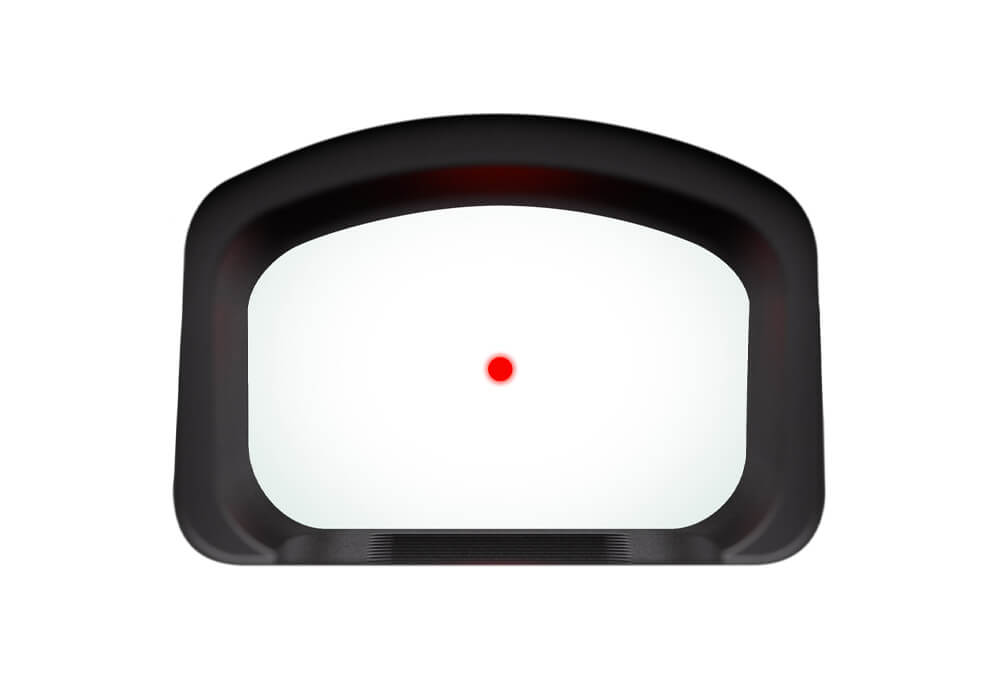
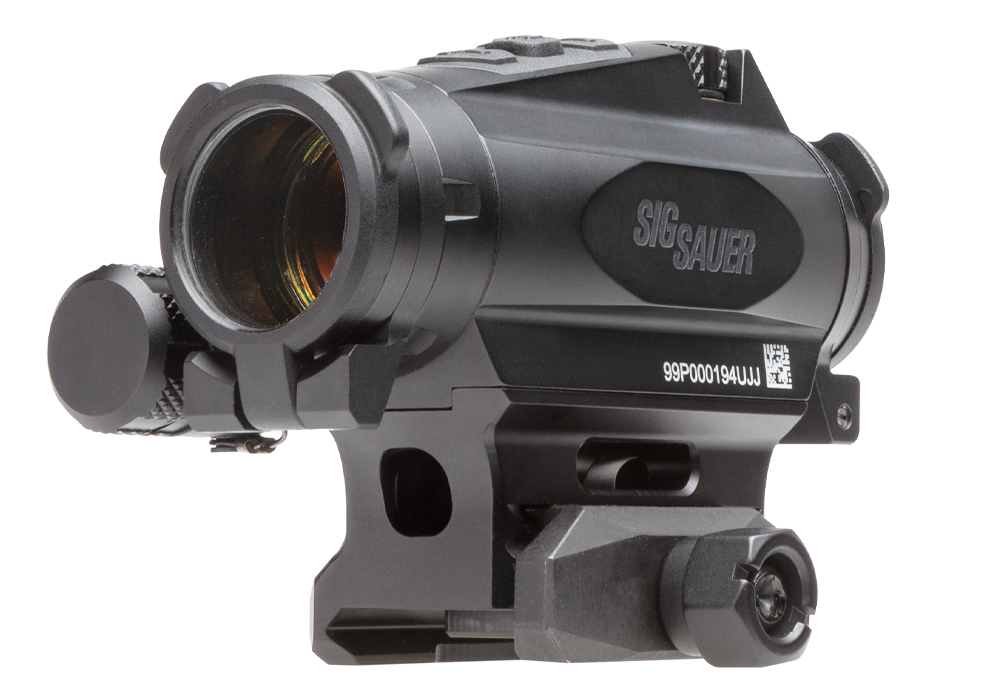
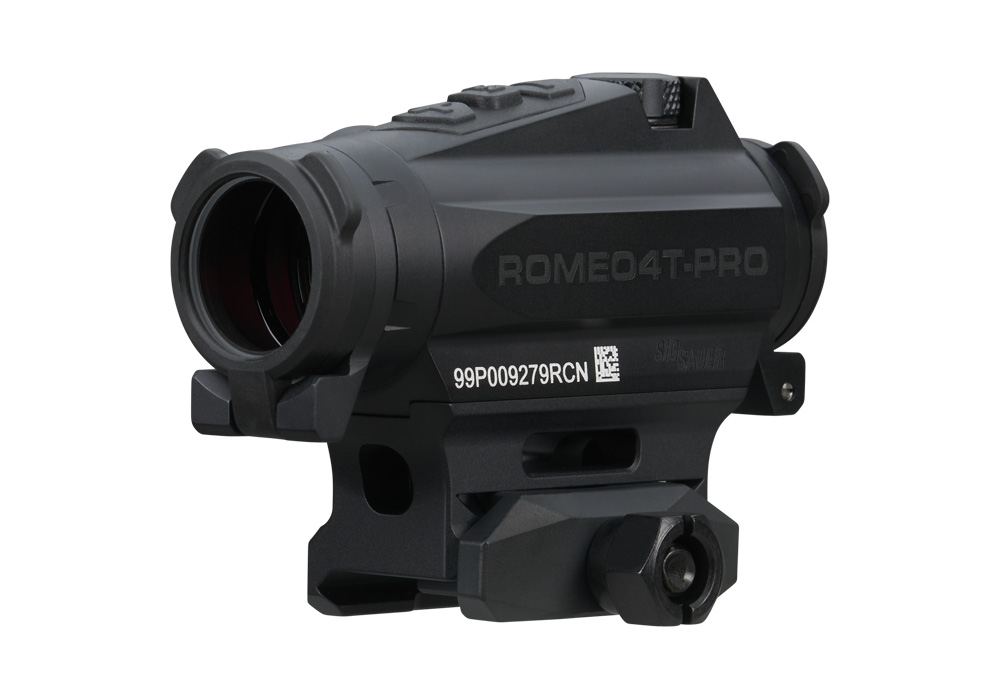
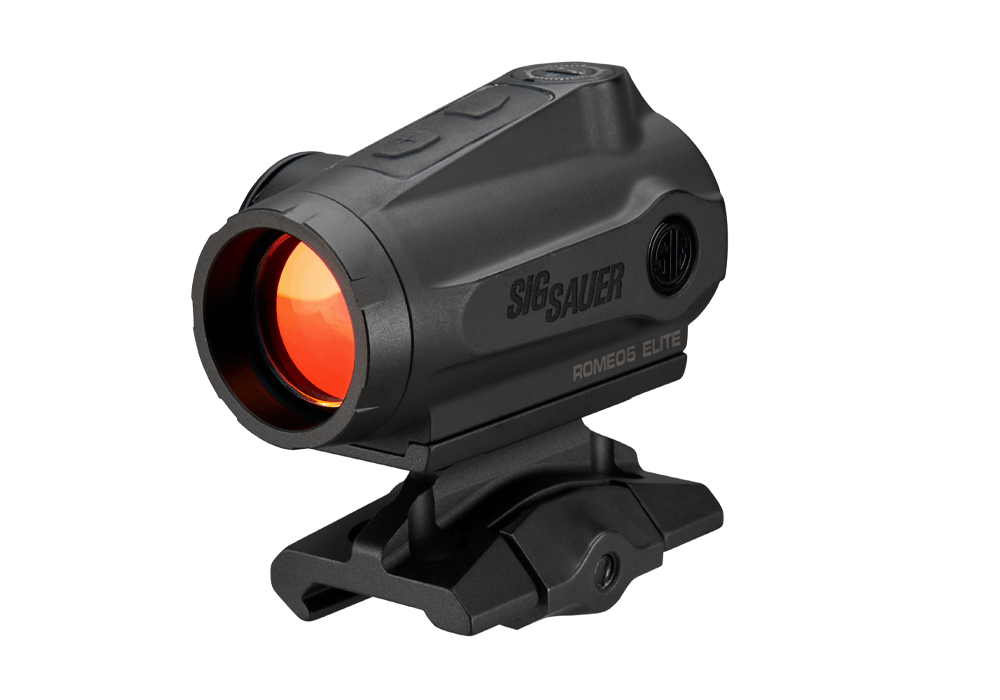
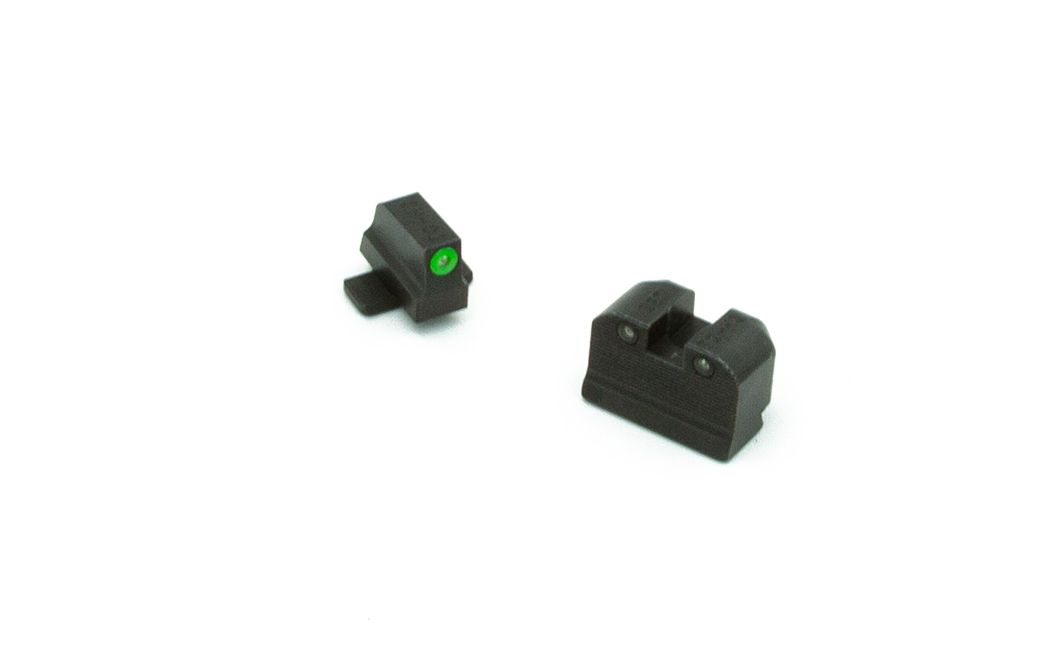
Advanced red dot sight technology gives shooters a fast, clear aiming reference without the visual complexity of traditional magnified optics. These non-magnifying reflex sights use an LED emitter to project a reticle onto specially coated glass, allowing the shooter to keep both eyes open while maintaining awareness of the surrounding environment. When the optic is properly mounted and zeroed, the reticle appears to rest on the target, helping simplify sight alignment and support consistent shot placement. That combination of speed, clarity, and ease of use makes modern red dots suitable for a wide range of applications, from handgun carry and rifle training to competition, recreational shooting, home-defense preparation, and field use. A compact sight may be selected for a slide-mounted handgun where a low profile and holster compatibility matter, while a larger optic with a more generous viewing window may be preferred on a carbine or sporting rifle. When comparing options, consider the firearm’s mounting interface, the available footprint or adapter plate, the height needed for iron-sight co-witnessing, the size and shape of the viewing window, and whether the optic can withstand the recoil and conditions associated with the intended firearm. The best choice is one that feels natural during presentation and remains easy to see when the shooter is moving from a ready position to the target. For shoppers comparing modern aiming solutions, Precision Dot Optics offers a useful place to explore this category alongside other precision-focused sighting options.
Many of the most important advances in red dot design focus on reliability in less-than-perfect conditions. An enclosed-emitter optic seals the LED and optical system inside its housing, helping protect the projection path from rain, dust, mud, snow, and other debris that can interfere with an exposed emitter. This design can be especially appealing to shooters who train outdoors, travel with a rifle, or expect an optic to remain ready through changing weather during the warmer and cooler parts of the year. Motion-activated operation, often called shake-awake technology, senses movement and powers the sight on as the firearm is handled, then enters a sleep state after a period of inactivity to conserve the battery. Long battery life can reduce maintenance between range sessions, but it remains good practice to inspect the optic, confirm the brightness setting, and replace batteries according to the manufacturer’s instructions rather than relying on a single feature. Some advanced sights add solar-assist or ambient-light backup systems that help support operation in bright conditions while retaining battery power for low-light environments. Multi-reticle systems provide additional flexibility by allowing the user to switch between a fine central dot, a larger circle, or a combined circle-dot pattern. A smaller aiming point can support precise work at distance, while a bolder reticle may be easier to find during a rapid presentation or when the target background is visually busy. Brightness controls should offer enough range for direct sunlight, shade, indoor lighting, and low-light use without washing out or blooming around the aiming point. Shooters who use night-vision equipment should also verify that the optic provides compatible low-intensity settings and that the selected configuration matches their training and equipment.
Choosing an advanced red dot sight is ultimately a matter of matching technology to the firearm, the shooter, and the conditions in which it will be used. A handgun optic intended for daily carry may need a compact housing, a durable lens, a snag-resistant profile, and a mounting solution that works with the owner’s holster and iron sights. A rifle sight may place greater emphasis on a wide field of view, a robust mount, rapid target transitions, and controls that can be operated while wearing gloves. Reticle size is another practical consideration: measurements in minutes of angle describe how much of the target a dot covers at a given distance, so a smaller dot may favor careful precision while a larger dot can be quicker to locate. Eye relief is not a limitation in the same way it is with magnified scopes, but proper cheek weld, grip, stance, and presentation still matter for finding the reticle immediately. New users often benefit from structured practice at close and moderate distances, beginning with an unloaded firearm and following all safe handling procedures before progressing to live fire. An optic can also be a thoughtful gift for a responsible shooter, a competitor preparing for a new division, or a family member building a training setup, provided the recipient’s firearm, mounting pattern, and intended use are known in advance. During outdoor range days, hunting preparation, or cooler-season training, features such as weather protection, dependable illumination, simple controls, and extended battery life can make the experience more convenient. Always confirm compatibility, follow installation and zeroing instructions, use appropriate eye and ear protection, and comply with all applicable laws and range rules.