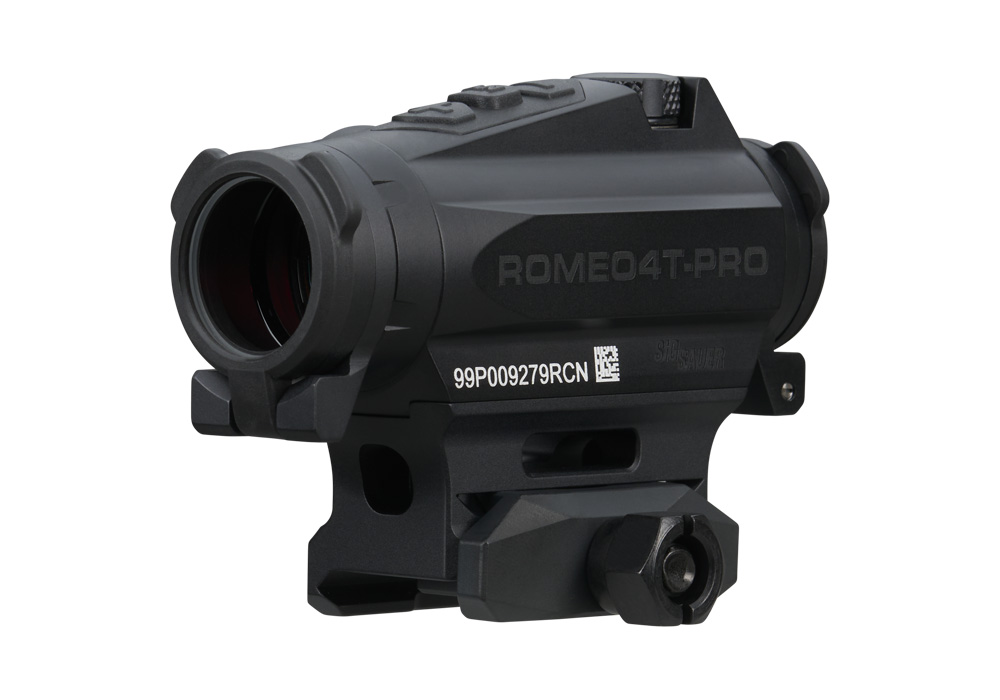
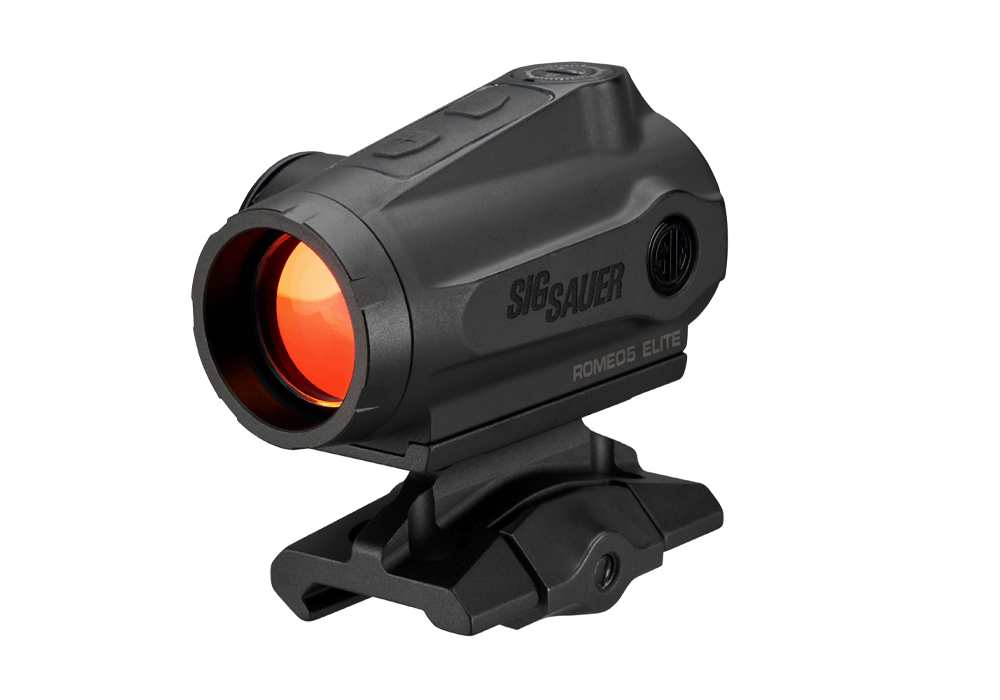
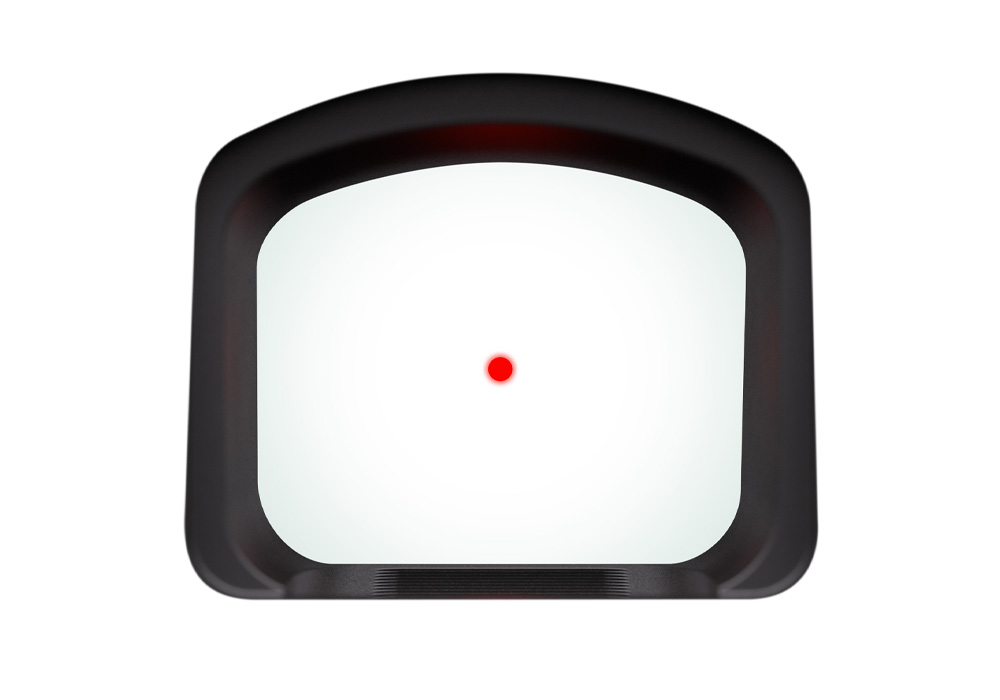
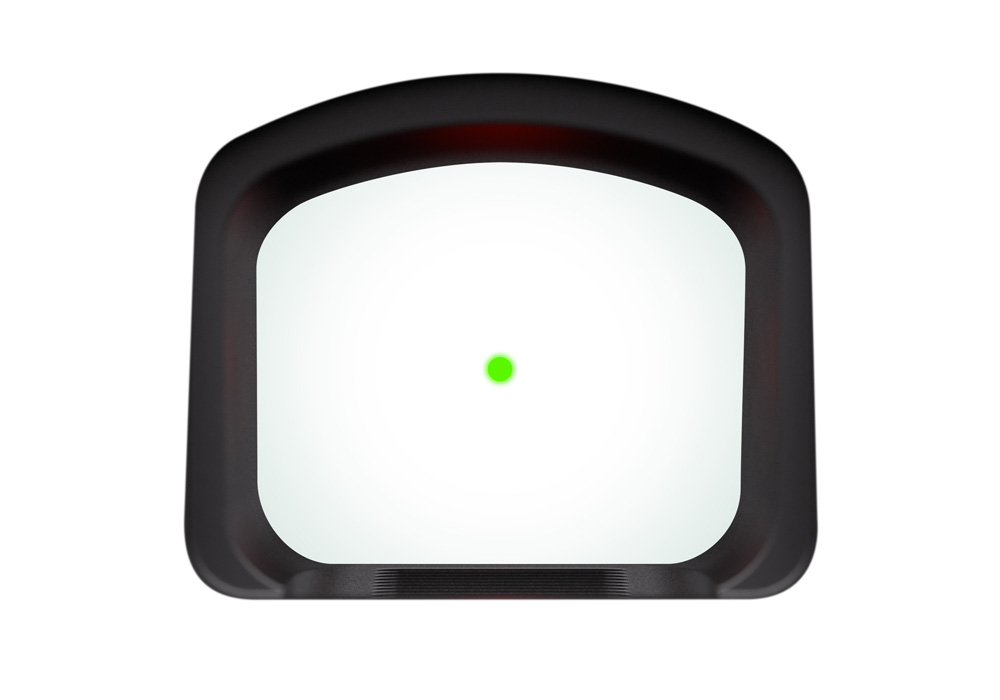
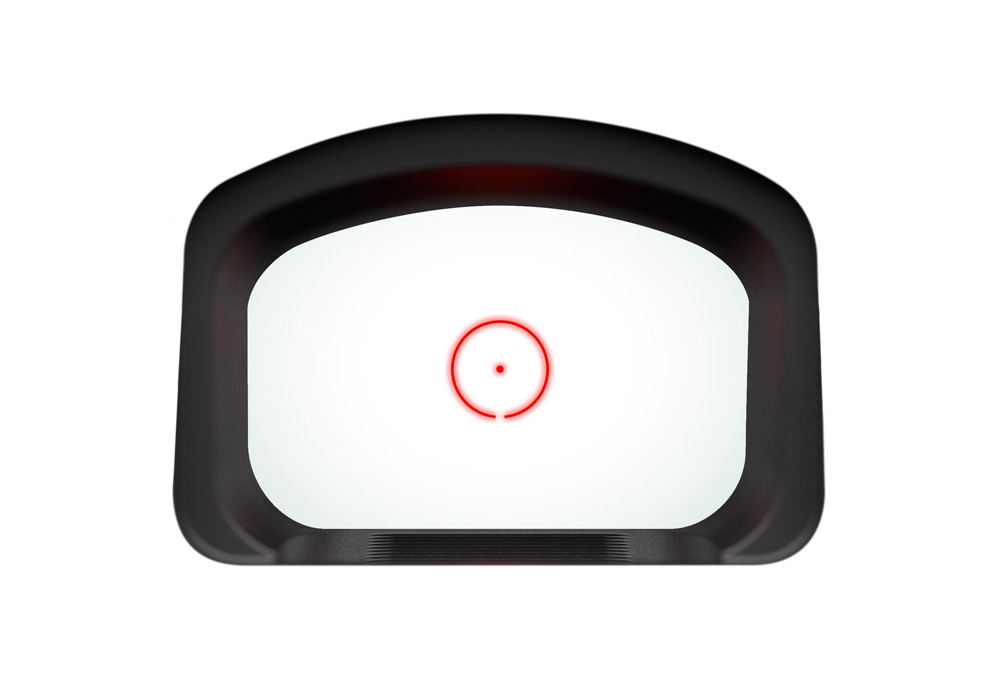
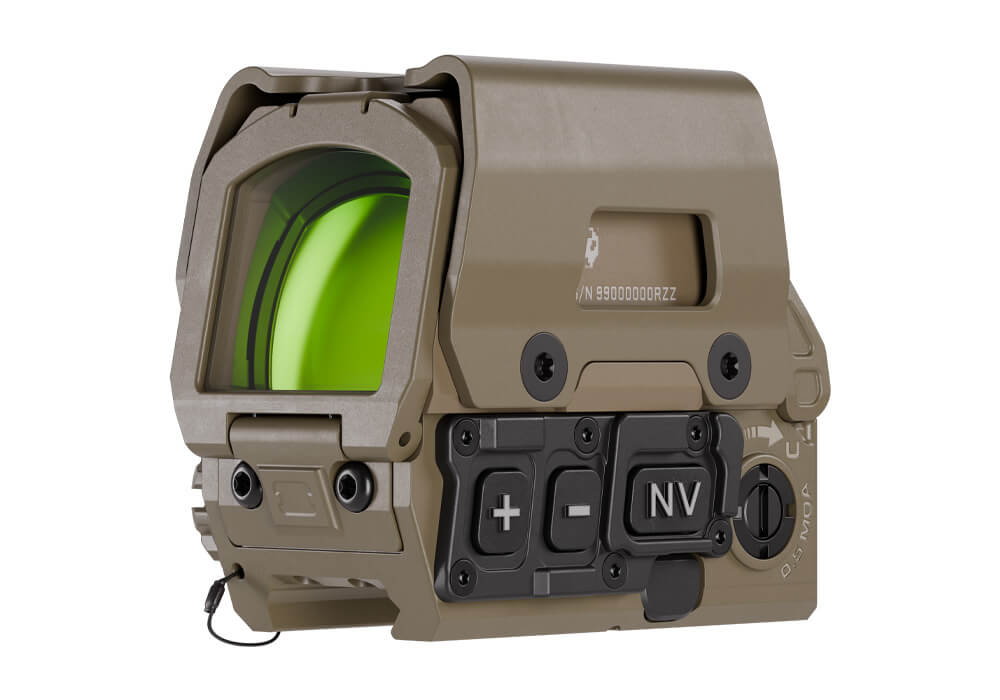
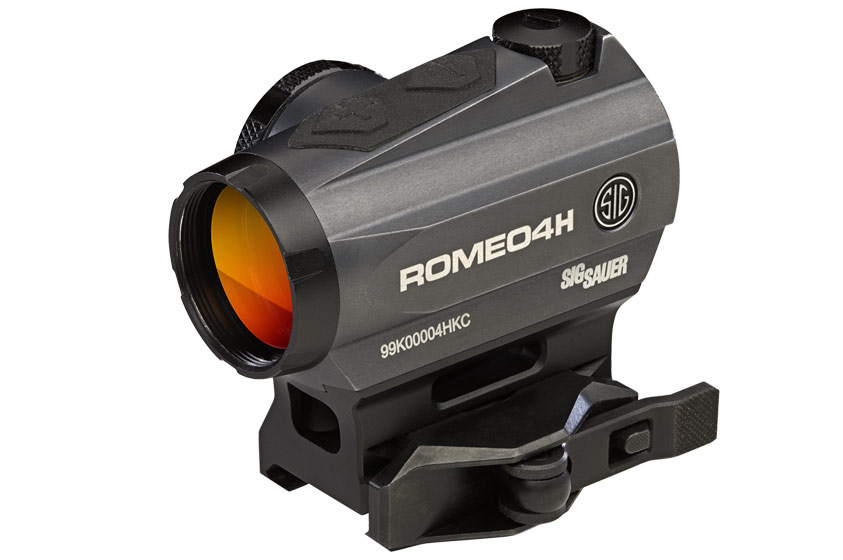
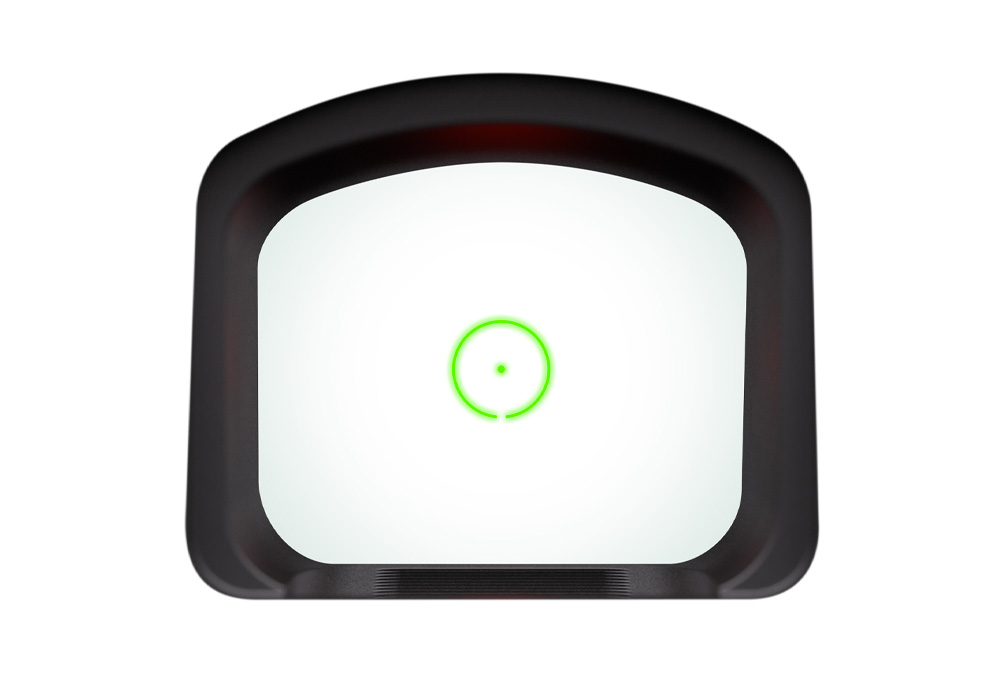
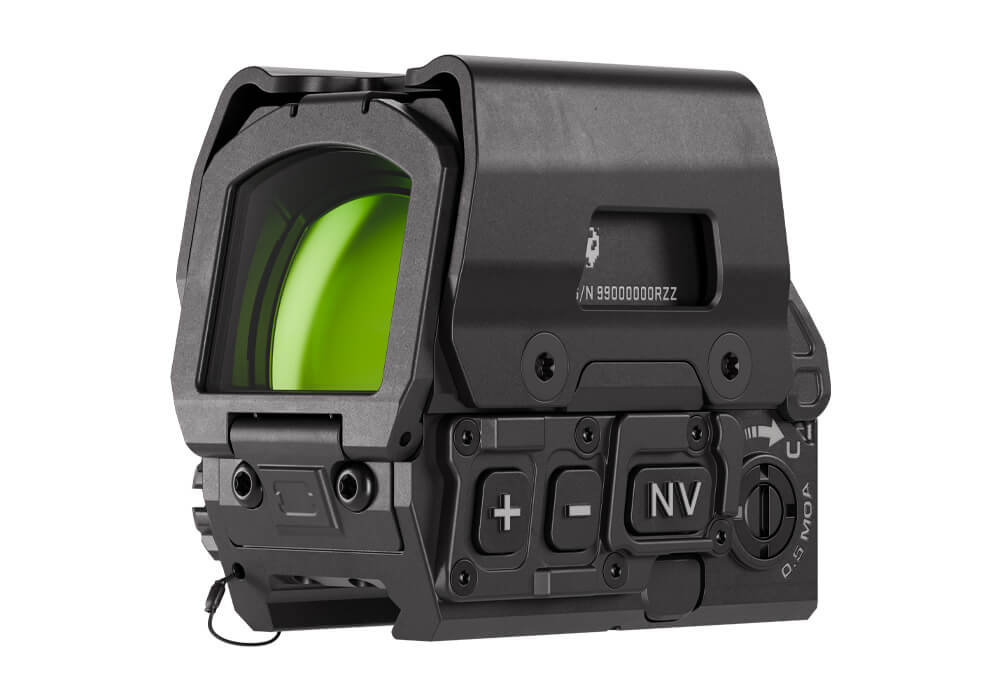
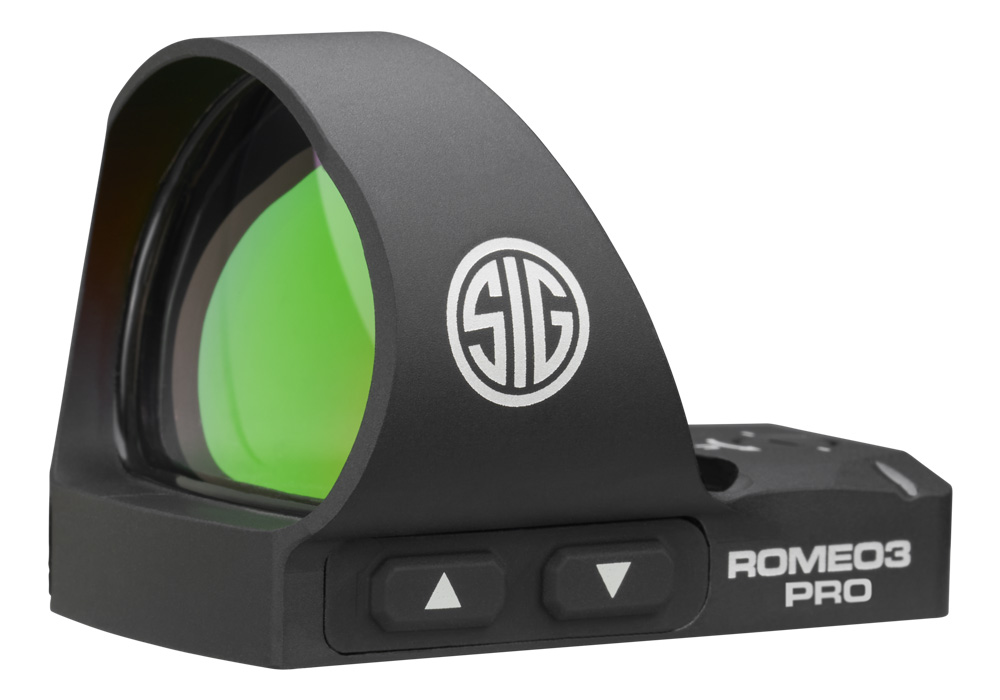
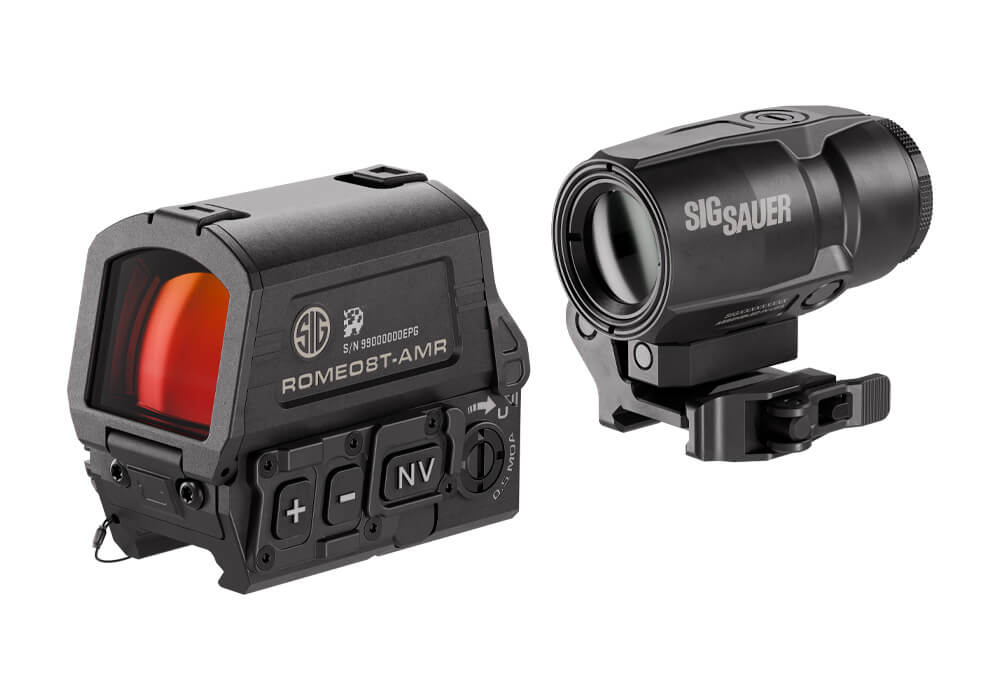
Precision dot optics use an illuminated aiming point to provide a clear visual reference without requiring the same front-and-rear sight alignment as traditional iron sights. Most are nonmagnifying reflex sights, presenting a dot or other reticle through a viewing window while preserving a broad view of the surrounding area. Their appeal spans recreational target shooting, organized competition, and hunting applications where compatible equipment and local regulations permit. A useful distinction is that precision describes more than a small dot: optical clarity, consistent adjustments, a secure mounting interface, and dependable illumination all contribute to a sight that supports repeatable results. Dot size is commonly expressed in minutes of angle, or MOA. A smaller dot can provide a finer reference against a small target, while a larger dot may be easier to distinguish at a glance. Neither is automatically better; the practical choice depends on the target, the viewing distance, and the shooter’s eyesight. Brightness matters just as much. Excessive illumination can make a dot appear larger or less distinct, while insufficient illumination can leave it difficult to see against a bright background. Adjustable brightness allows the sight picture to suit different lighting environments, from an indoor range lane to a sunlit outdoor target bay. Red and green illumination offer different visual experiences, and individual preference matters more than a universal claim that one color suits everyone. For someone comparing related configurations, High Precision Red Dot Optics provides a focused category for exploring this style of sight. An experienced competitor may prioritize an unobstructed window and readily accessible controls, while a recreational shooter may value a simple reticle and straightforward operation. Someone adding an optic to a familiar firearm may be especially interested in how the sight changes its balance, overall profile, and storage requirements. These differences help explain why precision dot optics include several housing shapes, window sizes, mounting arrangements, and control layouts rather than a single design suited to every application.
Construction and fit determine how comfortably an optic becomes part of an existing setup. Aluminum housings are common because they combine relatively low weight with useful structural strength, although housing geometry, surface treatment, and the protection around the lens also influence durability. Repeated recoil places demands on the optic and its mounting hardware, so compatibility involves more than whether two components appear to fit together. The mounting footprint, screw specifications, adapter plate, and firearm interface must correspond to the relevant manufacturer specifications. A pistol slide cut and a rail-mounted installation present different requirements, and an optic intended for one platform should not be assumed suitable for another. Mounting height also affects the relationship between the optic, existing sights, and the shooter’s natural viewing position. On some setups, iron sights remain visible through the optic window; on others, different sight heights or mounting arrangements are necessary. Those relationships are worth confirming before selecting components, particularly when a firearm already has aftermarket parts. Open-emitter and enclosed-emitter designs offer another meaningful distinction. An open-emitter sight leaves the light source exposed behind the viewing lens, whereas an enclosed design places the emitter within a housing protected by additional glass. An enclosed emitter can help limit interference from debris around the light source, while an open design may offer a less enclosed sight picture or a different balance of size and weight. Neither construction eliminates the need for inspection and cleaning. Lens coatings can influence light transmission, reflections, and resistance to surface contamination, but coating descriptions should be evaluated alongside the complete optical design. A slight lens tint can be normal in a reflex sight and does not, by itself, indicate poor quality. Window shape, edge distortion, and the apparent crispness of the reticle also affect the viewing experience. Some users with astigmatism may see a dot as a streak or cluster rather than a clean point, making personal visual comfort an important consideration alongside published specifications.
Long-term satisfaction often comes down to details that are easy to overlook when comparing window dimensions and reticle patterns. Battery access is one example: a side or top compartment may allow replacement without removing the optic, while other arrangements require separation from the mount. That difference can affect maintenance convenience and whether the sight’s alignment needs verification afterward. Published battery-life estimates are useful reference points, but actual operating time depends on brightness settings, battery quality, operating features, and use. Automatic illumination controls and motion-responsive operation can add convenience, though their behavior varies by design. Clearly defined controls, positive button feedback, and settings that resist unintended changes can matter during an ordinary range session, especially when equipment travels in a fitted case. Care is generally straightforward when it follows the optic manufacturer’s instructions. Loose dust and grit should be cleared before lens surfaces are wiped, and optical surfaces benefit from suitable cleaning materials rather than abrasive cloths or household chemicals. Protective covers can help shield the glass during storage and transport, provided the cover fits without pressing against controls. Mounting hardware deserves periodic inspection, with any concerns about fit or installation addressed according to the applicable instructions or by a qualified professional. An optic should also have an appropriate recoil rating for its intended platform; a familiar appearance does not establish suitability. For a gift recipient, those compatibility details are especially important. A target shooter who already has a preferred mounting footprint may appreciate an optic that fits that established system, while someone building familiarity with dot sights may place more value on clear controls and an uncomplicated reticle. Matching the recipient’s platform and preferences is more useful than choosing by appearance alone. Across these uses, the most meaningful qualities remain consistent: a readable aiming point, sound construction, compatible mounting, accessible maintenance, and controls that behave predictably. Together, those characteristics support a precision dot optic that feels integrated with the equipment rather than added as an afterthought.