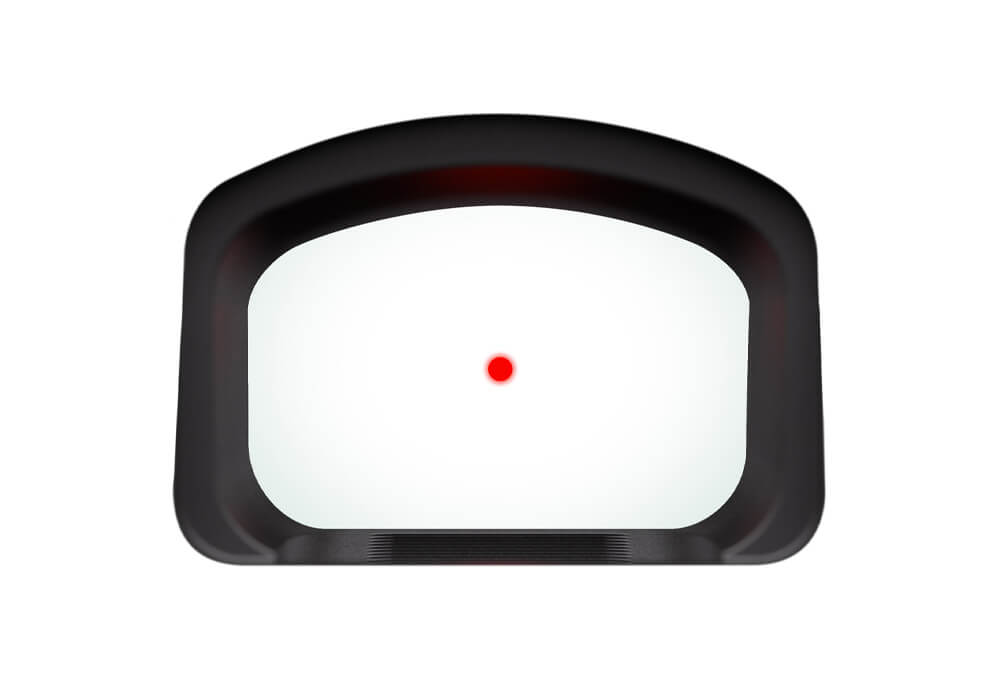
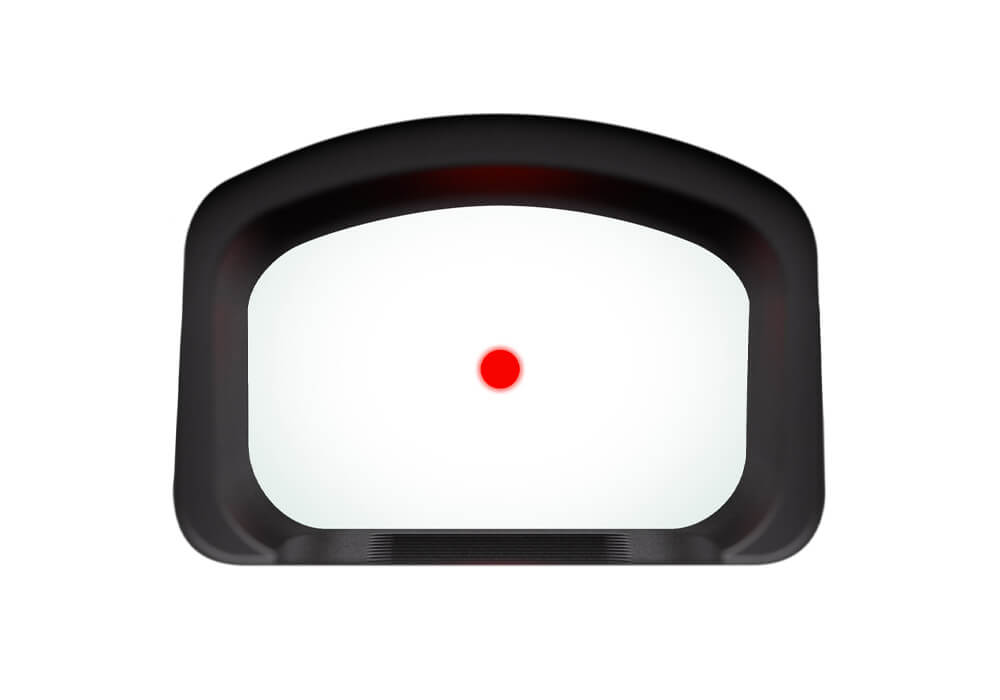
High precision red dot optics bring a clearly defined aiming reference into a sight picture that keeps the target in view. Rather than aligning a front sight with a rear notch, the shooter sees an illuminated reticle through the optic’s window, often with both eyes open. That simplicity is useful for deliberate target shooting, timed competition, and other applications where an aiming reference needs to be easy to locate without obscuring important detail. Most red dot sights provide an unmagnified view, so their precision depends on reticle definition, optical clarity, secure mounting, and a consistent relationship between the firearm and the shooter. Dot size is expressed in minutes of angle, or MOA, an angular measurement that describes how much of the target the dot covers. One MOA spans approximately 1.05 inches at 100 yards; a 2 MOA dot covers about 2.1 inches at that distance. Smaller dots, commonly in the 1–2 MOA range, can help preserve the view of a small scoring area, while dots in the 3–6 MOA range are often easier to pick up quickly. Neither approach is automatically better: a competitor moving between close targets may value immediate visibility, while someone concentrating on tight groups may prefer a finer aiming point. Brightness matters just as much as the stated dot size. Excessive illumination can make a small dot appear larger or less distinct, while insufficient illumination can leave it difficult to see against the target. Clear lenses and appropriate coatings help support contrast, but an individual shooter’s vision also influences the apparent shape of the reticle. Astigmatism, for example, can cause a dot to look streaked or irregular even when the optic is functioning correctly. A sharply defined reticle supports precise aiming; it does not replace sound technique or improve the firearm’s inherent accuracy. For a shooter watching the center of a paper bullseye, the practical goal is a visible dot that leaves enough target detail to establish a repeatable point of aim without dominating the entire sight picture.
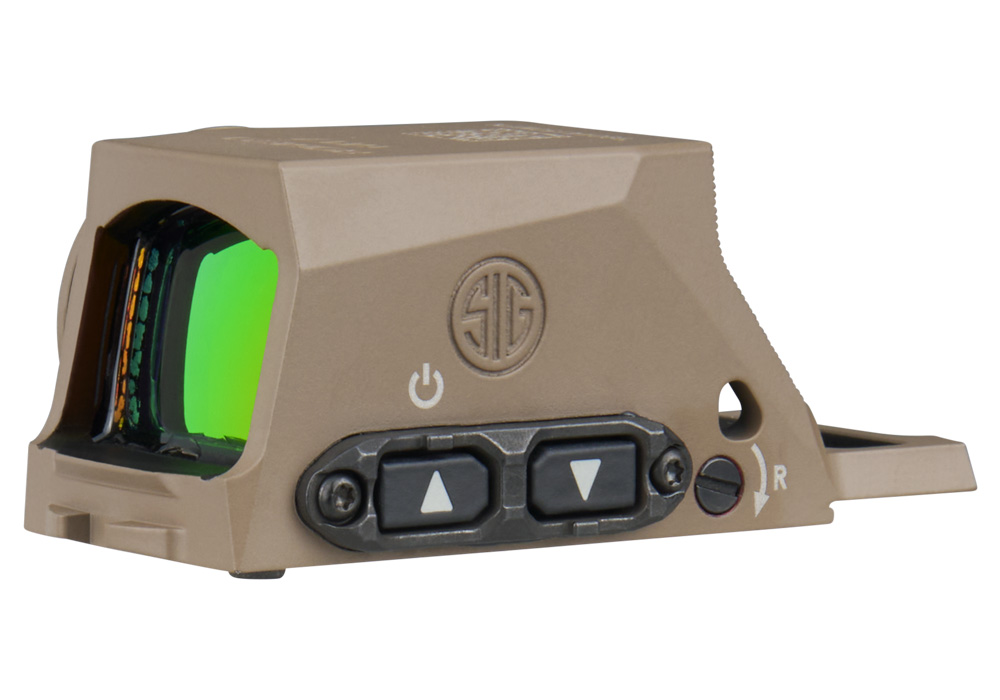
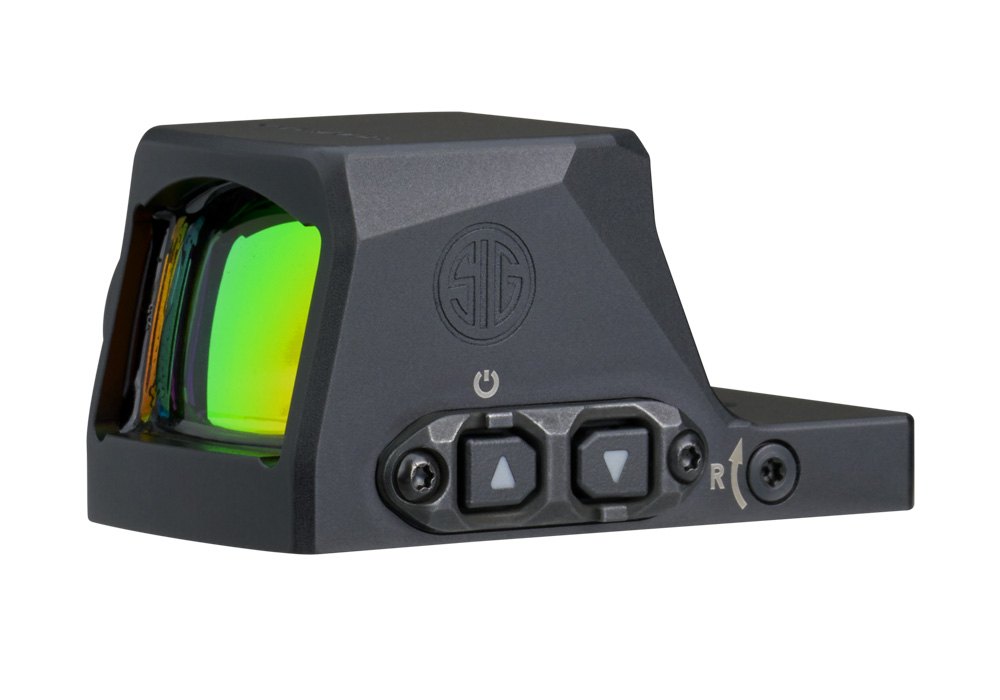
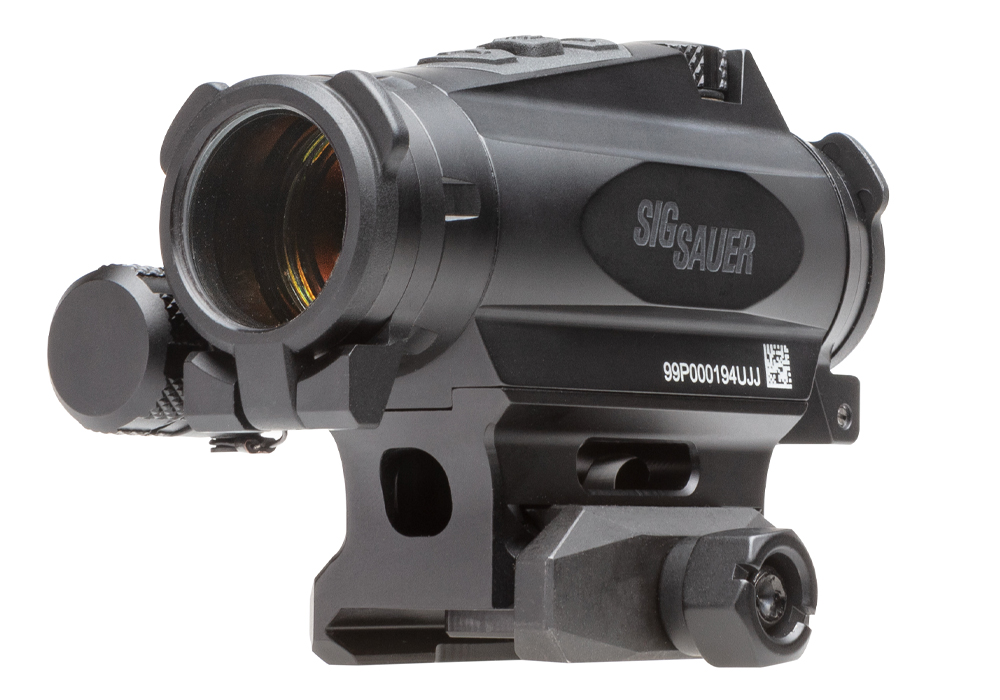
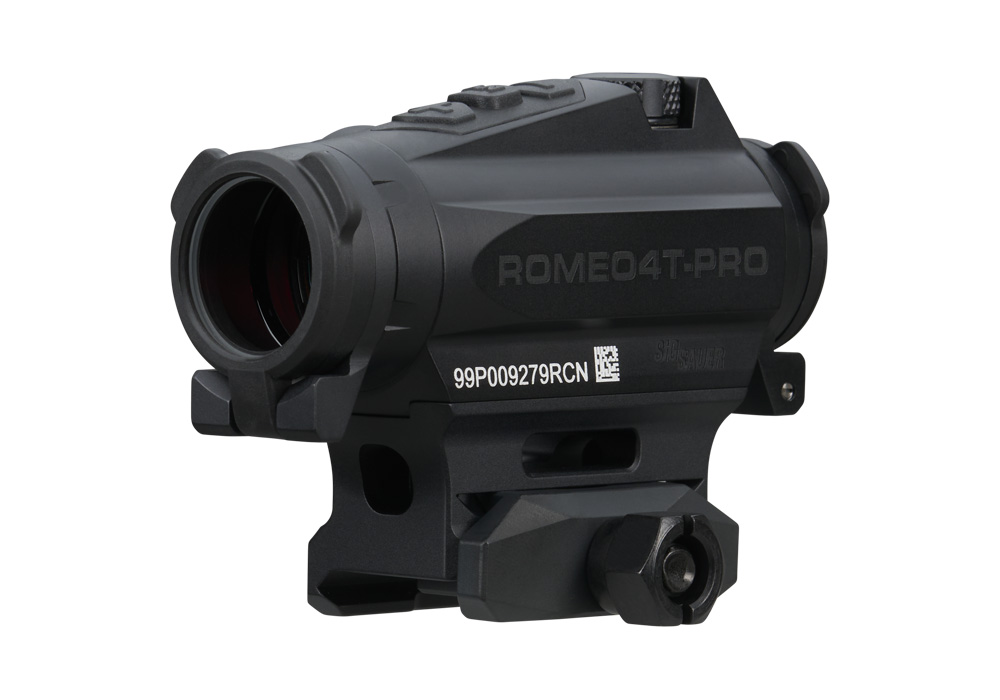
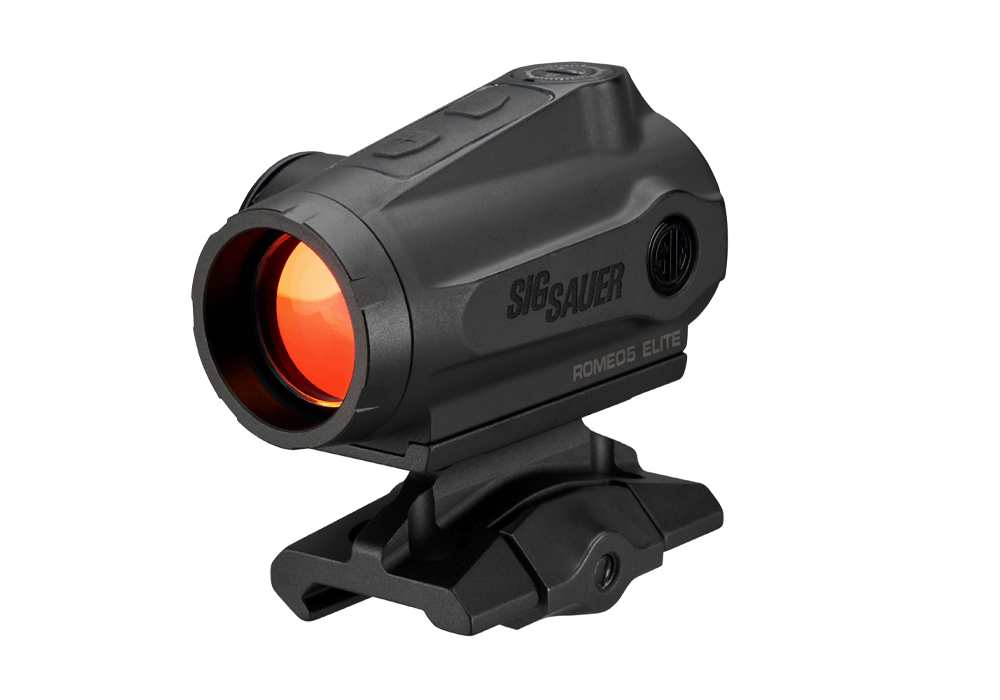
Fit and construction determine whether that clear sight picture remains dependable through regular use. A handgun optic must match the slide’s mounting footprint or an appropriate adapter system, while a rail-mounted sight needs a mount compatible with the firearm’s rail and the intended viewing height. An optic-ready slide does not necessarily accept every red dot sight, and similar-looking mounting patterns may differ in screw spacing, locating features, or required hardware. Manufacturer compatibility information is therefore more useful than appearance alone. On a handgun, housing dimensions can affect holster fit, and the installed sight height influences whether the iron sights remain visible through the window. On a rifle or carbine, mount height shapes head position and can affect alignment with a separate magnifier. A magnifier can enlarge the target image, but it does not change the dot’s underlying angular coverage. Each configuration also places different demands on the optic: a slide-mounted sight experiences repeated cycling, while a rail-mounted model has its own recoil and handling requirements. Durable housings, often aluminum, protect the optical assembly and electronics, but material alone is not a complete measure of toughness. Housing geometry, lens protection, fastening design, sealing, and documented testing all deserve attention. Open-emitter sights leave the light path between the emitter and viewing lens exposed; enclosed-emitter sights protect that path within a housing. Enclosed designs can help keep lint and debris from interrupting the reticle, while open designs may offer a compact profile and accessible viewing window. Both can serve precision-focused shooters when their construction suits the application. Red dot sights typically use an LED rather than a laser to generate the aiming reference, and the reticle is visible within the optic rather than projected onto the target. Window dimensions, edge distortion, and control placement also shape everyday usability. At a range bench, a generous viewing window may feel comfortable during deliberate aiming; during a timed stage, accessible controls and a housing that does not crowd the sight picture can matter just as much. Claims of reduced parallax should not be treated as a promise that every viewing position produces identical results at every distance.
Adjustment features and routine care help turn those specifications into a useful ownership experience. Windage and elevation controls should provide understandable adjustment values and remain secure once the sight is set for the intended firearm and ammunition. Brightness settings should cover the lighting encountered during use, with controls that are easy to identify without obscuring the lens. For a closer look at options centered on these features, Adjustable Red Dot Sights for Precision Shooting offers a related selection. Manual brightness control gives the shooter direct input, while automatic adjustment can reduce the need for intervention; the better fit depends on how the sight will be used. For example, lighting around the optic may differ from lighting on the target, so automatic brightness behavior deserves consideration rather than an assumption that it will always select the preferred setting. Battery type, compartment access, and power-management features are equally practical details. A side- or top-access battery compartment can allow replacement without removing the optic, depending on the design. Published battery-life figures should be read alongside their test conditions because brightness level, activation settings, and operating patterns influence runtime. Motion-activated illumination may be convenient, but familiarity with the sight’s controls and a consistent battery-check routine remain important. Care is generally straightforward: keep the window clear, remove loose grit before wiping, and use lens-safe cleaning materials recommended by the manufacturer. Abrasive cloths, aggressive cleaners, and unnecessary pressure can damage optical surfaces or coatings. Mounting hardware should be checked according to the manufacturer’s guidance, and changes to the mount or optic warrant confirmation that the point of impact still matches the intended point of aim. Protective covers and suitable storage can limit contact with dust and other equipment between range sessions. These optics suit recreational target shooters, competitors, and qualified professional users whose needs differ in size, mounting arrangement, and control preferences. As a gift for an experienced shooter, compatibility matters more than selecting the smallest dot or the largest window in isolation. Knowing the recipient’s firearm platform, shooting discipline, and preferred sight picture helps narrow the choice to an optic that fits both the equipment and the way it is used.