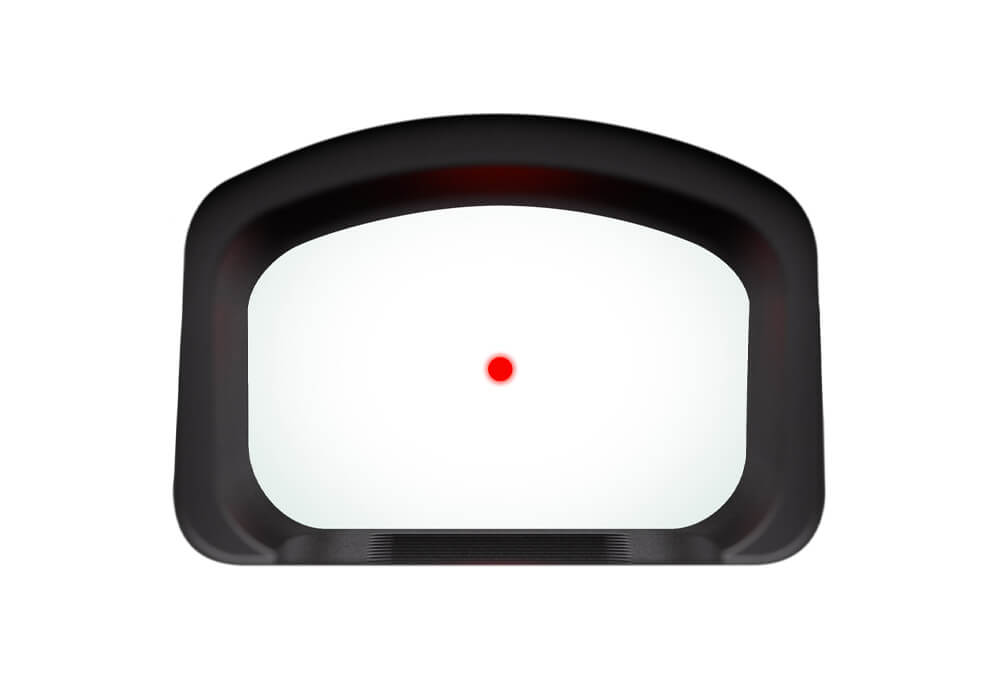
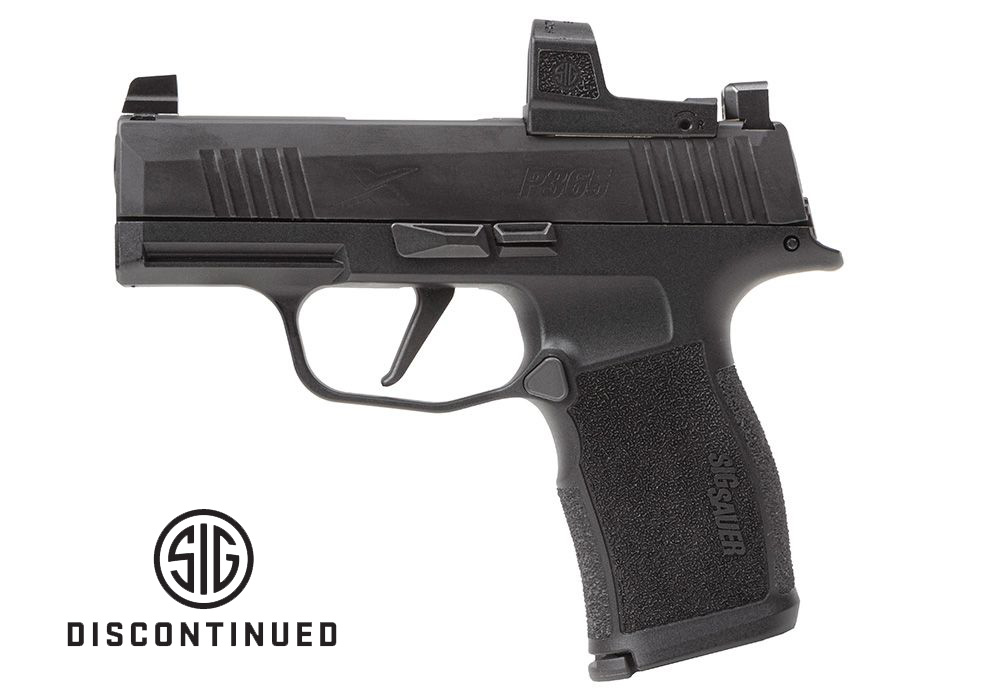
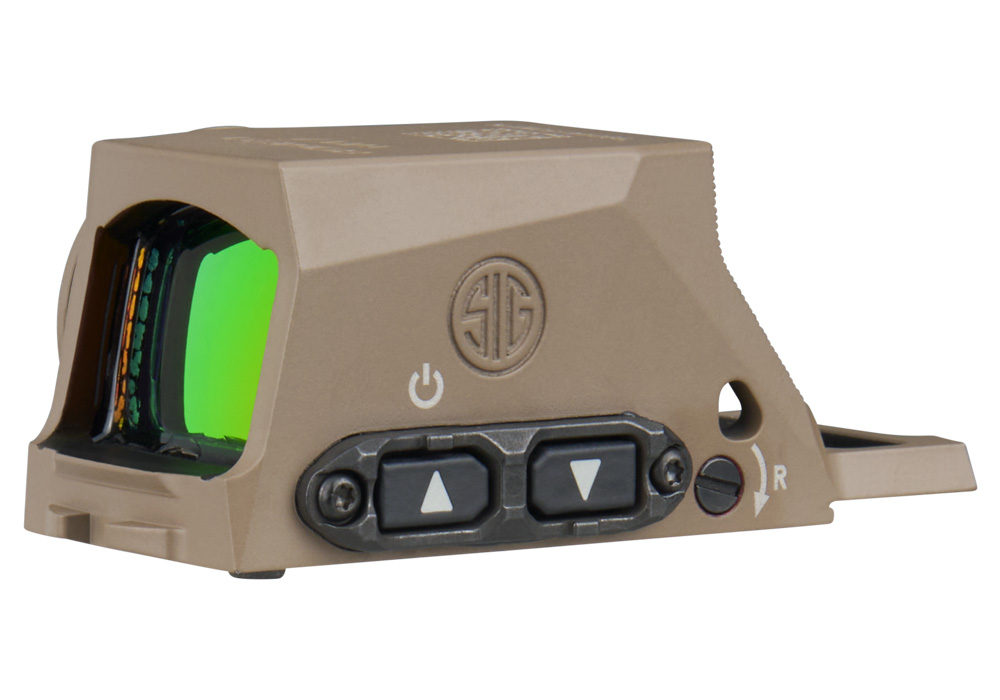
Precision Red Dots are unmagnified optical sights designed to help shooters place a crisp aiming point with speed and precision. Unlike traditional iron sights, a red dot sight presents an illuminated reticle on the target plane, allowing the shooter to keep both eyes open and maintain a broader view of the surroundings. Precision-focused models commonly use a fine 1 MOA or 2 MOA dot, which covers less of the target at extended distances than a larger reticle. At 50 yards, a 1 MOA dot covers approximately half an inch, while a 2 MOA dot covers about one inch, giving the shooter a clear reference for careful shot placement without adding magnification. These sights are useful on rifles, carbines, and properly equipped handguns, whether the goal is deliberate target practice, competition, field use, or a reliable aiming system for defensive applications. A bright, sharply defined dot can be especially helpful in changing light, from a bright outdoor range to the softer illumination found during the cooler months. Shooters who wear glasses or prefer a simple sight picture may also appreciate the straightforward presentation of a single illuminated point. For a broader look at available reticle styles and configurations, explore Red Dot Reticles before narrowing the selection to the optic that best fits the firearm and intended use.
Choosing a Precision Red Dot begins with matching the sight to the firearm, mounting system, and shooting distance. Handgun optics typically need a compact housing, a suitable mounting footprint, and a design that can withstand repeated slide movement and everyday handling. A sight intended for a rifle or carbine may offer a larger viewing window, a longer battery life, or additional mounting flexibility, while a sight for a precision-oriented rifle should complement the stock, cheek weld, and overall balance of the setup. Reticle size is one of the most noticeable choices. A fine dot can support careful aiming at longer distances, but it may take slightly more time to locate for a new user or in low light. A larger dot or a dot-and-circle configuration can be faster to acquire at close range, particularly when the shooter is moving between targets. Brightness control matters as well: useful settings should allow the reticle to remain visible against a sunlit target without becoming excessively intense, while lower settings can help prevent glare in dim conditions. Adjustment value is another important consideration. Windage and elevation adjustments measured in 0.5 MOA or 1 MOA per click allow the shooter to make predictable changes when zeroing. Clear, repeatable clicks make it easier to confirm a sight-in session and maintain confidence when changing ammunition or distance. Lens quality deserves equal attention. Multi-coated glass can improve light transmission, reduce distracting reflections, and help keep the dot crisp rather than appearing distorted or starburst-shaped. Enclosed-emitter designs provide additional protection around the illumination system, helping shield it from dust, rain, snow, and debris. Open-emitter designs may offer a slim profile and a wide window, but they require careful consideration of how the optic will be carried, stored, and maintained. Durability, sealing, battery access, automatic brightness controls, night-vision-compatible settings, and the availability of a protective cover or backup sighting option can all influence the right choice. Confirming the mounting footprint, screw pattern, included hardware, and firearm compatibility before purchase can prevent fitment problems and make installation more straightforward.
A Precision Red Dot can be a practical addition for a new shooter building confidence, an experienced competitor refining transitions, or a rifle owner who wants a faster and more consistent aiming reference than traditional sights alone. It can also be a thoughtful gift for a responsible firearm owner who spends time at the range, participates in practical shooting events, or enjoys configuring a favorite pistol or carbine for a more personalized setup. The best gift choice is usually based on the recipient’s firearm and mounting system rather than appearance alone, so checking the exact model, slide cut, rail type, and preferred reticle style is worthwhile before ordering. For someone who practices from a bench, a fine dot and precise adjustment system may be especially appealing; for a shooter who trains from standing positions or works through close-range drills, a generous window and easily visible reticle may be more useful. Proper zeroing remains essential regardless of the optic selected. Mount the sight securely according to the manufacturer’s instructions, verify that fasteners are tightened correctly, and begin at a short, safe distance before confirming the zero at the range where the sight will normally be used. The dot should remain centered and consistent as the shooter changes eye position, but good fundamentals still matter: a stable grip, a repeatable cheek weld when applicable, controlled breathing, and careful trigger press all contribute to accuracy. Before each outing, inspect the lens, confirm the illumination setting, check the battery, and make sure the mounting hardware remains secure. A soft lens cloth and a protective cover can help preserve clarity during transport, while safe storage protects the optic and firearm between sessions. From bright afternoons when glare tests lens coatings to damp, overcast days when a dependable illuminated reticle stands out against the target, the right Precision Red Dot can make practice more focused and the sight picture more consistent. Always follow applicable laws, safe handling practices, and the firearm and optic manufacturers’ instructions when selecting, installing, and using any sighting system.