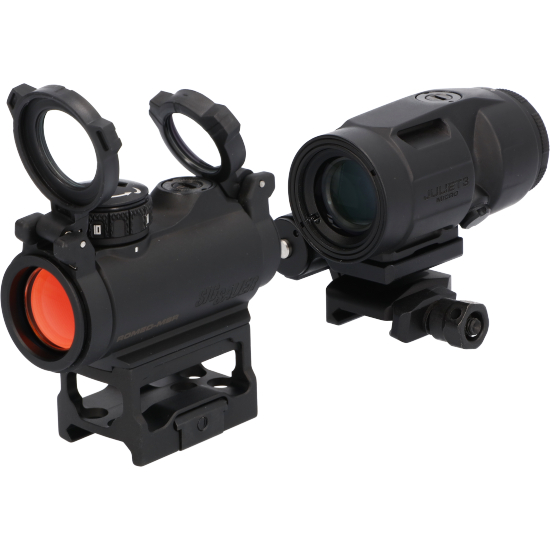
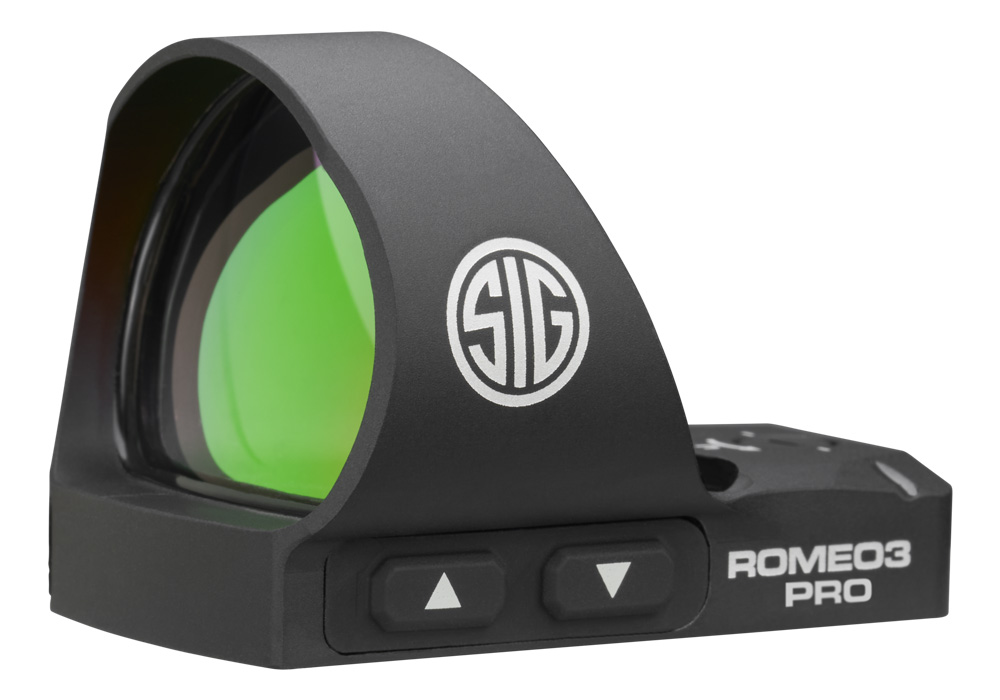
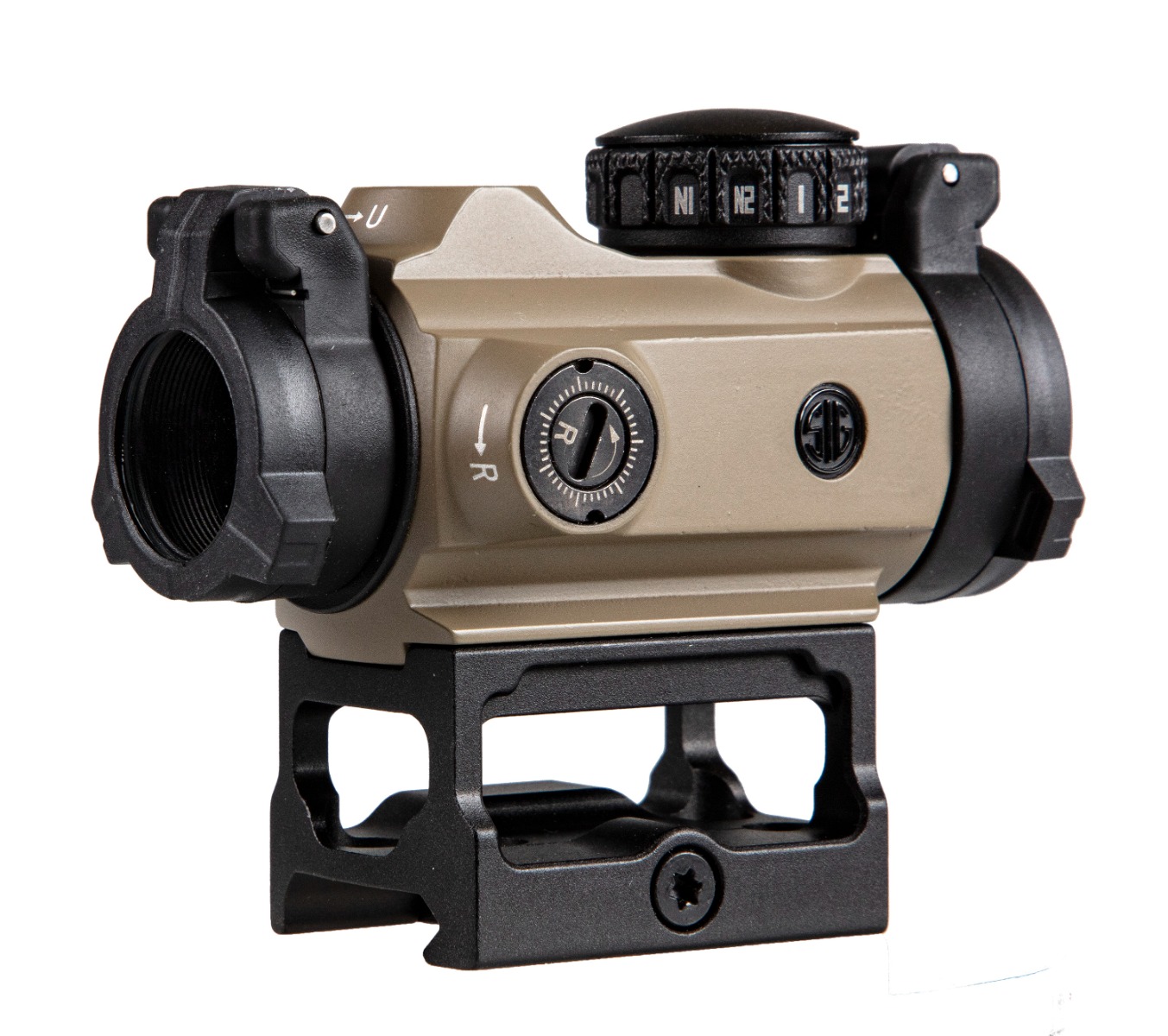
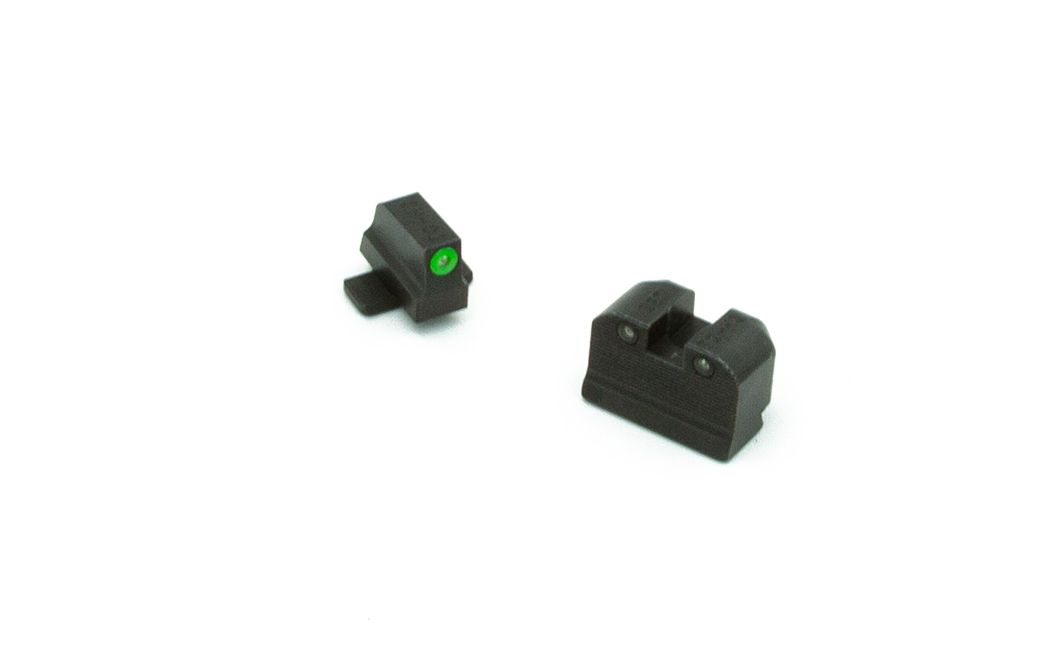
Choosing the best red dot sight starts with matching the optic to the firearm, mounting system, and the way it will be used. A compact red dot designed for a handgun will have different priorities than a full-size optic intended for a rifle or carbine, and a sight selected for concealed carry may need a different balance of size, durability, and battery access than one used on a range or duty-oriented setup. Begin by confirming the firearm’s optic-ready footprint or mounting plate requirements, then consider the sight’s overall height, window size, controls, and compatibility with existing iron sights. A larger viewing window can make it easier to locate the aiming point during a fast presentation, while a smaller, streamlined housing may be preferable when minimizing bulk and reducing the chance of snagging on clothing or equipment. For rifles and carbines, users often prioritize a rugged housing, generous viewing area, intuitive brightness controls, and a mount that supports a comfortable cheek weld. Some prefer a lower or absolute co-witness with backup iron sights, while others choose a slightly taller mount for a more heads-up position or use with additional equipment. Pistol users may favor a compact optic that preserves concealability and balances naturally on the slide, with clear controls that can be adjusted without disrupting the firing grip. Enclosed-emitter designs can provide added protection for the optical system in settings where dust, rain, lint, or debris may be encountered. Open-emitter sights can offer a wide, unobstructed view and a compact profile, making them popular for many range, competition, and everyday carry applications. Every option on a recommended Best Red Dot list should be evaluated according to the intended firearm and environment rather than judged by one universal standard.
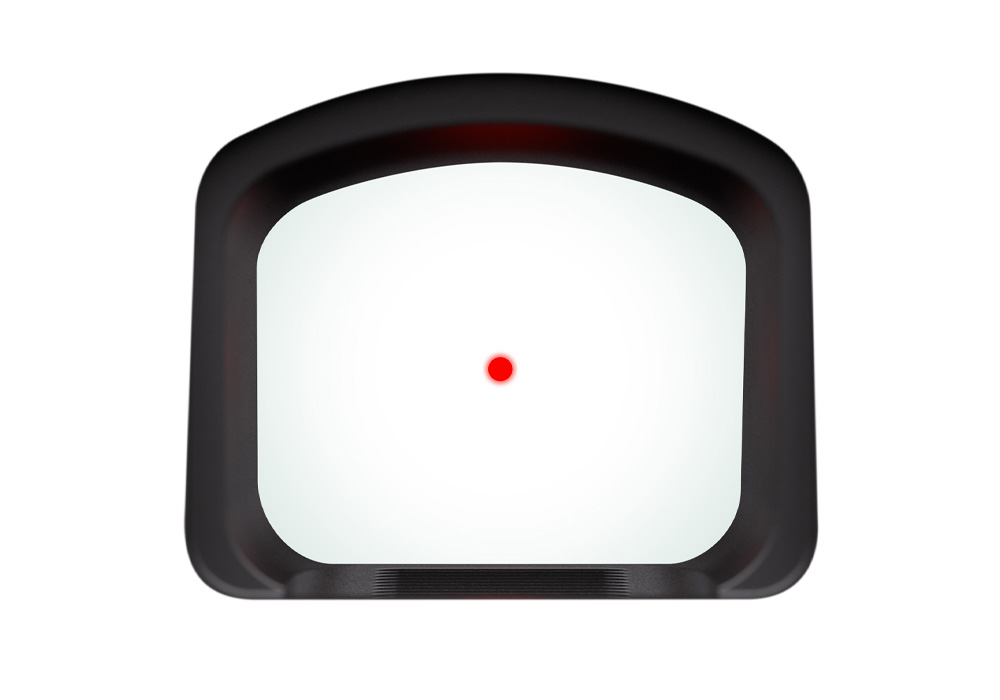
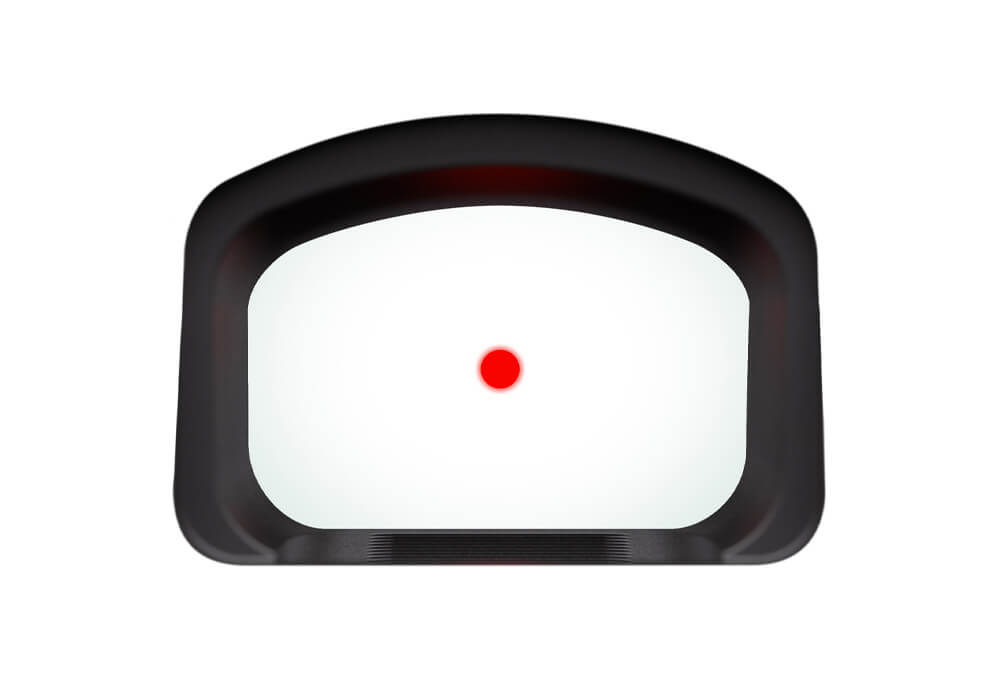
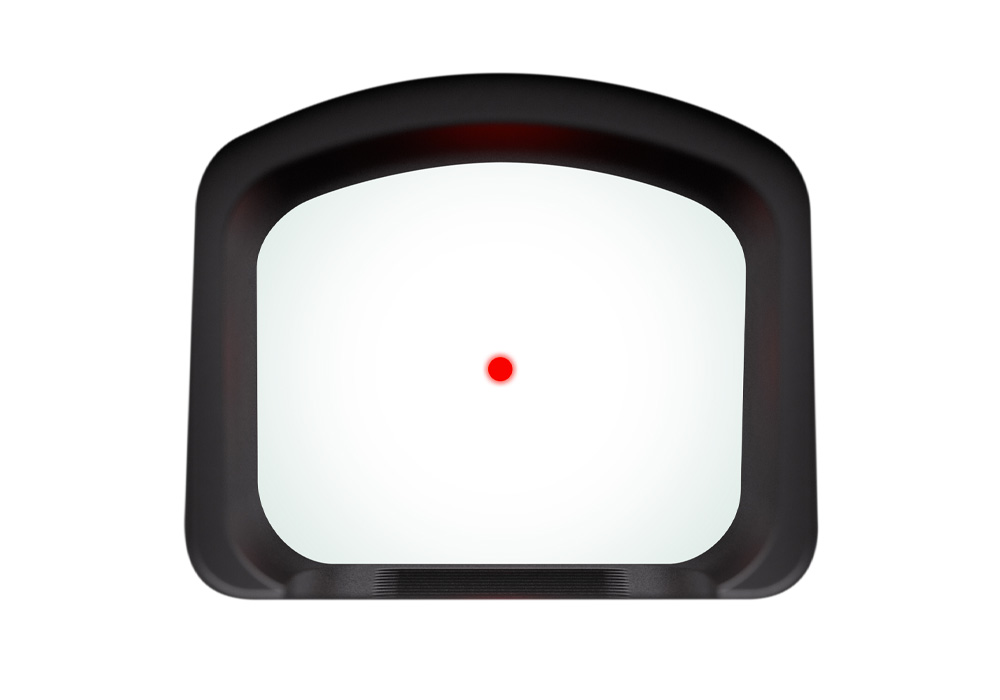
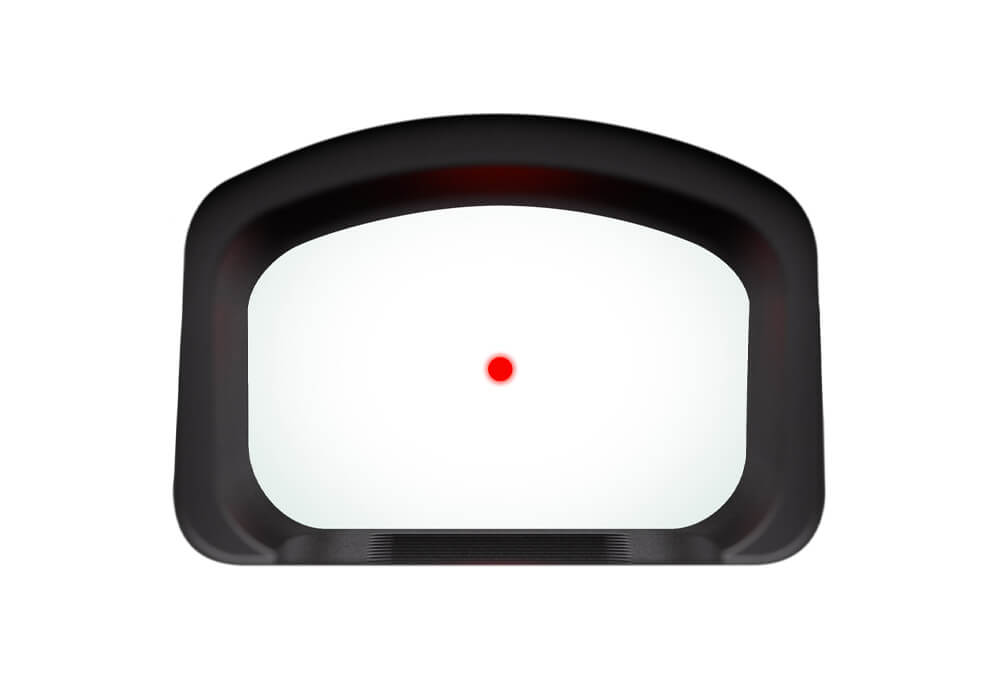
Reticle design, illumination, battery life, and visibility are equally important purchase considerations. A simple single-dot reticle can provide a clean aiming reference and help the shooter focus on target placement, while a multi-reticle system may allow the user to select a dot, circle, or combination reticle according to personal preference and lighting conditions. Reticle size is another practical detail: a smaller dot can support precise aiming at distance, while a larger dot may be easier to find quickly during close-range practice or a rapid presentation. Brightness settings should be easy to reach and provide enough adjustment for bright outdoor conditions, shaded areas, and indoor or low-light environments without creating unnecessary glare. Shooters who train during the cooler months, in changing weather, or across both indoor and outdoor ranges may appreciate an optic with straightforward controls and dependable illumination rather than a complicated interface. Extended battery life can reduce maintenance and help an optic remain ready between practice sessions, while motion-activated illumination may conserve power by placing the sight into an energy-saving state until movement is detected. Automatic brightness features can be convenient, though many experienced users still prefer manual control when moving between a dark interior and a bright exterior. Night vision compatibility is an important consideration for qualified users who operate compatible equipment, while a broad range of visible brightness settings may be more useful for general recreational shooting. For anyone who values enhanced contrast and faster visual acquisition, explore the selection of High Visibility Red Dot Sights. Lens coatings, transmission quality, parallax performance, and the clarity of the aiming point also influence how naturally the optic performs. A red dot does not replace sound fundamentals: a consistent presentation, proper grip, safe trigger discipline, and regular practice remain essential. Before live fire, confirm the optic is securely mounted, inspect the fasteners according to the manufacturer’s instructions, establish a reliable zero, and verify the point of aim at the distances most relevant to the intended use.
The best red dot sight can serve a wide range of shooters, from someone building a first optic-ready handgun to an experienced rifle owner refining a practical setup. New users often find that a red dot makes it easier to keep both eyes open and maintain awareness of the surrounding area while aiming, although learning to present the firearm so the dot appears naturally takes repetition. A quality optic can be a thoughtful gift for a new firearm owner, a range companion, or a family member preparing for structured training, particularly when paired with professional instruction, a suitable mounting solution, and a protective case. Gift buyers should confirm the recipient’s firearm model and mounting footprint before choosing, since compatibility is more important than appearance and adapters are not universal. Experienced shooters may be looking for a lighter optic, a larger window, improved controls, longer battery service, or a design that complements a backup sighting system. For a home-defense-oriented setup, the priorities may include reliable illumination, fast acquisition, and simple operation, while a range enthusiast may place greater emphasis on reticle refinement, adjustment precision, and a comfortable sight picture during extended practice. Hunters and outdoor users may value weather resistance, durability, and visibility against varied backgrounds, while competition participants often focus on window size, weight, and the speed of returning the dot to the target. Regardless of the application, storage and maintenance deserve attention: keep lenses free of oil and abrasive grit, use appropriate lens-care materials, inspect the mount periodically, and replace batteries on a planned schedule rather than waiting for a dim reticle. Select an optic that fits the firearm, supports the intended training goals, and feels natural when used with safe, repeatable technique. That combination of compatibility, durability, visibility, and practical fit is what makes a red dot a dependable addition to a modern shooting setup.