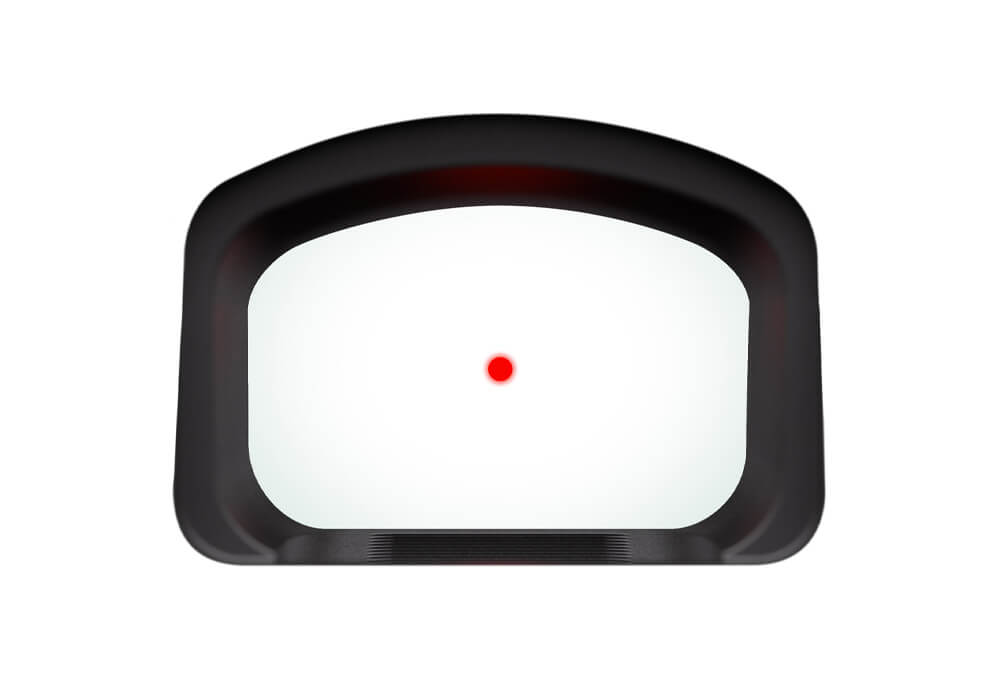
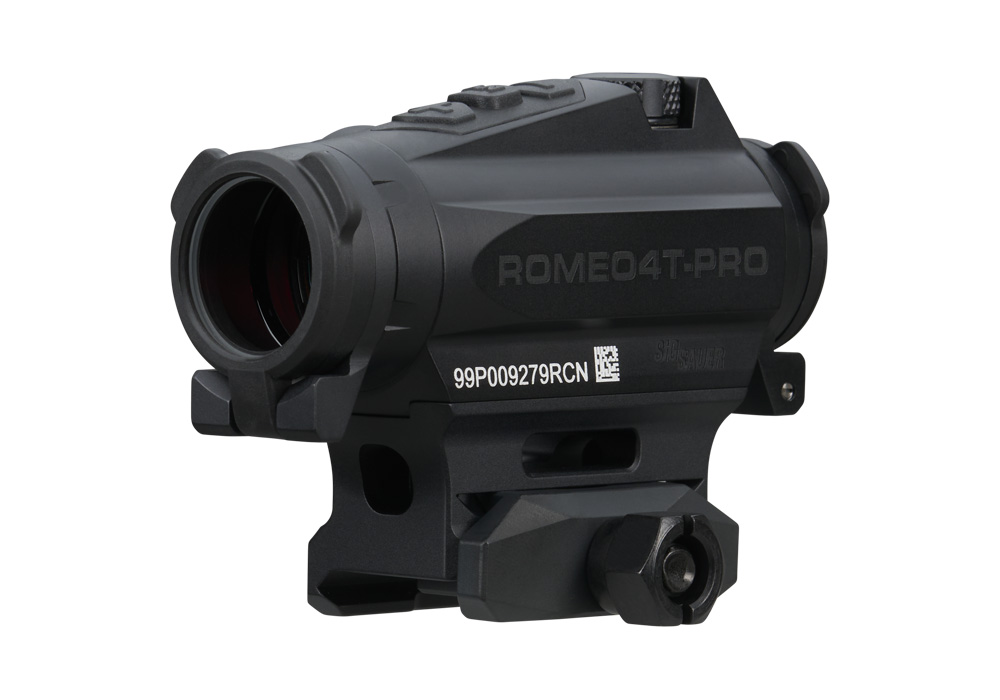
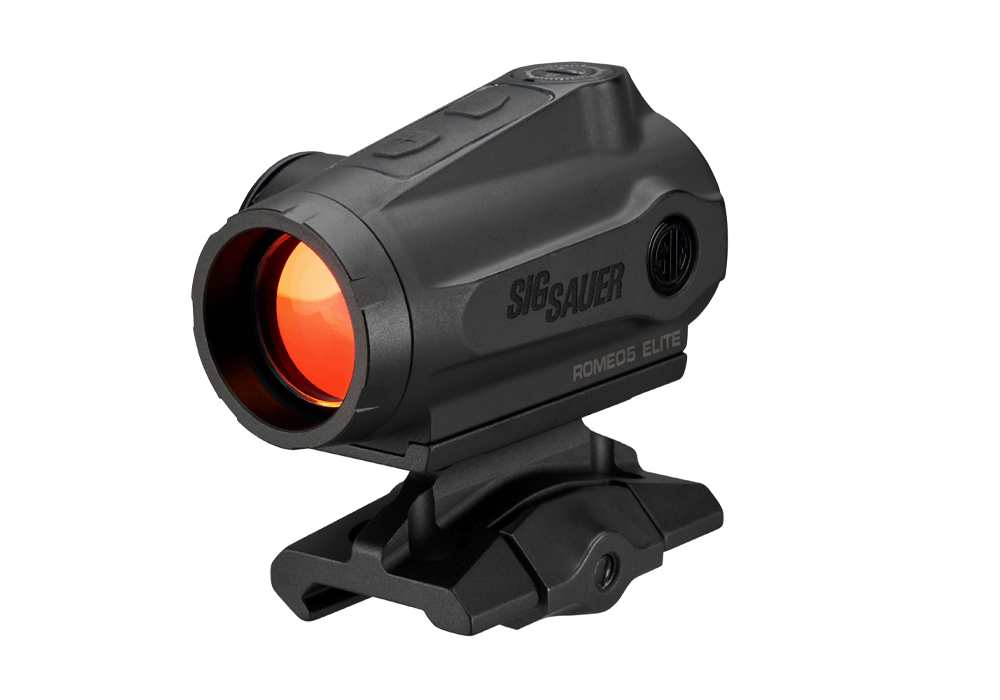
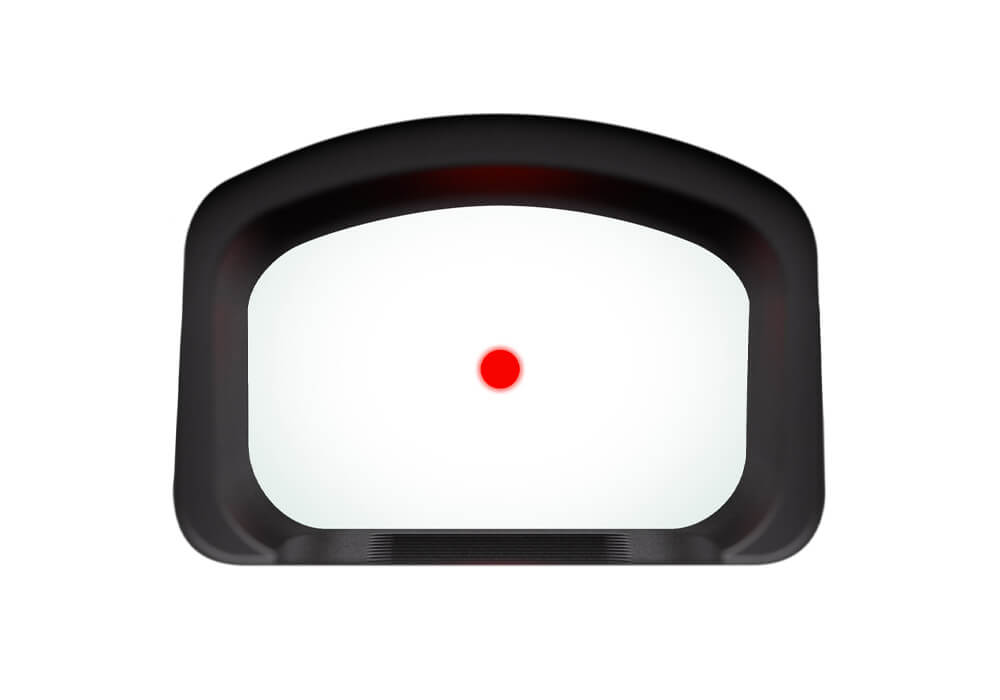
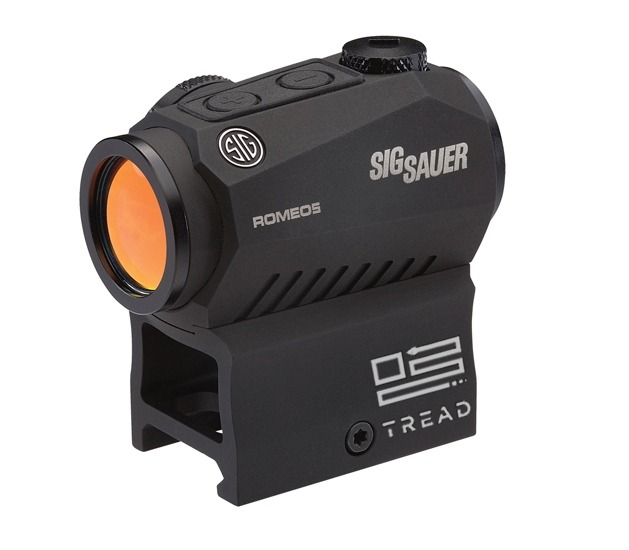
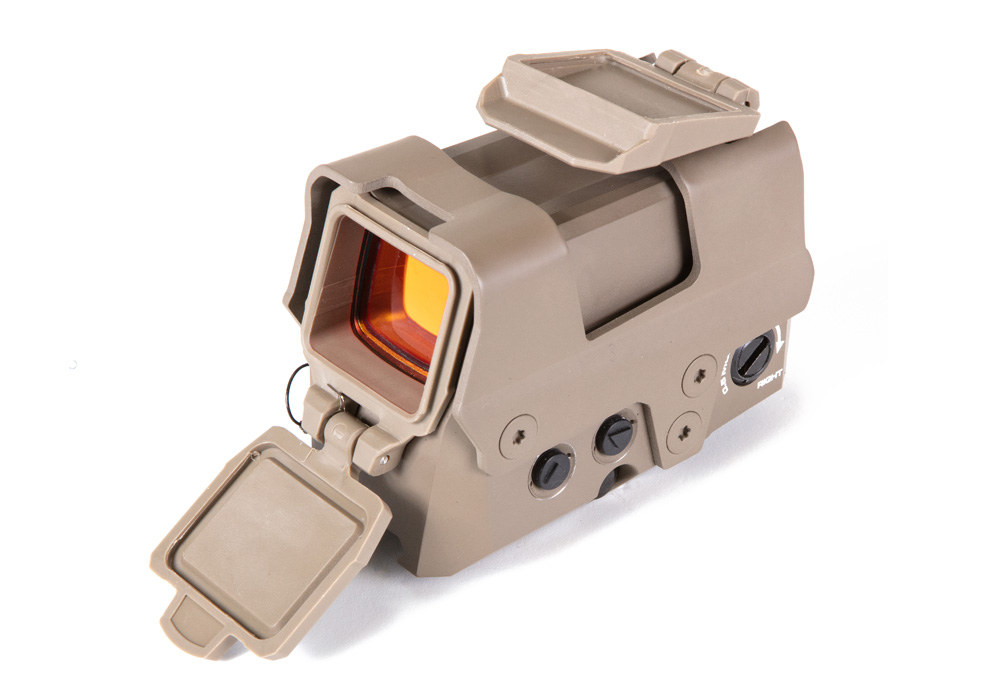
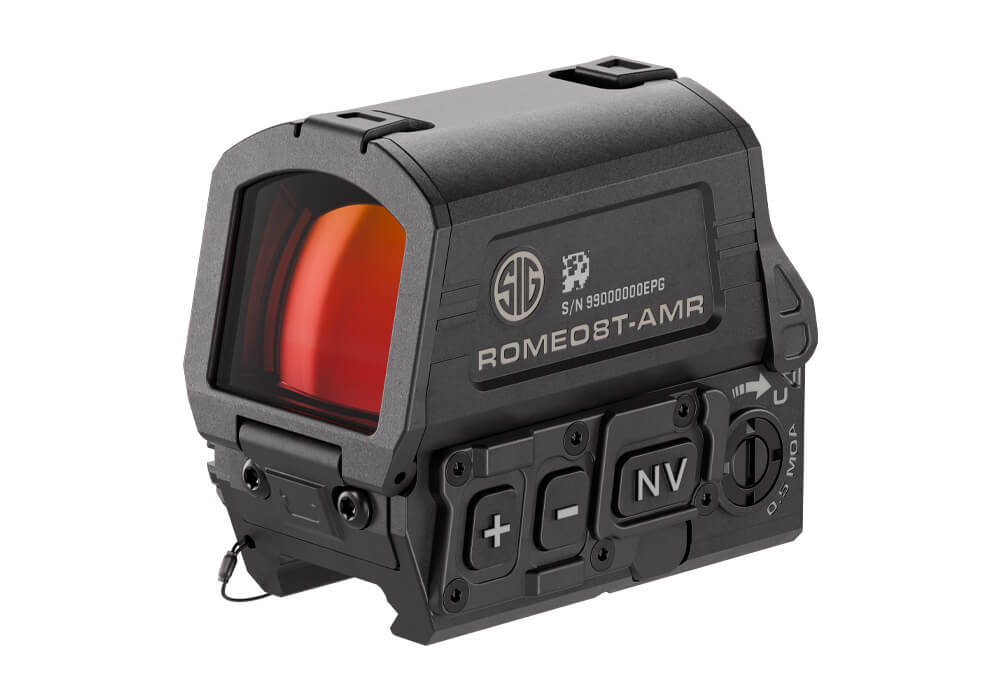
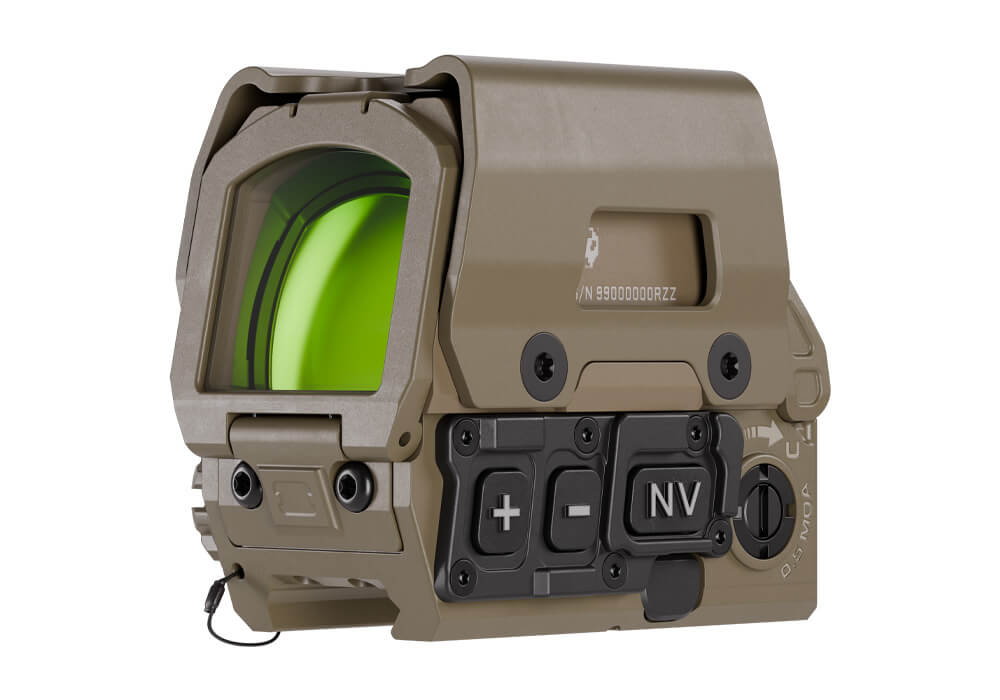
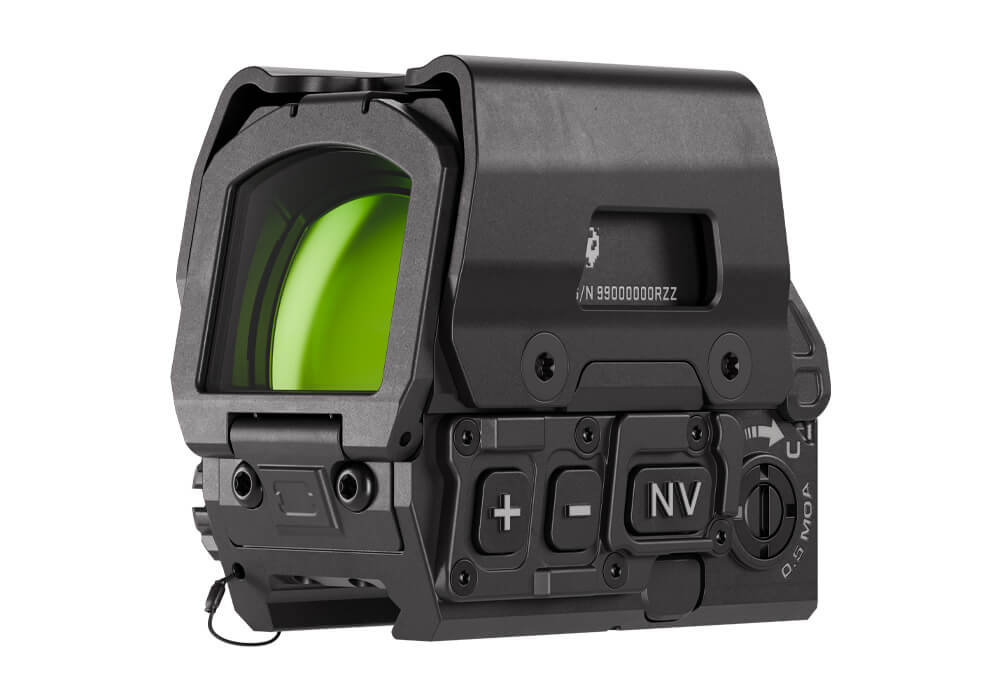
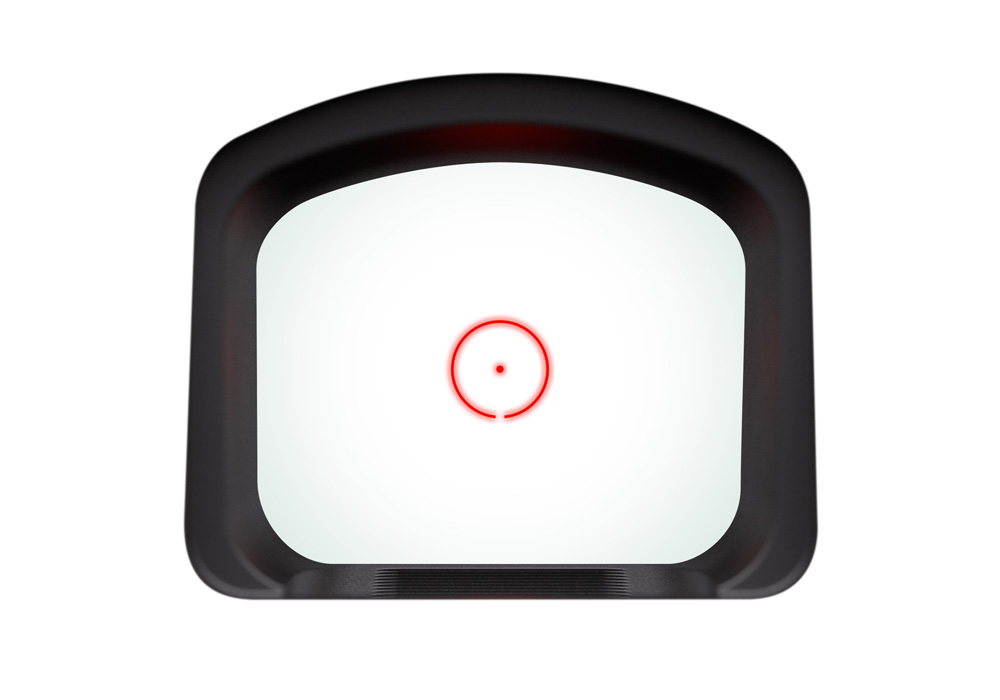
High-visibility red dot sights pair an illuminated aiming point with adjustable brightness to support a clear, readable sight picture across different lighting conditions. These generally nonmagnifying optics let shooters view a target through a lens or viewing window while keeping attention on the target rather than shifting focus between front and rear iron sights. Visibility depends on more than maximum brightness: lens clarity, reticle definition, window dimensions, and the relationship between the illuminated dot and its background all influence the experience. A dot that stands out against a dark target may need a different setting against a brightly lit paper target, while excessive illumination can create a distracting halo. Daylight-visible settings provide useful brightness for well-lit environments, and finer adjustment steps help keep the aiming point distinct without overwhelming the view. Depending on the design, a sight may offer a single dot, a circle surrounding a dot, or selectable reticle patterns. Dot size is commonly expressed in minutes of angle, or MOA; one MOA covers approximately one inch at 100 yards. A smaller dot can leave more of a small target visible, while a larger dot may be easier for some eyes to locate quickly. Neither is universally better, and apparent sharpness can vary with eyesight, corrective lenses, and brightness settings. An illuminated point that looks crisp to one shooter may appear stretched or star-shaped to another, particularly for someone with astigmatism. The viewing window matters, too, but its dimensions are only part of the picture. Housing thickness, lens tint, and how naturally the optic aligns with the shooter’s eye can affect how open the view feels. For recreational target shooting, organized competition, and compatible hunting applications, the strongest combination is a visible reticle, a clear view of the target, and controls that suit the intended use. High visibility means useful contrast and definition, not simply the brightest possible dot.
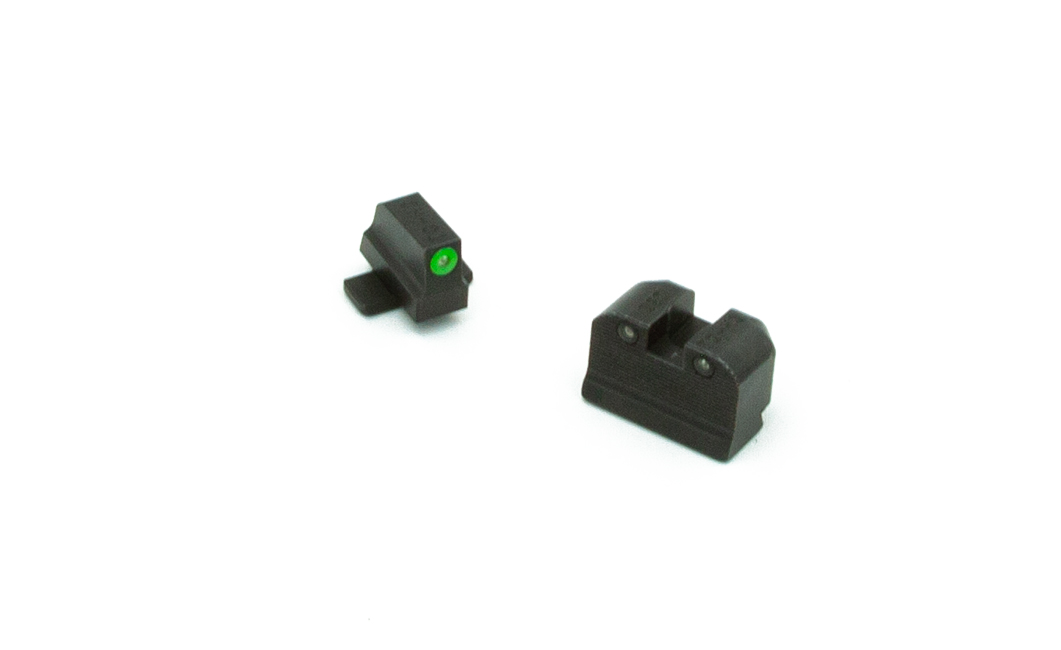
Fit is just as important as the sight picture. Handguns, rifles, and shotguns can require different mounting arrangements, and similar-looking optics do not necessarily share a mounting footprint. Compatibility depends on the firearm’s mounting interface, any required adapter plate, screw dimensions, and the optic manufacturer’s specifications. Mounting height also influences how comfortably the sight aligns with the eye and whether existing iron sights remain visible through the window. A compact handgun installation places particular importance on housing dimensions and holster clearance, while a rifle setup may require a mount that supports a comfortable head position. On a shotgun, mounting compatibility and suitability for the firearm’s recoil are essential considerations. For shoppers comparing larger viewing windows and housings, Full Size Red Dot Sights offers a related category to explore, with mounting dimensions still central to the selection. Construction helps explain differences in weight, profile, and durability. Aluminum housings are common because they balance strength with manageable weight, while the mounting hardware and interface contribute to a secure installation. Protective finishes help resist surface wear, and lens coatings can reduce reflections or support light transmission, depending on their design. Open-emitter sights place the light source behind an exposed viewing lens; enclosed-emitter designs surround the optical path within a housing that helps shield the emitter from debris. Each configuration has practical tradeoffs in size, lens access, and upkeep. Durability is best evaluated through documented recoil compatibility, impact testing, sealing specifications, and warranty terms rather than appearance alone. A substantial housing does not by itself establish performance, just as a compact profile does not establish fragility. For regular range practice or competition, a secure mount, protected adjustment controls, and a clearly readable reticle contribute more to everyday usefulness than an aggressive exterior shape. The optic should complement the firearm’s handling rather than add unnecessary bulk or complicate routine operation.
Battery access, control layout, and lens care influence how a red dot sight feels to own over time. Some designs provide motion activation that brings the reticle on when movement is detected, along with an automatic shutoff after a period of inactivity. Others emphasize manual controls, automatic brightness adjustment, or a combination of settings. These features vary by design, and their value depends on how the sight will be used. Easily distinguished buttons can simplify brightness changes during a range session, while protected controls can help prevent unintended setting changes during handling or transport. Battery-life figures are meaningful only alongside the stated brightness level, operating mode, and other test conditions. A long runtime at a moderate setting does not necessarily describe performance at maximum illumination. The battery compartment’s location also matters: some arrangements allow battery replacement without removing the sight, while others require additional attention to mounting and zero verification afterward. Routine care centers on preserving the lens surfaces and keeping the emitter area, housing, and controls clean. Loose grit should be removed before the glass is wiped, and lens-safe cleaning materials help protect optical coatings. Abrasive cloths, aggressive solvents, and excessive pressure can damage surfaces that are essential to a clear sight picture. With the firearm unloaded and handled according to its safety instructions, periodic inspection of the optic and mount can reveal loose hardware or visible wear; any tightening should follow the specified procedures and torque values. A protective cover or suitable case can reduce contact with other equipment during transport. For a frequent target shooter, an easy-to-read dot and straightforward controls may matter most; for a competitor, window shape and reticle preference may carry more weight. Across these uses, a well-matched high-visibility red dot sight brings together clear optics, appropriate brightness, dependable mounting, and manageable upkeep. Those qualities support a consistent view every time the firearm returns to the range.