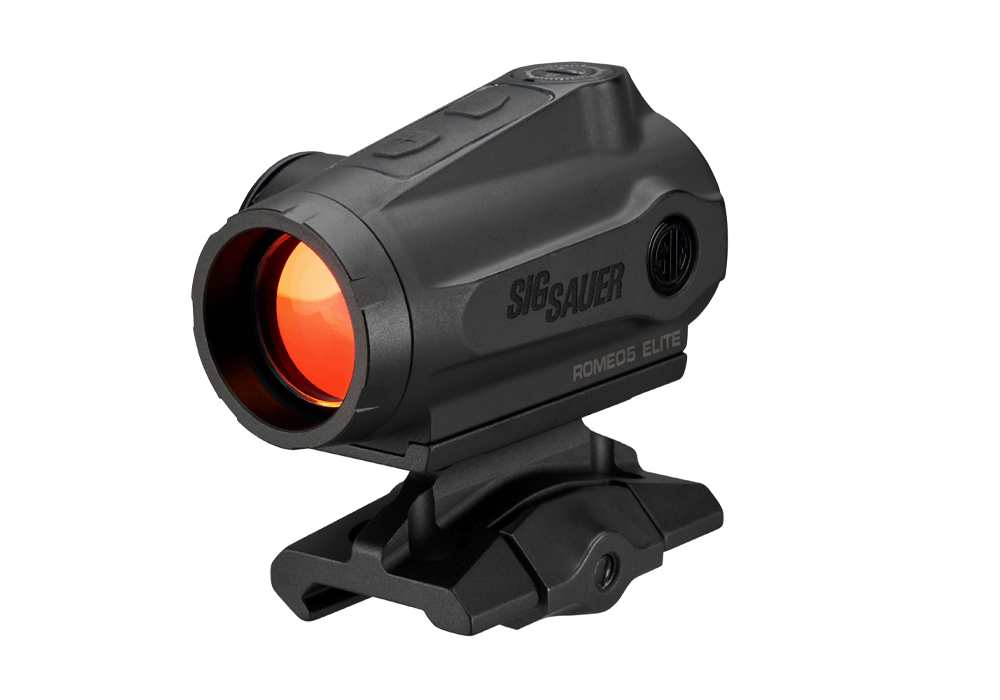
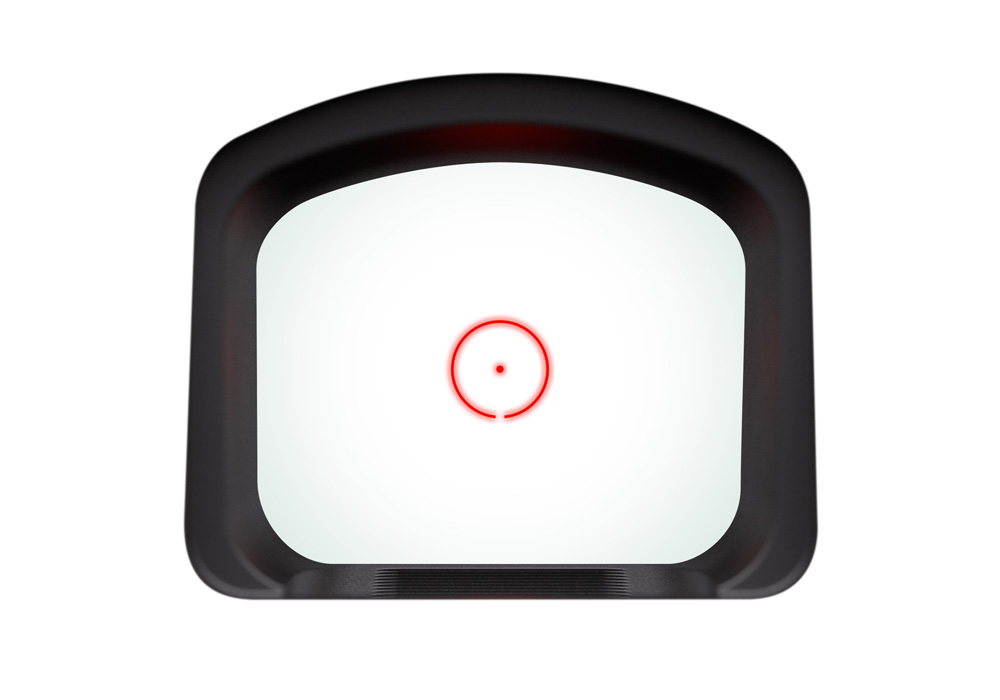
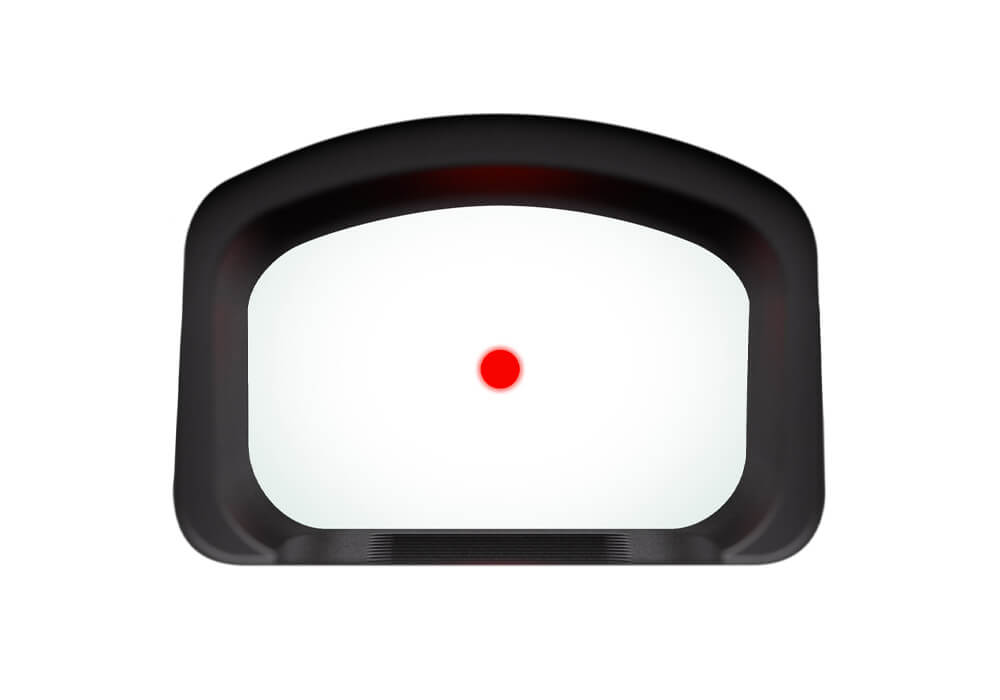
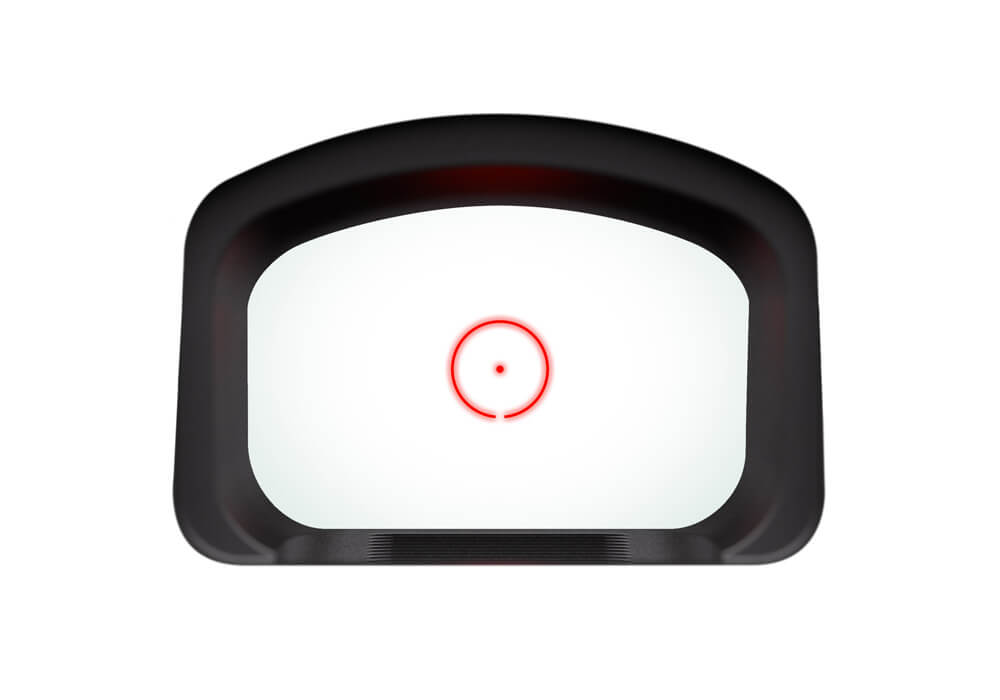
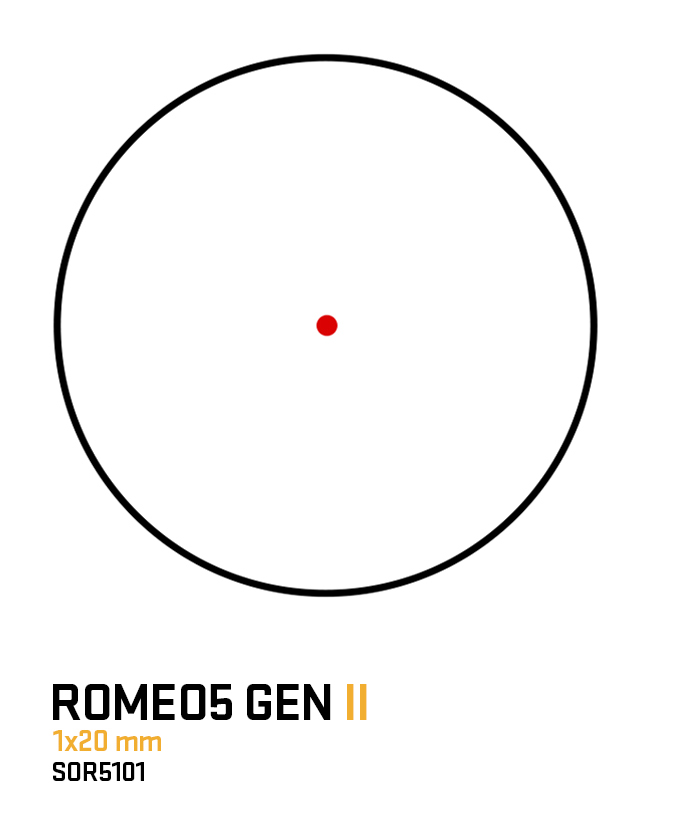
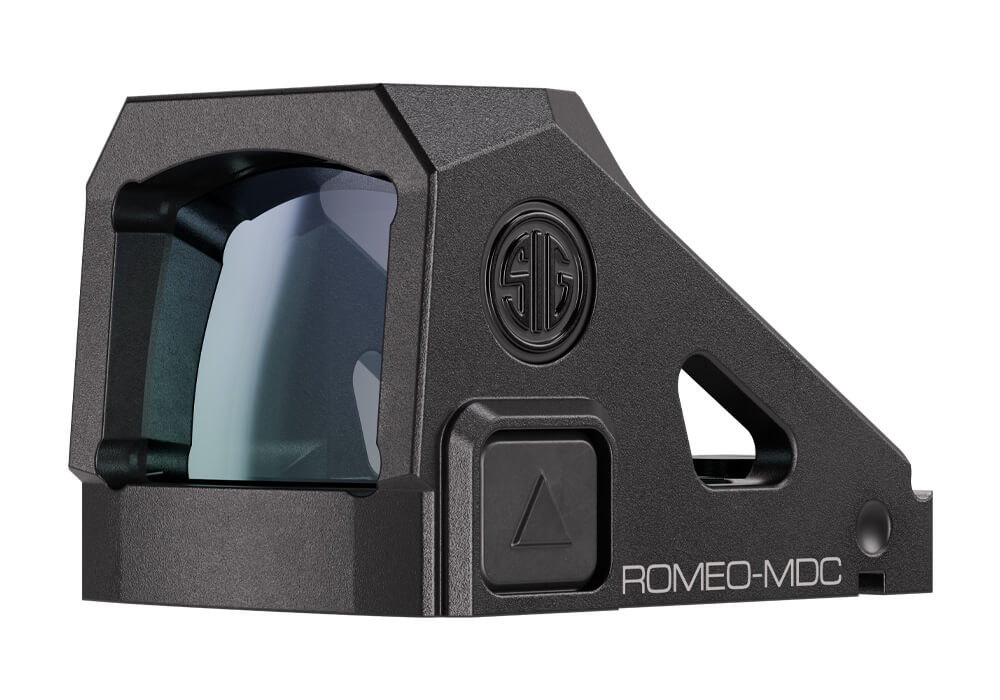
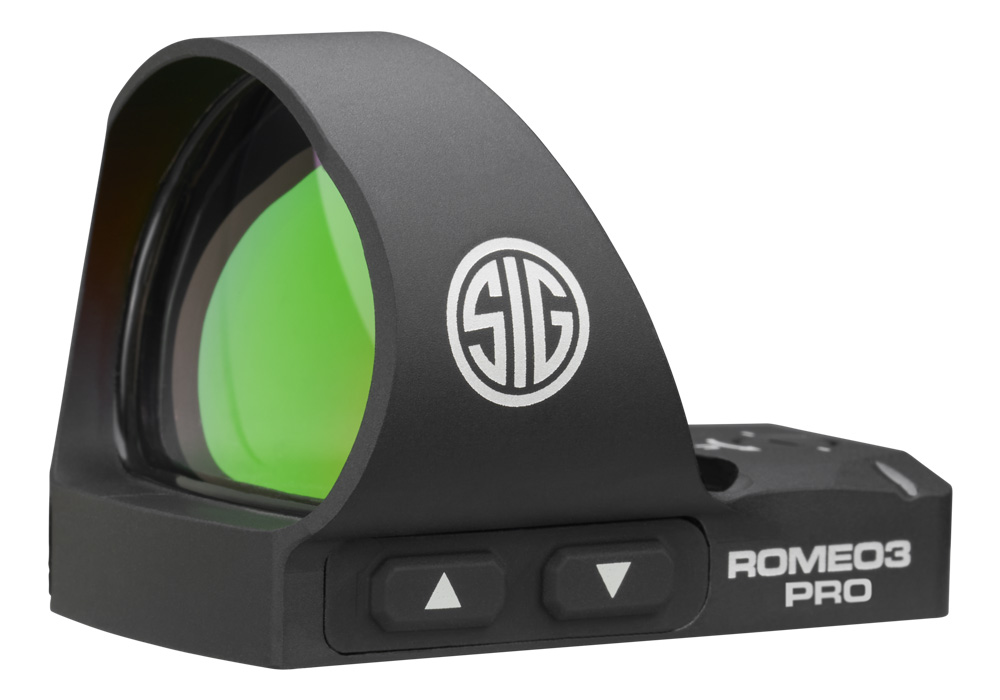
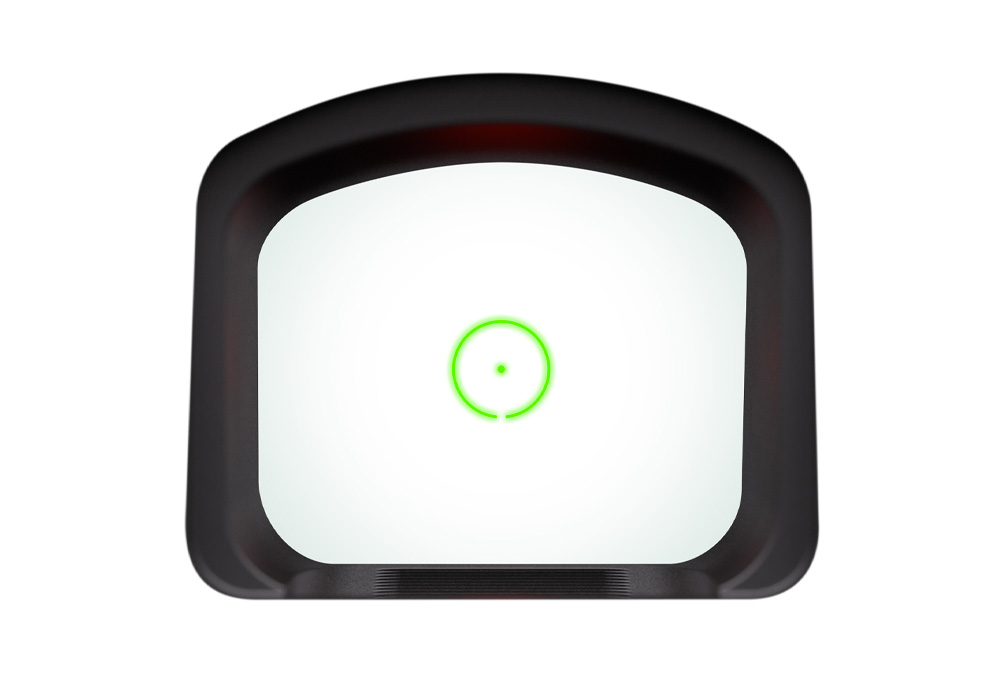
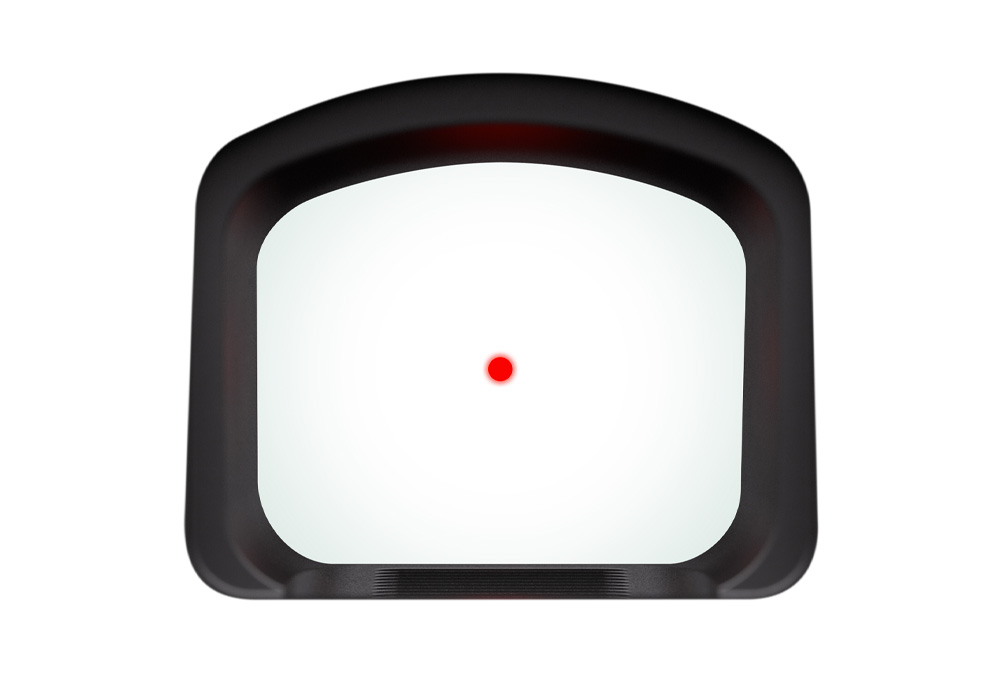
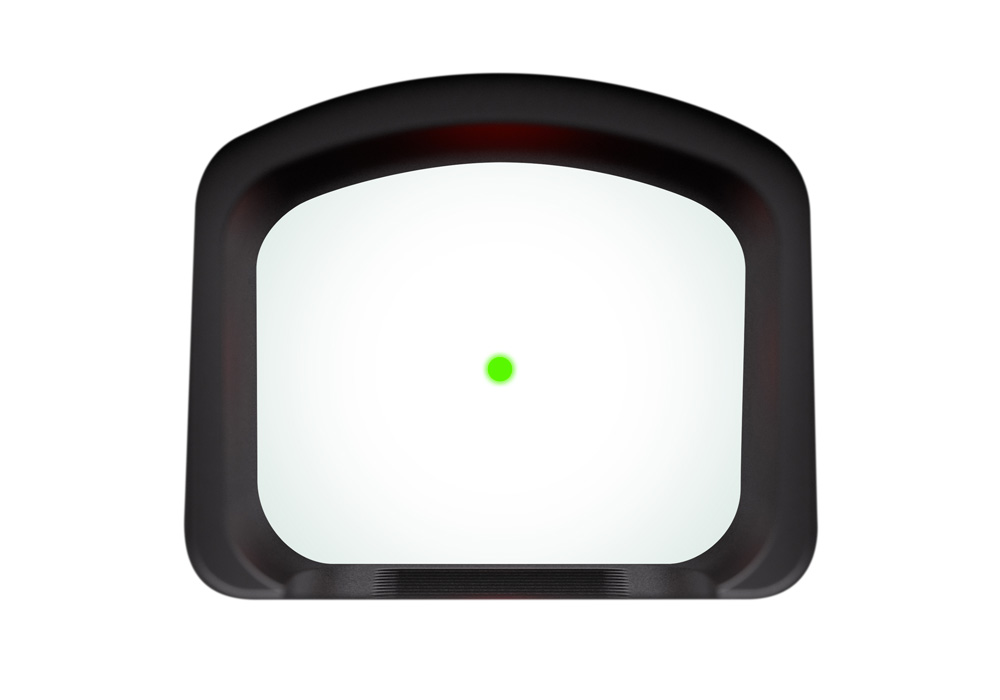
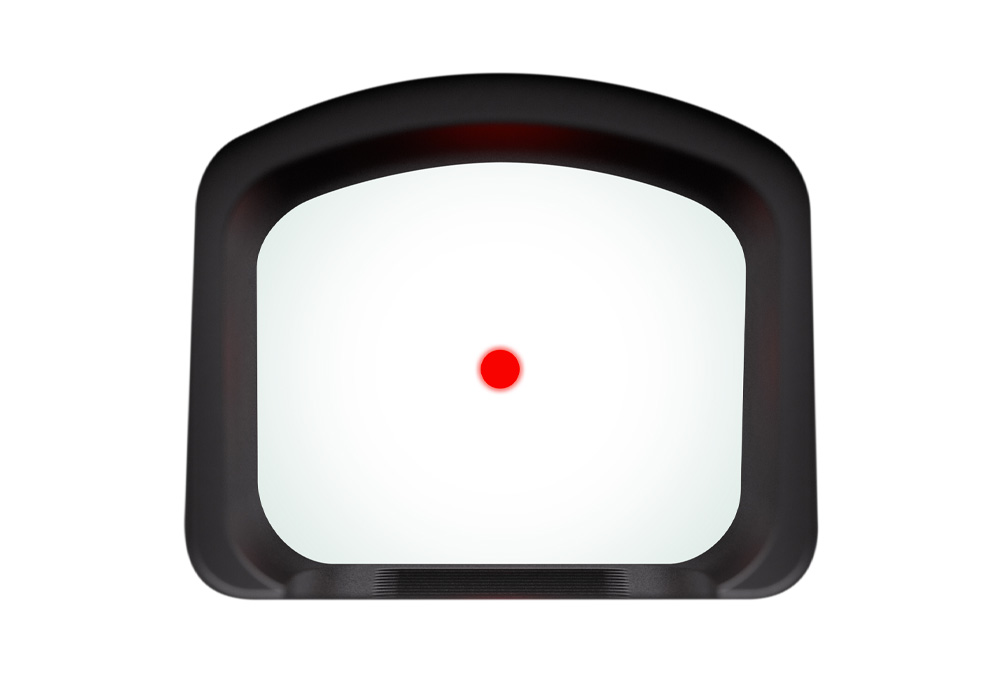
High-clarity red dot reflex sights pair a visible aiming point with a clean view of the target, helping shooters acquire the reticle without aligning separate front and rear sights. A reflex sight reflects an illuminated reticle toward the eye through a coated lens; it does not project a visible dot onto the target. Most red dot sights provide an unmagnified view, preserving the familiar scale of the scene and supporting shooting with both eyes open. Optical clarity depends on several qualities working together: lens quality, coatings, window geometry, reticle definition, and an appropriate brightness setting. Effective coatings help manage unwanted reflections while transmitting light through the viewing window, although some lens tint is normal because the coating must reflect the reticle’s wavelength. A clear sight picture should keep target details readable without distracting haze or pronounced distortion across the usable viewing area. At a range, that can mean seeing the edge of a scoring ring distinctly rather than losing it behind glare or an overly bright dot. Reticle size also influences the balance between visibility and precision. Dot sizes are commonly expressed in minutes of angle, or MOA; one MOA spans approximately one inch at 100 yards. A 2 MOA dot therefore covers roughly two inches at that distance, while a 6 MOA dot covers about six inches. Smaller dots obscure less target detail, while larger dots can be easier to recognize quickly, particularly on handguns. Neither choice guarantees better results for every shooter. Eyesight, target contrast, shooting distance, and personal preference all affect the appearance and usefulness of a reticle. Astigmatism can cause a dot to look stretched, clustered, or star-shaped even when the optic functions properly. Brightness adjustment helps match the reticle to the surroundings, but excessive intensity can create apparent bloom that softens its edges. For recreational target shooting, competition, and other appropriate firearm applications, high clarity is less about an impressive specification in isolation and more about a readable target, a usable aiming point, and a sight picture that remains comfortable through repeated sessions.
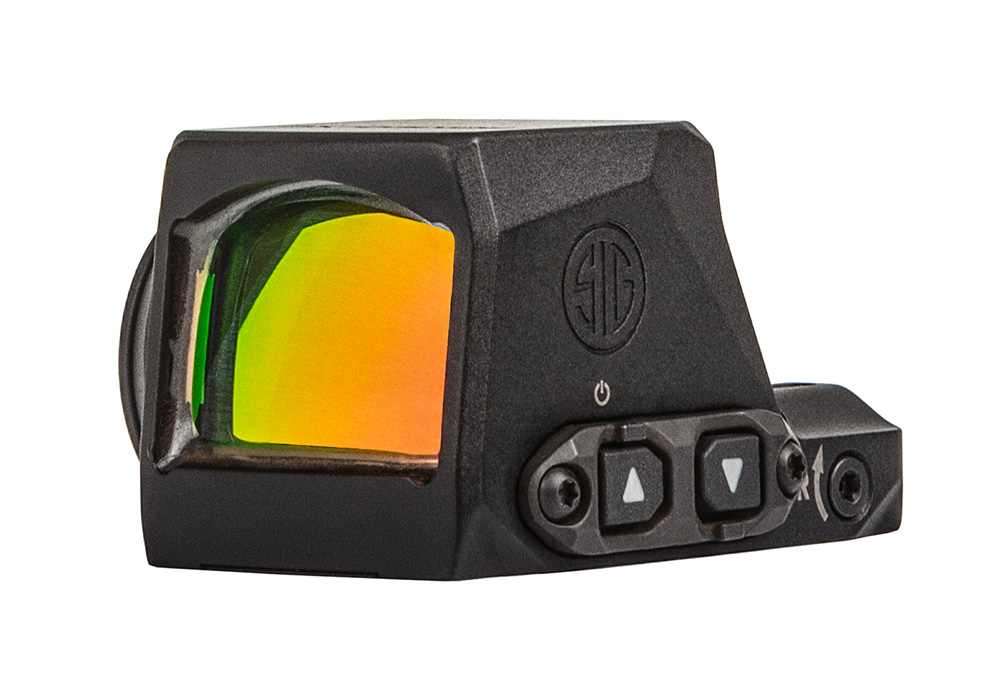
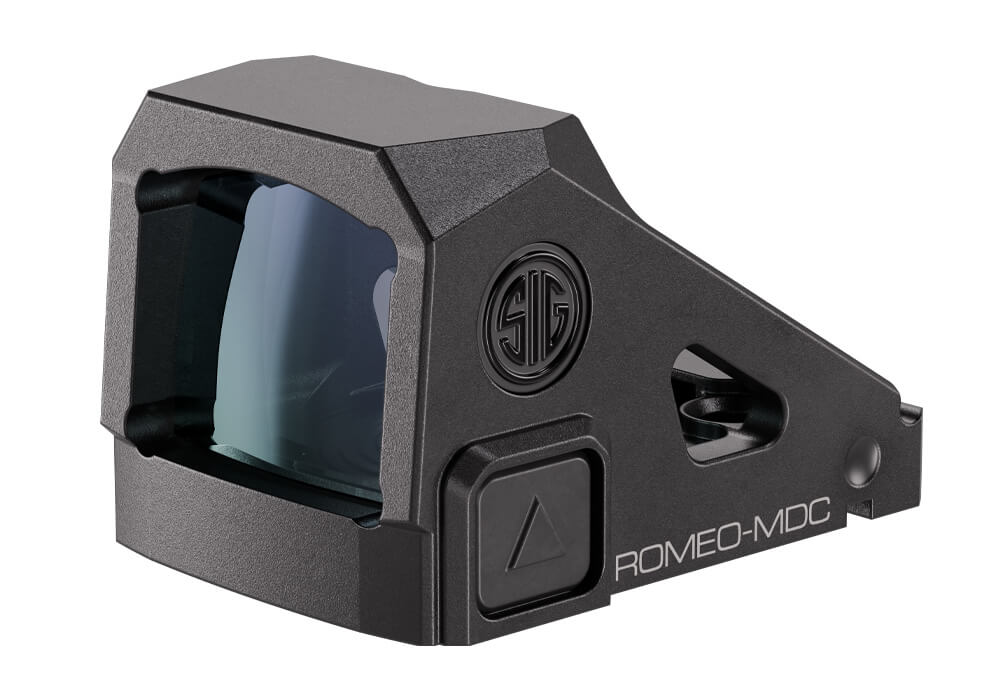
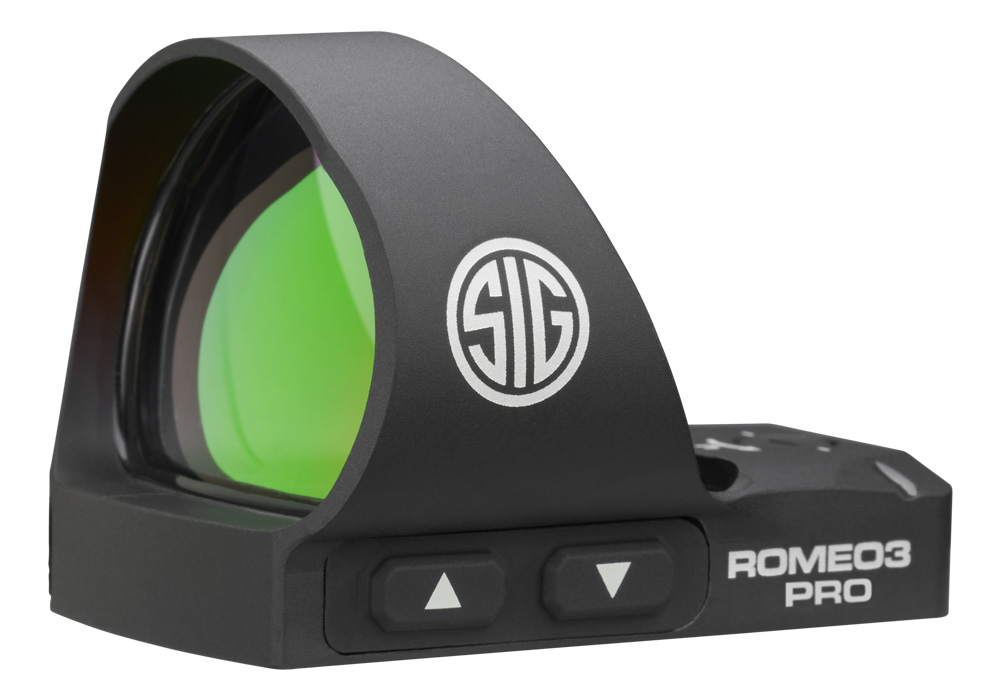
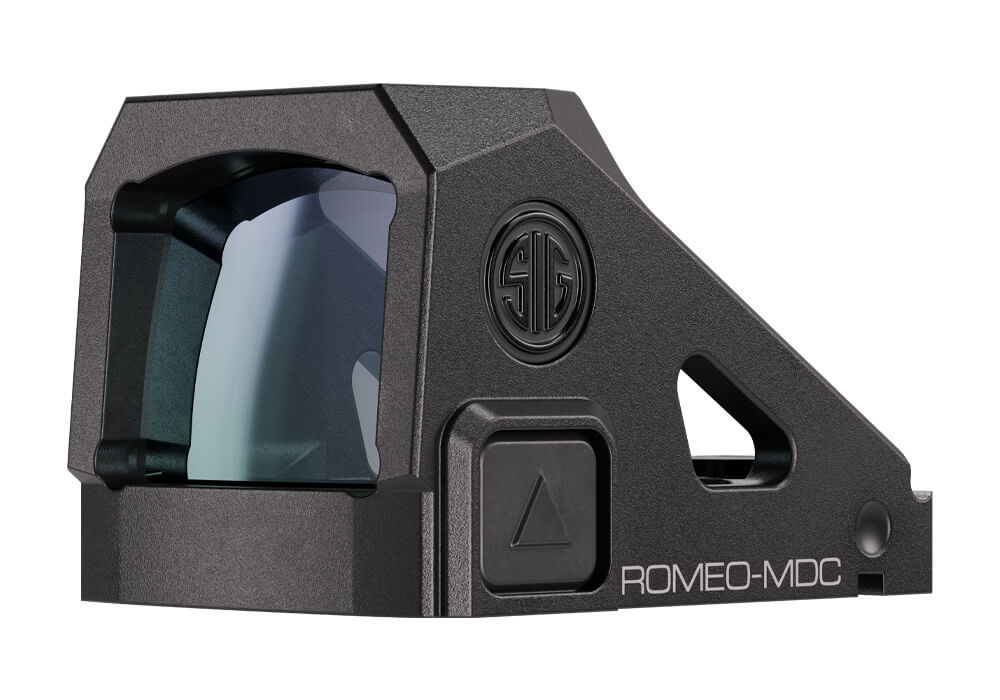
The housing, emitter arrangement, and mounting interface deserve the same attention as the glass. Open-emitter reflex sights expose the light source within an open housing, often allowing a compact profile and an accessible viewing window. Enclosed-emitter designs protect that light source behind additional housing and glass, helping keep lint and debris from interrupting the reticle’s optical path. The size and shape of the window still vary by design, so an open emitter does not automatically provide a wider view, and an enclosed emitter does not automatically feel restrictive. On a handgun, housing dimensions affect the overall profile and how easily the sight fits an appropriate holster. On a rifle or shotgun, mount height and placement influence compatibility with the firearm and the shooter’s established fit. Mounting footprints are not universal: slide cuts, adapter plates, mounting rails, screw dimensions, and manufacturer requirements must match the optic’s interface. Compatibility also includes clearance around controls, access to the battery compartment, and whether the sight arrangement permits use of existing iron sights. A familiar footprint alone is not enough to establish a correct fit. Durable housings often use aluminum with protective surface finishes, while other components may use engineered polymers to balance weight and strength. Material choice matters, but recoil suitability, mounting integrity, and the manufacturer’s published durability specifications provide a fuller picture of intended use. Control layout can make an equally noticeable difference in everyday ownership. Brightness buttons should be accessible without becoming easy to press unintentionally during routine handling. Automatic brightness features can simplify operation, although their response depends on where the sensor measures surrounding light; manual adjustment offers another way to match the reticle to the target’s lighting. Battery access, power-saving functions, and stated battery life are also useful comparison points. Runtime claims depend on specified settings and operating conditions, so they are best understood alongside the optic’s power-management features rather than treated as a promise of identical performance in every application.
Long-term optical performance benefits from straightforward care and an appropriate match between the sight and its intended role. Lens surfaces collect fingerprints, fine dust, and residue, all of which can scatter light and make an otherwise sharp reticle appear less distinct. A clean exterior does not necessarily mean the viewing window is clear, especially near the edges where residue can collect. Lens-safe cleaning materials and the manufacturer’s care recommendations help protect coatings; abrasive fabrics and unsuitable solvents can damage surfaces that contribute directly to clarity. Mounting hardware, battery contacts, and protective seals also merit attention during routine maintenance, with inspection and service following the relevant manufacturer’s instructions. Any handling or maintenance should begin with the firearm unloaded and handled safely. Consistent care supports reliability, but a sight should still be checked for secure attachment and proper function before use. For a competition shooter, a generous window and an easily recognized reticle may help maintain a comfortable visual rhythm between strings of fire. A recreational shooter may place greater value on uncomplicated controls, convenient battery replacement, and a sight picture that makes paper target details easy to distinguish. For appropriate defensive applications, compatibility, dependable operation, and a profile suited to the firearm deserve careful consideration alongside optical performance. An experienced range enthusiast receiving an optic as a gift will benefit most from a selection that matches a known mounting interface and established preferences, rather than one chosen solely for appearance. Those comparing darker housing finishes can also explore Black Reflex Red Dot Sights, while keeping lens quality, fit, and operating features at the center of the decision. Housing color can complement a firearm’s finish, but it does not establish optical clarity or durability. The most useful combination is a reticle that remains readable, glass that preserves target detail, controls that suit the shooter, and a mounting arrangement compatible with the firearm. Together, these qualities give high-clarity red dot reflex sights practical value beyond their specifications, supporting a consistent viewing experience throughout regular practice and responsible use.