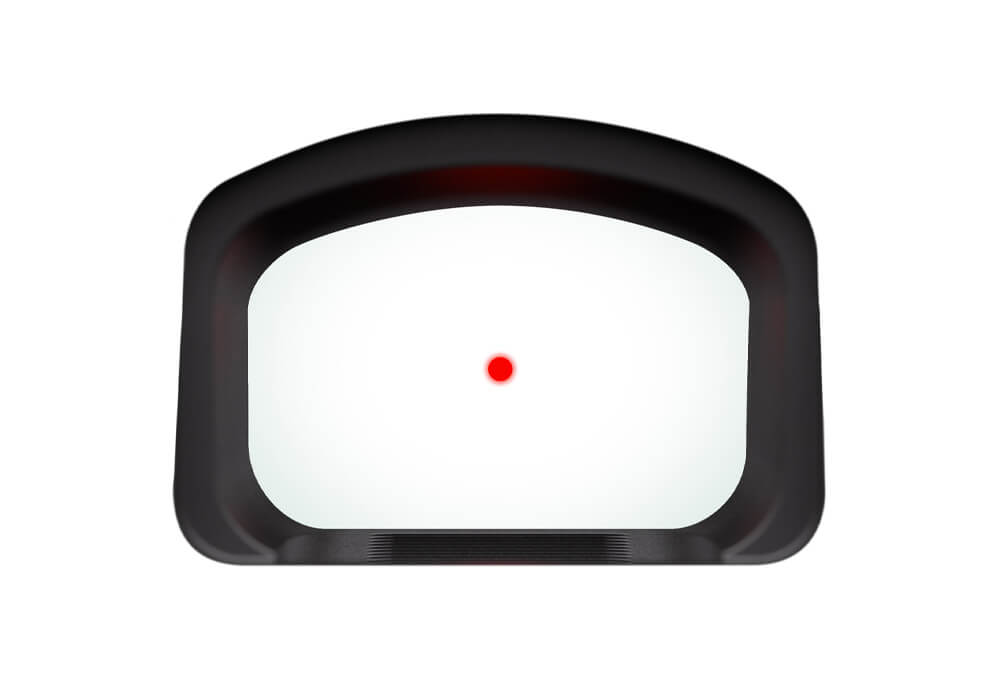
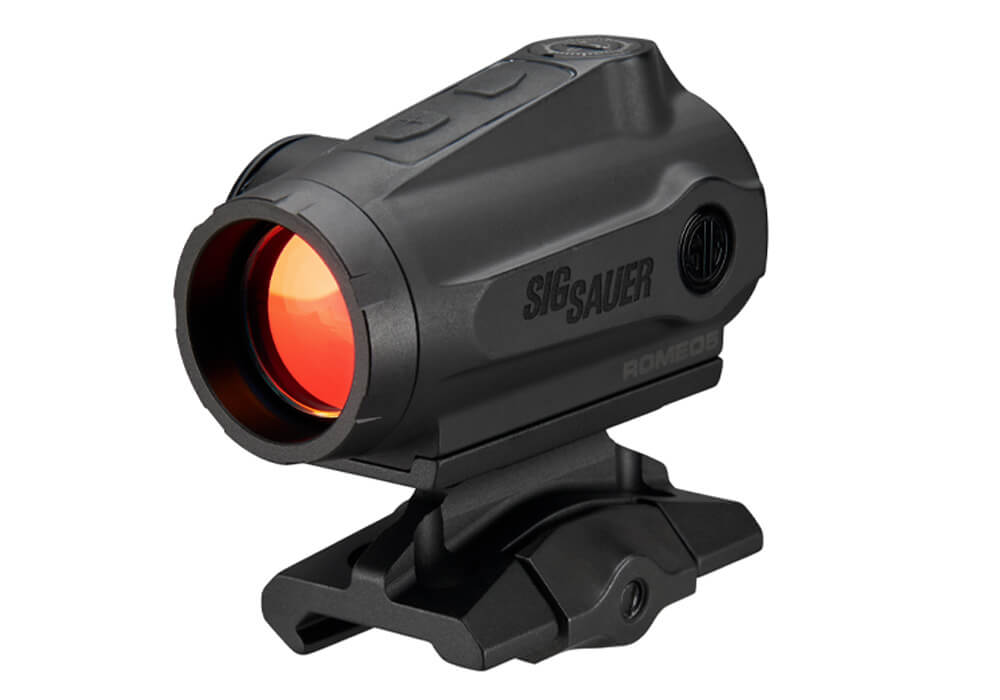
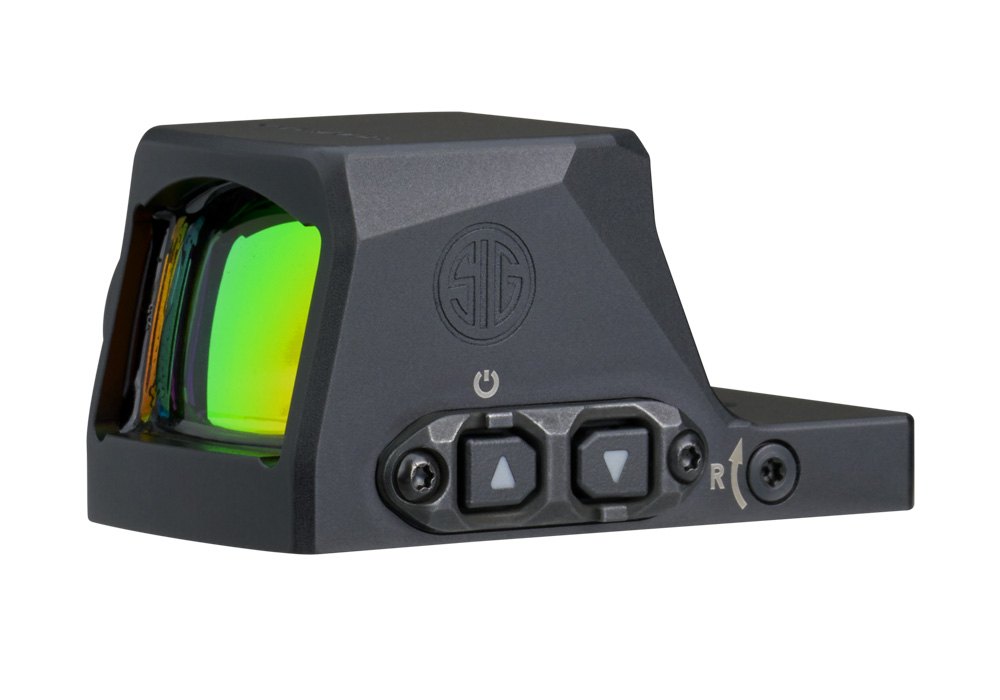
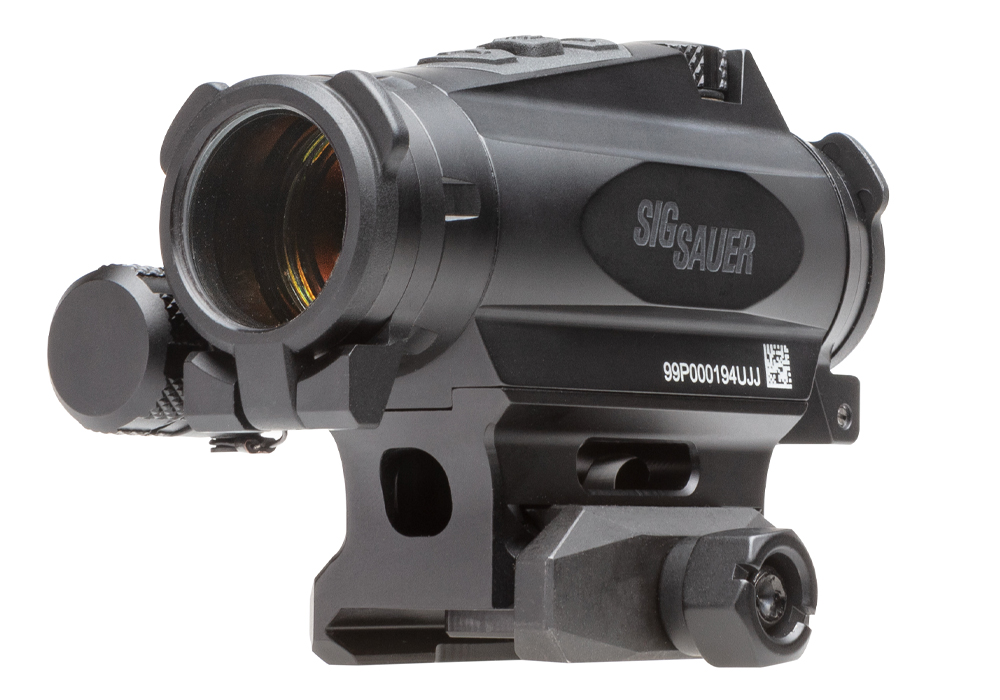
Black reflex red dot sights are non-magnified aiming optics that use an illuminated red aiming point reflected onto a viewing lens. Unlike a laser sight, a reflex optic does not project its dot onto the target; the aiming point appears within the sight window. This design lets the shooter view the target and aiming point together without aligning separate front and rear iron sights. Many shooters find the format comfortable for keeping both eyes open, which can preserve a broader view of the surrounding range or field. The black finish gives these optics a restrained appearance that pairs naturally with many handgun slides, rifle receivers, shotgun receivers, and mounting systems. A matte surface can also help limit distracting reflections from the housing, although finish quality and texture vary. Within this category, differences in window size, housing shape, reticle presentation, and controls matter more than color alone. A generous window may feel less visually restrictive during recreational shooting, while a smaller housing can suit a firearm where overall dimensions are a priority. Dot size is commonly expressed in minutes of angle, or MOA: a smaller dot covers less of the target, while a larger dot may be easier for some eyes to distinguish quickly. Neither approach is universally better. A fine aiming point can appeal to someone shooting small paper targets, whereas a more prominent dot may feel more comfortable against a busy background. Brightness adjustment matters just as much, since an overly intense dot can appear larger or less defined than intended. The way a dot looks also depends on the viewer’s eyesight, and some people with astigmatism may perceive an irregular shape rather than a crisp point. For recreational target shooters, competitive participants, and hunters using compatible firearms, the appeal is a clear sight picture with relatively little visual clutter, provided the optic’s dimensions and features suit the intended activity.
Fit is the first practical distinction when comparing black reflex red dot sights for different firearms. A similar-looking base does not establish compatibility: the mounting footprint, attachment hardware, plate requirements, and firearm manufacturer’s specifications all need to agree. A handgun slide cut may accept a particular footprint directly or require an appropriate adapter plate, while a long gun may use a rail-mounted base. Correct installation is important to secure attachment and consistent performance, and a qualified gunsmith can help resolve uncertain fitment. On a handgun, housing width, overall height, and battery access can affect how conveniently the optic fits into an existing setup. Holster compatibility deserves separate confirmation because an optic-ready firearm and an optic-compatible holster are not the same thing. On a rifle or carbine, mount height influences the relationship between the sight window, stock, and the shooter’s natural head position. The Black Reflex Sights for Carbines collection offers a more focused category for shoppers considering that platform. Shotgun applications call for equal attention to mounting compatibility and the optic’s stated recoil suitability rather than an assumption that every compact sight serves every firearm. Beyond attachment, controls should be accessible without crowding nearby components, and the housing should leave enough room for ordinary firearm operation. Battery placement is another meaningful difference: access from the side or top may simplify routine replacement, while other designs require optic removal. Open-emitter and enclosed-emitter construction also create different ownership considerations. An open design leaves the light source exposed within the housing; an enclosed design surrounds the optical path with a protective body and additional lens surfaces. Each arrangement has its own balance of size, visibility, and cleaning access. For a range handgun that travels in a padded case, a slim profile may be especially appealing. For equipment that sees frequent transport or exposure to dust and debris, protection around the emitter may carry more weight.
Materials, lens treatment, electronics, and everyday care determine how satisfying a reflex sight remains after the initial setup. Housings may use aluminum alloys or durable polymers, with construction varying by design and intended role. Material names alone do not tell the whole story: housing geometry, lens protection, mounting integrity, and documented testing help establish whether an optic is appropriate for its expected use. A black exterior finish can resist ordinary wear, but contact with abrasive surfaces may still leave marks. Protective storage helps keep the window from rubbing against loose tools, ammunition boxes, or other equipment in a range bag. Lens coatings can support light transmission and reduce unwanted reflections, though some optics display a noticeable tint when viewed through the window. Window clarity, edge distortion, and the visibility of the dot across different lighting environments are useful qualities to compare. Battery life estimates deserve context because illumination settings, electronic features, and patterns of use affect actual runtime. Automatic brightness and motion-responsive operation can be convenient, while manual adjustment gives the user direct control over dot intensity. Neither feature replaces periodic checks or a sensible battery replacement routine. Care should follow the manufacturer’s directions, using lens-safe cleaning supplies rather than household cleaners or rough fabric that could damage optical surfaces. Keeping mounting areas, controls, and accessible lens surfaces free of accumulated residue helps preserve visibility and straightforward operation. Appropriate covers and a dedicated compartment can further protect an optic between range visits. As a gift, a black reflex sight can be a thoughtful choice for an experienced target shooter or competitive participant, but confirmed firearm compatibility and the recipient’s preferences are essential. Someone who favors a wide window and prominent dot may not want the same configuration as someone who prioritizes minimal size and a fine aiming point. The strongest match brings together suitable fit, a readable reticle, practical controls, and construction appropriate to the way the firearm is responsibly used.