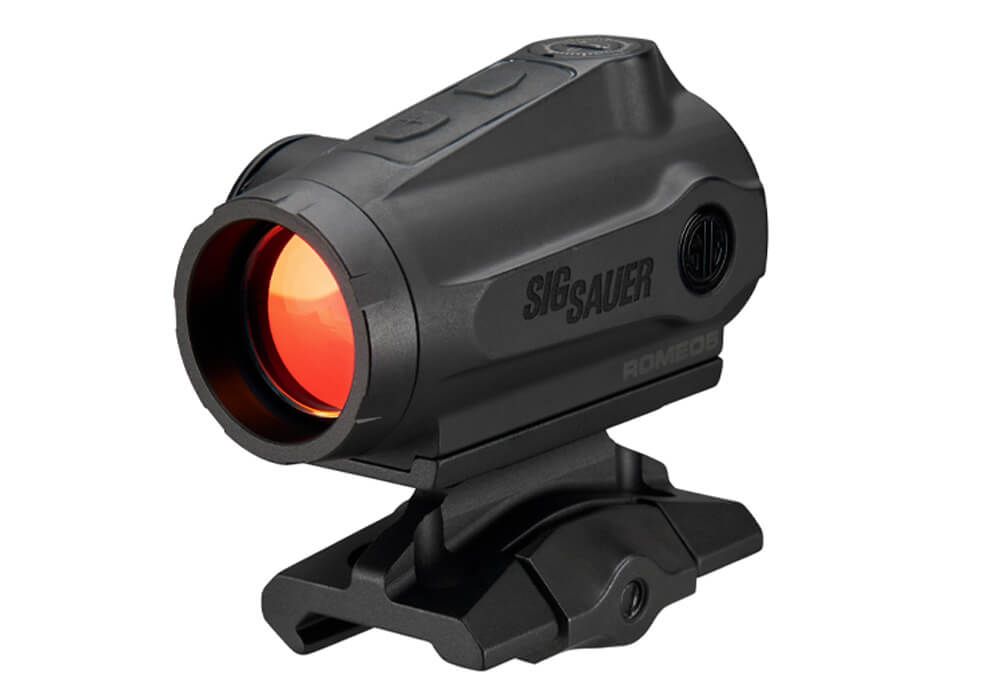
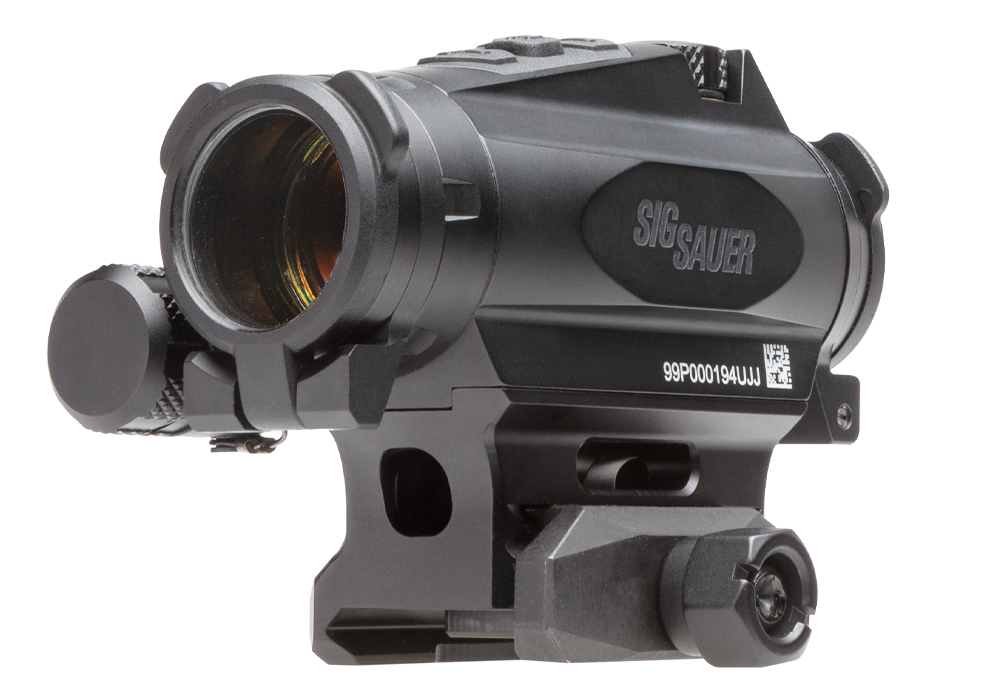
Anti-reflection red dot sights are designed for shooters who want a clear aiming point without the noticeable flash that can appear when sunlight or artificial light strikes the front lens. A red dot sight may perform well in bright conditions, yet its objective lens can still reflect light toward an observer positioned downrange or off to the side. Anti-reflection features address that concern in two primary ways: specialized optical coatings and physical anti-reflection devices, often called ARDs or killflashes. Coatings reduce the amount of light reflected from the glass surfaces while helping preserve transmission through the optic. A honeycomb-style attachment uses a fine grid across the objective lens to disrupt angled light and minimize visible glare. These small cells can also provide a useful layer of protection from dust, mud, light brush, and incidental contact during transport or field use. When selecting an anti-reflection red dot sight or compatible accessory, begin by confirming the exact optic dimensions and attachment method. Some designs secure directly to the sight body, while others use a threaded interface, press-fit construction, or a dedicated cover system. A secure fit matters because a loose ARD can shift the sight picture, create noise, or become separated when equipment is moved through dense vegetation or stored in a range bag. It is also worth comparing the grid pattern, material, weight, and profile. A finer honeycomb generally keeps the view open, while a deeper or more robust structure may provide additional physical shielding. The best choice balances glare reduction, lens protection, durability, and a natural sight picture for the way the optic will be used.
An anti-reflection red dot sight can be a practical choice for a wide range of applications. Hunters may appreciate reduced lens glint when sitting along an open field edge, a wooded trail, or a sunlit ridge where even a brief flash can draw attention. Recreational shooters and competitors can benefit from a consistent aiming view when moving between shaded benches and bright outdoor bays. For duty, training, or professional applications, reducing external reflection can support a more discreet equipment profile without requiring the shooter to cover the lens or change position every time the sun shifts. These optics are also useful for rifles, carbines, and other platforms where a fast, both-eyes-open sight picture is important. The honeycomb pattern is normally visible at close range, especially when focusing on the lens rather than the target, but it tends to blend into the background when the shooter maintains focus through the optic. Shooters who prefer the cleanest possible view may favor coated glass or a low-profile ARD, while those who spend time in dusty, wet, or brush-heavy environments may value a physical barrier in front of the lens. Bright conditions are not the only consideration. A dense grid can slightly reduce the amount of light entering the optic, which may be noticeable during the cooler months when daylight fades earlier or when shooting in deep shade. Checking the sight’s brightness settings and selecting an aiming dot that remains crisp in both strong sun and lower light can help maintain a useful sight picture. For additional options focused on optical performance, browse High Clarity Red Dot Reflex Sights and compare the features that best match your platform and routine.
When purchasing an anti-reflection red dot sight, think beyond the appearance of the front lens and consider how the optic will fit into an established setup. Verify the mounting footprint, overall height, objective diameter, and clearance around backup sights, magnifiers, lens covers, and other accessories. An anti-reflection device should not interfere with adjustment turrets, illumination controls, battery access, or the ability to remove protective covers. If the optic is used with both eyes open, look for a design that preserves a generous field of view and does not introduce distracting edges around the sight picture. Optical coatings can be a good option for shooters who want glare control without adding length or weight, whereas an ARD or killflash may be more appealing when the front lens regularly encounters grit, rain, branches, or equipment contact. Cleaning habits matter as well: use a soft lens cloth, follow the optic manufacturer’s care instructions, and avoid forcing debris across the glass or grid. These sights can also make thoughtful gifts for a new firearm owner, an outdoors enthusiast, or an experienced shooter refining a field setup. A gift buyer should confirm compatibility before ordering, since even visually similar red dot sights may use different mounting systems or objective dimensions. During late summer outings, bright open terrain can make reflection especially noticeable, while cooler-season range sessions and hunting trips can bring changing angles of light, damp conditions, and heavier clothing or gear that increases the chance of contact with the optic. A properly matched anti-reflection red dot sight helps keep the aiming point visible, the front lens better protected, and the equipment ready for the conditions each outing brings.