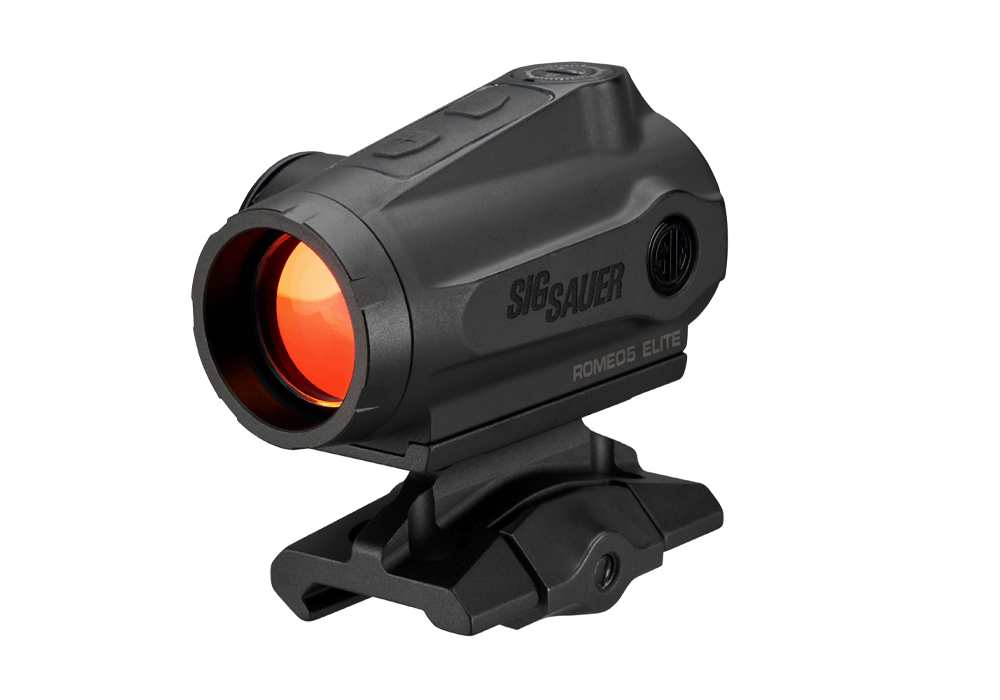
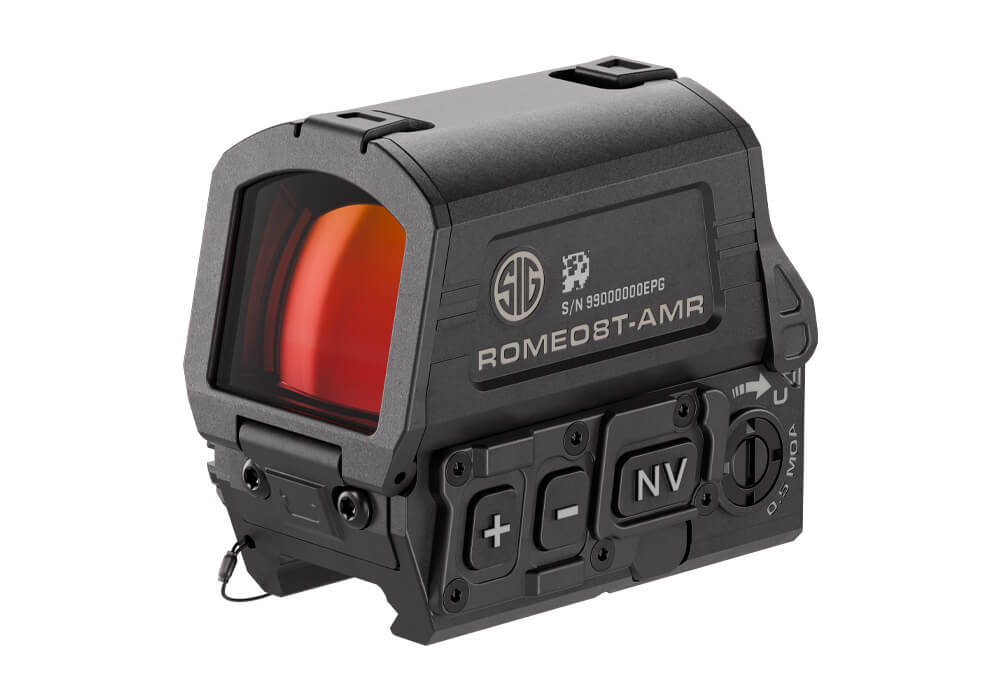
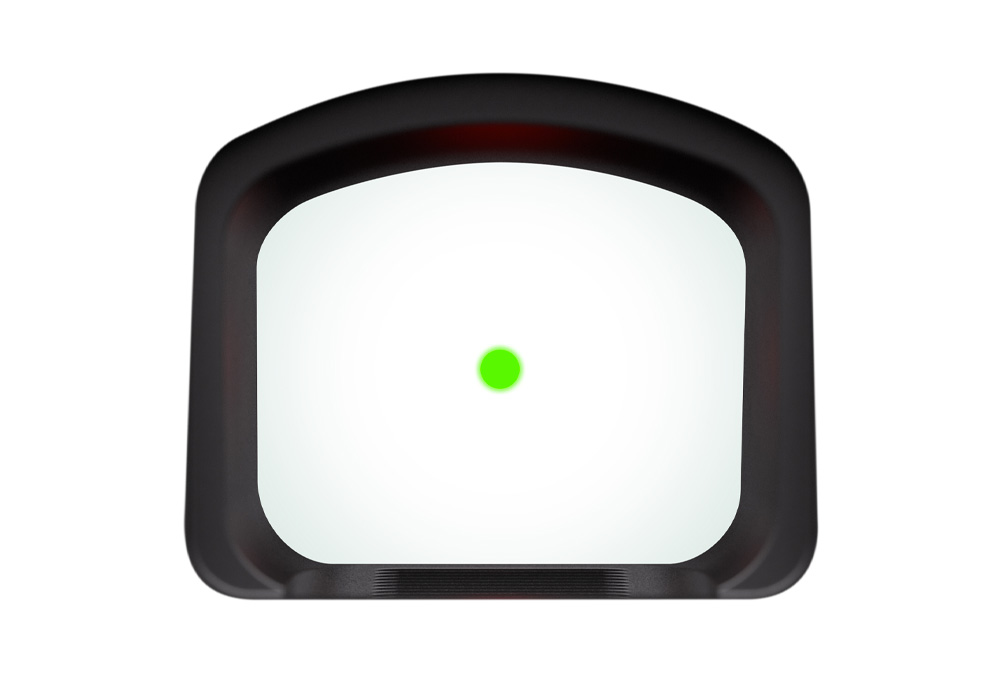
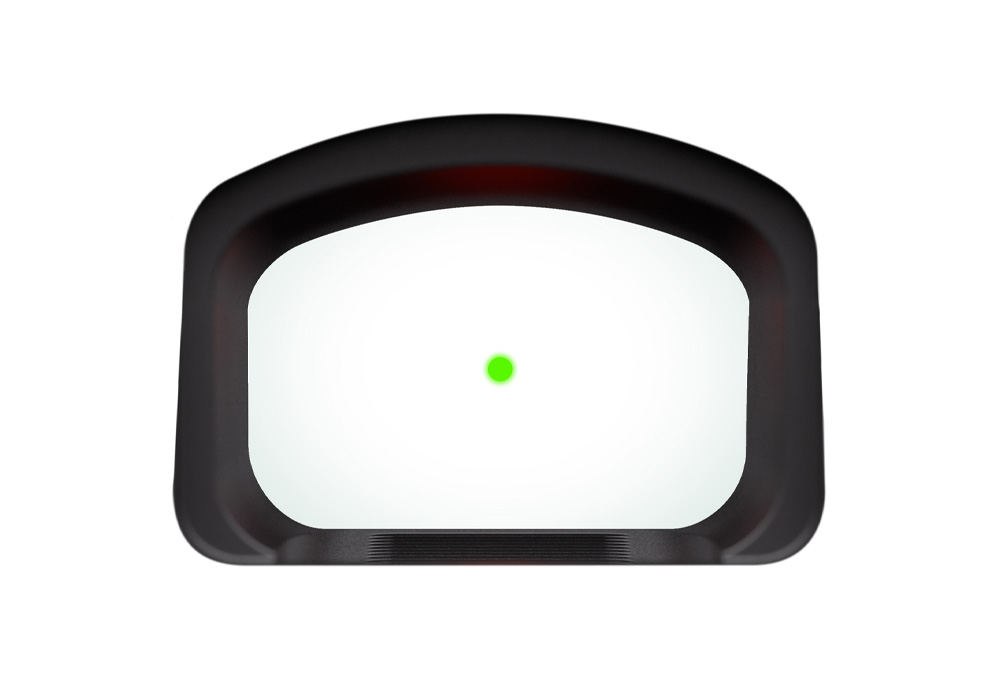
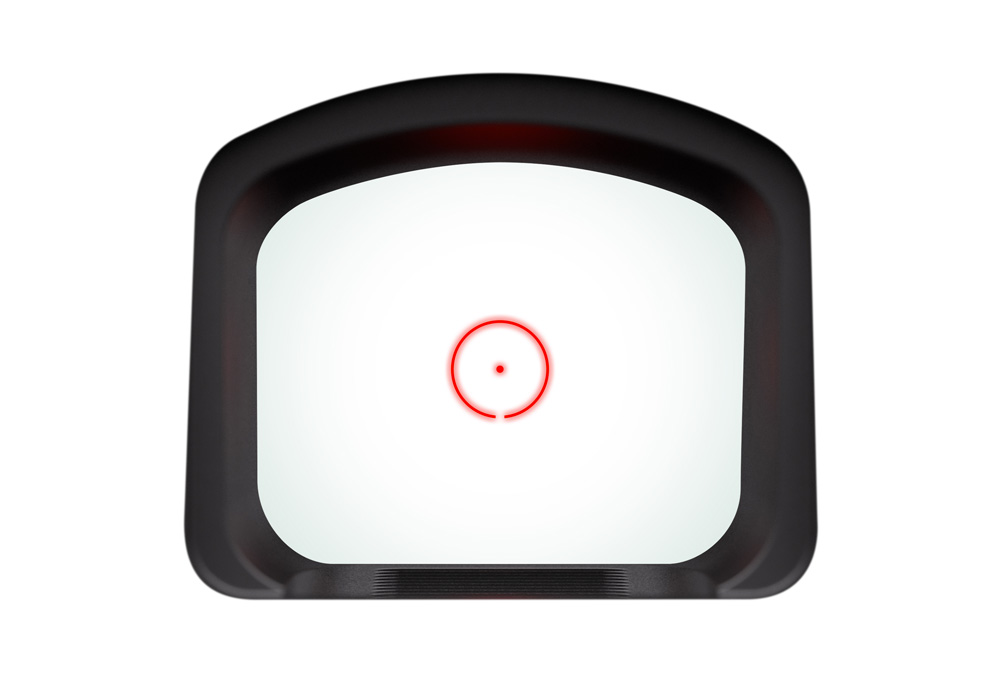
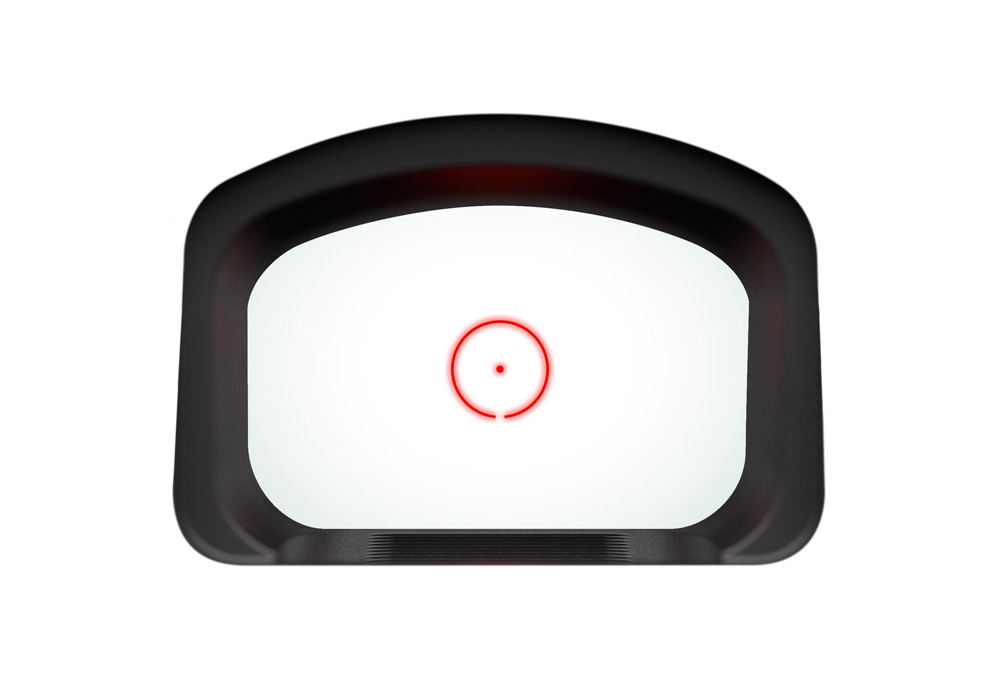
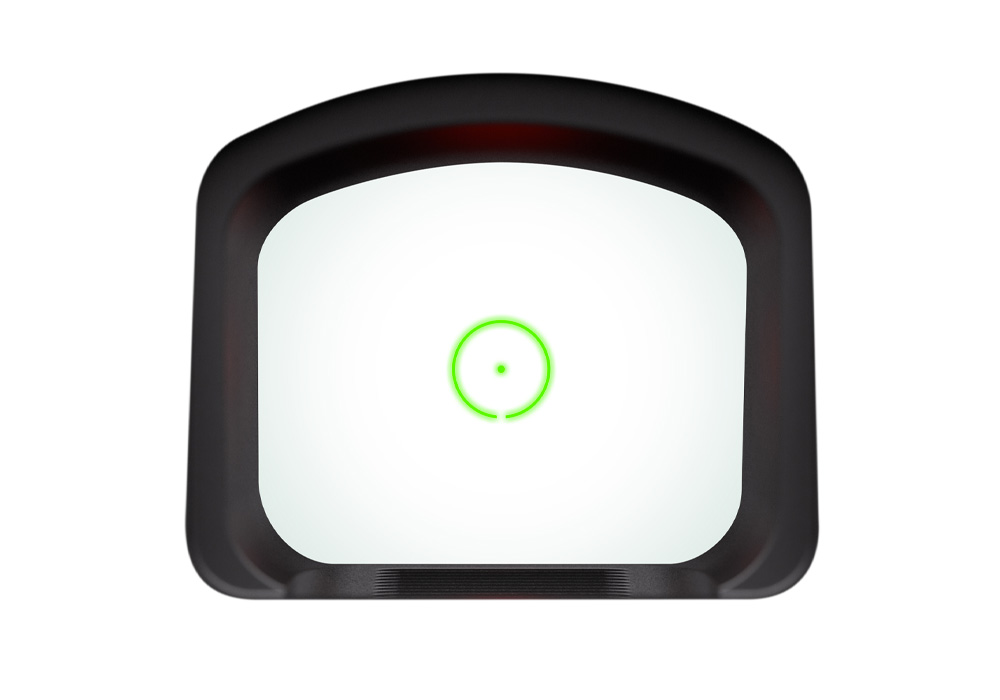
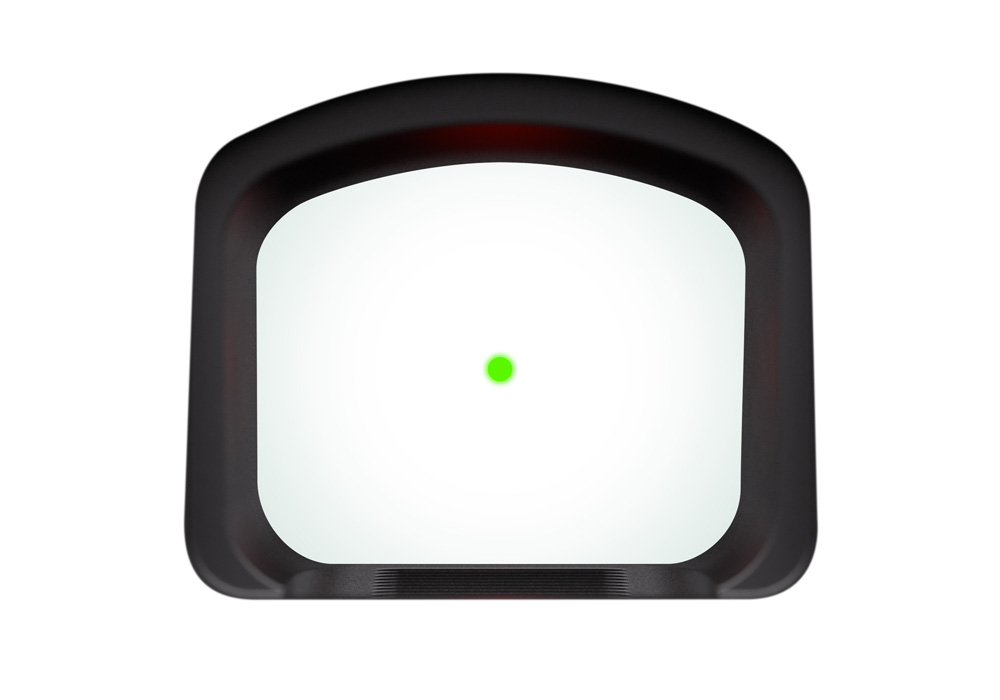
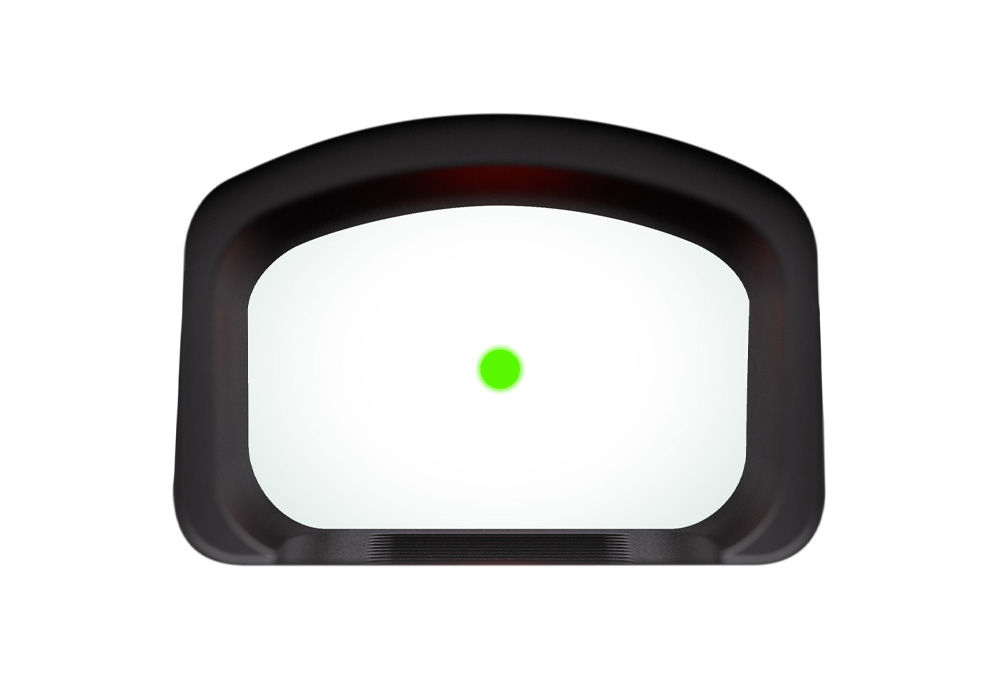
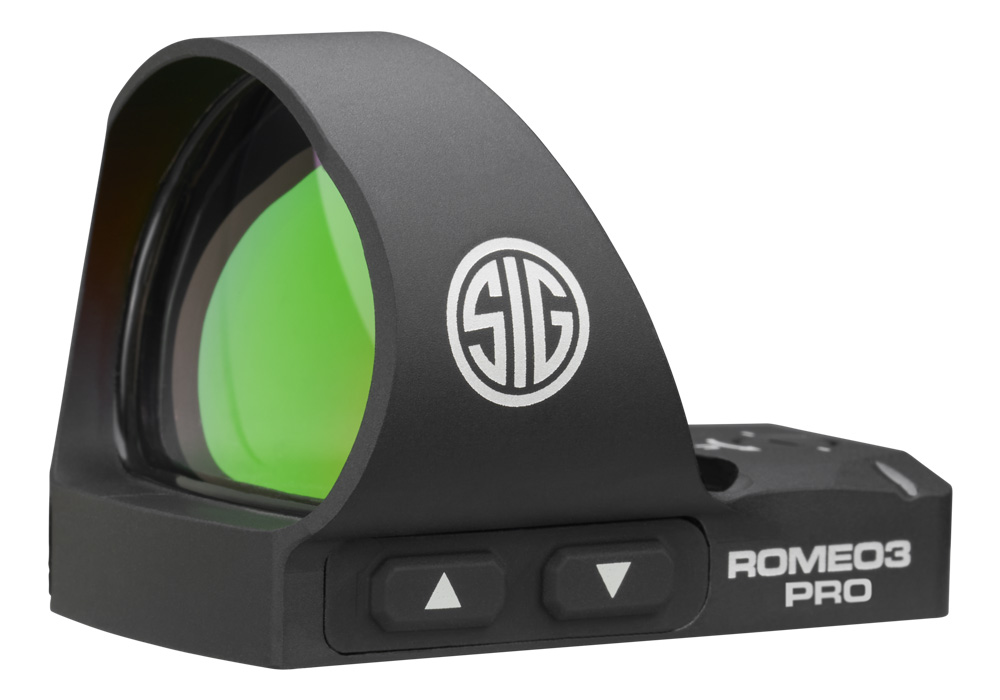
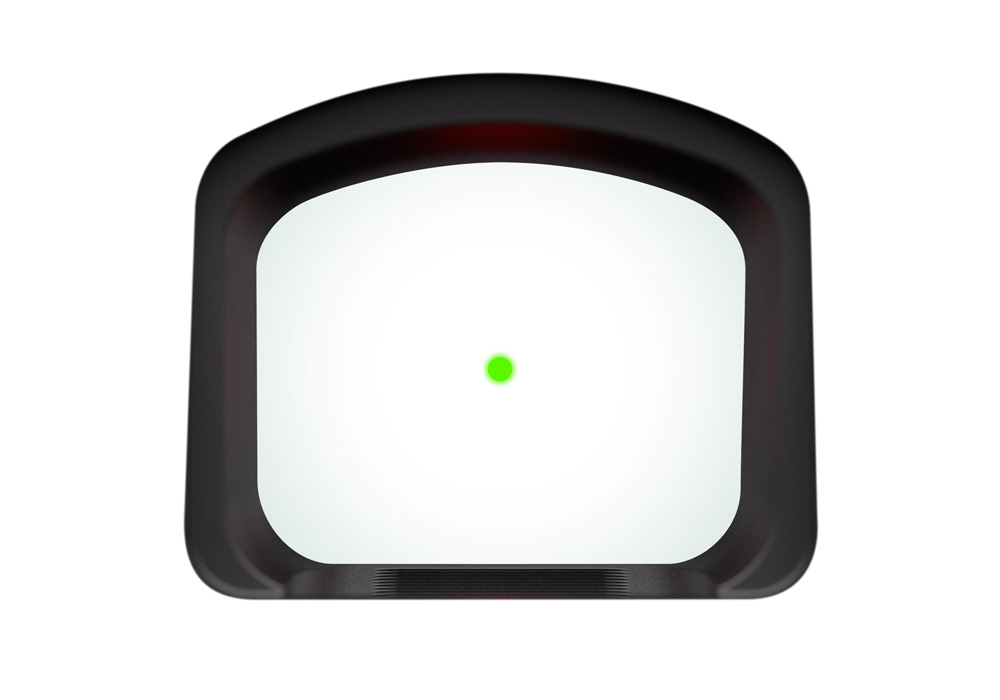
Black reflex sights for carbines are compact, typically nonmagnifying optics that place an illuminated aiming point in the shooter’s view. The reticle is reflected through the sight’s optical system rather than projected onto the target, giving the shooter a clear reference while preserving a broad view of the surrounding area. Their appeal lies in a straightforward sight picture: instead of aligning a rear sight, front sight, and target, the shooter sees an illuminated dot or other reticle against the scene ahead. This format suits recreational range sessions, competitive shooting, organized training, and professional applications where a compact optic is appropriate. Black finishes pair naturally with many carbine receivers, rails, and accessories, creating a consistent appearance without drawing attention to the optic itself. A matte surface can also limit distracting reflections from the housing, although the finish alone does not establish the sight’s strength or optical quality. Housing material, lens protection, mounting hardware, and electronic design all contribute to performance. Aluminum housings are common because they balance structural strength with manageable weight, while surface treatments help resist everyday wear from handling and transport. Open reflex designs generally offer a less obstructed view around the lens and a compact profile, but their exposed emitter path deserves consideration in environments with dust or debris. Enclosed-emitter designs protect that path within the housing and often provide more coverage around the optical components. Neither configuration is automatically the better choice for every carbine; the distinction concerns protection, size, weight, and the view through the sight. Lens shape and window dimensions also affect how easily the aiming point comes into view when the firearm is shouldered. A generous window can feel forgiving during repeated range drills, while a smaller housing may suit a lightweight setup. The most useful comparison considers the complete optic rather than treating black color, window size, or a single feature as a stand-in for overall suitability.
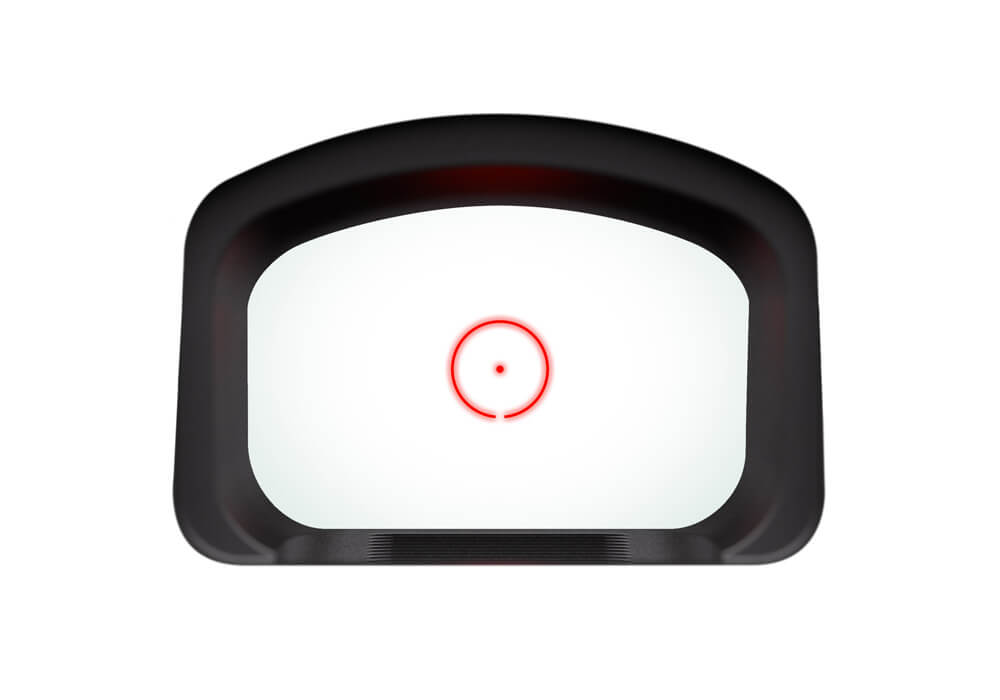
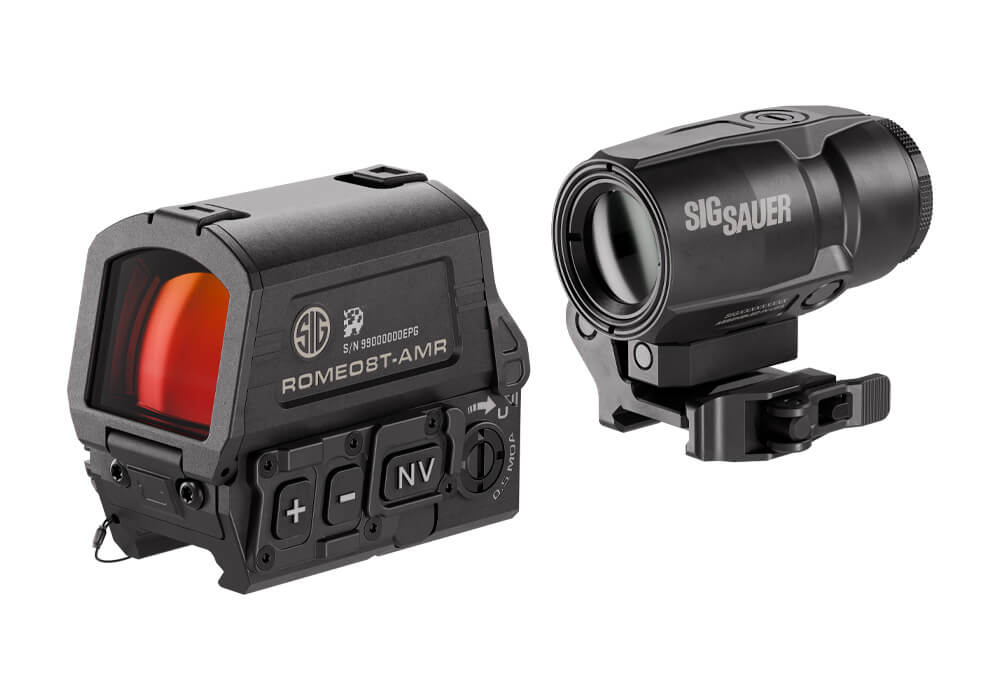
Fit is central to choosing a carbine reflex sight, because a secure connection and comfortable viewing height matter as much as the reticle. The mounting interface must match the firearm’s rail or mounting system, and the optic’s footprint must be compatible with its mount. Similar-looking screw patterns are not necessarily interchangeable. Mount height influences the shooter’s cheek position on the stock and the relationship between the optic and any backup iron sights. Some configurations allow the iron sights to appear near the center of the optic’s window; others place them lower in the view, leaving more space around the illuminated reticle. These arrangements reflect different preferences and equipment combinations rather than a universal standard. Clearance for controls, accessories, protective covers, and an optional magnifier is another practical consideration. A compact sight can still feel awkward if its controls are difficult to reach or its position interferes with nearby equipment. Reticle size deserves equally careful attention. Dot size is commonly expressed in minutes of angle, or MOA; a two-MOA dot spans roughly two inches at 100 yards. Smaller dots can provide a finer aiming reference on small targets, while larger dots may be easier for some shooters to notice quickly. Perceived sharpness also depends on brightness settings, eyesight, and the optical system. Excessive brightness can make a dot appear larger or less defined, and an illuminated reticle may look different to someone with astigmatism than it does in a product image. Adjustable illumination helps accommodate different lighting environments without requiring a single setting for every session. Battery type, access to the battery compartment, automatic illumination features, and published runtime are useful distinctions among electronic sights. Runtime claims should be read alongside their stated brightness settings and operating conditions. Motion-sensitive functions can simplify routine use, but their behavior varies by design. For a carbine carried through a full training day or used repeatedly at the range, manageable weight, accessible controls, and a stable mount often matter more than a long feature list.
Durability in a black carbine reflex sight involves more than a rugged-looking exterior. Recoil resistance, secure fasteners, protected lenses, and consistent adjustment mechanisms help an optic retain its usefulness through repeated shooting and handling. Published testing standards offer more meaningful context than broad descriptions alone, and protective construction should be considered alongside the sight’s intended role. A lightweight recreational setup may emphasize a clear window and simple controls, while equipment used for frequent training or professional work may place greater emphasis on protected electronics and documented durability. Care is usually straightforward, but the optical surfaces benefit from a gentler approach than the firearm’s metal components. Loose grit should be cleared before a lens is wiped, since rubbing debris across the surface can scratch coatings. A clean lens cloth and an appropriate optical cleaner help preserve clarity; abrasive materials and harsh solvents are poor companions for coated glass. Lens covers, when compatible, can help protect the viewing surfaces during storage or transport. The black housing may show polished edges or small marks after regular use, and those cosmetic changes are different from damage that affects the lens, mount, or adjustments. Periodic attention to mounting hardware, battery condition, and reticle operation supports dependable use without turning routine ownership into a complicated maintenance project. A padded case also helps prevent the optic from rubbing against tools or other equipment during travel. Shooters comparing finishes across different firearm setups can explore Black Color Reflex Sights for a broader look at this understated color choice. As a gift for an experienced carbine owner, a reflex sight is most thoughtful when the recipient’s mounting requirements, preferred viewing height, and reticle preferences are already understood. For newer shooters and longtime enthusiasts alike, the lasting appeal is practical: a clear aiming reference, a balanced profile, and construction suited to the way the carbine will actually be used.