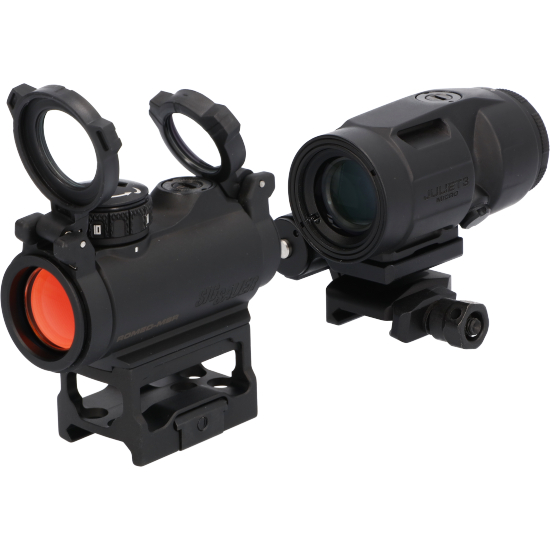
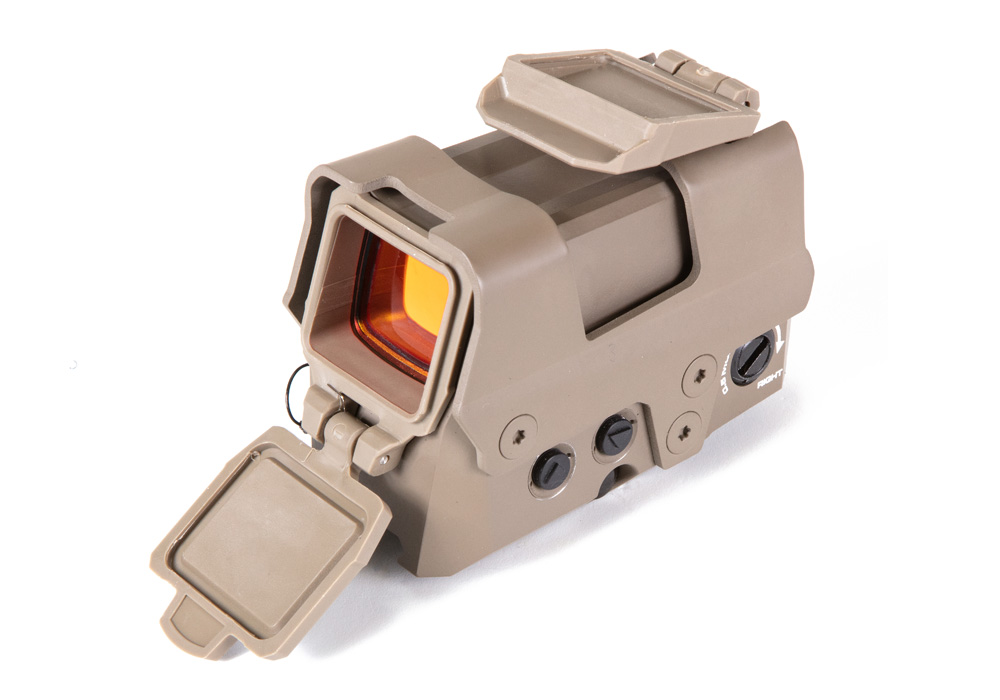
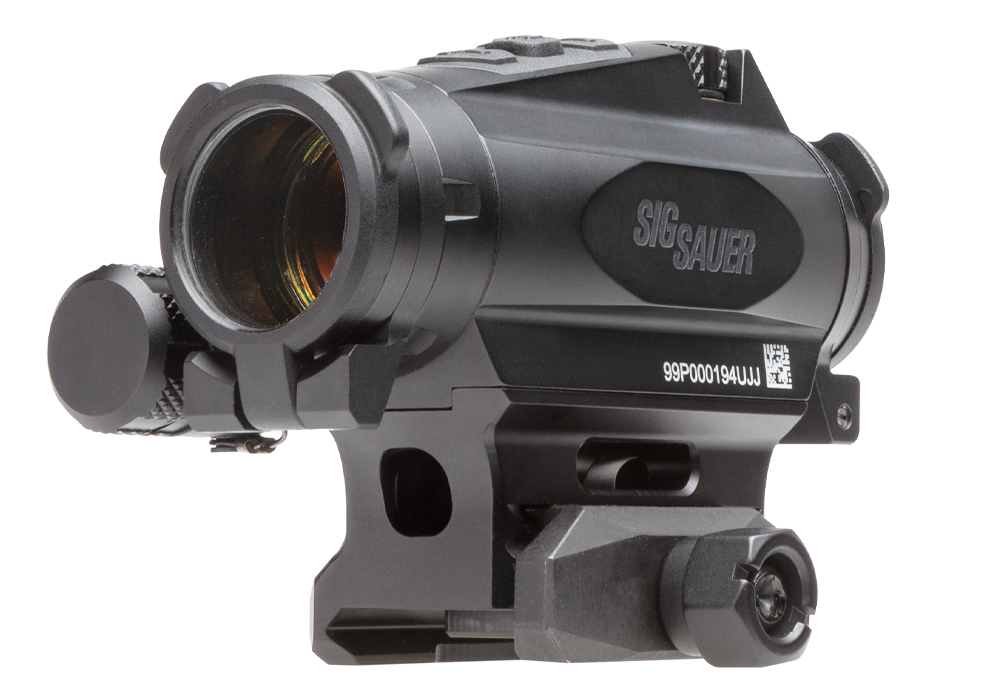
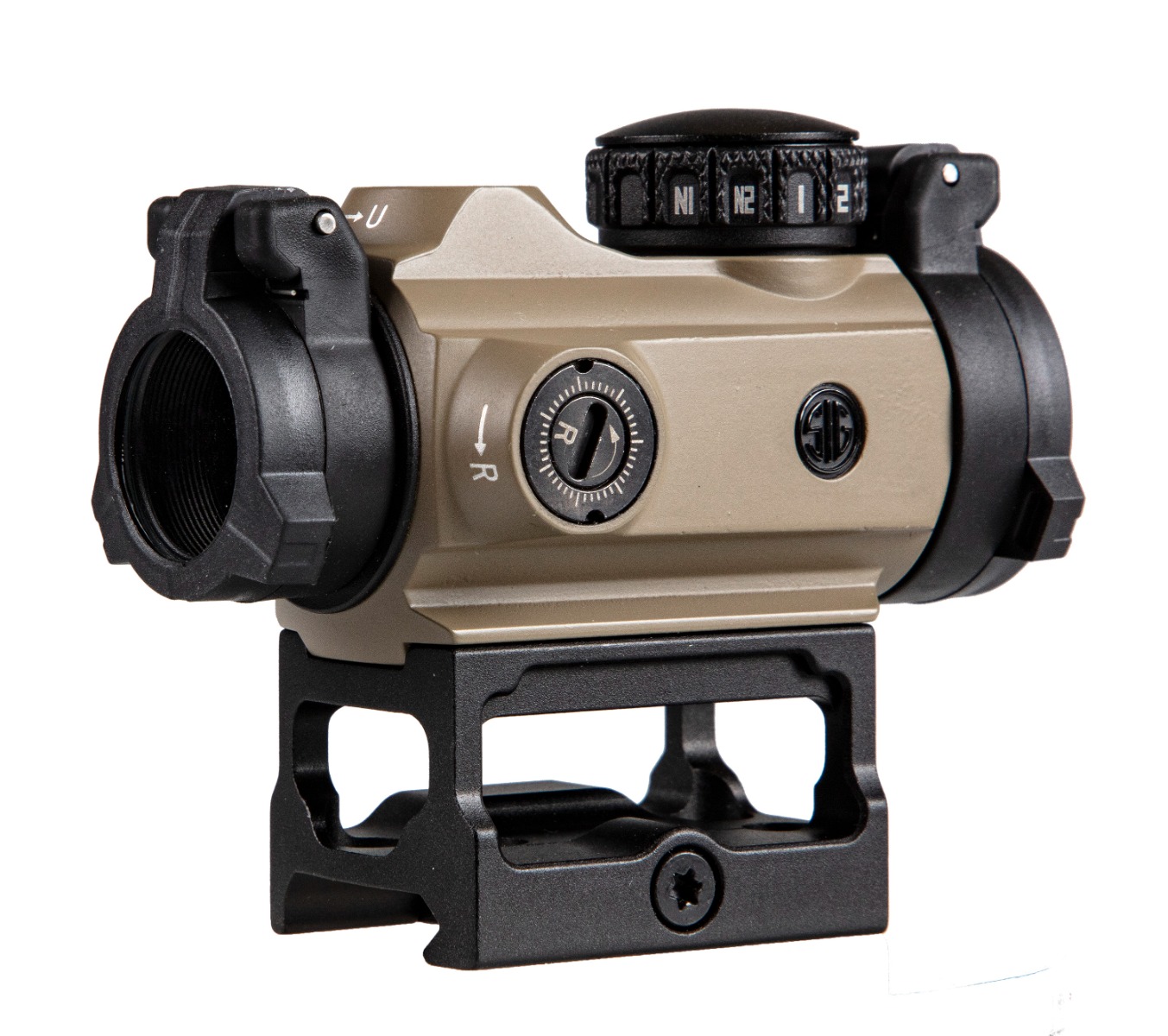
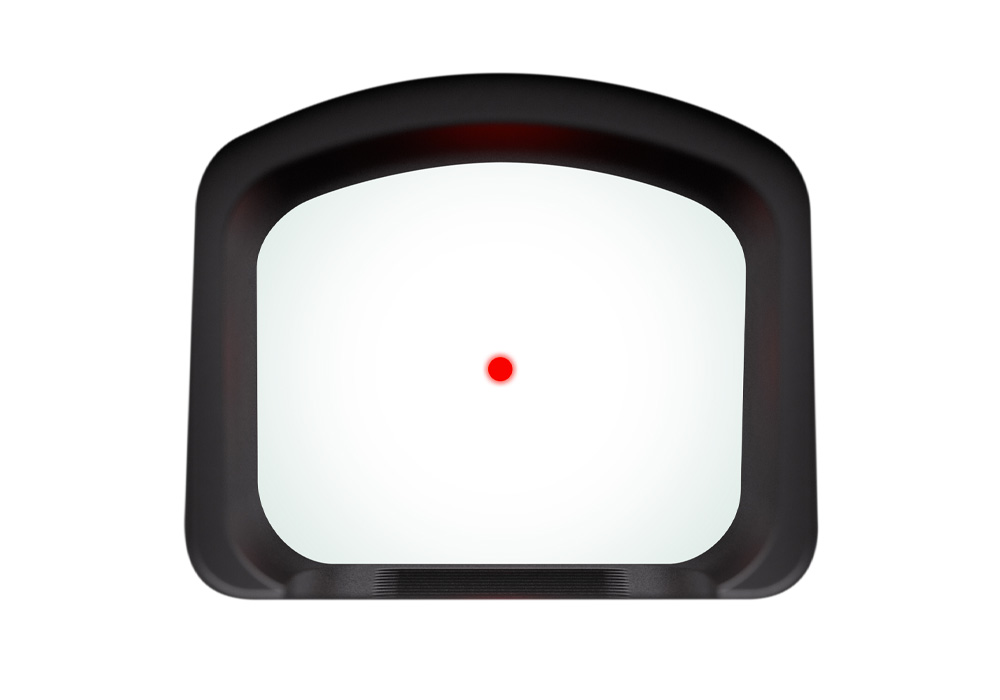
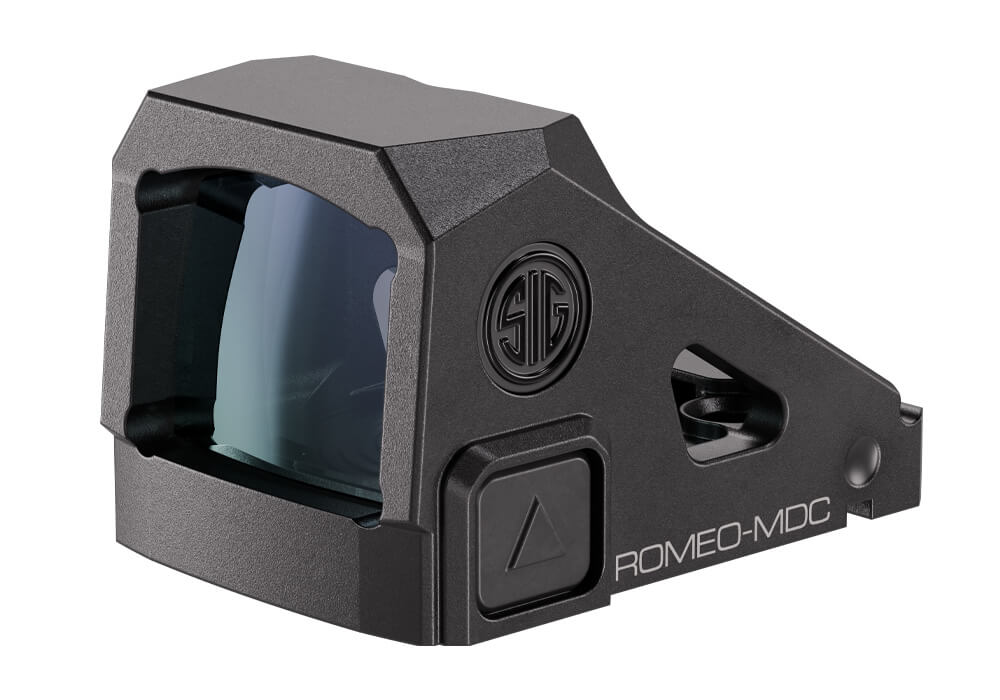
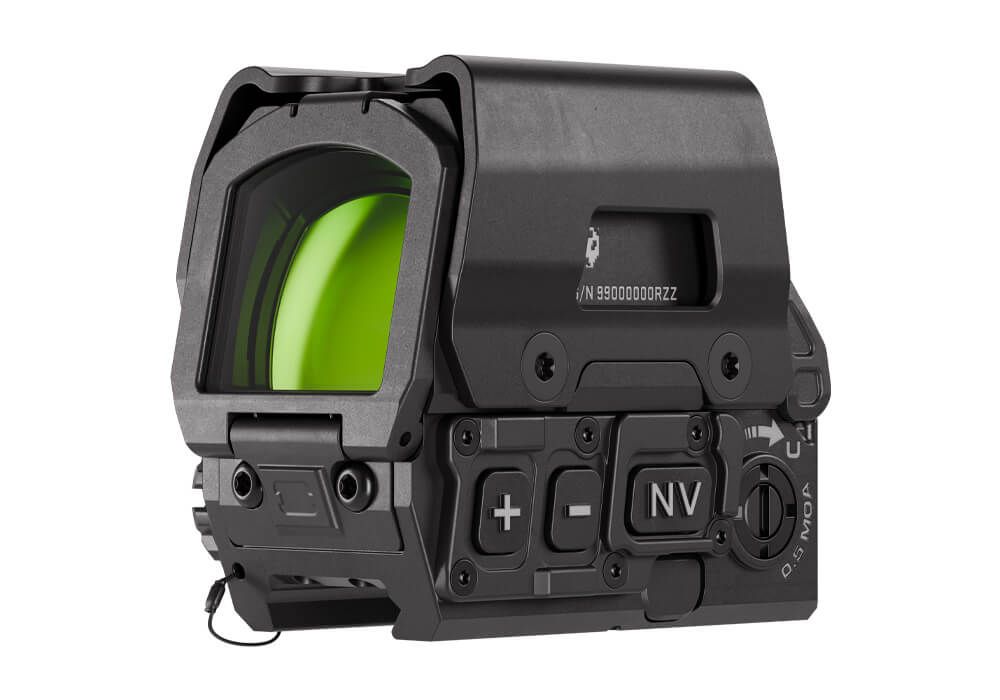
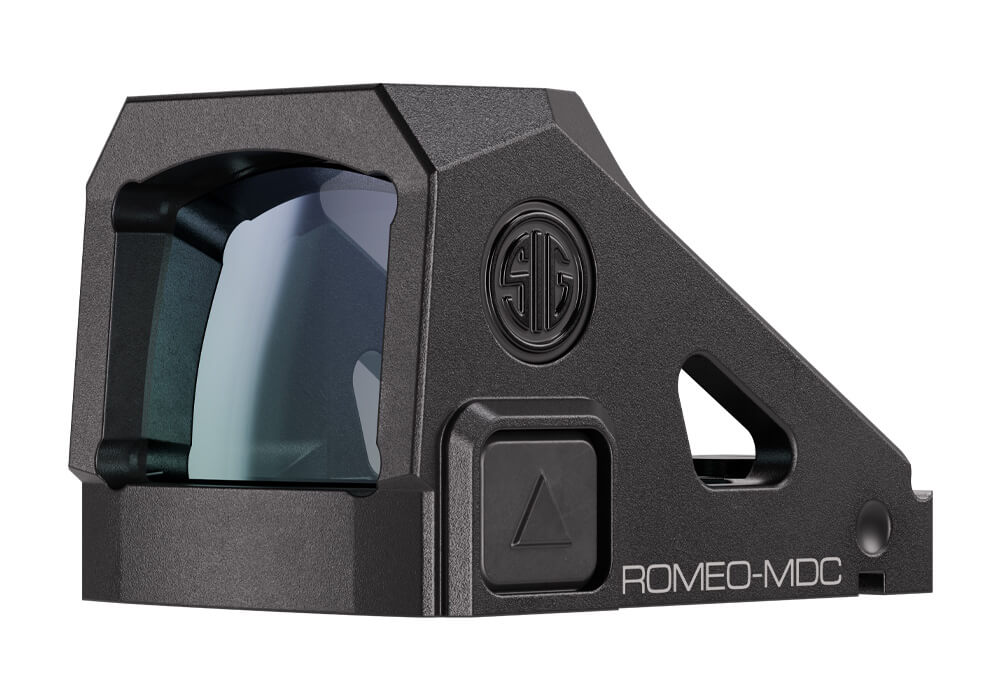
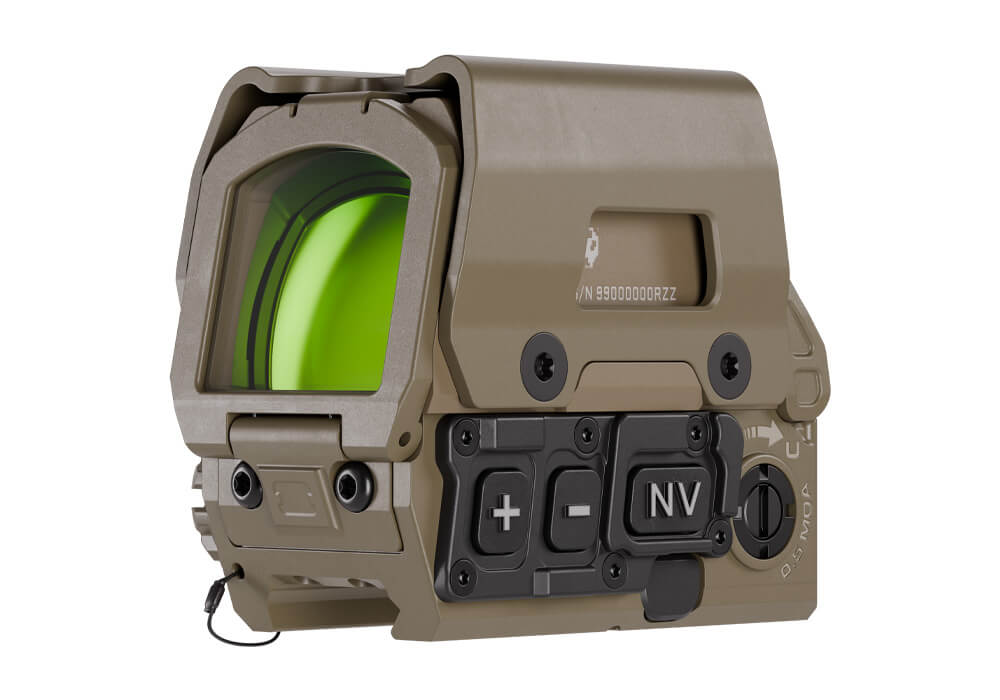
Full size red dot sights are designed for rifles, shotguns, pistol-caliber carbines, and other larger platforms where a durable optic, generous viewing area, and fast target acquisition are important. Compared with compact sights made for concealed-carry handguns, these optics typically offer a larger housing and a wider sight picture that makes it easier to track movement with both eyes open. That broader field of view can be especially useful when transitioning between targets, working around obstacles, or shooting from positions that are less than perfectly aligned. A full-size red dot sight can help keep the aiming process simple: place the illuminated point where you want the shot to land while maintaining awareness of the surrounding environment. This makes the format popular with recreational shooters, hunters who prefer a non-magnified aiming solution, private security professionals, law enforcement personnel, and responsible firearm owners setting up a carbine or shotgun for practical training. It is also a thoughtful gift for an experienced shooter who has recently added a rifle, shotgun, or PCC to their collection, provided the recipient’s platform, mounting system, and intended use are known. For shoppers comparing Black Red Dot Sights for Rifles, a full-size optic can offer the practical balance of a substantial window, robust construction, and straightforward controls without adding the visual complexity of a magnified scope. The right choice depends on the firearm, the way it will be used, and the shooter’s preferences for size, weight, reticle style, and brightness adjustment.
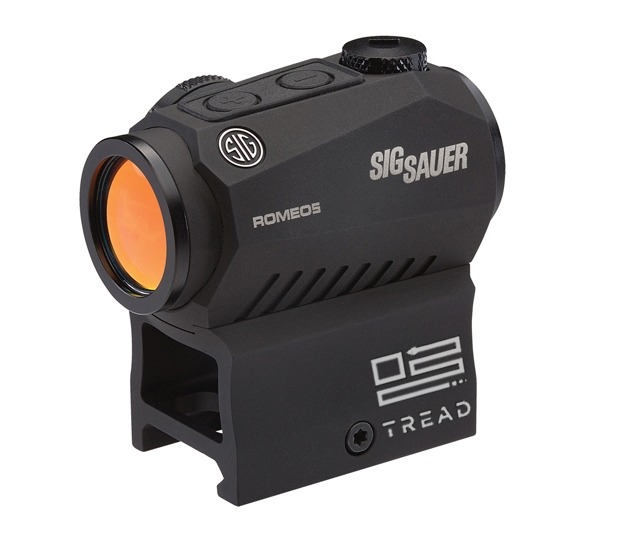
Mounting compatibility should be the first consideration before selecting a full size red dot sight. Many models intended for rifles and carbines attach to a Picatinny or similar accessory rail, while others may require a dedicated footprint, riser, adapter plate, or quick-detach mount. Confirm the rail type and available clearance on the firearm, then consider how the optic will sit in relation to the stock, cheek weld, backup sights, and any other accessories. A proper height can make it easier to obtain a consistent sight picture, particularly when shooting with both eyes open or wearing protective equipment. Co-witnessing with iron sights may be valuable for users who want a familiar backup aiming reference, while a taller mount may better suit a platform configured for a more upright head position. The size of the viewing window also matters. A larger window can make the illuminated dot easier to locate during a fast presentation, while an enclosed design can provide additional protection from dust, rain, and debris. Open-emitter designs may offer a broad, unobstructed view and a compact profile, but the user should consider how the optic will be exposed during storage, transport, and outdoor use. For shotgun applications, it is wise to verify that the optic and mount are appropriate for the firearm’s recoil impulse and intended ammunition. On a PCC or rifle, weight and overall balance may be more noticeable during extended range sessions or when the firearm is carried for long periods.
Battery performance, reticle visibility, and control placement also deserve careful attention. Full size red dot sights often use readily available batteries and may provide extended runtime, but stated battery life can vary according to brightness setting, ambient conditions, storage practices, and whether motion activation or automatic illumination features are enabled. A sight that is easy to check and adjust before every session can inspire more confidence than one with complicated controls hidden behind protective structures. Brightness settings should cover the range from subdued indoor lighting to bright outdoor conditions, with adjustments that can be made without losing a solid firing position. Some users may benefit from night-vision-compatible settings when the optic is part of a properly configured system, while others may prefer a simpler daylight-only control layout. Reticle size is another personal choice: a smaller dot can support precise aiming at distance, while a larger illuminated point may be faster to see against a dark target or during close-range drills. Durability is equally important. Look for construction and sealing suited to the expected environment, along with lenses that remain clear when the optic is moved between a climate-controlled safe, a cold vehicle, and an outdoor range. During the cooler months, gloves can make small buttons and stiff adjustment controls more difficult to operate, so tactile controls and clear markings are practical advantages. Regardless of the season, secure mounting, proper torque, fresh or well-maintained batteries, and confirmation of zero are essential parts of responsible setup. After installation, spend time at the range learning how the dot appears from different shooting positions, how brightness changes affect visibility, and how the firearm behaves with the optic in place. A full size red dot sight is not a substitute for safe handling or marksmanship practice, but when correctly matched to the platform, it can provide a clear, durable, and efficient aiming solution for training, recreation, field use, and lawful defensive applications.


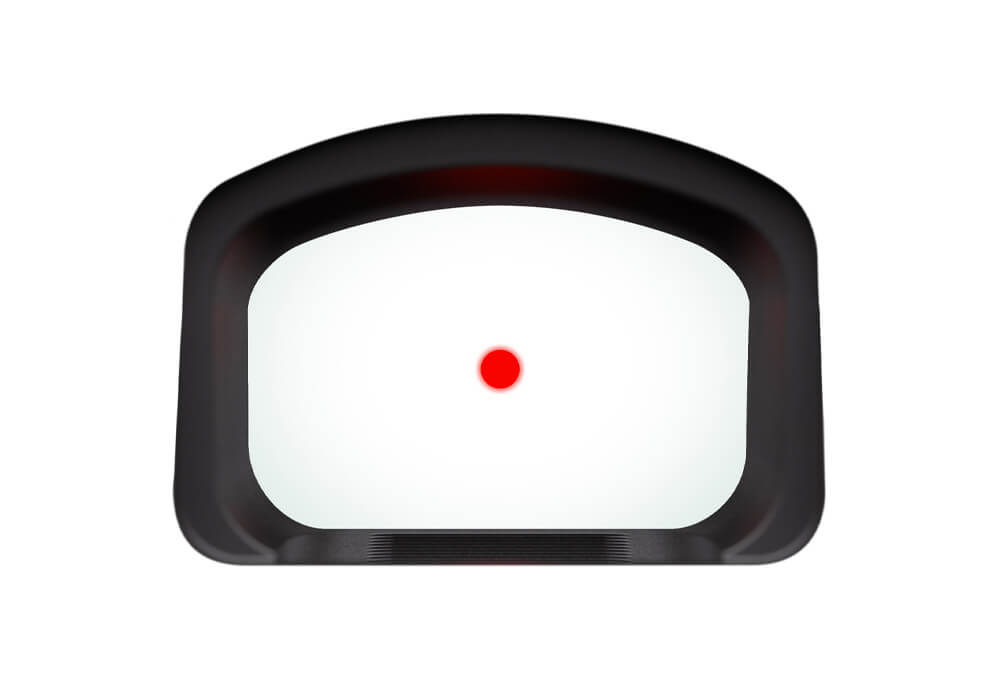


![[["ROMEO4T RED DOT SIGHT, BALLISTIC CIRCLE DOT, SOLAR, 0.5 MOA ADJ, SIDE BAT","TERY, HEX BOLT MOUNT AND SPACER, BLACK"]]](http://www.sigsauer.com/media/catalog/product/r/o/romeo4t-hero-left-new_5.jpg)