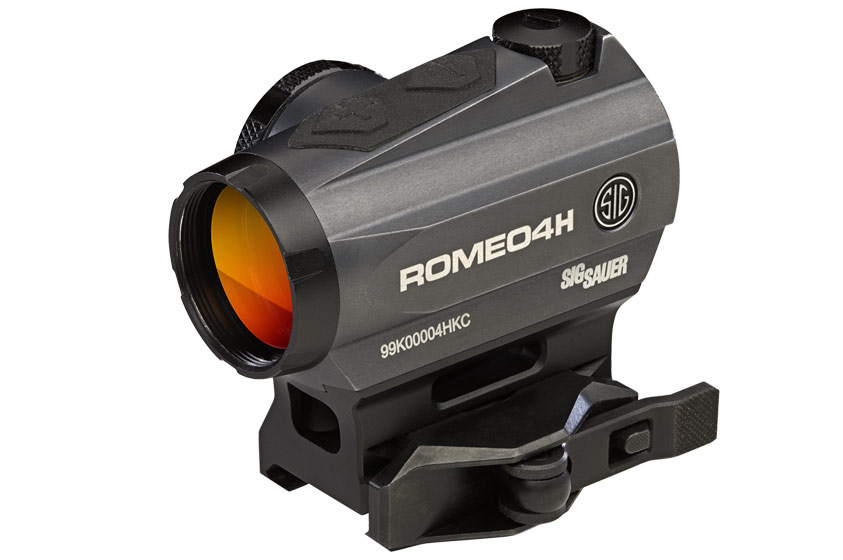
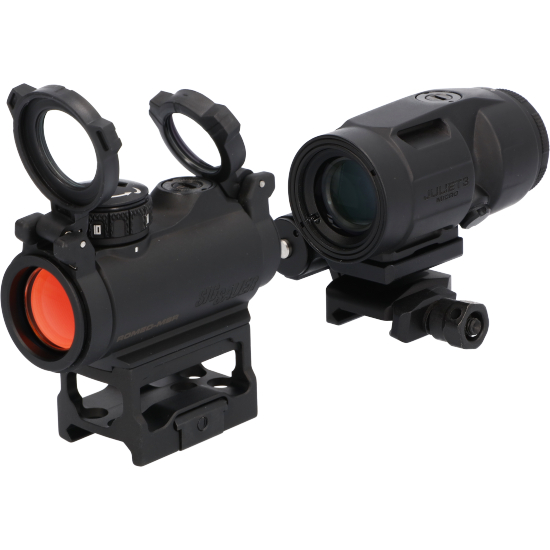
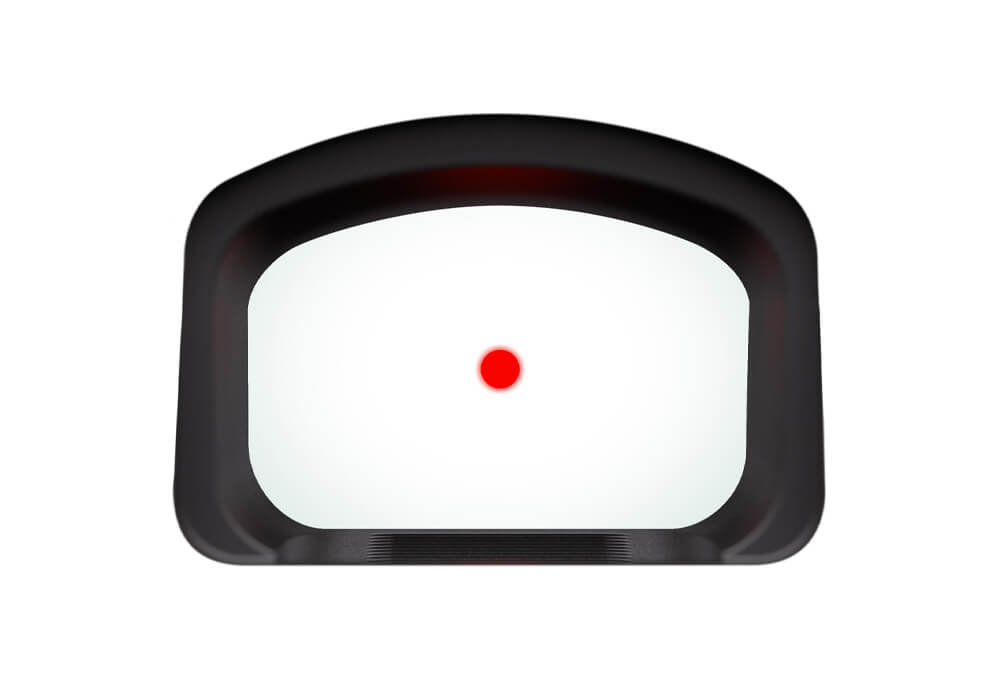
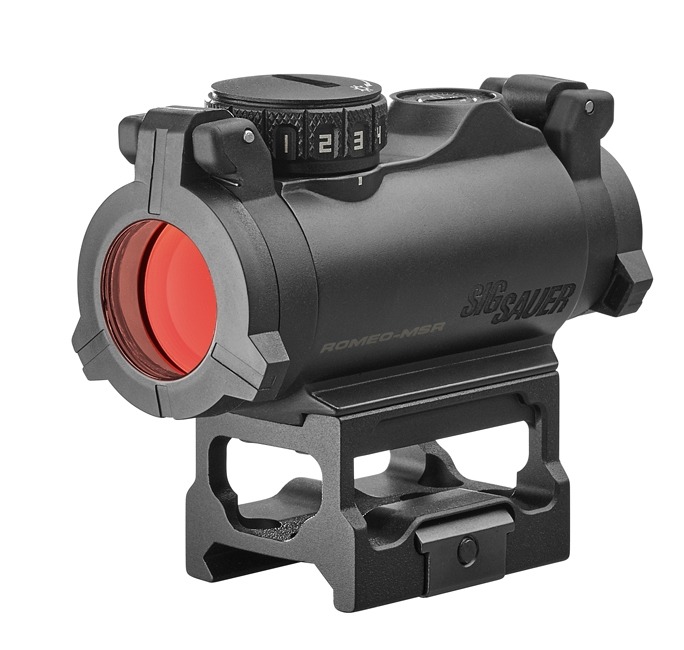
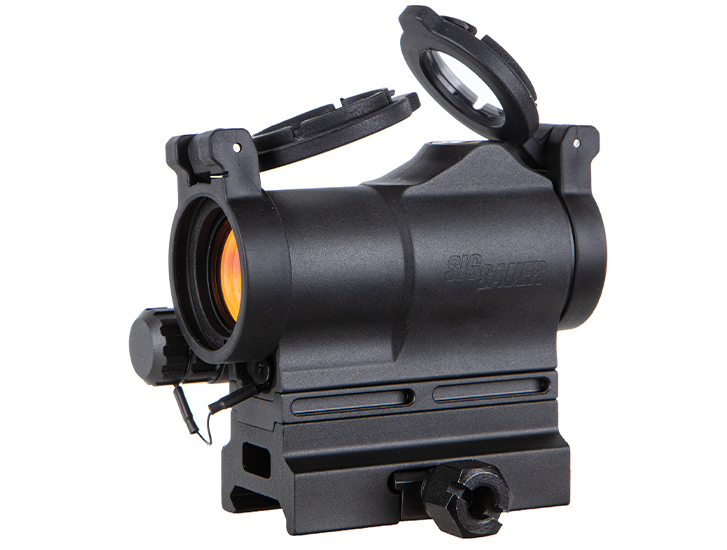
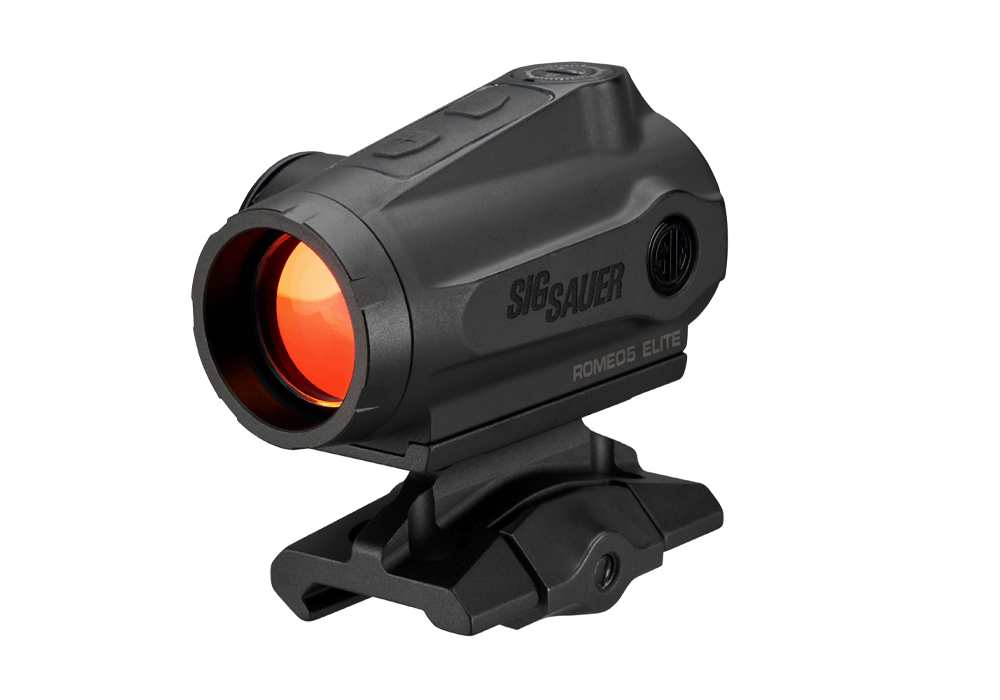
Full-size red dot sights for an AR-15 are typically nonmagnifying aiming optics with larger housings than compact or micro designs, often offering substantial mounting interfaces, accessible controls, and a generous viewing window. Their appeal is straightforward: an illuminated aiming point appears within the sight, allowing the shooter to keep attention on the target rather than align a front and rear sight. For recreational target shooting, organized range practice, and compatible shooting sports, that uncluttered presentation can feel natural, especially when both eyes remain open. A larger housing does not automatically produce a wider usable view, however. Window dimensions, the thickness of the surrounding frame, eye position, and mounting height all influence how open the sight picture feels. Full-size is also a descriptive category rather than a universal dimensional standard, so actual measurements matter more than the label alone. Reticle size is another defining characteristic. Dot measurements commonly use minutes of angle, or MOA; a 2 MOA dot covers approximately two inches at 100 yards. A smaller dot obscures less of a small paper bullseye, while a larger dot may be easier for some eyes to recognize against a visually busy background. Neither choice guarantees greater accuracy, and personal vision plays an important role in how cleanly an illuminated point appears. Brightness adjustment helps balance visibility with definition: excessive illumination can make the dot look larger or less distinct, while insufficient illumination can leave it difficult to see against a bright target. Lens coatings, tint, and optical clarity also affect the experience. Some tint is a normal part of the reflective coating used in many red dot designs, but a comfortable sight picture should still allow target details to remain recognizable. For shoppers comparing formats across the Best Red Dot Sights for AR 15 collection, the strongest distinction is not simply physical size, but how the viewing window, reticle, controls, and overall footprint work together on the rifle.
Construction and fit deserve as much attention as the view through the lens. Aluminum housings are common because they balance structural strength with manageable weight, while protective finishes help resist surface wear from routine handling. Housing shape, recessed glass, lens protection, and the design of adjustment covers can all influence how well an optic tolerates repeated range trips and transport in a padded case. Durability claims are most useful when supported by clearly stated testing or ratings, including recoil resistance and protection against water intrusion. A rugged exterior alone does not establish optical reliability, and a sealed body does not eliminate the need to keep lenses and battery contacts clean. On an AR-15, rail compatibility is only one part of proper fit. Many configurations use a Picatinny mounting interface, but the sight must also have adequate mounting space without interfering with existing accessories or normal operation. Overall length matters when a rifle also carries backup sights or a compatible magnifier. Some tubular optics rely on a separate ring or mount of a specified diameter, while others have an integrated mounting arrangement; those systems are not interchangeable simply because both belong to the full-size category. Mount height affects head position and the relationship between the optic and backup sights. A comfortable setup supports a repeatable cheek position without forcing the shooter to stretch upward or press awkwardly downward. Additional height is not inherently better, and compatibility with backup sights depends on the complete combination of optic, mount, and rifle configuration. Weight is worth considering in the same practical way. A substantial optic may feel unobtrusive on a supported range rifle yet become more noticeable when the rifle is carried between shooting stations. Accessible brightness controls, readable adjustment markings, and secure protective caps contribute to everyday usability. The most satisfying fit is one that feels balanced, leaves necessary controls accessible, and meets the equipment requirements of the intended sporting activity without adding unnecessary bulk.
Power management and routine care often determine how convenient a full-size red dot sight feels over years of ownership. Battery life varies with the illumination setting, electronics, reticle configuration, and any automatic operating features, so published runtime should always be read alongside its stated conditions. An impressive runtime figure at a moderate setting does not necessarily describe performance at maximum brightness. Motion activation, automatic shutoff, and manual controls can each suit different habits, but their behavior should be familiar before a range session begins. Battery type and compartment access also deserve attention. A common battery format can simplify keeping a spare in a range bag, while an externally accessible compartment may allow replacement without removing the optic, depending on the design. Lens care is equally practical. Fine dust or grit should be cleared with an appropriate blower or soft brush before the glass is wiped with a clean lens cloth and an optic-safe cleaning solution. A shirt sleeve that looks clean can still carry abrasive particles, and excessive rubbing can wear protective coatings. Lens covers help shield exposed glass during storage and transport, while a padded case protects the sight from contact with other equipment. Cleaning chemicals intended for other parts of a firearm should not be assumed safe for optical coatings, seals, or finishes. Manufacturer instructions remain the reference for cleaning methods, mounting requirements, and maintenance. For a frequent target shooter, these details translate into less fuss at the bench: a clear window, familiar controls, and a visible aiming point when the rifle is brought into a comfortable position. For someone choosing an optic as a gift, the recipient’s rifle configuration, preferred mounting height, visual preferences, and shooting discipline matter more than choosing the largest body or the longest feature list. Full-size red dot sights suit shooters who value a substantial optic format and an uncomplicated aiming display, with lasting satisfaction coming from the balance of clear glass, suitable reticle size, secure fit, dependable electronics, and straightforward upkeep.