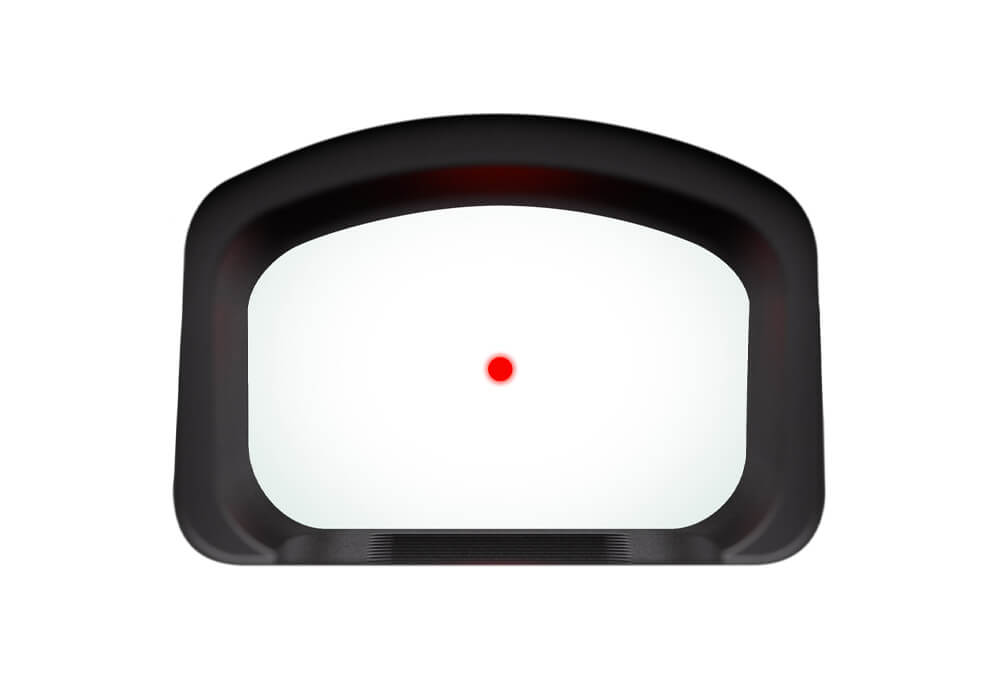
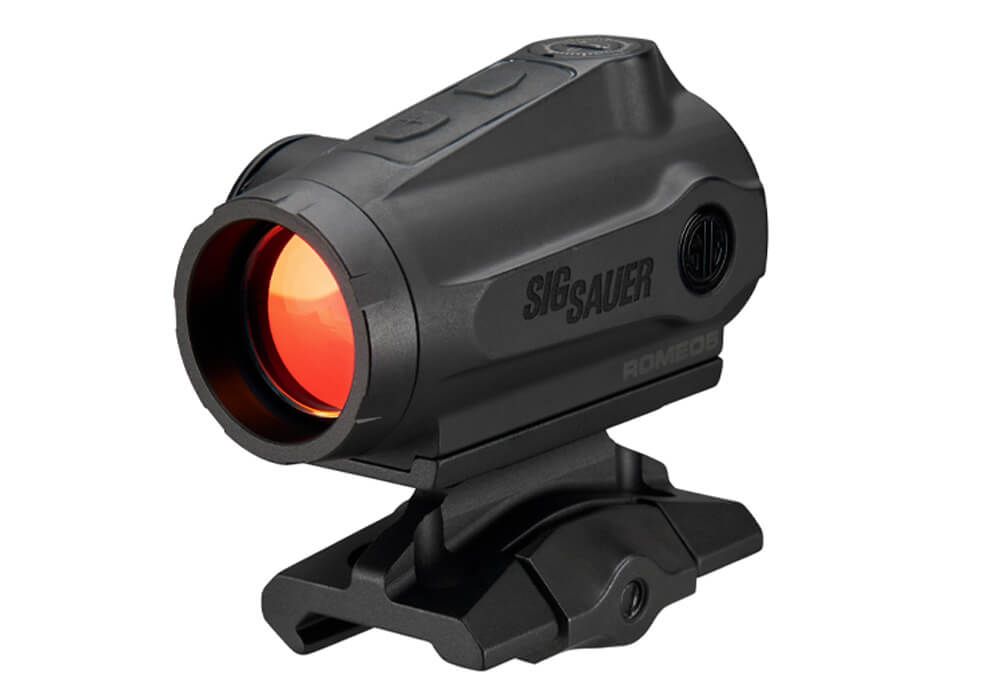
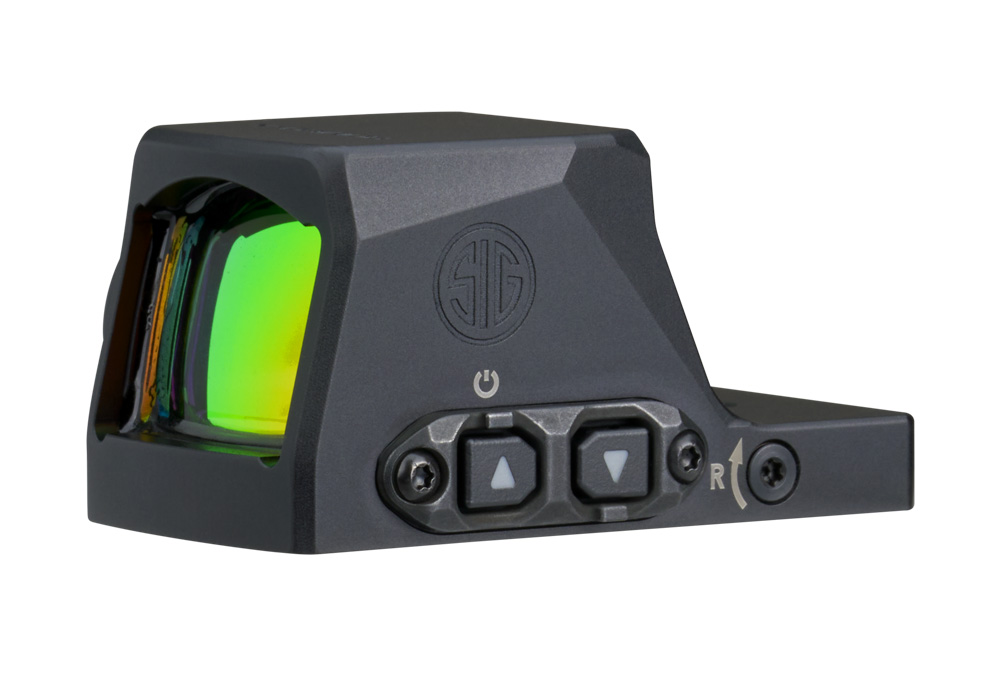
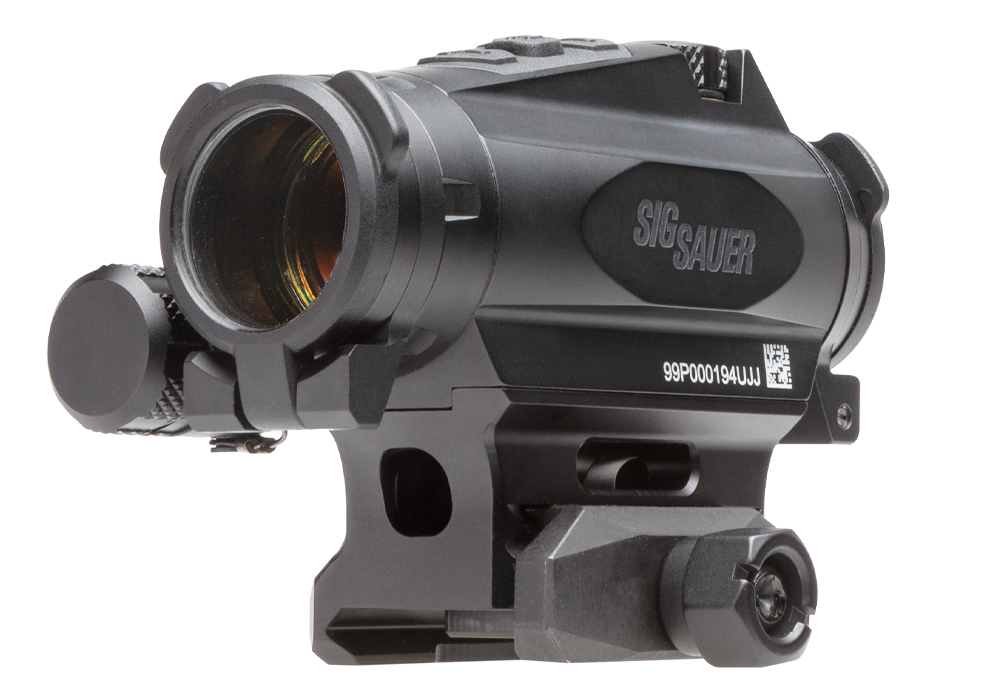
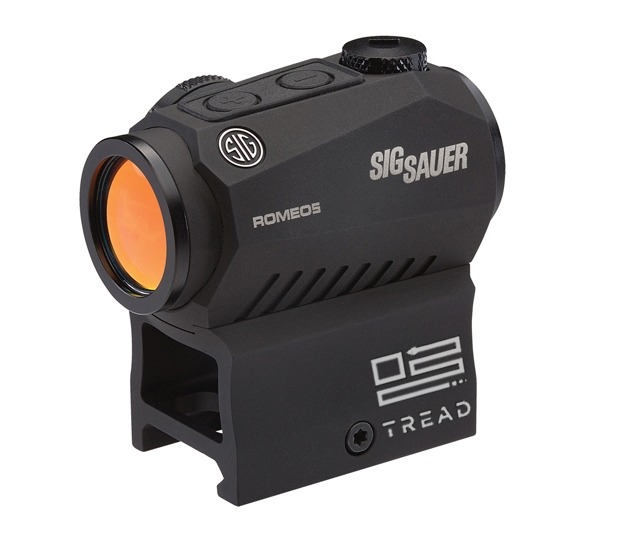
The best red dot sights for AR-15 rifles combine a clearly visible aiming point, a secure mounting system, dependable electronics, and controls that suit the person behind the rifle. There is no single configuration that fits every owner: a compact sight can keep a recreational range rifle light and uncluttered, while a larger viewing window may feel more comfortable to someone who prefers a less confined sight picture. Red dot sights generally provide an illuminated reticle without magnification, allowing the surrounding scene to remain visible rather than narrowing the view through a magnified image. Their generous eye relief also gives shooters more flexibility in head position than many traditional scopes, although consistent positioning still matters. For recreational target shooting, organized competition, and supervised instruction, that straightforward presentation can be appealing to both newer rifle owners and experienced enthusiasts. Dot size is an important distinction within the category. Measured in minutes of angle, or MOA, it describes how much of the target the aiming point covers. A 2 MOA dot spans approximately two inches at 100 yards, offering a relatively fine reference without requiring a complex reticle. The 2 MOA Red Dot Sights For AR15 collection centers on this popular dot size for shoppers who prefer a simple, compact aiming point. Larger dots can be easier for some eyes to notice, while circle-and-dot patterns offer a different visual reference; neither approach is automatically better for every user. Brightness adjustment matters just as much as the reticle itself. An overly bright dot can appear larger or less defined, especially against a dark indoor backstop. Lens clarity, the range of illumination settings, and the ease of reaching the controls all contribute to how comfortable a sight feels during a full range session. The most useful comparison is therefore not a single headline specification, but the combination of reticle visibility, physical fit, and everyday handling that matches the rifle’s intended use.
Construction and mounting details separate an optic that merely fits the rail from one that integrates comfortably with the rest of the rifle. Aluminum housings are common because they balance strength with manageable weight, while protective surface finishes help limit wear from routine handling. Housing thickness, lens placement, and the design of adjustment covers also deserve attention, particularly for an optic that travels frequently between a storage case and a shooting bench. An enclosed emitter protects the light source inside the optic’s body, reducing its exposure to dust, lint, and other debris. An open-emitter design has a different layout and may provide a broad viewing window, but keeping the emitter path clear remains part of ownership. Neither housing style alone establishes overall quality; sealing, electronic reliability, lens protection, and mount integrity also matter. Published resistance ratings are more useful than vague durability language, and their stated test conditions should be considered alongside the intended use. Compatibility begins with the rifle’s mounting interface, but it does not end there. The optic’s mounting footprint, the included mount, and the rail attachment are distinct details, and an adapter is not necessarily included simply because a sight is described as suitable for a rifle. Mount height influences the relationship between the sight picture, stock, and cheek position. It also affects whether compatible backup iron sights remain visible through the optic. A sight that looks compact in a photograph may sit differently once its mount is included, so overall dimensions and assembled weight provide a more complete picture than housing measurements alone. Space for existing accessories, access to the controls, and clearance inside a fitted case are practical concerns that are easy to overlook. For a rifle shared by family members during supervised range visits, intuitive buttons and an unobstructed view can be especially valuable. For a dedicated competition setup, the balance between window size, weight, and compatibility with permitted equipment may carry more importance. Fit should reflect the complete rifle and its owner rather than appearance alone.
Battery design and maintenance shape the ownership experience long after the first range visit. Advertised runtime is typically tied to a particular brightness setting and operating mode, so a long stated battery life is not a promise of identical performance under every setting. Motion activation and automatic shutoff can help conserve power when those features are included, but the details of their operation vary. Clear controls and a readily understood power sequence can be more useful than a long feature list that rarely gets used. Battery access is another meaningful distinction: some compartments allow replacement without removing the optic, while other layouts require more handling. Common battery types, secure compartment covers, and replacement procedures that are easy to follow all simplify routine care. Lens coatings can support light transmission and reduce reflections, but they still need appropriate cleaning. Loose grit should be cleared before the glass is wiped, and cleaning materials should be suitable for coated optical surfaces. Household cleaners, rough fabric, and excessive pressure can damage finishes or lenses. With the firearm unloaded and handled according to its safety instructions, routine inspection can include the housing, battery compartment, and mounting hardware, following the optic manufacturer’s maintenance requirements. Installation and hardware tension should likewise follow the applicable instructions rather than guesswork. Protective covers and a case with sufficient clearance help prevent unnecessary contact with the glass during storage and transport. Personal vision also deserves consideration. Astigmatism can make an illuminated dot appear elongated, star-shaped, or uneven, and a sight that looks crisp to one person may look different to another. Trying a comparable reticle in person can help establish realistic expectations. As a gift for an experienced rifle owner, a red dot sight is most thoughtful when the recipient’s mounting requirements, preferred reticle, and intended activities are already known. Across the category, the strongest choices bring together a readable aiming point, sound construction, compatible mounting, and manageable upkeep. Those qualities offer a more meaningful foundation for comparing red dot sights for an AR-15 than broad claims about which optic is universally best.