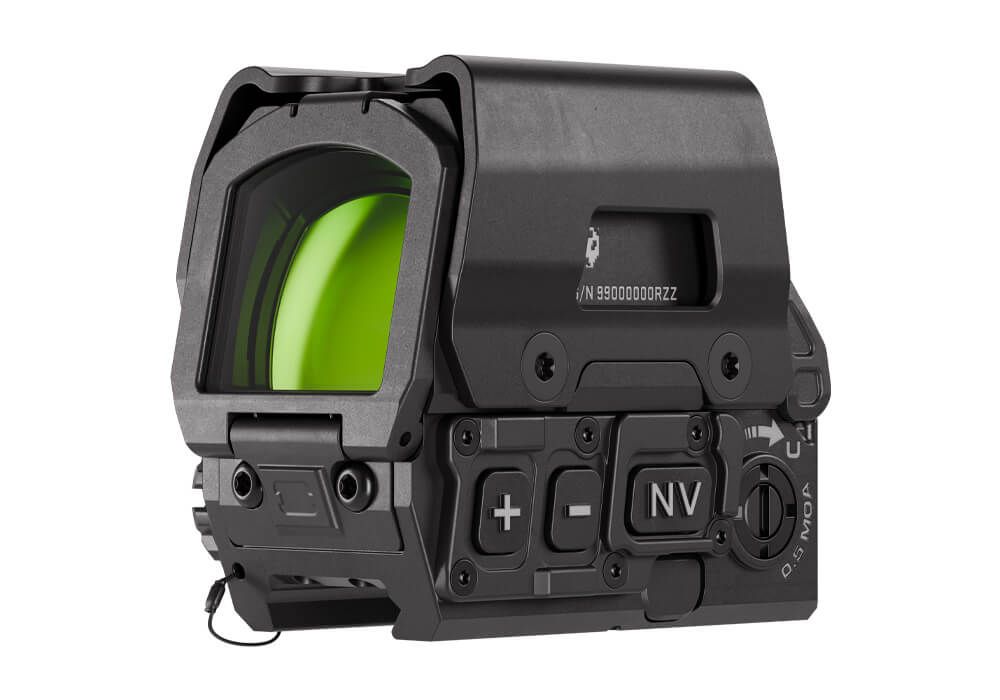
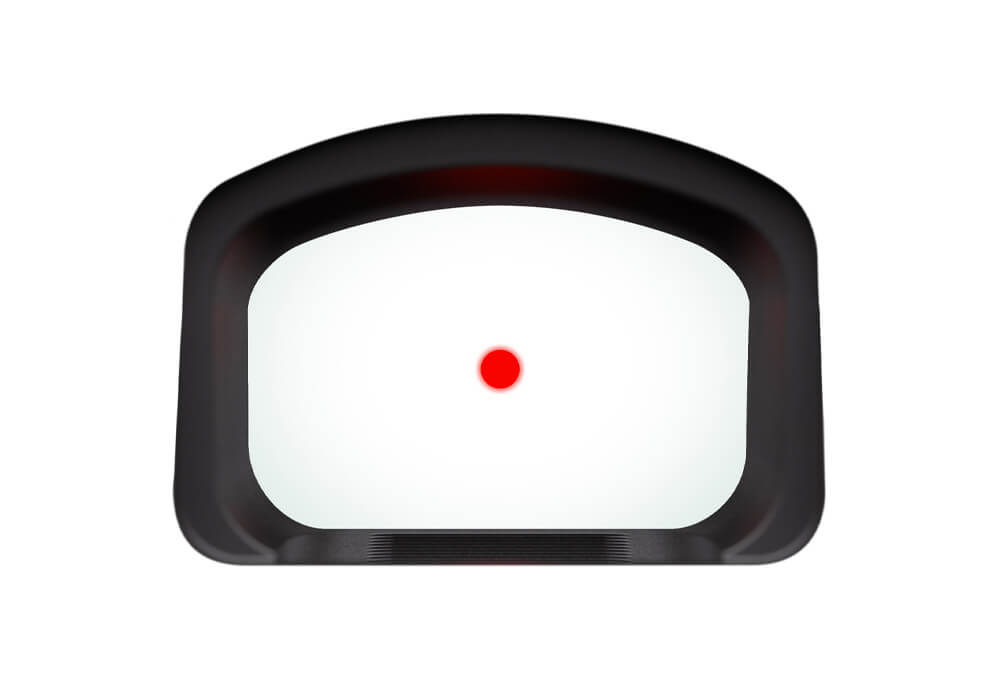
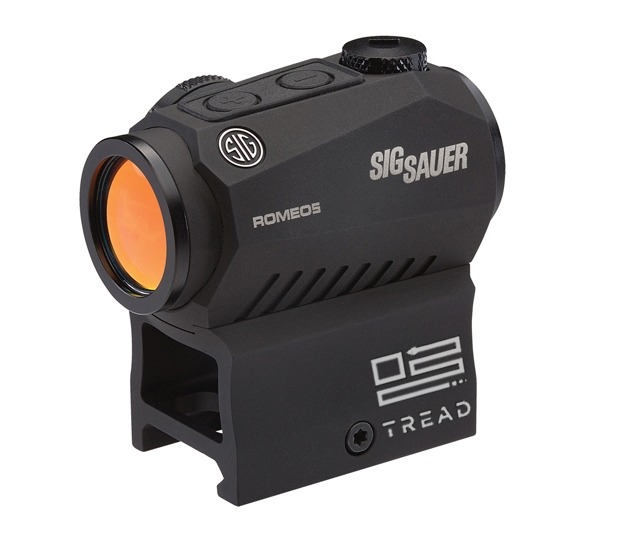
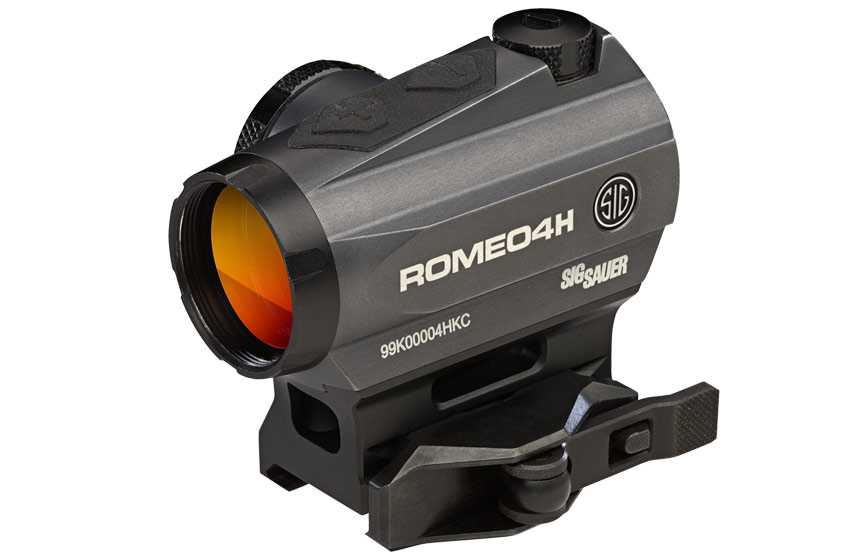
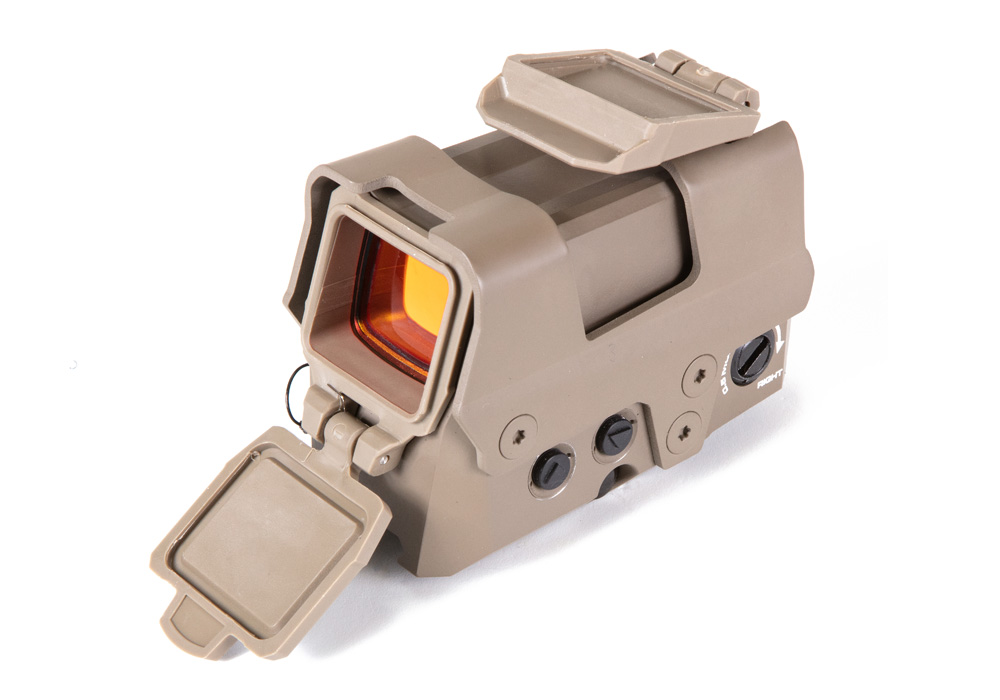
Multi brightness red dot sights give shooters a flexible aiming solution for changing light, backgrounds, and shooting environments. Instead of relying on one fixed illumination level, these optics typically offer 8 to 12 brightness settings, allowing the reticle to remain visible without becoming distracting. A lower setting can provide a crisp aiming point on an overcast morning, inside a shaded structure, or during the cooler months when daylight fades earlier. Higher settings help prevent the reticle from washing out against bright ground, pale targets, or open sky during a sunny range session. The goal is not simply to choose the brightest setting available; it is to select the lowest intensity that remains clear and easy to track. Excessive brightness can create glare or make the aiming point appear larger than it really is, while insufficient illumination may disappear into a dark target or wooded background. Many shooters discover this during a practical drill: a setting that looks perfect beneath a covered firing line may seem too dim after stepping into full sun. Adjustable illumination makes it easier to adapt without changing the optic or interrupting the session. These sights may be used on handguns, carbines, tactical rifles, and shotguns, depending on the optic’s footprint, mounting system, durability rating, and intended application. Before purchasing, confirm that the sight is compatible with the firearm and mount, and consider the size, weight, viewing window, adjustment range, reticle style, and access to brightness controls. A compact sight with a clean dot may suit a handgun carried for personal protection or used for defensive training, while a larger window or circle-dot reticle may appeal to shooters who want faster visual acquisition on a rifle or shotgun. Reticle preferences are personal; some shooters like a simple point that keeps their view uncluttered, while others prefer a circle-dot or crosshair arrangement that offers additional visual references. Spending time with each option at a safe range can reveal which pattern remains easiest to see when the pace increases and the target background changes.
Light conditions can shift quickly outdoors, making brightness control especially valuable for hunting, competition, training, and recreational shooting. A sight adjusted for a shaded bench may need a different setting after the shooter moves into direct sunlight, and a reticle that appears sharp in the afternoon can bloom or flare as the surrounding light drops. Multi brightness red dot sights are designed to manage those transitions with distinct intensity steps rather than a single broad adjustment. Many include ultra-low illumination settings that are intended for use with night-vision devices, although night-vision compatibility should never be assumed from the presence of a low setting alone. Look for clear specifications identifying dedicated night-vision modes, compatible devices, and the controls used to select them. Shooters who train in low-light conditions should also consider whether brightness buttons are easy to operate by feel, whether the selected setting is retained after the optic is turned off, and whether the display remains free of distracting glare. Battery performance is another important consideration. Some optics use motion-sensing or “shake-awake” technology that activates the sight when movement is detected and shuts it down after a period of inactivity. Others offer automatic brightness adjustment, manual controls, or an auto-shutoff timer. These features can help conserve battery power, but responsible users should still inspect the optic before every range session, carry a spare battery when practical, and follow the manufacturer’s guidance for storage and replacement intervals. A sealed housing, dependable adjustment controls, and a lens treatment that supports a clear sight picture can matter just as much as the number of brightness levels. When comparing standard and extended capacity battery options, consider how often the firearm is used, how accessible the battery compartment is, and whether the design allows replacement without losing zero. As with any firearm accessory, the optic should be mounted securely, confirmed at the desired distance, and checked regularly for looseness, impact damage, or changes in point of aim.
Choosing the right multi brightness red dot sight often comes down to matching the optic to the firearm, the shooter, and the way it will be used. A new handgun owner may appreciate an uncomplicated dot, accessible controls, and a wide viewing window while building confidence with a consistent presentation. An experienced rifle shooter may place greater emphasis on night-vision settings, a selectable reticle, adjustment precision, and a housing suited to repeated training or field use. Shotgun users may prioritize rapid acquisition, a durable lens, and a reticle that remains visible against varied terrain. These optics can also make thoughtful gifts for a responsible adult who already owns a compatible firearm and has an established interest in range training, competition, hunting, or preparedness. The most useful gift is usually one that fits the recipient’s platform and mounting preferences, so checking the firearm model and optic footprint discreetly can prevent an otherwise generous purchase from becoming difficult to install. New users should receive practical instruction alongside any optic and should learn safe firearm handling, proper storage, sight alignment, zeroing procedures, and the difference between an unloaded firearm and one that is ready to fire. During a visit to the range, it is worth beginning at a short distance, confirming the dot is tracking naturally through the window, and then making careful adjustments while observing how the reticle looks in shade and direct light. Shooters interested in a rifle-focused setup can also explore Multi Setting Red Dot Sights for Tactical Rifles for options designed around changing illumination needs. Whether used during bright summer practice, under the muted light of an overcast afternoon, or during cooler-season training, a well-selected optic should provide a clear aiming reference without demanding constant attention. The best choice balances illumination control, reticle clarity, battery management, mounting compatibility, and dependable construction so the shooter can concentrate on safe handling, steady fundamentals, and making each shot deliberate.