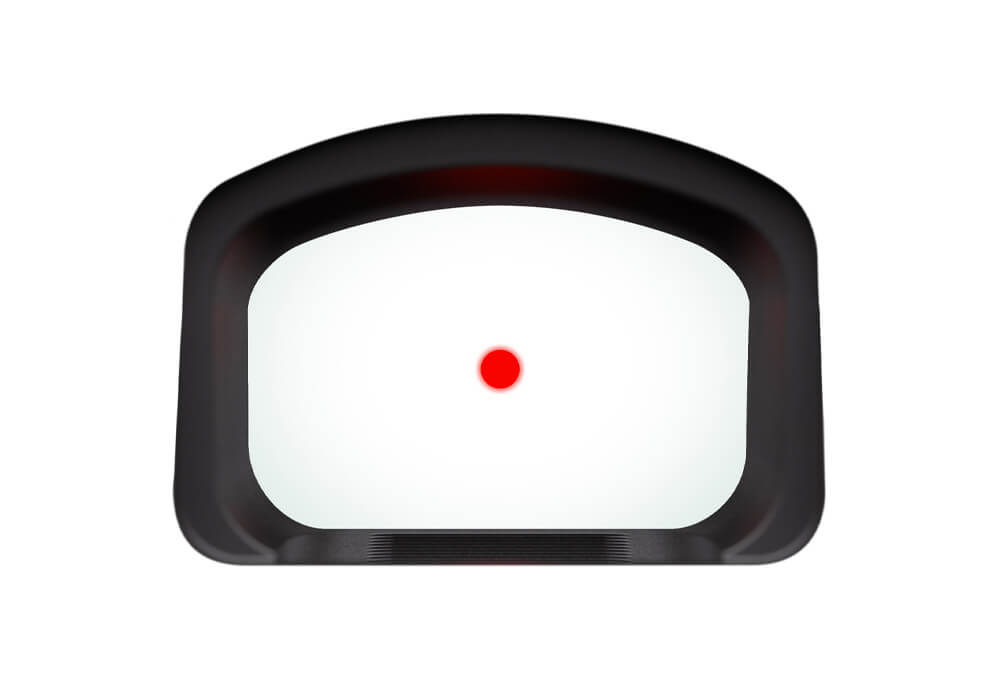
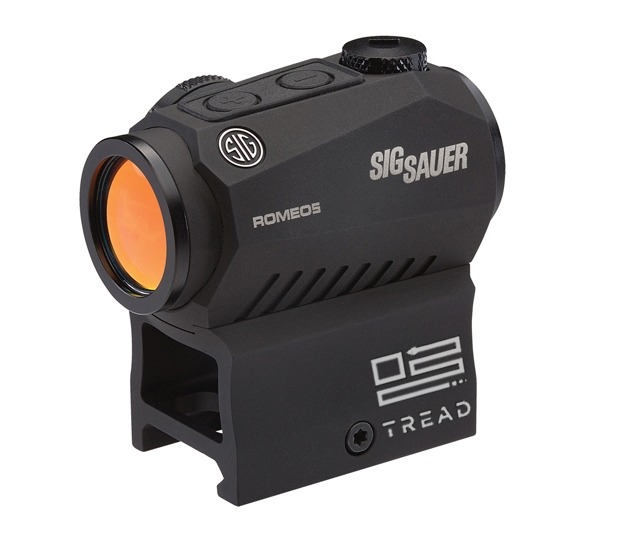
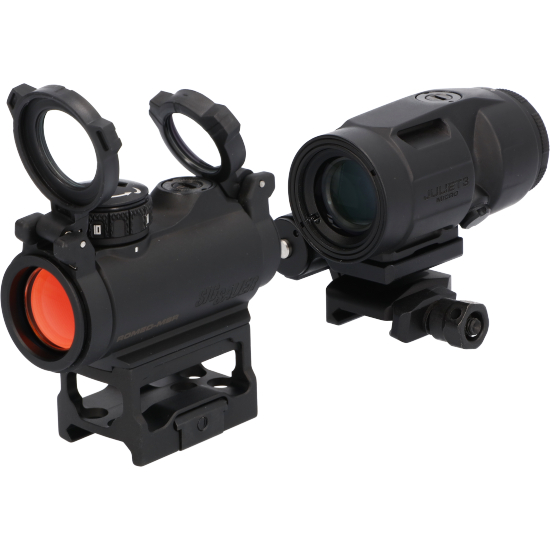
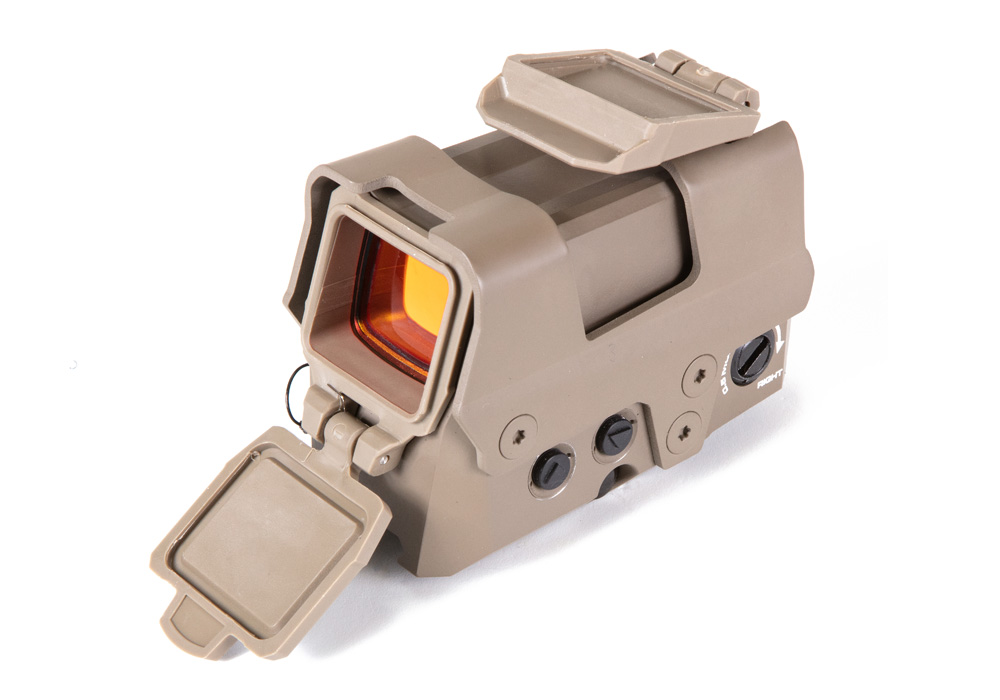
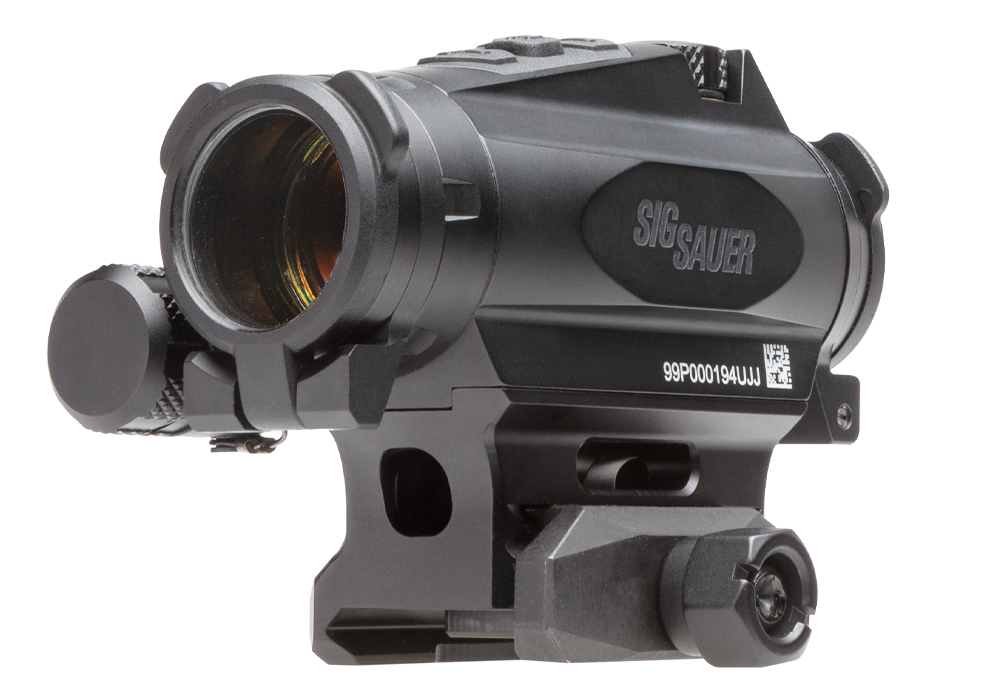
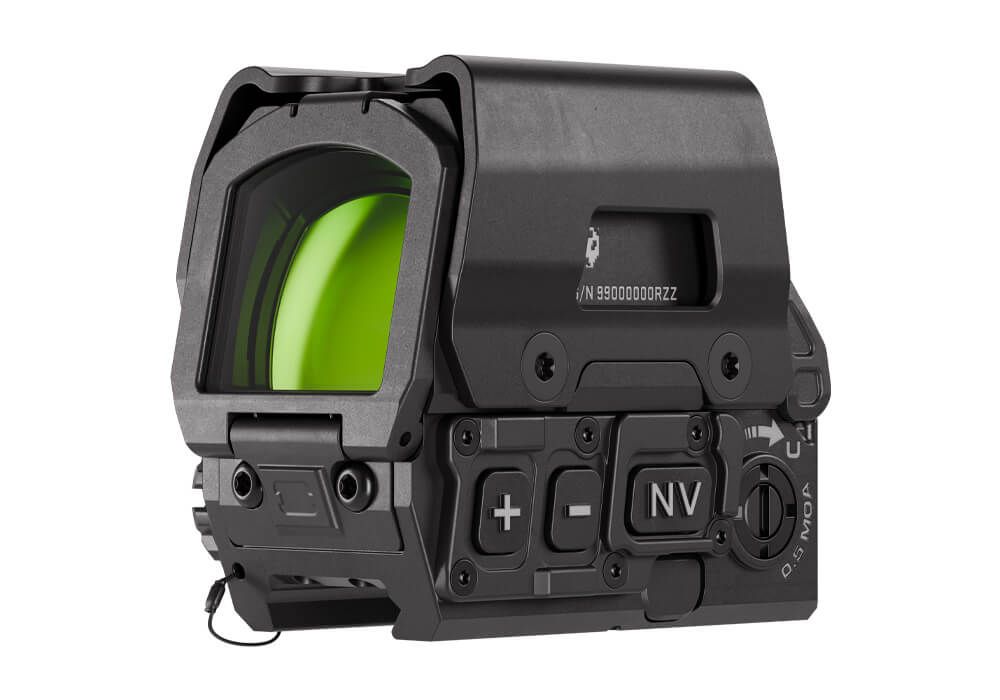
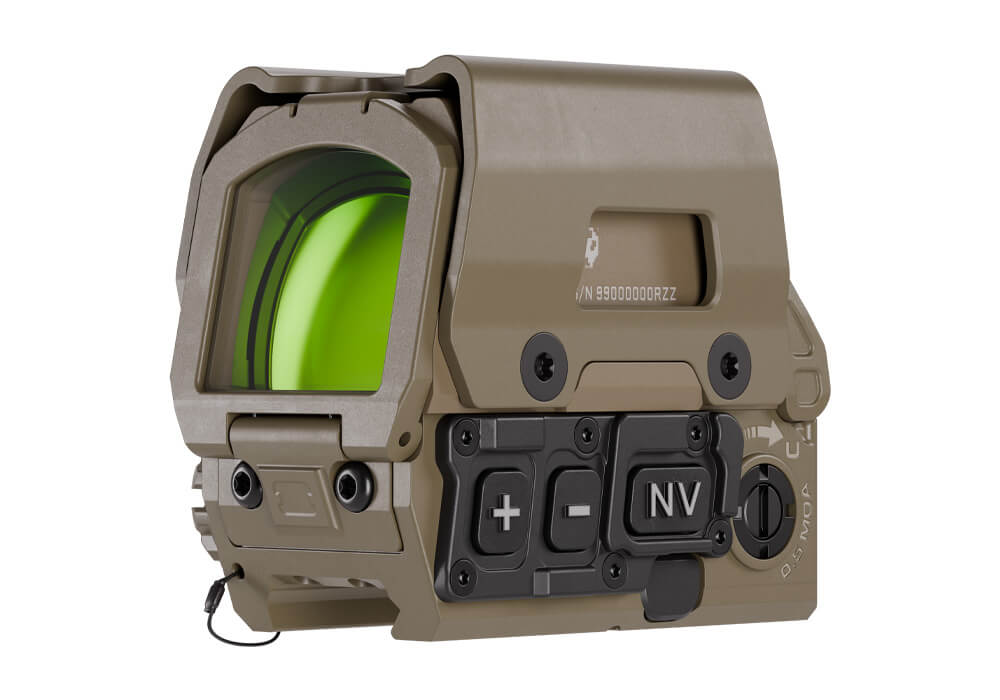
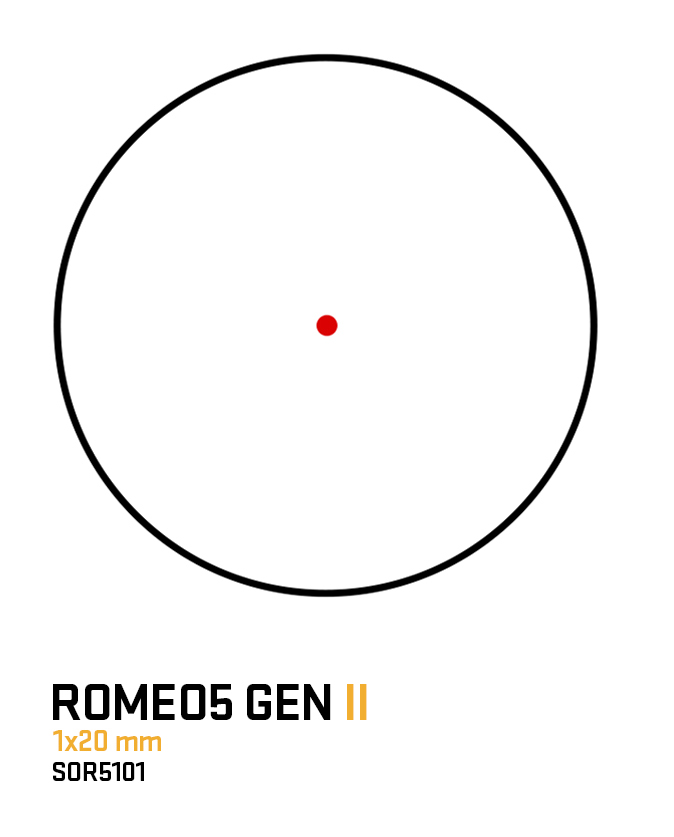
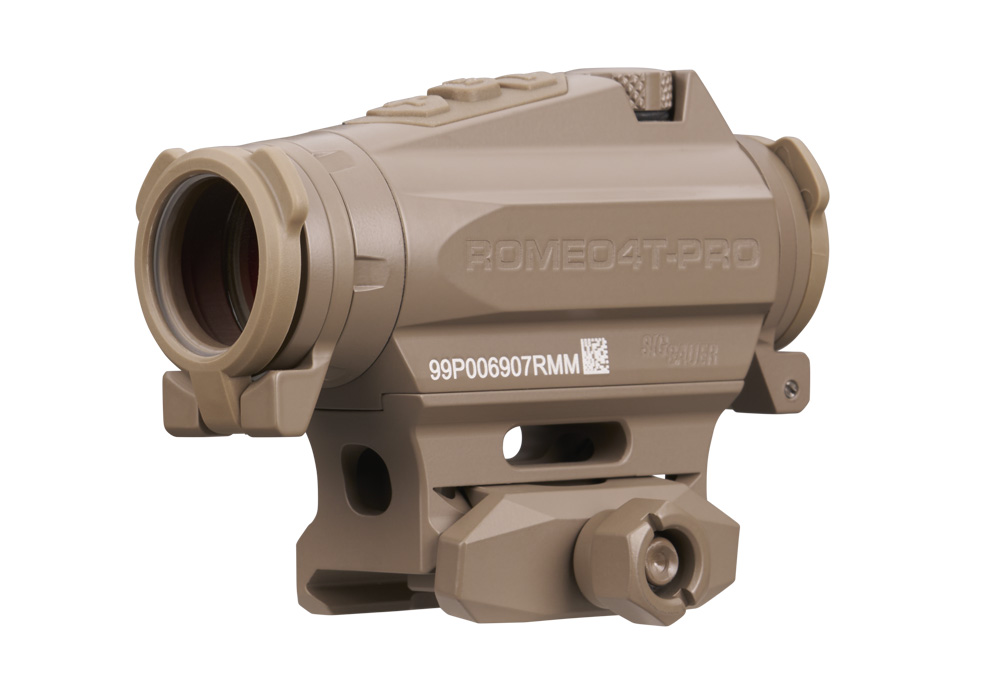
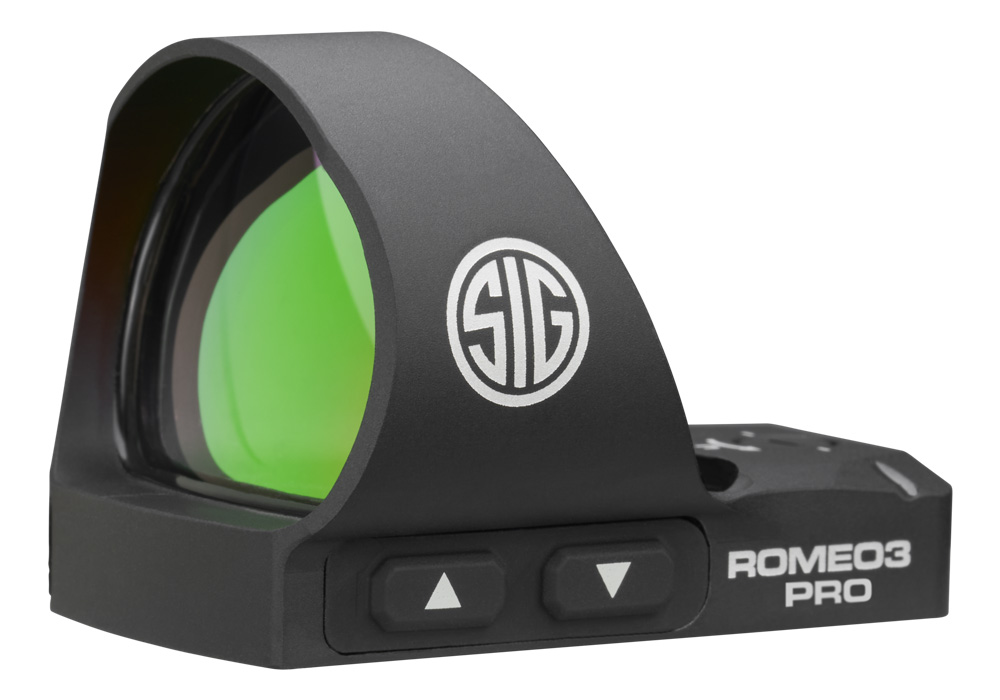
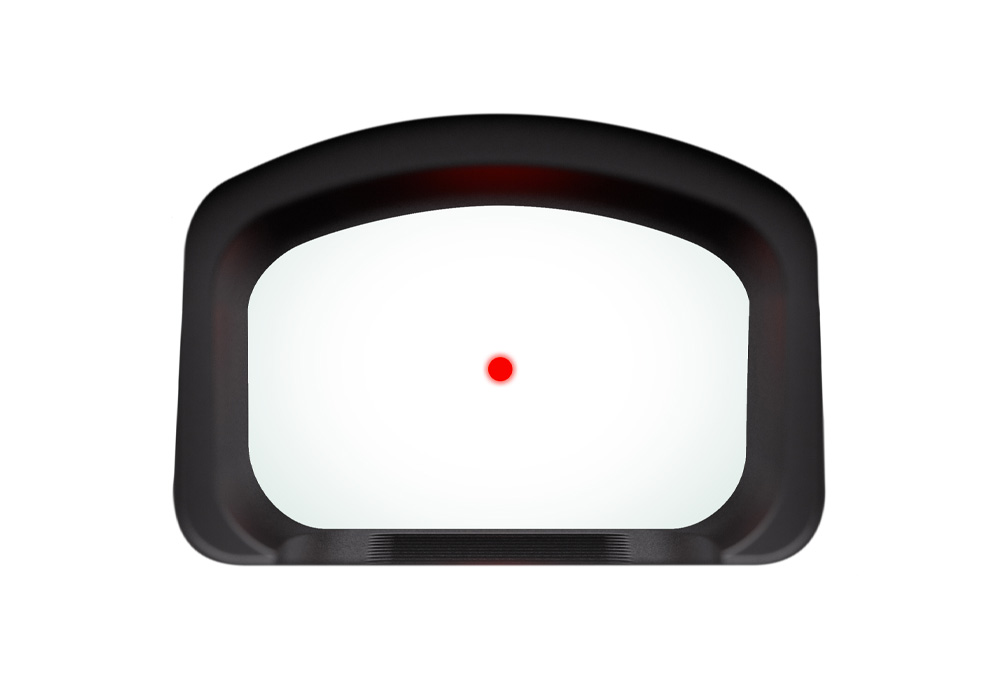
Multi-setting red dot sights for tactical rifles give shooters a fast, adaptable aiming solution across changing light and surroundings. Instead of relying on a single illumination level, these optics offer a range of brightness settings that can be adjusted for bright open terrain, shaded woods, indoor environments, and low-light conditions. The brightest settings help a reticle remain visible against sunlit targets, while lower settings reduce glare and preserve a clear sight picture when the rifle is used around dusk, under artificial lighting, or with night-vision equipment. Many models use a simple 2 MOA dot for a precise, uncluttered aiming point, while others provide a circle-dot or multi-reticle arrangement that can feel more intuitive during rapid target acquisition. A smaller dot is useful when the shooter wants to refine a longer shot from a supported position; a larger ring can be easier to pick up when moving between targets at close range. These sights are commonly paired with modern sporting rifles, patrol-style carbines, and other tactical rifle platforms used for recreational shooting, training, competition, property protection, or professional applications. Their appeal comes from the way they support both eyes-open shooting and a natural heads-up posture. With both eyes open, the shooter can maintain more awareness of the surrounding area while the illuminated reticle appears to float over the target. At the range, that can mean quicker transitions between steel plates. During a structured training session, it can make movement drills feel smoother and less constrained than aiming through a traditional magnified optic. A multi-setting red dot sight may also be a thoughtful gift for a rifle owner who already has a dependable firearm but wants a faster, more versatile sighting system. Before purchasing, confirm the optic’s mounting footprint, included mount height, rail compatibility, and co-witness relationship with the rifle’s existing backup sights. A sight that sits too low or too high can make a comfortable cheek weld difficult, while the correct setup allows the shooter to bring the rifle into position and find the reticle without excessive head movement.
Durability and controls deserve the same attention as illumination. Tactical rifles are often carried against vehicle interiors, packed into cases, moved through training bays, or handled outdoors where dust, rain, and temperature swings are unavoidable. Look for a housing made from a robust metal alloy or similarly protective material, along with sealed construction and a waterproof rating suited to the intended use. Shock resistance matters because recoil is only one source of impact; an optic may also experience bumps against barricades, shelving, or the ground during practice. Enclosed tube designs protect the emitter from more of the environment and can be reassuring for users who expect rain, mud, or debris. Open-reflex designs can offer a broad viewing window and a lightweight profile, making it easy to locate the reticle during close-range drills. Neither format is universally right, so the choice should follow the rifle’s role, the expected conditions, and the shooter’s preference for field of view and protection. Battery performance is another central consideration. Extended battery life can reduce the need for frequent battery changes, while motion-activated illumination helps preserve power by placing the sight into a low-power state when it is still and waking it when movement is detected. Some optics are intended to remain powered for long periods, which can be useful for a rifle kept ready for training or defensive use, provided the owner follows a regular inspection and battery replacement routine. Solar-assisted designs may supplement a battery in suitable light, but they should be viewed as an additional power source rather than a substitute for checking the optic before use. Controls should be tactile, clearly marked, and easy to operate with the rifle shouldered. Buttons that can be distinguished by touch are helpful when lighting is poor or when gloves are worn. A bright setting that washes out the target is not an advantage, and a dim setting that disappears against a dark background is equally unhelpful; the best setting is the one that keeps the reticle visible without creating a distracting bloom. Spend time confirming the dot is crisp to your eye, since astigmatism can make some illuminated reticles appear star-shaped or blurred. A short test at the range in bright sun, deep shade, and fading evening light often reveals more than a quick inspection indoors.
Choosing among multi-setting red dot sights for tactical rifles ultimately comes down to matching the optic to the rifle, the shooter, and the conditions in which it will be used. A compact sight can preserve balance on a lightweight carbine and leave room for a magnifier or other accessories, while a larger, heavily protected optic may better suit a rifle that sees frequent hard use. Consider whether the rifle will be fired mostly from a bench, carried during practical drills, stored for emergency readiness, or used in a competition where speed and repeatability matter. The sight’s adjustment range, click value, zero-holding reputation, reticle design, lens clarity, and mounting system all contribute to confidence behind the rifle. A return-to-zero mount can be valuable for users who remove the optic for transport, while fixed mounts offer straightforward simplicity. After mounting, follow the manufacturer’s instructions, verify that fasteners are properly secured, and establish a reliable zero with the ammunition and rifle configuration that will be used most often. Recheck the zero after transporting the rifle or making changes to the mount, stock, muzzle device, or other major components. Keep the lenses clean with appropriate lens-care materials, protect the optic with a cover when it is stored, and inspect the battery compartment and mounting hardware as part of routine maintenance. Shooters building a flexible collection may also compare these rifle-focused options with Multi Use Red Dot Sights, particularly when one optic may need to move between platforms. During the warmer months, a sight may spend long days exposed to bright sun and dust; during cooler weather, condensation and gloves can affect handling, making dependable controls and a clear window especially valuable. Whether selected as an upgrade, a training tool, or a practical gift for an experienced rifle owner, a well-matched multi-setting red dot sight can make the rifle quicker to index, easier to use across changing light, and more adaptable from the first shot of the session to the last.