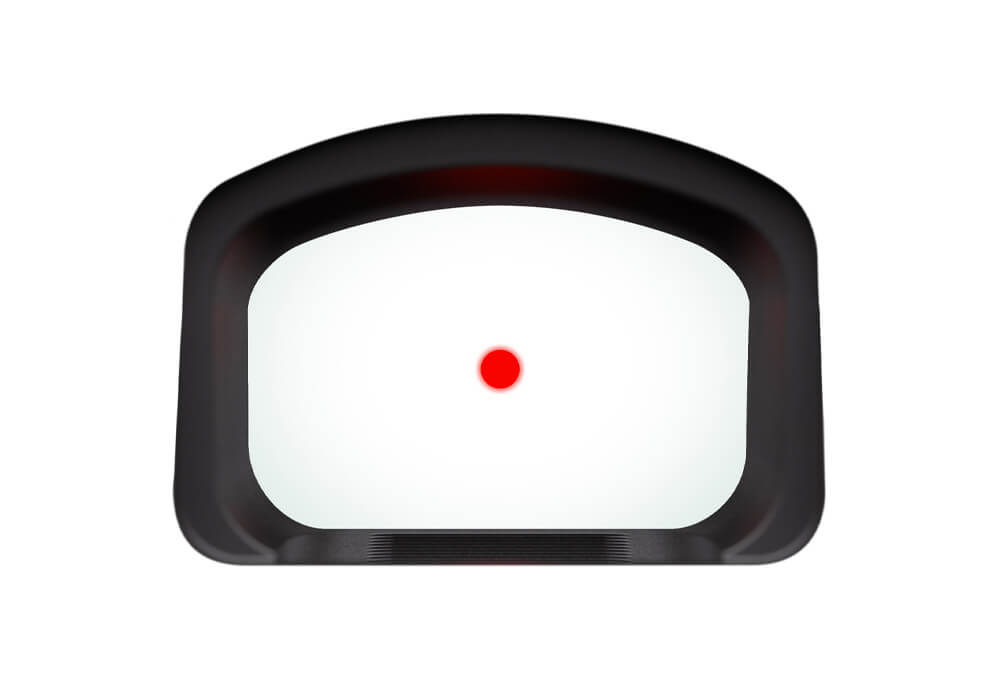
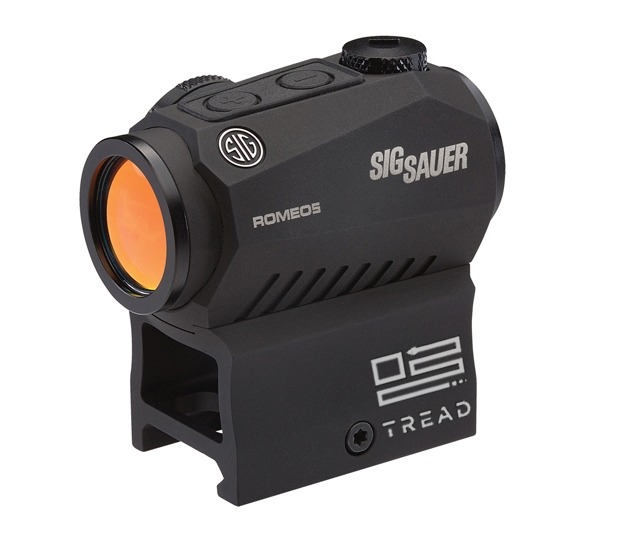
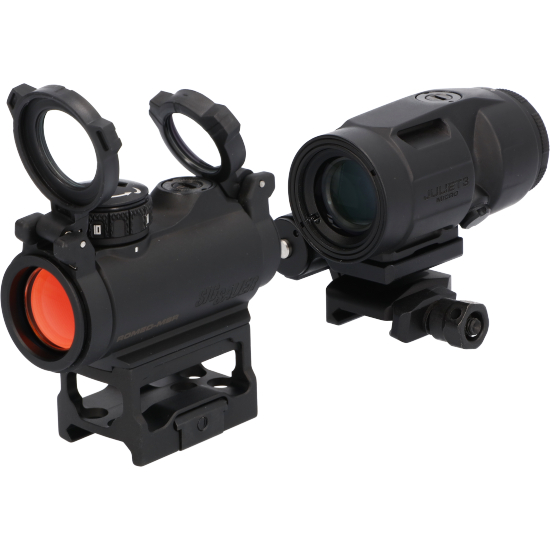
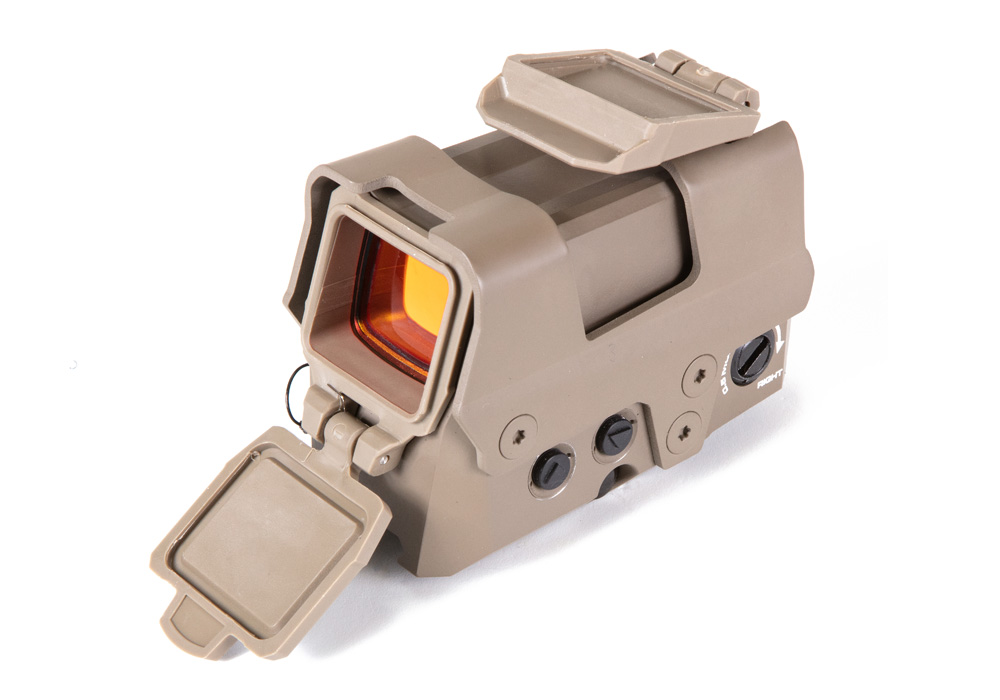
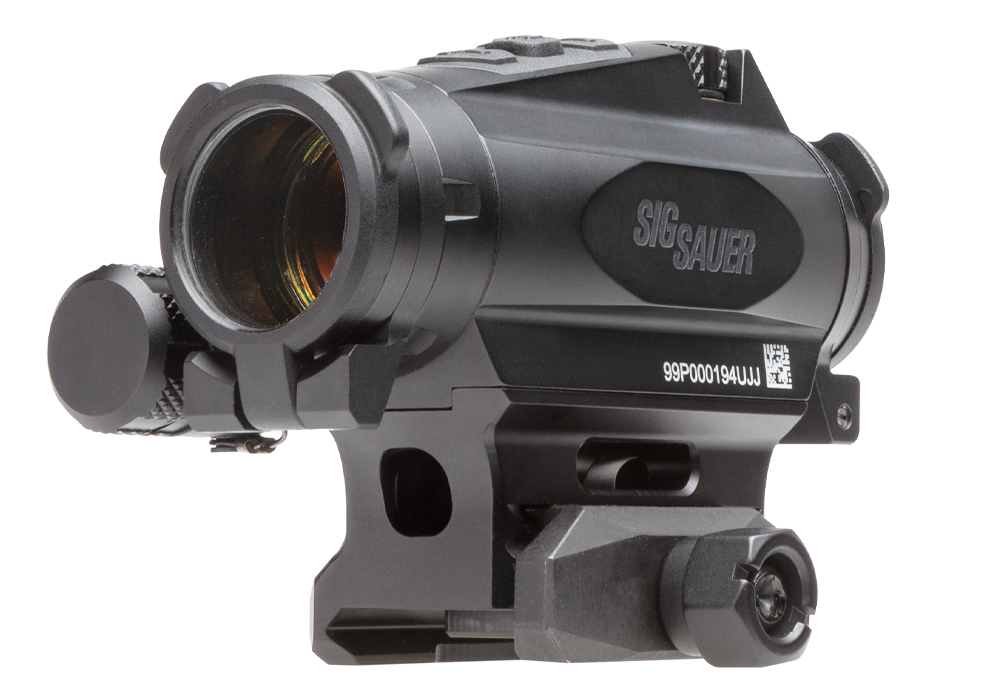
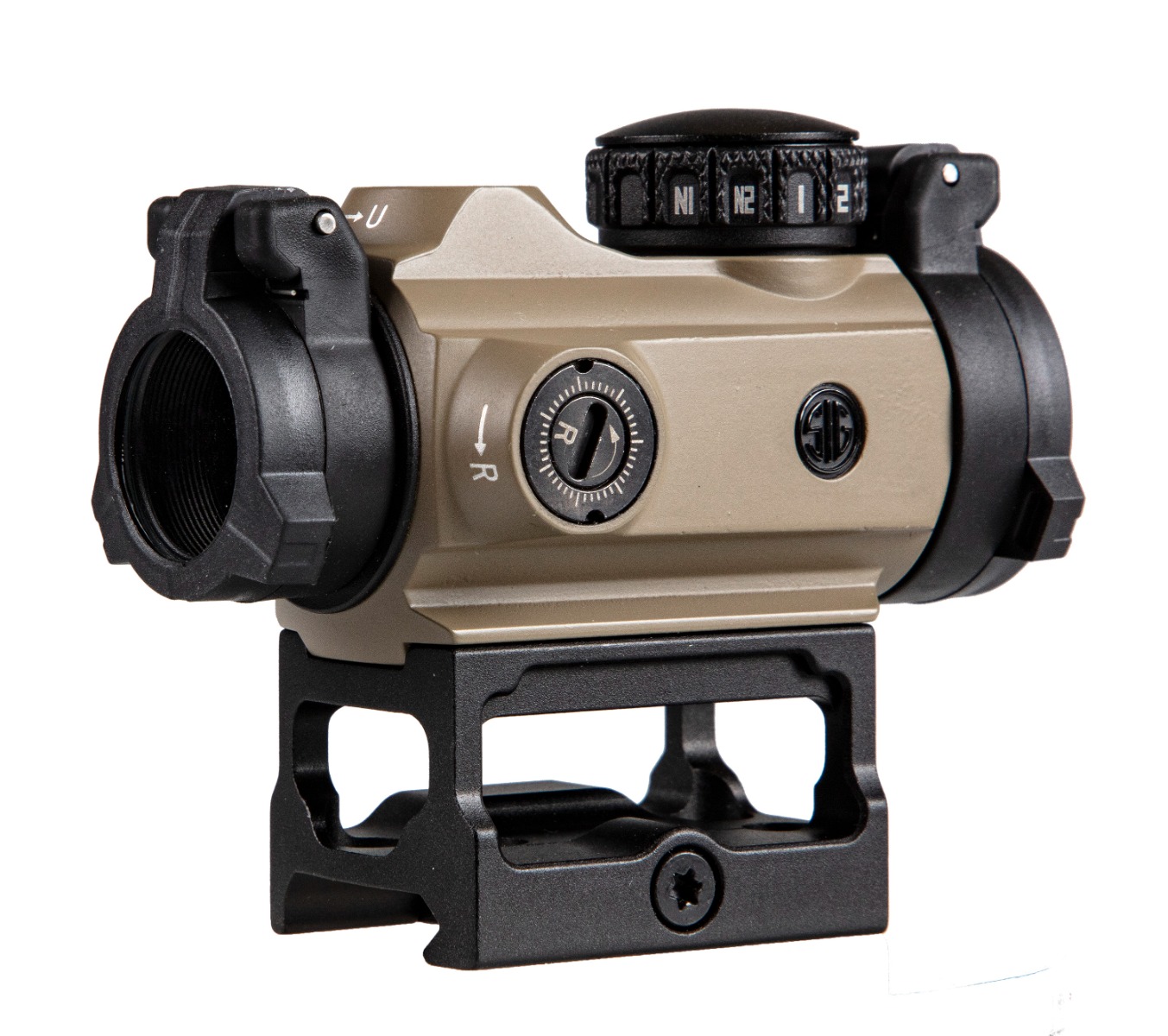
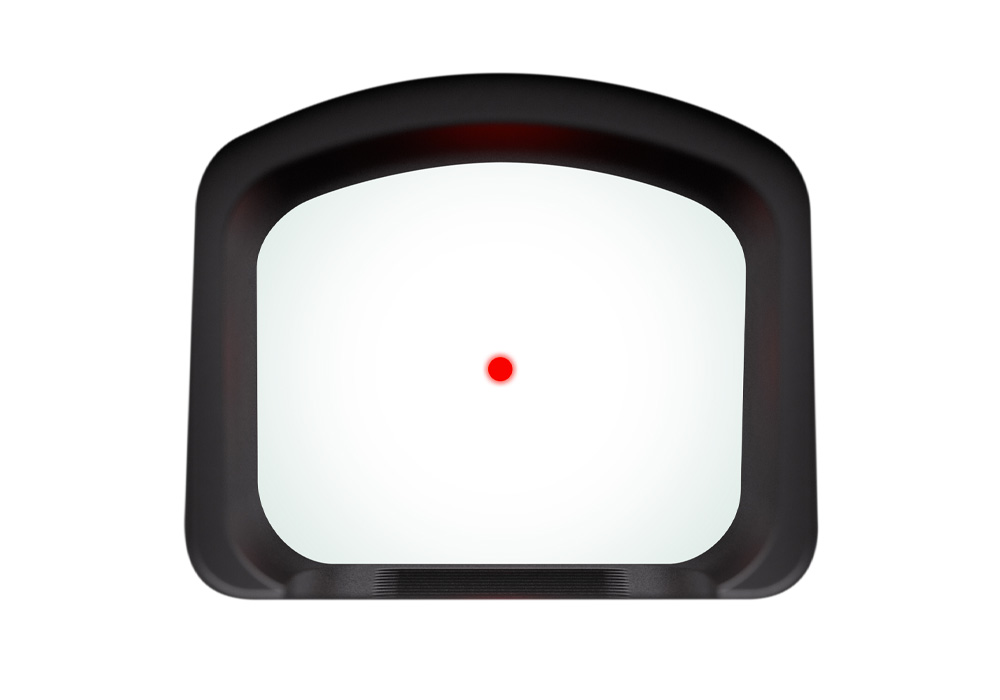
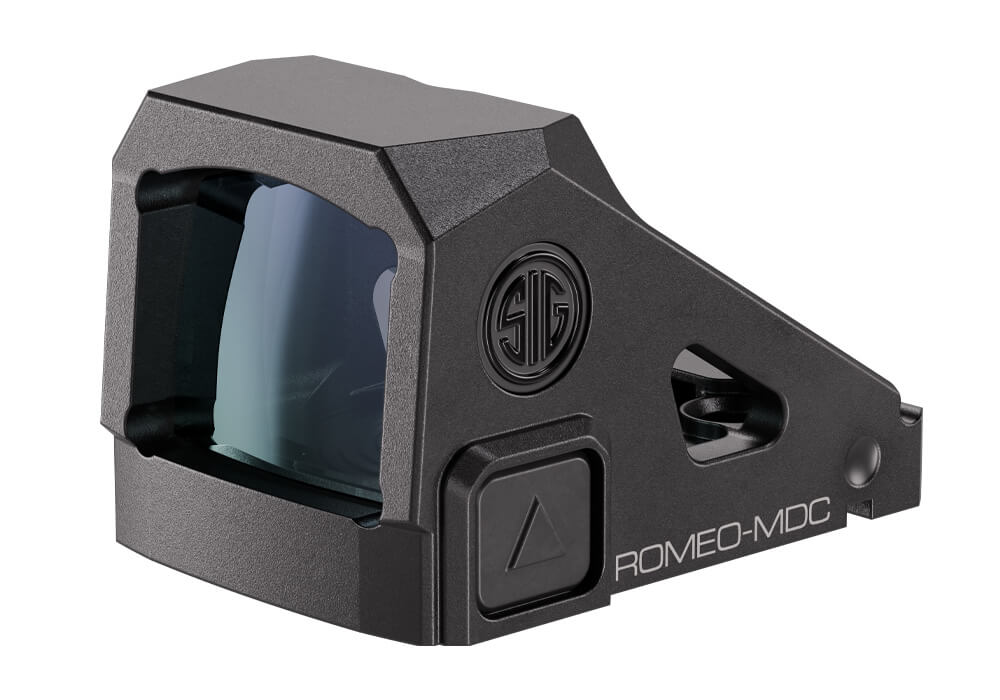
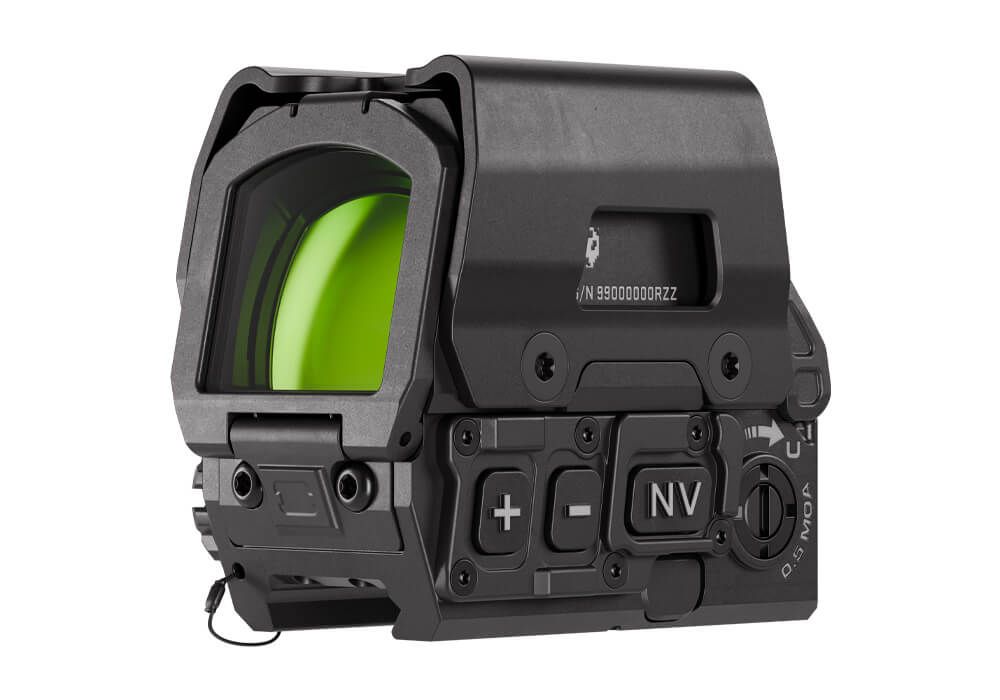
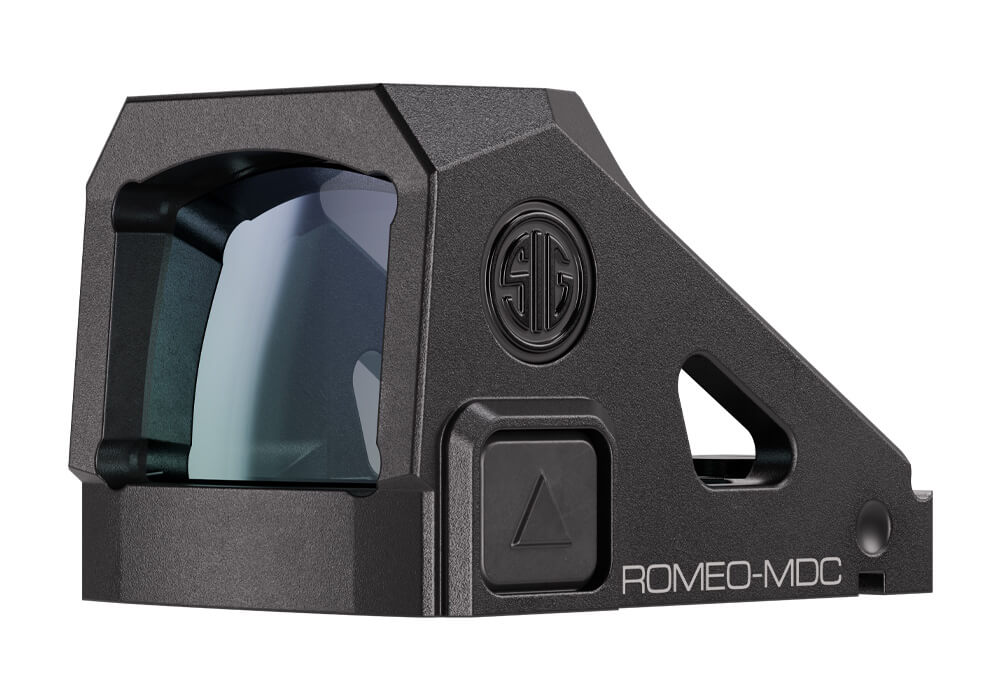
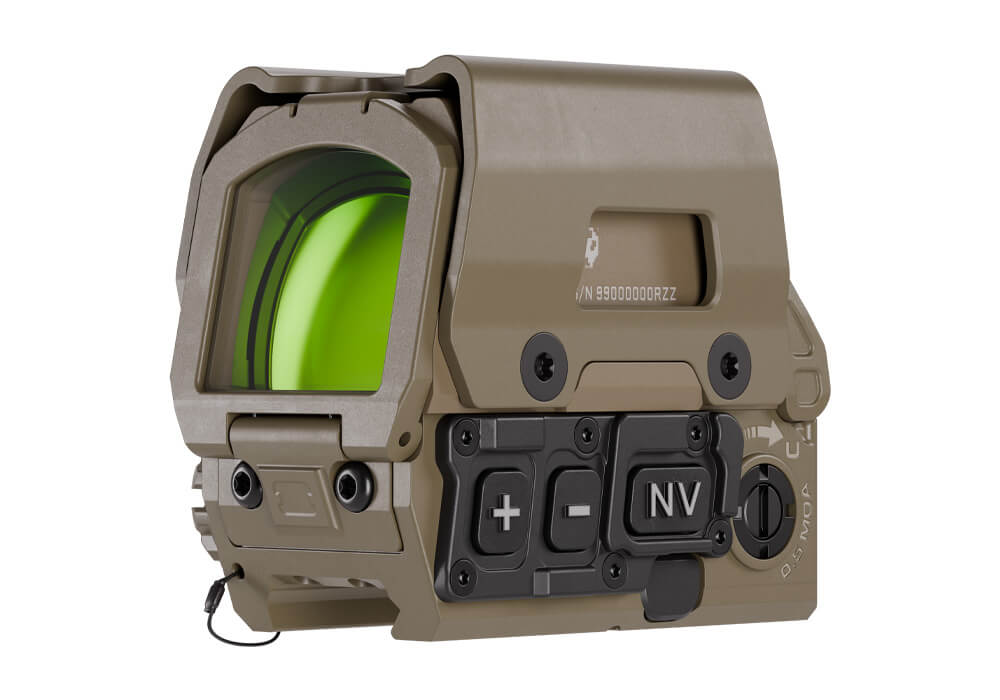
Multi-use red dot sights are designed for shooters who want one adaptable aiming solution across more than one firearm platform. Depending on the optic and mounting system, a single sight may be suitable for a handgun, rifle, carbine, or shotgun, making these optics a practical choice for range use, competition, hunting, training, and personal protection. Their defining feature is versatility: many models offer switchable reticle patterns, allowing the shooter to select a fine center dot for more deliberate aiming or a larger circle-and-dot configuration for quickly locating a close-range target. A simple dot can feel uncluttered when confirming a precise hold at distance, while a larger outer ring may help the eye find the center of the sight window during fast transitions or movement. Individual preferences vary, and some shooters find that a single dot is faster and less distracting on a handgun, while others appreciate the visual reference of a larger ring, especially in bright surroundings or when their eyes do not present a perfectly crisp image. Trying both reticle options during practice is often the best way to determine which pattern feels natural. Multi-use red dot sights also support shooting with both eyes open, helping the user maintain greater awareness of the surrounding environment while keeping the aiming point visible. That combination of speed, flexibility, and a broad field of view is one reason these optics have become popular with new shooters and experienced users alike. When comparing options, start with the firearm that will receive the optic first, then confirm compatibility with any other platform you may use later. Handgun applications typically require a compact sight and a compatible slide cut or mounting plate, while a rifle or carbine may use a rail-mounted base, a low mount, or an offset mount. Shotguns can place different demands on an optic because of recoil, handling, and the need for a durable mounting arrangement. Checking the footprint, screw pattern, adapter requirements, and available mounting height before purchase can prevent frustrating delays and help ensure a secure installation.
Brightness control is another important consideration. A useful red dot should remain visible against a variety of backgrounds, from a shaded indoor range to sunlit grass, pale winter skies, or a brightly lit target area. Manual brightness settings give the shooter direct control, while automatic adjustment can be convenient when moving between changing light conditions. Some sights offer multiple brightness levels, night-vision-compatible settings, or an automatic mode supported by an ambient light sensor. Explore the selection of Multi Brightness Red Dot Sights when adjustable illumination is a priority. Reticle brightness should be bright enough to stand out without blooming into a large, fuzzy shape that obscures the target. It is also worth checking whether the controls are easy to reach while the sight remains mounted, whether the battery compartment can be accessed without removing the optic, and whether the sight provides a useful low-power warning. Battery life depends on the reticle, brightness setting, motion-activated features, and storage habits, so a long stated runtime is only one part of the decision. Keeping a spare battery with the firearm or range equipment and inspecting the optic before each session are simple habits that add confidence. Housing design matters as well. Open-emitter sights can offer a compact profile and a wide window, but exposed components may be more vulnerable to rain, dust, snow, or debris. Enclosed-emitter designs protect the LED system within the housing and may be appealing for users who expect demanding field conditions or frequent carry. Neither style is automatically right for every application; the better choice depends on the firearm, intended use, holster or rail setup, and the conditions in which the sight will be used. Look for a clear lens, a sharp reticle, sturdy adjustment controls, and a housing that does not interfere with the firearm’s normal operation. Co-witnessing with iron sights can provide a familiar backup reference, although the required sight height and mounting arrangement should be verified before installation.
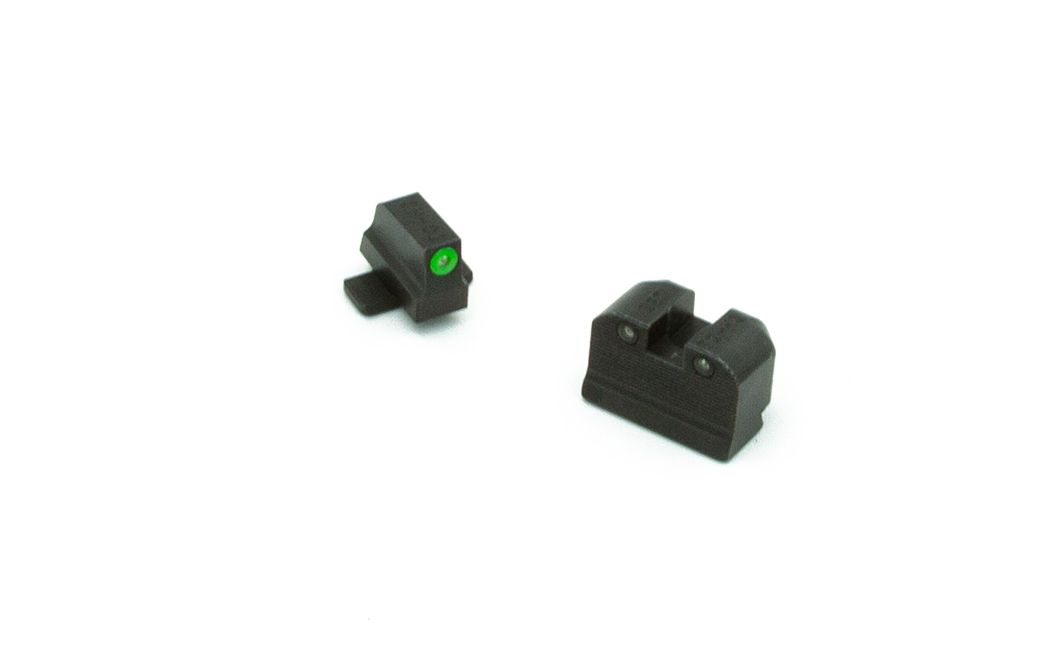
A multi-use red dot sight can be a practical purchase for someone building a flexible setup over time. A new handgun owner may use one to become comfortable with modern sighting systems, then move it to a training or competition platform after upgrading equipment. A hunter may value a bright, quickly acquired aiming point for close encounters in thick cover, while a recreational shooter may appreciate the ability to move an optic between a carbine and a rimfire trainer when the correct mounts are available. These sights can also make thoughtful gifts for a shooter who already owns compatible firearms, provided the buyer confirms the required footprint and mounting hardware first. An optic that fits one pistol slide may not attach directly to another, and a rail-mounted sight may require a separate base or adapter for a different firearm. For that reason, a gift card or a conversation about the intended platform can be more useful than choosing by appearance alone. Before mounting, read the manufacturer’s instructions, use the correct fasteners and torque specifications, and confirm that the optic does not obstruct controls, interfere with a holster, or create an unsafe clearance issue. After installation, begin at a short, controlled distance and confirm the zero with the ammunition and firearm combination that will actually be used. A red dot does not eliminate the need for sound marksmanship fundamentals: a consistent grip, steady presentation, proper trigger control, and regular practice remain essential. Spend time learning to bring the firearm to the same position on every repetition, adjust the brightness for the environment, and test the selected reticle at both close and extended distances. During warmer outdoor sessions or cooler months when gloves and heavier clothing change the feel of the controls, small details such as button placement, window size, and access to the battery compartment become especially noticeable. With the right mounting solution and a little familiarity, a multi-use red dot sight can provide a clean aiming reference, fast target acquisition, and the flexibility to support several different shooting activities while preserving the option to use traditional iron sights as a backup.