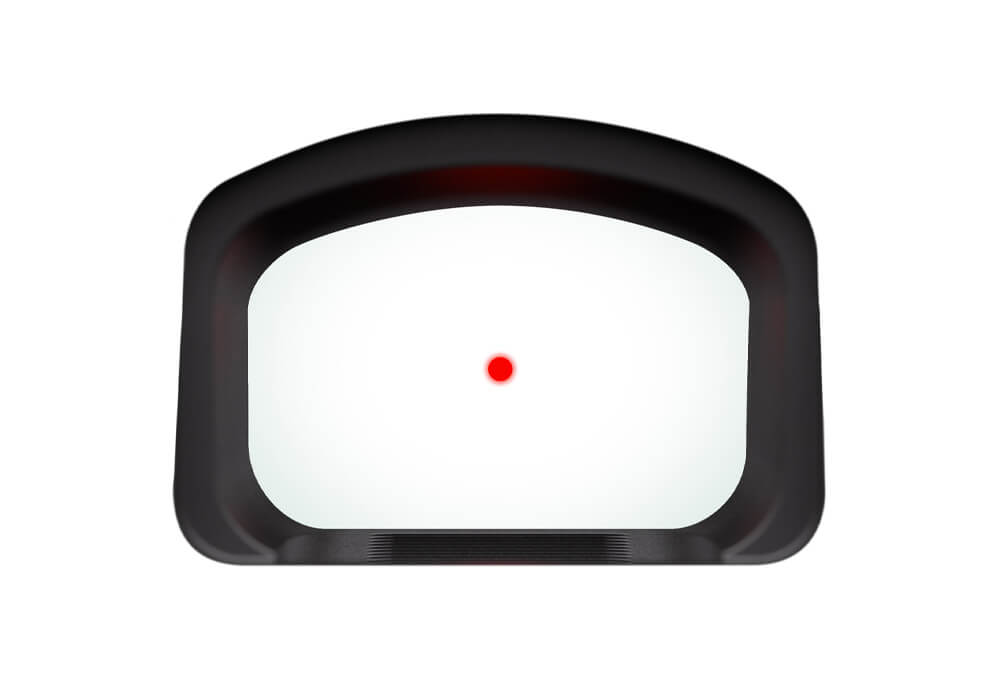
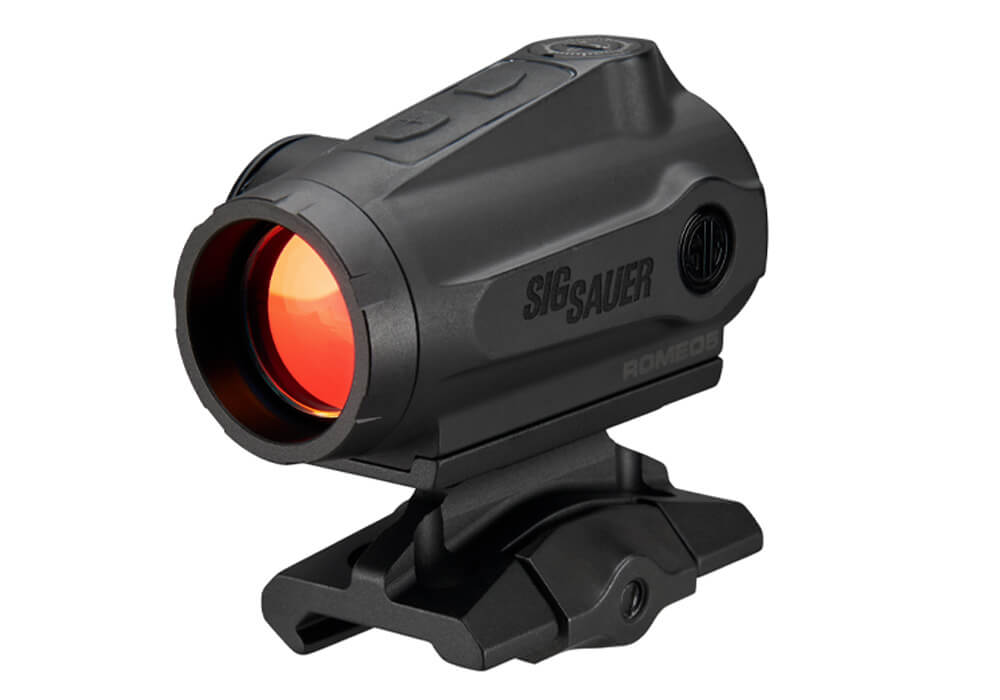
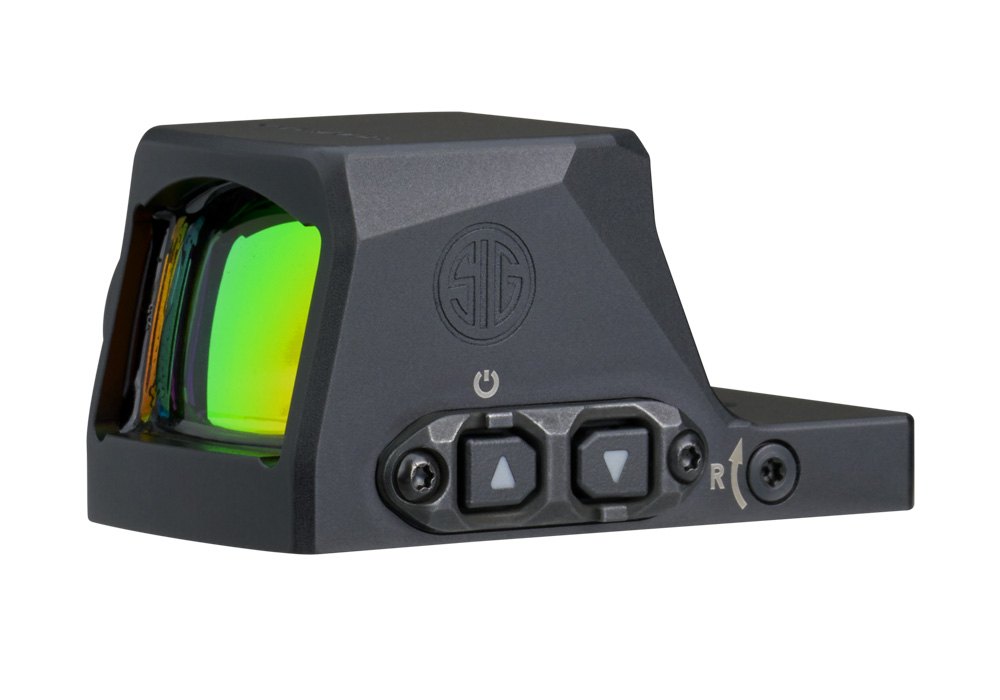
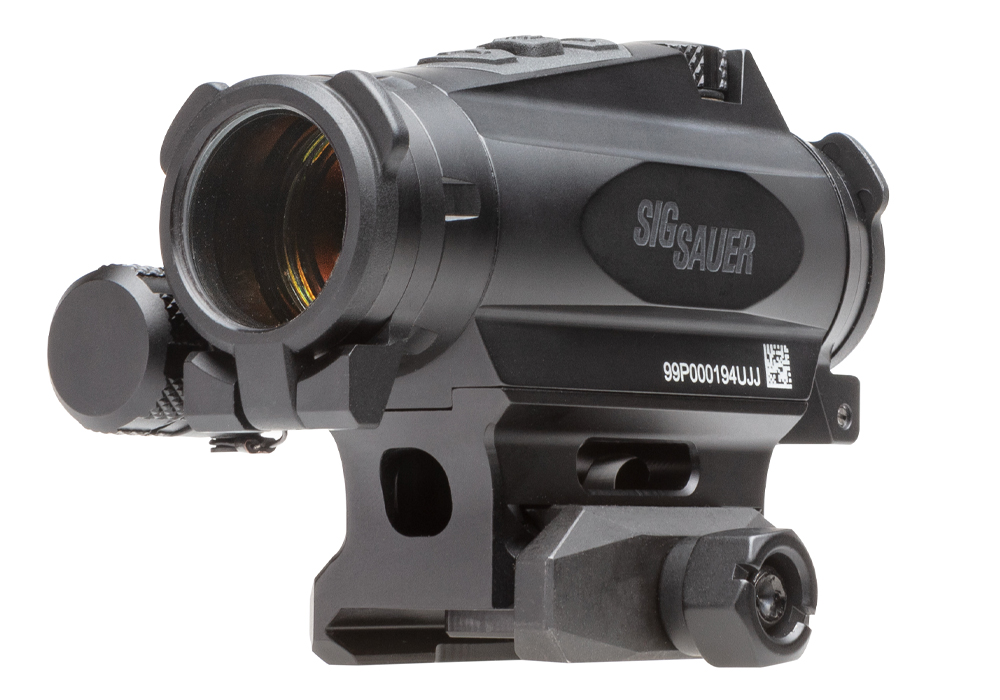
Adjustable red dot sights for precision shooting bring a clearly defined aiming reference into the same view as the target, with controls that help accommodate different sighting preferences and lighting conditions. Most are nonmagnifying optics, so their appeal lies in a relatively open view, flexible eye placement, and an illuminated dot that does not require aligning a front sight with a rear notch. For recreational target shooters and competitors, that combination can simplify the sight picture while leaving more of the surrounding target area visible. Adjustability can mean several different things, however. Windage and elevation controls change the position of the aiming reference, brightness settings change its intensity, and selectable reticles, where offered, change its shape or arrangement. These features serve separate purposes, and an optic with adjustable brightness does not necessarily offer a choice of dot sizes. Dot size is commonly expressed in minutes of angle, or MOA, an angular measurement that describes how much of the target the dot covers. A 1 MOA dot spans approximately one inch at 100 yards, while a 3 MOA dot spans approximately three inches at that distance; coverage decreases proportionally at shorter distances. Smaller dots can leave more of a fine target feature visible, while larger dots may be easier for some eyes to pick up quickly. Neither is automatically the better choice for every shooter. A crisp aiming point, readable target detail, and comfortable viewing all matter more than a specification viewed in isolation. On a paper bullseye with a small central scoring area, an overly bright dot can appear larger than its nominal size and obscure detail. Useful brightness adjustment helps balance reticle visibility against that target detail. Optical clarity, lens coatings, and the apparent sharpness of the illuminated reference also influence the experience. Red dot sights can support precise aiming, but they do not magnify distant details or guarantee tighter groups on their own.
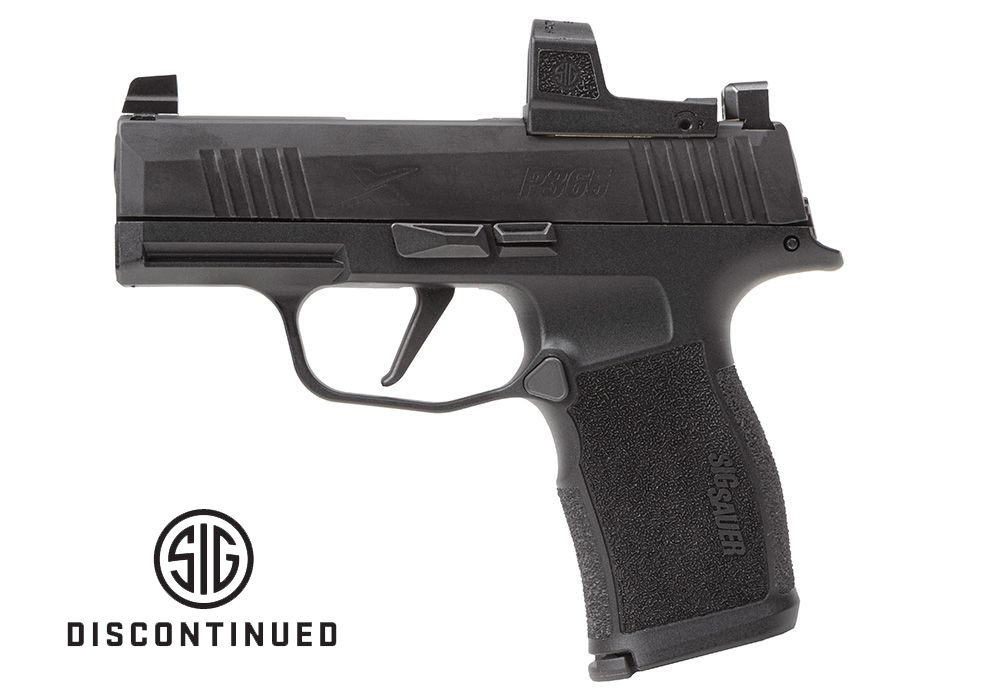
Fit deserves just as much attention as the view through the lens. Handgun, rifle, and shotgun applications can place different demands on mounting geometry, housing dimensions, and recoil resistance, so compatibility begins with the intended platform rather than the general appearance of the sight. A mounting footprint describes the interface between the optic and its supporting surface; it is not interchangeable with every other footprint simply because two sights have similar dimensions. Mounting plates, rail interfaces, screw specifications, and clearance requirements should match the firearm and optic manufacturers’ documentation. Overall height can affect the relationship between the optic, the shooter’s natural viewing position, and any existing iron sights. Weight also matters, particularly on a compact handgun where an oversized housing can feel out of proportion to the platform. Shoppers exploring that application can compare the viewing and control options associated with Adjustable Reticle Red Dot Sights For Handguns, keeping mounting compatibility distinct from reticle preference. Across platforms, window dimensions and housing shape influence how open or enclosed the sight picture feels. A larger window may feel less restrictive, while a more compact design can suit a setup where overall bulk matters. Open-emitter designs expose the path between the light source and the lens, whereas enclosed-emitter designs protect that path within the housing. Dust, lint, and other debris can interfere with an exposed emitter, making construction and cleaning access relevant considerations. Aluminum housings are common because they balance structural strength with manageable weight, though alloy, wall geometry, surface finish, and overall engineering also contribute to durability. Protective lens recesses and well-positioned controls can help limit contact with vulnerable surfaces during routine handling. Recoil suitability and resistance to impact should be supported by the manufacturer’s stated specifications rather than inferred from a rugged appearance. For an optic that travels regularly between a storage case and a shooting range, secure mounting, accessible controls, and a housing that protects the glass are practical qualities that remain important long after the initial comparison.
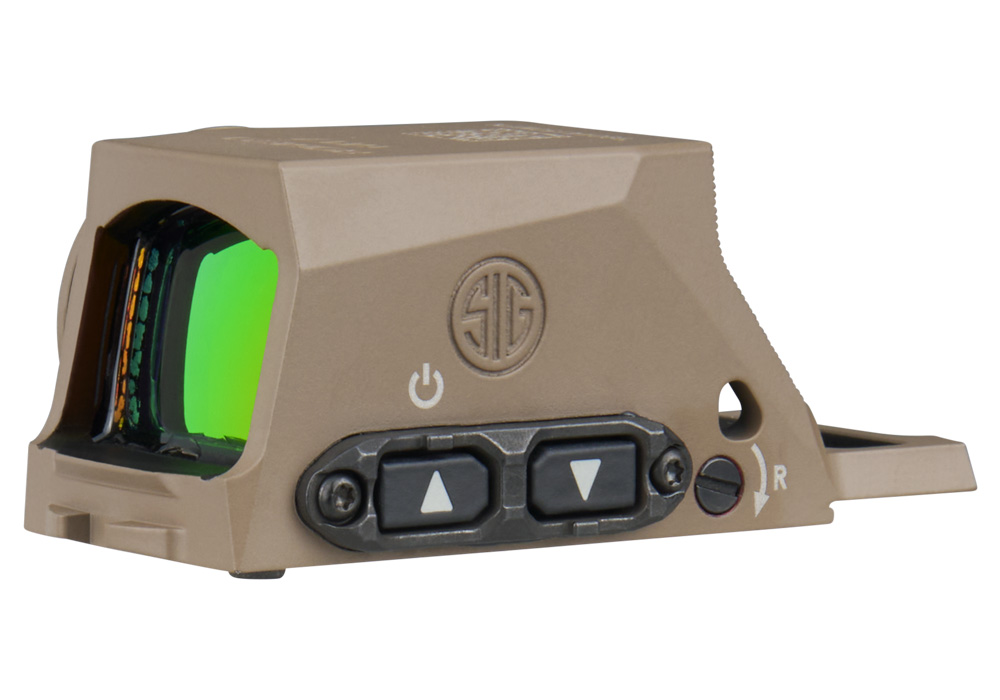
Long-term satisfaction often comes down to details that are easy to overlook beside dot size and window shape. Brightness controls should be understandable and accessible without dominating the housing, and their adjustment range should suit the intended setting. A sight used on an indoor range may need a different intensity level from one viewed against a brightly illuminated outdoor target. Automatic brightness adjustment can offer convenience, while manual control gives the shooter direct authority over the display; neither system behaves identically across all designs. Extremely low settings intended for use with compatible night-vision equipment are a separate feature, not a substitute for ordinary low-light brightness adjustment. Battery type, compartment location, and the stated conditions behind runtime estimates also deserve attention. Published battery life often depends on a particular brightness setting and usage pattern, and motion activation or automatic shutoff features vary by design. A battery compartment accessible without removing the optic can simplify routine service, although any maintenance should follow the manufacturer’s instructions. Lens care is similarly straightforward but important: loose grit should be cleared using an appropriate lens-safe method before wiping, and cleaning materials should be compatible with the optical coatings. Harsh solvents, abrasive cloths, and unnecessary contact with the emitter can compromise components that depend on clean, unobstructed surfaces. Periodic inspection can reveal loose hardware, worn mounting interfaces, or contamination before they interrupt a range visit. Viewing comfort deserves a personal check as well. Astigmatism and other differences in vision can make a dot appear streaked or irregular even when the optic is functioning correctly. Likewise, descriptions such as “parallax-free” should not be interpreted as a promise of zero aiming error at every distance and every eye position; performance depends on the optical design and viewing conditions. For a gift recipient who enjoys target shooting, confirmed platform compatibility and familiar control preferences are more useful than choosing solely by appearance. The most suitable adjustable red dot sight balances a clear aiming reference with dependable construction, appropriate fit, and maintenance requirements that make sense for its owner’s regular use.