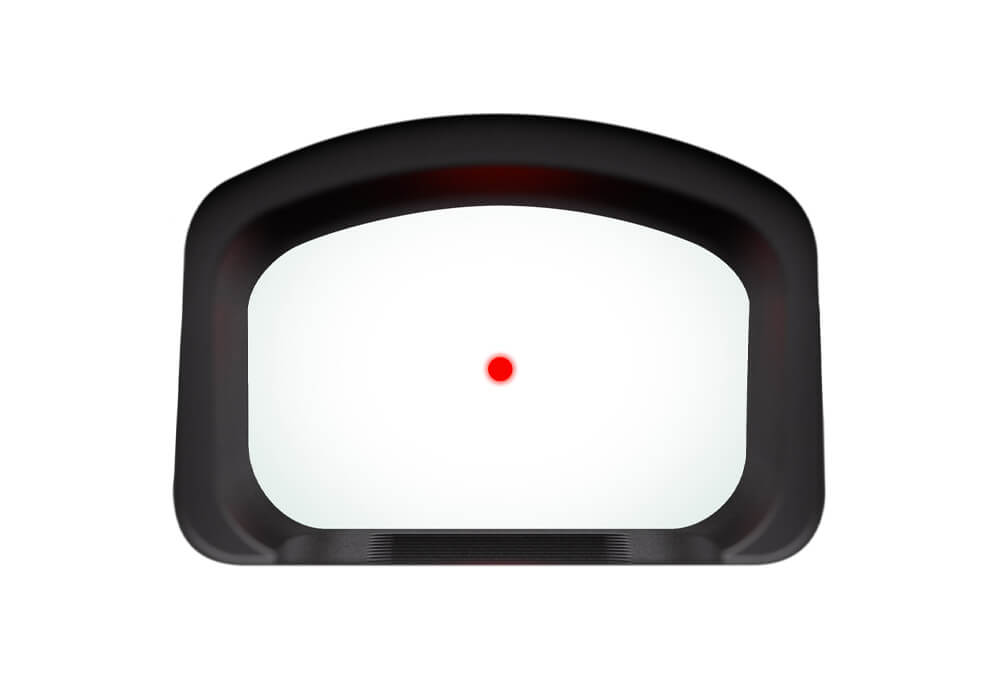
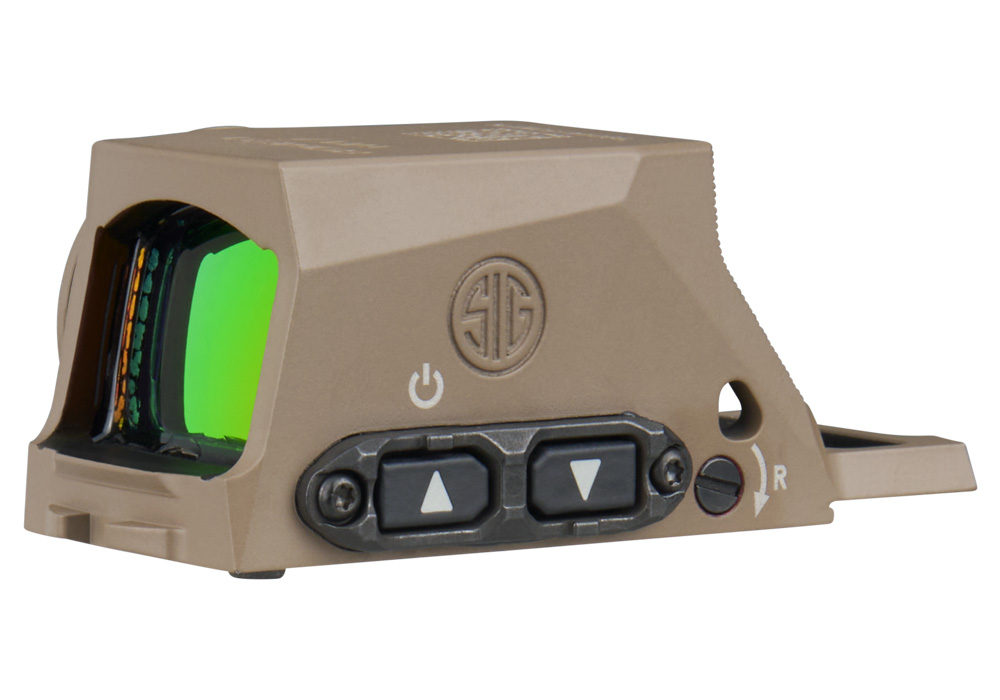
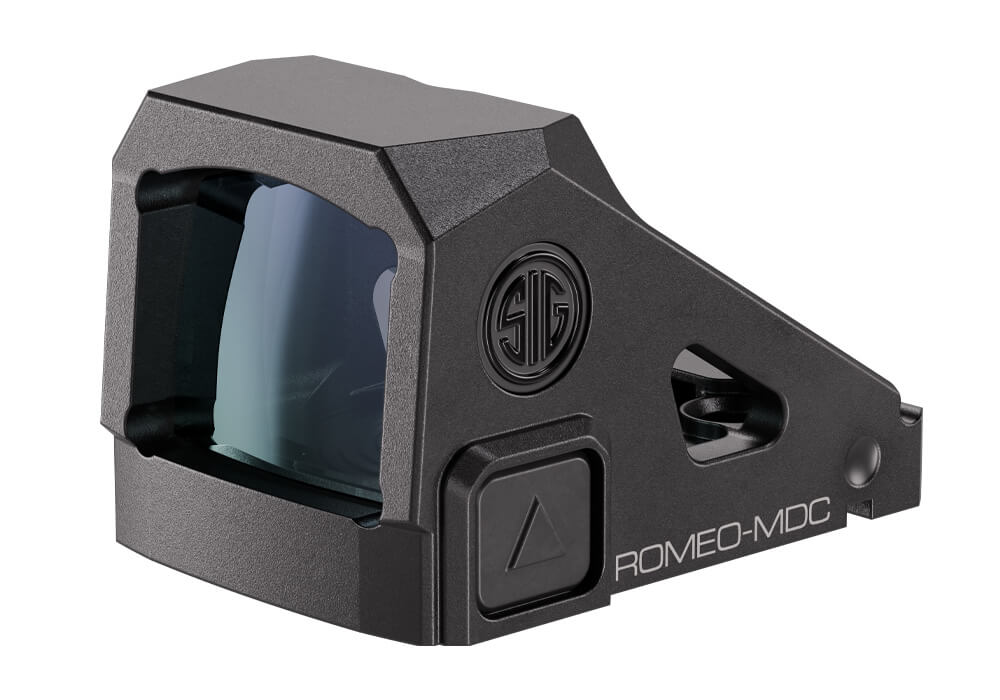
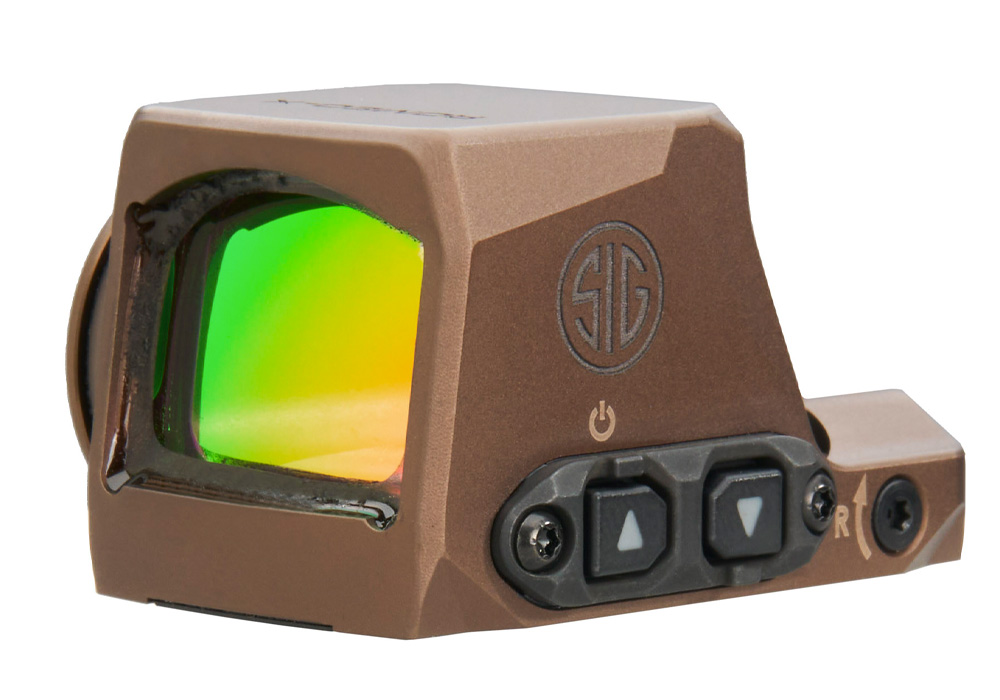
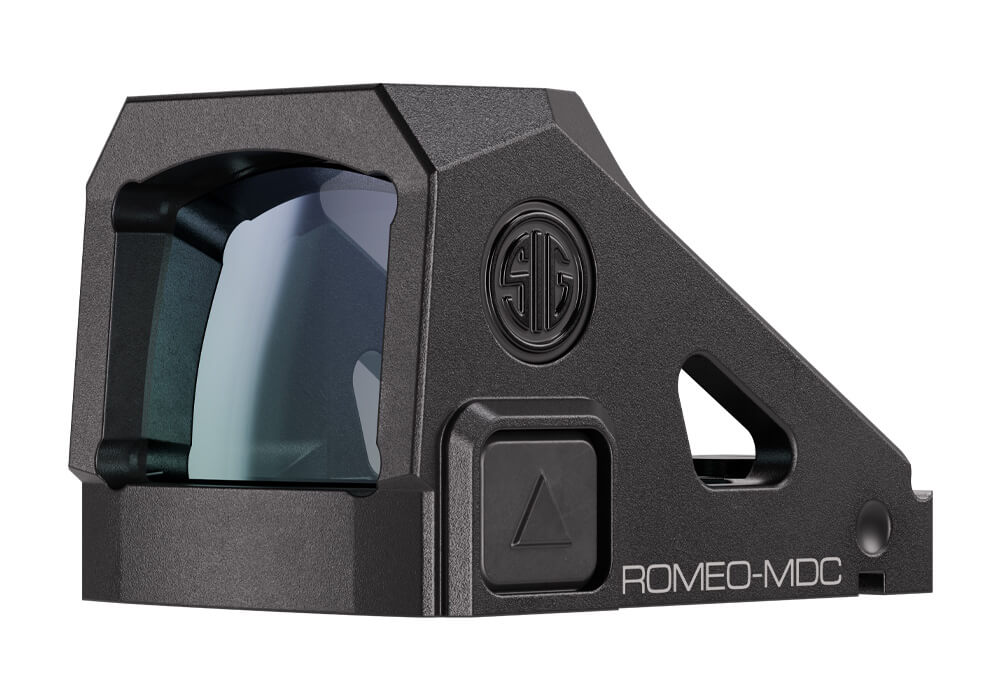
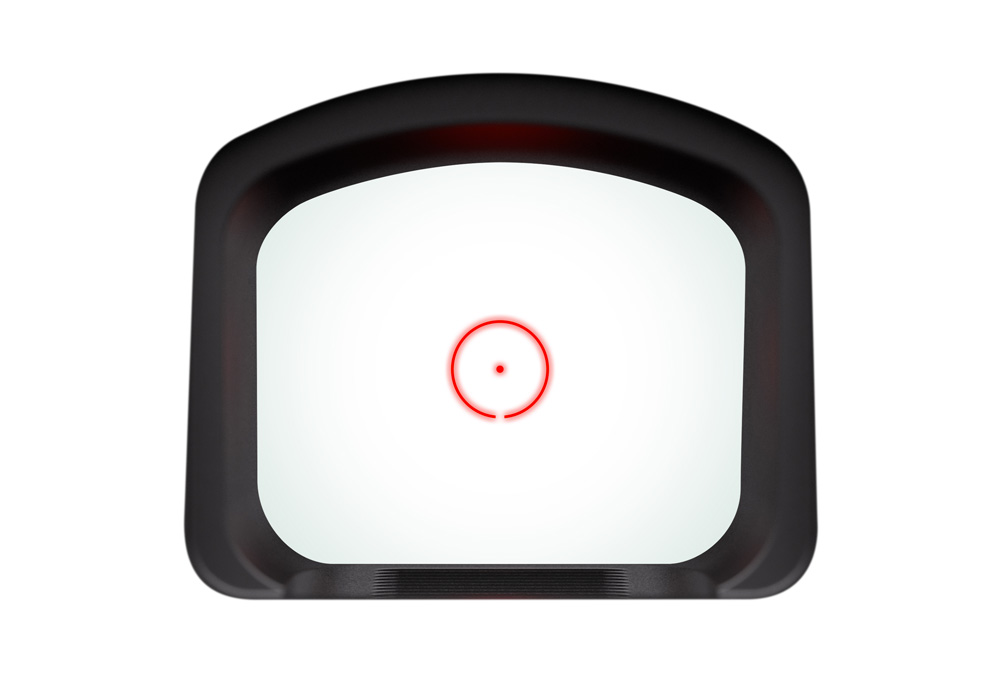
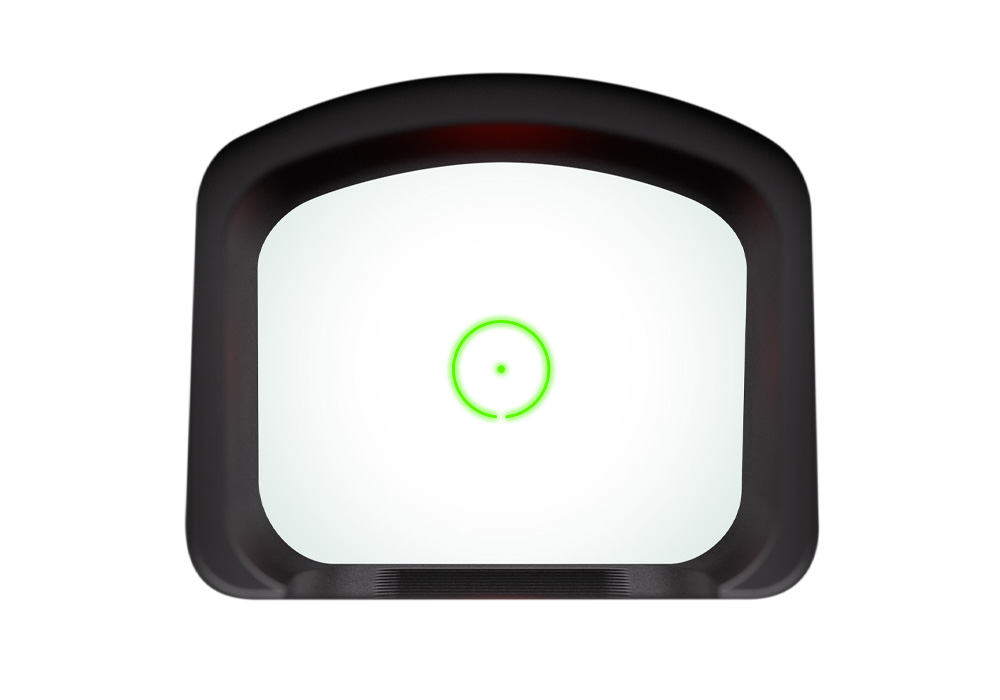
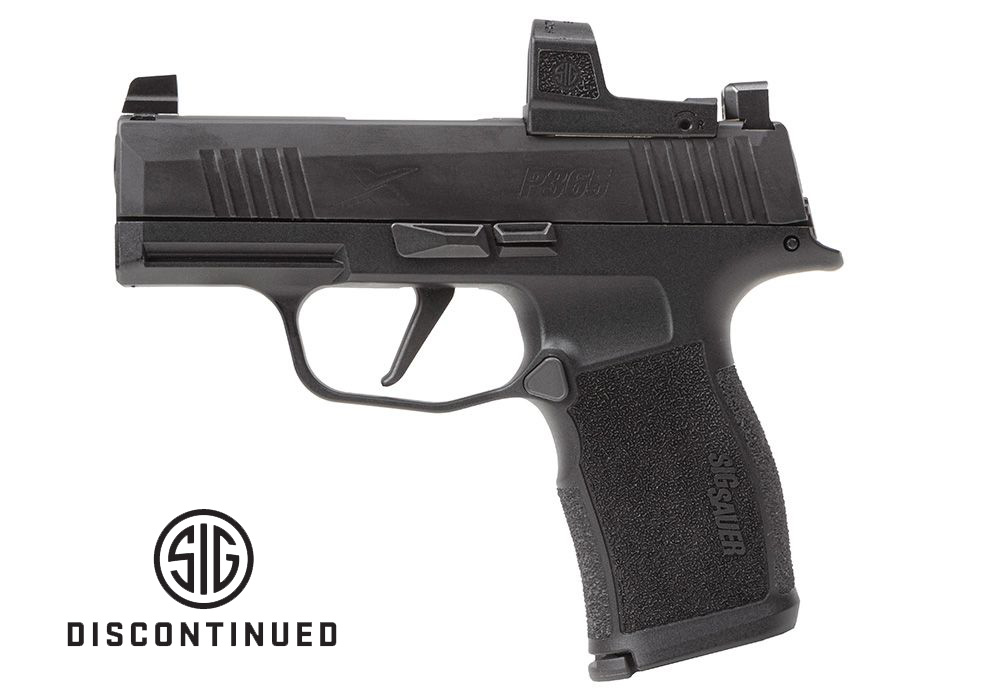
Adjustable reticle red dot sights for handguns give shooters the flexibility to select the aiming pattern that best fits the moment. A fine central dot can support a more precise sight picture when taking deliberate shots at the range, while a larger circle-and-dot reticle can help the eye find the center of the optic quickly during presentations from the holster or other close-range practice. Many multi-reticle systems allow the user to switch between a standalone dot, a larger ring, or a combined circle-dot pattern, making one optic adaptable to different lighting conditions, distances, and shooting preferences. This flexibility can be especially useful for handgun owners who practice across several settings. A small dot may feel clean and uncluttered when shooting carefully from a bench, while a ring can act like a visual frame that helps guide the handgun into alignment during movement or timed drills. The best choice depends on the shooter’s vision, training goals, handgun configuration, and comfort with electronic optics. Some users prefer the simplicity of a single dot, while others appreciate having additional reference points when the handgun is brought up quickly. When comparing options, consider the optic’s overall size, weight, viewing window, adjustment controls, brightness settings, and compatibility with the handgun’s slide cut or mounting plate. A proper fit is essential: the optic must match the handgun’s footprint or use a suitable adapter, and the mounting hardware should be installed according to the manufacturer’s specifications. A secure installation, consistent grip, and confirmed zero work together to make the reticle useful in practice. Shooters browsing Handgun Red Dots can compare optic styles with these practical considerations in mind, whether they are selecting an everyday carry setup, a duty-oriented configuration, or a range handgun intended for competition and skill development.
The emitter design is another important distinction when choosing an adjustable reticle red dot sight for a handgun. Open-emitter optics typically offer a compact profile and a broad field of view, which can be appealing on slim carry handguns or lightweight range setups. Because the emitter is exposed, however, users should give greater attention to maintenance when the handgun may encounter rain, dust, lint, or debris. Enclosed-emitter optics place the electronic components between two protective lenses, helping keep outside material from obstructing the reticle. That design can be useful for handguns carried close to the body, stored in a range bag, or used in changing conditions during the cooler months, when condensation and damp air may become part of the day’s routine. Battery access also deserves careful consideration. Top-loading or side-loading battery compartments allow the battery to be replaced without removing the optic from the handgun, which can help preserve the established zero. Other designs may require the optic to be detached before the battery can be changed, so buyers should account for the extra time and the need to confirm zero afterward. Brightness controls should be easy to operate without distracting from safe handling, and the available settings should cover both subdued indoor light and bright outdoor conditions. Automatic brightness adjustment can be convenient, while manual control may appeal to shooters who prefer to select a consistent reticle intensity. Battery life, low-battery notifications, motion activation, and backup power features can also influence suitability for regular use. No electronic sight should replace sound fundamentals: keep the handgun pointed in a safe direction, keep the finger outside the trigger guard until ready to fire, confirm the chamber and magazine status during handling, and use appropriate eye and ear protection at the range. Before relying on a new optic, spend time learning its controls and confirming its point of impact with the ammunition intended for the handgun.
These sights can serve a wide range of handgun owners, from someone setting up a first optics-ready pistol to an experienced shooter refining a familiar training routine. A concealed-carry user may value a compact optic, a protected lens system, and a reticle that is easy to locate during a controlled draw presentation. A duty or security professional may place greater emphasis on rugged construction, dependable controls, clear glass, and a battery arrangement that supports straightforward inspection and replacement. Competitive shooters often look for a generous viewing window, fast reticle acquisition, and adjustment controls that make it easier to tune the sight during practice. For a new handgun owner, an adjustable reticle optic can also be a thoughtful gift when the recipient already owns a compatible optics-ready handgun and has a clear interest in range training. The most useful gift is one selected around the handgun’s mounting pattern and the shooter’s intended role rather than appearance alone. Before purchasing for someone else, verify the firearm model, slide cut, required plate, preferred optic footprint, and whether the recipient favors an open or enclosed emitter. A sight that fits neatly and supports the shooter’s natural presentation will be more valuable than an optic chosen only for its feature list. After installation, the user should confirm the mounting screws, establish a zero at a safe and suitable range, and periodically inspect the lens, battery compartment, fasteners, and reticle brightness. During the transition from warmer days into cooler weather, a short inspection before each range session can help identify moisture, lint, or a depleted battery before it becomes a distraction. With the right fit and regular practice, an adjustable reticle red dot sight can become a natural extension of a handgun, offering a clear aiming reference for careful practice, familiarization, and responsible use.