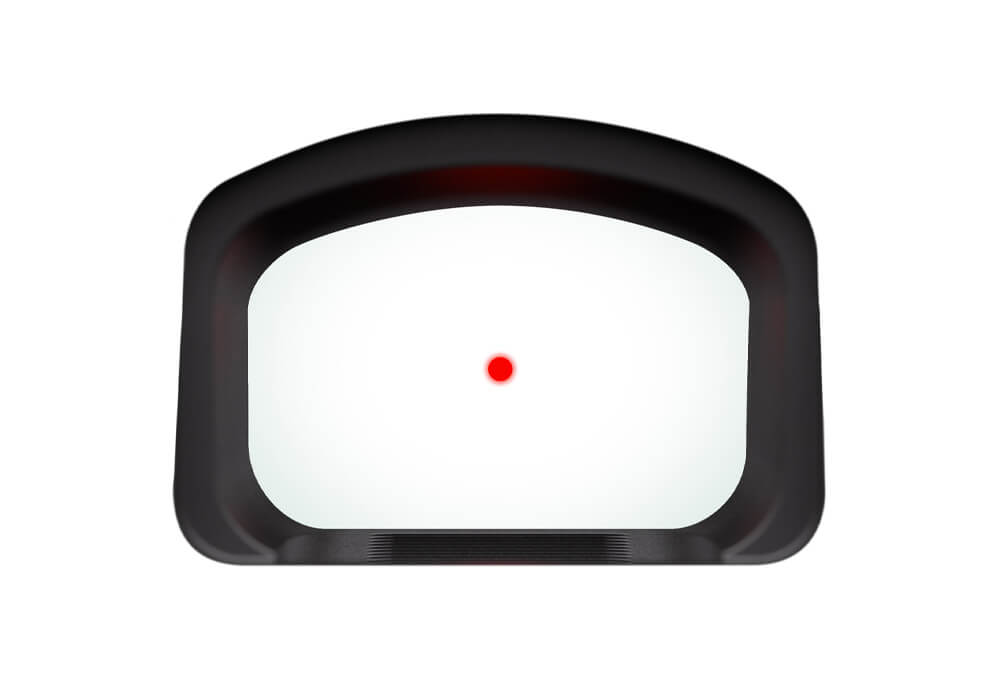
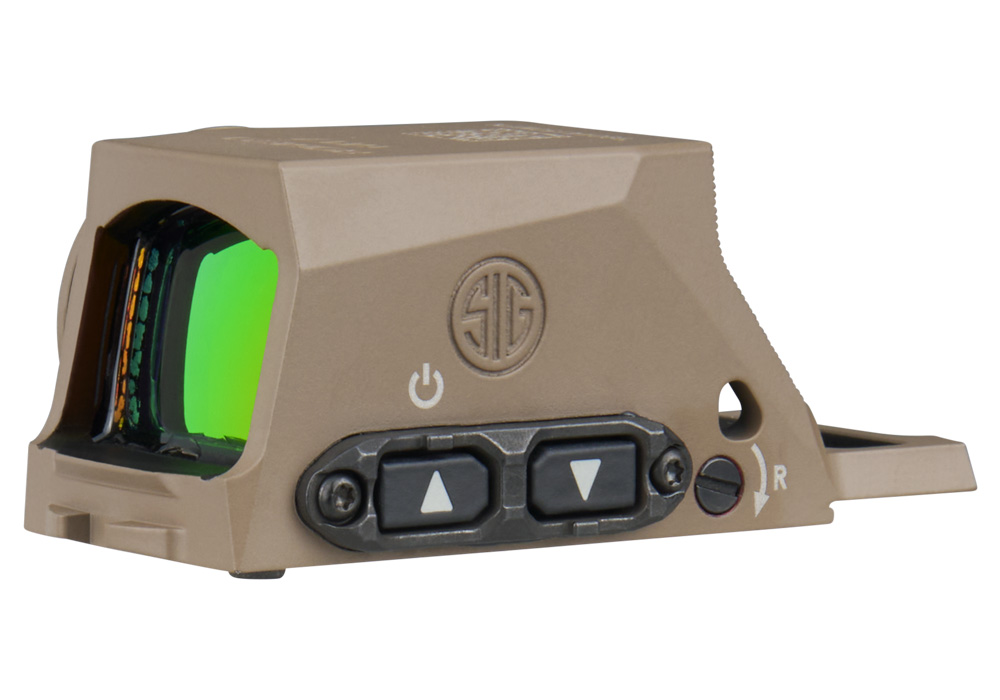
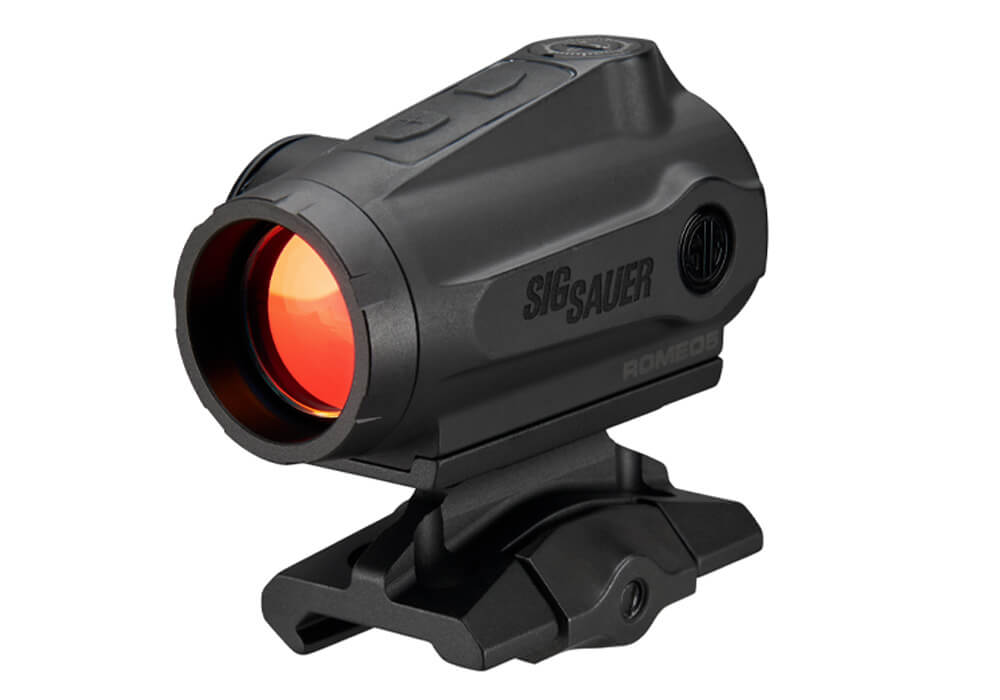
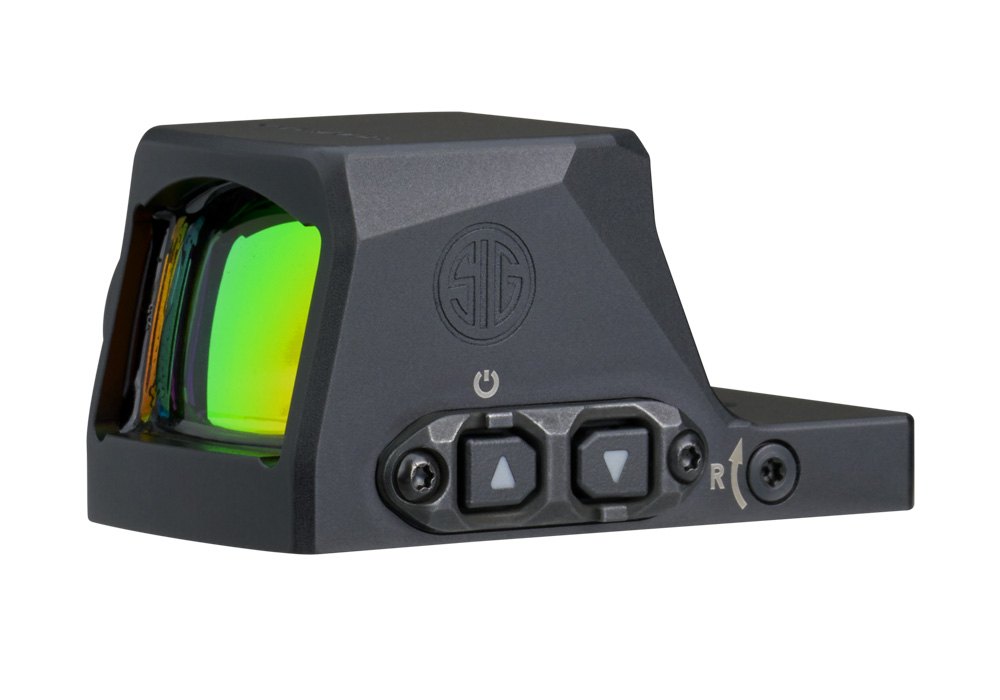
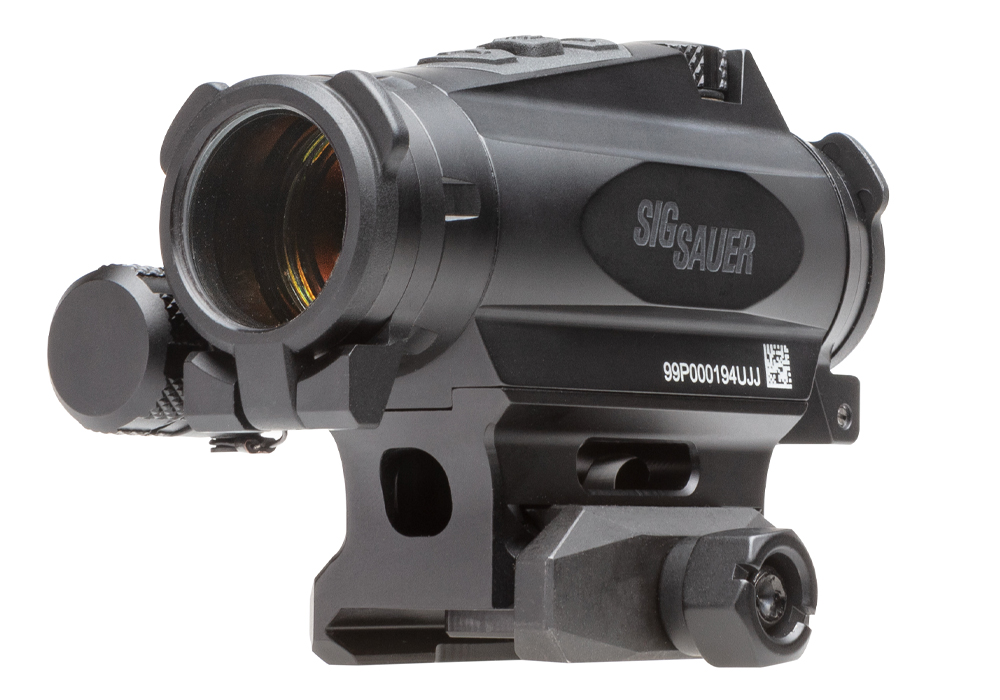
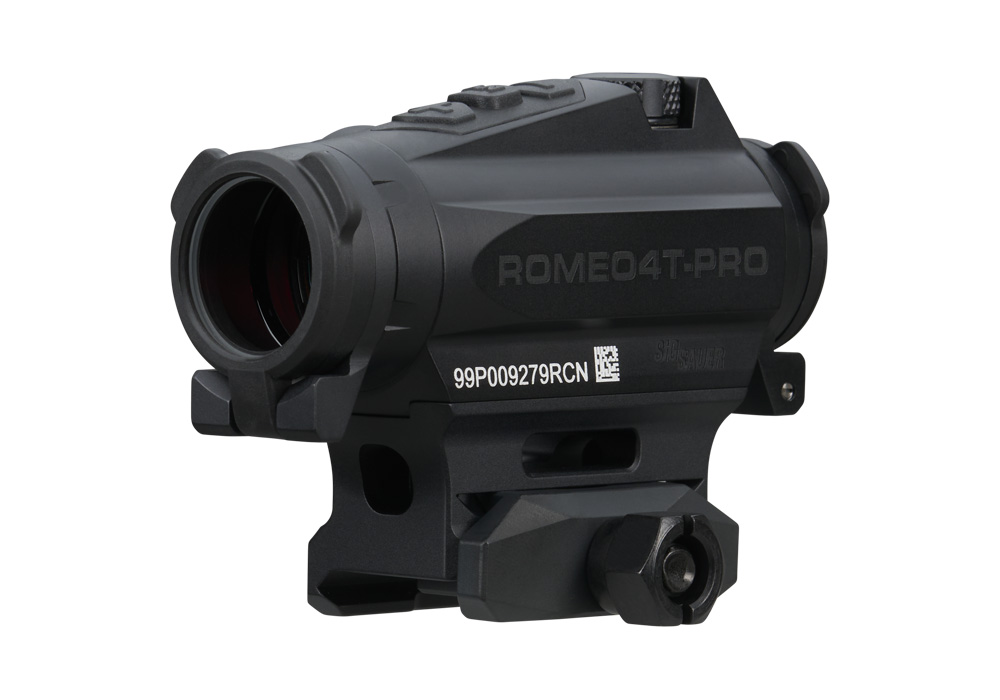
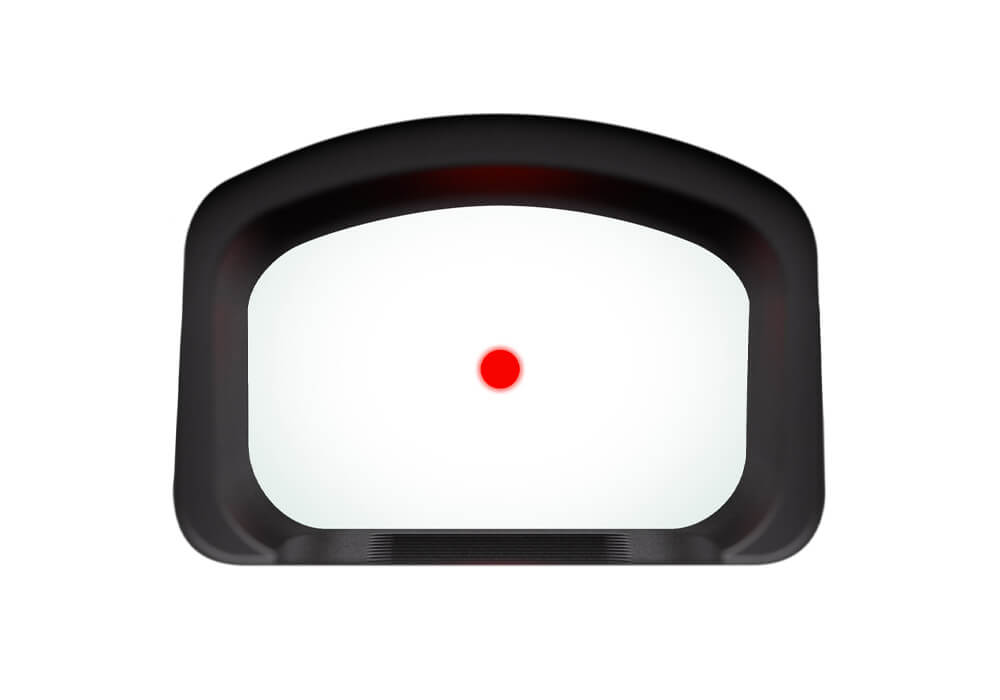
Handgun red dots are compact, nonmagnifying optical sights that present an illuminated aiming point in a viewing window. Rather than requiring the eye to align a rear notch and front sight, a red dot allows attention to remain on the target while the aiming point appears within the sight picture. The illuminated reticle is visible through the optic; it does not project a visible dot onto the target. These sights serve a broad range of users, including recreational shooters, competitors, qualified professionals, and lawful concealed carriers. Their appeal lies in a clear aiming reference that can complement an appropriately fitted handgun without adding the bulk of a larger optic. Reticle size, window dimensions, brightness controls, and overall profile all influence how a sight feels in regular use. Dot size is commonly expressed in minutes of angle, or MOA, with one MOA covering approximately one inch at 100 yards. A smaller dot covers less of a target, which can suit deliberate shooting at small scoring areas, while a larger dot may be easier for some eyes to distinguish quickly. Neither is universally better: eyesight, target contrast, lighting, and personal preference affect the result. Brightness matters just as much as the stated dot size, since an overly bright setting can make the aiming point appear larger or less sharply defined. Some optics offer a single dot, while others provide selectable patterns, such as a dot, circle, or combined circle-dot reticle. The selection of adjustable reticle red dot sights for handguns reflects that preference for different visual references within the same general category. For shooters with astigmatism, a dot may appear streaked or irregular rather than perfectly round, so published reticle dimensions cannot fully describe the viewing experience. Optical clarity, comfortable controls, and a reticle that remains easy to distinguish are meaningful considerations alongside any specification. Iron sights may remain usable with a red dot, but their visibility depends on sight height, mounting arrangement, and the optic’s geometry.
A handgun optic needs a mounting interface that matches the firearm’s approved configuration. An optics-ready slide does not necessarily accept every red dot, and similar-looking mounting footprints are not automatically interchangeable. The slide cut, screw locations, recoil supports, and any required adapter plate must work together as a compatible system. Correct fastener dimensions and manufacturer-specified installation requirements matter because a sight experiences repeated movement as the slide cycles. A secure installation also supports a consistent zero, meaning the relationship between the aiming point and the point of impact remains repeatable with the selected ammunition. An adapter plate can expand compatibility, but it may also change the optic’s height and its relationship to existing iron sights. Overall dimensions deserve equal attention. A wide window offers more visible space around the reticle, while a compact housing can better suit a smaller handgun or a holster with limited optic clearance. Window size alone does not determine ease of use; the shape of the housing, lens position, and familiarity with the sight also contribute. For concealed carry, the optic’s outer profile and compatibility with an appropriate holster are practical considerations, particularly where the holster protects the trigger area and provides secure retention. For range sessions or competition, users may place greater emphasis on viewing area and accessible adjustments. Housing materials commonly include aluminum alloys, with protective finishes that help resist surface wear. Lens coatings can support light transmission, reduce unwanted reflections, or assist with routine cleaning, although their properties vary by design. Open-emitter sights leave the light source and part of the optical path exposed, while enclosed-emitter sights surround that path with a housing and protective lenses. An enclosed design can limit interference from lint and debris reaching the emitter, but its exterior lenses still need attention. Neither construction style eliminates maintenance. Published impact-resistance and water-resistance specifications provide more useful context than broad durability claims, especially when their test conditions are clearly identified. A sturdy housing, protected controls, and a suitable mounting arrangement all contribute to dependable everyday handling.
Power management and routine care help distinguish a convenient handgun red dot from one that demands more attention than its owner expects. Battery-life figures depend on the specified brightness setting and operating conditions, so a quoted runtime is most useful when those details accompany it. Motion-activated illumination can conserve energy while the sight is stationary, while manual controls give the user direct control over brightness. Automatic brightness adjustment can be convenient, but its performance depends on how the sight senses surrounding light; lighting at the shooter’s position may differ from lighting at the target. Clear control markings, tactile buttons, and settings that resist unintended changes are practical features for repeated range use. Battery access also affects ownership. A top-access compartment or side tray may permit replacement without removing the optic, whereas a battery beneath the sight can require removal and a subsequent zero check. Compartment seals, specified battery types, and replacement intervals deserve attention regardless of the stated runtime. Routine care generally centers on keeping the viewing surfaces clear, protecting electrical contacts, and checking for visible wear or loosened components according to the manufacturer’s recommendations. Lint from clothing, fingerprints on a lens, and residue from a range session can all reduce the clarity of an otherwise sound optic. Lens-safe cleaning materials are preferable to abrasive cloths or aggressive solvents, and firearm-cleaning chemicals should not be assumed suitable for optical coatings or seals. Any inspection or maintenance should begin with the handgun unloaded and handled in accordance with its safety instructions. After mounting work or other changes that could affect alignment, confirming zero at an appropriate range helps establish that the sight and handgun remain correctly matched. Long-term satisfaction comes from the combination of fit, a readable reticle, manageable maintenance, and construction suited to the intended role. For frequent range visitors, competitive shooters, and responsible firearm owners, those everyday details often matter more than an isolated specification or an unusually large feature list.