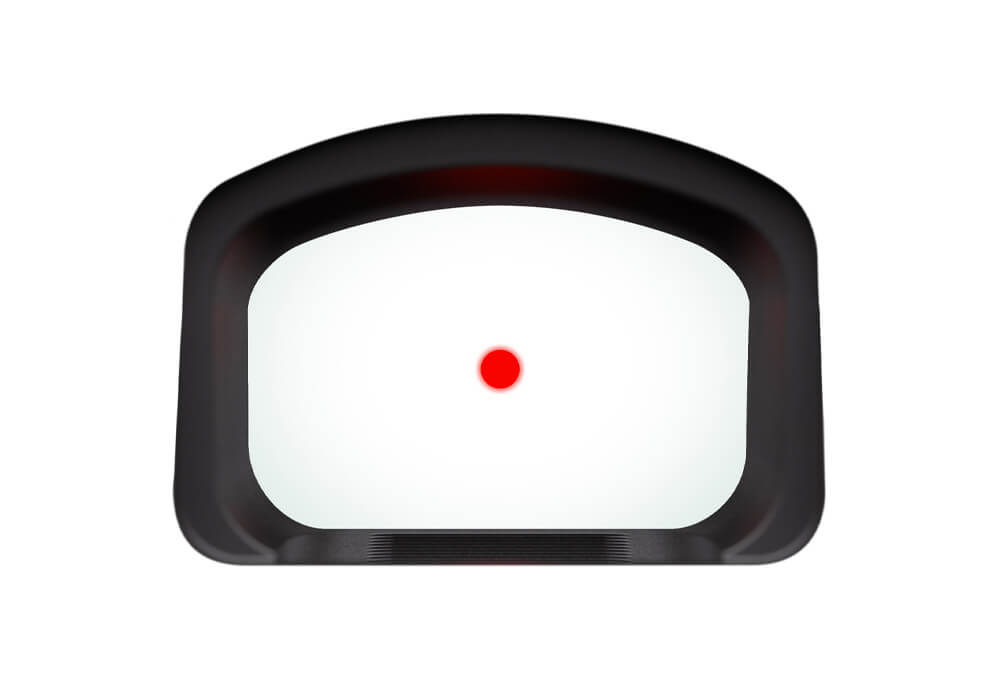
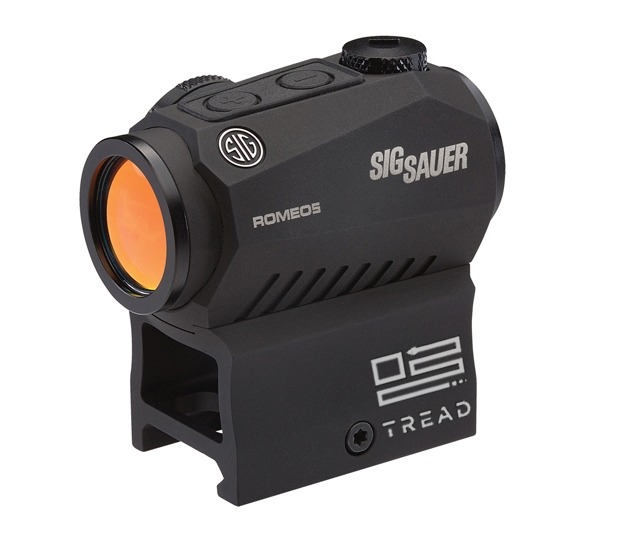
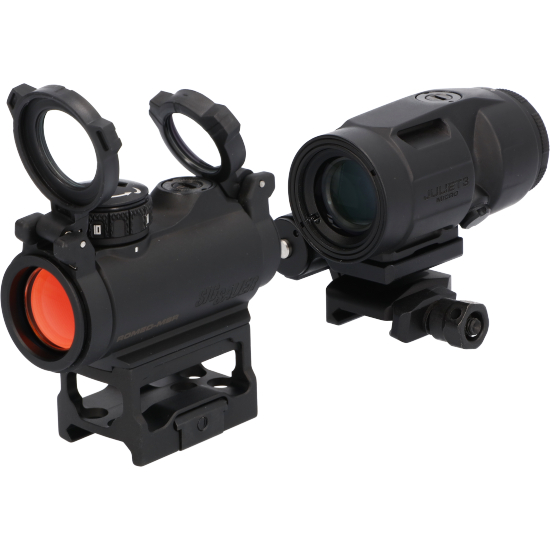
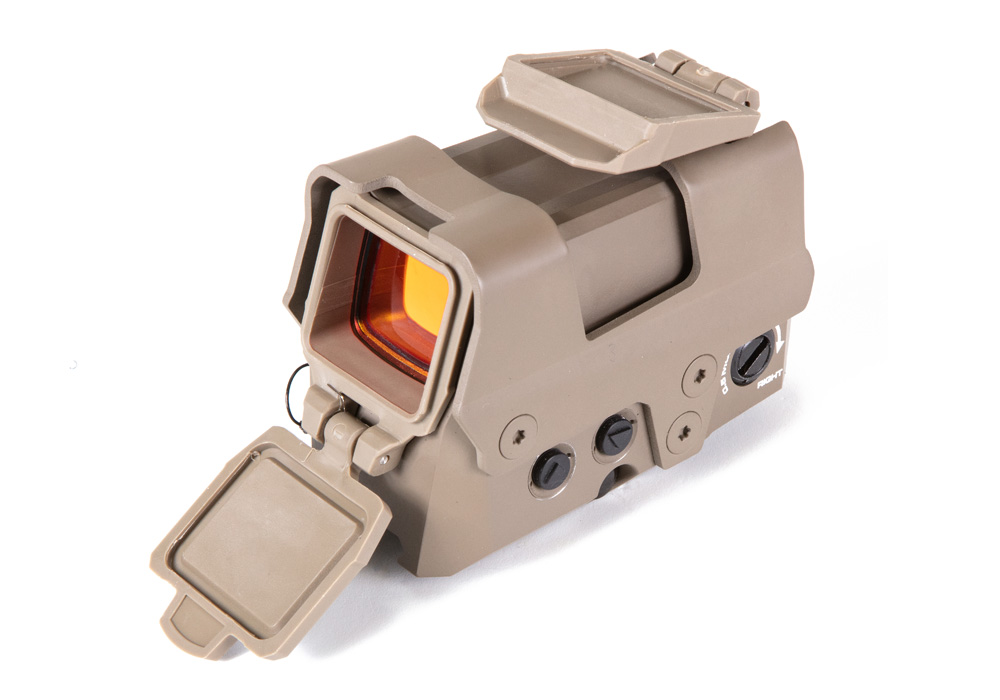
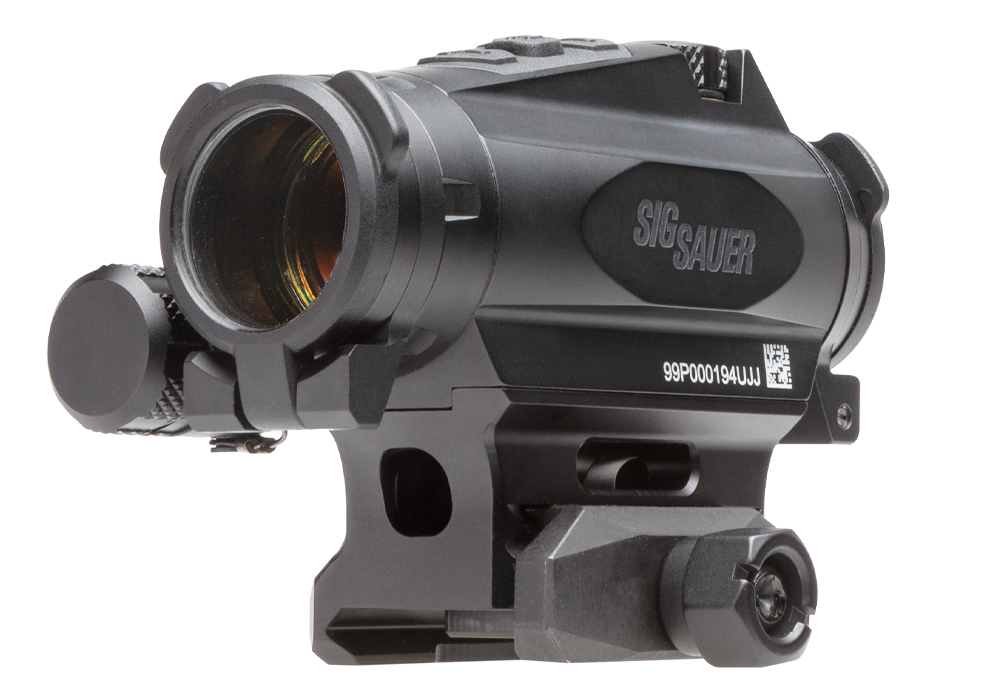
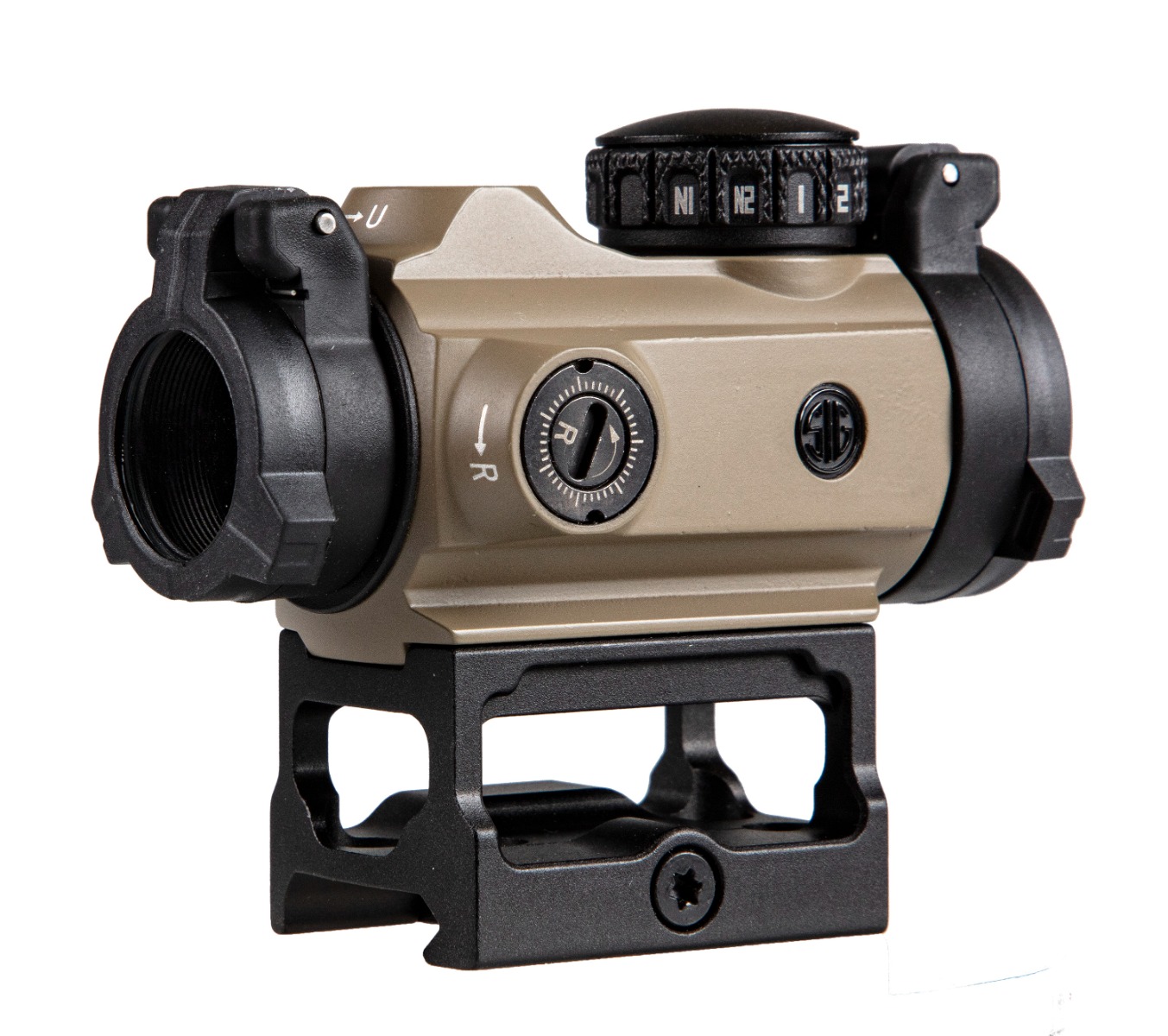
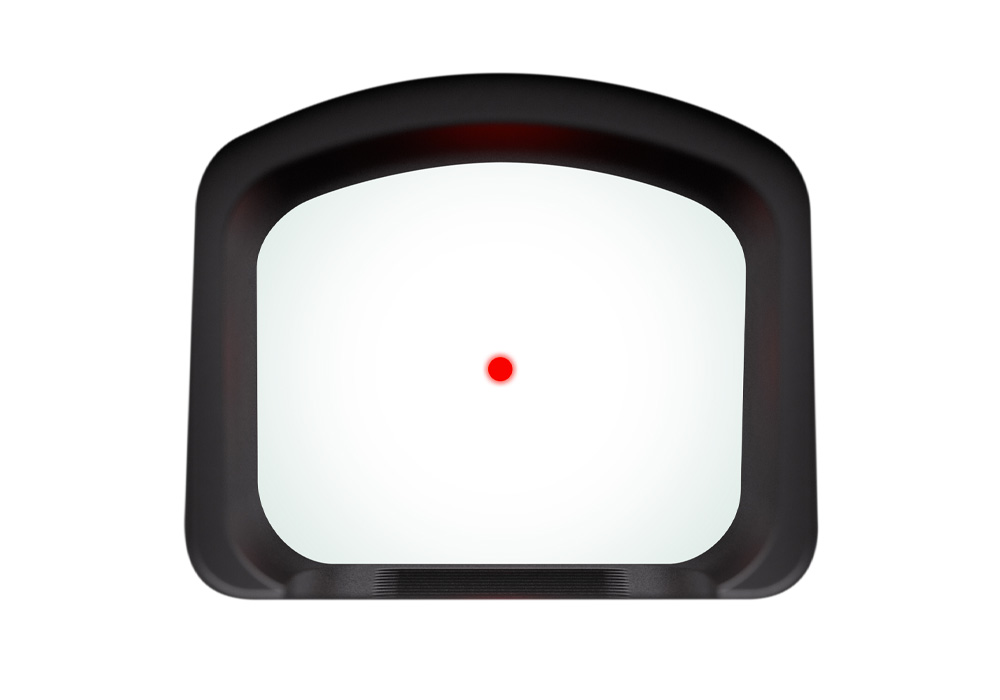
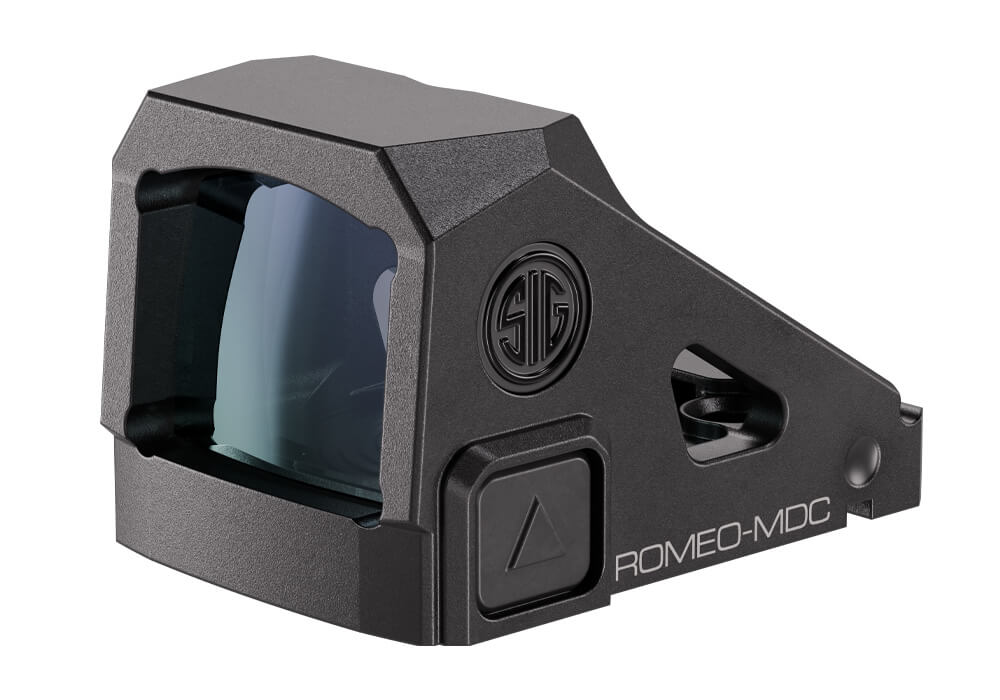
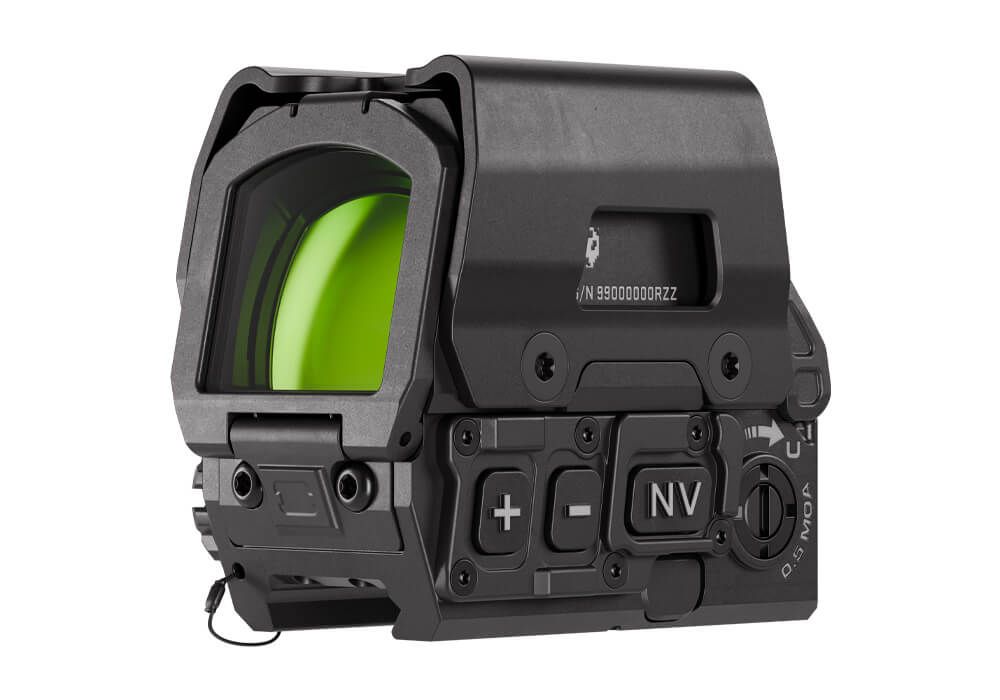
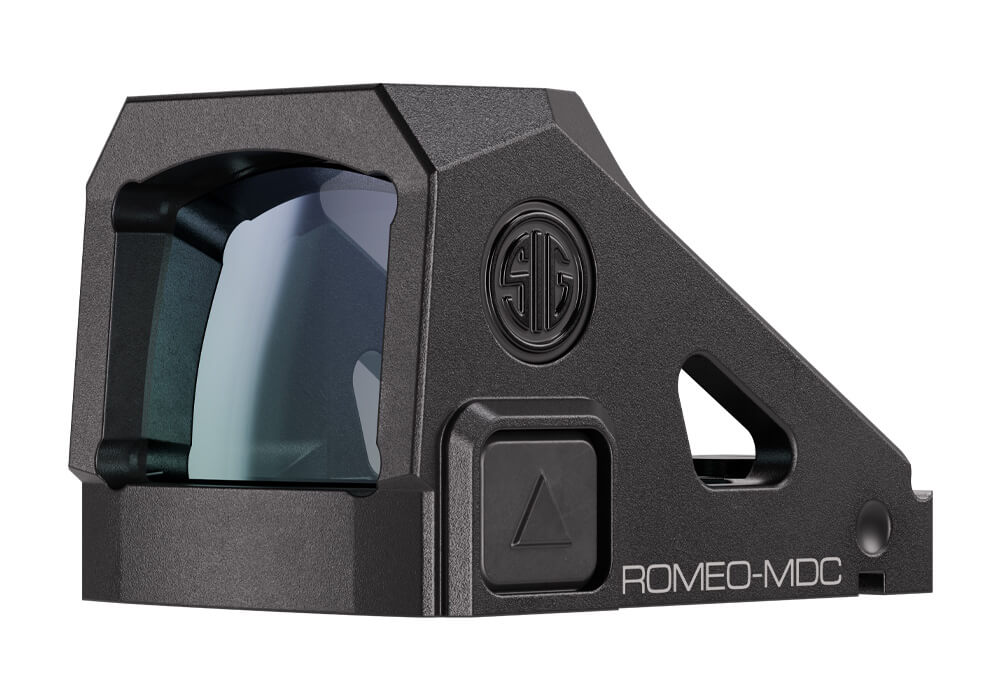
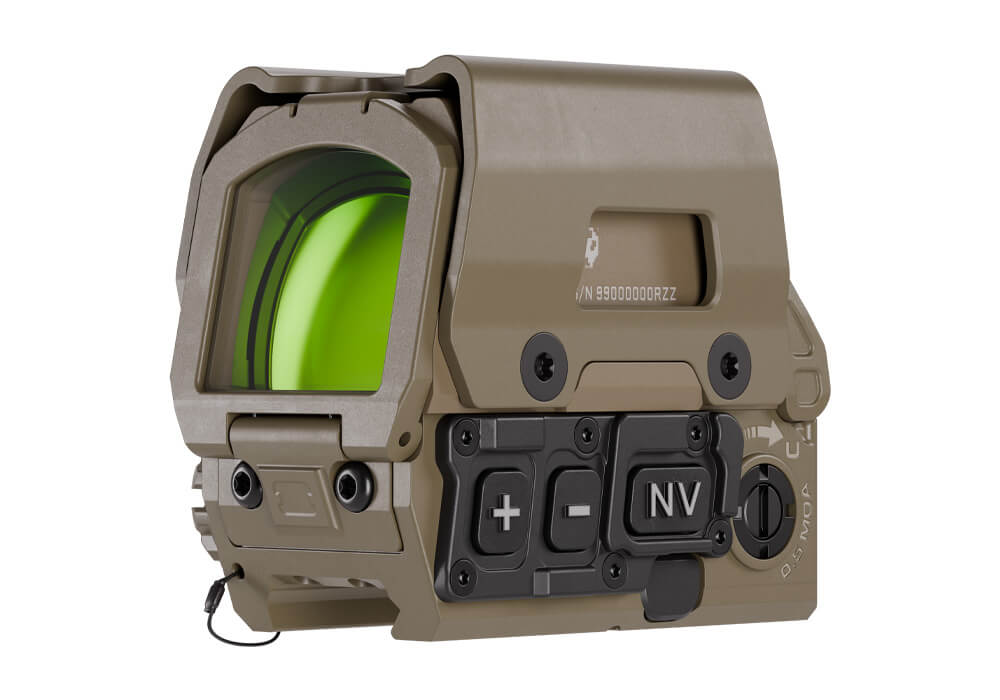
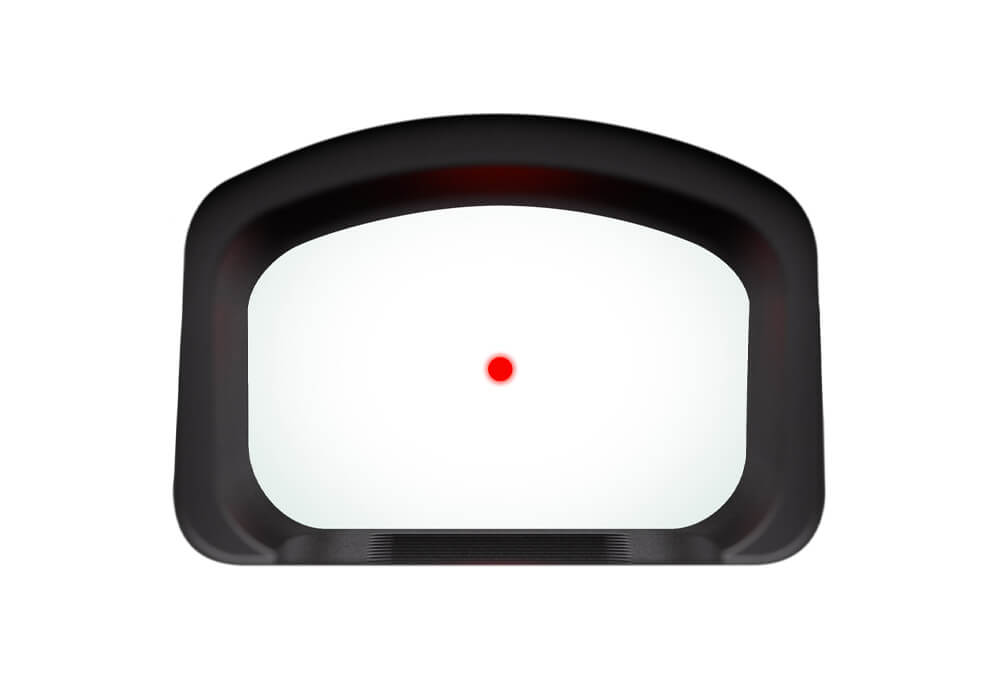
Fully enclosed handgun red dot sights are designed to keep the optic’s emitter protected inside a sealed housing, placing the light source between the front and rear lenses rather than leaving it exposed to the elements. That construction helps block rain, dust, mud, lint, powder residue, and other debris that can interfere with an open-emitter sight. For anyone who carries a handgun in a holster throughout the day, this distinction can matter: clothing fibers and pocket lint can collect in surprisingly short order, while perspiration, blowing grit, and damp weather can add another layer of concern. A fully enclosed optic helps keep the emitter protected, so the visible aiming point is less likely to be obscured by material inside the housing. The exterior lens can still become dirty and should be inspected and wiped clean, but routine maintenance is straightforward. Many shooters also appreciate the substantial protective housing, which can help shield the optic from the bumps and impacts that happen when a handgun is handled, transported, or used around hard surfaces. These sights are commonly selected for concealed carry, range practice, training, competition, professional duty, and home-defense handguns where a dependable aiming reference is important. They can also be a thoughtful gift for an experienced handgun owner who already has a compatible pistol and wants to modernize its sighting system, although confirming the handgun, slide cut, mounting plate, and footprint before purchase is essential. A red dot is not a substitute for safe handling, a secure holster, or regular practice; it is an aiming aid that works best when the shooter has learned to present the handgun consistently and maintain proper trigger-finger discipline.
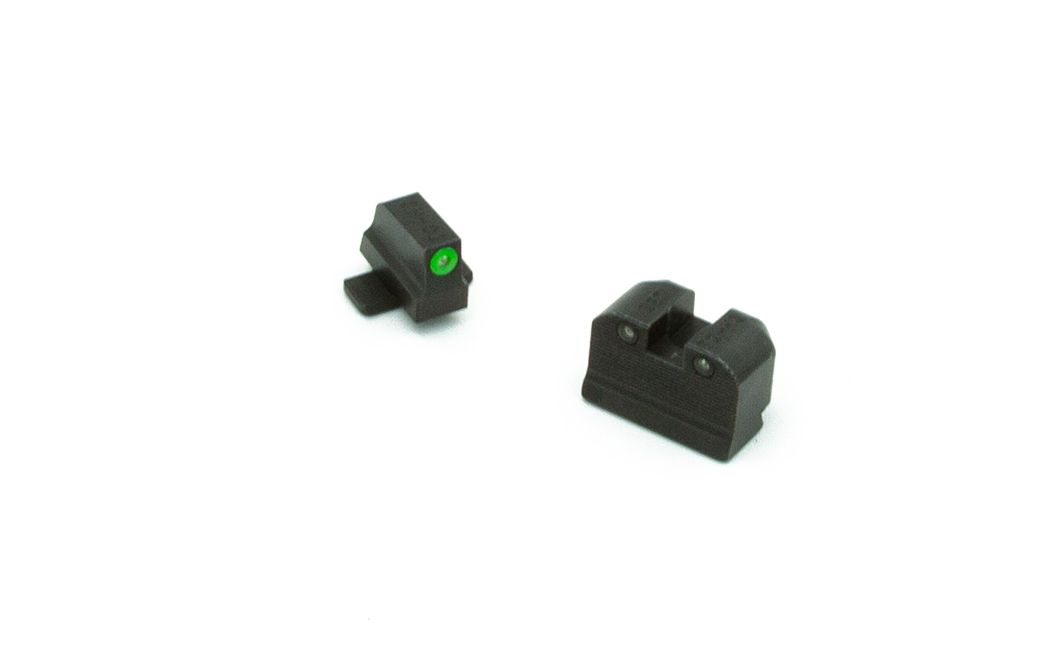
Fit is the first purchase consideration. Handgun red dot sights are not universal, and a sight that fits one slide or mounting system may require a different plate, cut, screws, or adapter on another. Before selecting an optic, check the handgun manufacturer’s specifications, the slide’s direct-mount pattern, the available mounting plate, screw length, and whether the sight will sit low enough to work with the existing iron sights. A low-mounted optic may allow the standard sights to remain visible through the window, often called co-witnessing, while other setups use taller suppressor-height sights or a different backup configuration. The overall dimensions deserve equal attention. A compact enclosed sight may be preferable for a slim concealed-carry handgun because it can reduce snag potential and preserve a trimmer profile, while a larger window can make it easier to find the dot during presentation and may suit a duty, full-size, or range pistol. Fully enclosed designs generally add some bulk and cost compared with open-emitter alternatives, so balance the protective benefits against the holster space, slide clearance, and carry comfort available to you. Pay close attention to the window shape, dot size, brightness controls, automatic illumination settings, and battery access. A top-loading battery compartment can simplify replacement without removing the optic, while a bottom-loading design may require re-zeroing after service. Motion activation, adjustable brightness, and an extended battery life can be useful features, but the sight should still be checked periodically rather than relying on published battery estimates alone. Bright outdoor light, a dim indoor room, and the changing illumination found under a covered range bay can all affect how clearly the aiming point appears.
Enclosed handgun optics are especially useful for shooters who expect their equipment to face changing conditions. During the cooler months, a handgun may move between a warm vehicle, an outdoor range, and a cold storage area, creating condensation that deserves attention before the pistol is put away. Wet grass, muddy range bags, windblown dust, and the fine debris found around a training environment can all challenge exposed components. A sealed emitter reduces one potential point of failure, but it does not eliminate the need for sensible care. Keep the lens free of oil and fingerprints, use a soft lens-safe cloth, inspect the mounting screws, and follow the sight and handgun manufacturers’ torque and maintenance instructions. After installation, confirm the optic is properly secured and establish a reliable zero with the ammunition and handgun configuration you intend to use. A few careful minutes spent confirming the dot at the range can reveal an incorrect mounting plate, a loose fastener, an unsuitable brightness setting, or an unfamiliar presentation technique before those issues become frustrating habits. Shooters comparing enclosed and open designs can explore the broader selection of Handgun Red Dots while keeping their intended use in mind. For concealed carriers, comfort, holster compatibility, and a clean draw should remain part of the decision. For recreational shooters, a larger window and clear controls may make practice more enjoyable. For duty or defensive applications, rugged construction, dependable activation, usable backup sights, and repeated training under varied lighting are important priorities. Whichever configuration you choose, treat the optic as part of a complete system: a compatible handgun, secure holster, suitable ammunition, sound storage practices, and consistent instruction all contribute to safe and confident use.