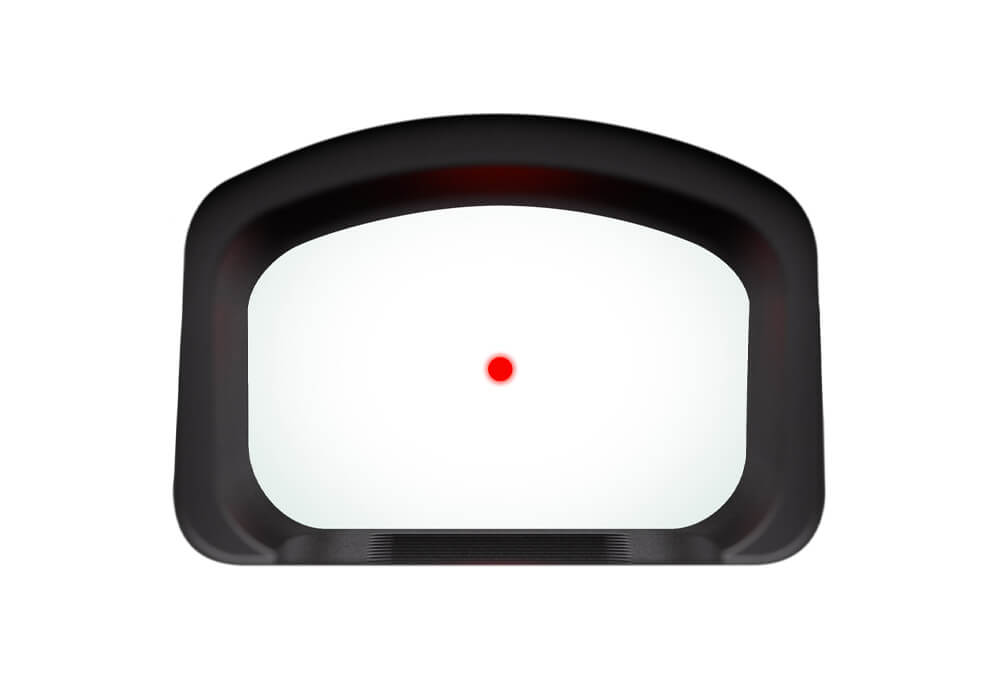
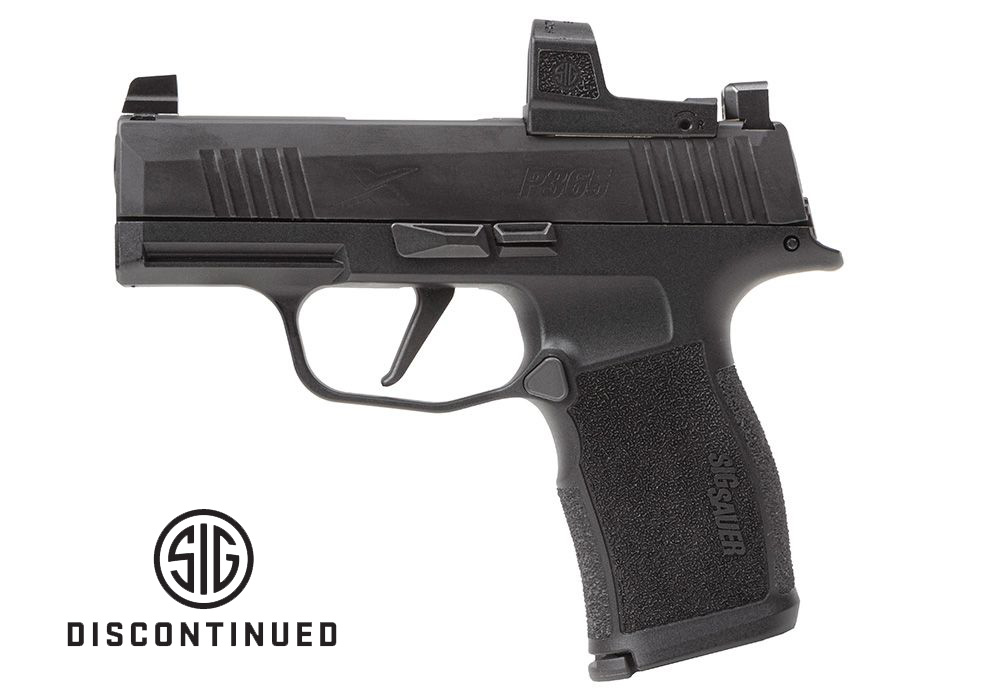
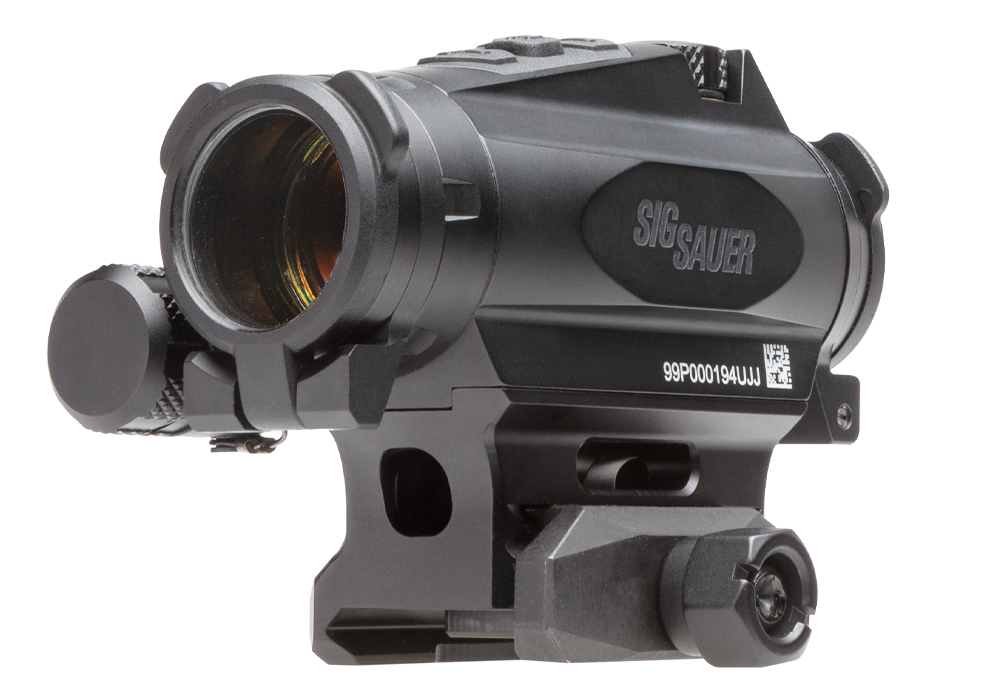
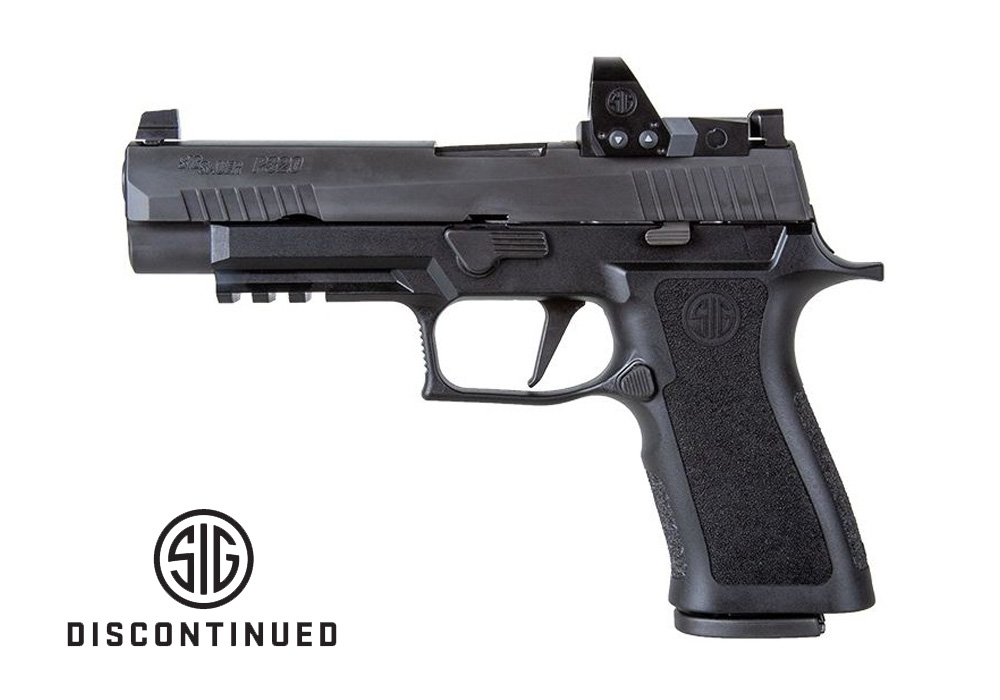
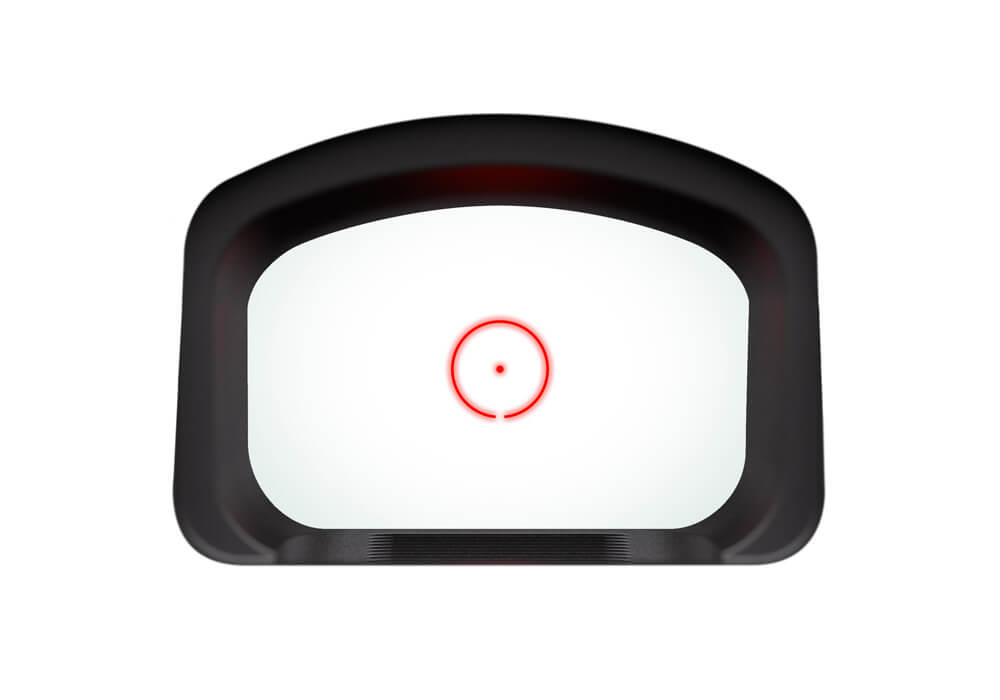
Advanced red dot sights for experts are built for users who already understand the value of a clear aiming reference and want more from an optic than a basic illuminated point. These sights are commonly selected for duty pistols, carbines, rifles, competition setups, training firearms, and carefully configured home-defense platforms where rapid target acquisition, dependable operation, and a durable construction matter. The right sight can feel almost invisible during use: the shooter brings the firearm to a consistent presentation, the viewing window settles in front of the eye, and the reticle appears without the need to align multiple traditional sights. That speed is especially useful when working from awkward positions, moving between targets, or practicing in changing light during the cooler months. Experienced users often pay close attention to the balance between window size, housing strength, optical clarity, adjustment range, and overall footprint. A larger viewing window can make it easier to track a moving target or recover the reticle after recoil, while a compact design may preserve slide clearance, reduce bulk, or fit more naturally on a streamlined carry or duty configuration. Enclosed-emitter sights add another layer of protection by sealing the emitter from rain, dust, mud, snow, and debris that could otherwise obstruct the reticle. Open-emitter designs remain popular in many applications, but enclosed construction is often preferred when an optic may encounter rough handling, field conditions, or equipment contact. For expert users, the most suitable choice is usually the one that complements the entire setup rather than simply offering the largest window or the longest feature list.
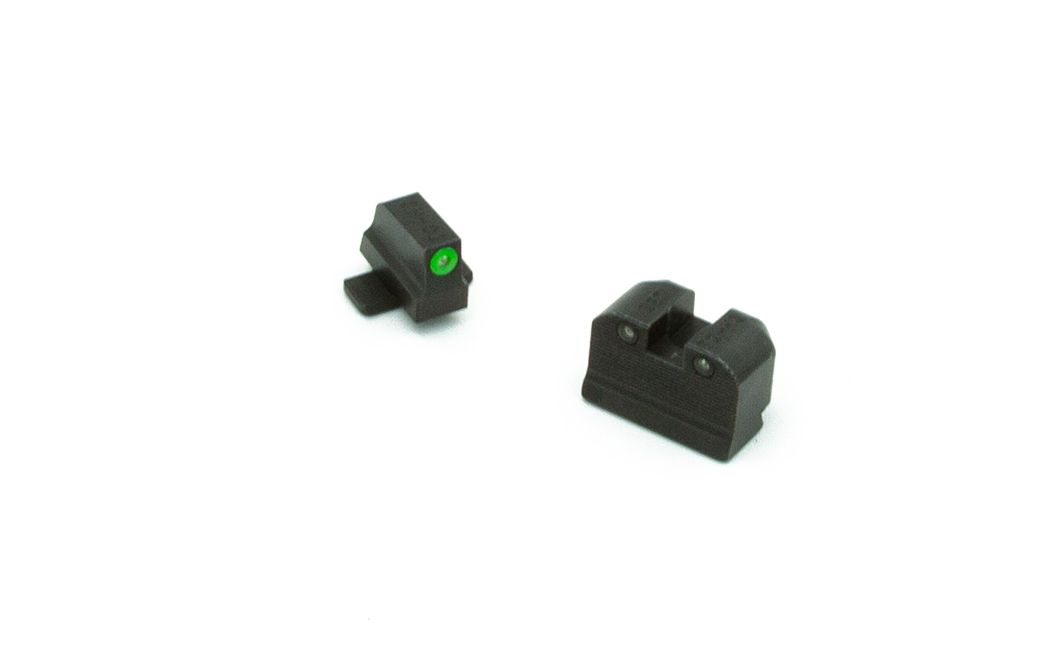
Mounting compatibility deserves the same attention as optical performance. Before selecting an advanced red dot sight, verify the firearm’s cut, adapter plate, rail, and footprint requirements, as well as the height needed for co-witnessing with existing iron sights. Direct attachment can provide a clean, low-profile installation when the firearm and optic are designed to work together, while a robust standardized interface can make it easier to configure a carbine, rifle, or pistol across multiple platforms. A secure mount should maintain zero through normal recoil and handling, and installation should follow the manufacturer’s specifications for fastener type, torque, thread treatment, and inspection. Experts also consider how the optic sits within the overall sighting system. A low mount may support a natural cheek weld on a rifle, while a pistol setup may benefit from suppressor-height backup sights that remain visible through the window. The reticle itself is a personal and practical choice. A simple dot offers an uncluttered aiming point and can be easy to process under pressure; a multi-reticle system may provide a dot, circle, or combined pattern to support different distances, target sizes, and lighting conditions. Brightness controls should be easy to reach without disturbing the firearm, with enough adjustment range for direct sunlight, shaded interiors, and low-light environments. Night-vision-compatible settings are important for users working with image intensification equipment, because visible brightness that looks appropriate to the unaided eye can be too intense through night-vision devices. Expert configurations may also include automatic brightness adjustment, motion activation, or solar-assisted power features, but these should complement—not replace—regular function checks and battery maintenance.
Advanced red dot sights can be a practical choice for experienced shooters, instructors, competitors, armed professionals, and enthusiasts refining a carefully fitted firearm. They may also make a thoughtful gift for someone who has already established a preferred platform and understands the value of upgrading its sighting system; gifting the optic alone is best when the recipient’s footprint, mounting solution, reticle preference, and intended use are known. For a competition shooter, a generous window and a crisp reticle can support rapid transitions between steel, paper, or other approved targets while keeping visual attention downrange. For a patrol, security, or training application, an enclosed emitter and reinforced housing may provide extra confidence when equipment is exposed to holster wear, vehicle interiors, training barricades, or unpredictable weather. On a rifle or carbine, long battery life, dependable illumination, and a rugged mount can support readiness during extended range sessions and outdoor practice. Regardless of the platform, users should confirm zero after installation, after any significant impact, and whenever the optic or mounting hardware has been removed. Keep lenses clean with appropriate materials, inspect the housing and fasteners, and replace batteries according to a deliberate schedule rather than waiting for a dim reticle. It is also worth practicing presentation and target acquisition in the same clothing, lighting, and equipment configuration used in the intended setting; the familiar image of a reticle appearing above the front sight or settling into the center of the window is built through repetition. Shoppers comparing advanced red dot sights can explore High Precision Red Dot Optics while considering firearm compatibility, footprint, window dimensions, emitter protection, adjustment controls, reticle options, night-vision settings, battery access, and warranty support. A well-matched optic should support the way the firearm is carried, mounted, practiced with, and maintained, giving experienced users a dependable aiming reference through bright afternoons, dim indoor ranges, and the changing conditions that come with the transition into cooler weather.