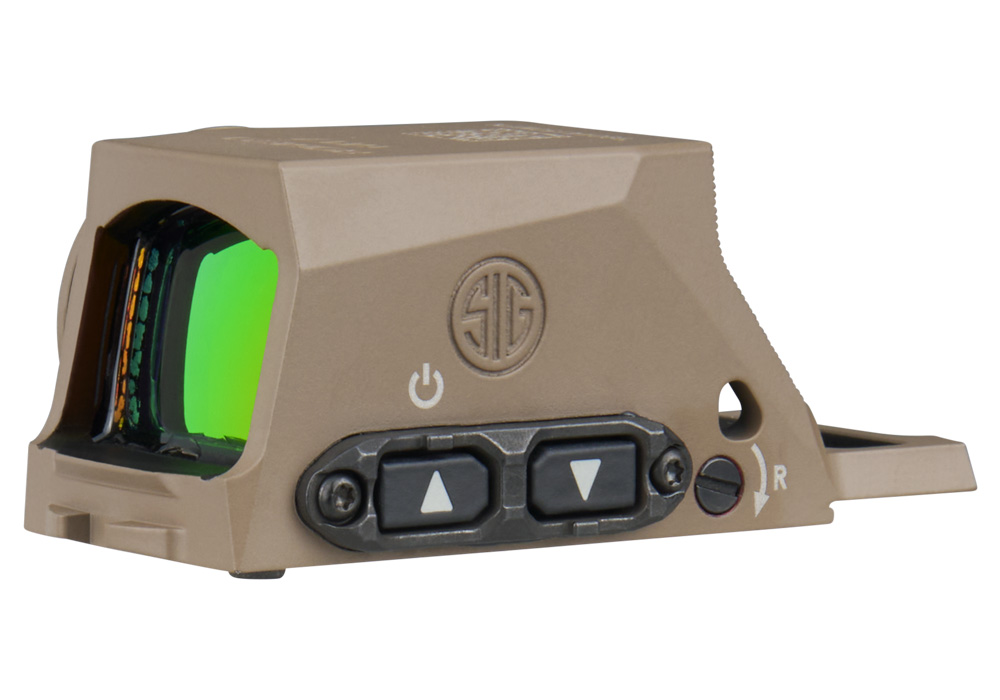
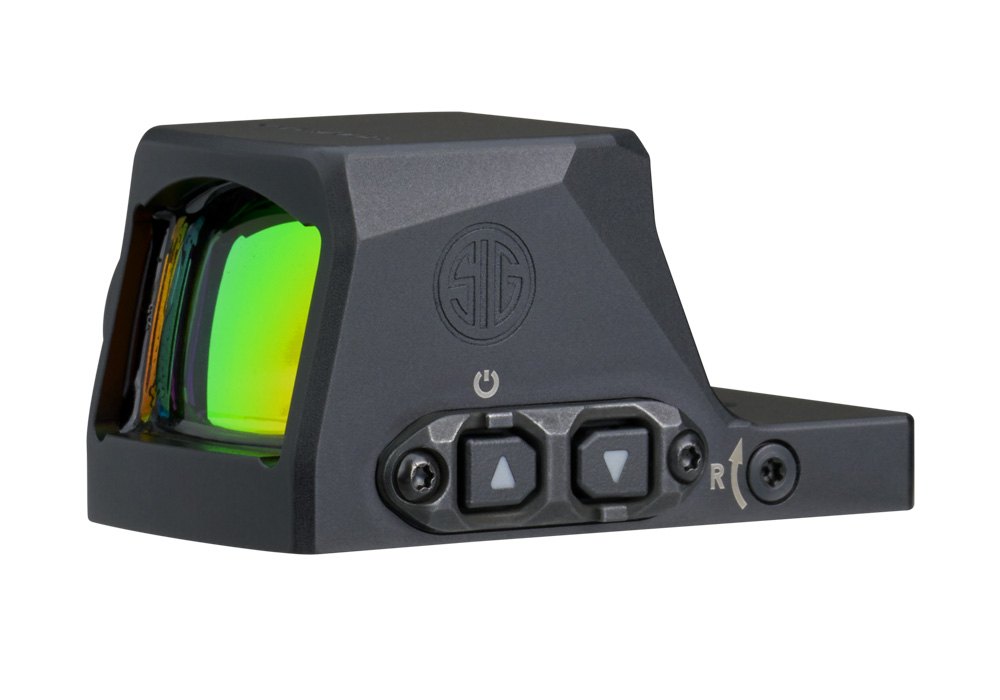
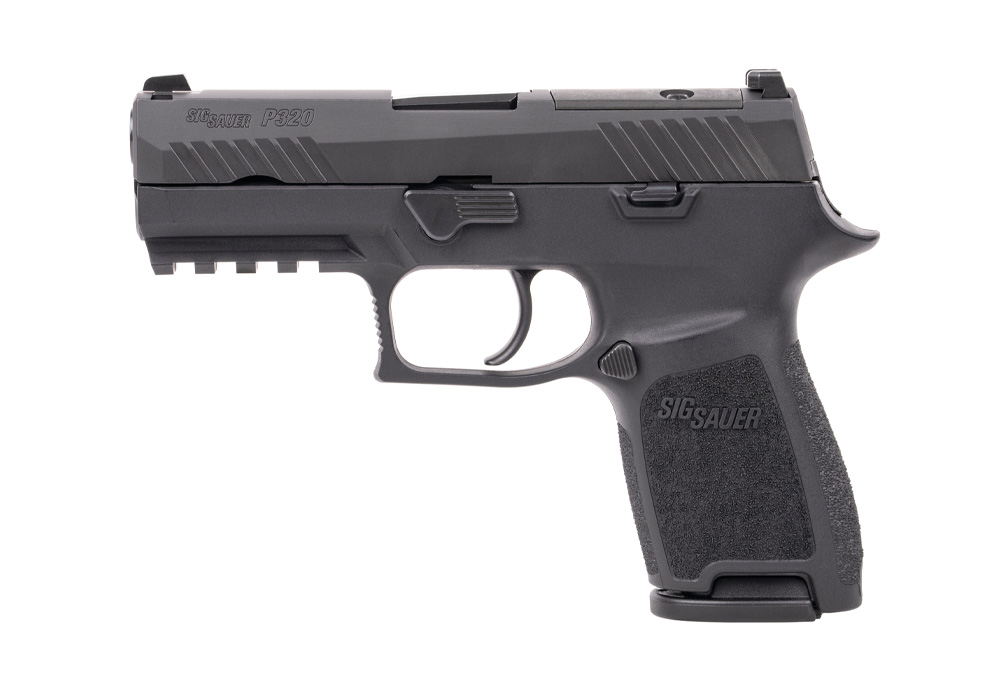
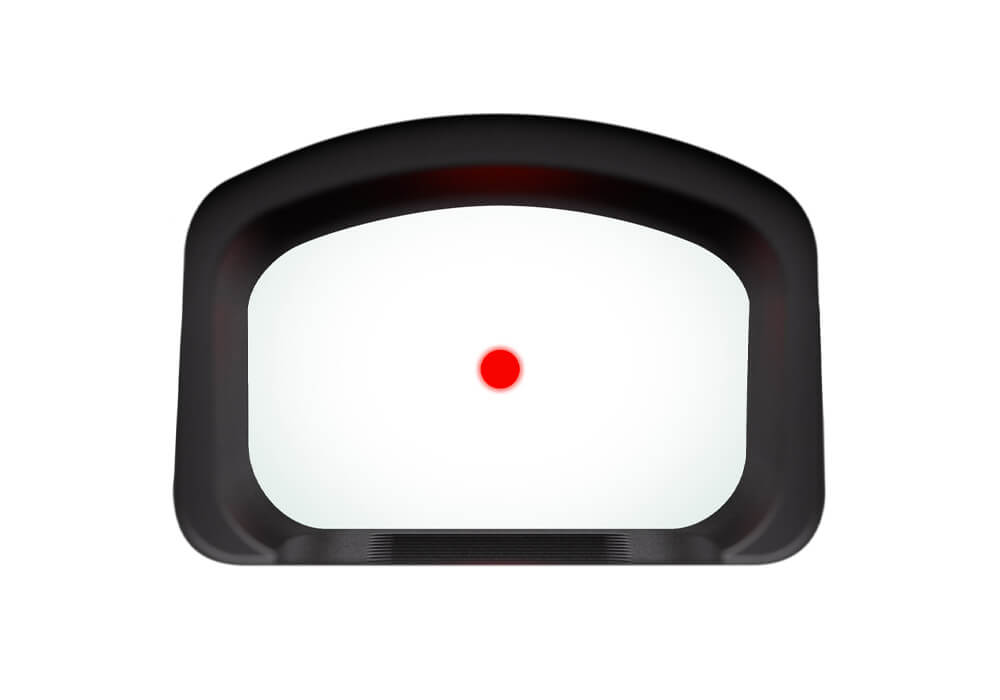
Compact reflex sights for polymer pistols bring an illuminated aiming point to a lightweight handgun without the bulk associated with larger optics. Typically unmagnified, these sights display a dot or another reticle within a viewing window, allowing the target and aiming reference to remain visible together. The reticle appears in the optic rather than being projected onto the target. For a pistol used at the range, in organized competition, or for lawful personal protection, a compact sight can offer a readily visible aiming reference while preserving a manageable overall profile. That balance matters on a slim handgun, where housing width, sight height, and added weight are especially noticeable. The polymer frame does not determine optic compatibility by itself; the slide’s mounting interface and the pistol’s exact configuration are the deciding factors. Some optic-ready slides accept a compatible sight directly, while others require an appropriate mounting plate. A shared footprint designation is an important starting point, but screw specifications, mounting depth, housing clearance, and manufacturer approval also matter. Two pistols with similar dimensions can have different mounting requirements, and different slide configurations within the same pistol family may not accept the same optic. A suitable pairing keeps the sight properly supported without interfering with nearby components. Mounting height also affects the relationship between the optic and the pistol’s iron sights. Standard-height iron sights may not remain visible through every optic, and taller sights do not guarantee a useful sight picture with every combination. Holster fit deserves the same attention: an optic-compatible holster needs clearance for the actual housing, not simply a general designation for an optic-equipped pistol. For owners who prefer a compact handgun’s familiar handling and proportions, these details distinguish a well-integrated sight from one that merely appears small in a product photograph. Published dimensions and compatibility information offer a more reliable basis for comparison than appearance alone, especially when the pistol already has an established holster and sight arrangement.
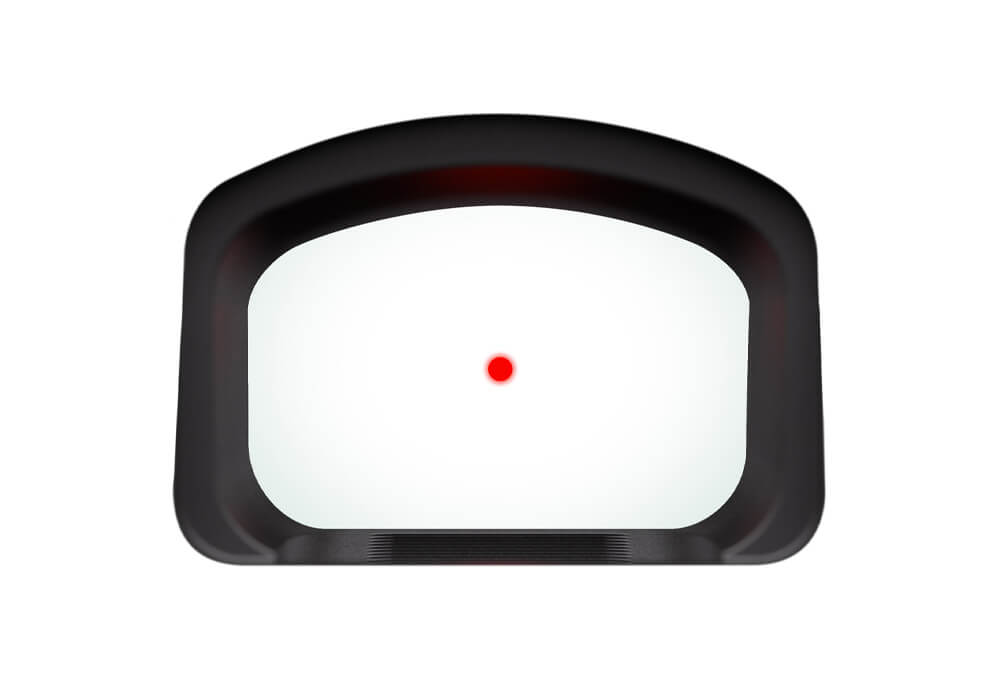
The viewing window, reticle, and brightness controls shape the everyday experience of a compact pistol optic. A larger window can provide a more open view, while a narrower housing may better complement a slim slide. Neither measurement tells the whole story: the thickness of the surrounding frame, lens clarity, and optical distortion also influence how unobstructed the view feels. Reticle size is commonly expressed in minutes of angle, or MOA. A smaller dot covers less of the target at a given distance, while a larger dot can be easier for some shooters to distinguish. Personal vision, ambient light, and brightness settings all affect perceived dot appearance, so the same reticle may look different to different people. Lens coatings help reflect the illuminated aiming point and may introduce a visible tint; a useful comparison considers that tint alongside clarity and the sight’s overall optical quality. Brightness adjustment can be manual, automatic, or a combination, depending on the design. Accessible controls and a practical adjustment range matter when moving between an indoor shooting lane and a brightly lit outdoor range. Open-emitter sights leave the light source exposed within the housing, often supporting a simple, low-profile design. Enclosed-emitter sights place the light source within a protected optical chamber, helping limit its exposure to lint, dust, and other debris. Both designs still require clean viewing surfaces and routine inspection. Battery access is another meaningful distinction. A top- or side-access compartment may allow battery replacement without removing the sight, while an underside compartment generally requires removal. That difference affects maintenance convenience and whether the mounting arrangement must be disturbed. Advertised battery life should be considered together with the stated brightness setting, battery type, and power-management features. Motion activation and automatic shutoff, when included, can reduce unnecessary battery use, but they do not eliminate the need for periodic function checks. On a compact optic, controls that remain easy to identify and operate are often more valuable than a long list of features.
Housing construction and everyday care are just as important as optical specifications. Compact reflex sights may use aluminum or engineered-polymer housings, with each design balancing weight, dimensions, and structural protection differently. Material alone does not establish durability: housing geometry, lens protection, mounting integrity, and suitability for repeated slide movement all contribute. An optic intended for a reciprocating pistol slide needs an appropriate recoil rating, rather than simply a compact exterior. Protective finishes can help resist surface wear, although contact with holsters, storage cases, and other equipment can leave marks over time. Compact Black Reflex Sights offer an understated appearance that coordinates naturally with many polymer-frame pistols, while matte surfaces can help limit distracting reflections from the housing. Cleaning requirements remain straightforward but specific to the optic: approved lens-care materials help preserve coatings, and harsh solvents intended for other firearm components may not be suitable for optical surfaces or seals. Lint around an exposed emitter, fingerprints on a window, or residue near a control can affect usability even when the housing looks clean. Manufacturer care instructions establish which cleaning methods and products are appropriate. A protective cover, when compatible, can help keep viewing surfaces clean during storage or transport, and periodic inspection can reveal damaged seals, loose components, or a fading aiming point before the next range visit. For recreational shooters, the appeal may be a clear aiming reference during regular practice; for competitors, it may be an optic that suits their pistol and the rules of their chosen division. Owners selecting an optic for lawful carry also have to account for holster compatibility, secure mounting, and dependable operation. As a gift for a knowledgeable pistol owner, a compact reflex sight is most thoughtful when the recipient’s exact slide configuration and preferences are already known. Across these uses, a suitable optic balances verified fit, a comfortable viewing experience, accessible controls, and maintenance requirements that fit the owner’s routine.