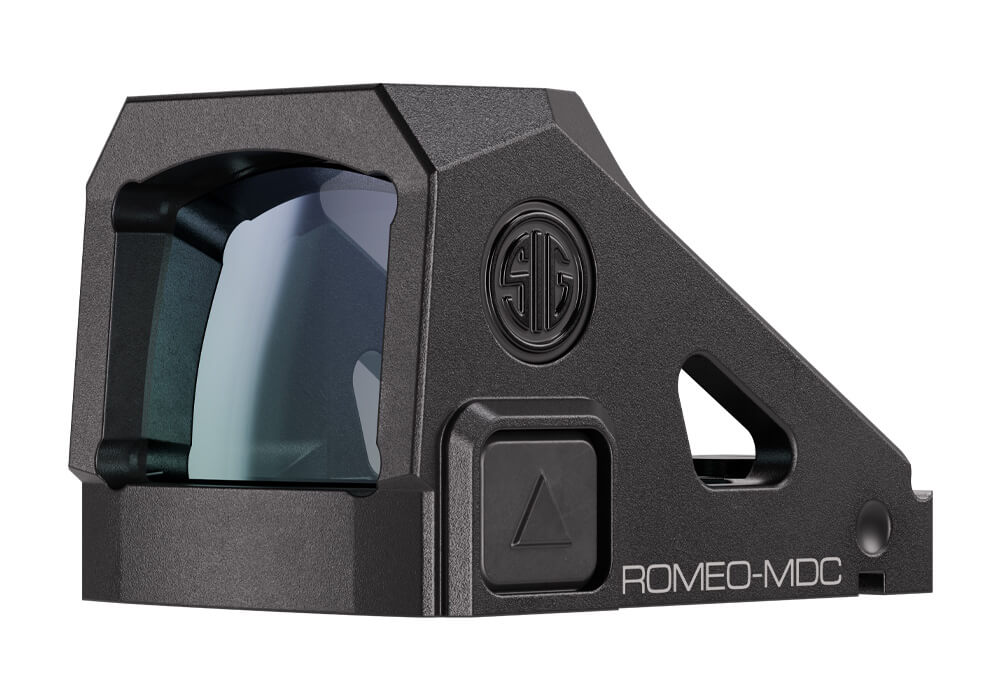
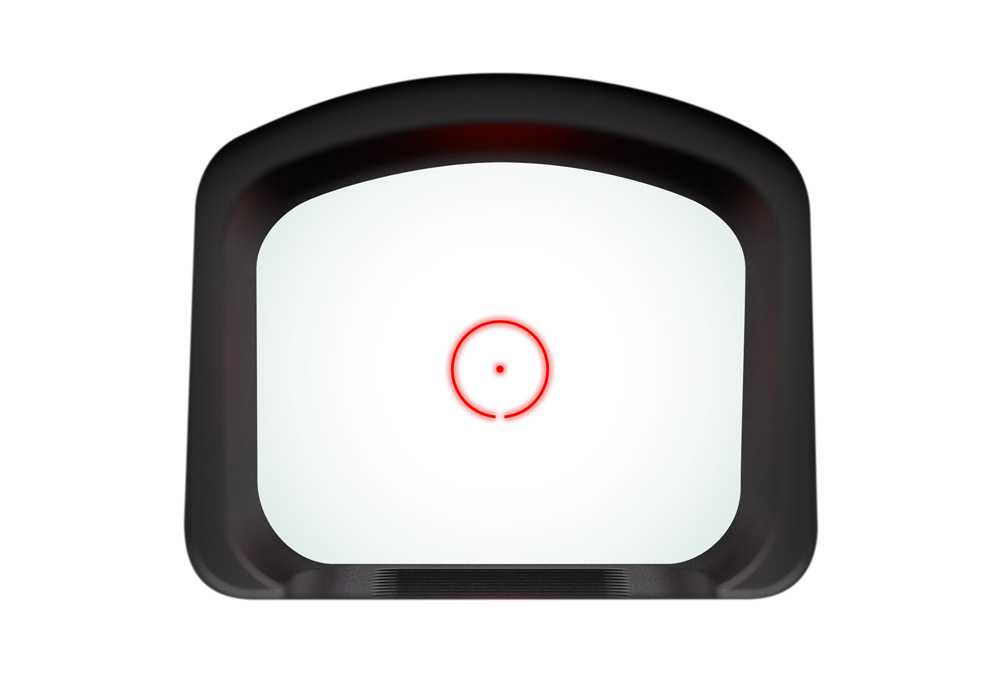
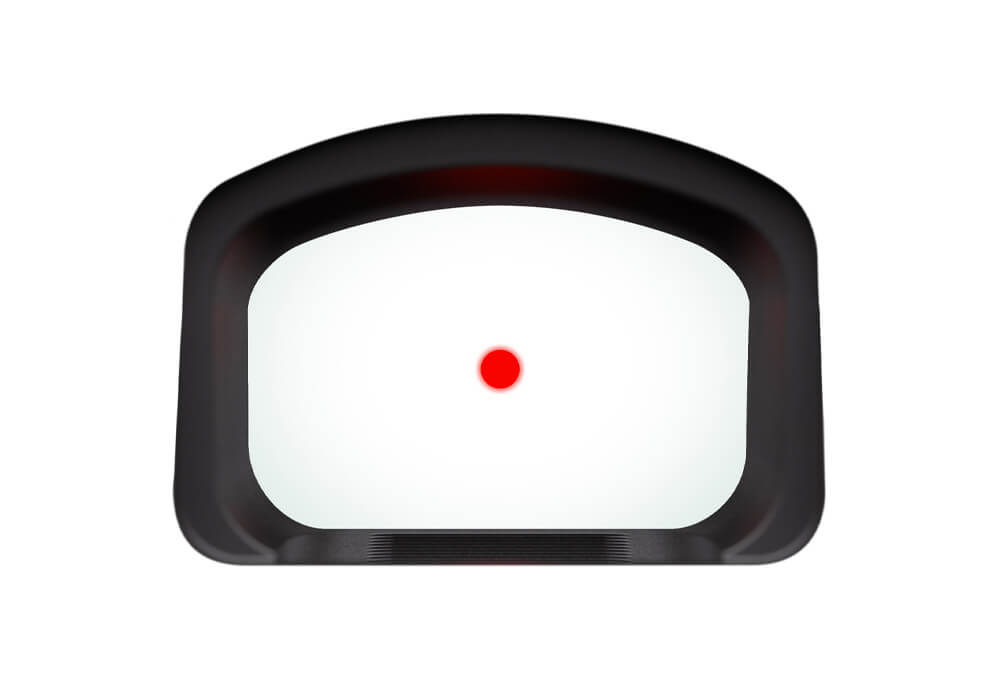
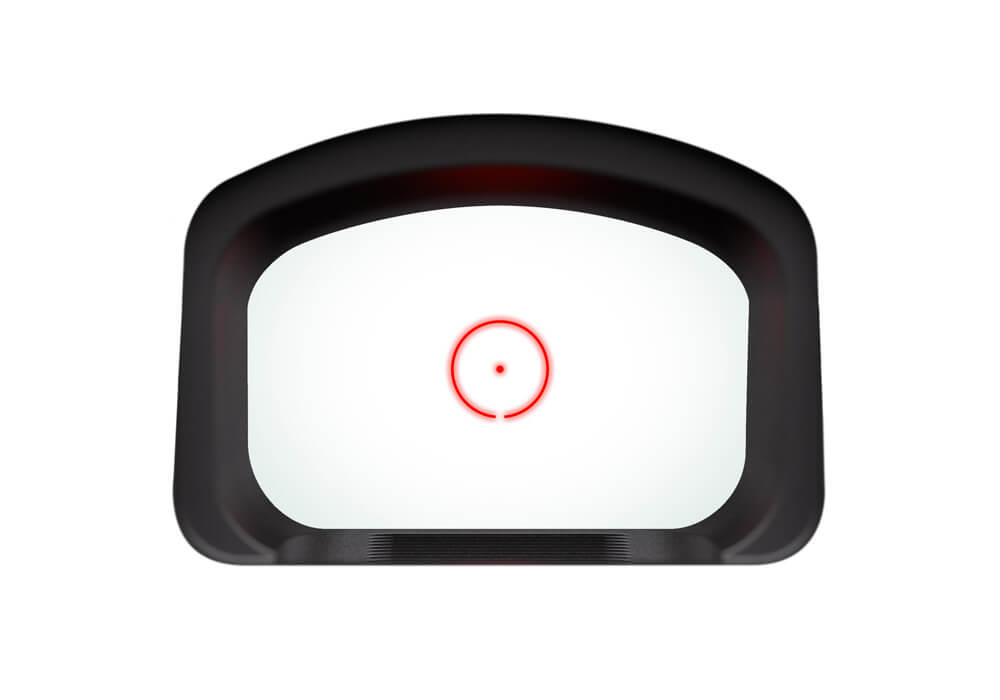
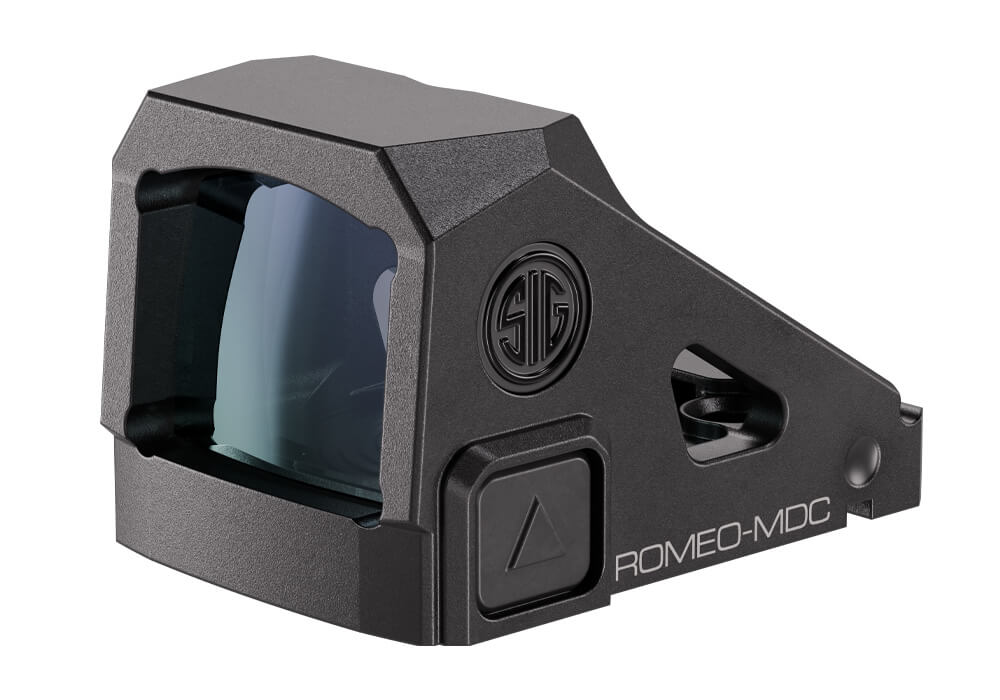
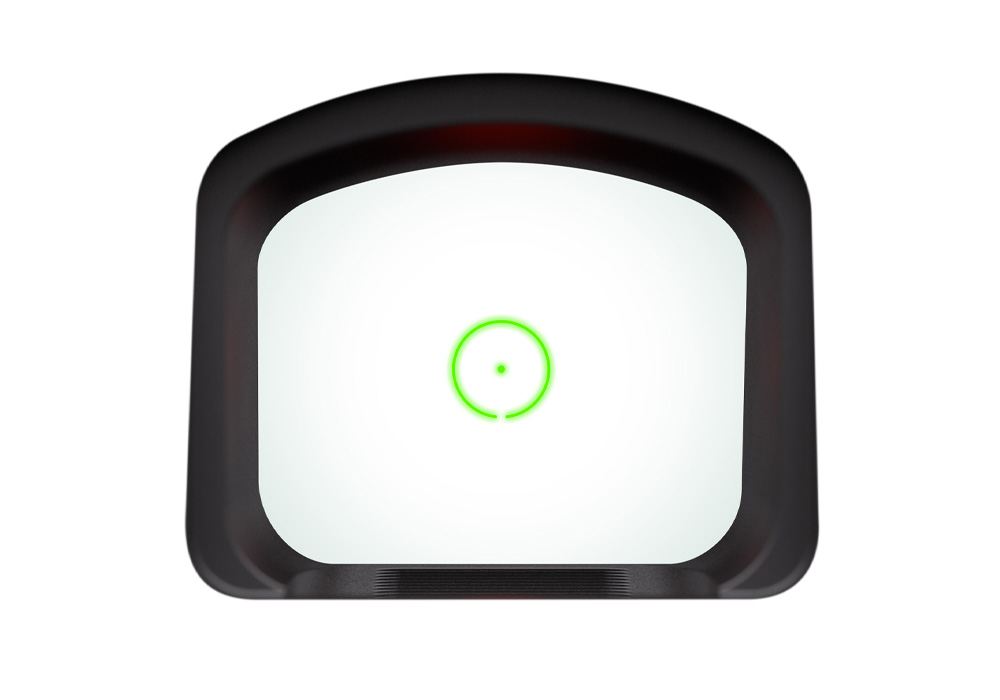
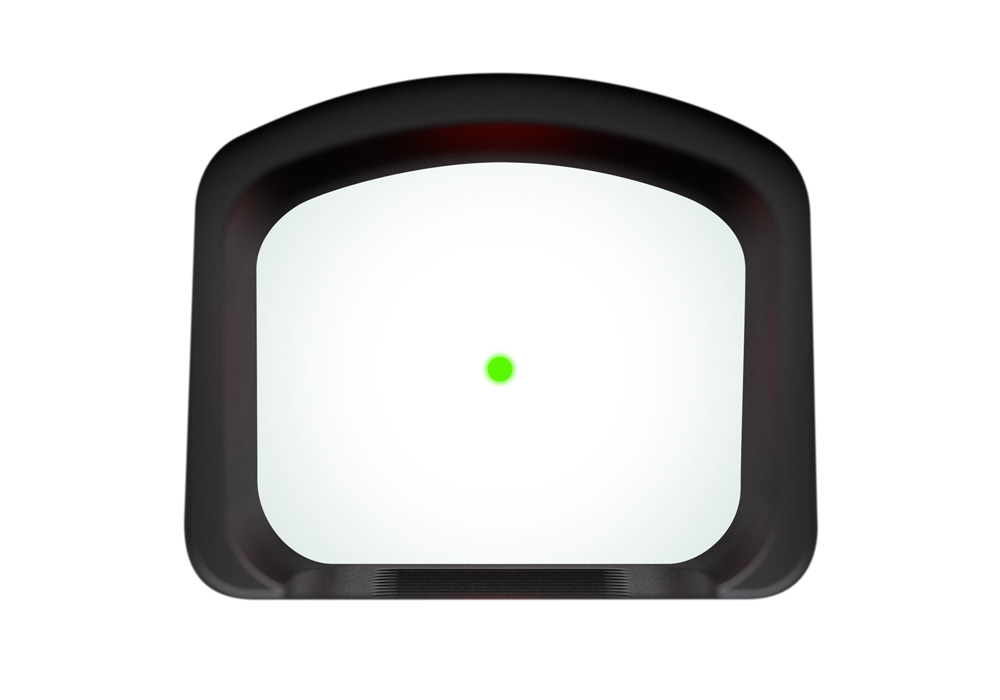
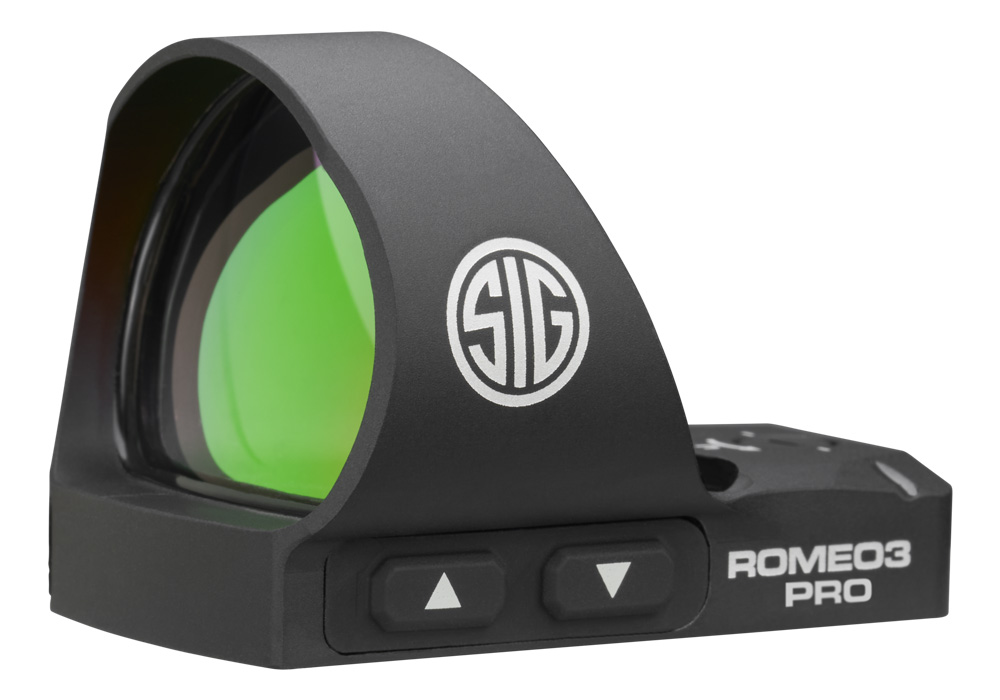
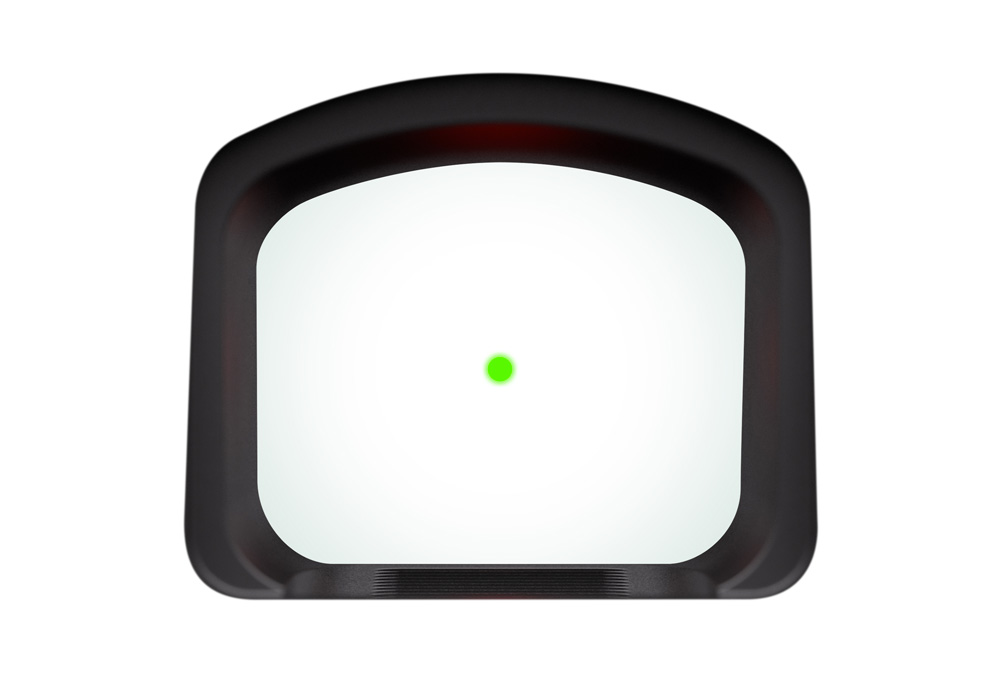
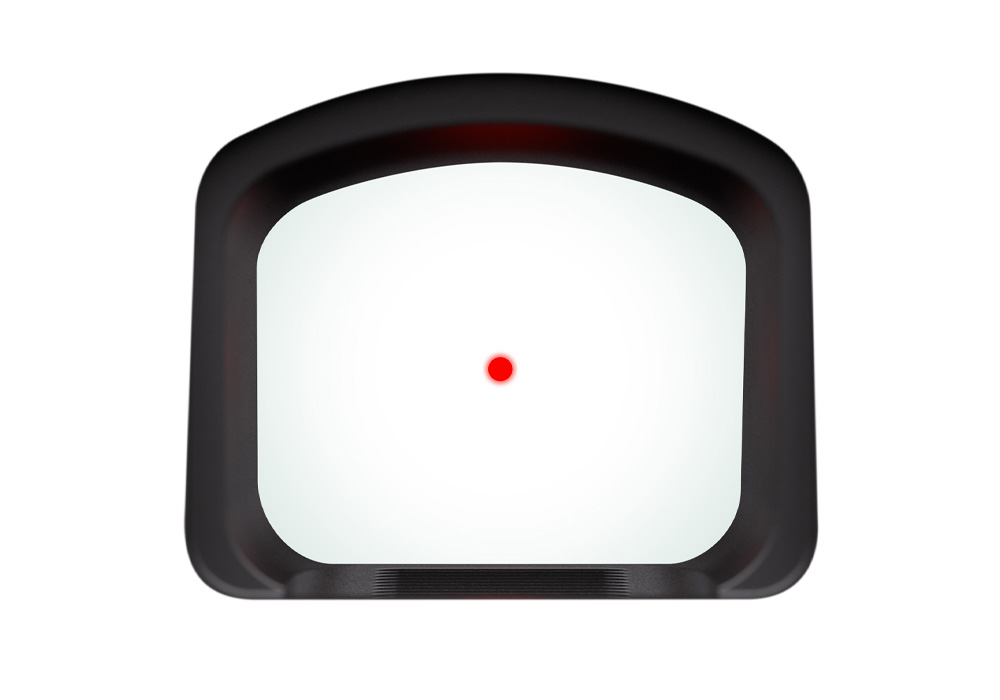
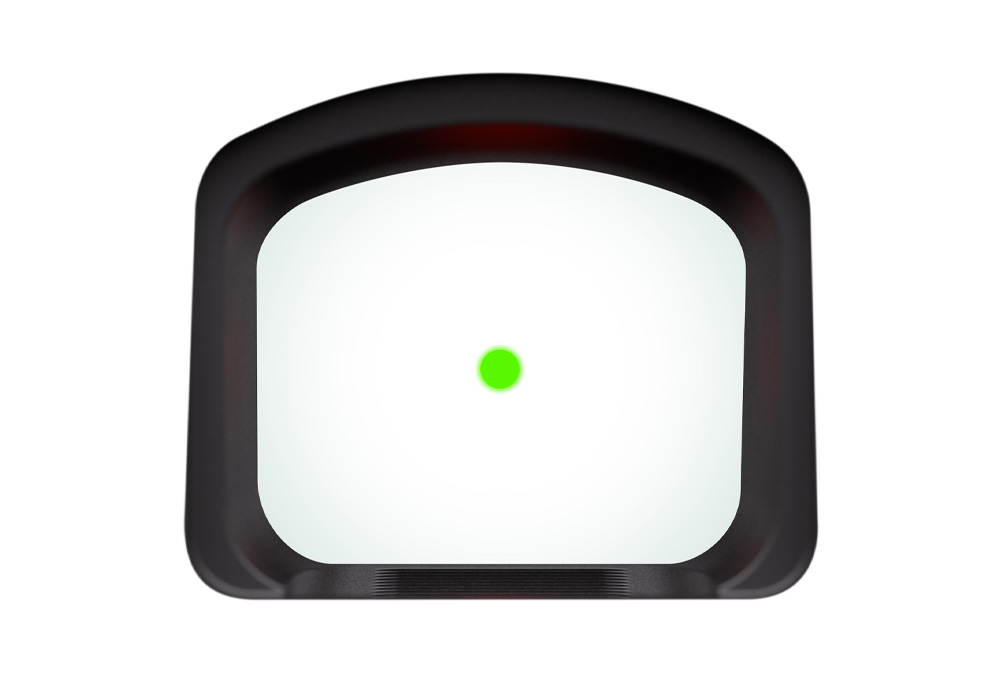
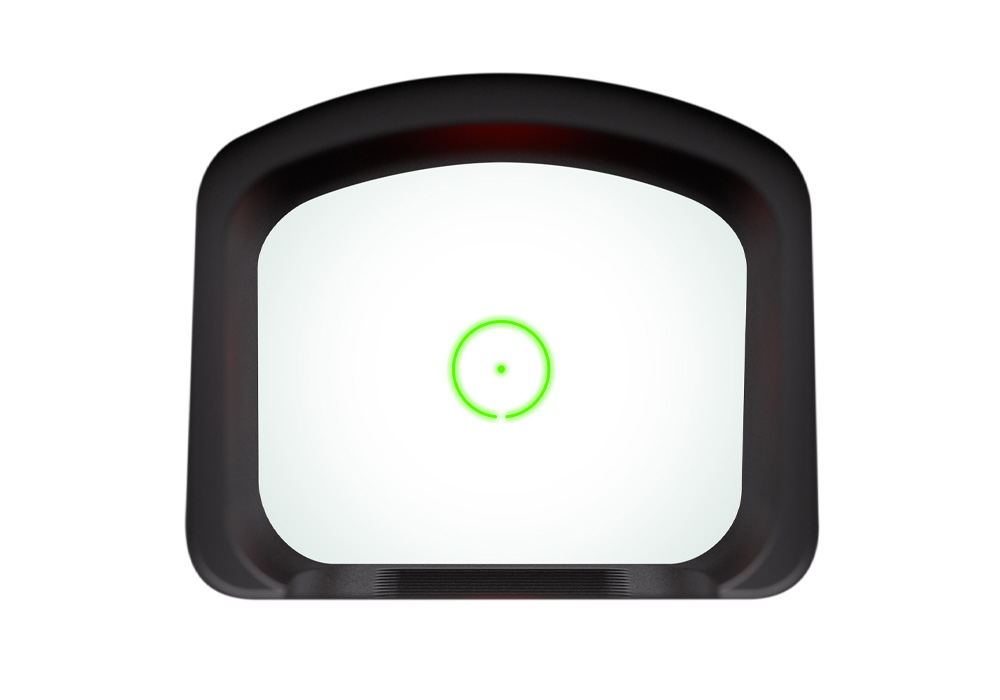
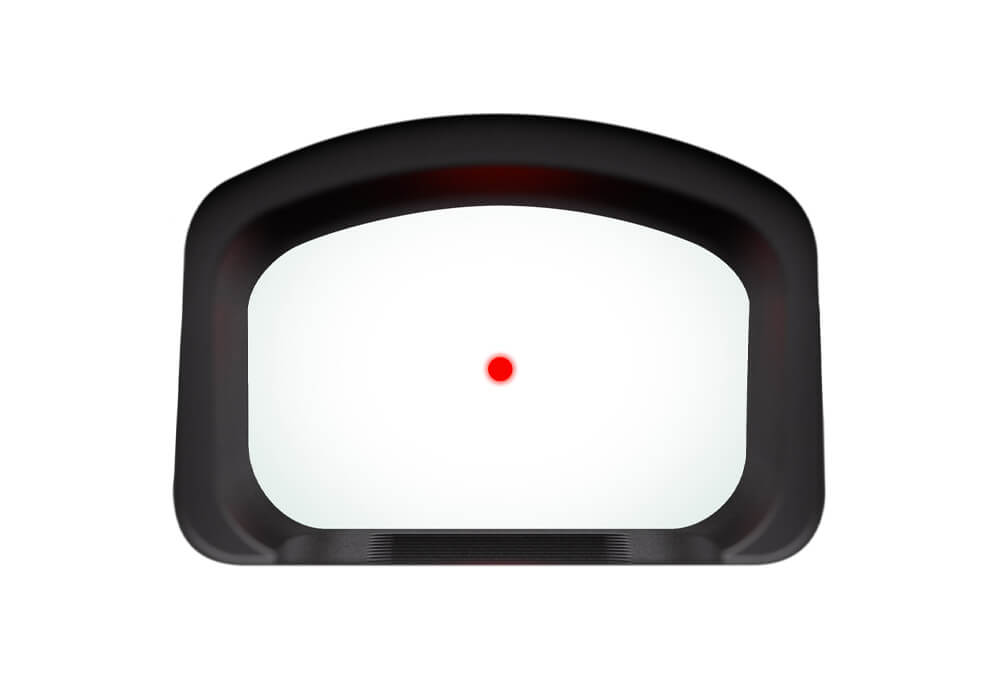
Compact reflex sights for handguns offer a practical way to add a crisp aiming reference without the bulk associated with larger pistol optics. Designed for concealed-carry pistols, compact defensive handguns, and range setups where a low-profile sight is important, these optics typically use a small aluminum housing, a streamlined window, and a red or green illuminated reticle. The smallest models are often measured in fractions of an ounce and are built around popular micro-optic footprints, including RMSc- and K-series patterns, although mounting standards vary considerably. Before choosing a sight, confirm the exact cut or adapter pattern on the handgun, the available clearance around the slide, and whether the mounting screws supplied with the optic are appropriate for that firearm. A proper fit is more than a matter of convenience: it affects how securely the sight stays mounted, how easily it can be zeroed, and whether the optic sits at a useful height alongside the existing sights. A compact reflex sight may feature a simple 2 MOA or 3 MOA dot for a precise aiming point, a larger 6 MOA dot for quick visibility, or a circle-dot reticle that combines an easily acquired ring with a defined center point. Shooters who prefer a clean sight picture may favor a single dot, while those who spend time practicing presentations from concealment may appreciate a reticle that is easier to locate as the pistol comes up into view. Reticle brightness should be adjustable for indoor spaces, bright outdoor light, and changing conditions during the cooler months, with controls positioned so they can be reached without unnecessarily disturbing the handgun.
The choice between an open-emitter and enclosed-emitter reflex sight is another important consideration. Open designs can provide a remarkably slim profile and broad viewing area, which may be helpful on a narrow slide or a handgun carried close to the body. Enclosed designs protect the emitter behind a second lens or housing, helping keep dust, lint, rain, and other debris away from the light source. Either configuration can be a sound choice when its size, mounting system, controls, and intended use match the handgun. Look for a durable housing, clear glass, positive adjustment clicks, and a battery compartment that can be accessed without removing the optic when possible. Side-access battery trays are particularly convenient because they allow a fresh battery to be installed while preserving the established zero. Battery life varies with reticle style, brightness setting, and automatic illumination features, so review the manufacturer’s specifications and maintain a replacement schedule rather than relying solely on a published maximum. Some compact sights include motion activation, automatic shutoff, or ambient-light adjustment; these features can simplify everyday carry, but users should still verify the sight’s status before practice or lawful defensive use. A window that appears small in the hand can become surprisingly usable with consistent training. The key is learning to present the handgun in the same repeatable manner every time, keeping both eyes open when appropriate, and confirming that the chosen brightness does not wash out the reticle against a bright background. For shooters who notice starbursts or flaring around an illuminated dot, testing different reticle sizes, colors, and brightness levels may improve the sight picture, though a qualified eye-care professional can help distinguish vision-related effects from optic settings.
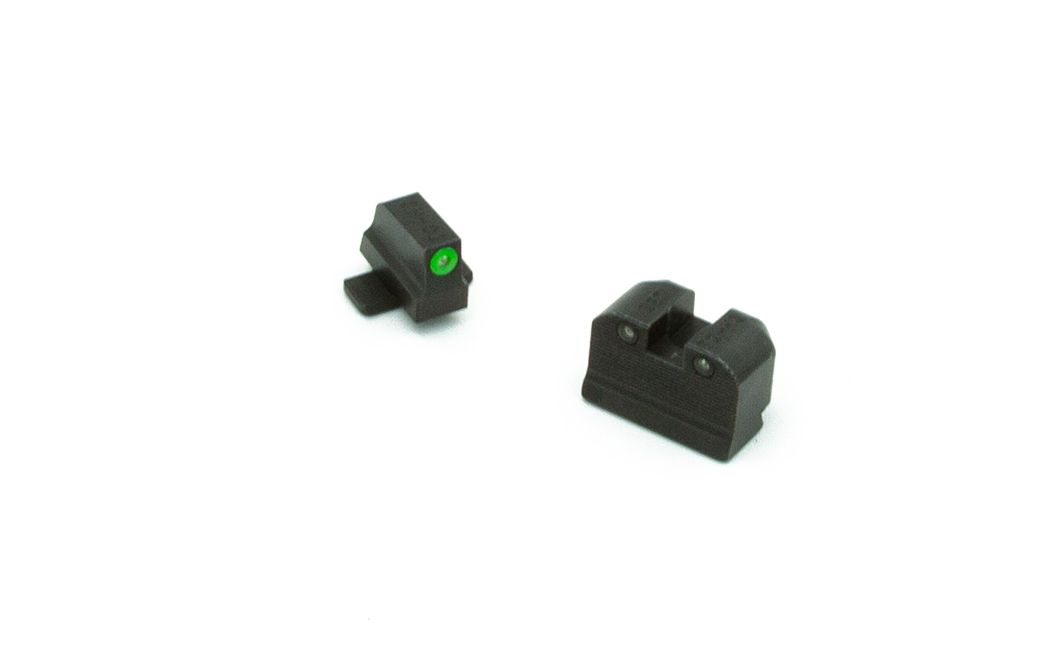
Compact reflex sights can suit experienced handgun owners, new shooters learning a modern sighting system, and concealed carriers who want an additional reference during structured practice. They can also make a thoughtful gift for a lawful firearm owner who has an optics-ready pistol, provided the recipient’s handgun model and mounting footprint are confirmed before purchase. A sight selected as a gift should be paired with practical details such as the correct screws, a compatible plate if required, a fresh battery, and access to professional installation or a torque driver. Installation should follow the optic and firearm manufacturer’s instructions, and the mount should be checked periodically for movement, damaged hardware, or loss of zero. After mounting, begin at a close, safe distance on a properly supervised range and confirm the point of impact before extending the distance. A final zero should be verified with the ammunition intended for regular use, since different loads can produce different results. Training with a compact optic is most productive when it includes slow presentations, unloaded dry practice in a safe environment, recoil recovery, and confirmation that the dot remains visible from realistic shooting positions. Traditional sights remain a useful backup, and some optic-ready handguns allow the existing sights to co-witness through the window or use suppressor-height sights for an elevated reference. For shooters comparing reticle styles, our selection of Circle Dot Reflex Sights for Pistols provides another way to evaluate the balance between a fast-acquiring ring and a precise center dot. Whether used for range training, competition, or lawful concealed carry, the most suitable compact reflex sight is the one that fits the handgun securely, remains unobtrusive during everyday handling, offers a clear reticle in the user’s normal lighting conditions, and supports safe, consistent practice.