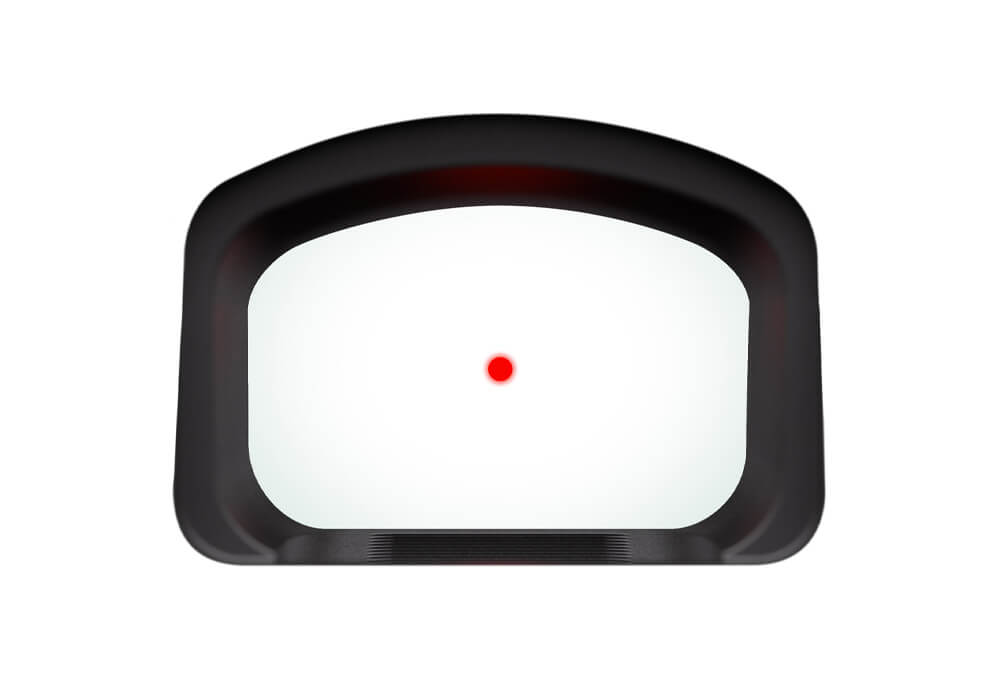
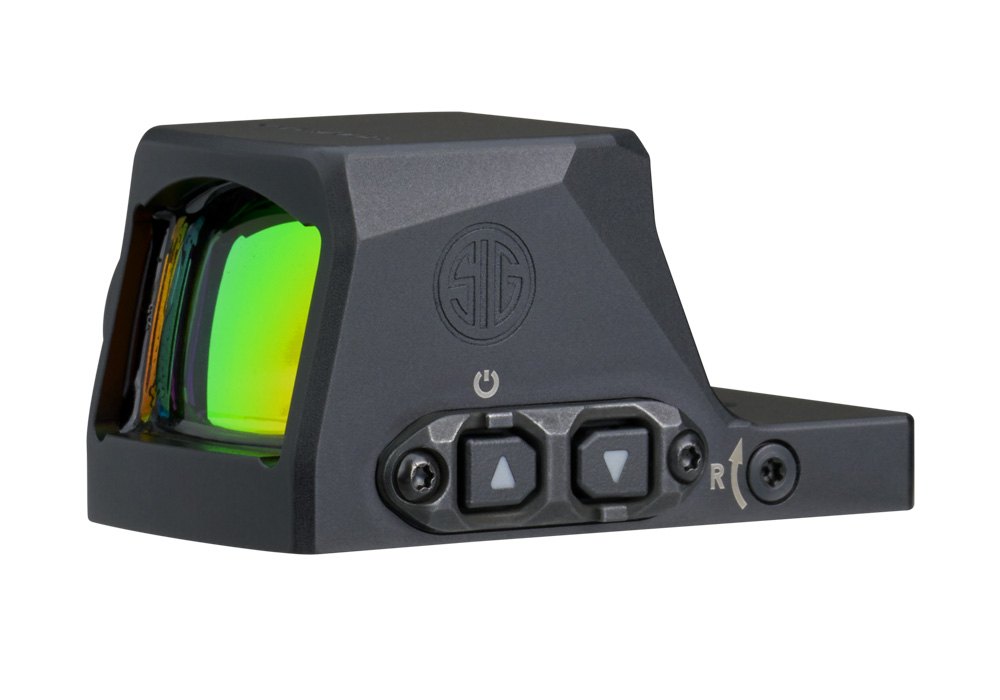
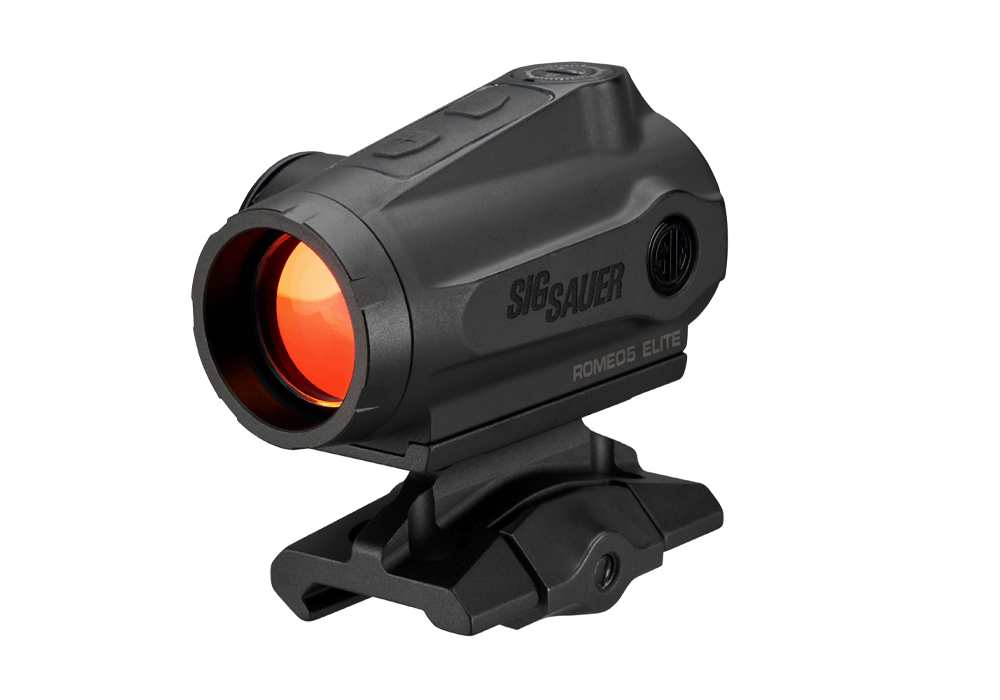
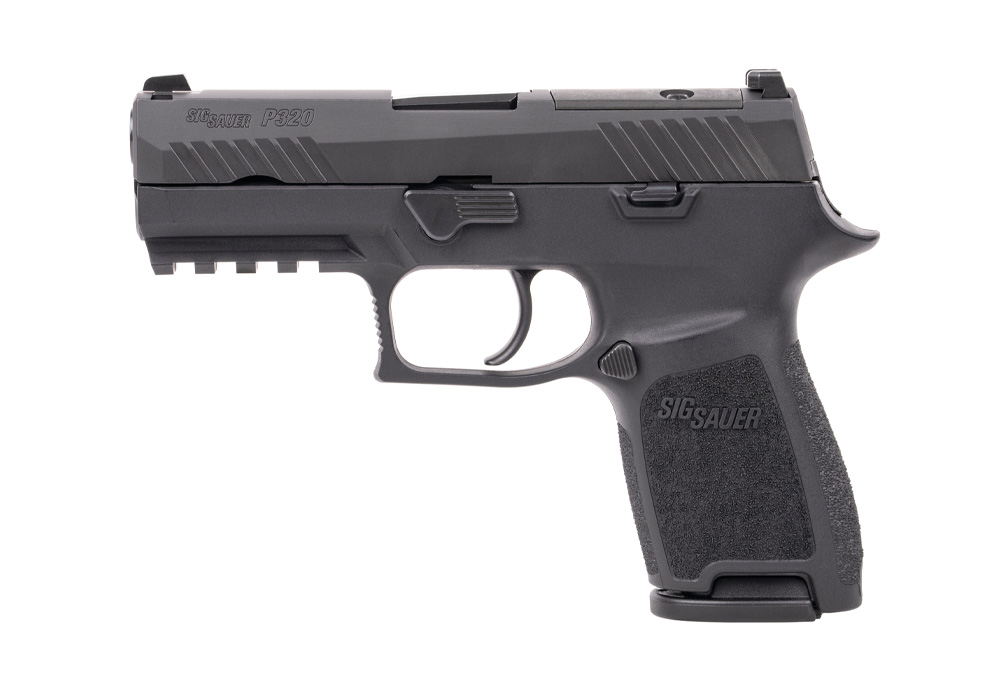
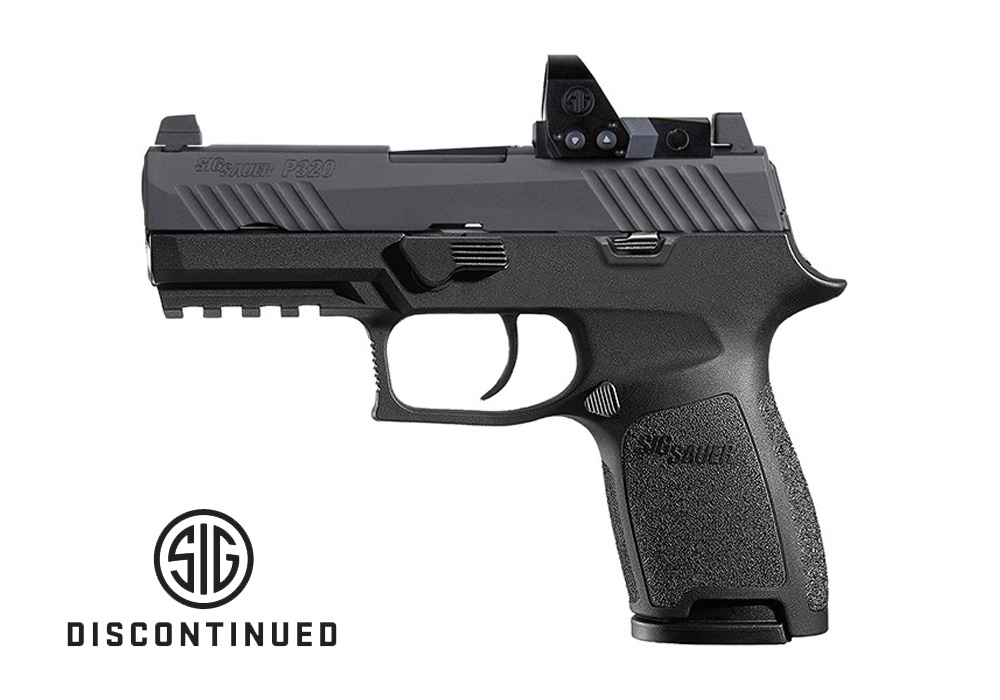
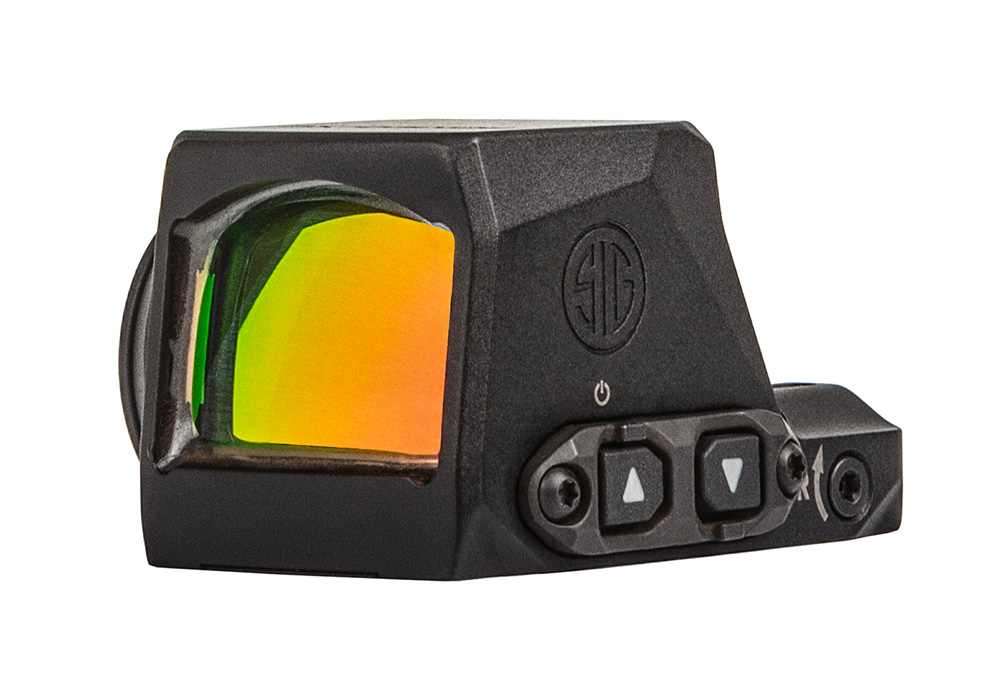
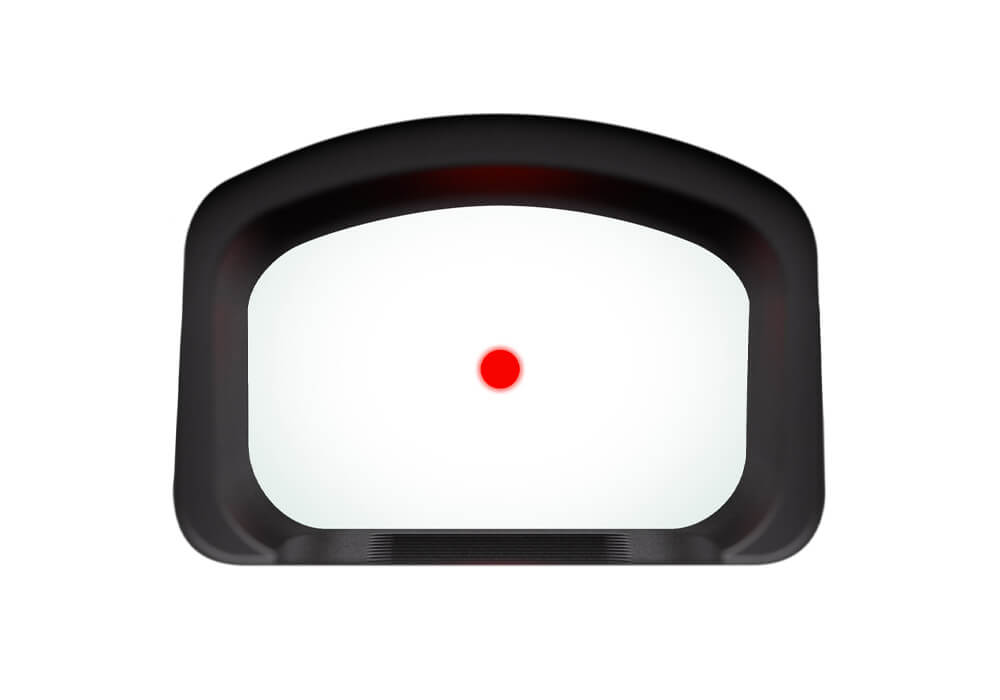
Compact black reflex sights are small, nonmagnifying optics that display an illuminated aiming point through a viewing window, helping shooters keep their attention on the target rather than align a front and rear sight. Their low-profile dimensions suit compatible pistols, compact carbines, and shotguns where unnecessary bulk can interfere with handling, storage, or equipment fit. Many shooters use reflex sights with both eyes open, maintaining a broader view around the target while seeing the reticle within the optic’s window. The black housing provides a restrained appearance that coordinates naturally with many firearm finishes, mounting plates, and accessories. A matte surface can also reduce reflections from the exterior, although color alone says nothing about optical quality or structural strength. Within this category, differences in window shape, housing width, reticle design, and control placement can matter as much as overall size. A smaller body keeps the setup trim, while a more generous viewing window may make the aiming point easier to locate during a consistent presentation at the range. Reticles commonly include a single dot, with some designs offering additional patterns or selectable configurations. Dot size is typically expressed in minutes of angle, or MOA: a 2 MOA dot covers less of the target than a 6 MOA dot at the same distance. Smaller dots can support precise aiming on fine target details, while larger dots may be easier for some shooters to see clearly. Neither size is automatically better for every eye or application. Brightness adjustment is equally important because an overly intense dot can appear larger or less defined against a pale paper target. Lens coatings, glass clarity, and the visible tint through the window also influence the viewing experience. A well-matched reflex sight brings these characteristics together in a compact format that feels proportionate to the firearm, with controls and a reticle suited to the shooter’s usual range activities.
Construction and mounting compatibility distinguish compact optics that look similar in photographs. Aluminum housings are common, and some designs incorporate reinforced polymer components to balance weight, structure, and profile. Protective finishes help resist surface wear, but the material specification, housing geometry, lens protection, and stated testing provide more useful durability information than appearance alone. An open reflex sight places the emitter behind an exposed viewing window, creating a relatively simple layout with little surrounding bulk. An enclosed design protects the emitter within a housing, reducing its exposure to lint, dust, and other debris. Neither architecture should be assumed to have a particular water-resistance rating without supporting specifications. Fit begins with the mounting footprint, which describes the interface between the optic and its mounting surface. Two sights with nearly identical dimensions may use different screw spacing, locating features, or mounting hardware. Direct mounting can keep the optic closer to the firearm, while an adapter plate may be necessary for a compatible installation. Screw length, thread specifications, and recommended tightening values are part of that fit; a secure installation depends on the complete interface, not simply whether the screws enter the holes. The Compact Reflex Sights for Polymer Pistols collection offers a related starting point for shoppers focused on that firearm category, though compatibility still depends on the individual slide cut or mounting system. Installed height also affects whether existing iron sights remain visible through the window, and that relationship varies with the firearm, plate, optic, and sight heights. For a pistol carried in a holster, clearance around the optic body and access to the holster’s retention features deserve attention alongside the mounting fit. Battery access adds another practical distinction. A side or top compartment may permit replacement without removing the optic, while an underside compartment can require removal and a subsequent zero check. Battery-life claims, motion activation, automatic shutoff, and brightness memory are useful features to compare, but their operation and limitations depend on the design and settings.
The intended use gives these details a practical context. A recreational target shooter may value a crisp aiming point and straightforward adjustments for repeated sessions on paper or steel targets at an appropriate range. A competition participant might place greater emphasis on window visibility, control access, and a setup that remains consistent through frequent practice. Owners of compatible firearms used for lawful personal protection may prioritize secure mounting, reliable illumination, and a profile that works with their existing carry equipment. Newer shooters can also appreciate the single aiming reference, particularly when learning under qualified supervision, although an optic does not replace safe handling or sound fundamentals. At a range bench, the difference between a comfortable setup and a distracting one may be as simple as a brightness button that is easy to reach or a window that stays clear after routine cleaning. Care is generally straightforward but should follow the optic manufacturer’s recommendations. Loose grit is best removed before wiping a lens, and a clean lens cloth with an approved cleaning solution helps protect coatings from abrasive residue. Household cleaners, rough fabric, and excessive pressure can damage optical surfaces or seals. Keeping the emitter area clear on an open design, inspecting accessible hardware, and monitoring battery condition help maintain a dependable viewing experience. Any cleaning or inspection involving the firearm should take place with it unloaded and handled according to its safety instructions. Protective covers and suitable storage can limit contact with other equipment, while periodic checks at the range confirm that the sight remains properly zeroed. For a gift recipient who enjoys target shooting or refining a compatible firearm setup, a compact reflex sight can be a thoughtful equipment choice when the mounting requirements and preferred reticle are known. The most satisfying match is not necessarily the smallest housing or the longest feature list. It is an optic whose dimensions, materials, viewing window, power system, and mounting interface work together for the firearm and the person using it.