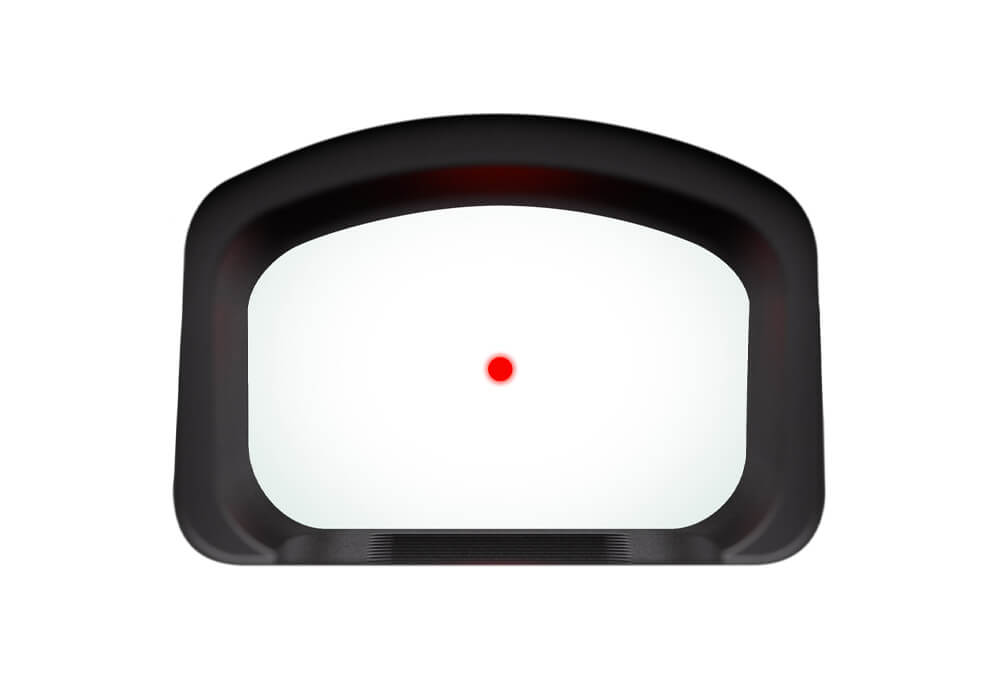
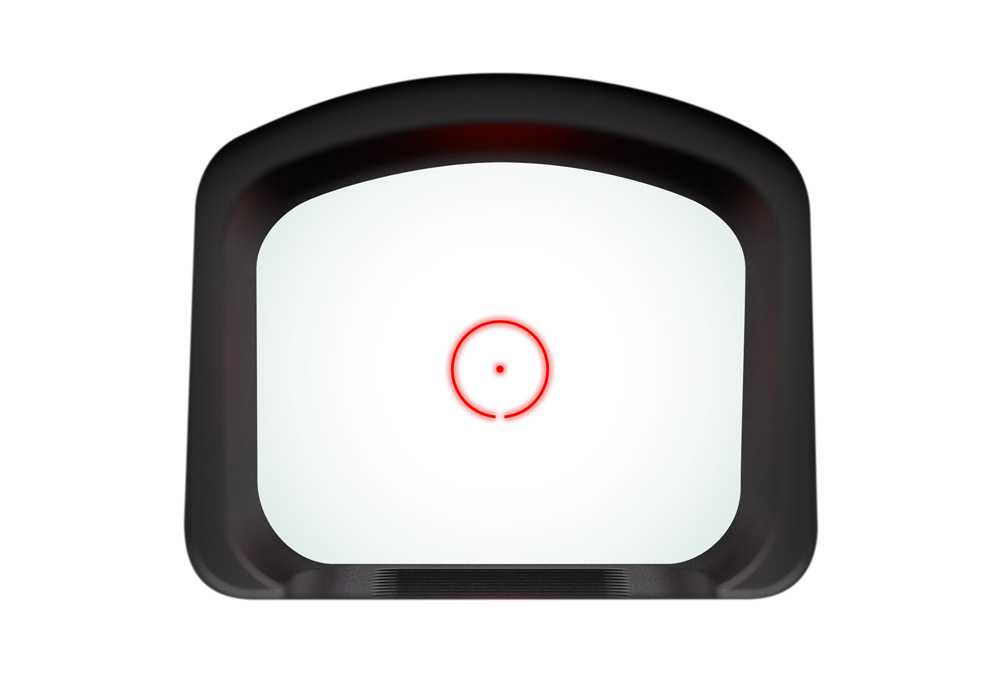
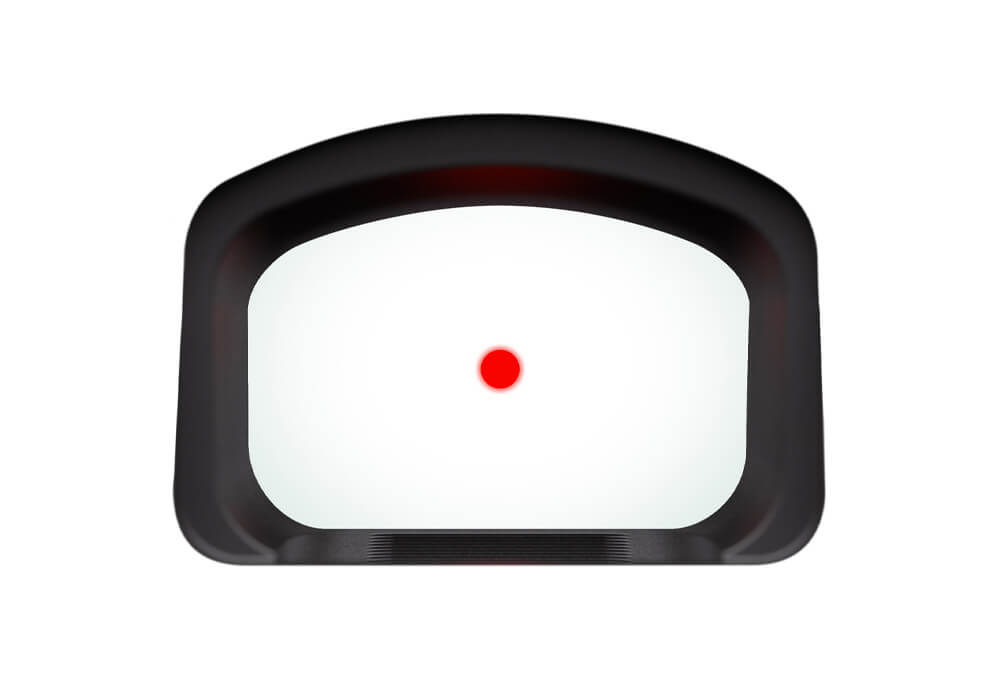
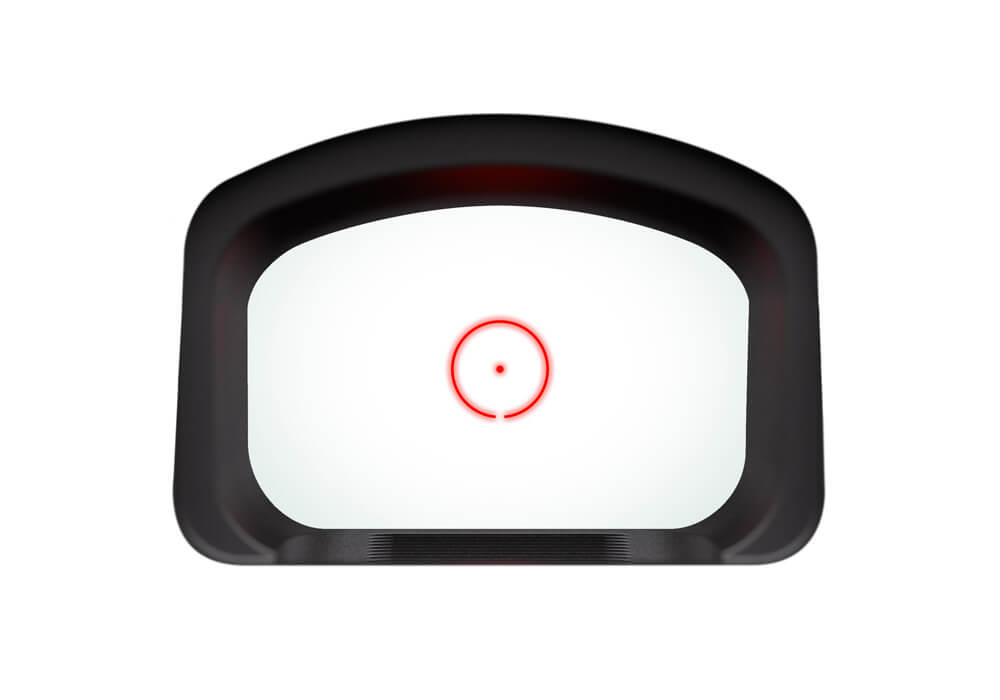
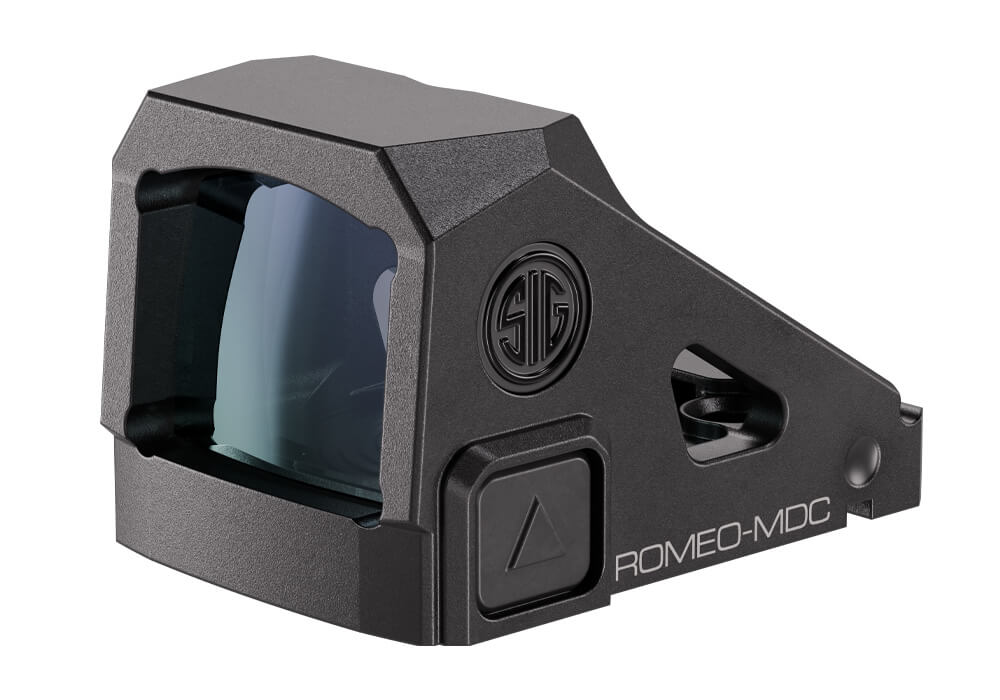
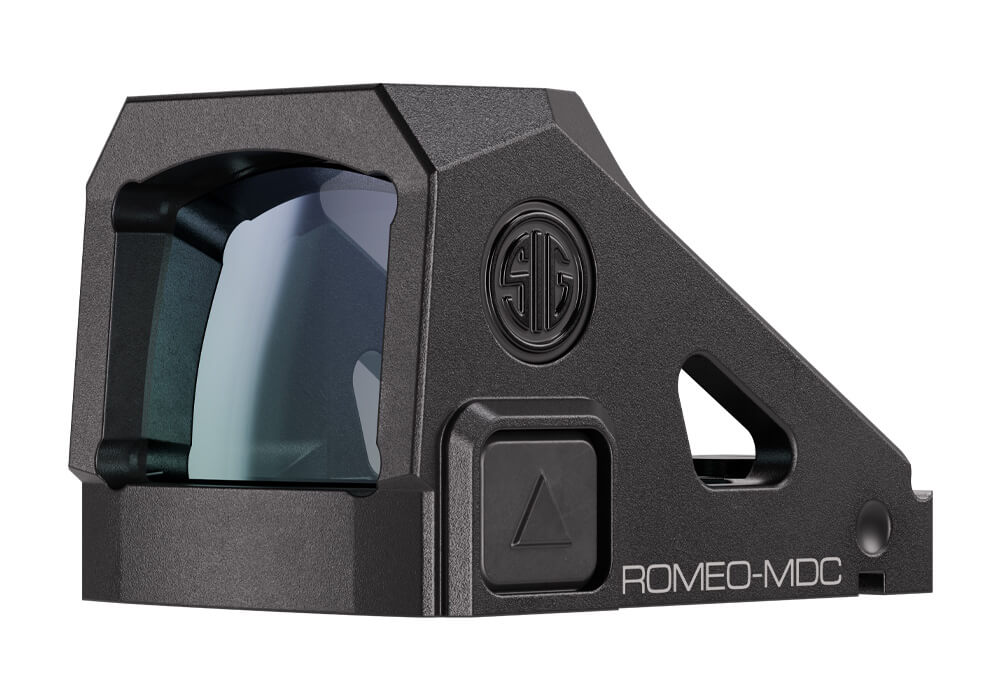
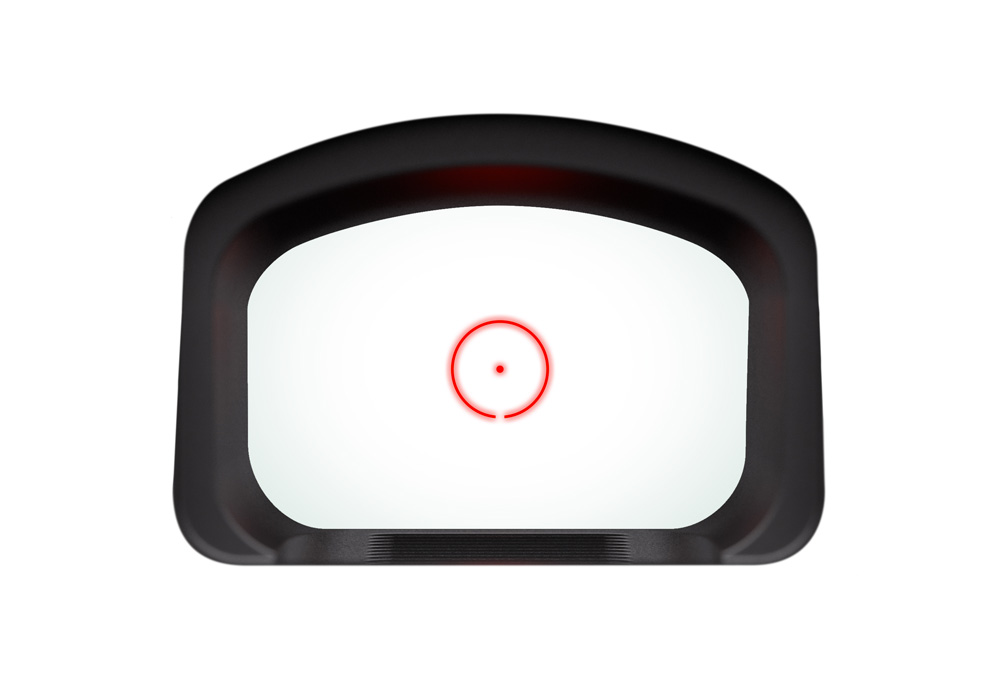
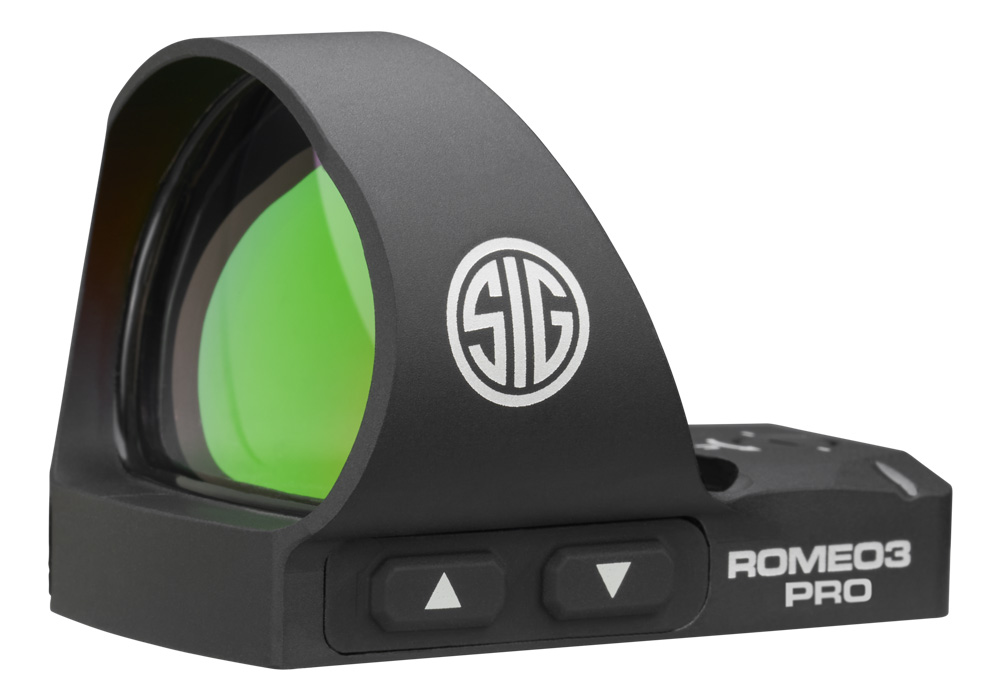
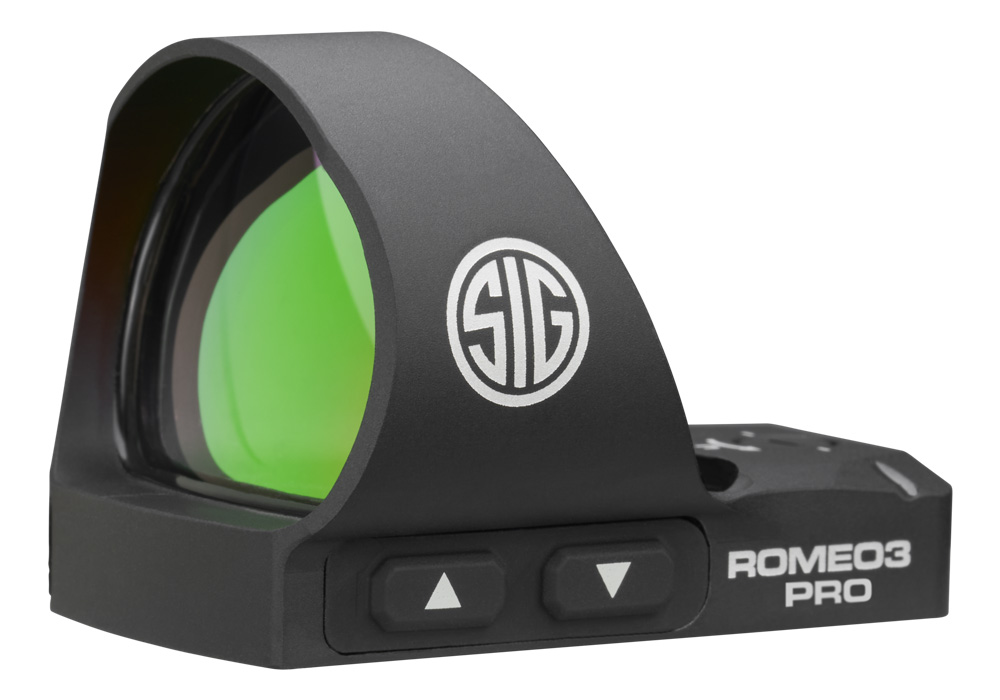
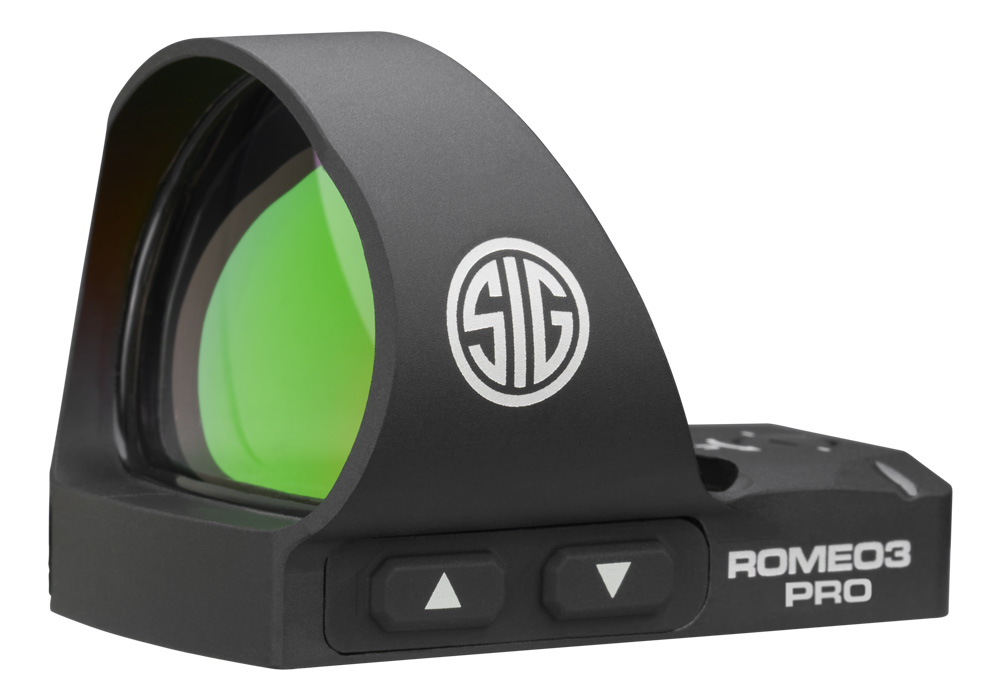
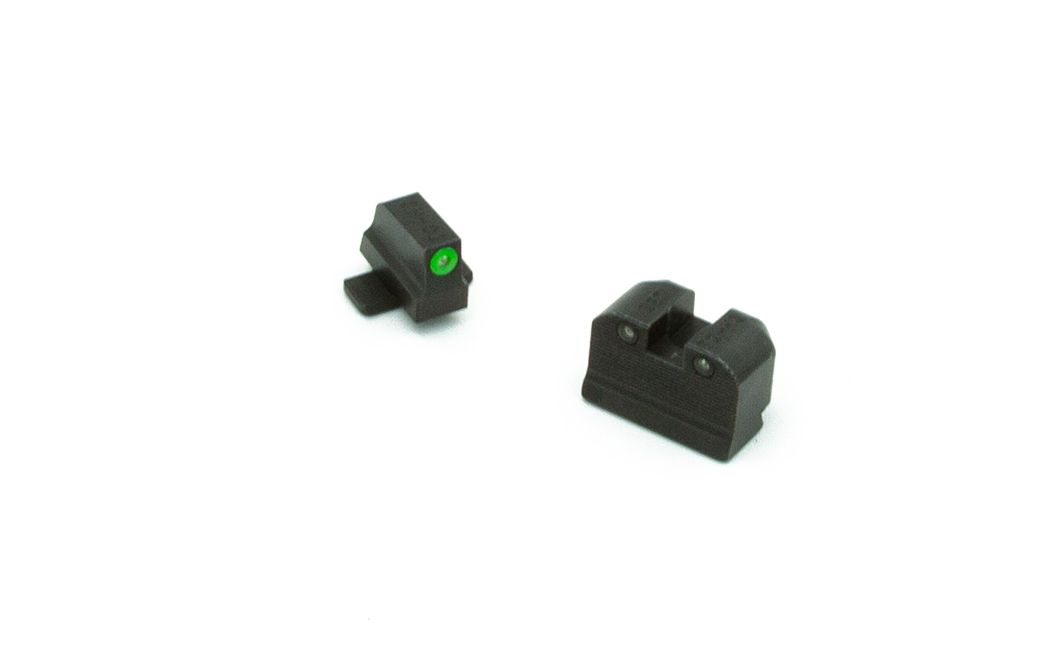
Low profile reflex sights are compact firearm optics designed to sit close to a slide or receiver, offering a streamlined setup with a low height-over-bore and a minimal effect on handling. Their compact profile makes them especially popular for concealed carry handguns, slim subcompact pistols, competition pistols, pistol-caliber carbines, sub-guns, and shotgun configurations where a full-size optic may add unnecessary bulk. By keeping the sight close to the firearm, these optics can help preserve a natural point of aim and reduce the chance of snagging on clothing, a holster, or other gear during presentation. Many shooters find that the sight picture feels intuitive once the draw stroke and presentation are practiced, while the optic window provides a clear reference for bringing the firearm onto target. Low profile reflex sights may also support co-witnessing with iron sights, allowing standard or slightly elevated sights to remain visible through the lower portion of the optic window as a backup. The exact sight picture depends on the firearm, optic height, mounting system, and iron-sight dimensions, so it is important to confirm compatibility before making a purchase. A pistol must have the appropriate factory optics cut or a properly fitted mounting solution, and the optic footprint must match that cut or adapter plate. Even small differences between footprints can affect fit, screw placement, sight height, and long-term reliability. For shoppers comparing compact pistol optics, the Low Profile Pistol Optics collection offers a useful place to review compatible configurations and streamlined designs. When evaluating a low profile reflex sight, consider the dimensions of the window, the overall length and width, the height above the slide, and how the optic fits within the intended holster. A slightly larger window can make it easier to find the dot during early practice, while a more compact housing may be preferable for everyday carry and a narrow slide. Enclosed-emitter designs can provide additional protection from dust, rain, lint, and debris, while open-emitter designs often offer a lightweight, unobstructed presentation. Neither style is universally best; the right choice depends on the firearm, carry method, maintenance routine, and the environments in which the sight will be used.
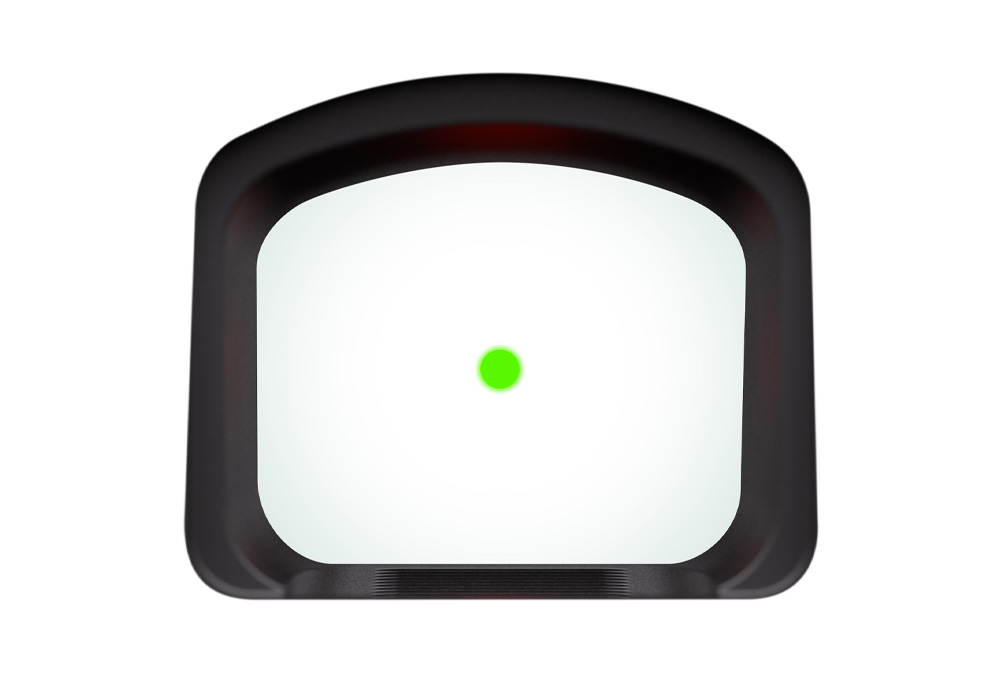
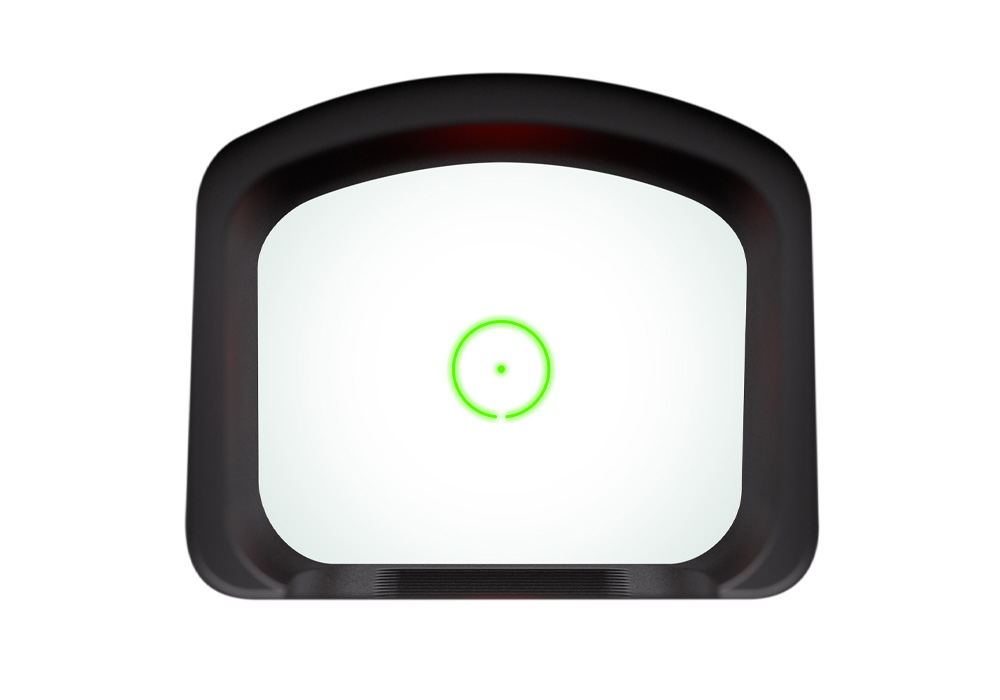
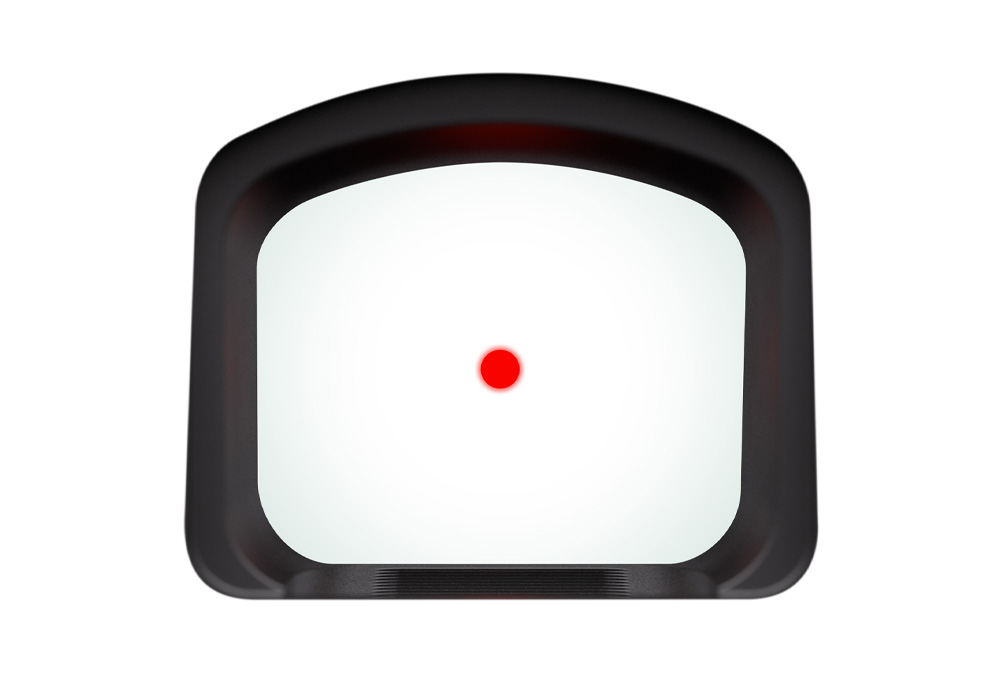
Purchase considerations also include reticle style, illumination settings, battery access, lens protection, and adjustment controls. A crisp, easy-to-see aiming point should remain visible across the lighting conditions a shooter expects to encounter, from a bright outdoor range to a dim indoor lane or a shaded position during the cooler months. Automatic brightness adjustment can be convenient, while manual controls allow the user to select a preferred setting; either option benefits from familiarization and regular inspection. Battery life is another practical factor, particularly for a sight intended for daily carry. Look for an optic with an accessible battery compartment or a design that allows battery replacement without disturbing the mount and zero, then establish a simple inspection schedule. Checking the lens for lint, dust, or moisture, confirming that the mounting screws remain properly secured, and verifying the dot before a range session are small habits that can build confidence over time. The mount itself deserves equal attention. Use the correct screws, torque specifications, and thread treatment recommended for the firearm and optic, and have installation completed by a qualified professional when the required tools or experience are not available. After installation, confirm zero at a safe, appropriate range and recheck it after any major change to the mounting hardware, slide, ammunition, or firearm configuration. A low profile reflex sight can be a practical choice for concealed-carry users who want a modern aiming reference without the added bulk of a larger optic. It can also suit competition shooters who value rapid sight acquisition, range users refining presentation skills, or shotgun owners seeking a clean, low-mounted aiming solution. As a gift, one can be a thoughtful option for an experienced shooter who has already identified the firearm and mounting footprint they use, but optics are highly configuration-specific, so a gift card or a conversation about compatibility may be more useful than choosing by appearance alone. During warmer weather, a compact sight can pair neatly with lighter clothing and streamlined carry equipment; as conditions turn cooler, its low profile may continue to help maintain a consistent draw and avoid interference from layered garments. Whether selected for everyday carry, practice, competition, or a specialized firearm setup, the best low profile reflex sight is one that matches the firearm precisely, remains secure under regular use, provides a clear and consistent aiming point, and fits naturally into the owner’s training and maintenance habits.