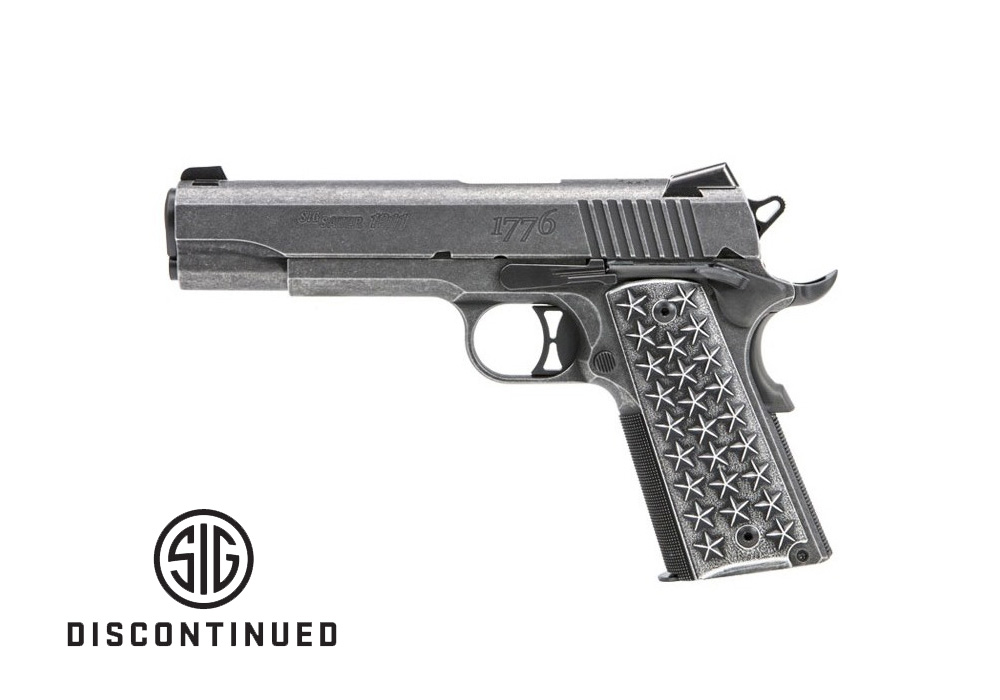
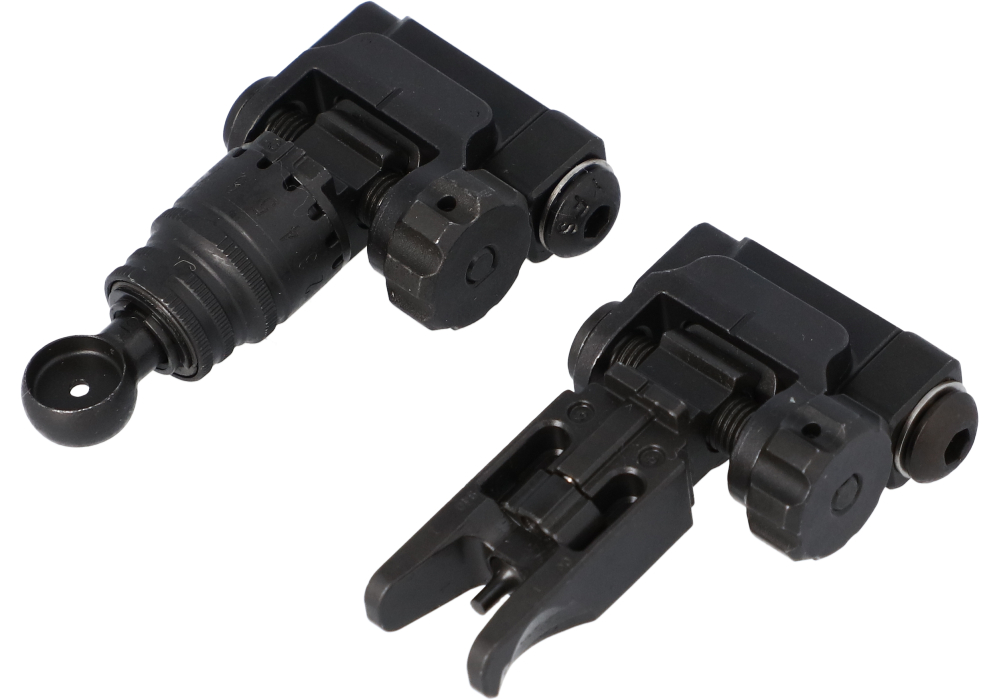
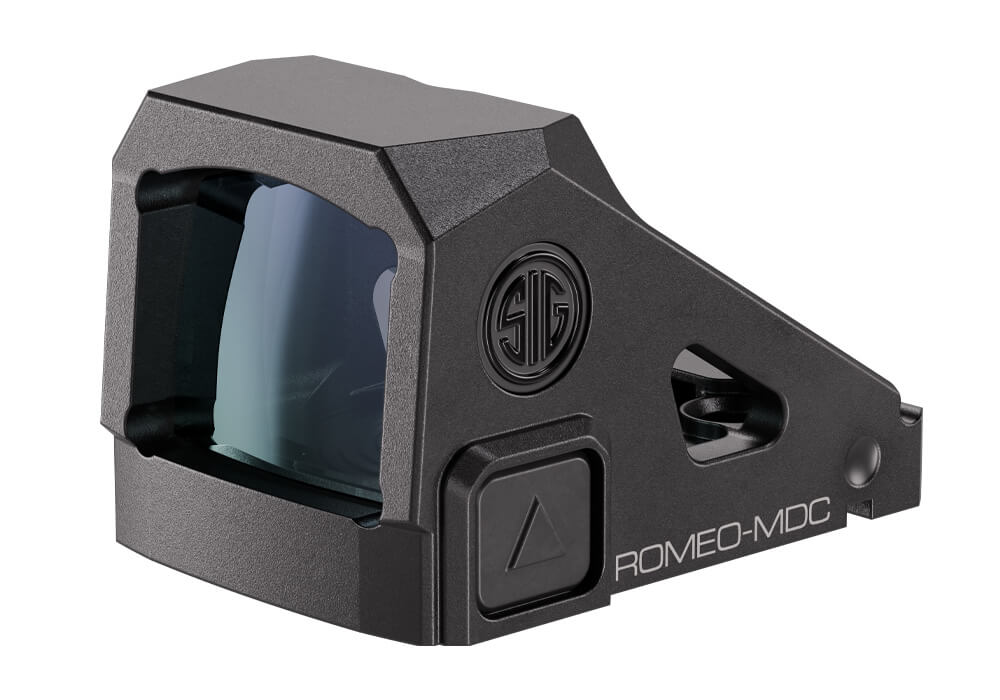
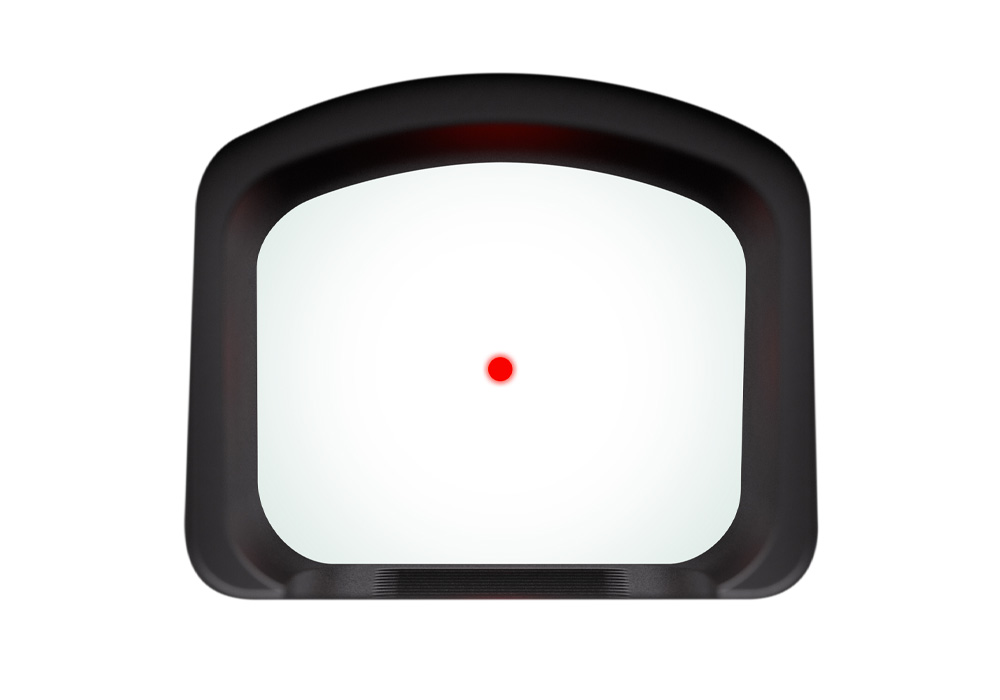
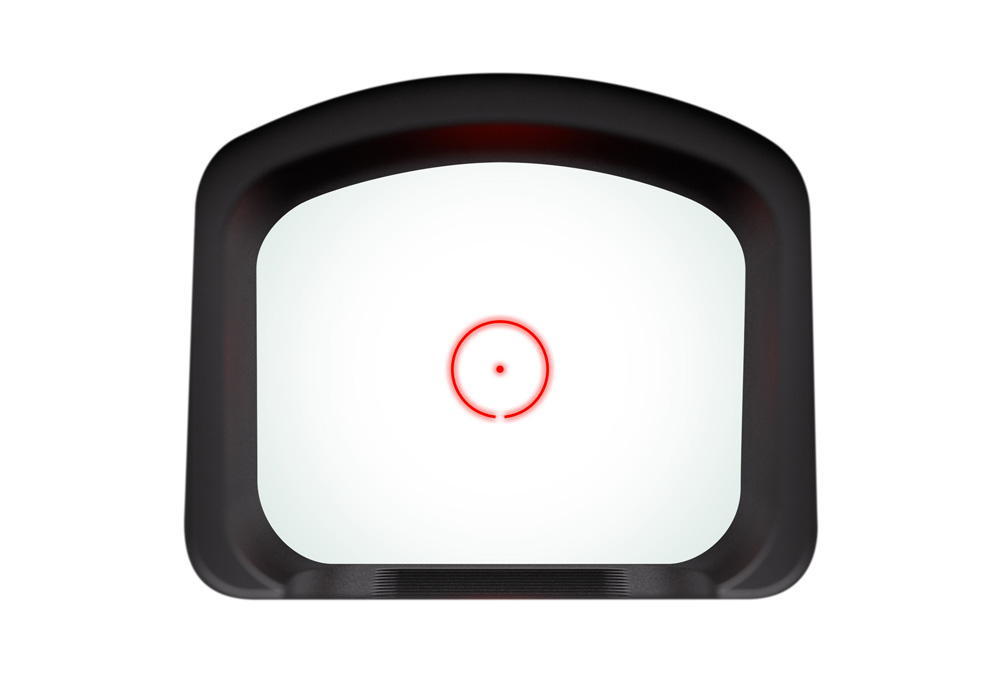
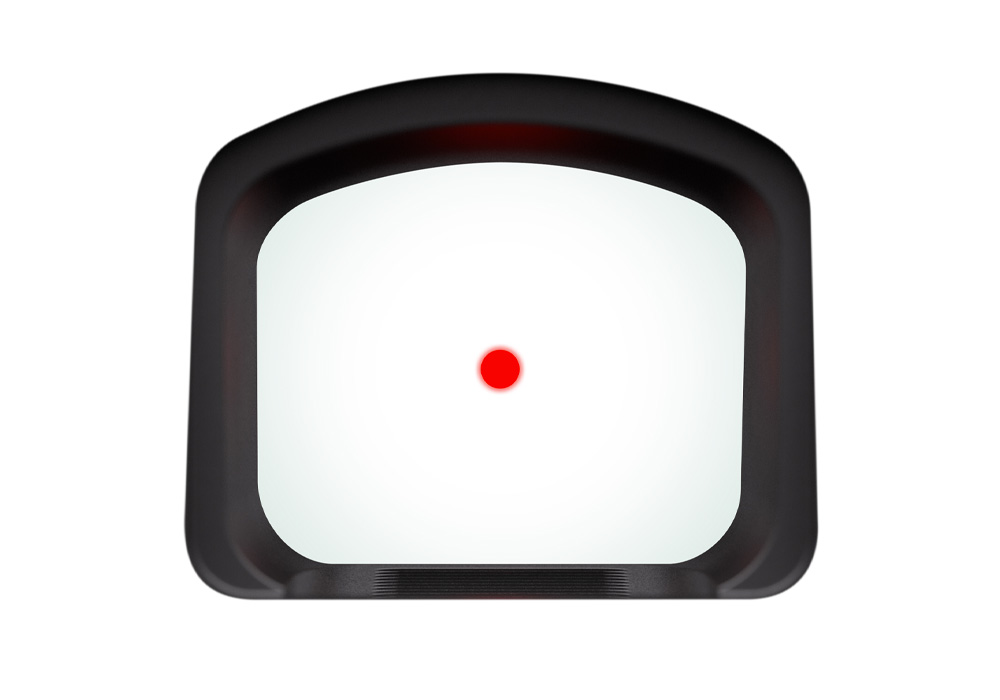
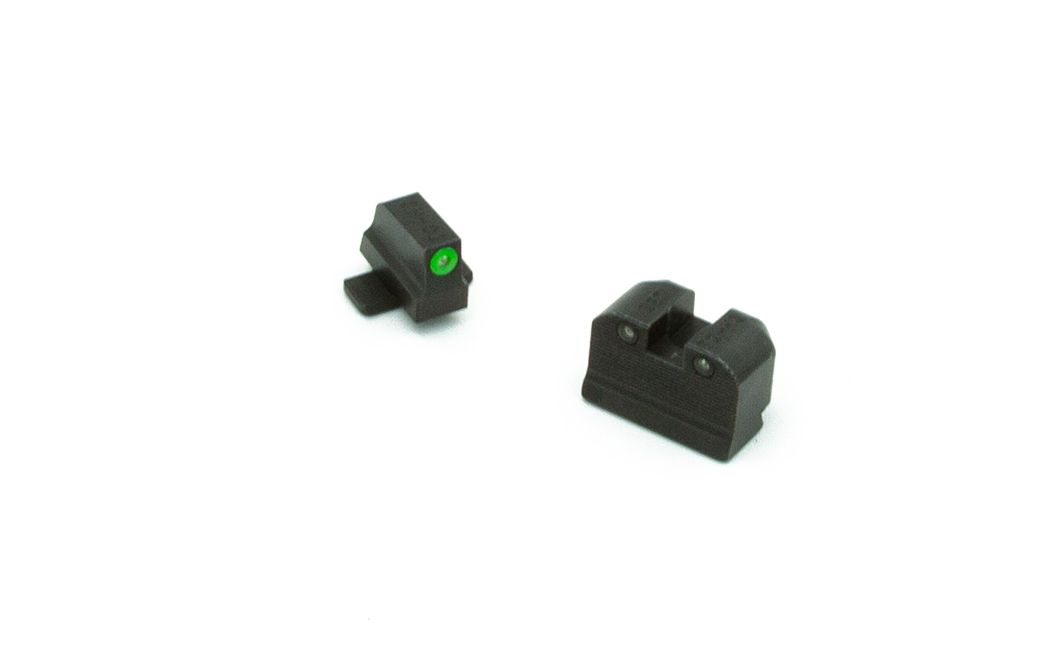
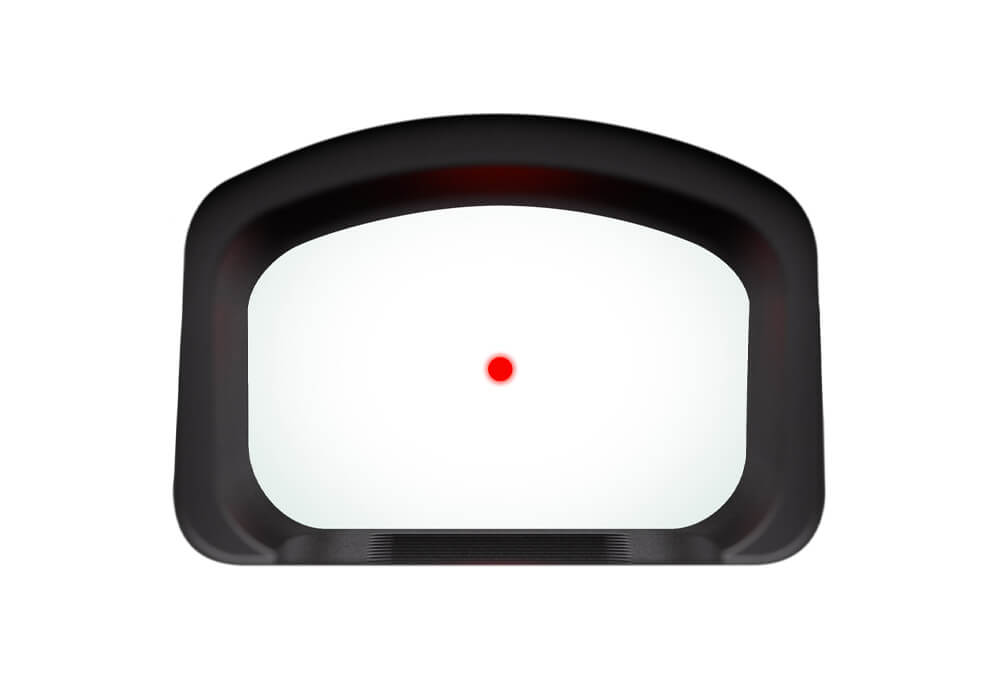
Low profile sights are streamlined aiming systems designed to provide a clear, dependable sight picture without adding unnecessary bulk to a firearm. Their compact shape helps reduce snag points, keeps the profile of a rifle or pistol trim, and allows other equipment to work as intended. On rifles, low profile sights are commonly selected as backup iron sights, often abbreviated as BUIS, for platforms equipped with a top rail and a primary optic. A folding front or rear sight can remain tucked close to the rail when a red dot, magnified optic, laser, or other accessory is in use, then be deployed if the primary aiming system is removed or unavailable. Fixed sights offer a permanently ready aiming reference and can be a practical choice for users who favor simplicity, durability, and immediate access. On handguns, a low profile sight can support a clean draw from a holster, reduce the chance of catching on clothing, and provide a visible aiming point for defensive practice, competition, training, or recreational range use. The right choice begins with the firearm platform and its intended role. Rifle sights must match the mounting interface, rail dimensions, and available space, while pistol sights need to correspond precisely to the slide cut and firearm model. Sight height is equally important: a system intended to work with a standard slide may not align correctly with an optic-ready setup, and an optic-compatible or suppressor-height configuration may be necessary for a proper co-witnessed sight picture. Reviewing manufacturer specifications, firearm compatibility information, and local regulations before purchasing helps ensure that the selected sight fits securely and performs as expected.
When comparing Low Profile Sights, pay close attention to the details that affect handling, adjustment, visibility, and long-term reliability. Folding rifle sights should lock firmly in both their raised and lowered positions, with a release method that is easy to operate without disrupting the rifle’s firing grip. Some models use a push-button or spring-assisted mechanism, while others are manually adjusted; each approach has advantages depending on whether the firearm is configured for duty use, training, competition, or occasional range sessions. Fixed sights eliminate moving parts and can be especially appealing on a simple carbine or a rifle that is not routinely fitted with a magnified optic. Construction is another meaningful consideration. Steel can provide a slim, rugged design, while aluminum and reinforced polymers may reduce overall weight and offer corrosion resistance. A durable finish helps protect the sight from handling, moisture, and repeated contact with cases, slings, and barricades. Adjustment range matters as well. A rear sight with dependable windage adjustment and a front sight with straightforward elevation adjustment make zeroing more predictable, particularly when ammunition, barrel length, or shooting distance changes. For handguns, sight shape and contrast can influence how quickly the eye finds the front post. Bright outlines, fiber-optic elements, contrasting inserts, or tritium illumination may support sight acquisition across changing light conditions, from a bright outdoor range to the dimmer surroundings encountered during the cooler months. Even the best visibility features cannot replace a properly confirmed zero, so allow time to mount the sights correctly, verify alignment at a safe distance, and confirm performance with the ammunition and shooting stance normally used.
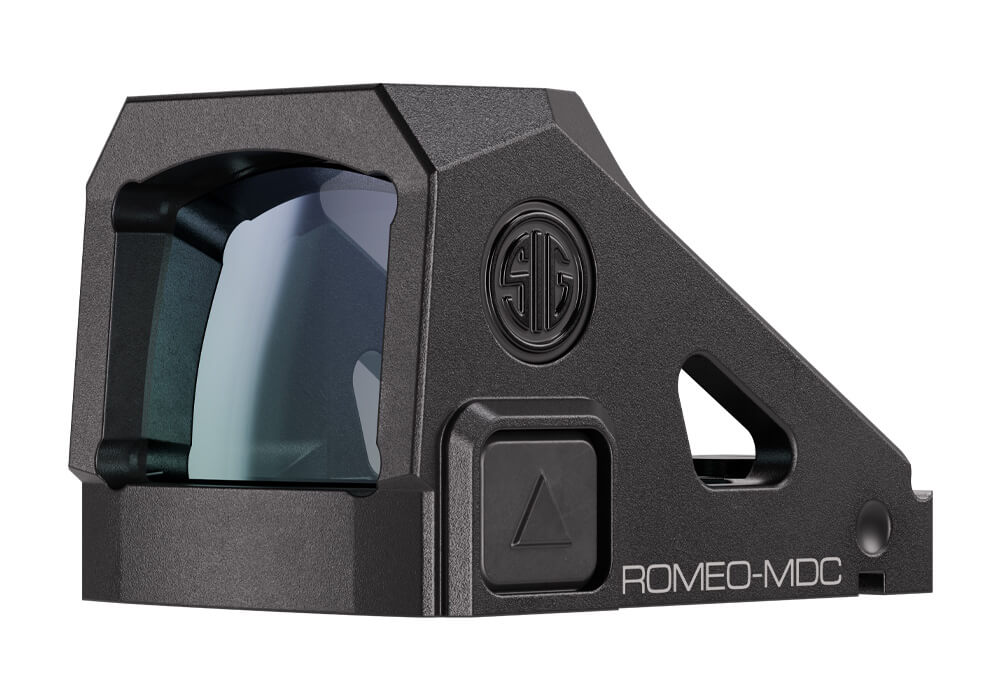
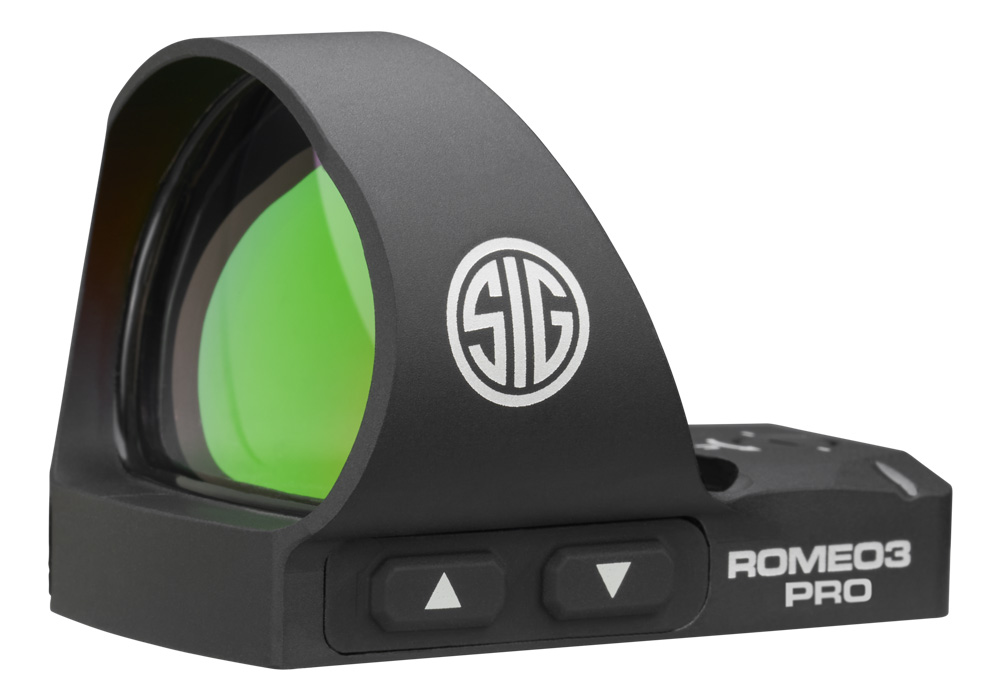
A well-chosen low profile sight setup should complement the way the firearm is carried, stored, and used rather than compete with other equipment. For a rifle with a red dot or scope, check whether the folded sights leave enough clearance for the optic mount, lens covers, magnifier, night-vision device, or rail-mounted accessories. The desired relationship between the iron sights and the optic may be absolute co-witness, lower-third co-witness, or a completely separate backup arrangement, and that decision can affect sight height and cheek weld. For a pistol, consider the holster as part of the overall setup. A sight that remains within the holster’s intended clearance can help preserve a smooth draw while avoiding unnecessary contact with clothing or gear. Shooters who train outdoors may value weather-resistant materials and a bold sight picture, while those who spend time on an indoor range may place greater emphasis on crisp adjustment and low-light visibility. These products can also make a thoughtful gift for a responsible firearm owner who is refining a familiar setup, replacing worn components, or preparing a second sighting option for training. A gift buyer should confirm the exact firearm model, mounting pattern, sight height, and intended use before ordering, since visually similar platforms can require different dimensions. For shoppers exploring compact aiming solutions for an optic-ready handgun, Low Profile Pistol Optics can provide another way to maintain a streamlined profile while supporting fast, consistent target acquisition. Whether selected as a dependable backup for a rifle, a snag-resistant upgrade for a handgun, or a practical addition to a range setup, Low Profile Sights offer a balanced combination of compact design, usable visibility, and adaptable performance when properly matched to the firearm.