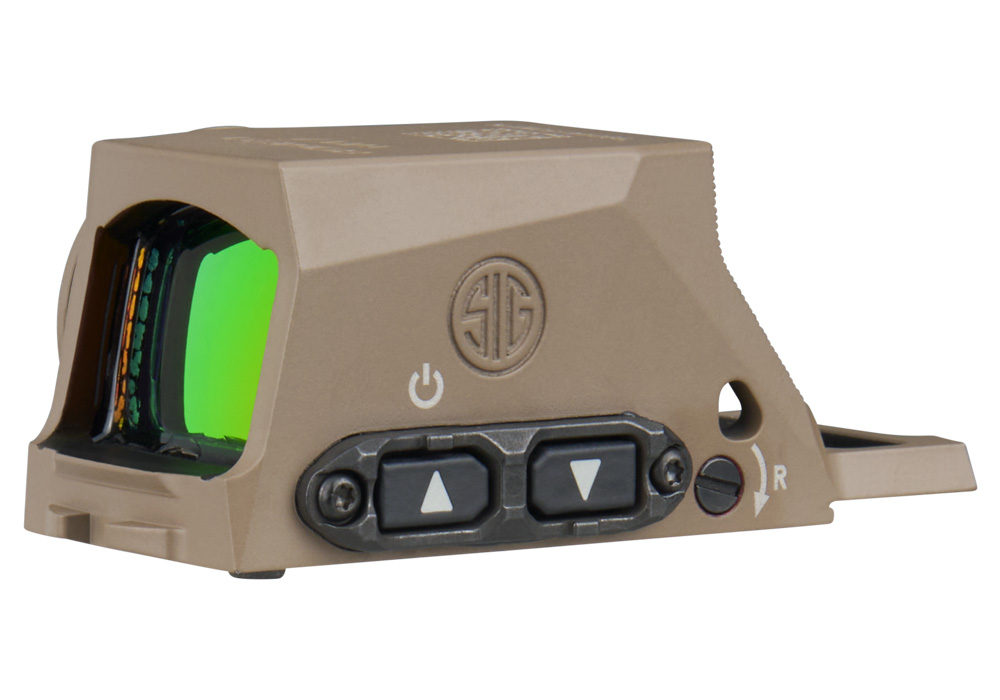
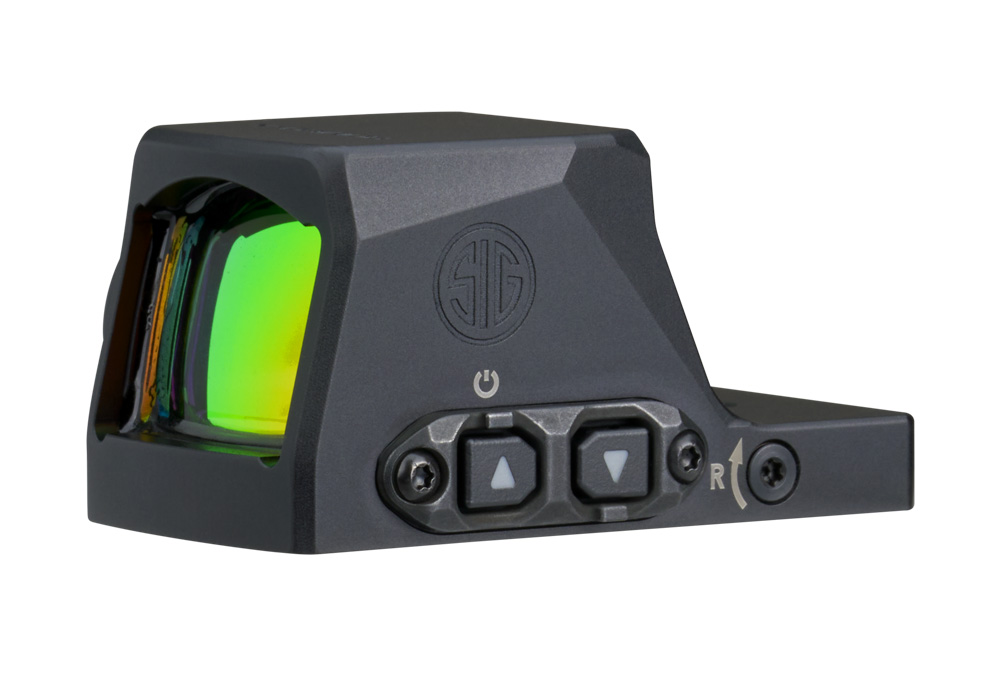
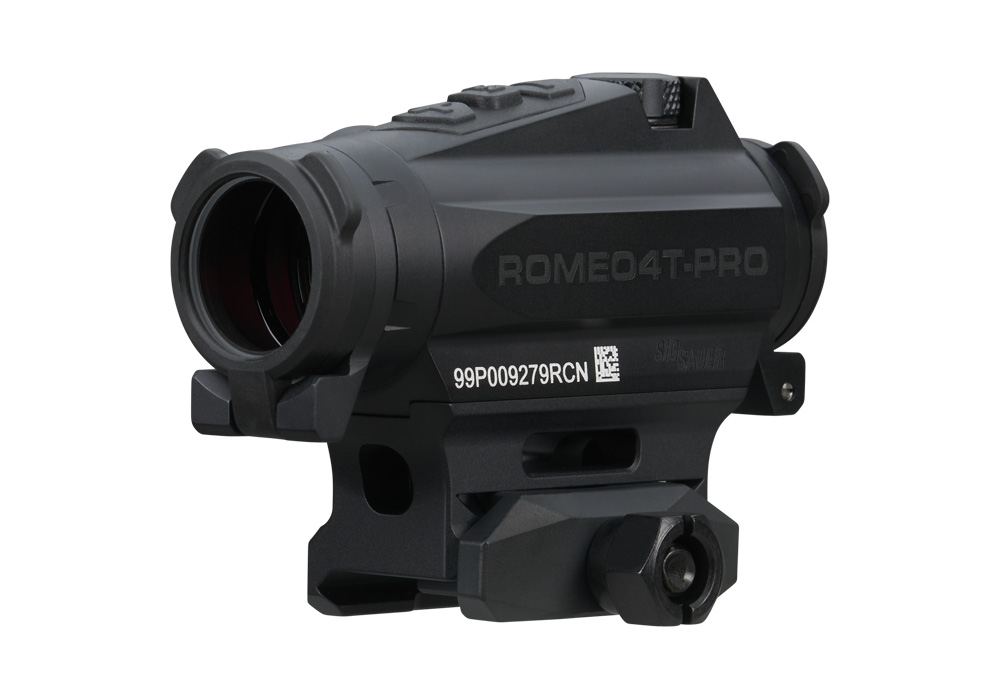
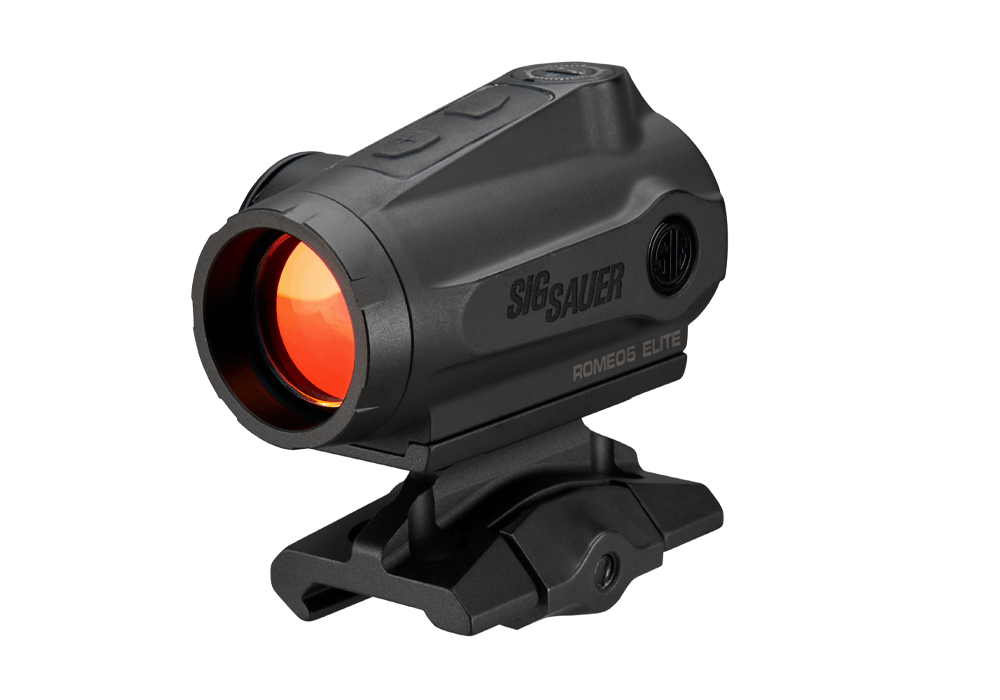
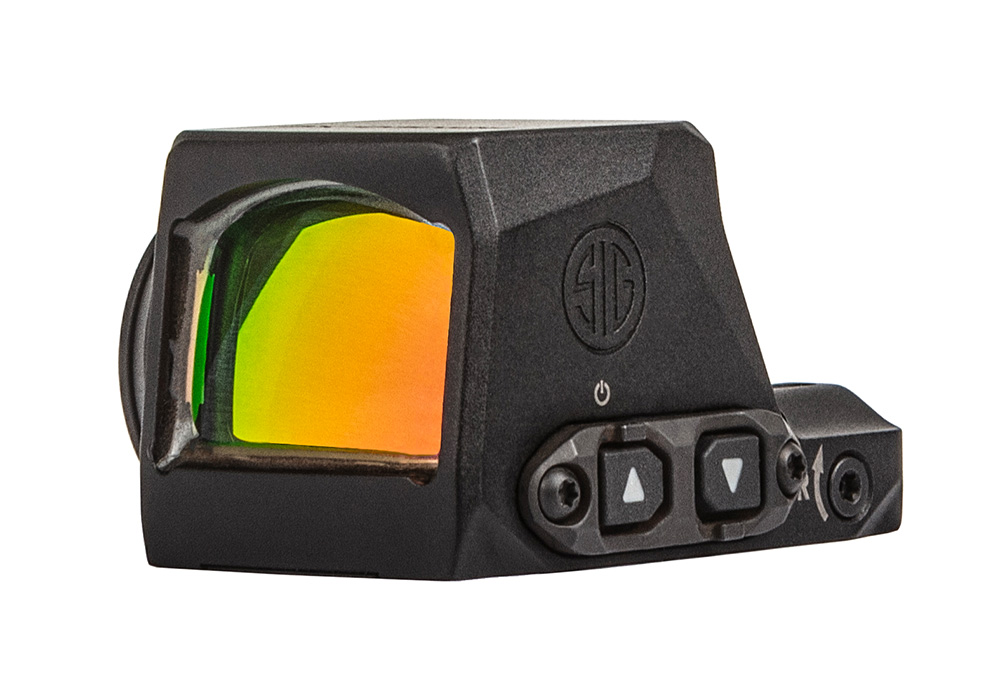
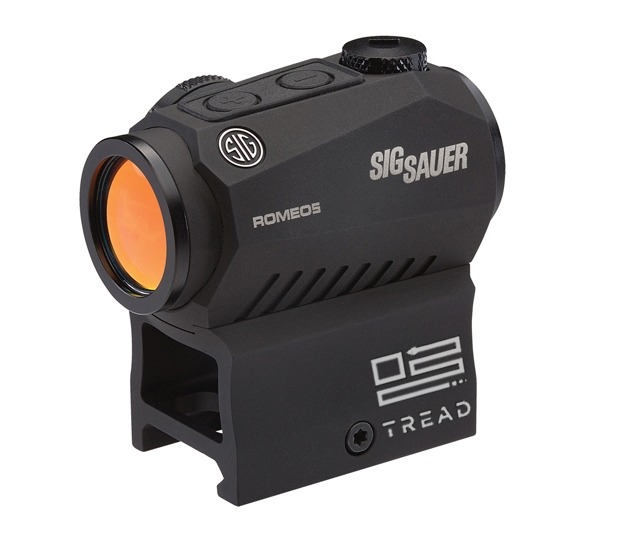
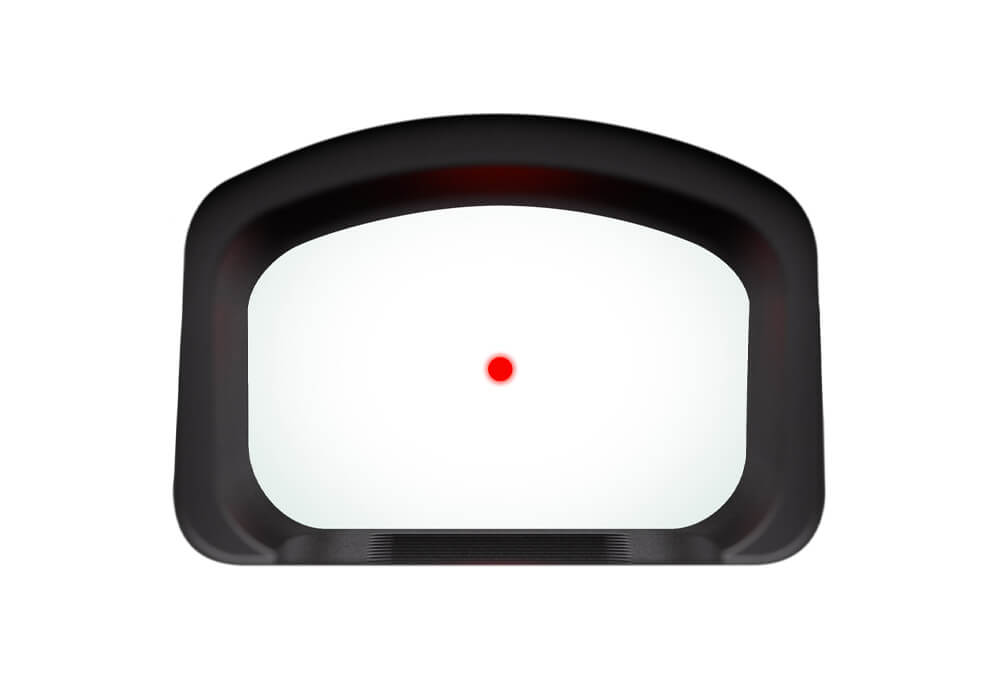
Low profile pistol optics are compact micro-reflex sights designed to add a clear aiming point to a concealed-carry, compact, or subcompact handgun without introducing unnecessary bulk. Their streamlined housings sit close to the slide, helping a pistol maintain a trim outline when carried inside the waistband, in a range bag, or secured for transport. For many shooters, that difference is noticeable in everyday handling: a pistol that once felt smooth against a cover garment can remain comparatively unobtrusive, while the optic offers a bright aiming reference that is easy to find when the handgun is presented toward the target. These sights may be especially useful for concealed-carry owners, new shooters learning to focus on a target rather than align multiple iron-sight planes, and experienced users who want a familiar optic-equipped setup for practice and personal protection. They can also make a thoughtful gift for a qualified adult who already owns an optics-ready pistol, provided the recipient’s slide configuration and intended use are confirmed before purchase. As the weather warms and outdoor practice becomes more comfortable, a low profile optic can be evaluated on the range with deliberate drills, slow presentations, and gradual work from different distances. During the cooler months, its compact dimensions remain valuable when layered clothing, jackets, and heavier cover garments make a streamlined setup particularly appealing. Like any firearm accessory, an optic is only one part of a complete system. Safe handling, secure storage, a proper holster, regular practice, and compliance with applicable laws should remain central to ownership, and an optic should never be treated as a substitute for training or responsible decision-making.
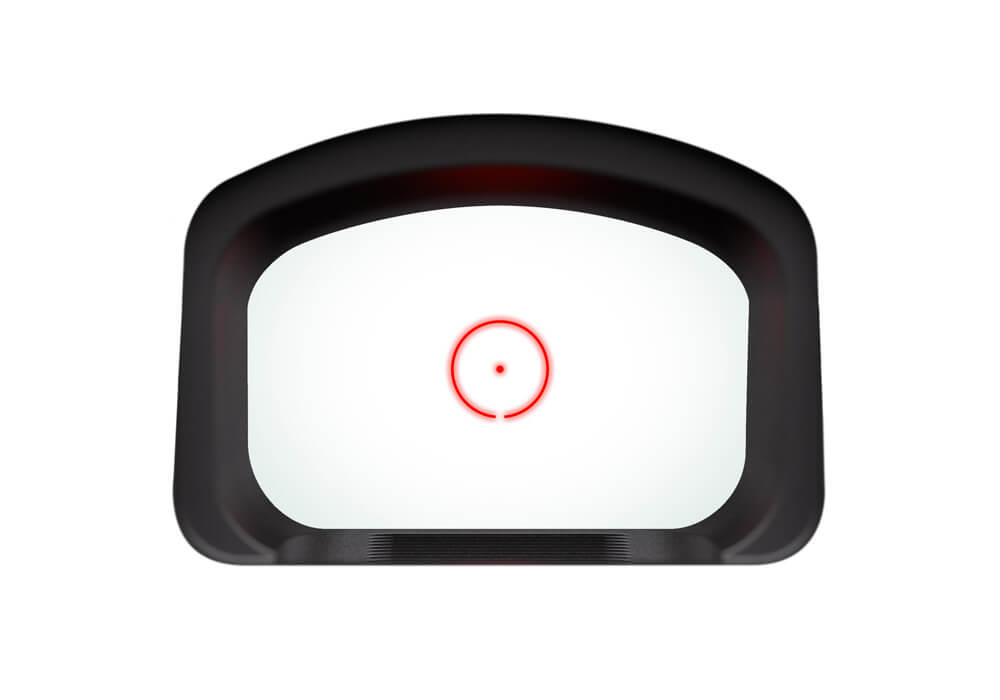
The first purchase consideration is compatibility. Before selecting a low profile pistol optic, identify the exact handgun model, determine whether the slide is factory-cut for an optic, and confirm the cut or footprint required by that slide. Common compact footprints include RMSc- and K-style patterns, but similar-looking mounting systems are not automatically interchangeable. Some pistols accept a sight directly, while others require a mounting plate; a direct-mount arrangement can keep the optic closer to the bore axis and may preserve a lower overall profile, but only when the sight and slide are designed to work together. Check the manufacturer’s specifications for screw length, mounting hardware, torque values, and required plates rather than relying on appearance alone. The right fit should be secure, properly sealed where applicable, and aligned so the sight can be zeroed without running out of adjustment. Height also matters. A low deck height may allow the factory iron sights to remain visible through the optic window, creating a co-witnessing or backup-sight arrangement that lets the shooter confirm alignment if the optic is turned off or the battery is depleted. The exact sight picture depends on the pistol, optic, and iron-sight dimensions, so verify the combination before ordering. Shooters comparing open-emitter and enclosed-emitter designs should consider how and where the handgun will be used. Open emitters often offer a very compact profile and a broad, unobstructed viewing window, while enclosed emitters protect the LED chamber from lint, dust, rain, and other debris that can collect on a frequently carried pistol. Neither format eliminates the need for inspection and cleaning, but the difference can be meaningful for an optic carried close to the body or exposed to changing conditions. Window size, reticle brightness, automatic or manual illumination controls, motion activation, battery access, and battery life are also worth reviewing. A bright aiming point should remain visible without overpowering the target in dim surroundings, while adjustment controls should be usable without adding excessive width or creating snag points.
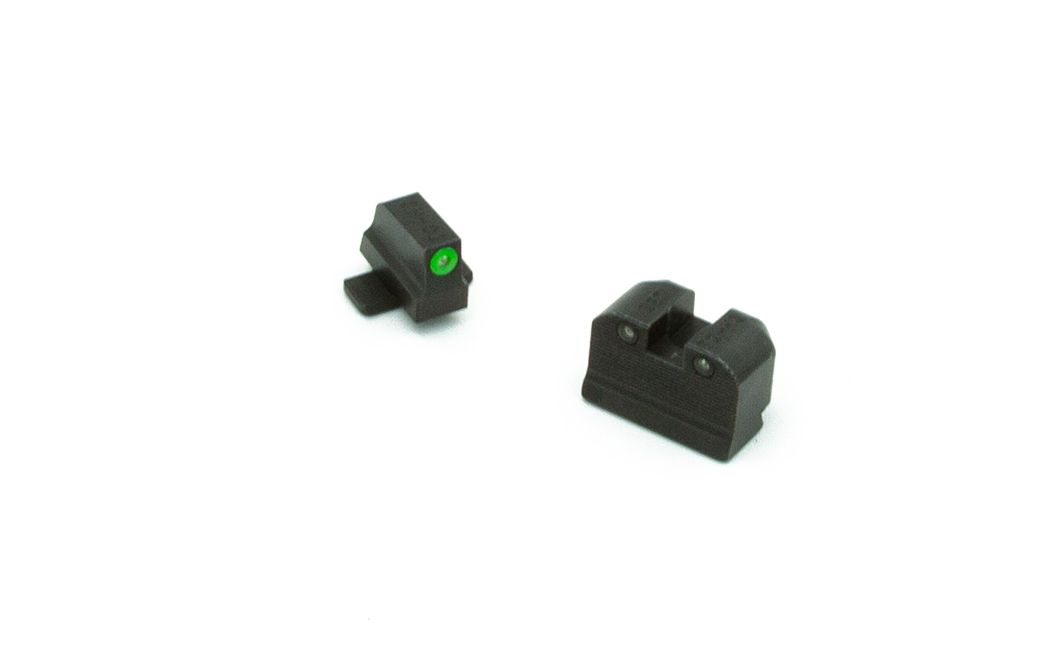
Durability and day-to-day practicality deserve the same attention as optical performance. A pistol optic must manage repeated slide movement, vibration, recoil, contact with a holster, and the small impacts that naturally occur during transport and training. Look for a robust construction, dependable adjustment system, protected controls, and a design rated for the cartridge and handgun platform being used. A clear lens is important, but a reliable sight should also maintain zero and function consistently after routine handling. Consider how the optic will be carried with a holster: many concealed-carry holsters are designed for optics-ready pistols, yet coverage, retention, clearance, and comfort vary by model. The sight should not interfere with a secure draw, reholstering, or access to the handgun’s controls, and the holster should be selected for the complete pistol-and-optic combination rather than for the unmodified firearm. Once installed, confirm the mounting hardware is properly fitted, establish a zero at a suitable range, and practice presenting the pistol so the reticle appears naturally instead of searching for it. At first, the window may seem like a small frame floating above the slide; with repetition, the aiming point can become as familiar as the front sight. Periodically inspect the optic for lens obstruction, loose hardware, depleted batteries, and changes in zero, especially after extensive range use or exposure to moisture and dust. A backup set of iron sights remains valuable, and shooters who prefer a traditional sighting system can also explore Low Profile Sights when configuring a slim, uncomplicated pistol. The best low profile pistol optic is ultimately the one that matches the handgun’s cut, fits the intended holster, supports the shooter’s visual needs, and can be used confidently through consistent practice. Taking time to compare dimensions, mounting requirements, emitter protection, controls, and support information helps create a balanced setup that remains practical from warm outdoor range days through the cooler carry conditions of the later season.