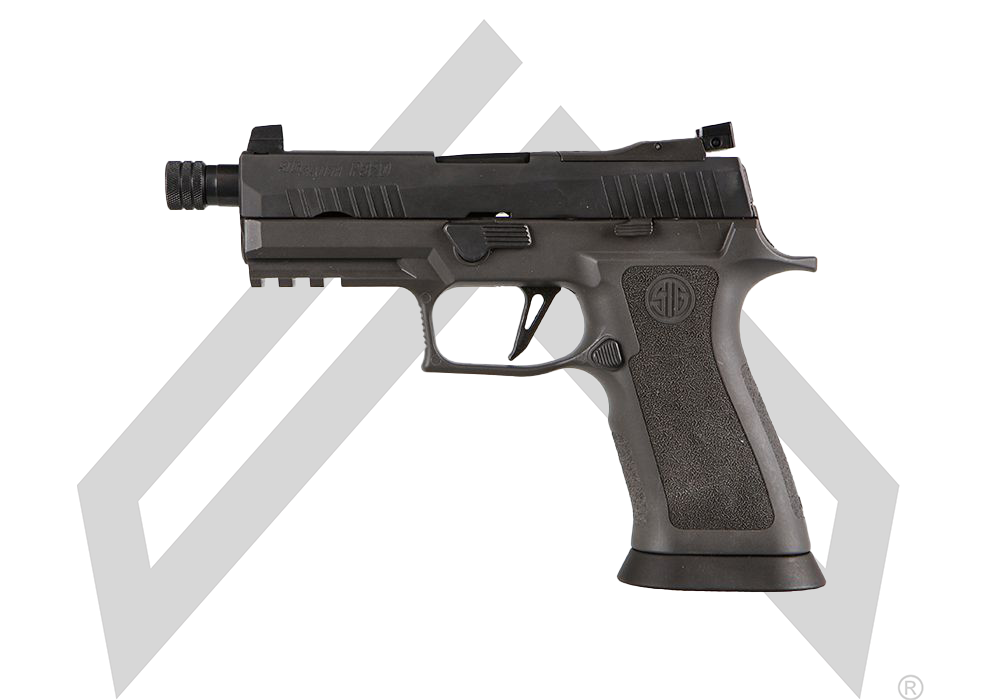
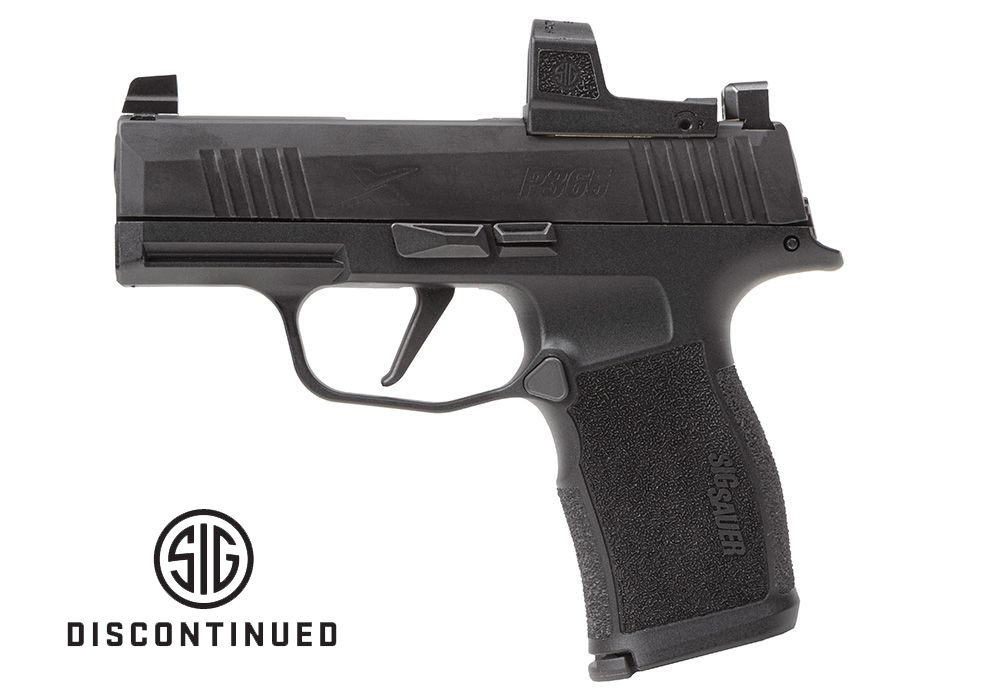
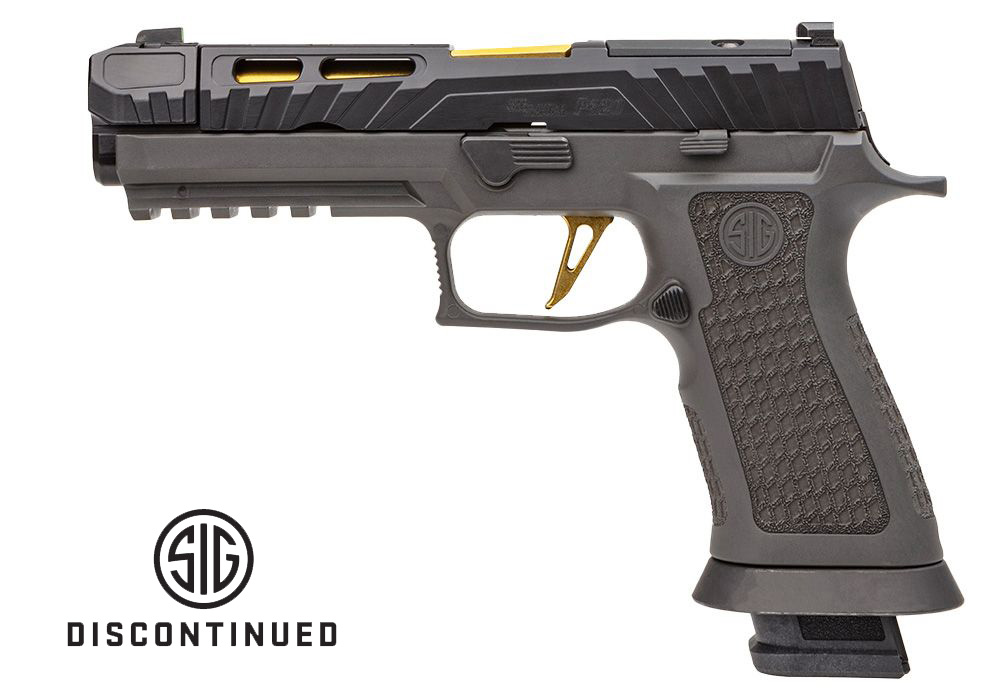
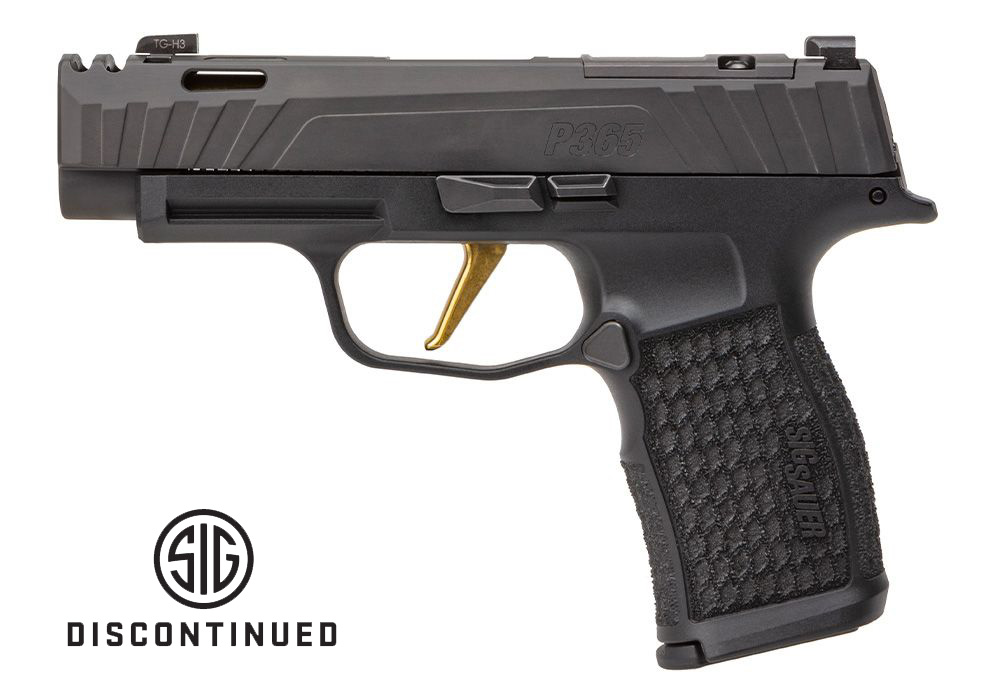
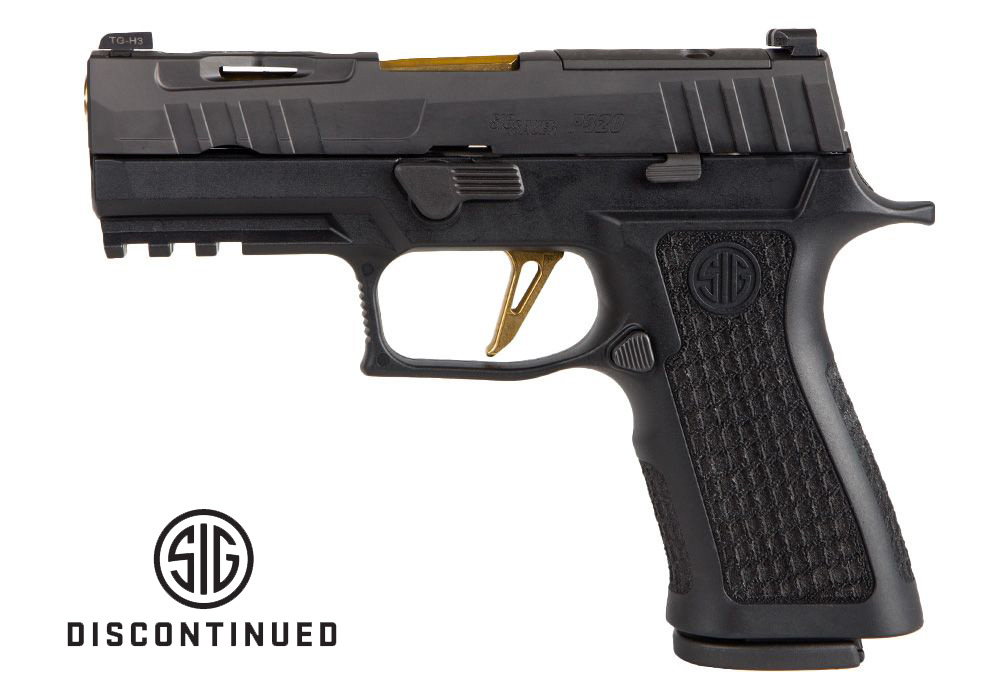
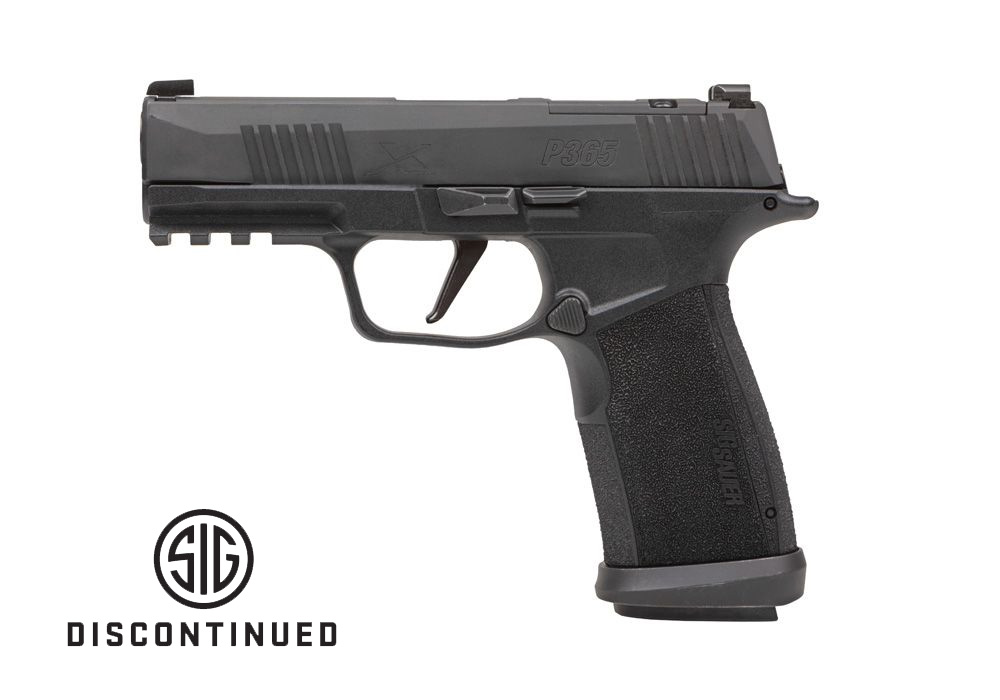
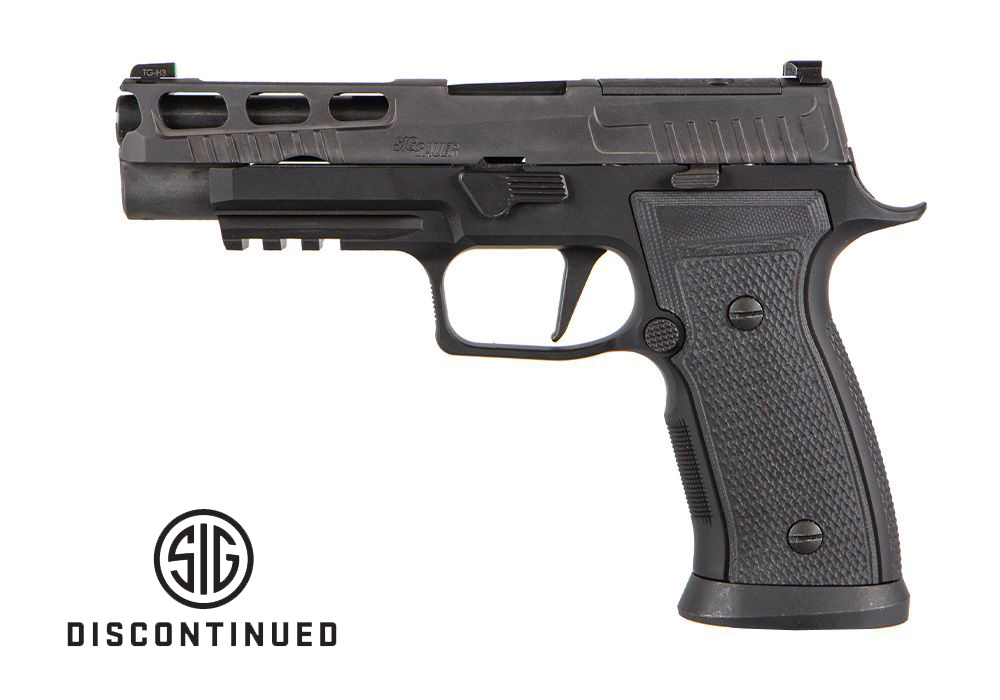
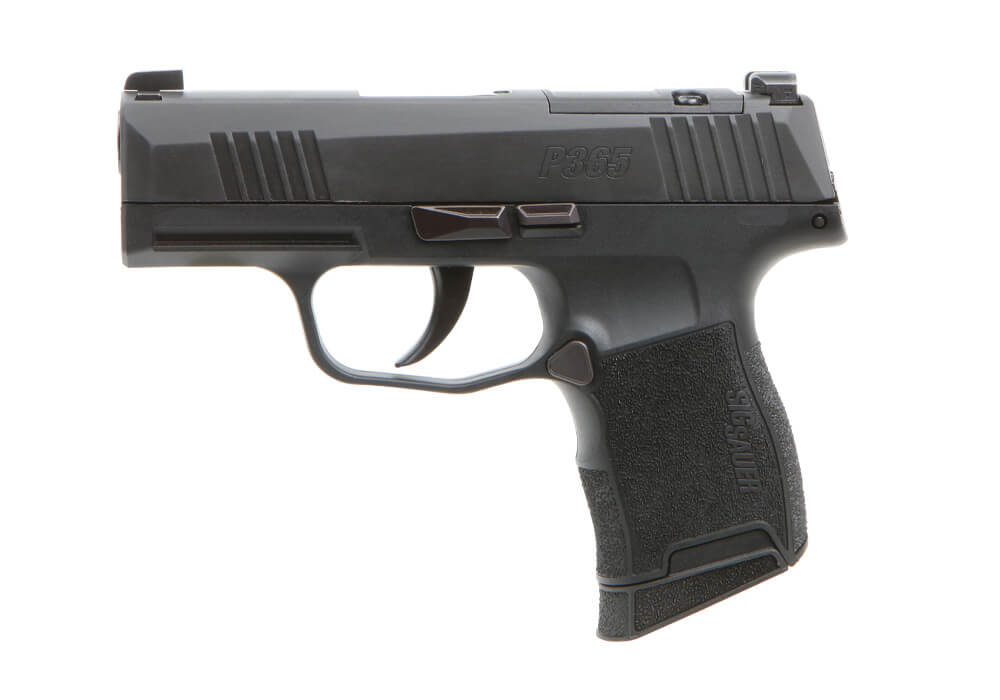
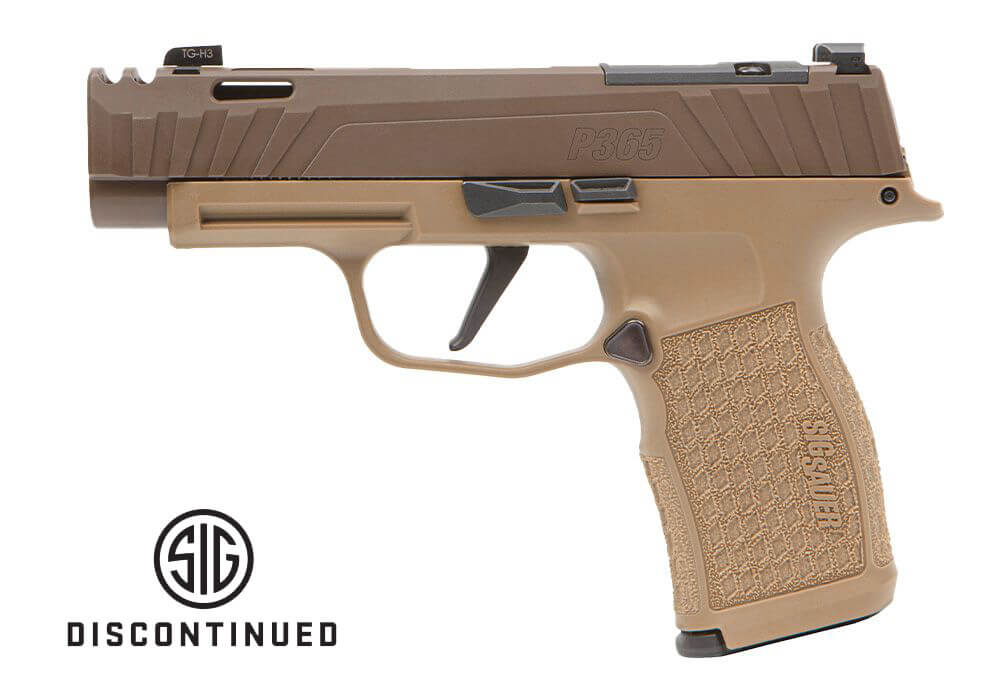
Concealed carry pistols with optic ready slides combine compact handgun dimensions with a slide designed to accept a compatible pistol optic. The defining feature is a mounting interface on the slide, typically protected by a removable cover plate when an optic is not installed. Depending on the design, that interface may accept an optic directly or use a mounting plate matched to a particular footprint. An optic ready designation does not necessarily mean an optic is included, and it does not mean every pistol optic will fit. Slide specifications, mounting hardware, sight configuration, and holster compatibility all contribute to the complete setup. These pistols appeal to responsible owners seeking a handgun for lawful everyday carry, along with a familiar platform for supervised practice and recreational range use. Their proportions vary from slim microcompact designs to larger compact formats, so the category covers more than one approach to comfort and handling. A shorter grip can be easier to conceal beneath ordinary clothing, while a longer grip may offer more room for the hand. Slide length, overall width, and weight also influence how a pistol feels in a holster during a seated commute, an afternoon of errands, or a full day away from home. Fit is more specific than simply choosing the smallest handgun. The shape of the backstrap, the reach to the trigger, and the placement of controls can feel quite different in two pistols with similar measurements. Grip texture also deserves attention: a pronounced pattern may feel reassuring in the hand yet uncomfortable against the body. For someone transitioning from a larger range handgun, a compact optic ready pistol can provide a more manageable carry profile without requiring the smallest possible grip. For an owner already comfortable with a smaller pistol, an optic ready slide offers another sighting option within a familiar size class. The most relevant comparison is the complete pistol as it will be carried, including its optic, magazine configuration, and compatible holster, rather than slide dimensions alone.
Materials and construction help explain the differences among concealed carry pistols that otherwise look similar on a specification sheet. Polymer frames are common in this category because they can keep weight manageable, while metal frames may provide a different balance and feel. Steel slides, barrel materials, surface treatments, and protective finishes contribute to durability, but no finish eliminates the need for appropriate care. Regular contact with skin, clothing, and a holster can leave moisture, lint, and visible wear on frequently carried equipment. The quality of the mounting interface matters as well, since the optic and slide function as a connected assembly. A direct-mount design and a plate-based system each have their own compatibility requirements; neither should be assumed to accept an optic merely because its housing appears small enough. The optic footprint identifies the mounting pattern, while manufacturer specifications establish the correct plate and hardware for a particular combination. Professional installation can help resolve uncertainty about fit without relying on improvised parts. The relationship between the optic and iron sights also varies. Some arrangements leave the iron sights visible through the optic window, while others require a different sight height or provide a different sight picture. Those details belong in the product specifications rather than being inferred from the phrase “optic ready.” Holster fit is equally important. A holster intended for the same general pistol size may still lack clearance for an optic housing or taller sights. A suitable design should be compatible with the actual configuration, protect the trigger area, and retain the pistol as intended by its manufacturer. Comfort depends on the combination rather than on any single feature. A slim frame paired with a bulky accessory can feel different from the bare pistol, and a holster’s edges or attachment points can be more noticeable than a small difference in handgun weight. Considering the assembled dimensions gives a more realistic picture of everyday use than comparing unloaded pistol measurements in isolation.
The optic itself adds another set of considerations to an optic ready carry pistol. Window dimensions, housing shape, brightness controls, battery access, and environmental resistance differ across designs. An open-emitter optic has an exposed area between the emitter and lens, while an enclosed-emitter design surrounds those components within a housing. Those constructions create different cleaning needs and external profiles, rather than a universal answer for every owner. A larger window may be appealing during range use, but its housing still needs to work with the intended holster and carry arrangement. Battery replacement is another practical distinction: some optics provide access without removal, while others have a different service process. The relevant details are the manufacturer’s instructions and the requirements of the complete mounting system. Routine care includes attention to the pistol’s finish, the optic lens, and the condition of compatible accessories. Clothing fibers can collect around an optic housing, and fingerprints can obscure a lens even when the handgun itself appears clean. Cleaning products suitable for metal surfaces are not automatically suitable for optical coatings, so the pistol and optic may require separate care materials. Inspection and maintenance should follow the applicable manuals, with qualified service used for concerns about mounting security, damaged components, or unusual wear. Secure storage remains essential whenever a handgun is not under its owner’s control, including in households where children or visitors may be present. Ownership and carry also involve legal requirements that vary by jurisdiction; an optic ready configuration does not change those responsibilities. For shoppers interested in a broader range of slide appearances, Handguns With Optic Ready Stylized Slides provides a related category where visual treatment and optic compatibility intersect. Serration patterns, contours, and finishes can distinguish a slide’s appearance, but those details remain separate from the mounting footprint and accessory fit. A well-suited concealed carry pistol brings together comfortable proportions, dependable construction, a compatible sighting system, and manageable care requirements. That combination supports a practical ownership experience built around lawful use, responsible storage, and familiarity with the equipment.