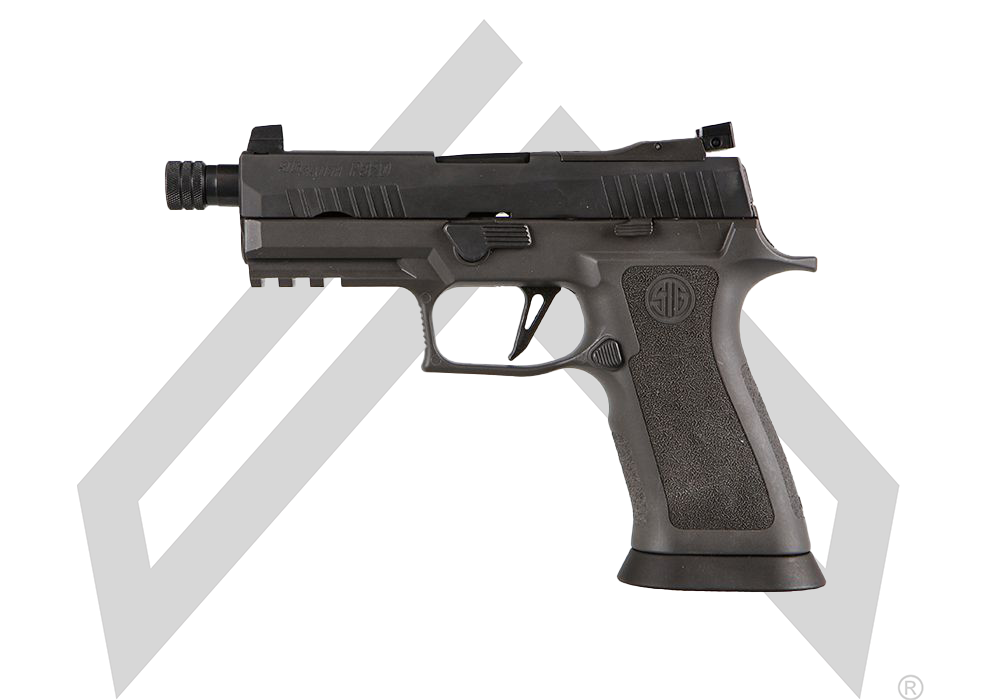
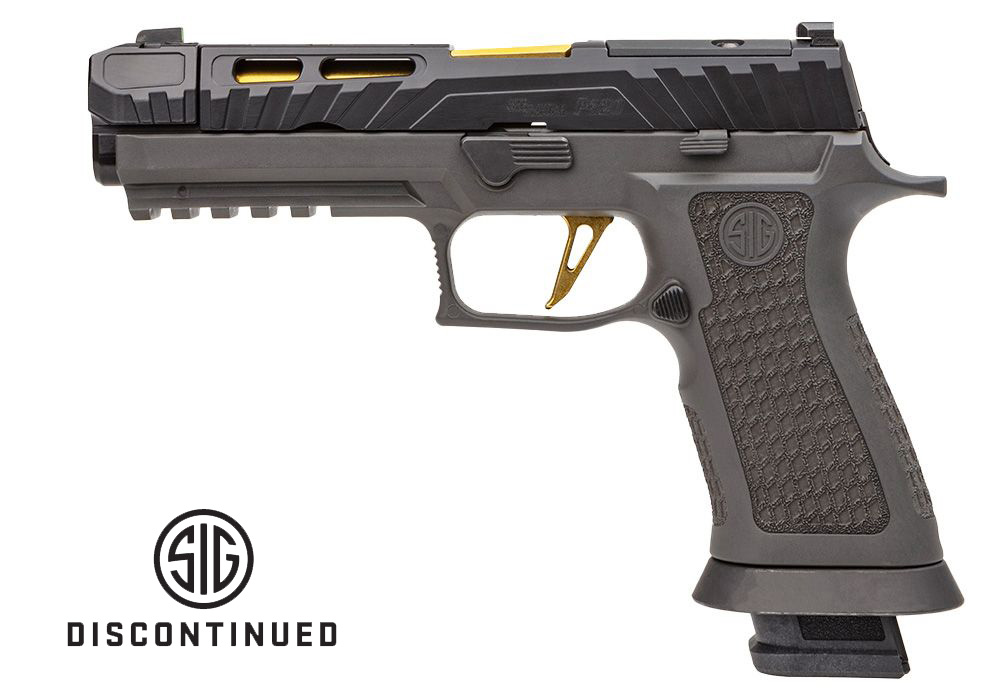
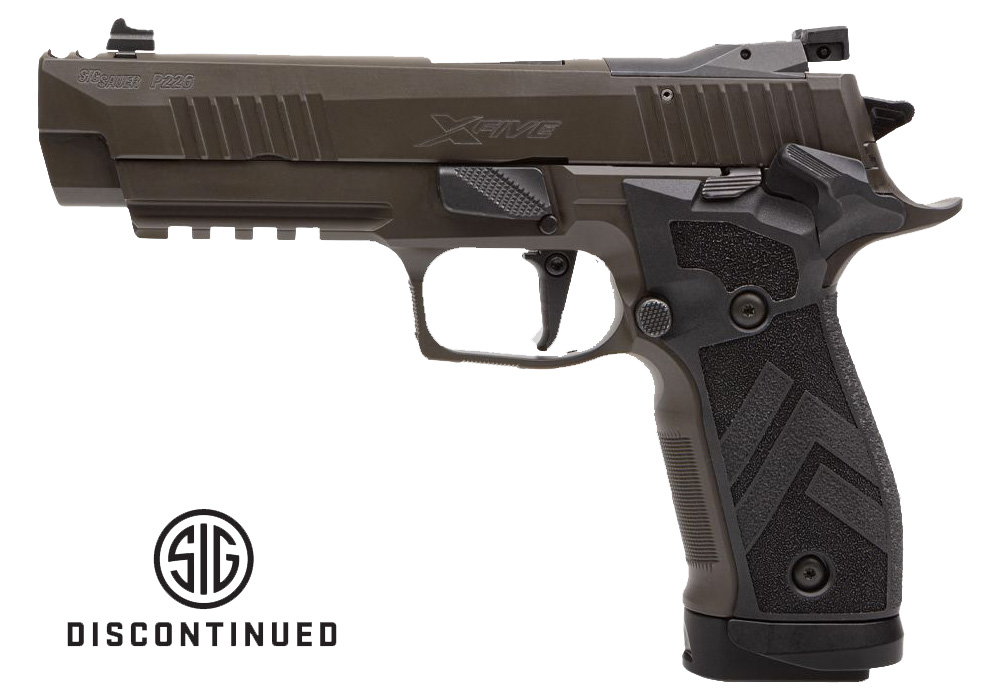
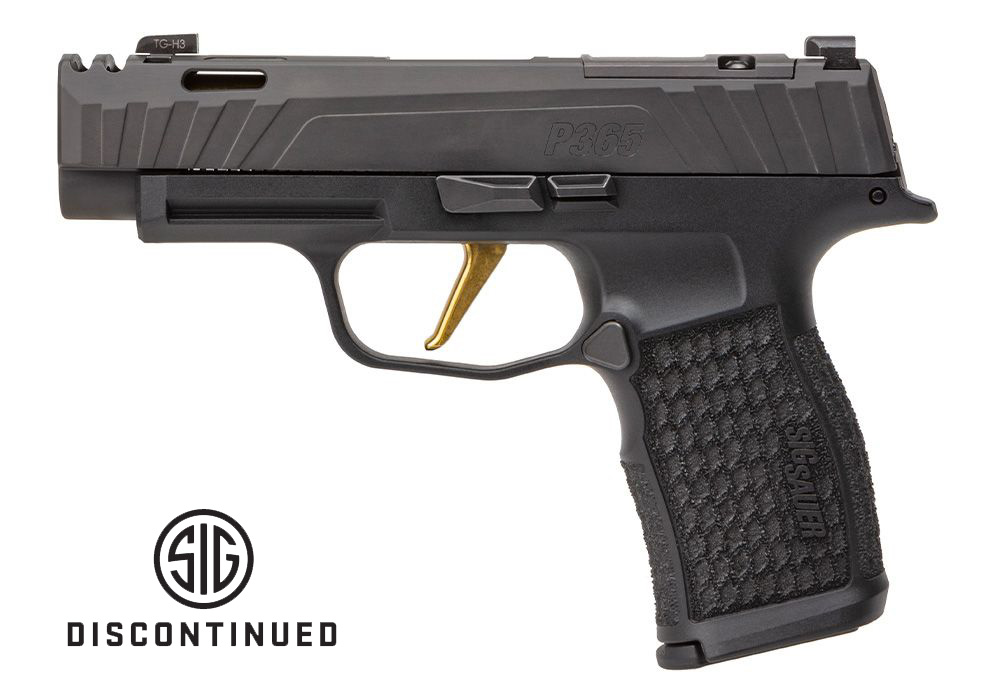
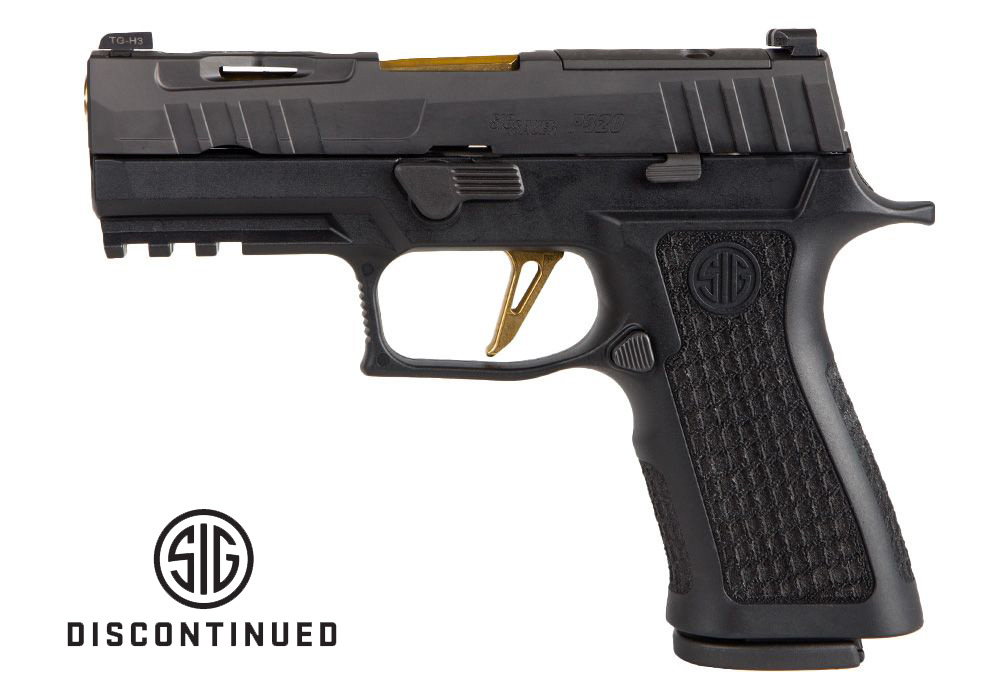
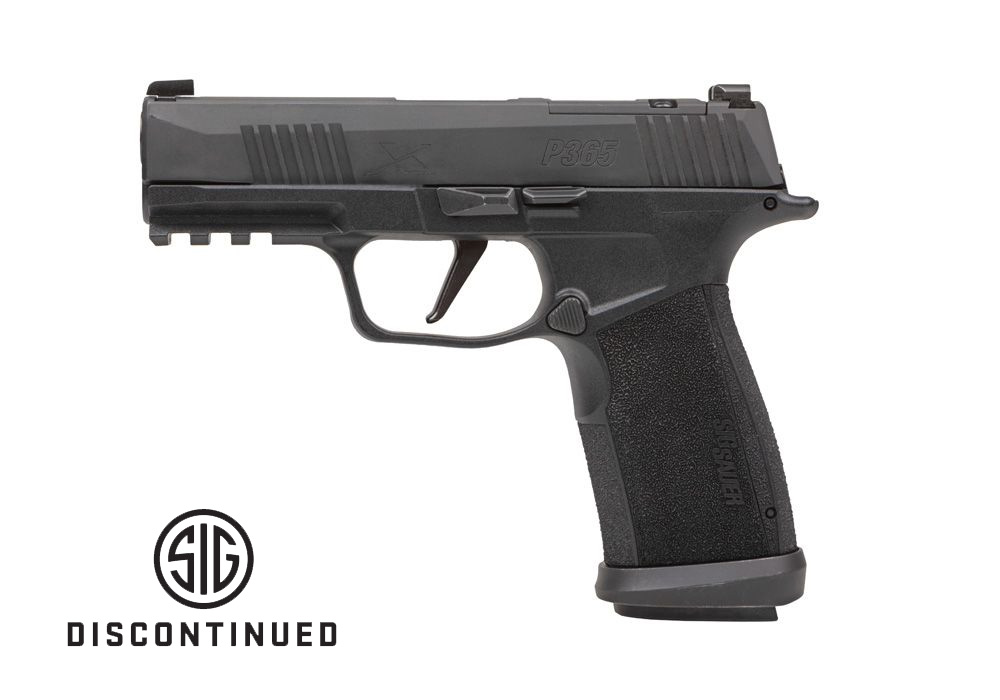
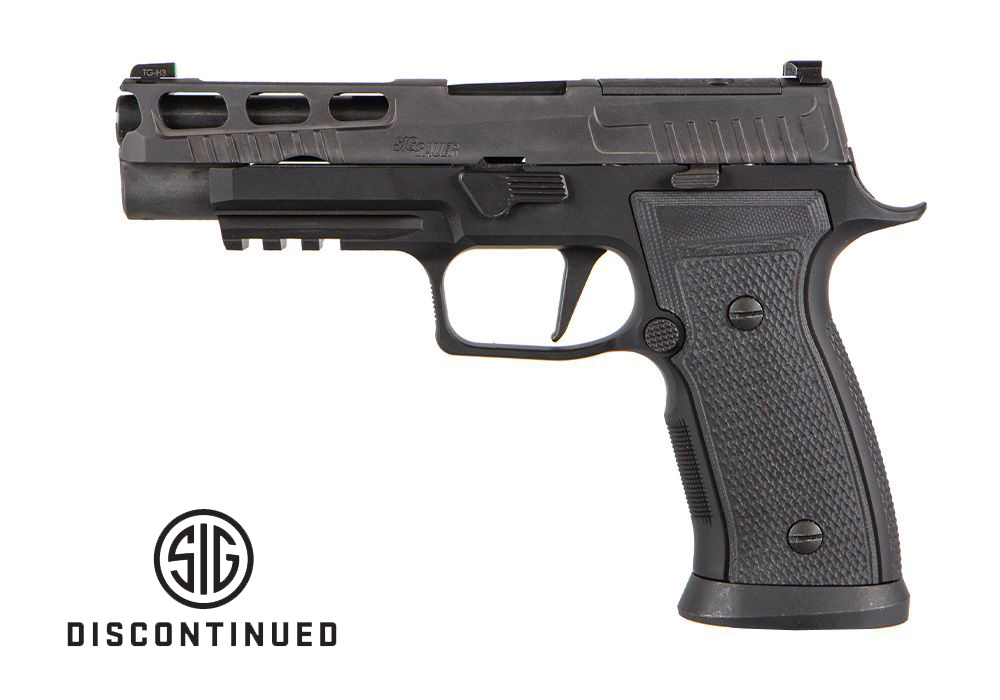
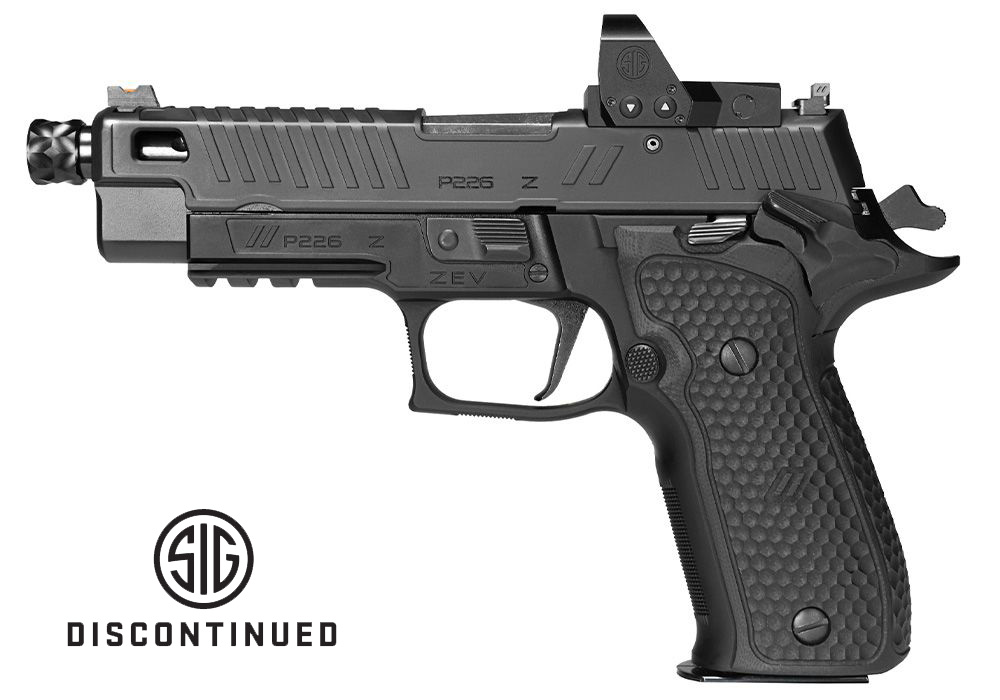
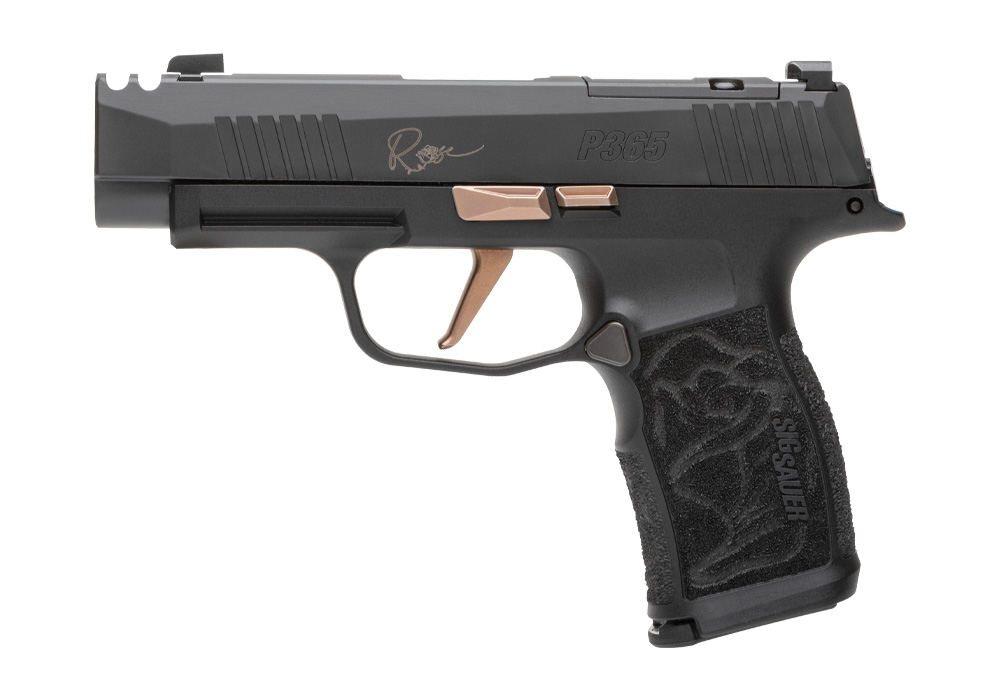
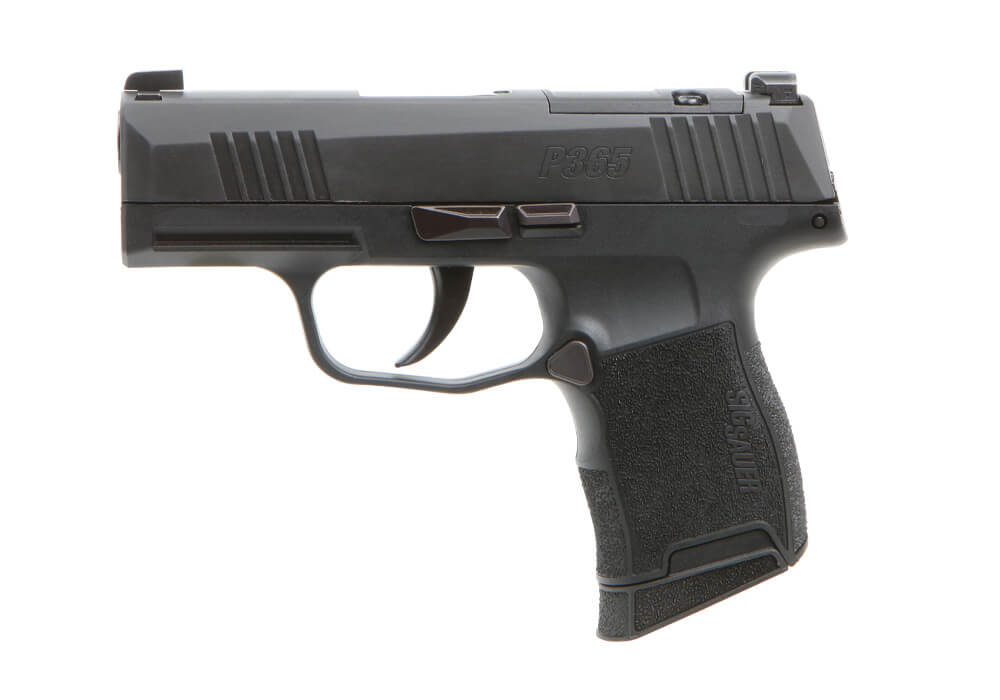
Handguns with optic-ready stylized slides pair a slide configured to accept a compatible pistol optic with distinctive machining, serrations, contours, or window cuts. The result is a category defined by both sighting-system compatibility and visual character, rather than appearance alone. An optic-ready slide typically has a mounting interface beneath a removable cover plate, though the exact arrangement varies by design. Some interfaces accept a compatible optic directly, while others require a specified adapter plate. Optic readiness does not mean that every sight will fit, or that an optic is included with the handgun. The mounting footprint, approved hardware, sight dimensions, and manufacturer’s compatibility information remain important distinctions between configurations. Stylized details can be equally varied: closely spaced rear serrations, pronounced forward gripping surfaces, sculpted edges, and exposed barrel sections each give a slide a different profile. Serrations provide textured contact surfaces for handling, while other cuts may serve primarily aesthetic purposes or form part of an engineered system. A window cut in the slide is not the same feature as a port in the barrel, and neither should be confused with a compensator. Those distinctions help explain why two handguns with similarly dramatic slide profiles can have different operating characteristics and care requirements. For shoppers who appreciate purposeful design, the appeal lies in the relationship between clean machining, useful surface texture, and a sighting platform suited to their preferences. A restrained slide with crisp serrations can look just as distinctive as one with extensive sculpting. More visible machining does not automatically indicate greater durability, softer recoil, or better accuracy; those qualities depend on the complete firearm and its intended configuration. Within this category, meaningful differences include slide dimensions, frame construction, grip proportions, optic interface, and the relationship between the optic and conventional sights. Together, those details distinguish a visually striking handgun from one that also fits its owner’s hands, established equipment, and intended activities.
Materials and fit give these designs much of their everyday character. Steel slides are common, while frames may use polymer or metal construction, each contributing a different balance and feel. Surface treatments and coatings can help resist corrosion and wear, but their appearance and performance depend on the particular finish and how the firearm is maintained. A dark, low-glare slide paired with a contrasting barrel creates a different impression from a uniform finish with subtle contouring; neither visual treatment alone establishes how well the handgun will hold up over time. Close-fitting components, consistent machining, and manufacturer-supported compatibility matter more than decorative complexity. Grip shape deserves the same attention as the slide. A handgun can look balanced in a photograph yet feel too broad through the grip or place its controls beyond a comfortable reach. Where offered, interchangeable grip components provide another point of comparison, particularly for households in which more than one authorized adult may use the firearm. Overall weight and slide length also influence how a handgun feels during supervised practice or an extended range visit. A compact configuration and a larger range-oriented configuration may both be optic-ready, yet offer noticeably different handling and accessory requirements. Holster fit is especially important because compatibility depends on the complete setup, not simply a general size designation. The holster needs to accommodate the handgun’s exact configuration and any fitted optic while securely covering the trigger area. Conventional sight height is another model-dependent detail: some configurations permit the iron sights to remain visible through the optic window, while others do not. That sight relationship should be confirmed rather than assumed from the phrase “optic-ready.” For recreational target shooters, organized competition participants, or responsible owners considering lawful personal protection, the most useful configuration is one that supports appropriate training and fits the activity’s requirements. Competition rules, range policies, and local legal requirements can further shape that decision without changing the category’s central appeal: distinctive slide design paired with a compatible optical sighting interface.
Care and long-term ownership bring the practical side of stylized slides into focus. Recessed serrations, sculpted surfaces, and open slide windows create additional edges and spaces where lint, residue, and other debris can collect. A handgun that spends time in a holster may need attention in different places than one transported in a protective case for occasional range sessions. Routine inspection and cleaning should follow the firearm manufacturer’s instructions, using products appropriate for the finish, frame material, and any installed optic. Cleaning solvents intended for firearm components are not automatically suitable for an optic’s lenses, seals, or coatings, so the sight’s care directions matter as well. Keeping optical surfaces clear protects the view through the sight, while checking for visible wear or loose components helps identify concerns that warrant qualified service. Any work involving the mounting interface should follow the applicable manufacturers’ requirements or be handled by a qualified professional; visual similarity between parts is not proof of compatibility. Protective storage also helps preserve finely machined surfaces and contrasting finishes, but security takes priority over presentation. Firearms should be stored unloaded and secured against unauthorized access, with ammunition secured separately, in accordance with applicable laws and manufacturer guidance. A locking storage solution belongs in the ownership plan alongside suitable eye and hearing protection and professional instruction. These handguns can appeal to experienced enthusiasts who value distinctive machining, target shooters interested in an optic-compatible platform, and newer owners prepared to build familiarity through supervised training. When a firearm is being considered as a gift for an eligible adult, personal fit, recipient preferences, lawful transfer requirements, and secure storage arrangements deserve more attention than a striking slide profile alone. The related selection of Handguns With Optic Ready Slides for Holidays offers another occasion-focused way to explore that interest. Across any occasion, a thoughtful choice connects the details visible at first glance with the details that matter over years of ownership: compatible equipment, comfortable fit, durable materials, manageable care, and a commitment to responsible use.