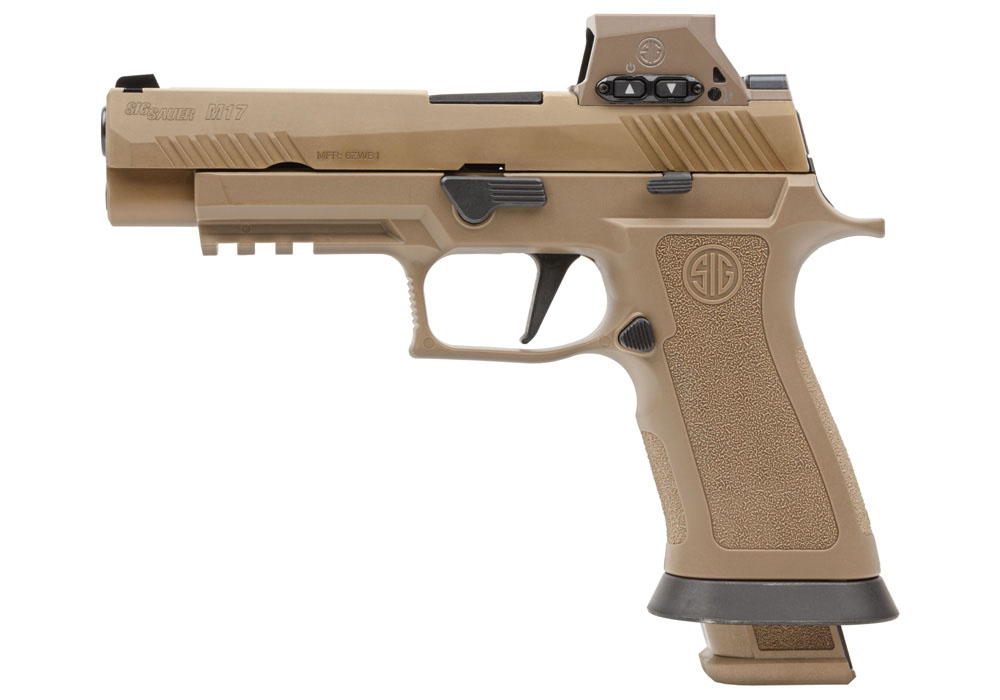
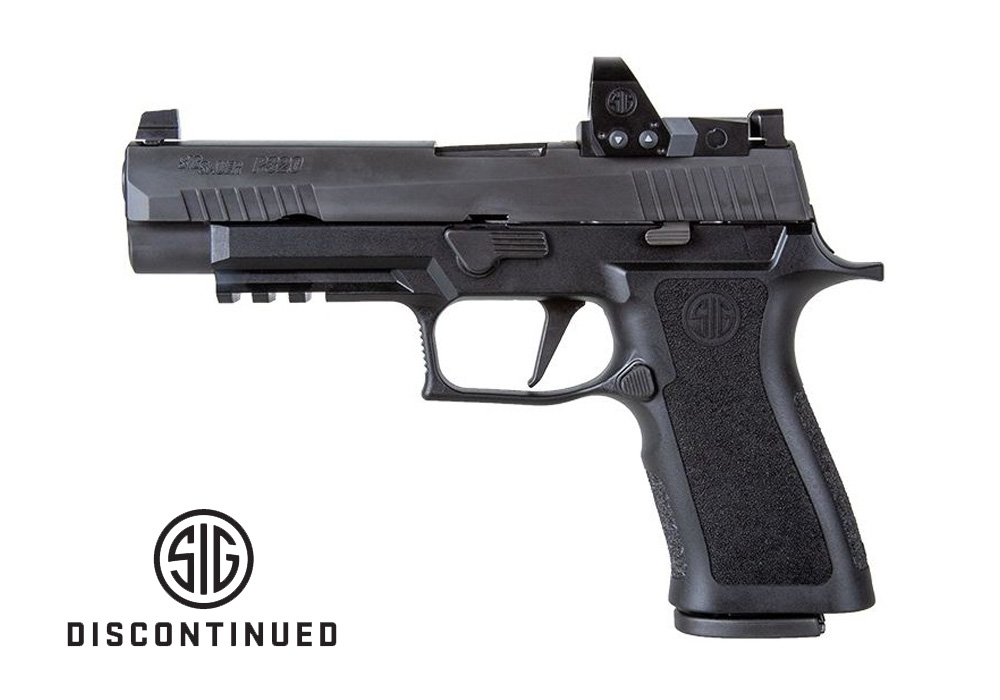
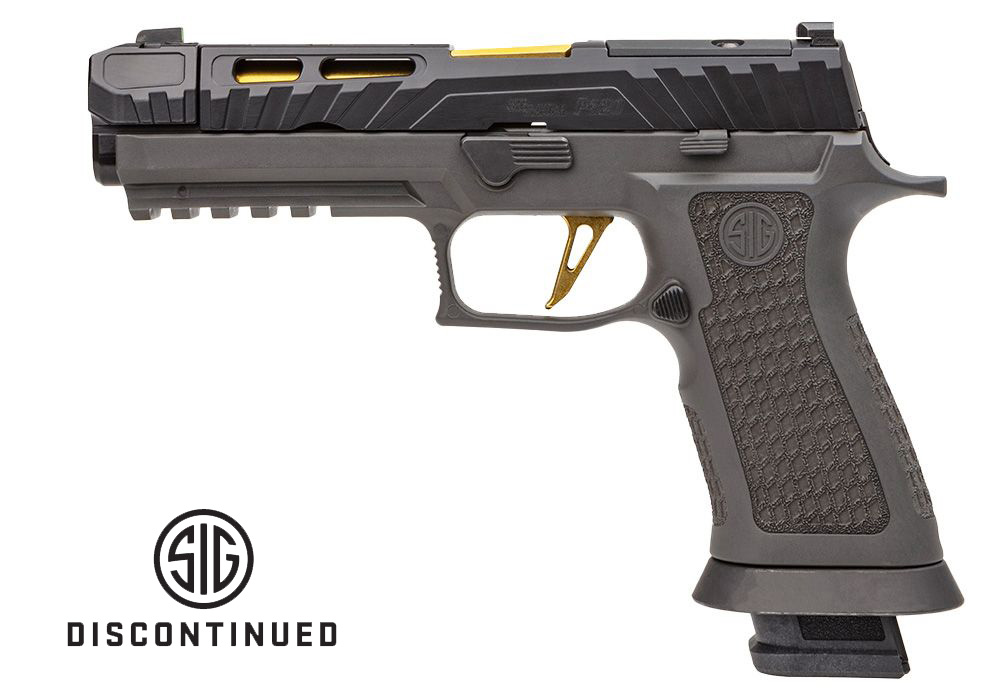
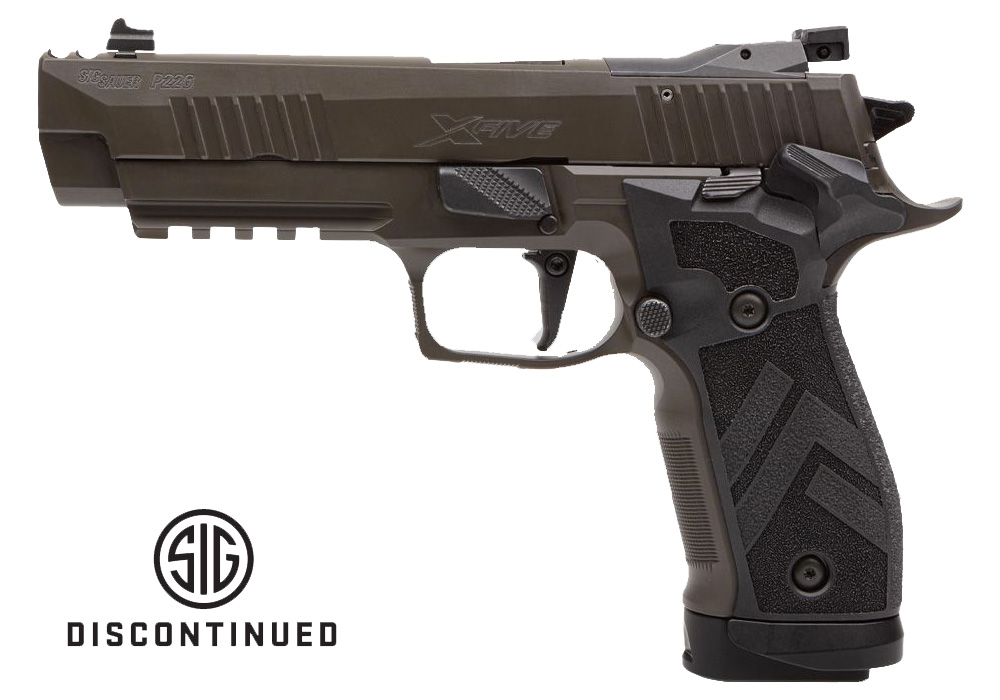
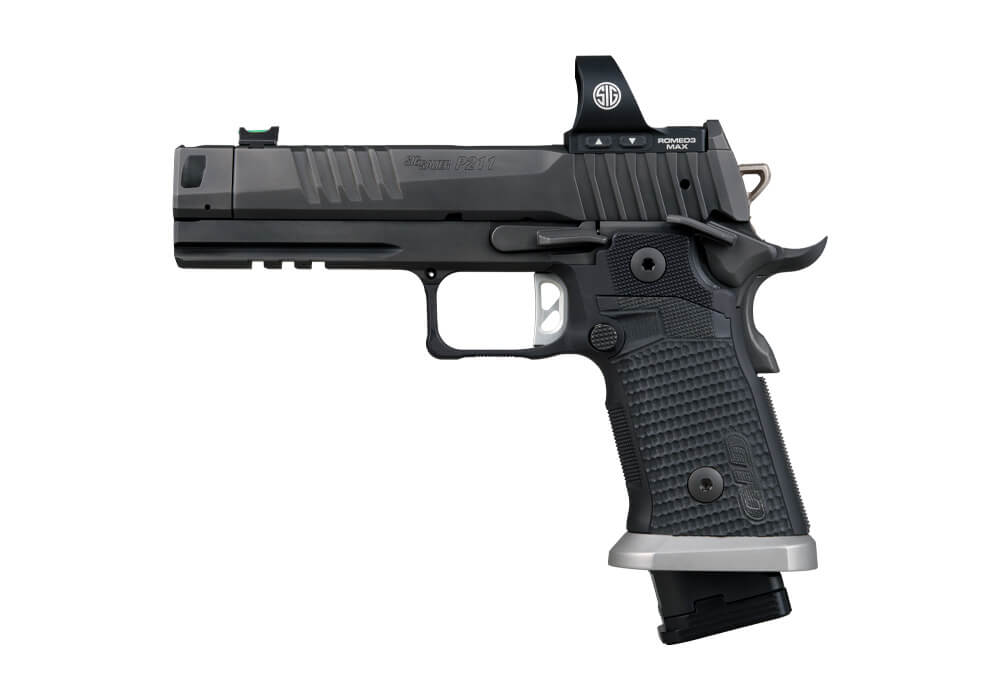
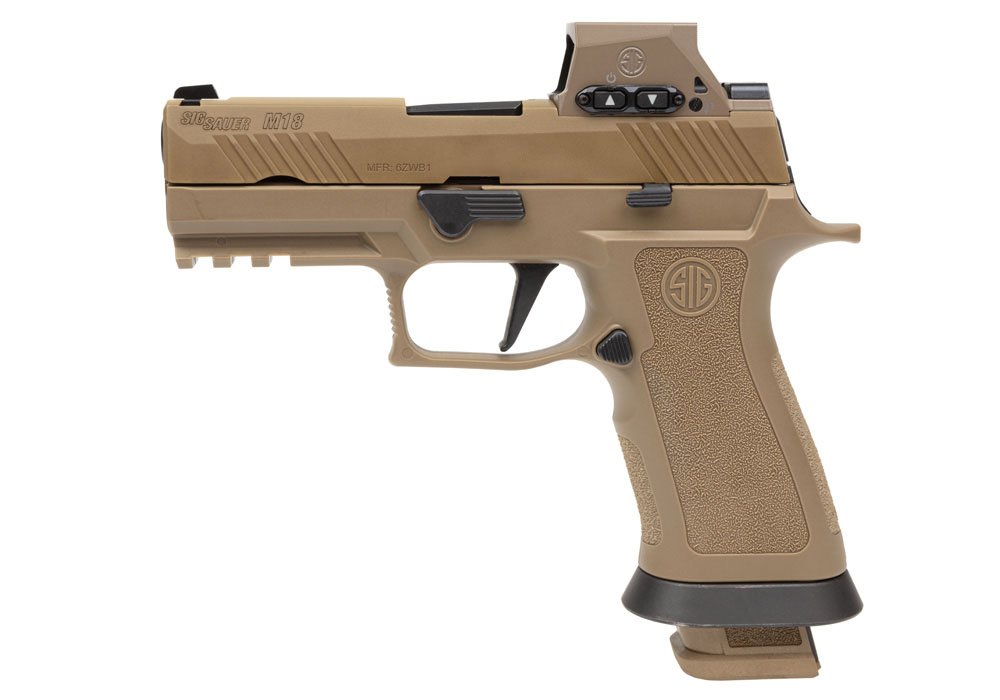
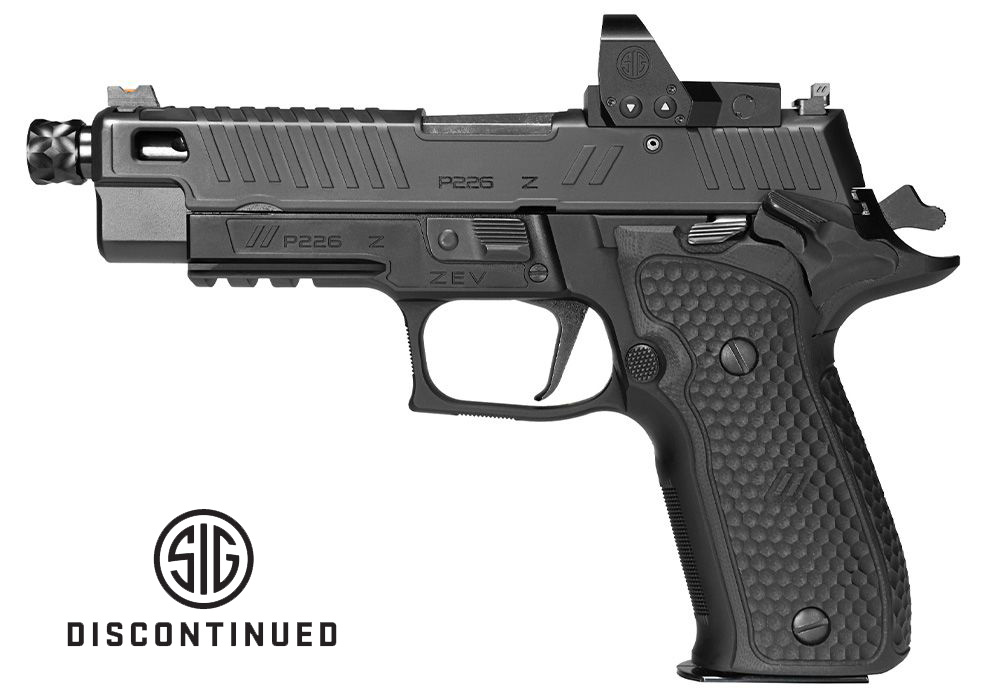
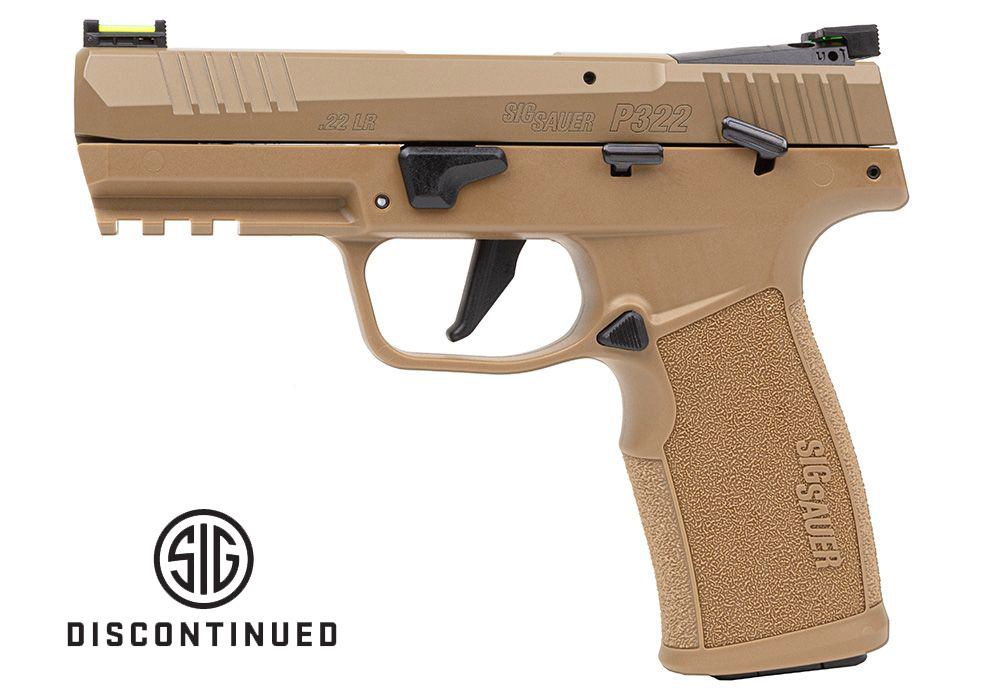
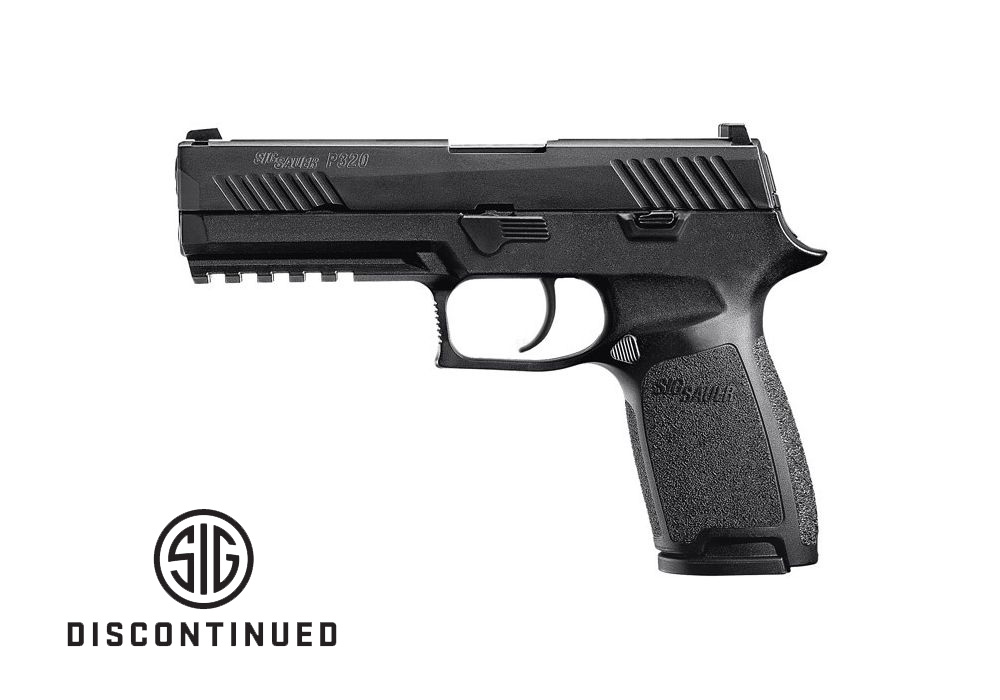
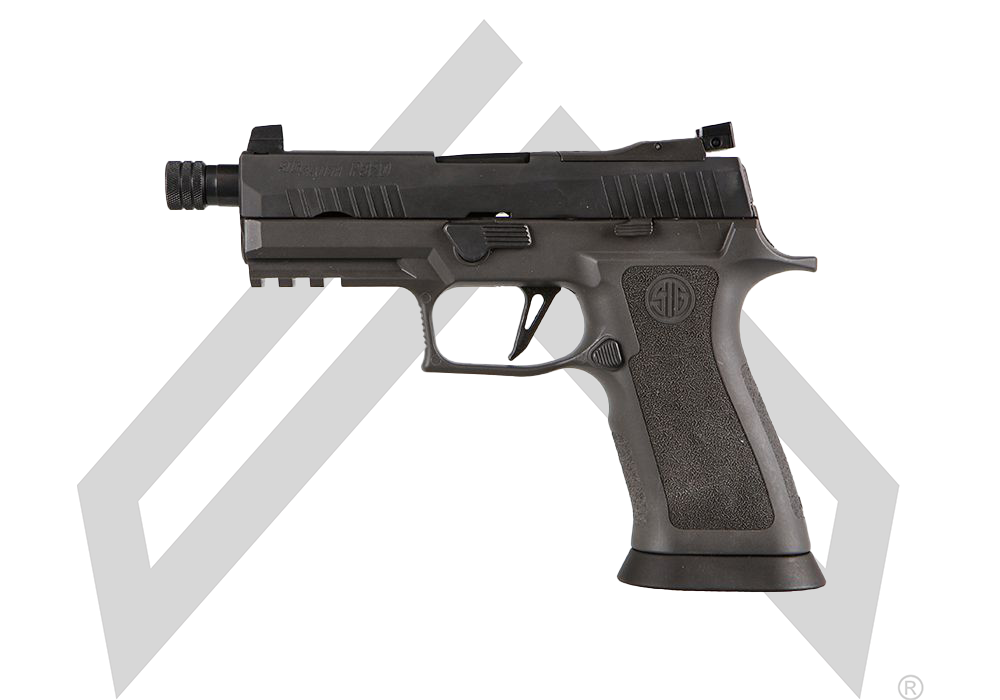
Full-size handguns with an optic-ready slide pair a full-length grip and service-size profile with a slide configured to accept a compatible electronic sight. The defining feature is a mounting interface, usually a recessed cut in the slide, that supports either direct attachment or an adapter plate matched to a particular optic footprint. An optic-ready designation does not necessarily mean a sight is included, and it does not mean every reflex sight will fit. Mounting patterns, screw specifications, clearance, and plate requirements vary between designs, so the firearm’s published specifications are an important part of any comparison. For shooters who prefer a red-dot sight, this configuration offers a factory-engineered starting point rather than requiring a conventional slide to undergo separate machining. The larger grip typically provides room for a complete firing-hand hold, while the overall dimensions can suit range practice, organized competition, and authorized professional use. Some owners also consider this category for lawful personal protection, with appropriate training and secure storage remaining essential parts of ownership. Full-size dimensions alone do not determine comfort or performance: grip circumference, trigger reach, balance, and control placement all affect how naturally a handgun fits an individual. A longer slide generally creates a longer sight radius for iron sights, but that benefit is separate from the way a slide-mounted optic presents its aiming reference. A reflex sight displays an illuminated aiming point through a lens, allowing a compatible setup to support a target-focused sight picture. It does not replace sound handling skills or guarantee accuracy. For someone accustomed to iron sights, familiarity with the different visual presentation takes practice. The appeal of an optic-ready full-size pistol is the combination of a substantial grip, a purpose-designed sight interface, and room to choose a configuration that suits the owner’s needs. That combination makes this category relevant to experienced enthusiasts as well as newer, properly trained owners who want to evaluate both traditional sights and compatible optics.
Materials and construction shape how a full-size handgun feels during a supervised range session, how it carries in an appropriate holster, and what routine upkeep it requires. Polymer grip frames can reduce overall weight, while aluminum-alloy and steel frames contribute different weight and balance characteristics. A heavier handgun may feel steadier to one shooter yet tiring to another, especially over an extended practice session. Slide material, surface treatment, and the quality of the mounting interface also deserve attention, although no finish eliminates the need for care. A durable exterior helps resist ordinary handling wear, while regular inspection can reveal issues before they become larger maintenance concerns. Fit is just as important as material. A grip that fills the palm without forcing an awkward reach to the trigger can feel more manageable than one selected solely for its dimensions on paper. Interchangeable backstraps or modular grip components, where offered, provide additional ways to accommodate different hand sizes. Grip texture should provide useful purchase without creating unnecessary discomfort, and the shape of the backstrap and trigger guard can influence where the hand settles. At a range counter or during a qualified fitting session, those details often become more meaningful than a simple measurement of overall length. Control layout matters as well, particularly for left-handed shooters or anyone who finds a particular lever difficult to reach comfortably. The sight system introduces another set of fit considerations. Lens size, housing dimensions, and mounting height affect the visual presentation and the handgun’s compatibility with an optic-compatible holster. Taller iron sights may remain visible through some optic windows, but that relationship depends on the complete configuration rather than the optic-ready label alone. A full-size pistol can also require more space in a storage container or transport case than a compact handgun. Considering the firearm, sight, holster, and secure storage together helps create a coherent ownership setup rather than a collection of parts that may not work well together.
An optic-ready slide is best understood as a compatibility feature, not a universal mounting standard. Direct-mount systems connect a supported optic to the slide interface without a separate adapter, while plate-based systems use an intermediate component to match designated sight footprints. Neither arrangement should be assumed to accept an optic based on appearance alone. Manufacturer documentation identifies supported combinations and any required hardware, and a qualified professional can help resolve compatibility or installation questions. A cover plate serves a different purpose from an optic adapter: it closes the unused mounting recess when an optic is not fitted. For a related configuration, Full Size Handguns With Optic Plate Cover focuses on full-size handguns equipped with that covering component. The distinction matters for owners who prefer iron sights initially or want to understand how the slide is configured without an electronic sight attached. Long-term care should account for both the firearm and any installed optic. Follow the respective manufacturers’ cleaning and inspection guidance, including precautions around lenses, electronics, and finishes. Solvents intended for firearm components are not automatically suitable for coated optical glass, and a clear lens deserves the same attention as the condition of the surrounding equipment. Battery access and recommended inspection intervals are useful ownership considerations for electronic sights, particularly when deciding whether routine service requires professional assistance. Any change to the sight arrangement should be evaluated safely at an appropriate range before the handgun is relied upon for its intended lawful purpose. For recreational shooters, consistent equipment can make regular practice more familiar; for competitors, the complete configuration must also meet the rules of the relevant discipline. Professional users may have additional equipment and qualification requirements. Across these uses, the strongest fit comes from matching dimensions, materials, sight compatibility, and maintenance expectations to the individual rather than assuming the largest frame or broadest feature list is automatically preferable. Responsible ownership also includes training, compliance with applicable laws, and locked storage that prevents unauthorized access. A well-considered full-size optic-ready handgun brings those practical requirements together with a sight interface suited to the owner’s preferred setup.