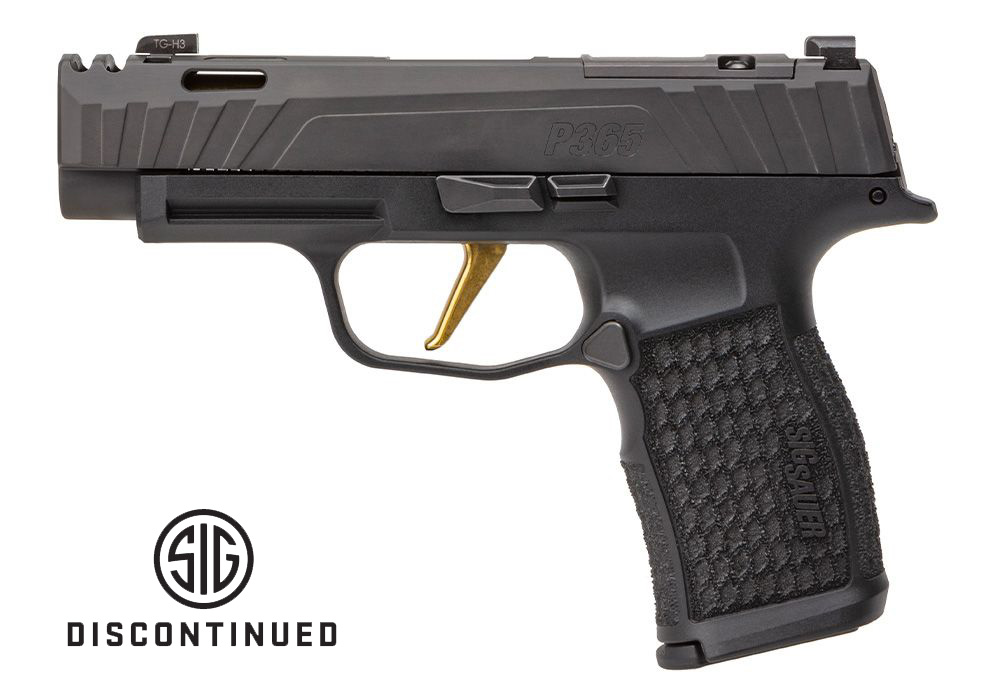
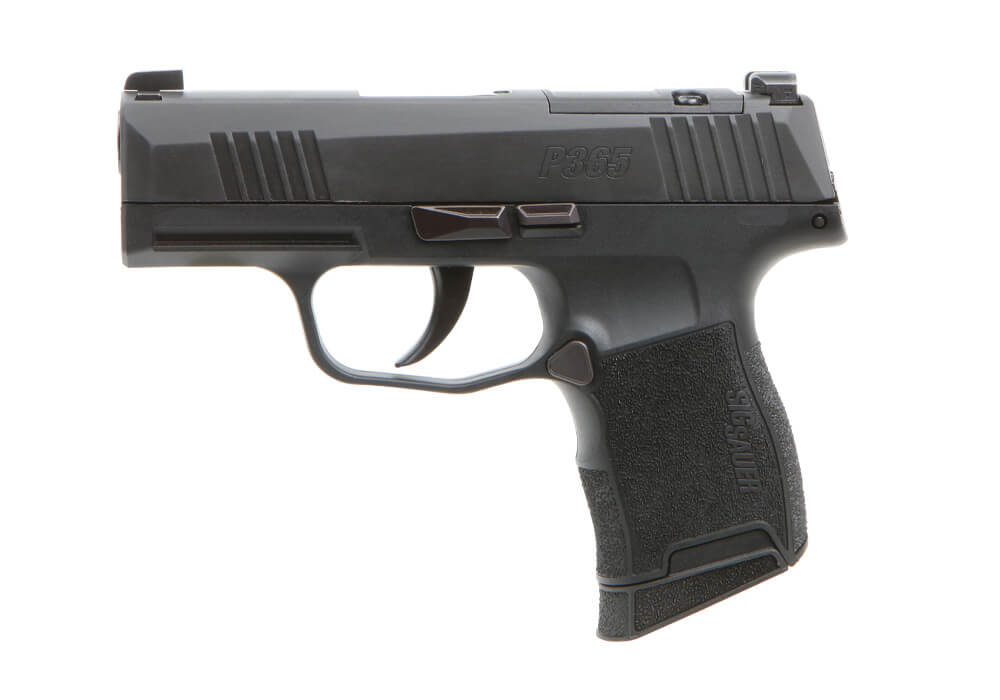
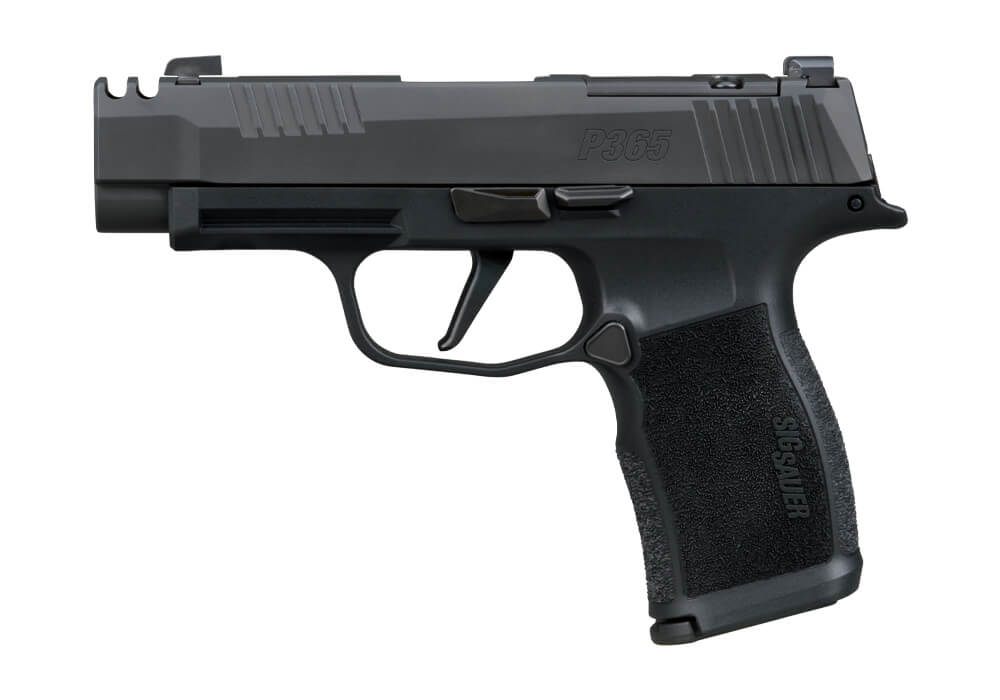
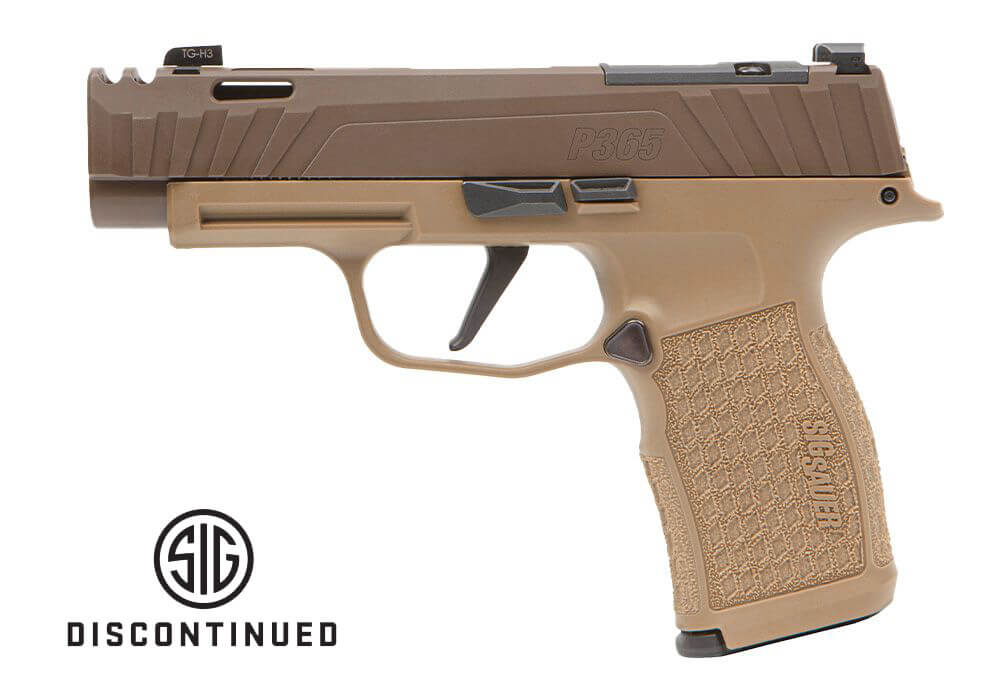
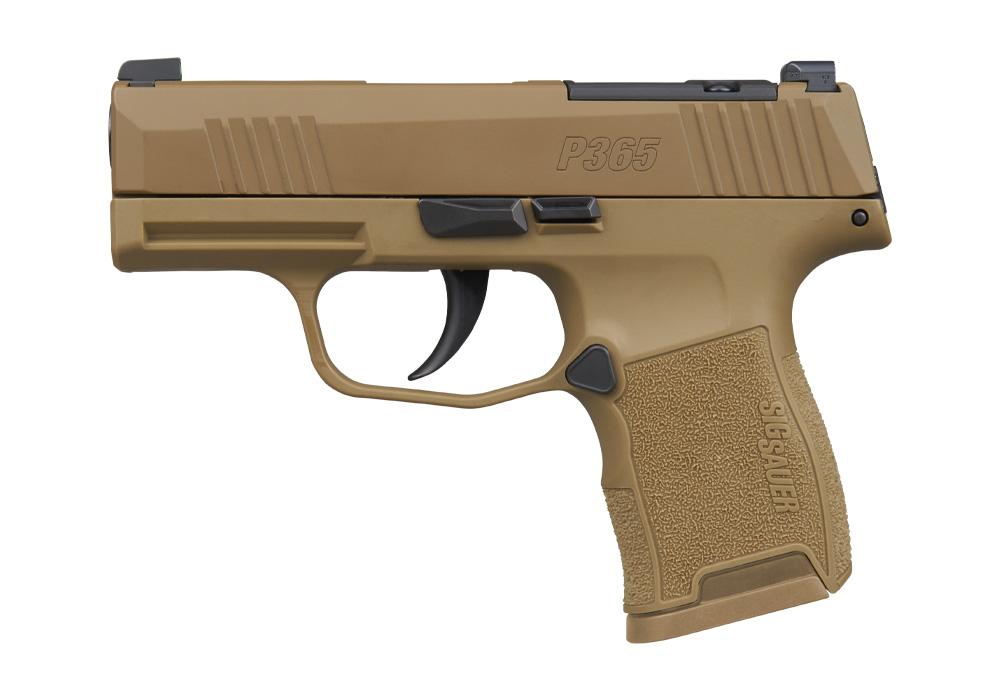
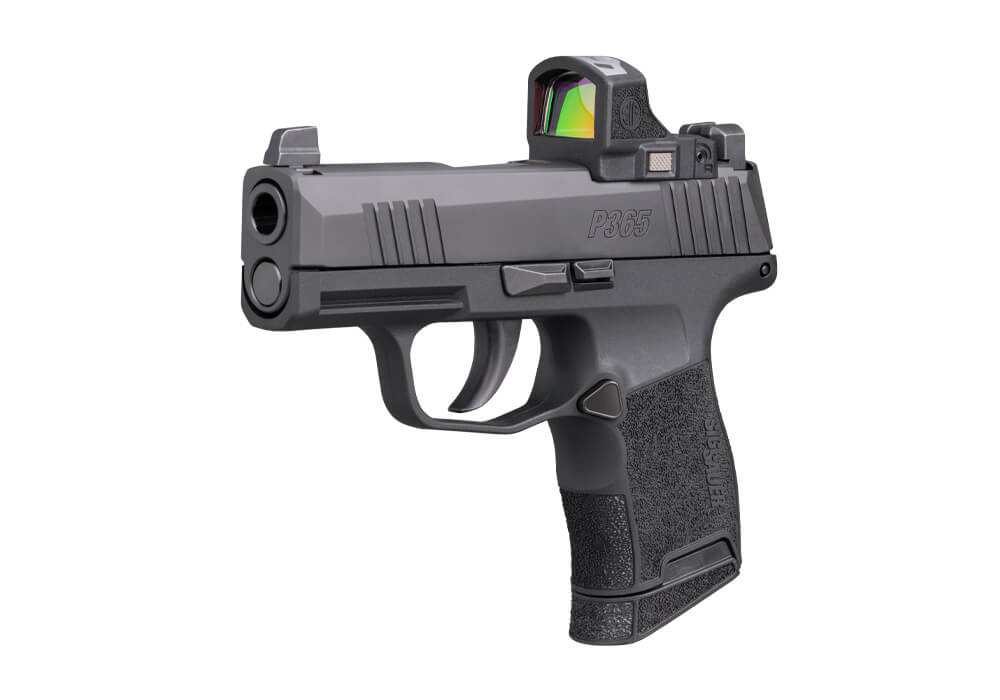
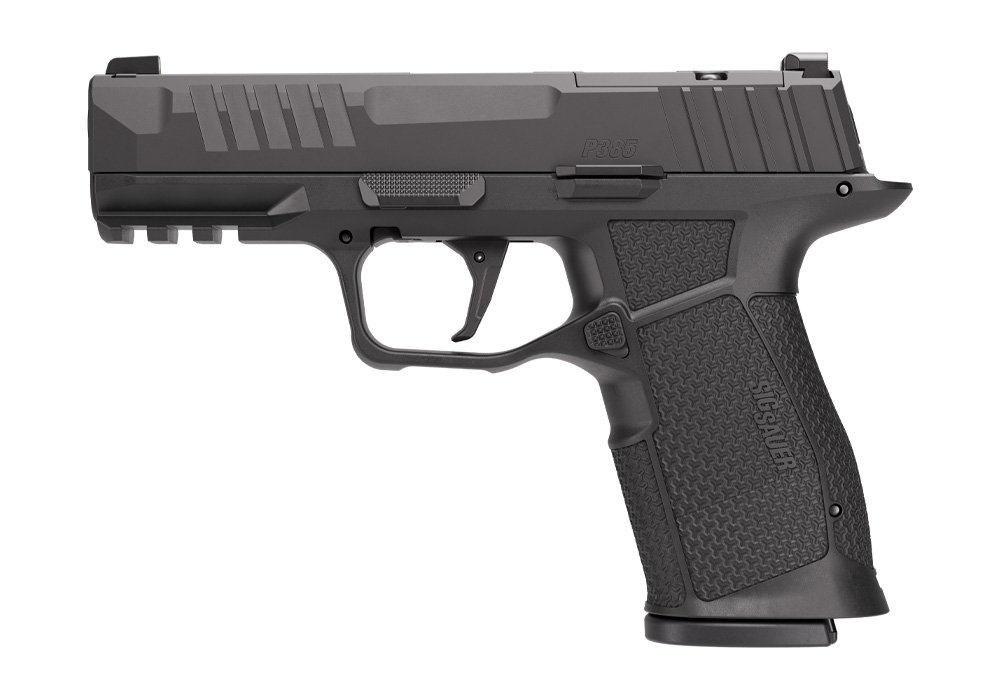
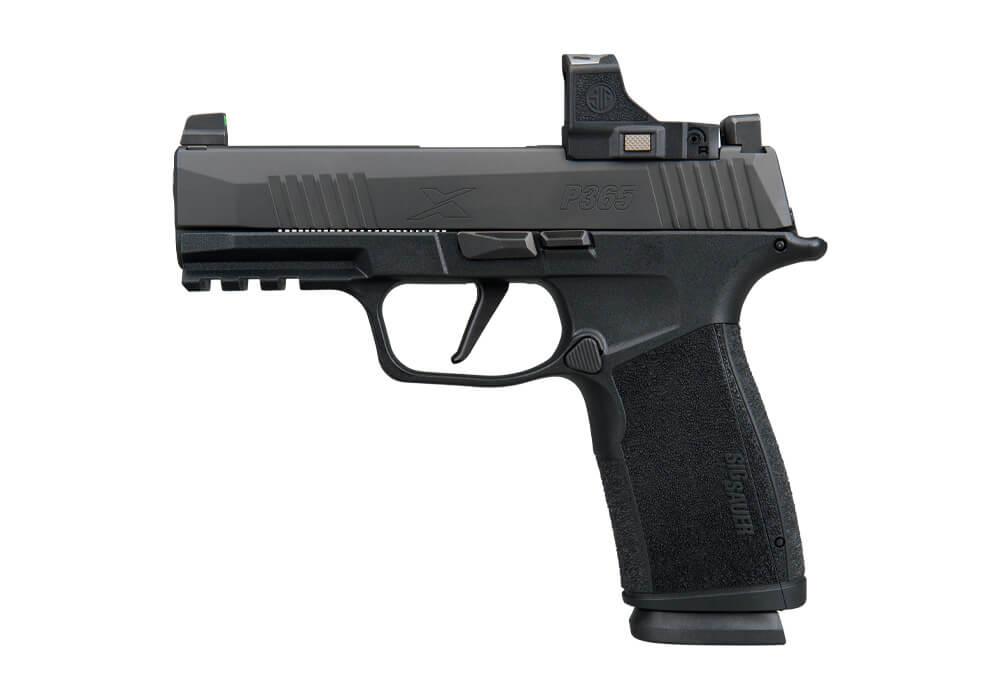
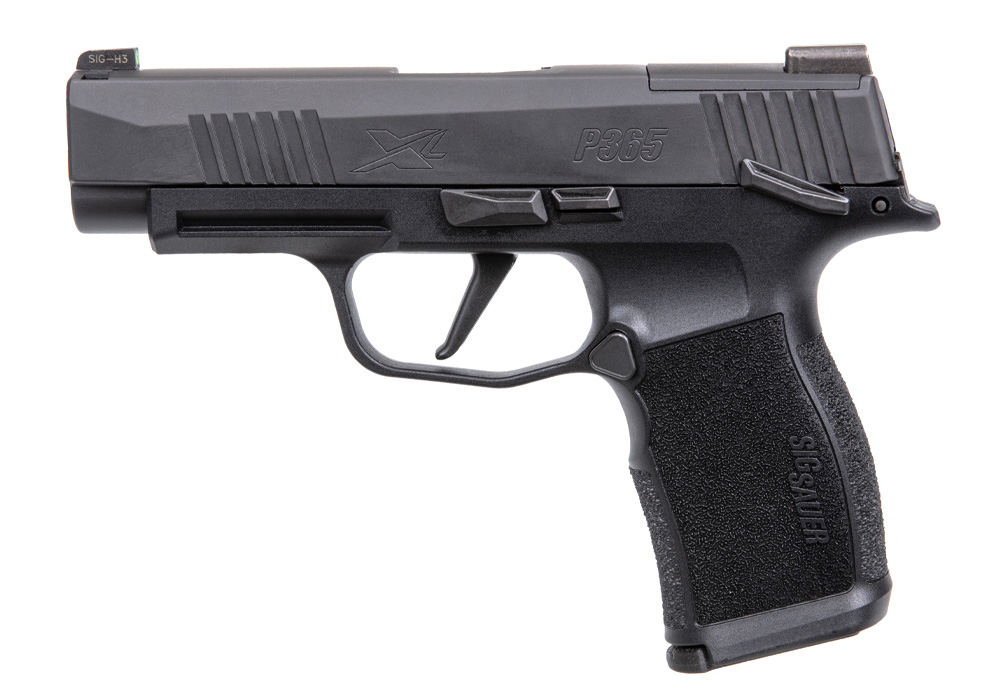
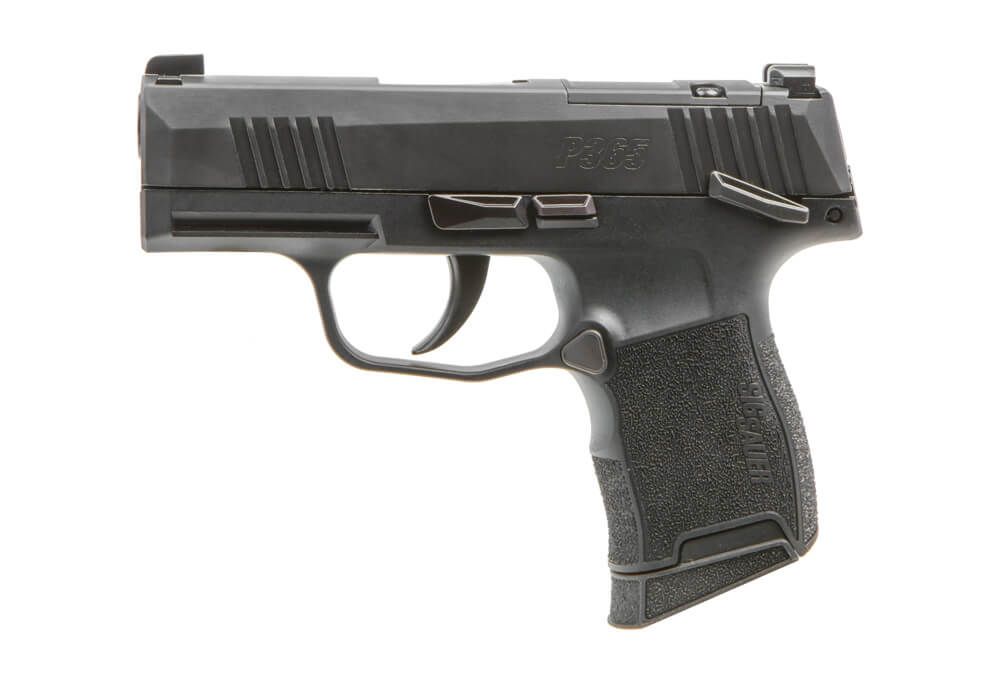
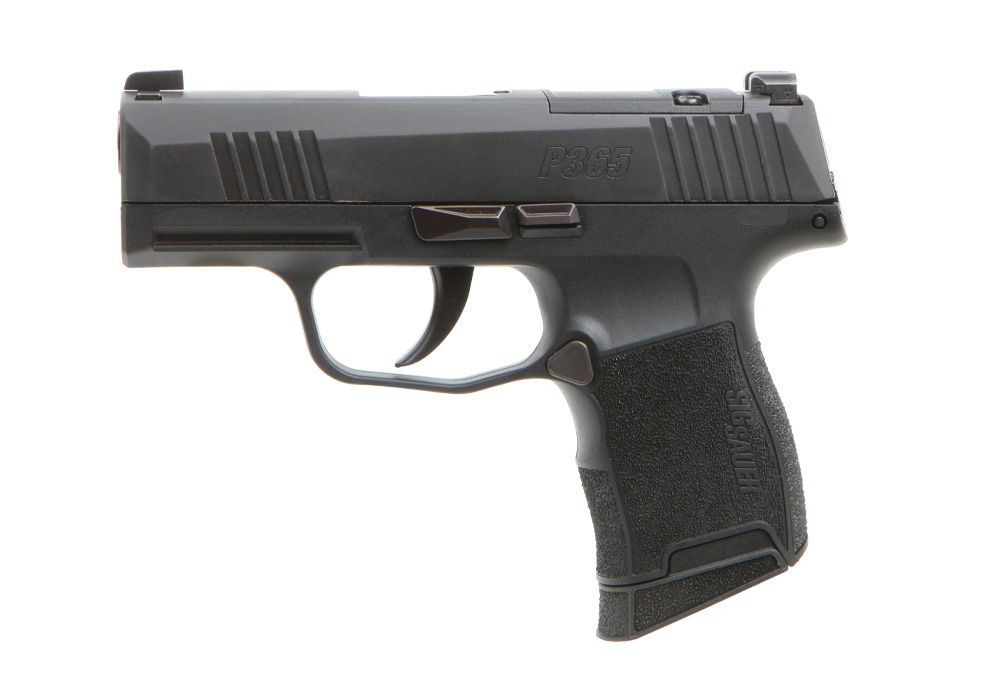
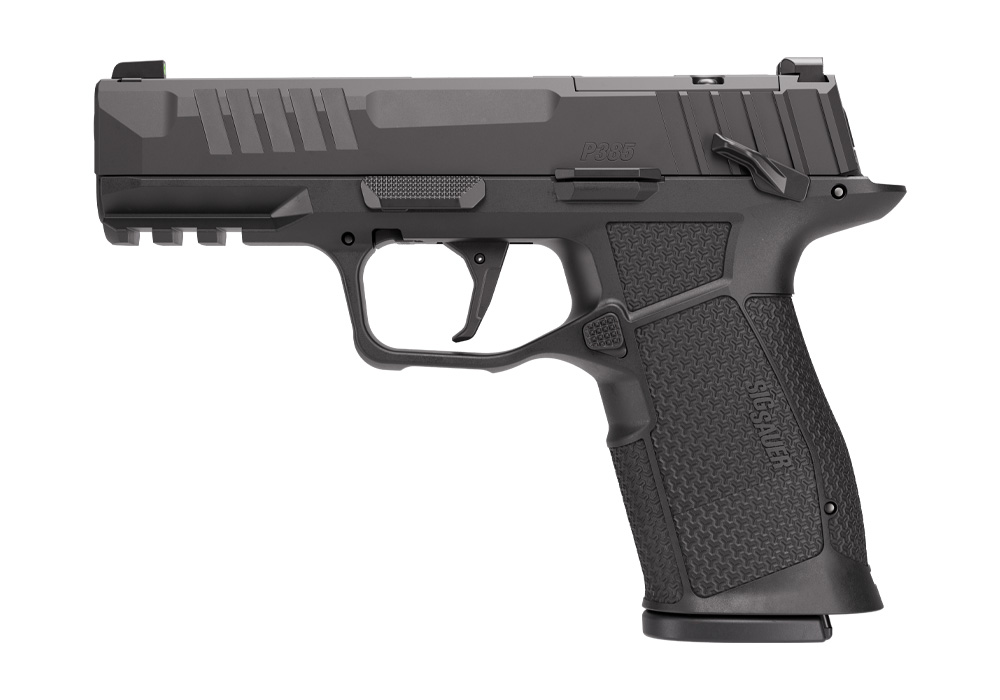
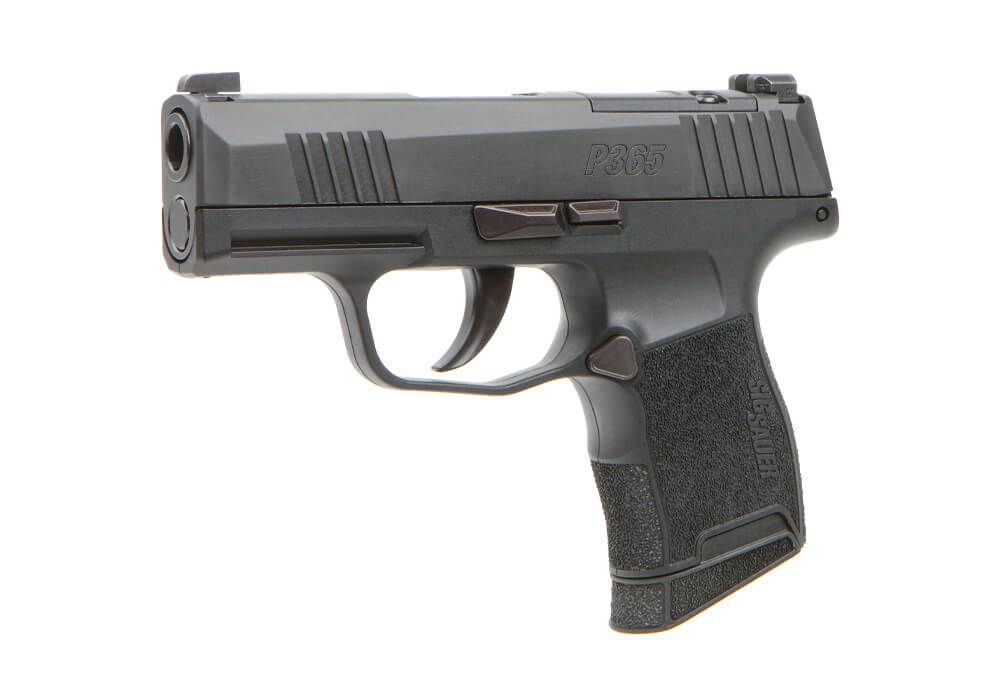
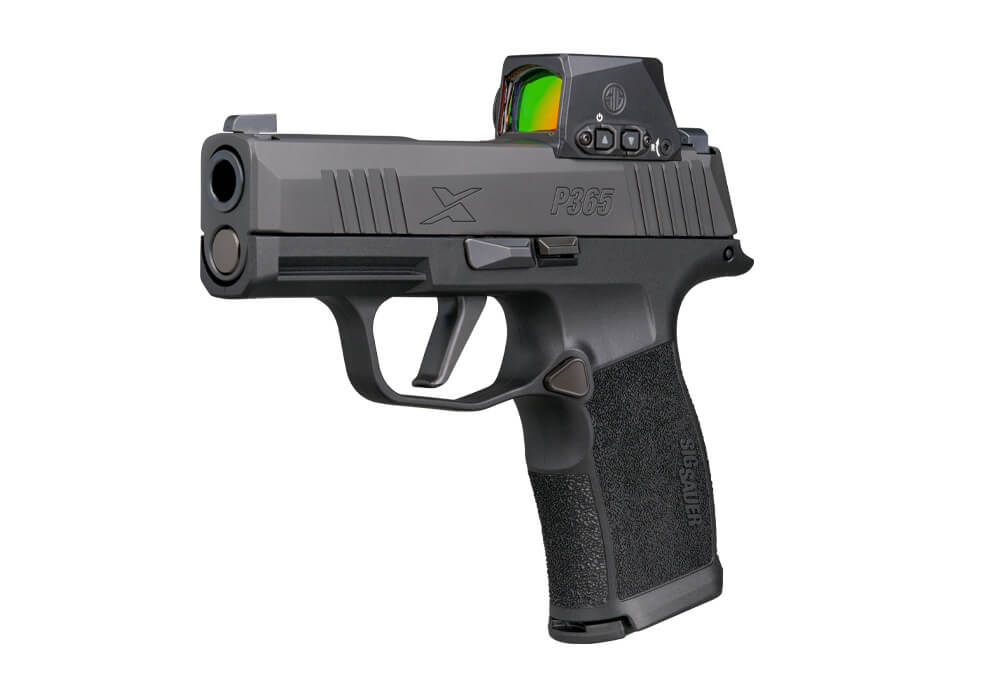
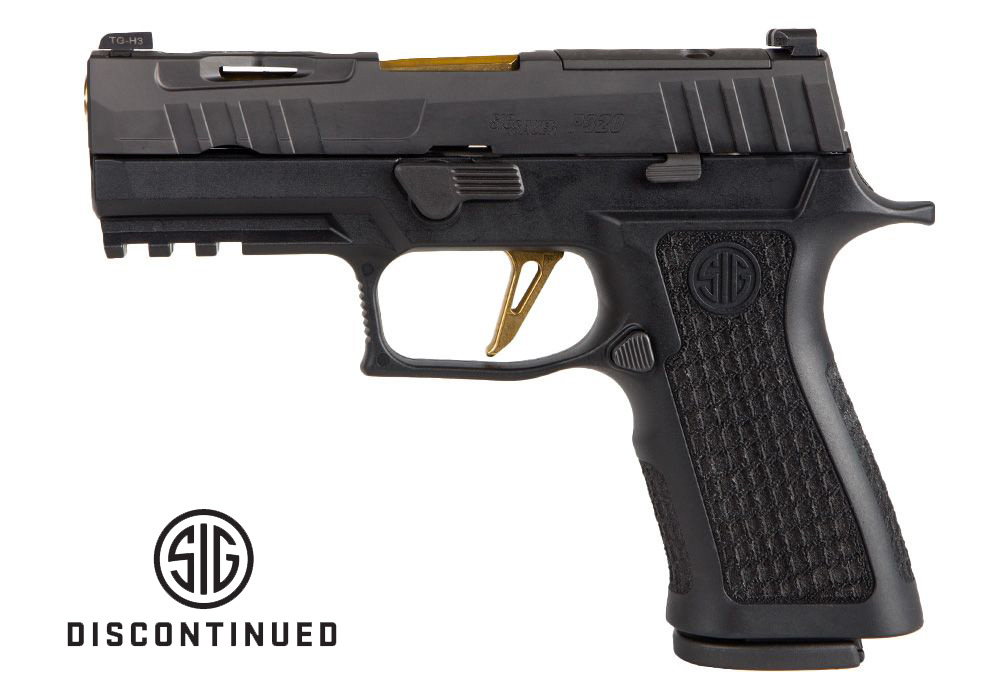
Subcompact pistols with optic-ready slides are small-format handguns with factory slide provisions for mounting a compatible red dot sight, either directly or through an approved adapter plate. Their defining combination is a compact frame and an optic-compatible slide, allowing a smaller handgun to accommodate an electronic aiming reference without requiring a custom slide alteration. Optic-ready does not necessarily mean an optic is included, and it does not mean every red dot will fit. Slide cuts, mounting footprints, adapter requirements, and sight dimensions vary, so compatibility depends on the particular handgun and optic combination. Subcompact and micro-compact labels also vary across manufacturers; overall length, grip height, width, and unloaded weight provide a clearer picture of size than the category name alone. A short slide can keep the overall package compact, while grip length often has a greater effect on how the handgun fits the hand. For an adult with larger hands, a very short grip may leave less room for a comfortable hold. Someone with smaller hands may appreciate a narrow frame but still find that trigger reach matters more than width. These differences become easier to understand when handling a handgun in a supervised retail or range setting rather than judging it from photographs. The optic adds another set of dimensions. Its housing can increase overall height, extend beyond the sides of the slide, or change the clearance needed inside a compatible holster. A smaller sight may preserve a trim profile, while a larger viewing window can offer a different visual experience. Neither characteristic alone determines whether the complete setup will feel comfortable. For lawful everyday carry, recreational range use, or structured instruction, the most useful comparison considers the handgun, optic, and supporting equipment as one system rather than treating slide compatibility as the only requirement.
Materials and construction influence weight, feel, and long-term care in ways that are especially noticeable on a small handgun. Polymer frames can keep weight relatively low, while metal frames may offer a different balance and feel in the hand. Steel slides, internal components, and protective surface treatments contribute to durability, although no finish eliminates the need for routine inspection and appropriate maintenance. Grip texture deserves attention: a pronounced texture can feel secure during supervised range practice yet become uncomfortable where it contacts the body during lawful carry. Smoother surfaces may feel less abrasive but provide a different sensation in the hand. Controls, frame contours, and the shape of the trigger guard affect fit without changing the basic dimensions listed in a specification sheet. An optic introduces glass, electronics, and a mounting interface, each with its own care requirements. Lens coatings, housing construction, battery access, and environmental sealing can differ substantially, and a compact exterior does not reveal how those details compare. Manufacturer-approved cleaning products and maintenance procedures help protect finishes and optical surfaces from incompatible chemicals or abrasive materials. Lint, residue, and perspiration can affect equipment used regularly, making inspection relevant even when a handgun spends more time holstered than at the range. Optic mounting and any questions about hardware compatibility belong with the manufacturer’s documentation or a qualified professional. Holster fit is equally specific: an optic-compatible holster should match the handgun’s configuration, fully cover the trigger guard, and retain the handgun securely. An optic cutout by itself does not establish compatibility. The combined dimensions of the frame, slide, sights, and any supported accessories determine whether the fit is appropriate. Comfort while standing may also differ from comfort while seated, particularly when the optic housing or grip changes where the complete setup rests against the body.
Intended use gives these details context. For recreational range sessions, a subcompact optic-ready pistol offers an opportunity to become familiar with a compact handgun and an electronic sight in a controlled environment. For adults considering lawful everyday carry, overall dimensions and holster compatibility may carry greater importance, but small size should not be confused with effortless handling. A lighter handgun can feel more lively under recoil, and a shorter grip provides less surface area for the hands than a larger frame. New shooters may find that supervised instruction and a range rental clarify those differences more effectively than specifications alone. Experienced shooters may be more concerned with how closely the grip shape, control layout, and sight presentation resemble equipment they already know. A red dot provides an illuminated aiming reference, but it does not replace safe handling, sound fundamentals, or instruction. Visual preferences matter as well. Dot appearance, window size, brightness settings, and the relationship between the optic and iron sights can feel different from one person to another; an electronic sight is not automatically the best solution for every shooter. Comparing size categories can also be useful. The Full Size Handguns With Optic Ready Slide category provides a broader-frame comparison for adults who prioritize more grip area or a different weight balance over minimum dimensions. Within the subcompact category, meaningful distinctions include usable grip space, the complete sighting configuration, maintenance requirements, and support for appropriate holsters. Ownership also includes secure storage that prevents unauthorized access, compliance with applicable laws, and familiarity with the manufacturer’s safety information. Eye and hearing protection and qualified instruction remain important parts of range use regardless of handgun size or sight type. The appeal of an optic-ready subcompact is its combination of compact proportions and factory-supported sight compatibility. Its suitability ultimately rests on how well the complete configuration fits the user’s hands, intended activities, and ability to maintain and store it responsibly.