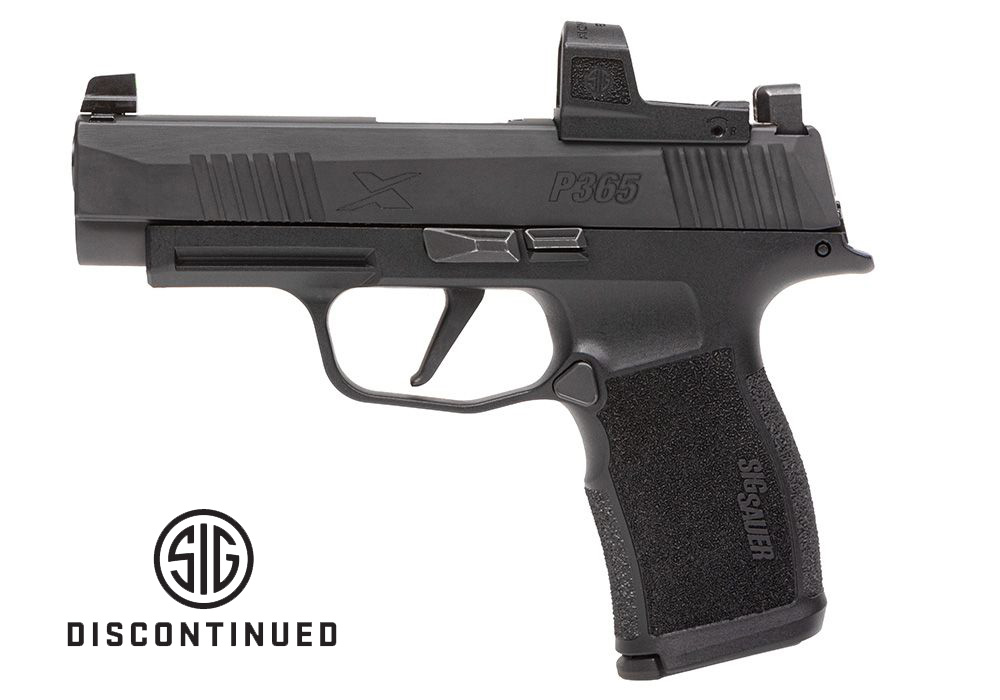
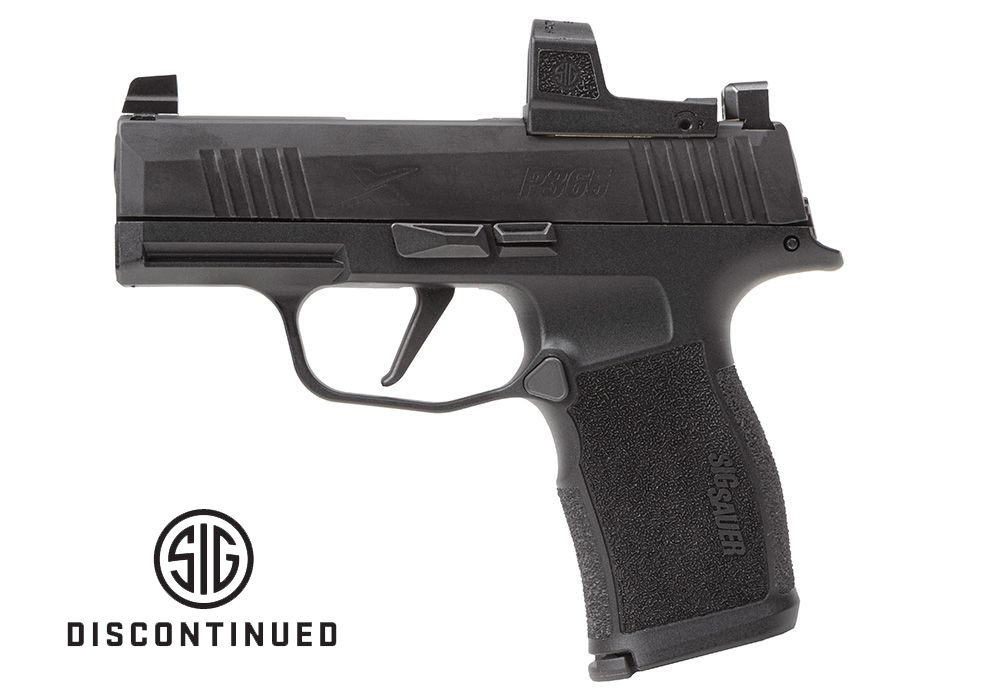
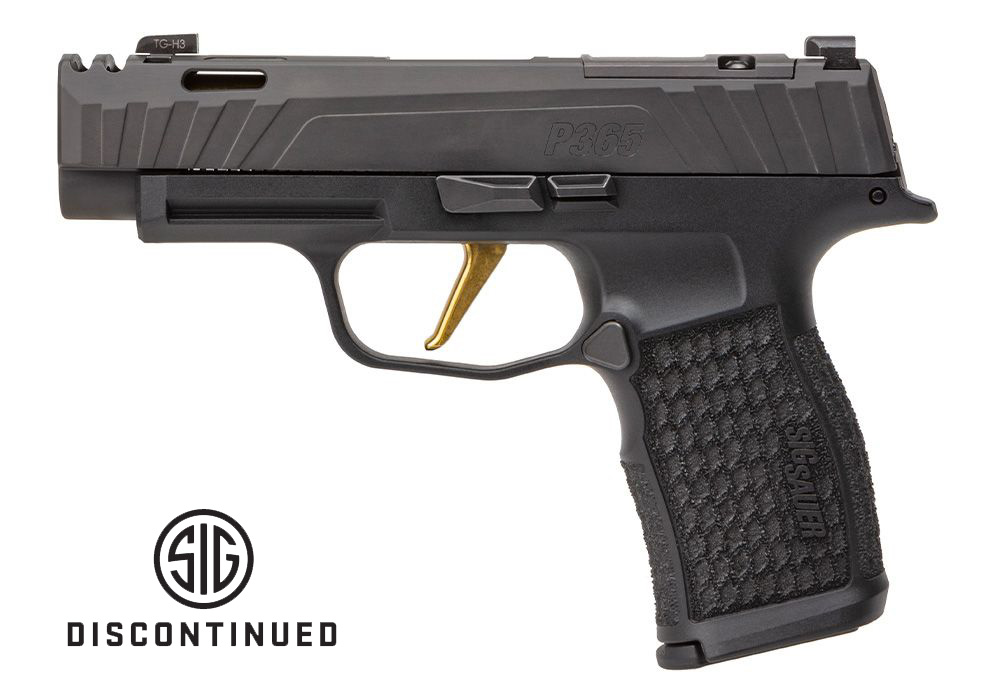
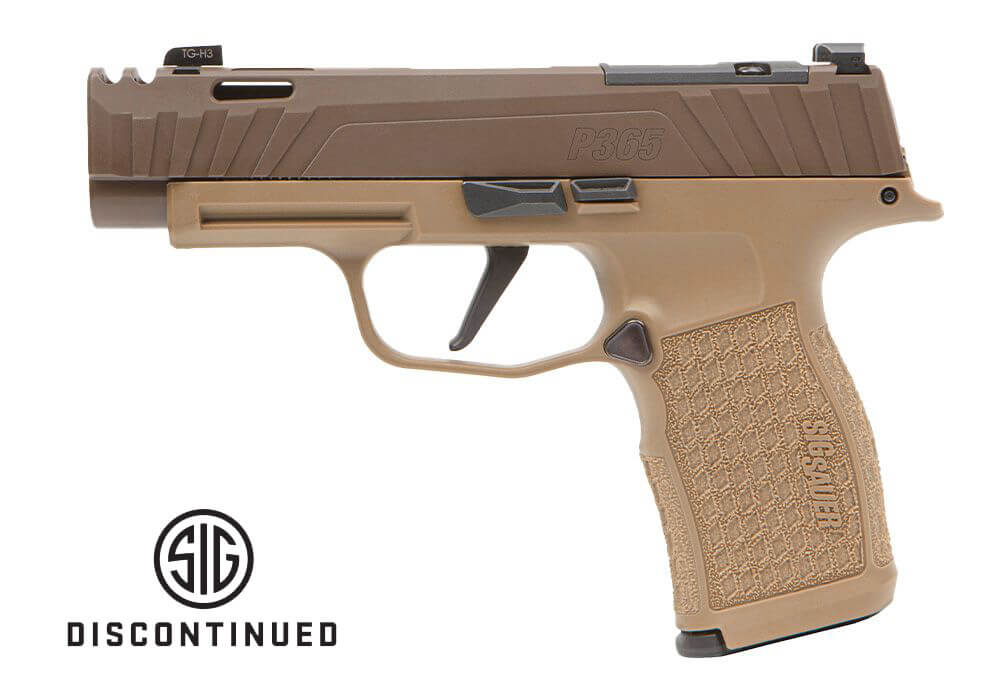
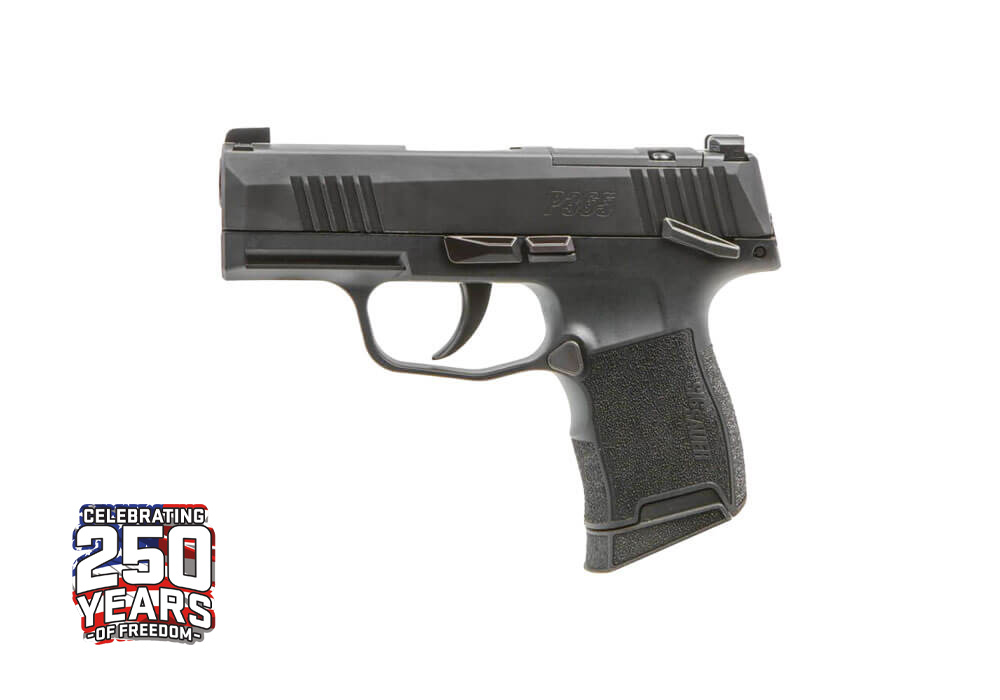
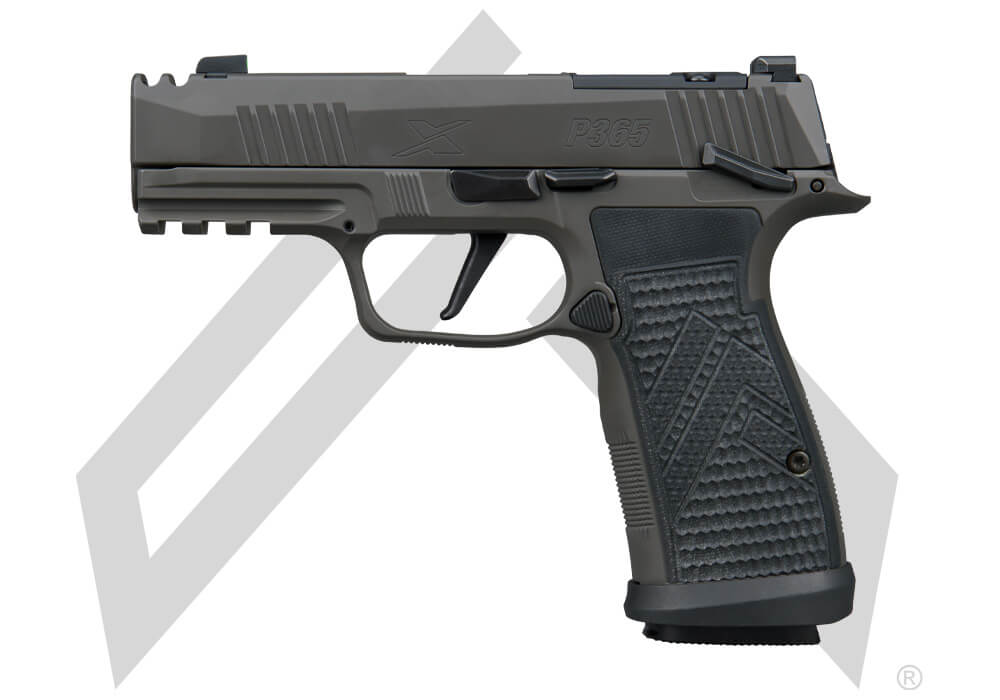
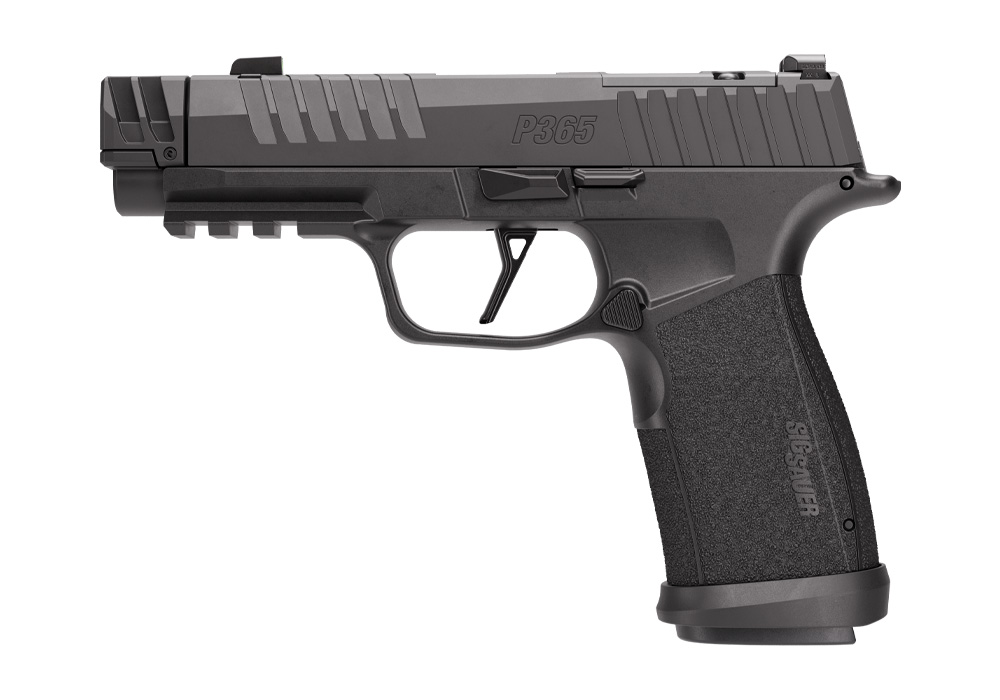
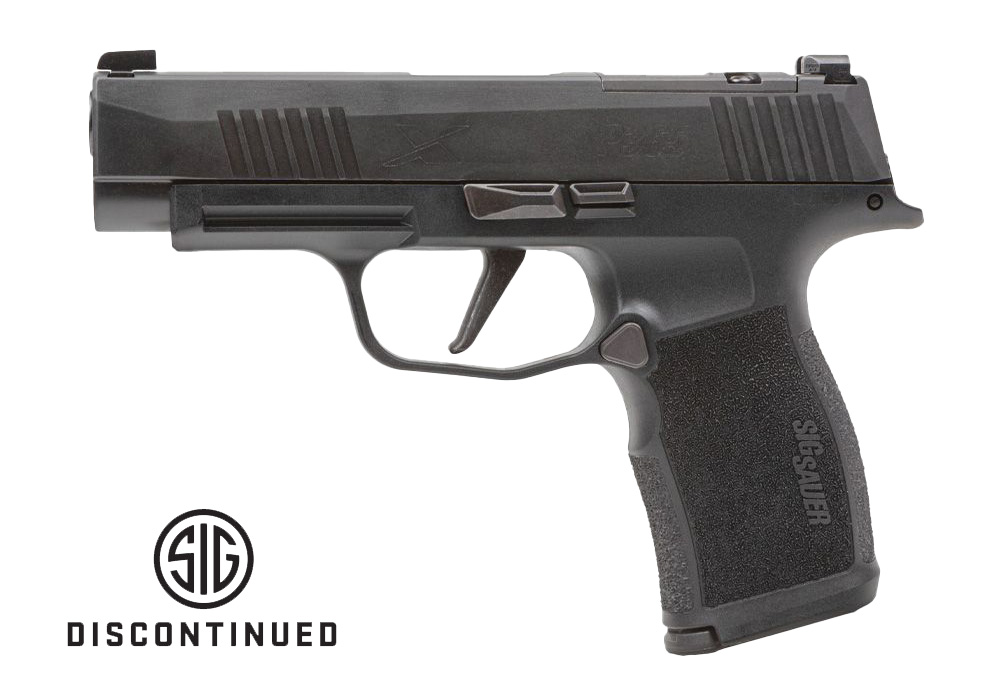
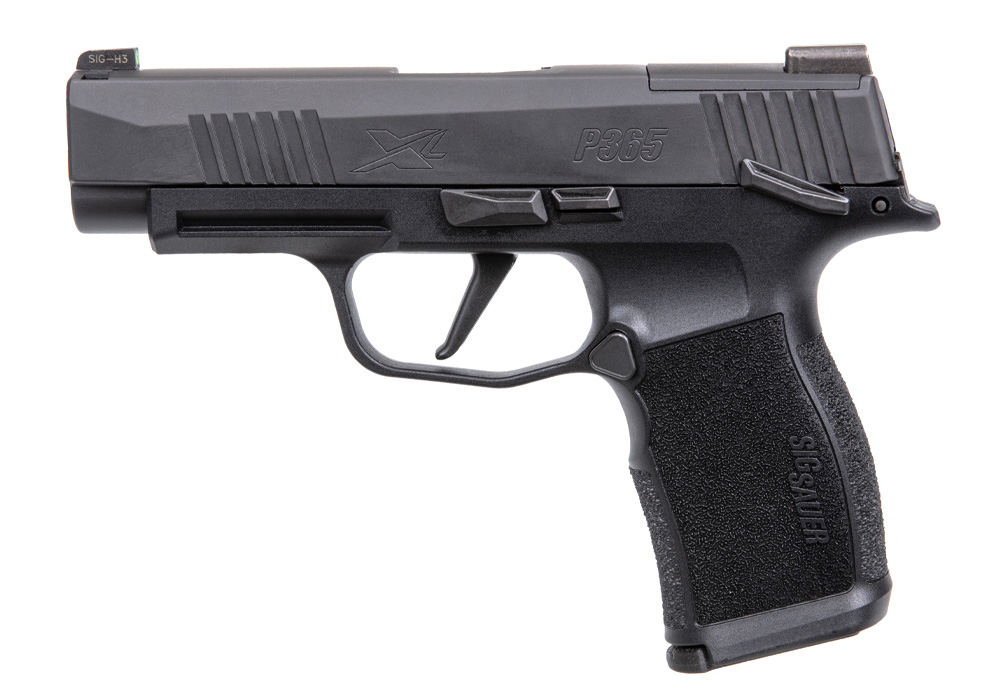
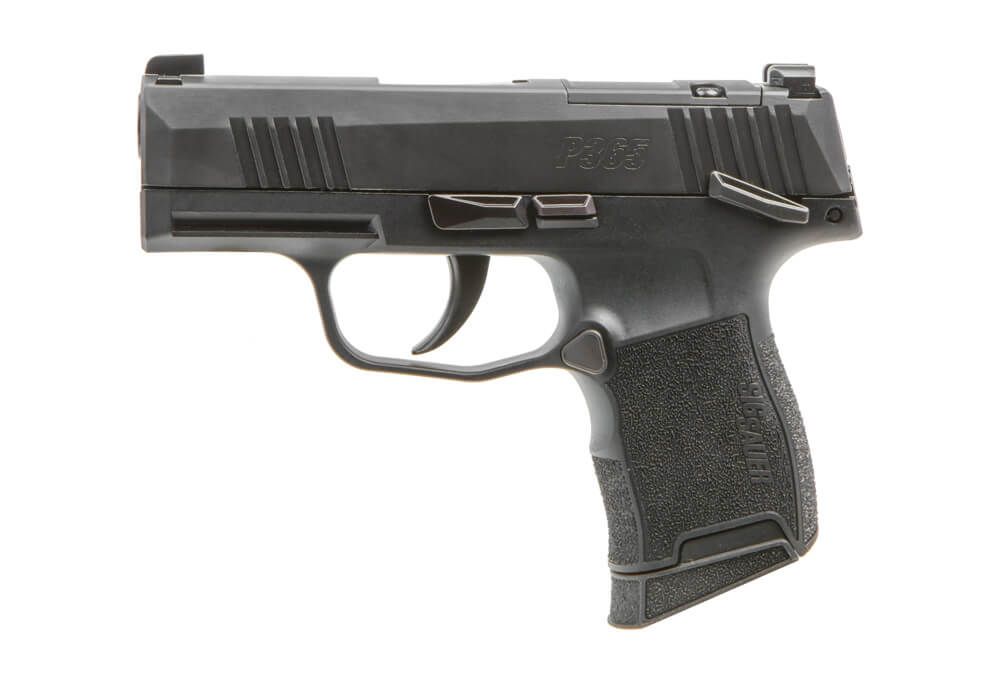
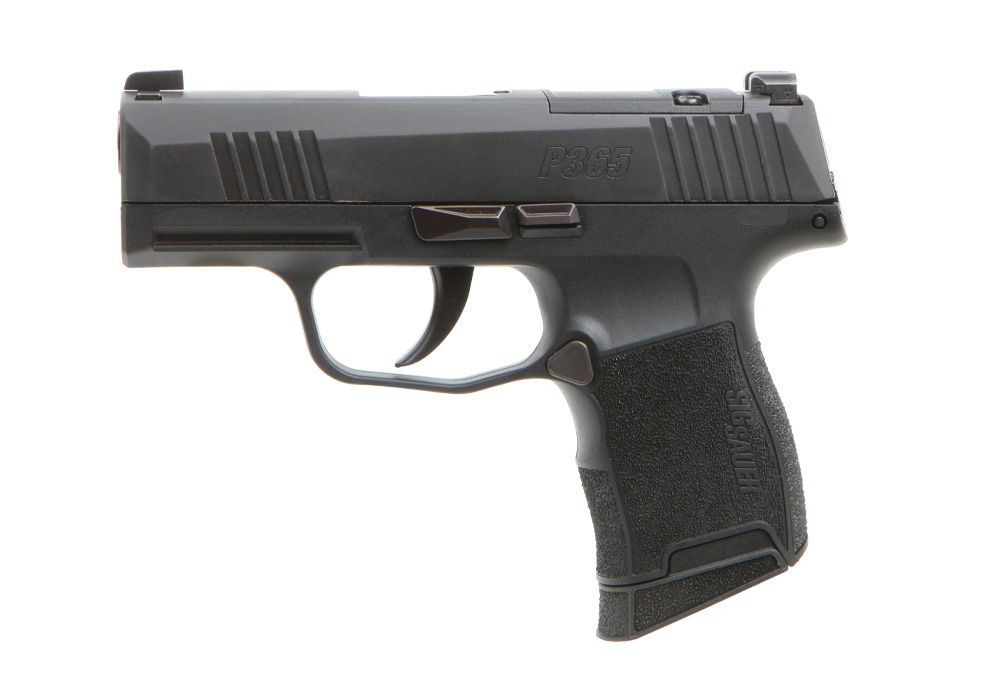
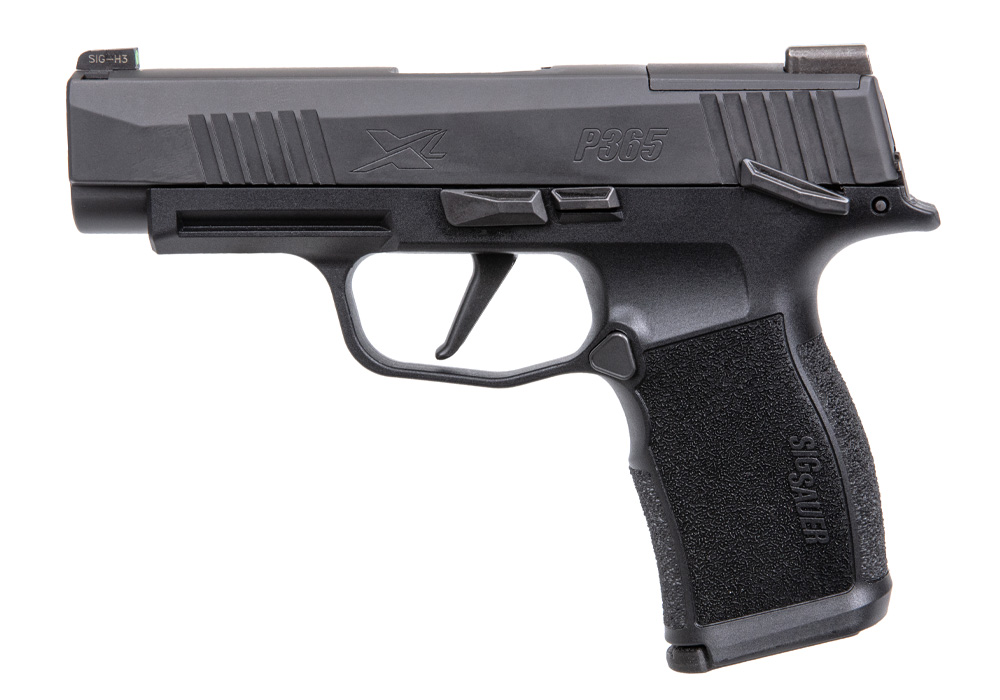
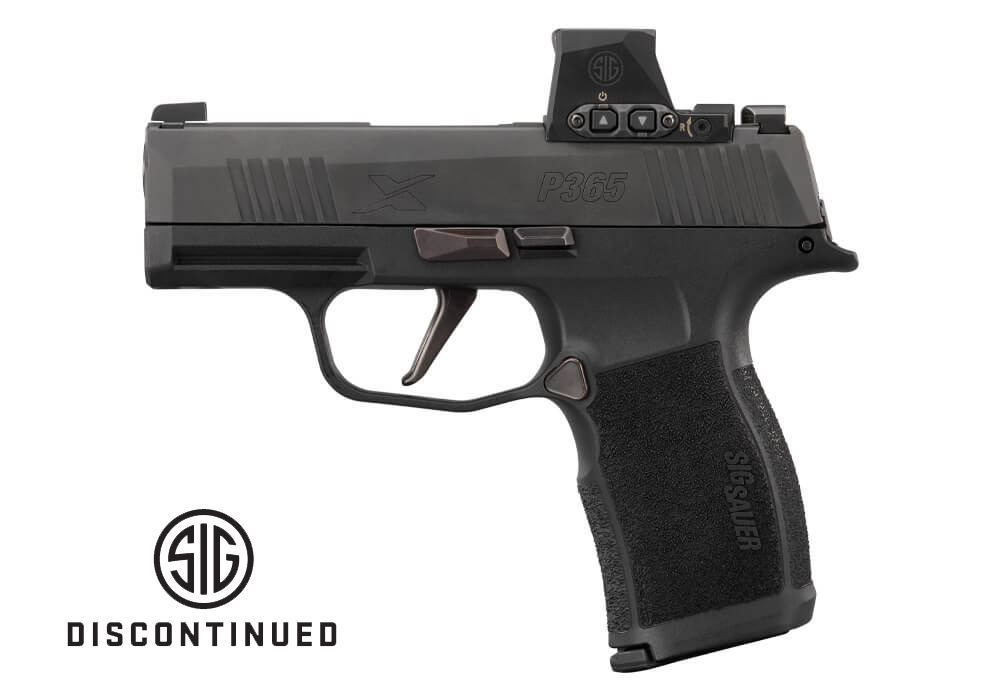
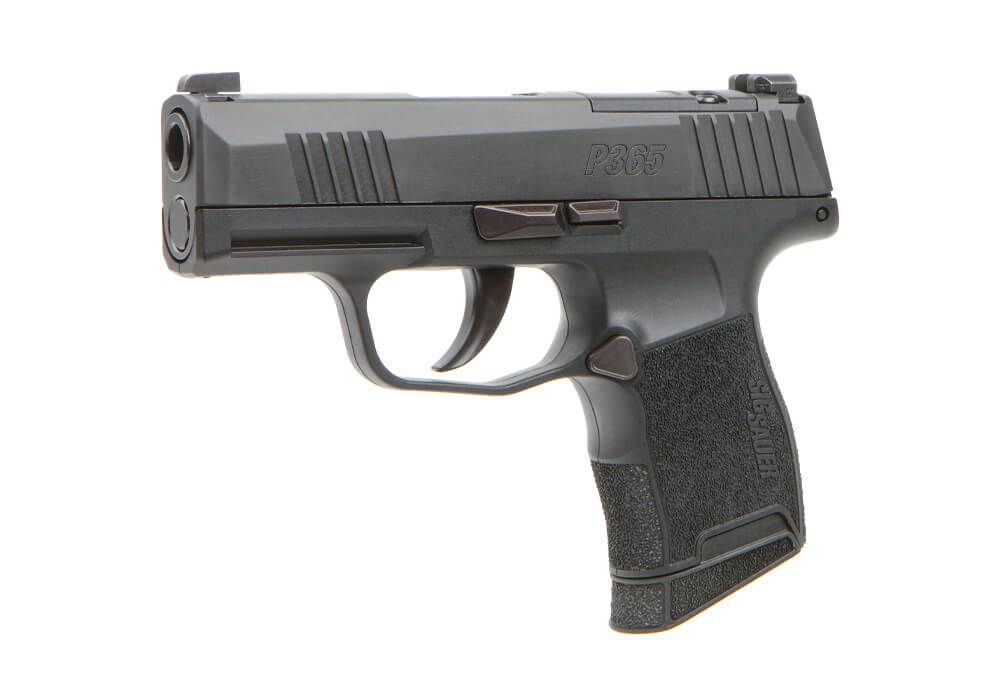
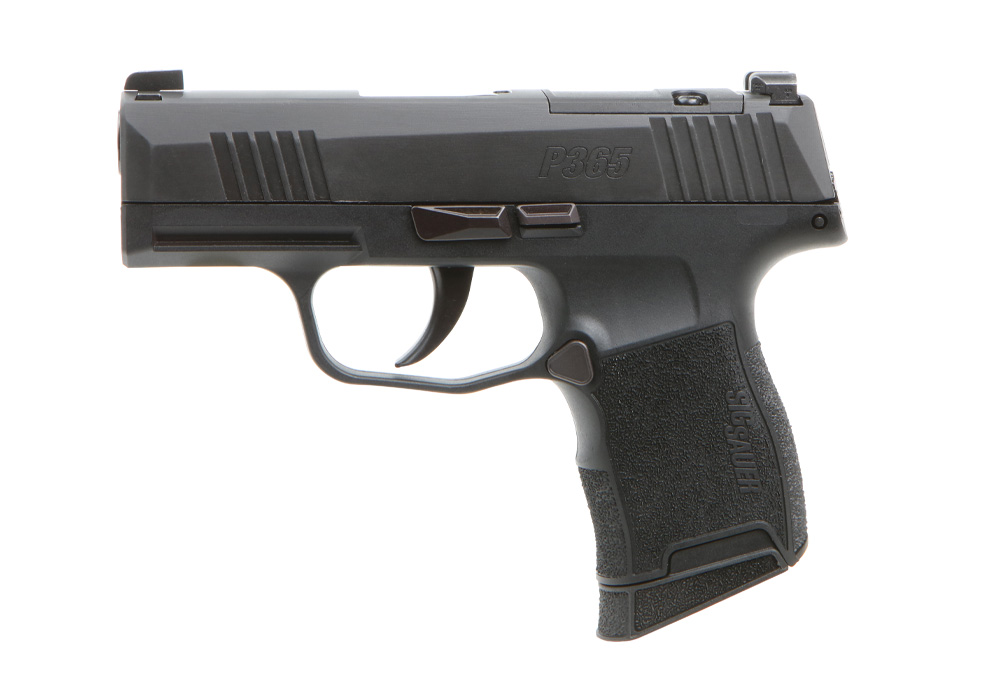
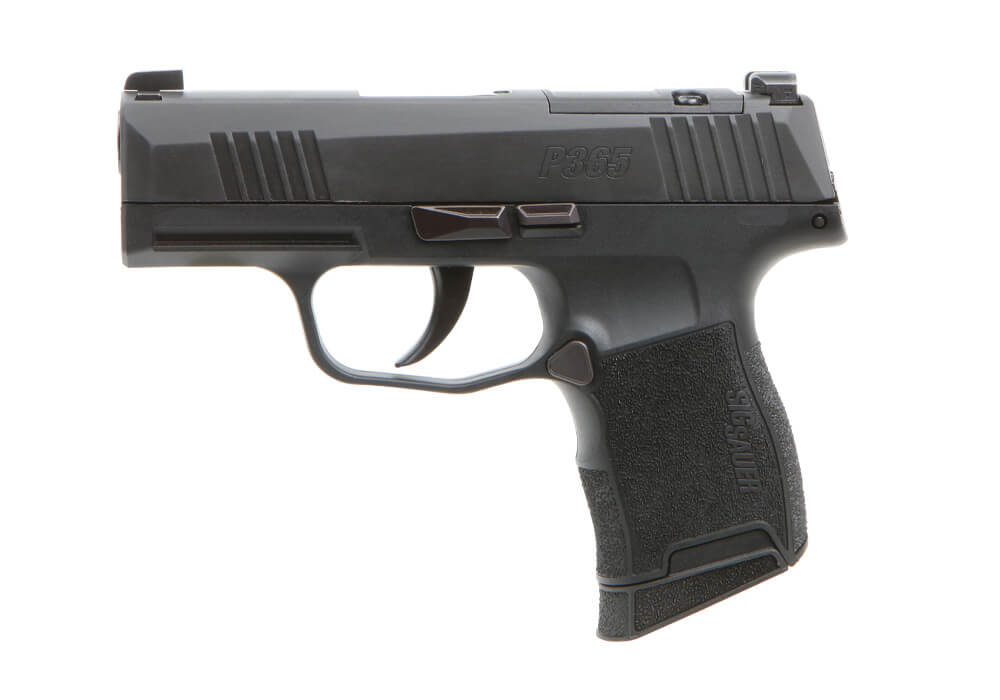
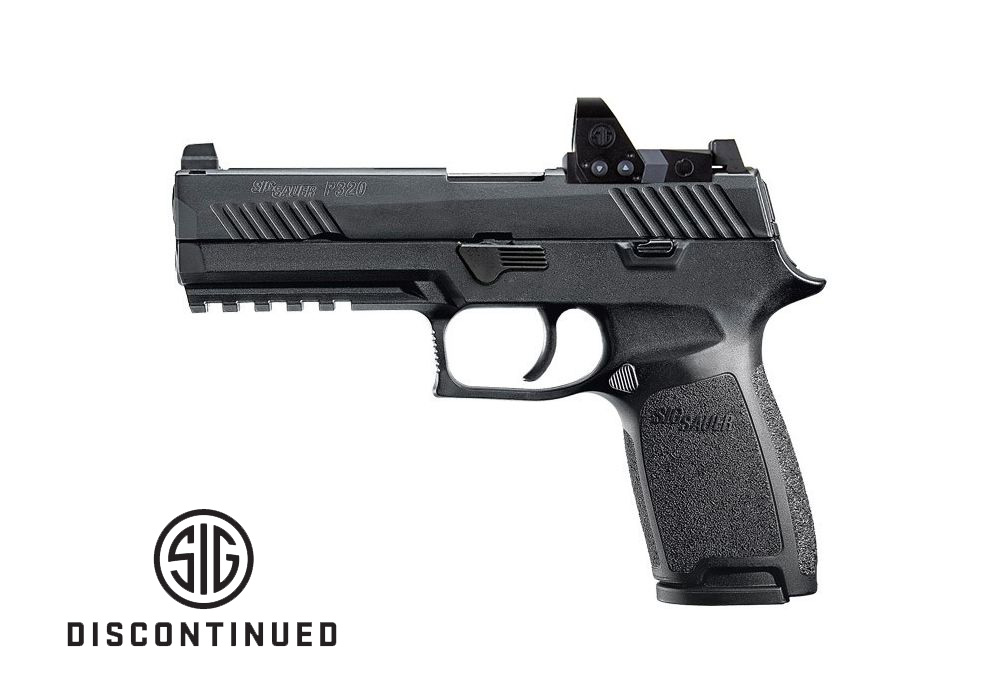
A 9mm micro-compact pistol with an optic combines a slim handgun profile with a miniature electronic sight, usually a red dot, in a format suited to lawful concealed carry and range practice. The appeal is straightforward: a smaller frame can be easier to carry, while an optic provides an illuminated aiming reference without requiring the same front-and-rear sight alignment as traditional iron sights. Micro-compact is a category description rather than a universal dimensional standard, so barrel length, slide width, grip height, and overall weight still deserve attention. A short slide does not necessarily mean a short grip, and the grip is often the part that most affects how a pistol fits the hand and sits beneath clothing. There is also an important distinction between optics-ready pistols and optic-equipped pistols. An optics-ready slide has a mounting interface for a compatible sight, but the sight may be separate; an optic-equipped configuration includes a mounted sight as described in its specifications. Neither description, by itself, confirms compatibility with every miniature optic. For someone choosing a first compact handgun or moving from a larger platform, the most useful comparison includes the entire setup rather than the pistol alone. The sight housing adds height, the holster must accommodate that housing, and the finished combination should remain comfortable and secure during ordinary movement. Lightweight polymer frames and steel slides are common in this category, balancing manageable carry weight with structural durability. Grip texture, frame contours, and magazine base shape influence whether that small footprint feels supportive or cramped. A pistol that feels unobtrusive on a belt may feel noticeably different during a supervised range session, where recoil and control reach become easier to assess. Small dimensions offer convenience, but comfortable handling and consistent practice remain central to choosing a configuration that suits its owner.
The optic is a working part of the system, not simply an accessory that looks similar across different pistols. Mounting footprint, slide cut, recoil lug arrangement, and any required adapter plate determine whether a particular sight and slide belong together. Manufacturer specifications should establish that relationship, including the correct mounting hardware and any inspection or service requirements. Two sights with nearly identical exterior dimensions can use different mounting interfaces, and a shared footprint does not resolve every clearance or hardware question. Window size, housing shape, and sight height also affect the overall experience. A larger viewing window may feel less restrictive, while a smaller housing can preserve a more compact outline; neither characteristic guarantees that the aiming point will appear naturally without practice. Open-emitter designs leave the light source more exposed, while enclosed-emitter designs surround it within a protective housing. That construction difference matters when considering lint, dust, cleaning access, and routine carry. Brightness adjustment is another practical detail. An aiming point should remain distinguishable against the background without appearing unnecessarily intense, and perceived dot shape can vary with eyesight and the selected setting. Battery access deserves equal consideration because some designs allow replacement without removing the sight, while others require removal and subsequent verification of sight alignment. Battery-life figures depend on stated conditions and settings, so a regular replacement and inspection routine is more dependable than treating a published estimate as a guarantee. Iron sights may remain visible through the optic window, but that relationship depends on their height and the mounting arrangement. Their presence should be confirmed rather than assumed from a photograph. At the range, instruction and practice help a shooter become familiar with the sight picture, while secure mounting and periodic checks help identify a loose component before it becomes a persistent problem. Durable construction, clear glass, and accessible controls contribute to ownership just as much as the dimensions listed in a specification table.
Fit and care round out the differences among 9mm micro-compact pistols with optics. A smaller grip should still allow secure control without forcing an awkward wrist position or placing the controls beyond comfortable reach. During an authorized fitting with the firearm confirmed unloaded, the relationship between palm contact, trigger reach, and access to the controls can reveal more than a side-profile photograph. Flush-fitting magazines maintain a shorter grip outline, while longer compatible magazines can offer additional finger support and change the pistol’s overall height. Those differences should be considered alongside holster fit rather than in isolation. A suitable holster is designed for the exact firearm configuration, fully covers the trigger guard, retains the pistol securely, and provides clearance for the optic without pressing against its controls. Belt support and holster placement also influence comfort during routine activities such as sitting at a desk or getting into a vehicle. For a broader comparison of compact handgun formats, Subcompact Pistols With Optic Ready Slides provides a related category to explore. Long-term durability depends on appropriate maintenance as well as materials. Surface treatments help protect metal components, but perspiration, handling residue, and accumulated lint still call for regular attention. Cleaning products suitable for the firearm may not be suitable for an optic’s lens coatings, seals, or electronics, so each component’s care instructions matter. Clear lenses, an intact battery compartment, and a secure sight housing are practical inspection points, alongside the firearm checks specified in its manual. Only ammunition approved by the firearm manufacturer should be used, and unfamiliar handling or maintenance tasks belong with a qualified professional. Owners should also account for secure storage that prevents unauthorized access, applicable laws, and ongoing safety training. Whether the intended role is lawful personal protection, regular range use, or both, a well-considered compact setup brings together manageable dimensions, compatible components, comfortable fit, and a realistic commitment to responsible ownership.