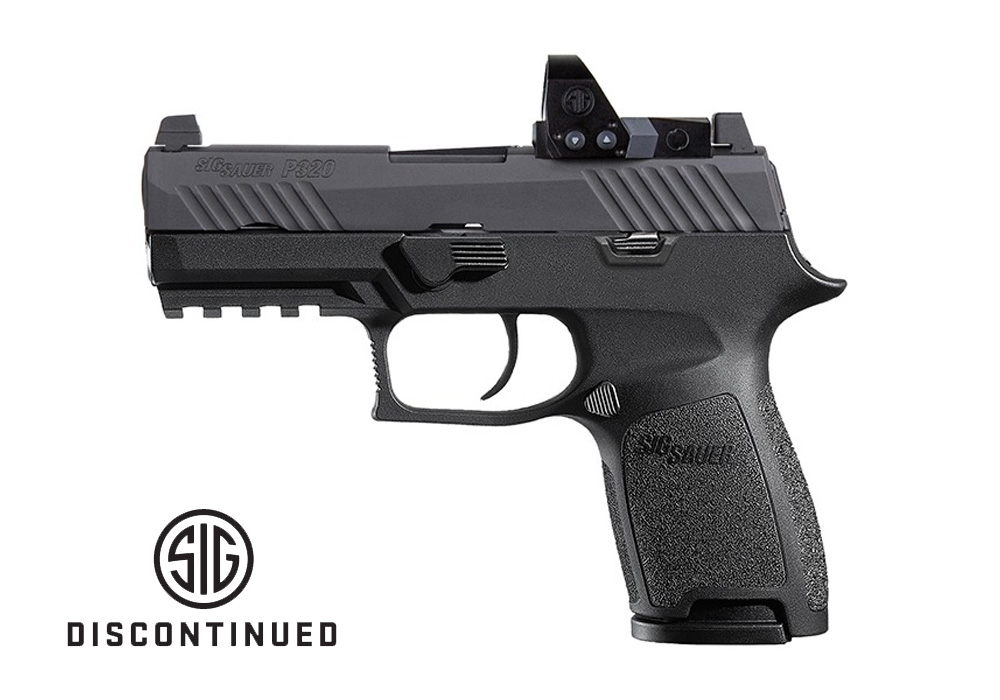
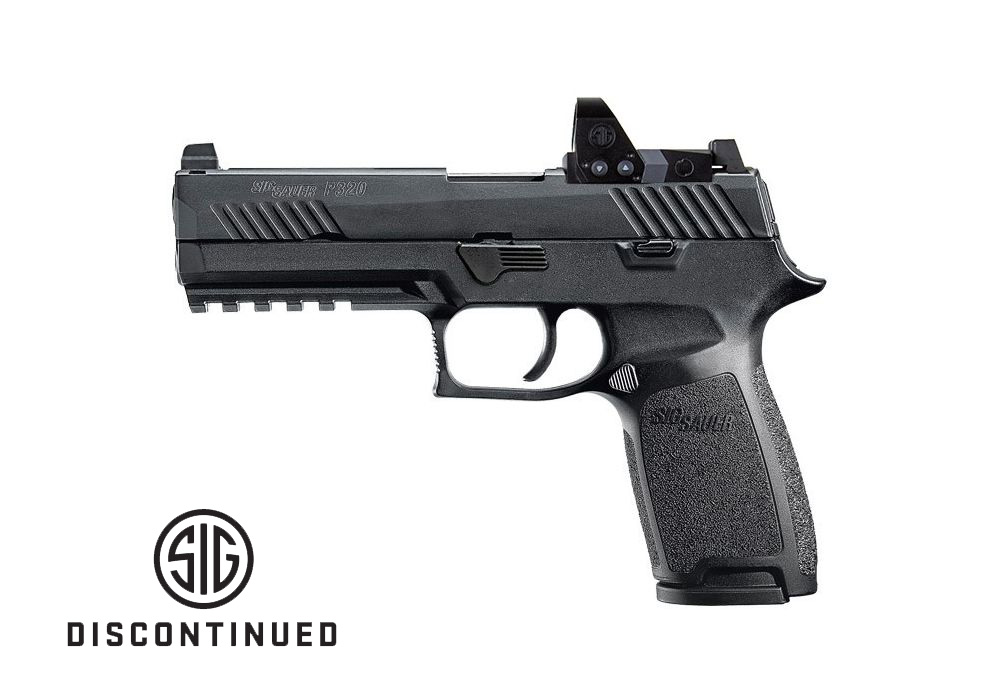
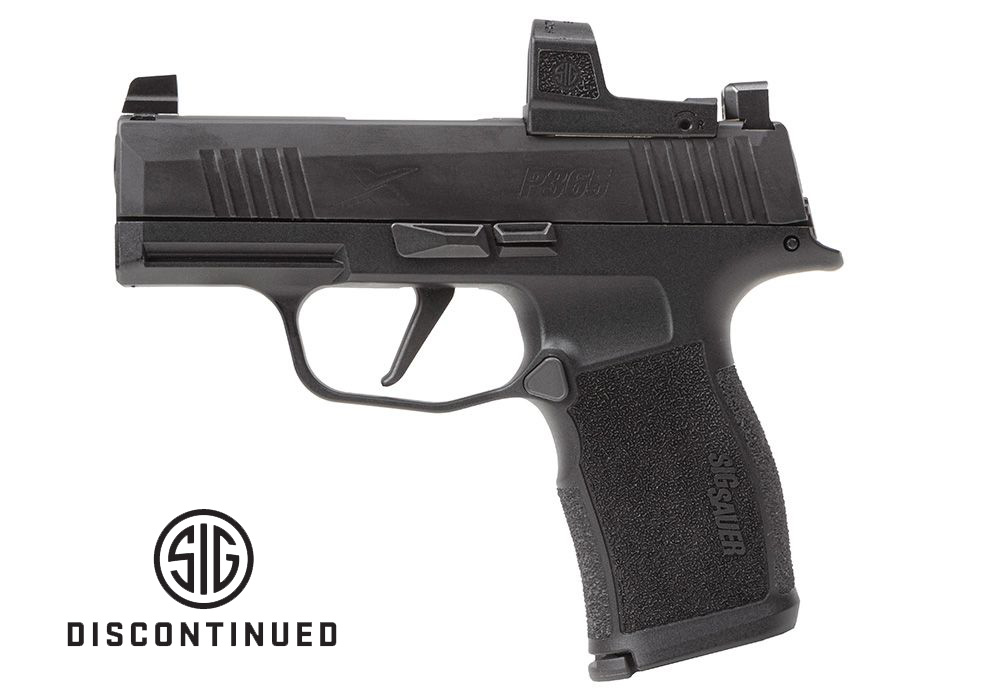
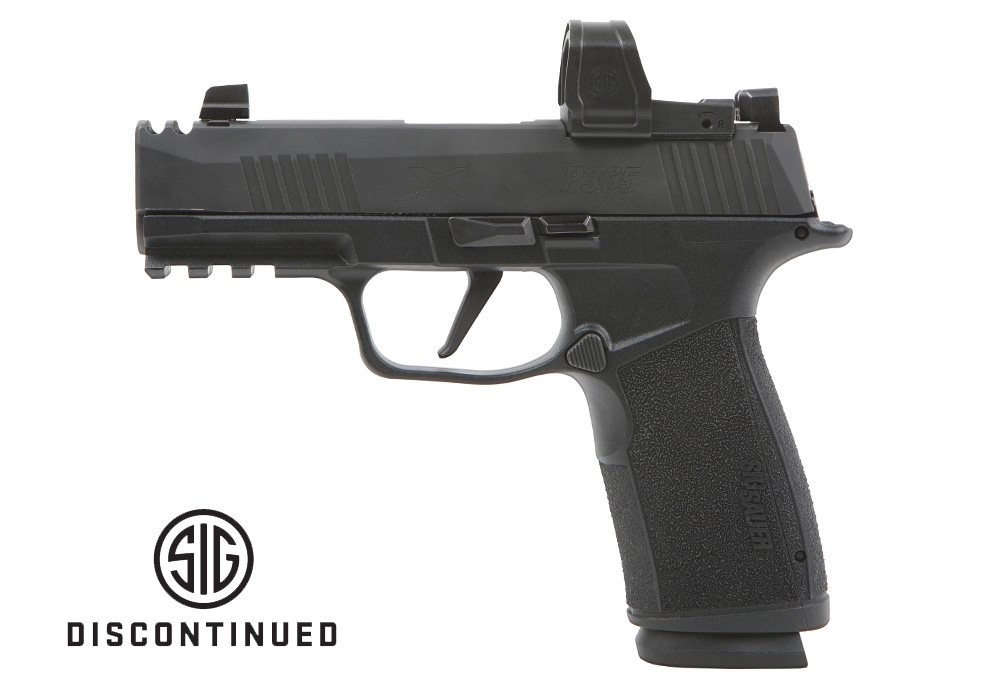
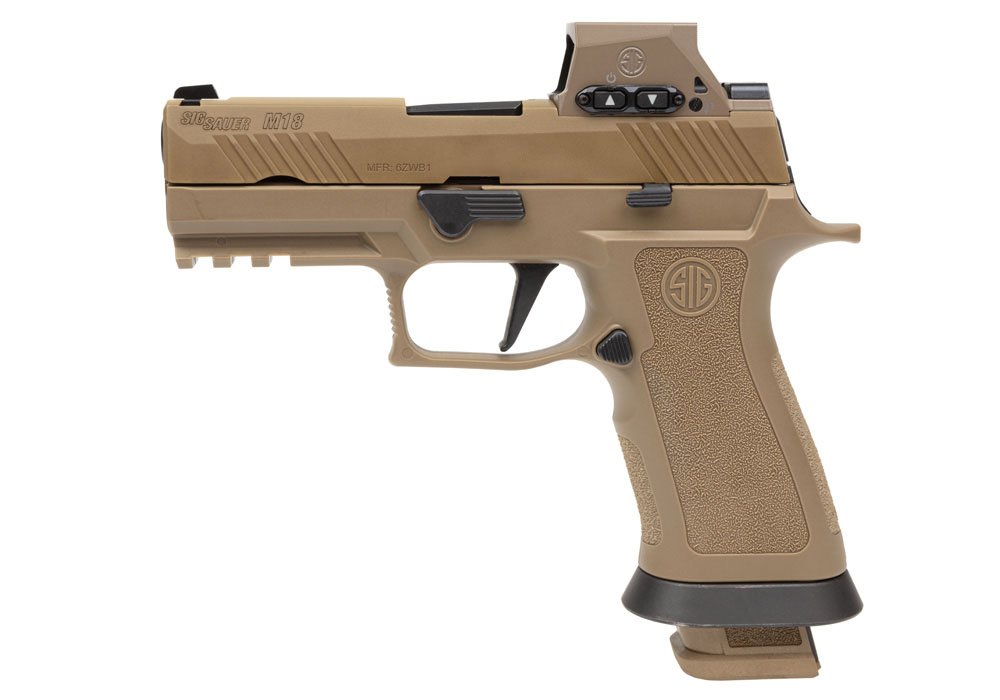
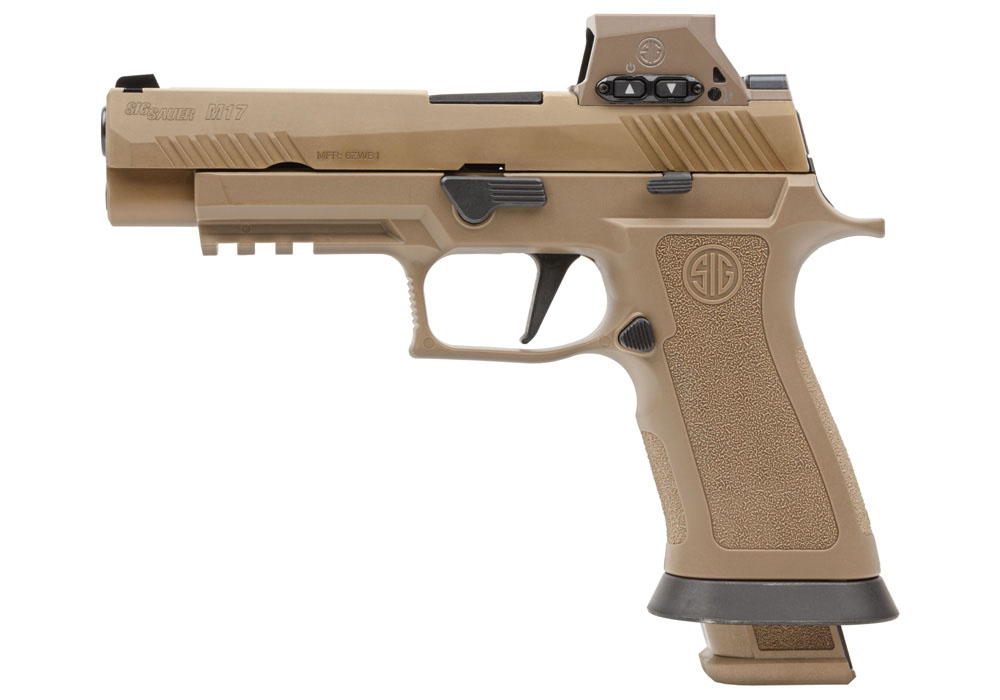
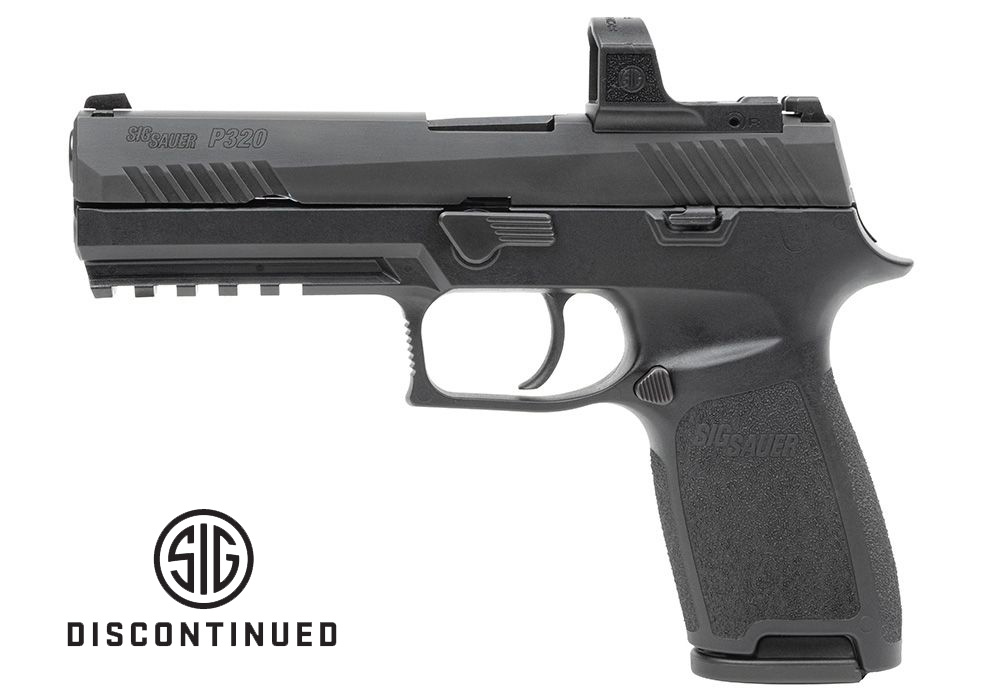
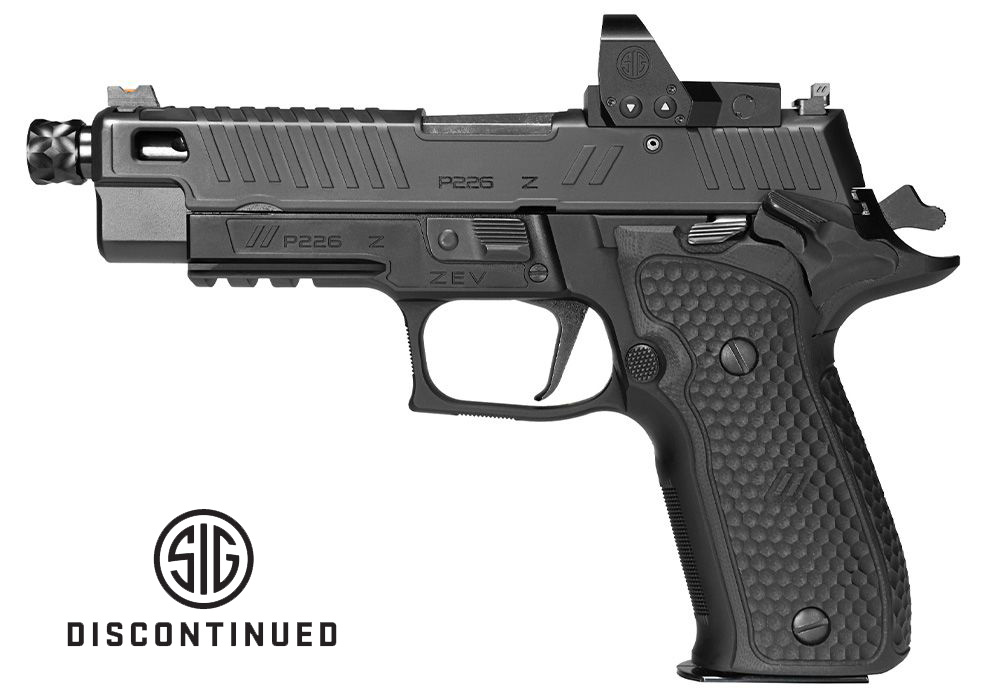
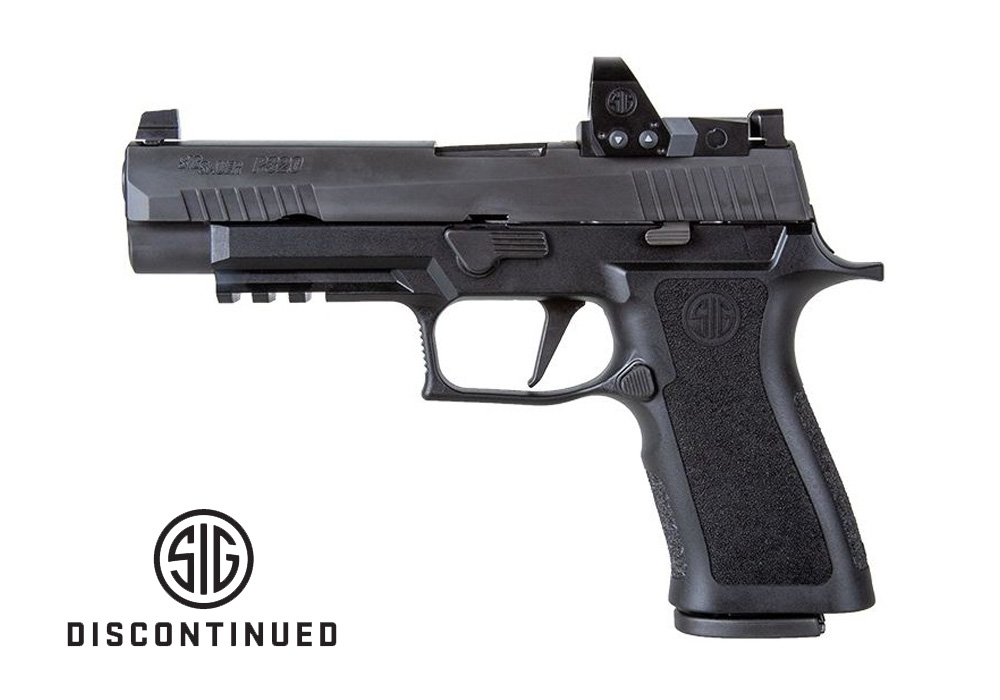
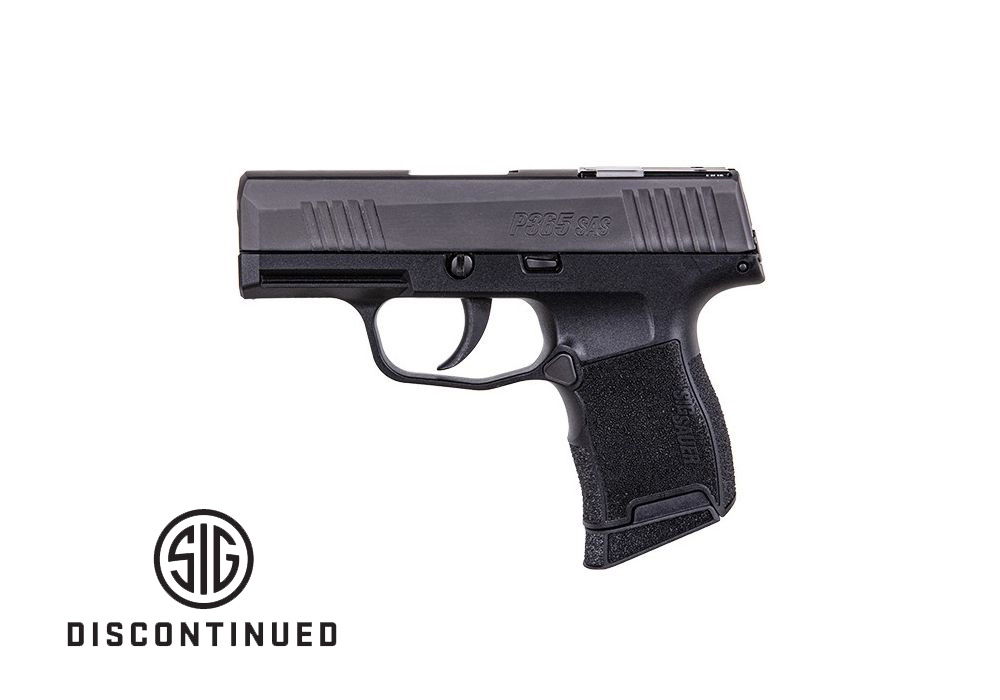
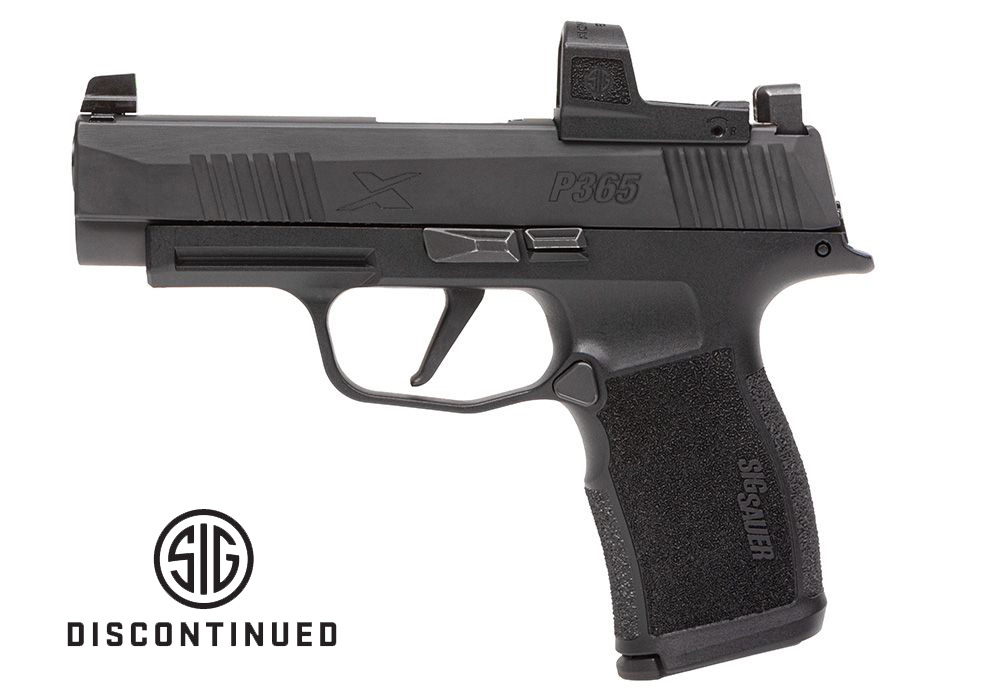
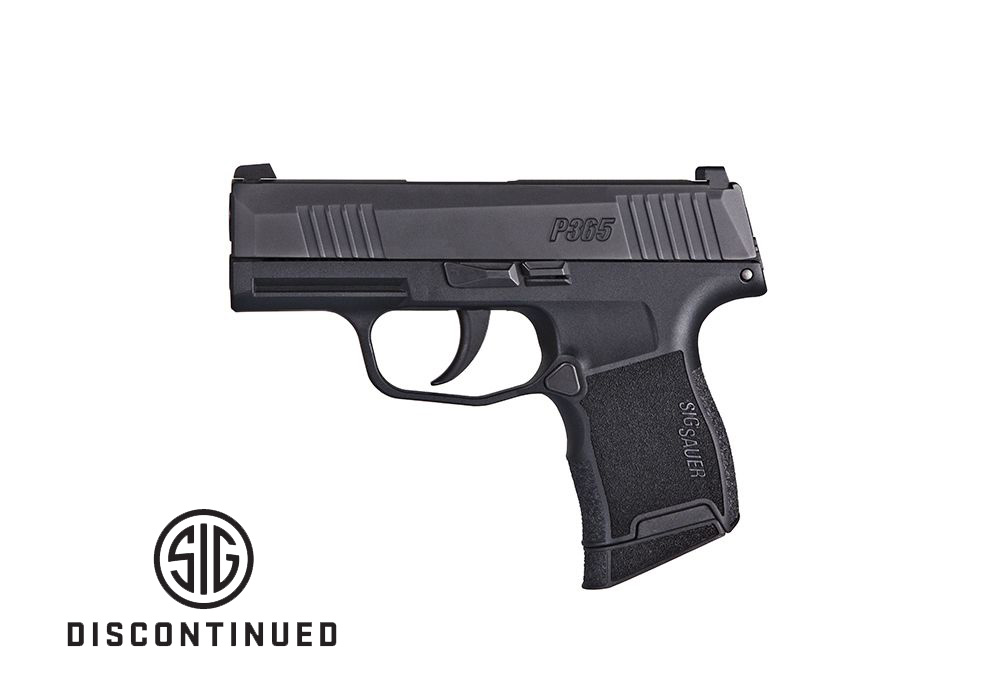
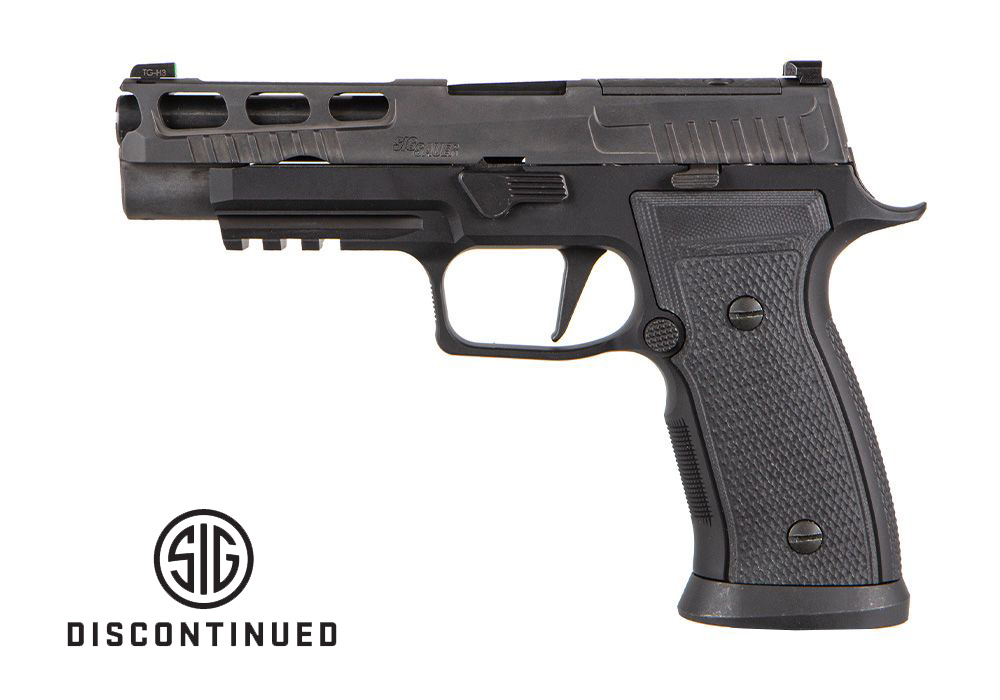
A 9mm pistol with a reflex optic installed combines the familiar handling of a 9mm handgun with the fast sight picture of a miniature red dot. Instead of aligning a front sight and rear sight in the traditional way, the shooter places the illuminated aiming point over the intended point of impact while keeping both eyes open. This can be especially helpful during practice sessions, home-defense preparation, competition training, or lawful concealed carry, depending on the pistol’s size and the owner’s experience. A factory-installed setup typically pairs a slide cut with a compatible optic footprint, helping ensure that the sight, mounting hardware, and pistol are designed to work together from the beginning. Many complete packages arrive with the optic secured to the slide and prepared for the owner’s final confirmation at the range. Even when a sight is described as ready to use, responsible owners should verify zero, tighten hardware according to the manufacturer’s instructions, and confirm that the aiming point matches the pistol’s point of impact with their chosen ammunition. This final check is an important part of learning any new handgun, particularly when the optic changes the way the shooter presents the pistol and tracks the target. For shoppers comparing configurations, a useful alternative is an optic-ready slide that allows a compatible sight to be selected separately; browse the 9mm Luger Pistols With Optic Ready Slide collection for additional options. Whether selecting a compact, carry-focused frame or a larger full-size platform, buyers should look closely at the optic’s window, brightness controls, battery access, reticle size, and resistance to everyday handling. A clear window can make it easier to find the aiming point during presentation, while a simple brightness adjustment helps the reticle remain visible across changing indoor and outdoor light. Enclosed-emitter designs can offer additional protection from dust and moisture, while open-emitter designs may provide a slim profile and straightforward access to the lens. Each style involves tradeoffs, so the best choice depends on how the pistol will be carried, stored, practiced with, and maintained.
Size and fit are central considerations when comparing 9mm pistols with reflex optic installed. Compact models are often selected for concealed carry because their shorter grips and slides can be easier to cover beneath a jacket, overshirt, or everyday clothing during the cooler months. Their smaller dimensions may also suit shooters with a lighter build or anyone who prefers a handgun that takes up less room in a holster. Full-size pistols generally offer a longer sighting plane, a more substantial grip, and additional weight that can help soften felt recoil during extended practice. Mid-size configurations can provide a practical balance, offering enough grip for a secure hold while remaining manageable for belt carry. Pay attention to the grip texture, trigger reach, controls, and overall balance; a pistol that feels natural in the hand is easier to present consistently and operate under pressure. Magazine options, including standard or extended versions where available, can affect both the grip length and the way the pistol fits a chosen holster. An optic-equipped slide can also sit slightly higher than a conventional setup, so buyers should confirm that their holster is specifically designed for the combination of pistol, optic, and any mounted light. Iron sights that remain visible through the optic window can provide a useful co-witnessing reference and a backup aiming method if the optic is turned off or its battery needs attention. Before carrying, spend time practicing a deliberate presentation: establish a consistent grip, bring the pistol toward the target, and allow the illuminated reticle to settle naturally rather than searching for it with the head or wrists. Dry practice with an unloaded pistol, conducted in a safe setting and according to all applicable instructions, can help build that presentation. At the range, begin at a short distance, confirm the optic’s zero, and then work gradually toward longer distances while observing group size and point of impact. Ammunition selection, lighting, stance, and trigger control all influence results, so a few careful sessions can reveal more than a single hurried test.
These pistols can suit experienced owners who want a streamlined optic setup, new enthusiasts seeking a modern sighting system, or responsible recipients looking for a meaningful gift tied to training and outdoor recreation. A gift purchaser should consider that a firearm is a personal fit item: the recipient’s hand size, intended carry method, training level, and local regulations all matter more than appearance alone. When a pistol is given as a present, transfer requirements, age restrictions, background checks, and other rules vary by jurisdiction and should be reviewed with a licensed dealer or appropriate local authority before any purchase. Accessories can also shape the experience. A properly fitted holster that protects the trigger guard, spare magazines, a secure storage solution, eye and ear protection, and quality range ammunition are practical additions for a new owner. Optics require routine attention as well. Check the lens for dust or fingerprints, inspect mounting screws for proper security, monitor battery life, and keep backup iron sights clear. During rainy walks to the range, cold-weather practice, or long storage between sessions, a simple maintenance routine helps preserve reliability: follow the pistol and optic manuals, use suitable cleaning materials, and store the firearm locked, unloaded, and separate from ammunition when it is not in use. Local laws may also govern transport, storage, concealed carry, and the use of particular accessories, so those requirements deserve careful review. With the right fit, a confirmed zero, a suitable holster, and regular practice, a 9mm pistol with a reflex optic installed can offer a precise, versatile platform for range work, defensive preparation, and responsible everyday ownership.