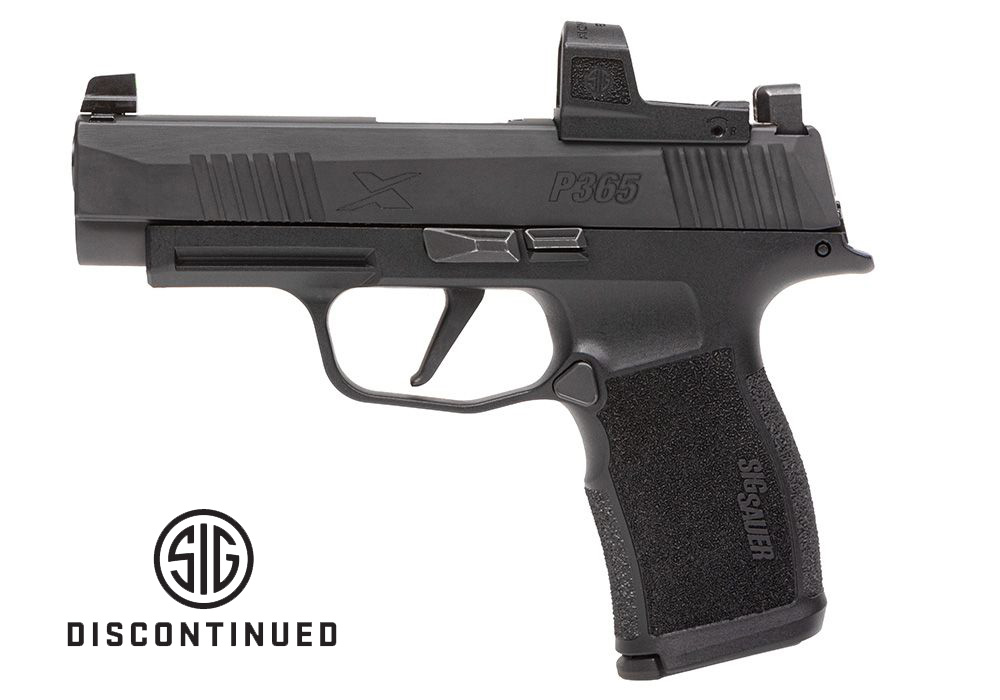
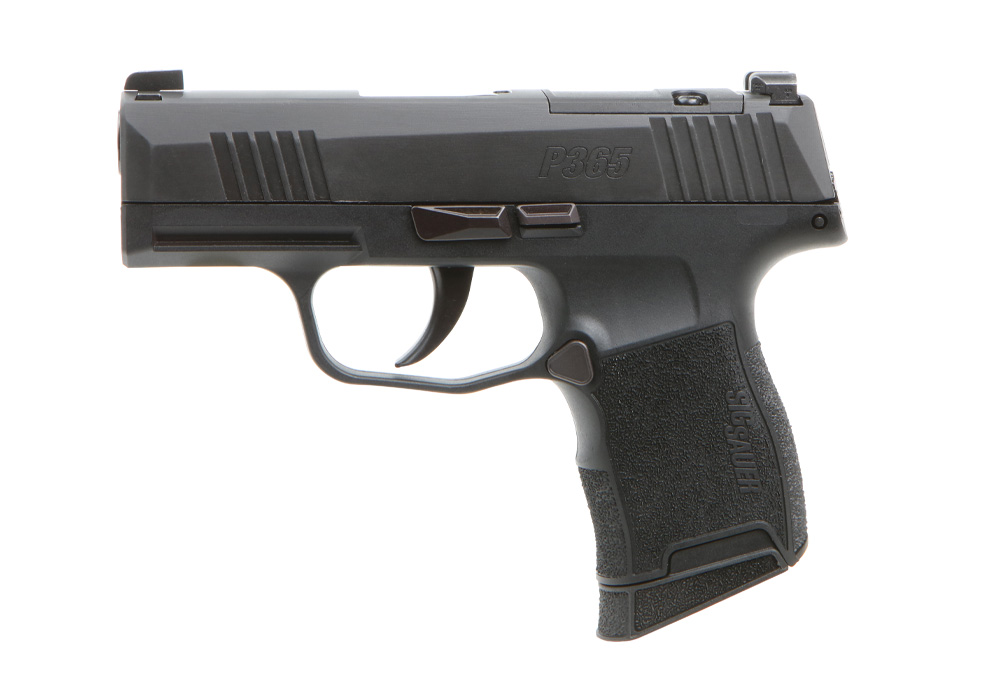
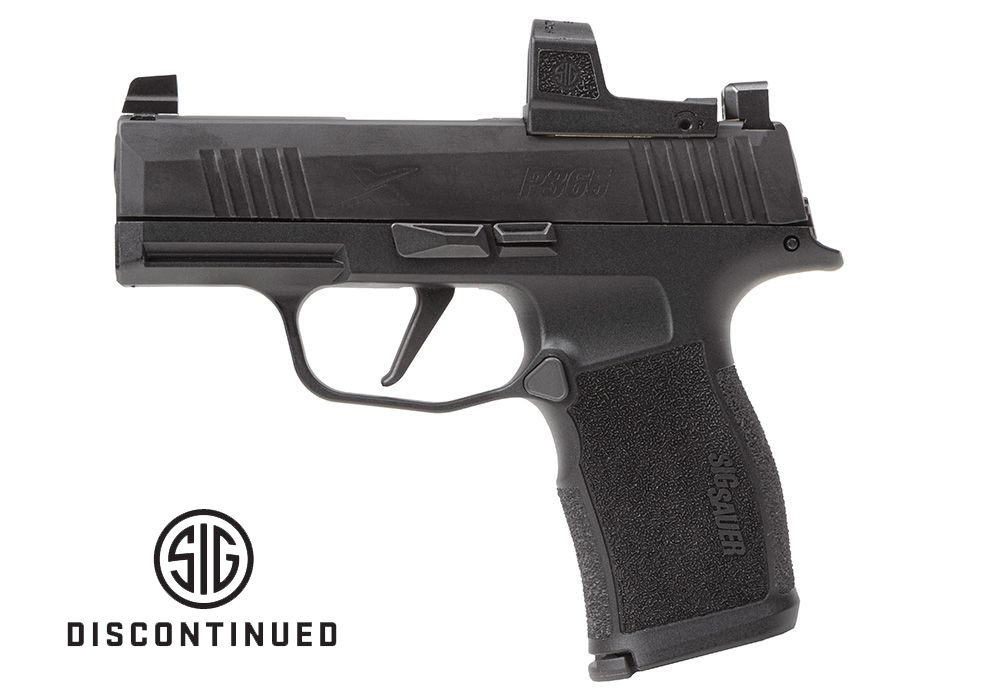
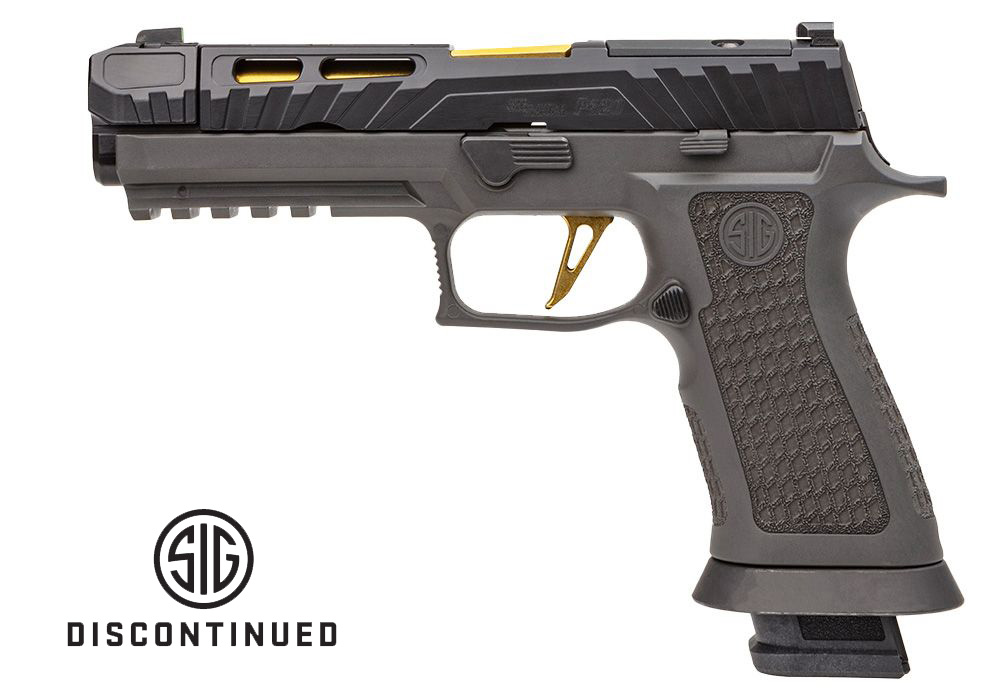
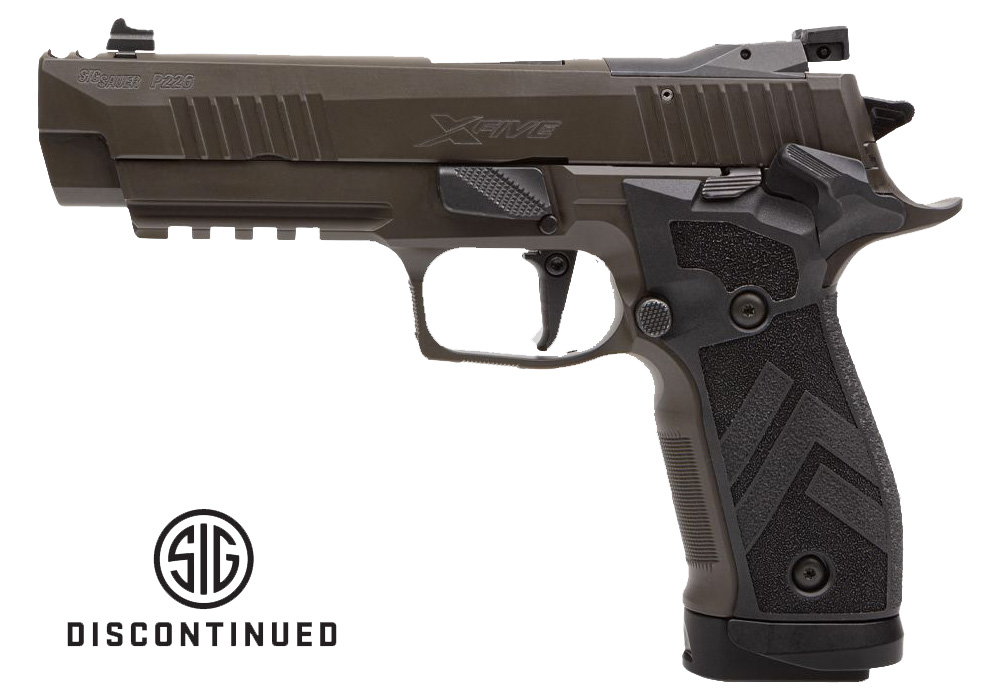
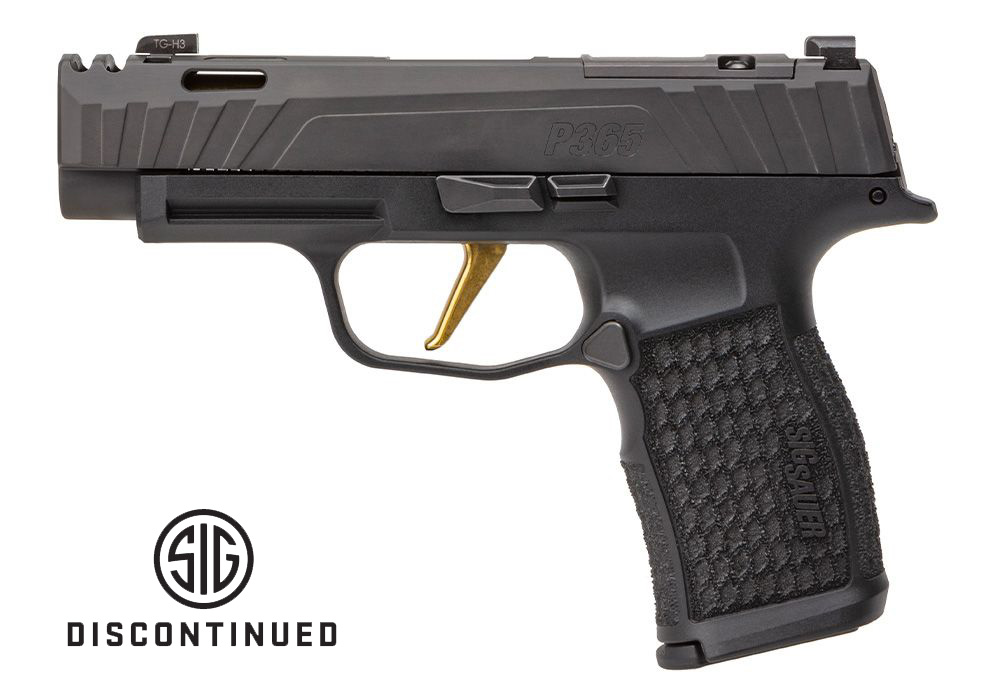
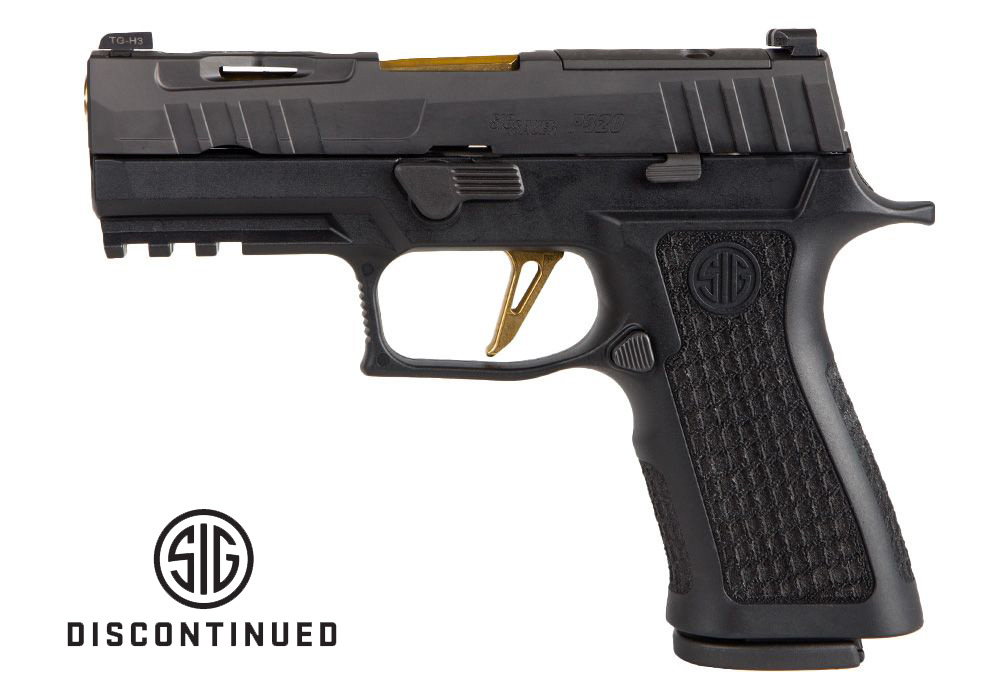
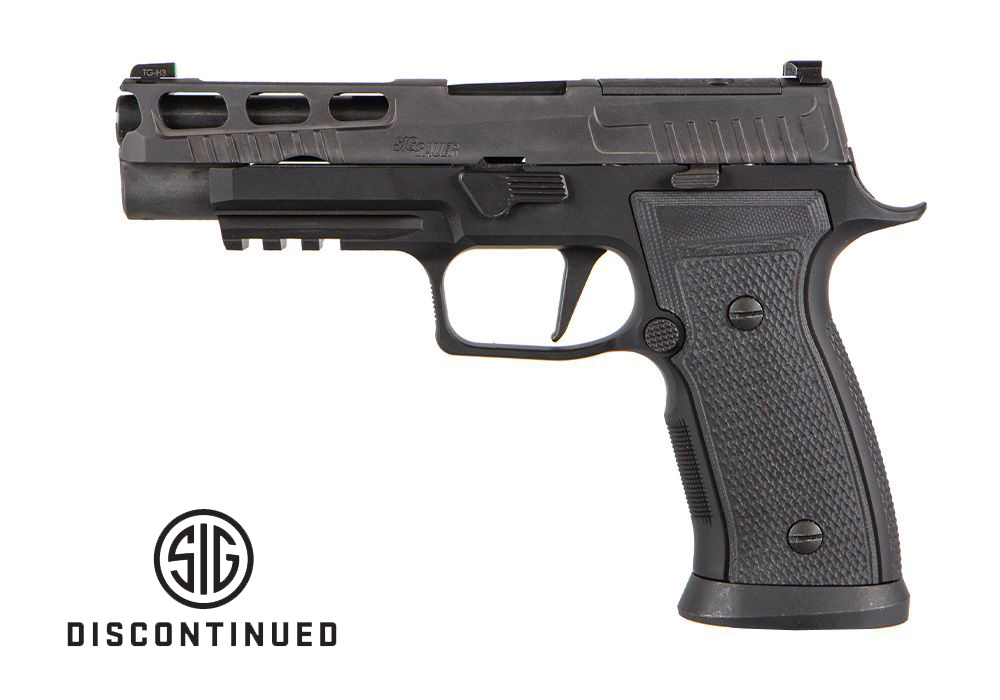
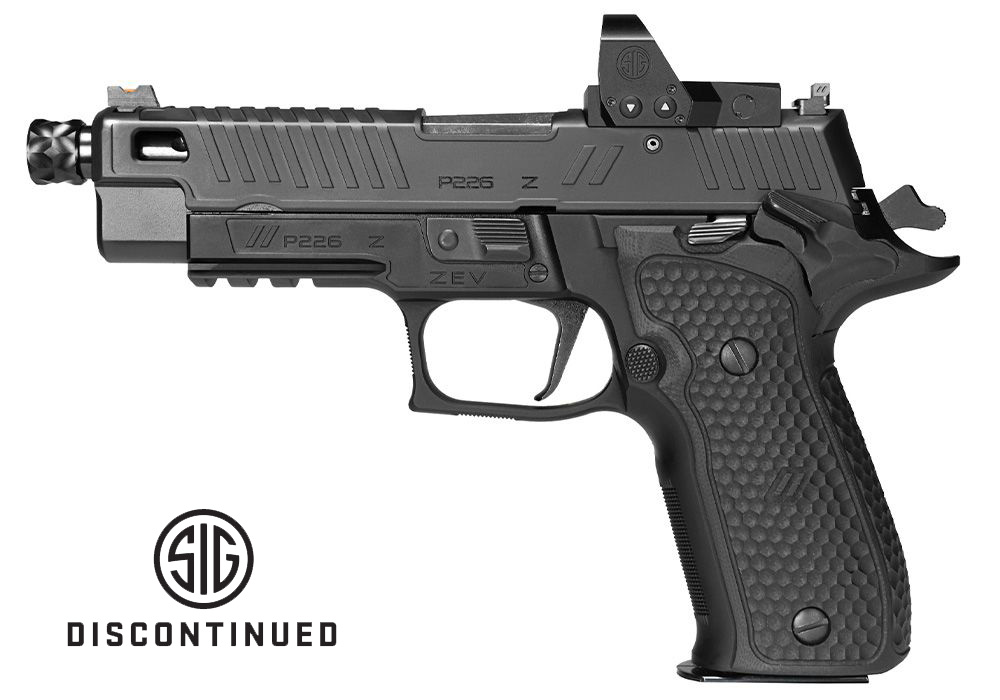
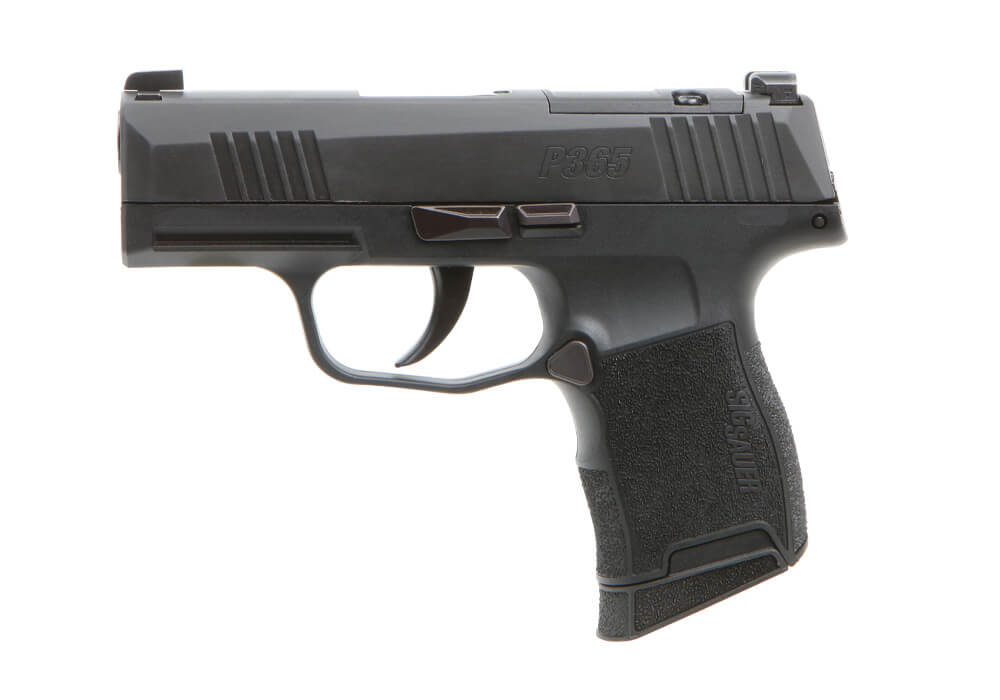
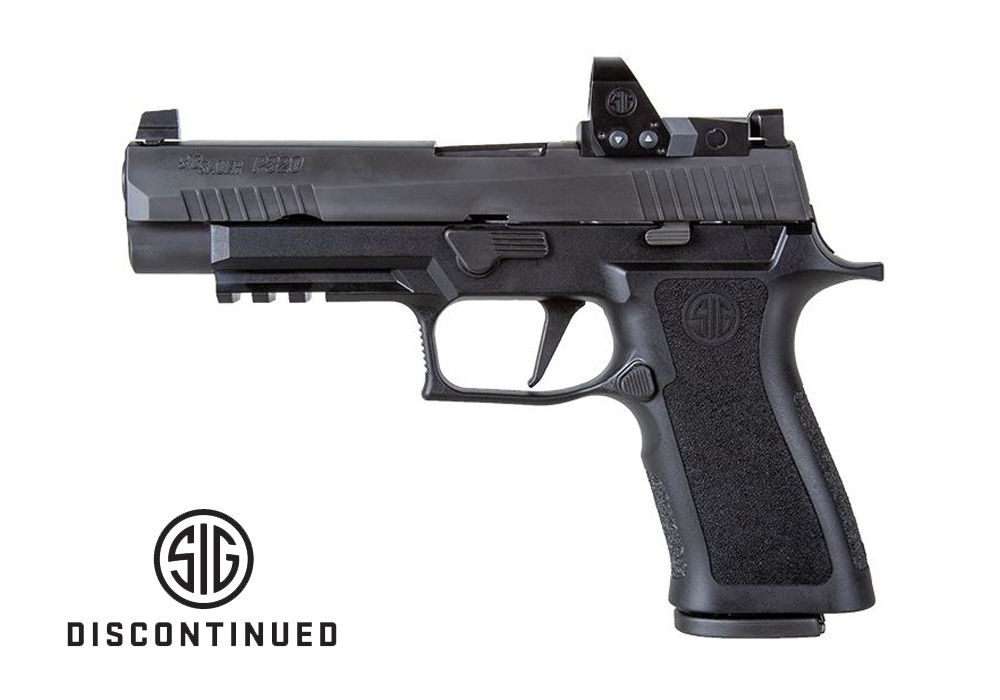
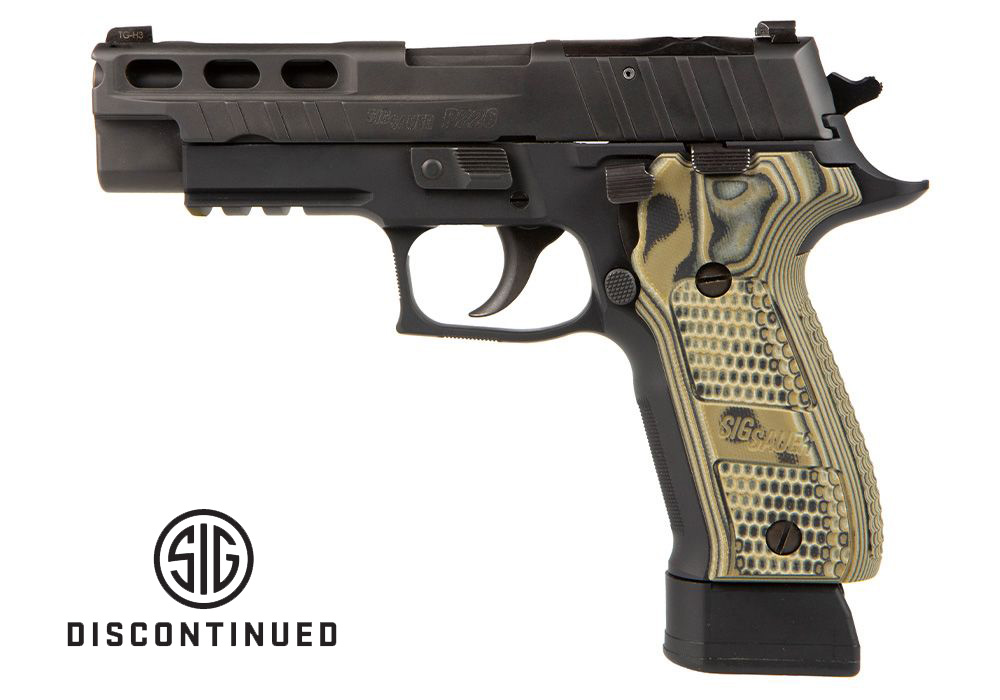
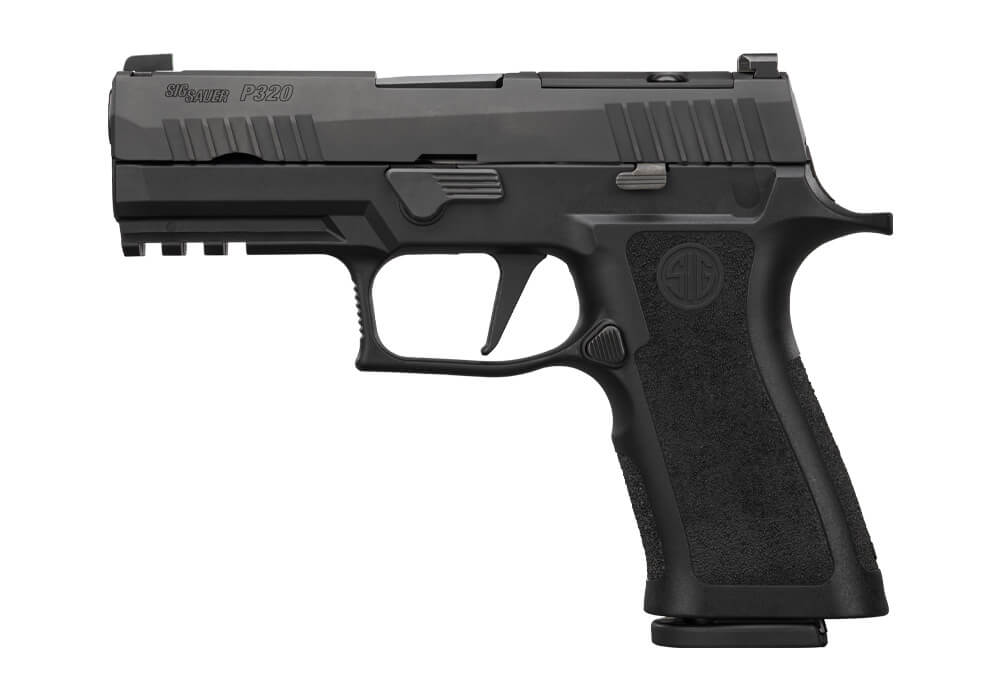
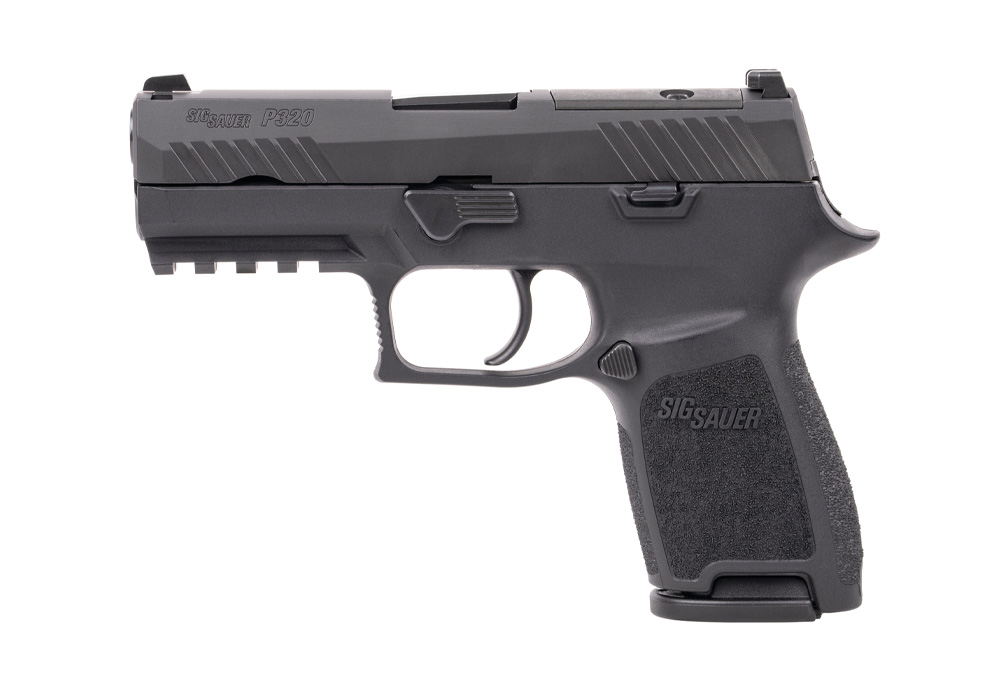
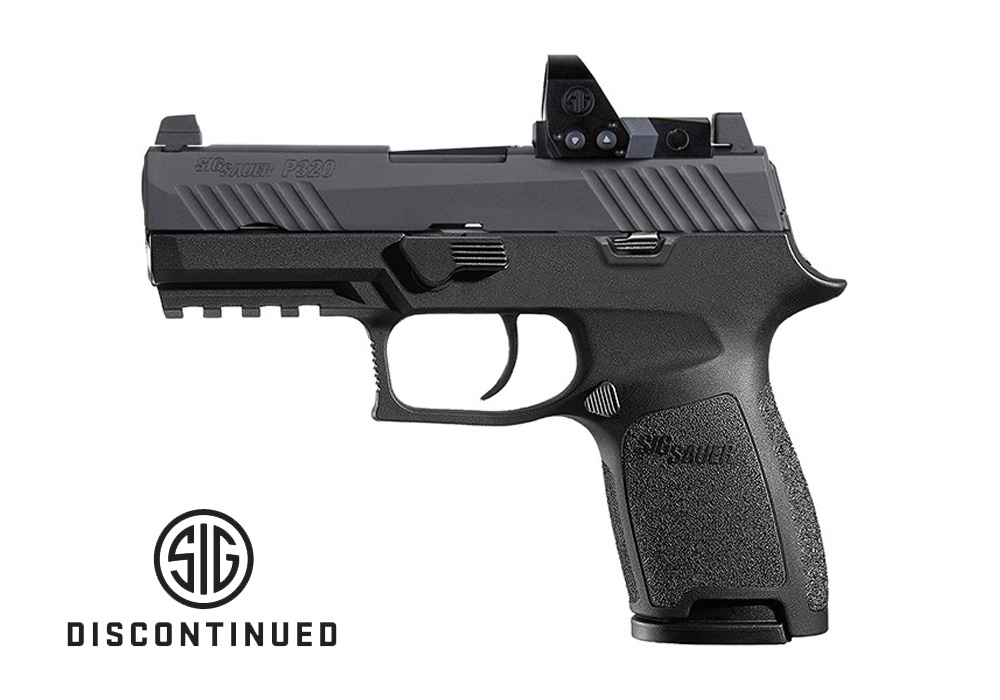
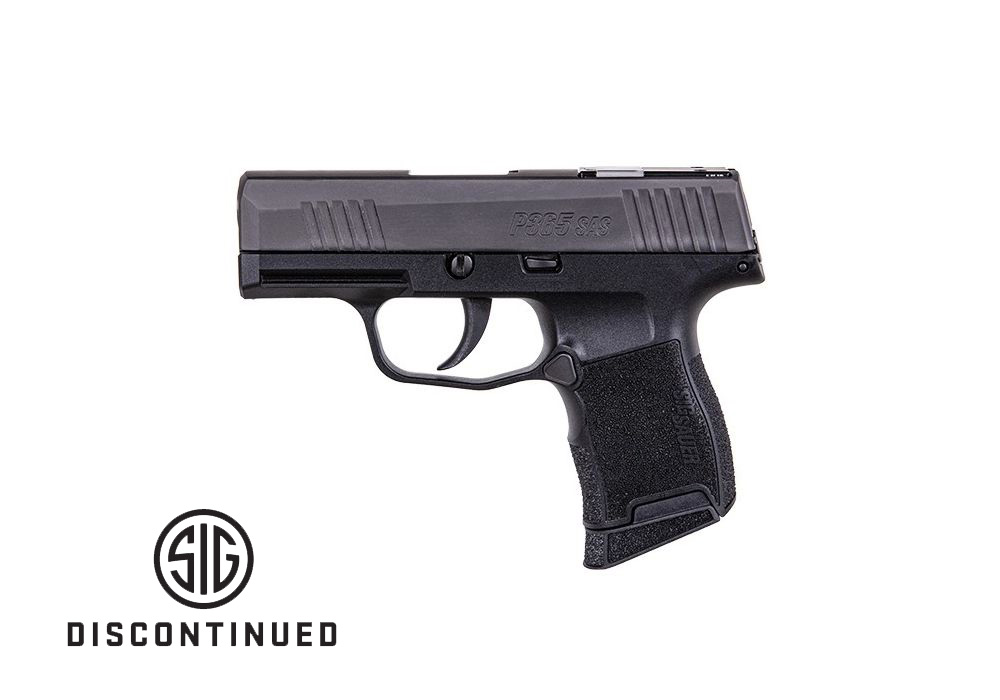
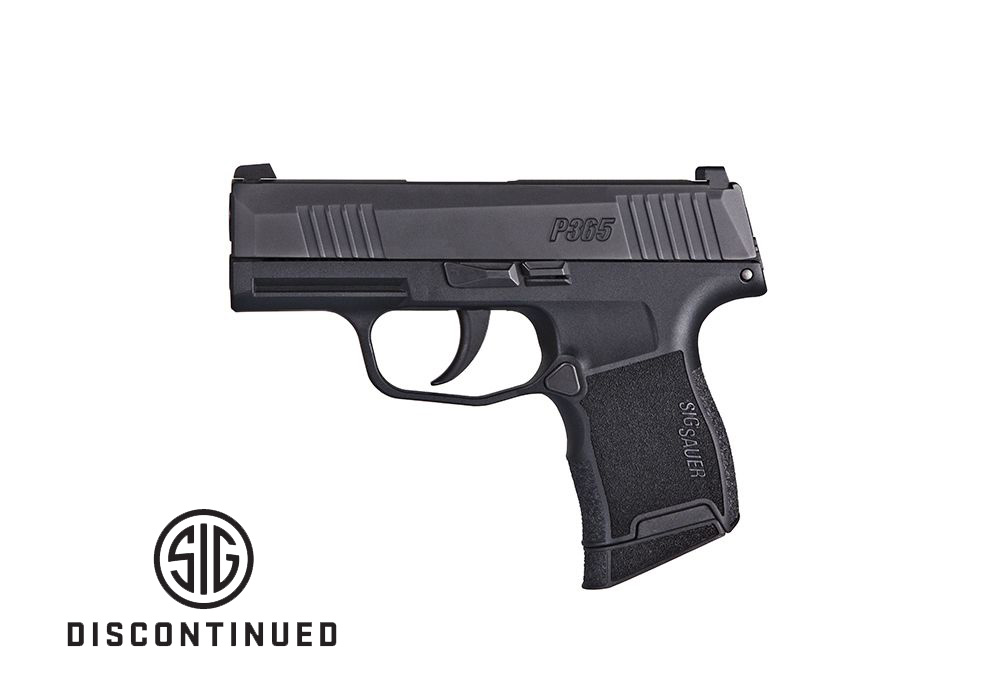
9mm Luger pistols with an optic-ready slide combine a widely used centerfire handgun cartridge with a factory slide cut intended to accept a compatible red dot or reflex sight. The defining feature is the mounting interface: instead of requiring custom slide milling, an optics-ready pistol provides an attachment point that works with a specified sight footprint, sometimes through an adapter plate. Optics-ready does not necessarily mean an optic is included, and it does not mean every handgun sight will fit. The slide cut, mounting system, and sight dimensions determine compatibility. Also known as 9x19mm, 9mm Luger is a specific cartridge designation, not a general term for every cartridge with 9mm in its name. Ammunition selection should always follow the firearm’s chamber marking and manufacturer’s documentation. Within this category, full-size, compact, and micro-compact pistols offer different balances of grip space, overall dimensions, and weight. A full-size handgun generally provides a longer grip and more room for the hands, while a smaller pistol may be easier to accommodate in a lawful concealed-carry setup. Compact designs occupy the middle ground, appealing to people who want a manageable size without the shortest grip. For shoppers concentrating on larger frame dimensions, Full Size Handguns With Optic Ready Slide offers a related category to explore. Intended use helps put those differences in perspective. Someone who spends most of their shooting time at a supervised range may value a comfortable grip and the feel of a heavier frame. A person considering lawful everyday carry has additional reasons to examine the complete dimensions of the pistol, optic, and appropriate holster together. For home protection, secure storage and access by authorized adults are essential parts of the decision. No single size suits every hand or purpose, and a factory optic interface is only one part of the overall fit. The most useful comparison considers the firearm as a complete system, including its controls, sights, grip, and storage requirements.
Materials and ergonomics shape how an optics-ready 9mm pistol feels long after the initial inspection. Steel slides are common, while frames may use reinforced polymer or metal alloys, depending on the design. Polymer frames can help keep overall weight lower; metal frames often bring a different balance and a more substantial feel. Neither material alone establishes quality or comfort. Surface finish, machining, grip texture, and the fit between major components all contribute to the ownership experience. A textured grip should provide a secure hold without feeling unnecessarily abrasive against the hand or clothing. Grip circumference matters as much as overall pistol size: two handguns with similar exterior dimensions can feel quite different because of their backstrap shape, front-to-back depth, and contour around the trigger guard. During an in-person fit assessment, with the firearm confirmed unloaded and handled according to the retailer’s safety procedures, shoppers can evaluate whether the controls are comfortably reachable and whether the grip supports a natural, secure hold. Some designs offer interchangeable grip components, but adjustability should be confirmed in the specifications rather than assumed. The optic interface deserves the same careful attention. A sight footprint describes the mounting pattern, and a matching product name or similar-looking housing is not enough to establish compatibility. Required plates, approved hardware, rear-sight placement, and clearance around the sight can vary between designs. Iron sights may remain usable with an installed optic, but that relationship depends on sight height and the complete mounting arrangement. A red dot provides a single illuminated aiming reference; its visibility still depends on factors such as lighting, eyesight, and the sight’s settings. Shoppers who wear corrective lenses may find an in-person look especially useful because the appearance of an illuminated reticle can differ from person to person. Battery access, control layout, and the protective design of the optic housing are also practical ownership considerations, particularly when the pistol will share time between a holster, secure storage, and the range.
Durability is best understood as a combination of suitable construction, proper care, and attention to the manufacturer’s requirements. An optic-ready slide still needs the routine inspection and maintenance expected of any handgun, with additional attention to the sight and its mounting interface. Cleaning products should be suitable for the firearm’s finishes, polymer components, and optic lenses; a solvent intended for metal parts may not be appropriate for coated glass or other materials. Follow the firearm and sight manuals for cleaning, lubrication, battery service, and mounting maintenance, and seek qualified assistance when installation requirements are unclear. A factory mounting cut does not remove the need for correct hardware or professional evaluation when parts do not fit as specified. If the pistol is used without an optic, any required cover plate should be retained and secured according to its documentation. For carry, holster compatibility extends beyond the basic handgun model. The holster must accommodate the installed sight, properly cover the trigger guard, and retain the firearm securely without interfering with its controls. Even a relatively small optic changes the pistol’s exterior profile, so fit should be verified rather than inferred from a holster’s general size description. Range users may place more emphasis on comfortable handling over a longer session, while those new to handgun ownership benefit from qualified safety instruction before deciding which configuration suits them. Familiarity with safe handling, lawful transport, and secure storage remains essential regardless of the sighting system. When a firearm is being considered as a gift, the recipient’s preferences, eligibility, and applicable transfer requirements deserve attention before any decision. Personal fit is difficult to predict from photographs, and an optic-ready feature cannot compensate for an uncomfortable grip or unsuitable controls. Thoughtful selection means matching the pistol’s dimensions and materials to the intended role, confirming the optic interface, and planning for responsible ownership. That approach keeps the focus on lasting suitability rather than on a single feature viewed in isolation.