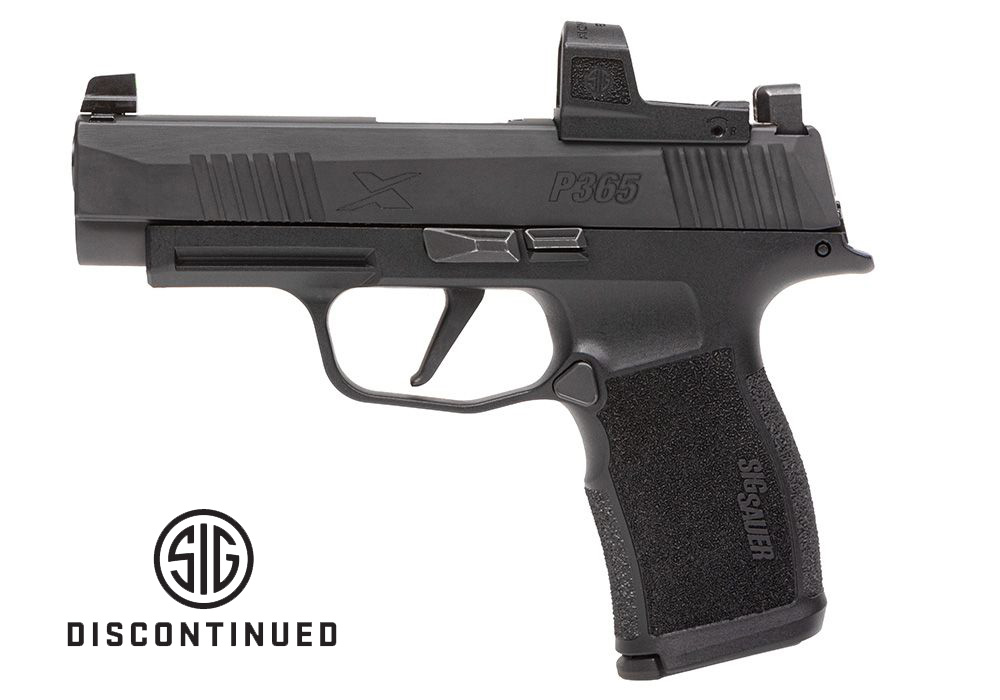
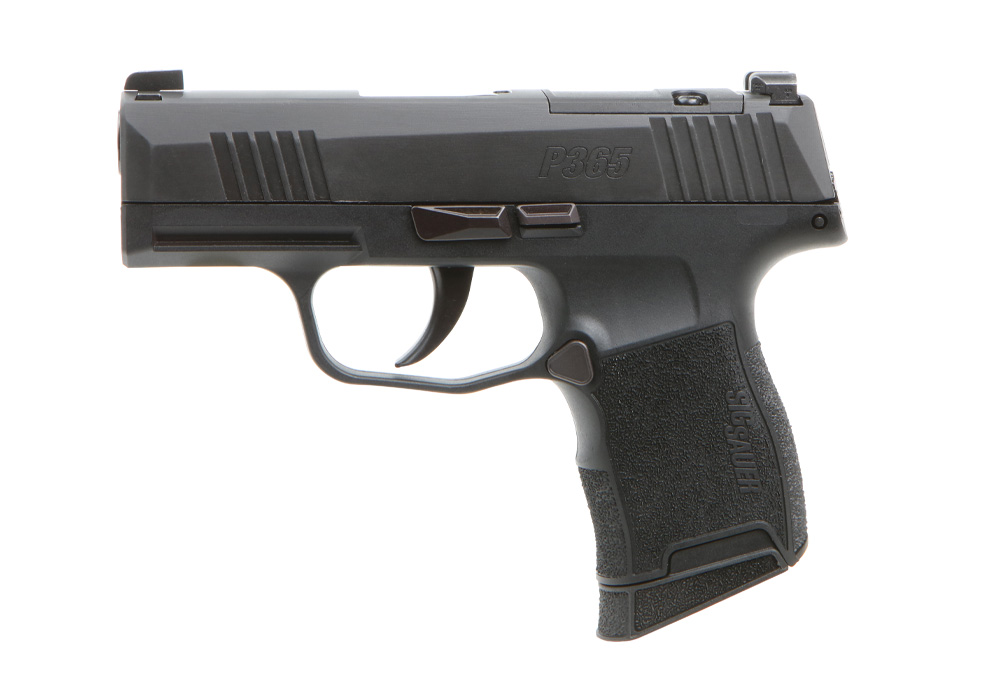
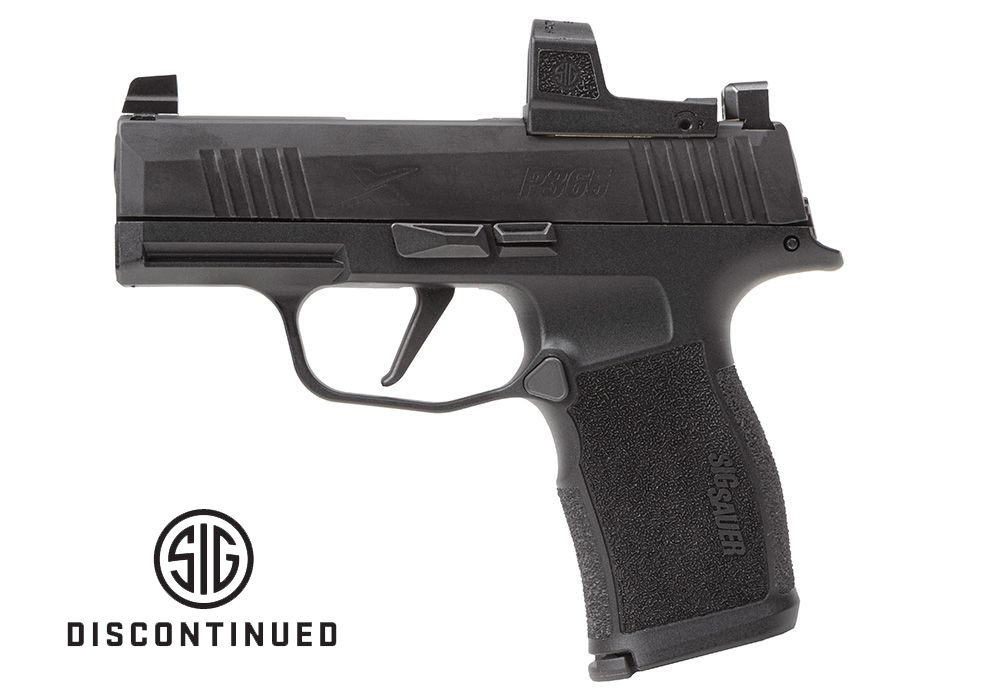
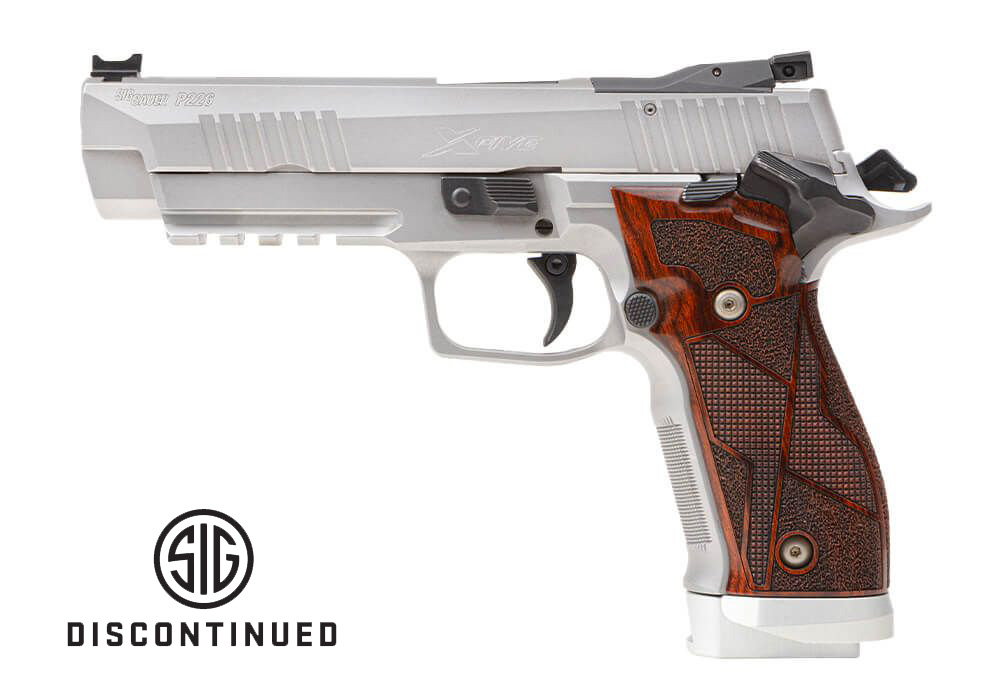
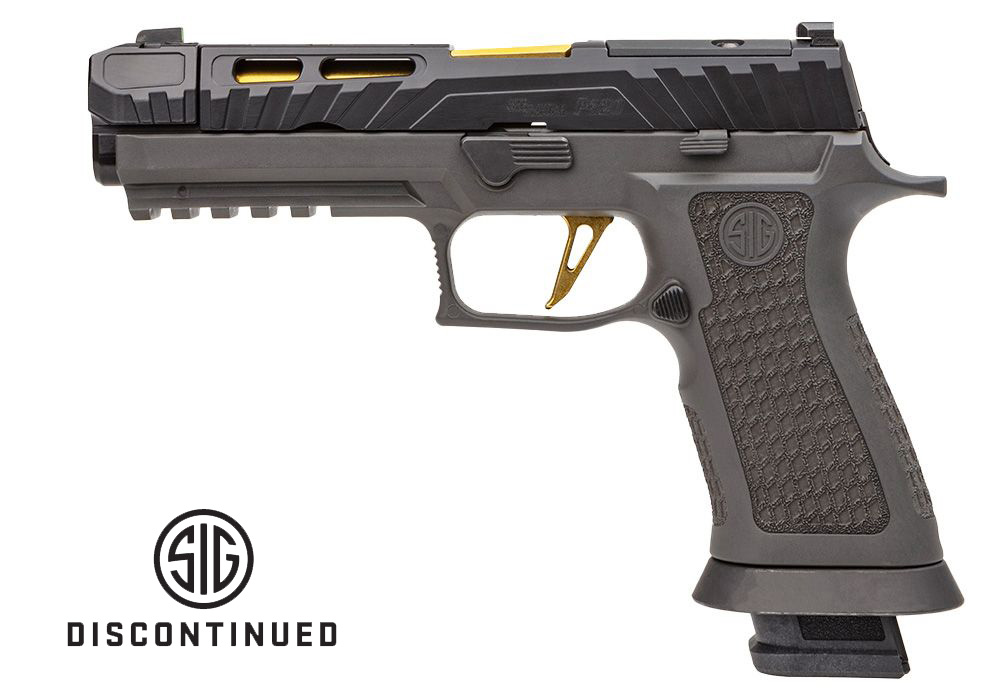
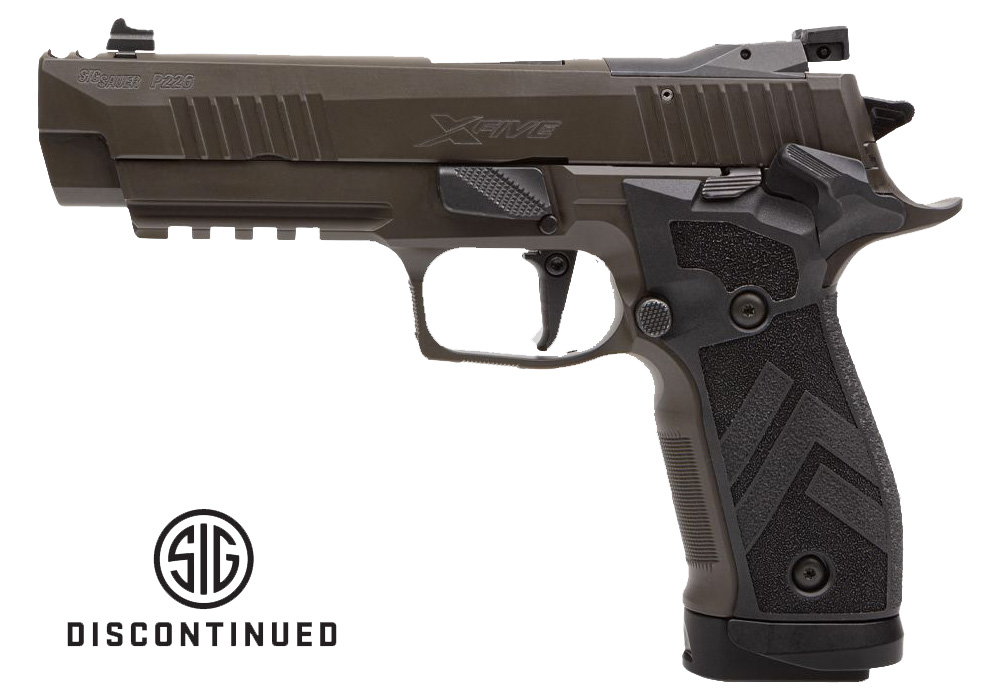
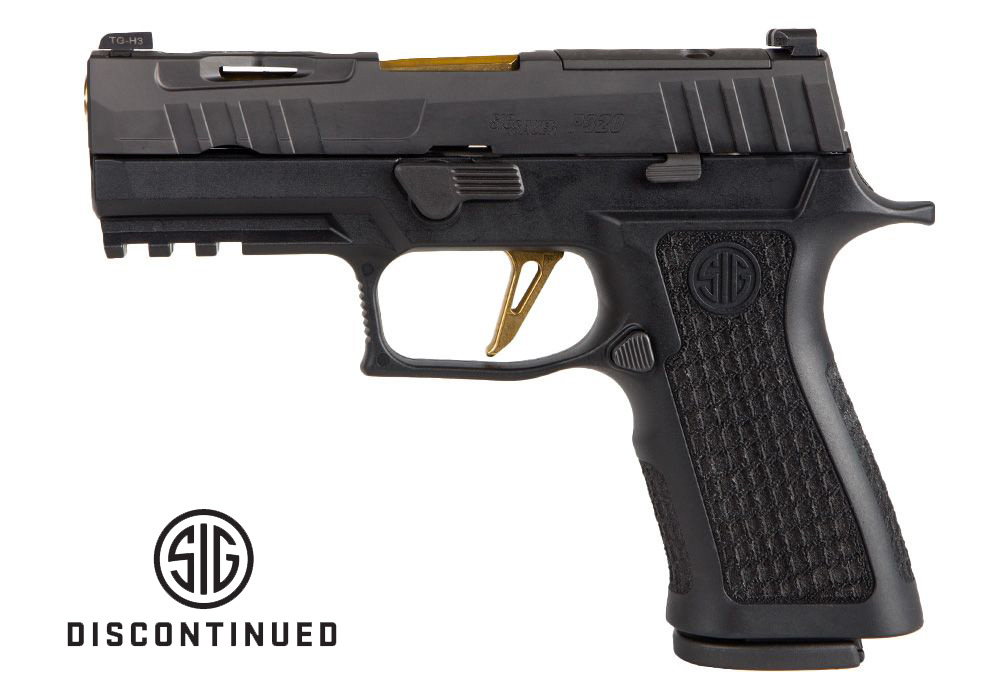
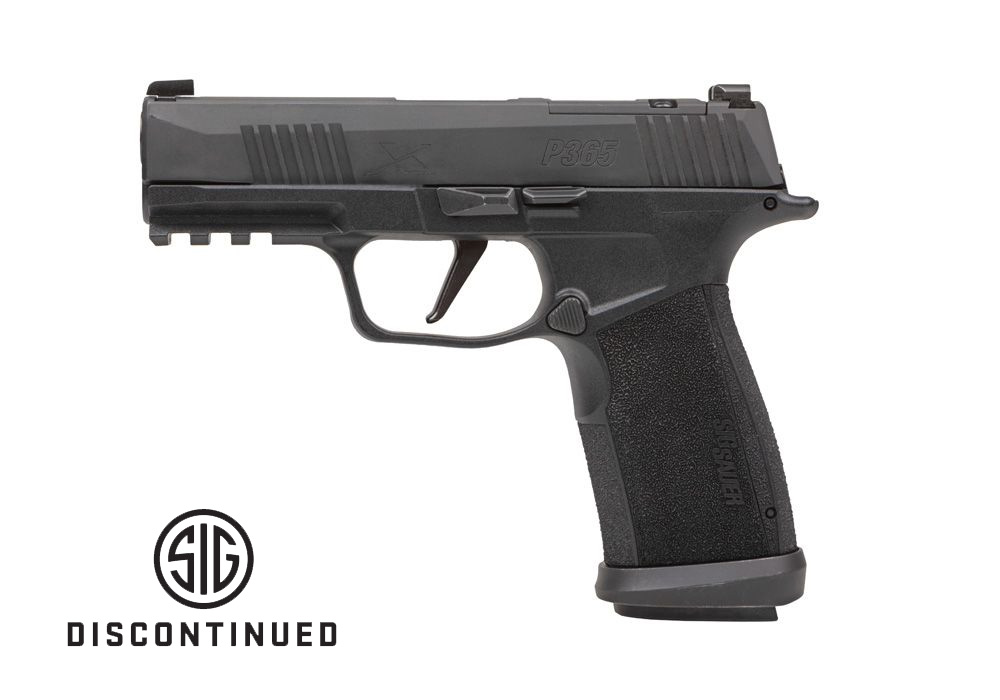
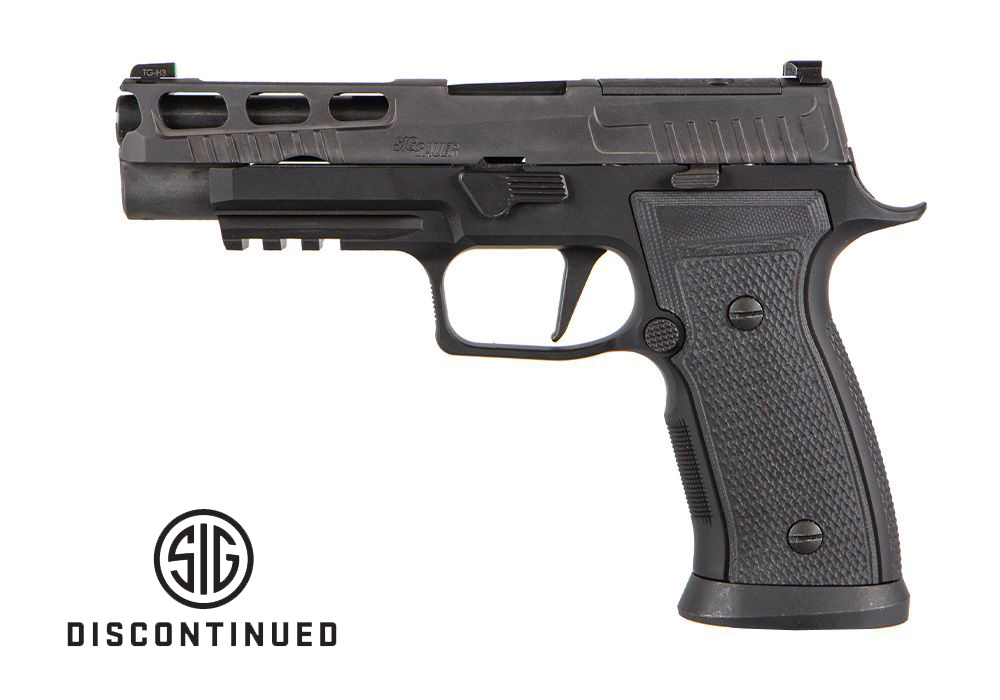
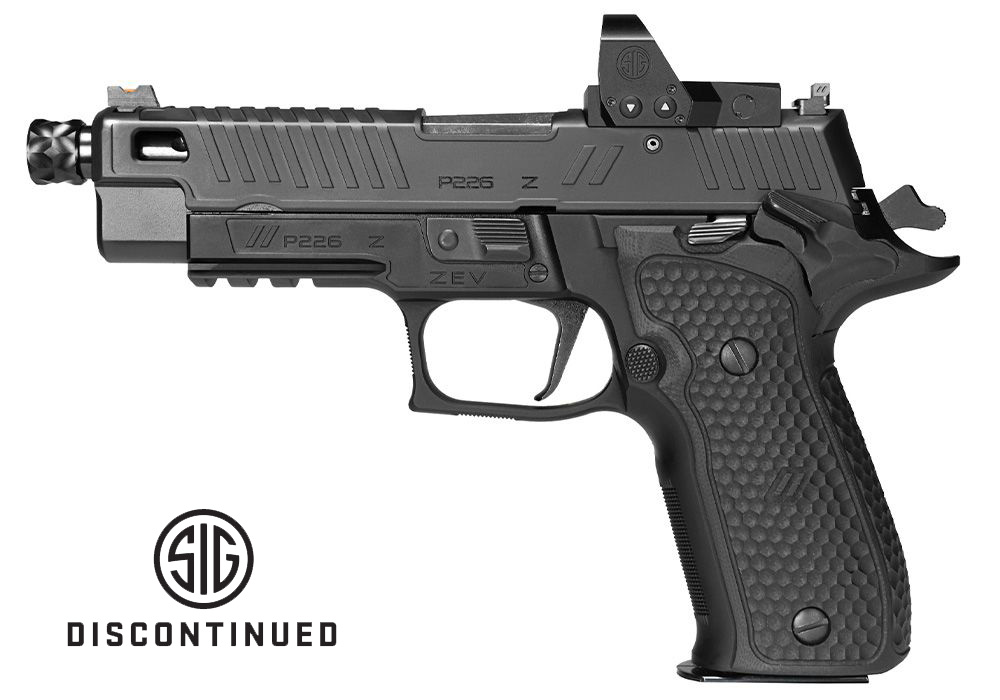
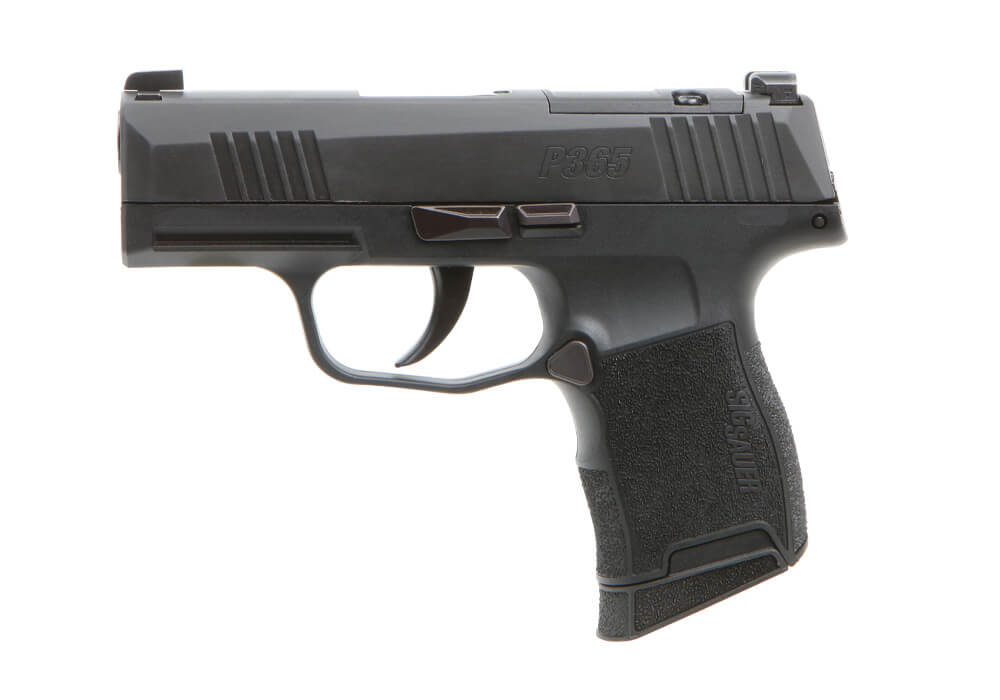
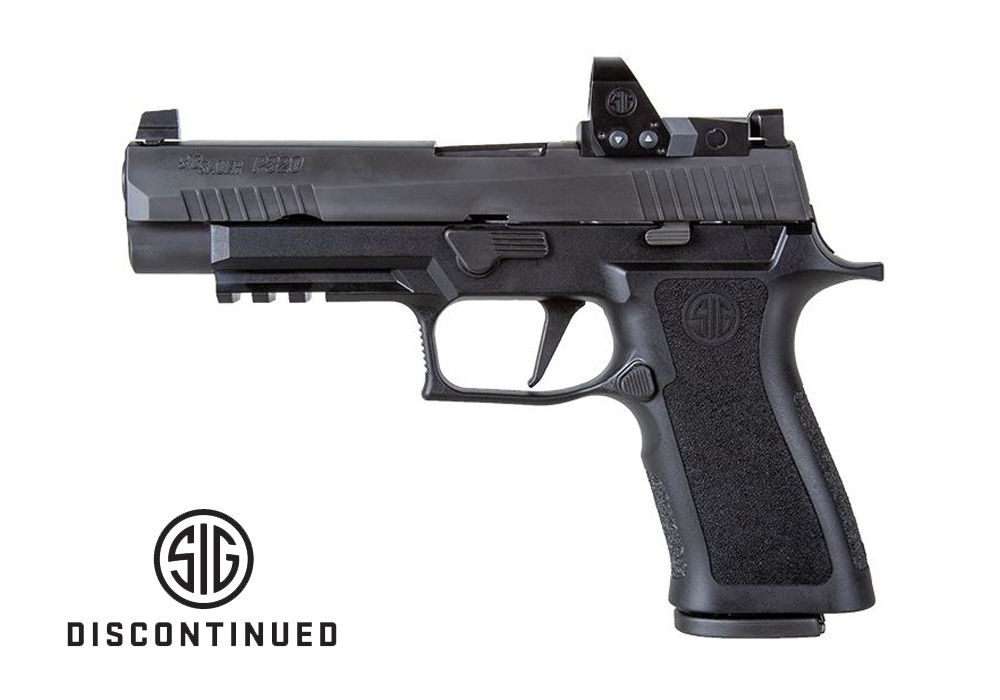
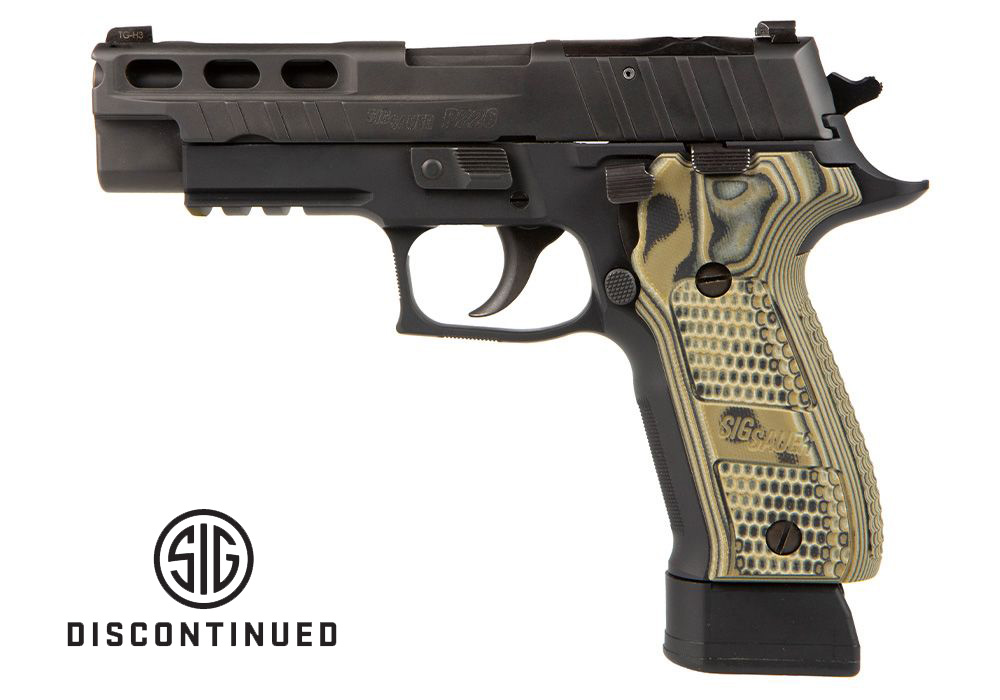
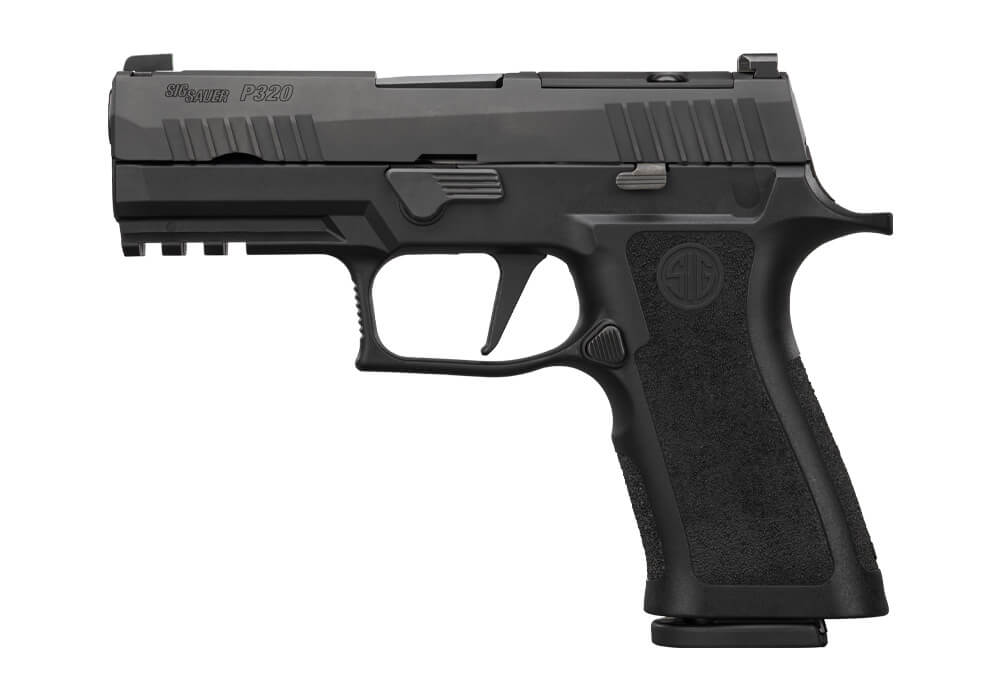
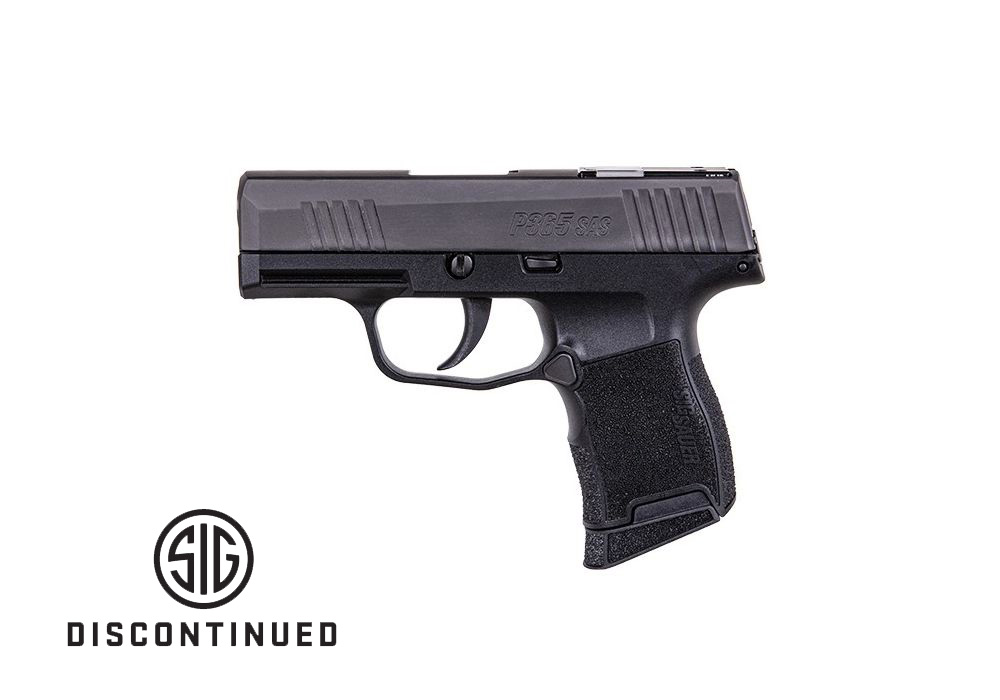
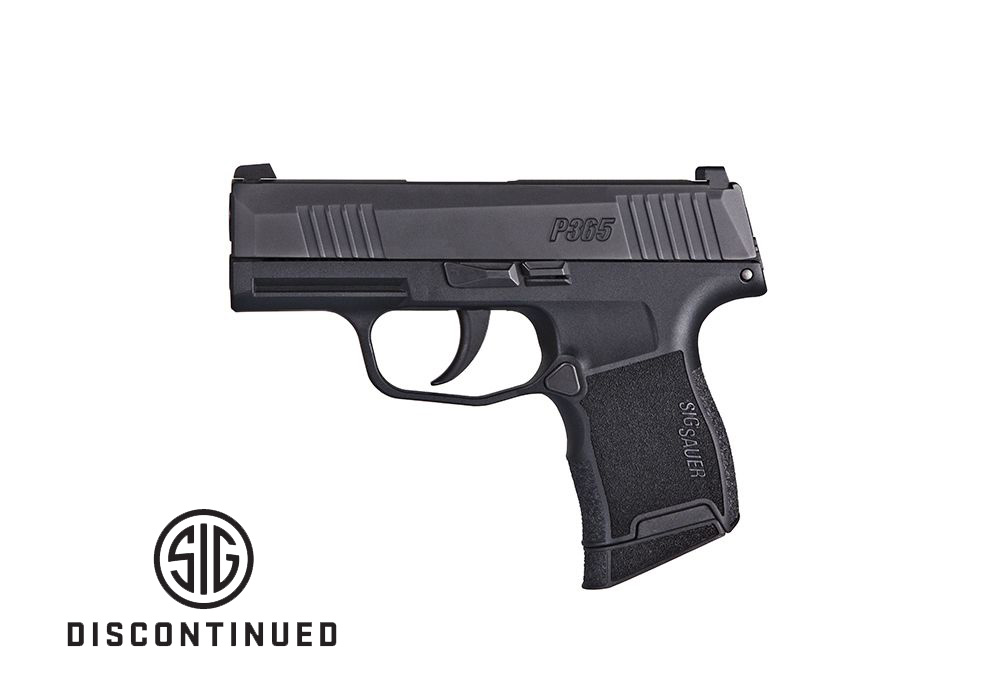
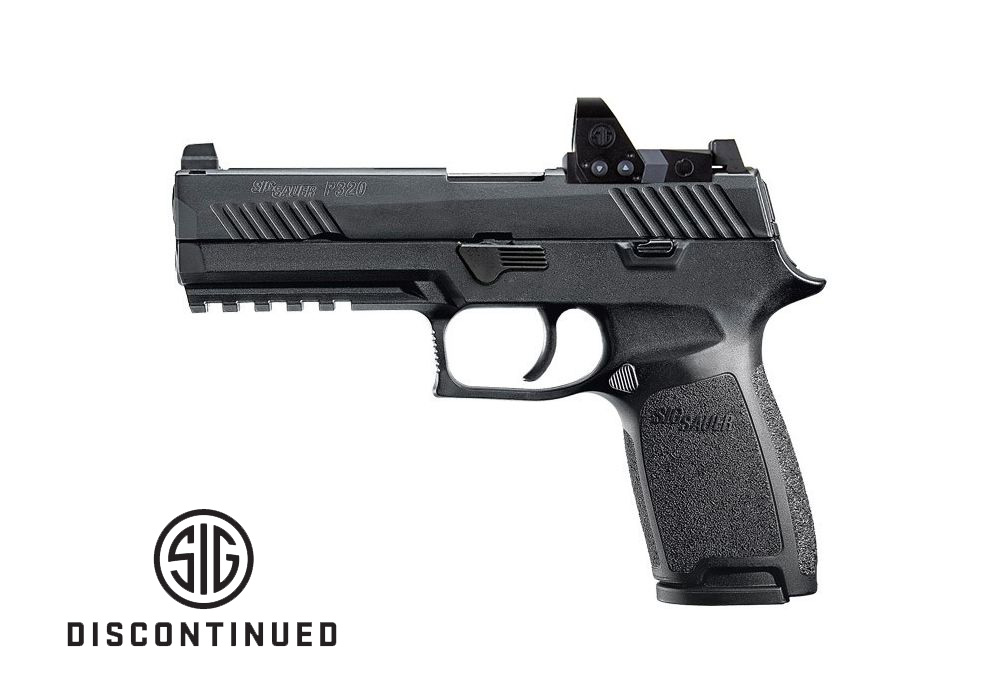
Optic-ready 9mm pistols have a slide designed to accept a compatible red dot or reflex sight, typically through a factory-machined mounting cut, a removable cover plate, or an adapter plate system. This feature provides a mounting interface without necessarily including the optic itself. The distinction matters: an optic-ready handgun and a handgun with a reflex sight already installed are not the same configuration. For shoppers interested in the latter, 9mm Pistols With Reflex Optic Installed represents that separate category. Within an optic-ready selection, compatibility depends on the slide’s mounting footprint, the sight’s corresponding interface, and any required adapter plate or hardware. A mounting footprint is the arrangement of attachment points and locating features that connects the sight to the slide; it is not a universal standard shared by every pistol and optic. Descriptions should identify the supported interface and clarify whether plates, mounting hardware, a cover plate, or an electronic sight are included. Some configurations accept a compatible optic directly, while others use an intermediate plate. Neither arrangement means that every reflex sight will fit. Sight dimensions also matter beyond the mounting interface, since the optic housing can affect holster clearance, access to controls, and the space needed inside a storage case. Iron-sight compatibility is another distinct consideration. Some combinations allow the iron sights to remain visible through the optic window, often called co-witnessing, while others require different sight heights or do not provide that view. An optic-ready designation alone does not guarantee a particular iron-sight arrangement. These details help distinguish otherwise similar handguns without relying on appearance alone. Two pistols with comparable overall dimensions can have different mounting systems, different included components, and different requirements for a suitable sight. Clear specifications establish what the configuration supports before an optic becomes part of the complete setup, and they keep expectations grounded in the actual design rather than the broad optic-ready label.
The right physical fit starts with the handgun itself, not the sight mounted above it. Optic-ready 9mm pistols span small carry-oriented formats, compact configurations, and full-size designs suited to recreational range use, organized competition, or lawful personal protection. Those categories describe general proportions, but grip shape, trigger reach, control placement, and overall weight can feel quite different within the same size group. A shorter grip may be easier to conceal beneath everyday clothing, yet leave less room for larger hands; a longer grip offers more contact area but occupies more space in a holster or storage case. Grip circumference is equally important. A handgun that feels comfortable in the palm should also permit access to its controls without an awkward change in hand position. Adjustable backstraps or interchangeable grip components, where included, can accommodate different hand sizes, though their presence should be confirmed in the specifications. For someone spending an afternoon at a supervised range, comfort over an extended session may matter more than the smallest possible dimensions. For a person considering lawful concealed carry, the relationship among handgun size, optic profile, holster fit, and clothing deserves equal attention. A holster intended for an iron-sight configuration may not provide clearance for an optic-equipped slide, and secure trigger coverage remains essential regardless of sight type. Materials contribute another layer of choice. Polymer frames generally help keep weight lower, while aluminum-alloy or steel frames bring different weight and handling characteristics. Steel slides, protective finishes, and textured gripping surfaces are common, but construction varies by design. More aggressive texture can provide a firm contact surface while also feeling abrasive against skin or clothing. A smoother surface may feel comfortable in storage or carry yet offer a different sensation during range use. Overall weight also influences how manageable a pistol feels, particularly for people with limited hand strength or mobility. There is no single size or material combination that suits everyone. A supervised hands-on evaluation can reveal fit differences that photographs and dimensions cannot fully convey, especially when comparing how a grip rests in the hand and how easily its controls can be reached.
Care and durability are part of the ownership picture for any optic-ready 9mm handgun. A slide finish can resist wear without being immune to scratches, corrosion, or the marks associated with regular handling and holster contact. Polymer, alloy, steel, and optical components each have their own care requirements, so cleaning products and procedures should follow the instructions for the firearm and any installed sight. An electronic optic introduces separate maintenance considerations, including lens care, battery condition, and inspection of its housing and mounting interface. A clear lens is easier to maintain when fingerprints, lint, and cleaning residue are addressed with materials suitable for optical surfaces rather than whatever cloth happens to be nearby. Protective lens coatings can be affected by unsuitable chemicals or abrasive cleaning, and firearm solvents should not be assumed safe for electronics or glass. Battery access also varies: some sights permit replacement without removal, while others have a different service arrangement. That distinction can influence routine upkeep, especially for owners who prefer straightforward maintenance. With no optic installed, the supplied cover plate, where included, serves a different purpose from an adapter plate and should be treated according to the firearm’s documentation. Regular inspection and professional service when needed support responsible ownership, but an optic does not replace familiarity with the handgun or qualified safety instruction. New owners and experienced shooters alike benefit from understanding the firearm’s controls, its specified ammunition, and the limitations of their chosen sighting system. Eye and hearing protection belong in the range bag, while secure storage belongs in the ownership plan. A lockable storage solution should prevent unauthorized access and account for the handgun’s dimensions with any attached optic. Applicable ownership, carry, transport, and transfer requirements also remain relevant regardless of configuration. Taken together, mounting compatibility, comfortable fit, suitable materials, realistic maintenance needs, and secure storage provide a useful foundation for choosing among optic-ready 9mm pistols. The strongest match is a configuration that suits its intended role and its owner’s ability to handle, maintain, and store it responsibly.