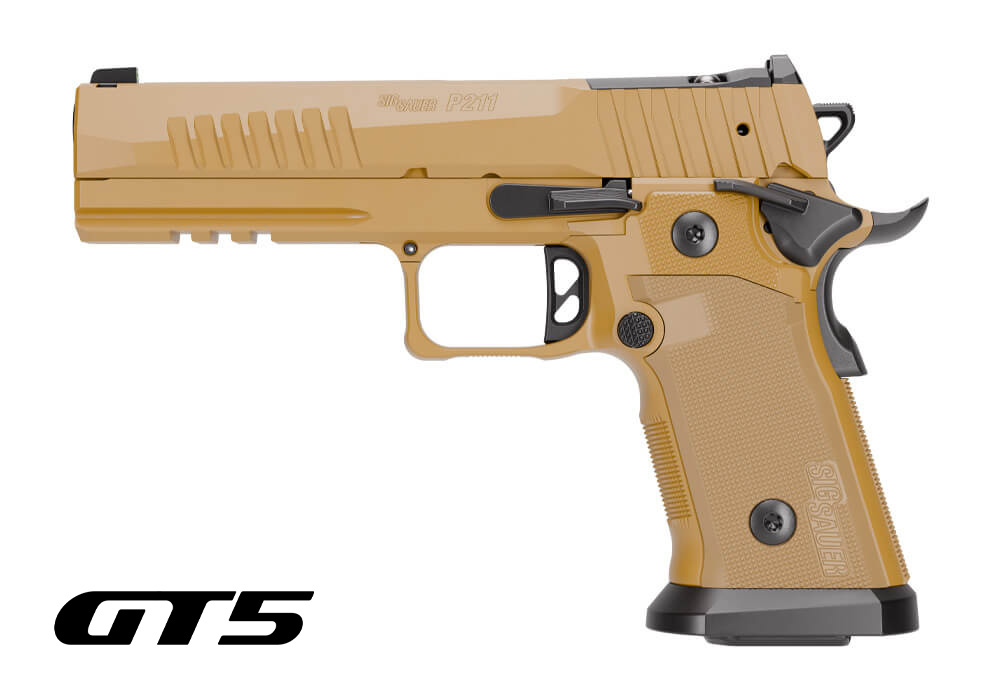
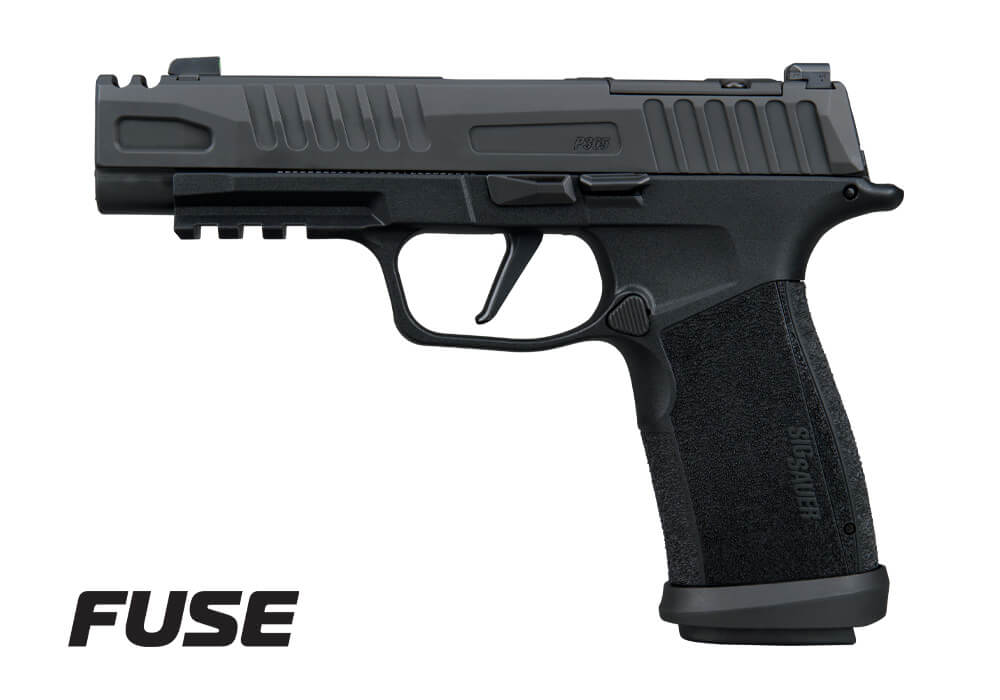
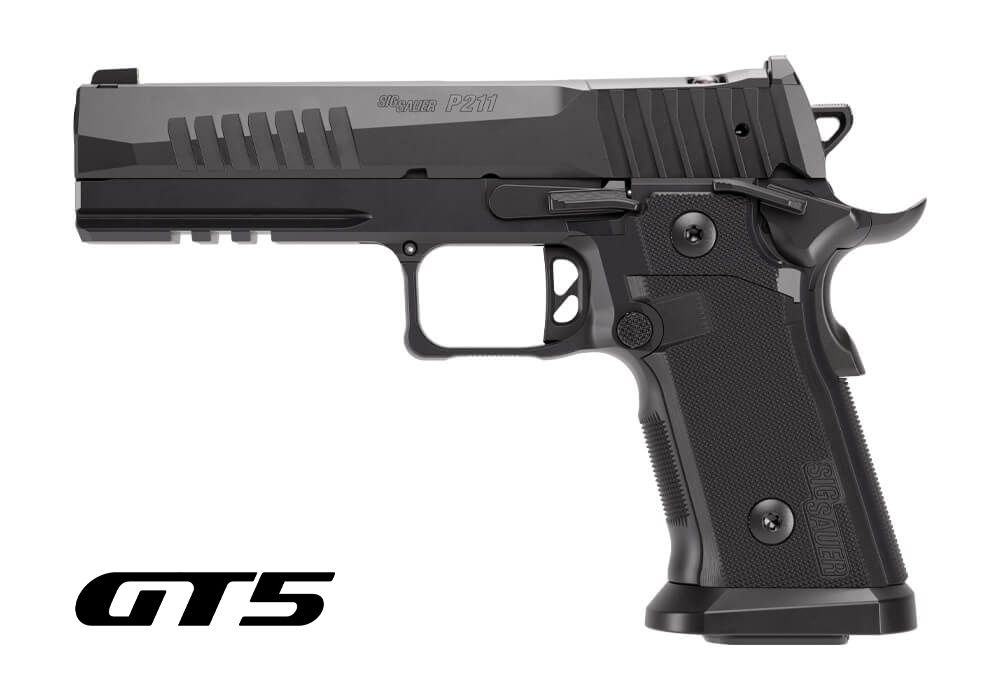
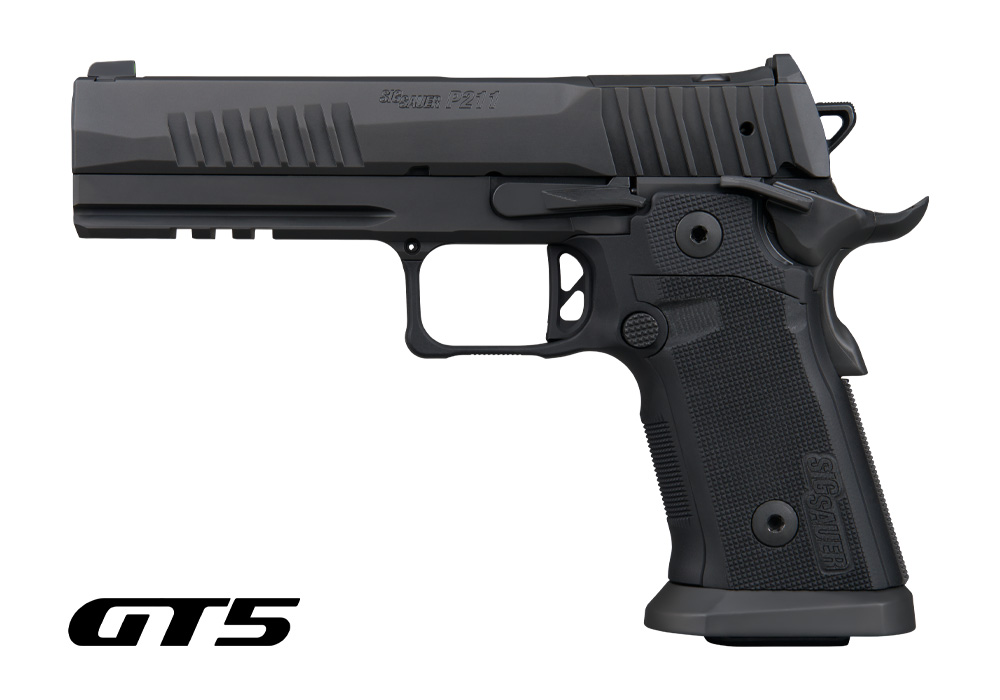
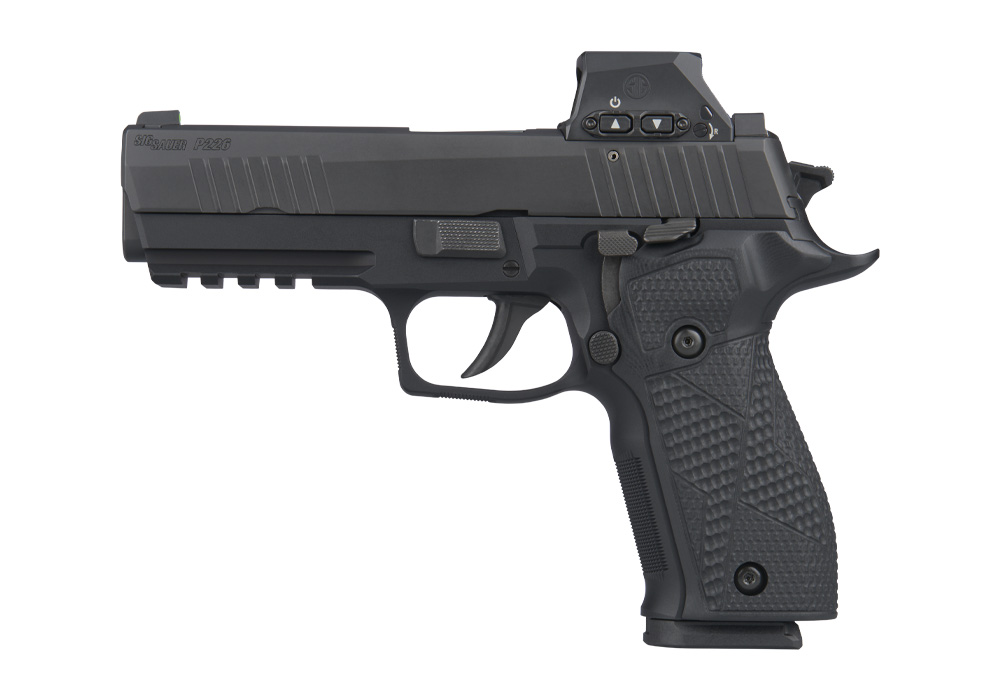
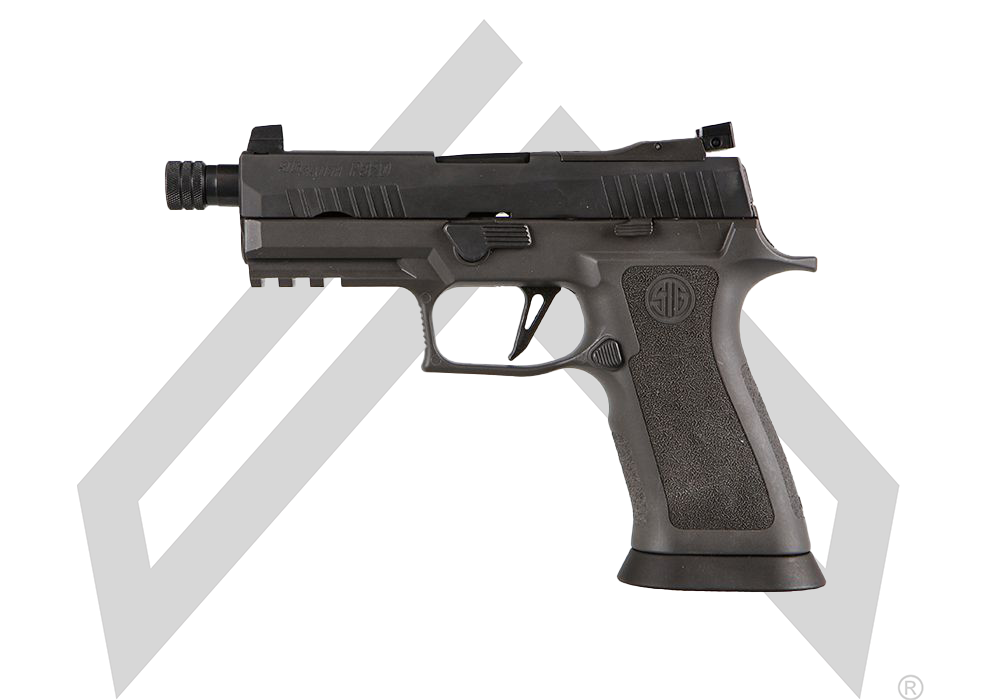
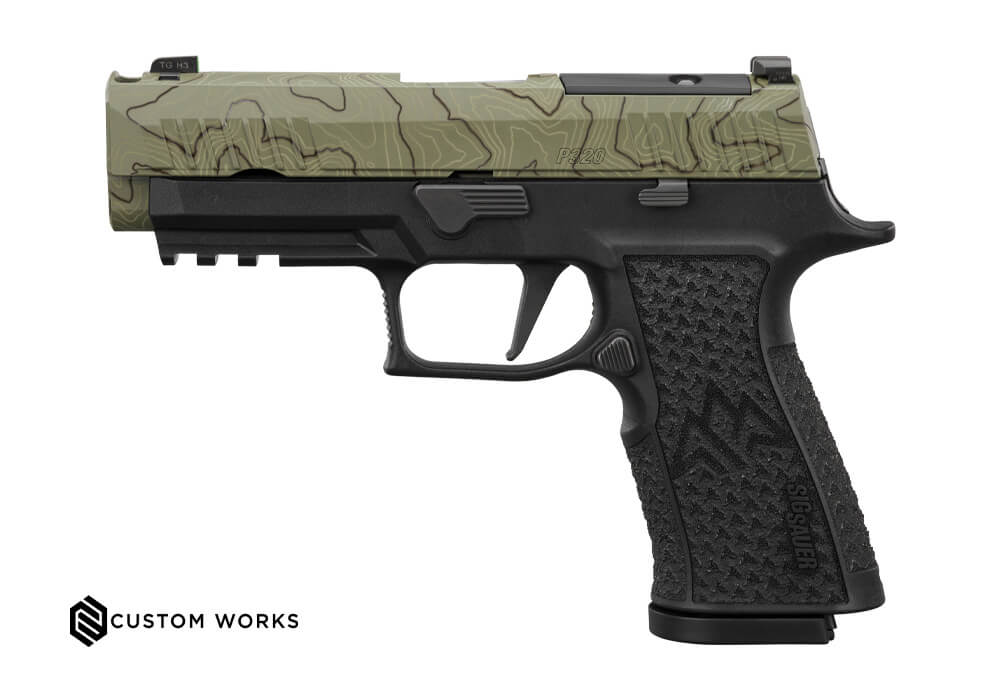
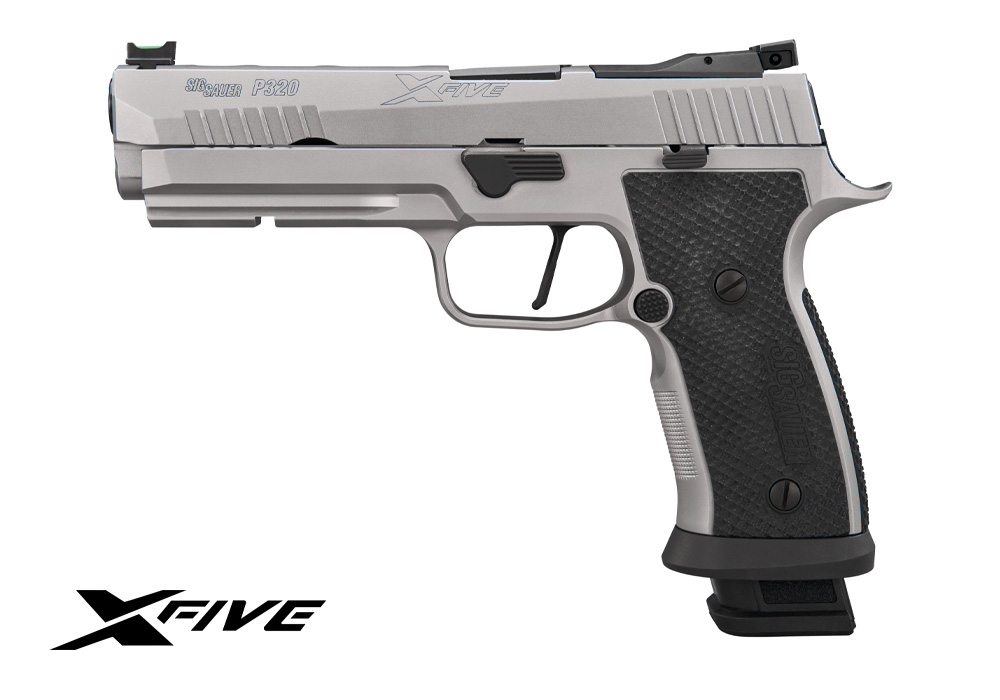
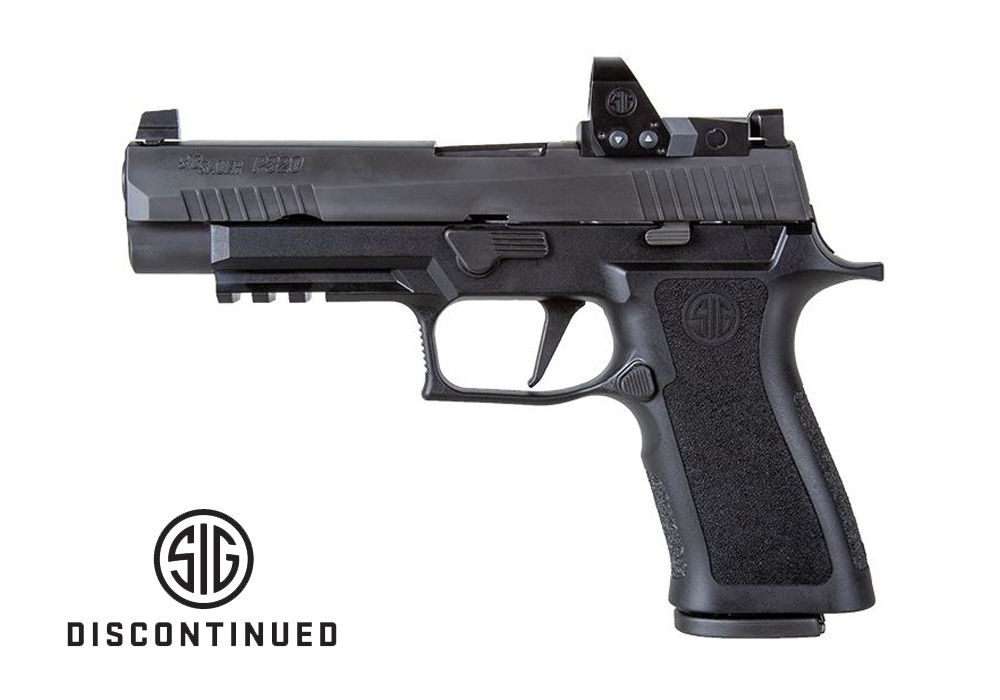
Full-size handguns with an optic plate cover typically feature a factory-cut slide with a removable cover over the optic mounting area. This configuration allows the handgun to retain its covered slide profile when used with iron sights, while preserving the option to fit a compatible red dot sight later. The cover plate and an optic mounting plate are not necessarily the same component: a cover closes the unused mounting recess, while an adapter plate, when required, connects a particular optic footprint to the slide. That distinction matters because an optics-ready designation does not mean every sight will fit every handgun. Slide dimensions, mounting interfaces, and manufacturer specifications determine compatibility. For someone who prefers iron sights for regular range practice but wants flexibility for future equipment changes, a covered optic cut offers a practical starting point without requiring an optic from the outset. Full-size proportions generally provide a longer grip and, depending on the design, a longer barrel and slide than compact alternatives. The additional grip surface can give the support hand more room, while a longer sight radius may help with precise iron-sight alignment. Overall weight, grip shape, ammunition, and individual technique still influence how a handgun feels during use; size alone does not determine comfort or controllability. These handguns can suit recreational target shooting, organized competition, authorized professional use, or lawful personal protection, subject to the requirements of each setting. A full-size frame may feel settled during deliberate practice at a range bench, yet its dimensions also deserve consideration when selecting a holster or secure storage space. The appeal is not simply having a place for an optic. It is having a complete configuration that works with the intended sighting system, fits the shooter’s hands, and supports consistent practice. A plate-covered slide keeps that choice open while allowing iron sights to remain the primary aiming system.
Materials and fit help distinguish configurations that may look similar in photographs. Depending on the design, a full-size handgun may combine a steel slide with a polymer, aluminum alloy, or steel frame, and each combination brings a different balance of weight, rigidity, and handling feel. Surface treatments and finishes contribute to resistance against wear and corrosion, although no finish eliminates the need for appropriate care. The cover plate itself may differ in material, contour, and attachment design, so the original specifications remain important when evaluating replacement components or future optic compatibility. A properly matched cover should follow the intended slide profile without interfering with the handgun’s operation. Cosmetic details, including slide serrations and machining patterns, can change its appearance, but they do not establish which optic footprint it accepts. Related configurations such as Handguns With Optic Ready Stylized Slides bring slide styling into the comparison alongside the mounting arrangement. Beyond the slide, grip circumference, texture, trigger reach, and access to controls deserve equal attention. A grip that feels comfortable during a brief inspection may feel different through a longer practice session, particularly if its texture presses sharply against the palm or its dimensions make a consistent hold difficult. Where a design offers adjustable grip components, the relevant consideration is whether those options support a natural, repeatable fit. Sight layout also varies: some configurations retain the rear sight independently of the cover, while others use a different arrangement around the optic cut. The ability to see iron sights through an installed optic depends on the complete combination of sight height, mounting height, and optic housing. Holster compatibility is similarly specific. A holster intended for a particular handgun without an optic may not accommodate the same handgun with one installed, and external dimensions can affect fit even within a broadly similar size category.
Long-term satisfaction depends on how well the handgun’s configuration matches its regular use and care. For a range-focused owner, a comfortable grip, visible sights, and a durable exterior may matter more than an immediate change to an optic. Someone participating in organized competition may also need to consider equipment rules before choosing a sighting arrangement, while a professional user may have agency requirements that govern permitted configurations. A handgun kept for lawful personal protection calls for equally careful attention to secure storage, authorized access, and ongoing training. In every setting, the cover plate is one part of a larger system rather than a substitute for sound handling habits or verified compatibility. Routine care should follow the manufacturer’s documentation, with the handgun unloaded before inspection or cleaning and ammunition kept separate from the work area. Accessible surfaces around the plate can collect lint, residue, or other debris during ordinary handling, and visible corrosion, damage, or a change in fit warrants qualified attention. A cover helps shield the unused mounting area, but it should not be assumed to create a watertight seal or eliminate maintenance beneath it. Unnecessary removal can also complicate care if hardware is misplaced or components are mixed between configurations. Keeping the original cover and its associated hardware together is useful if the handgun later returns to an iron-sight setup; similarly, retaining documentation makes future compatibility checks more straightforward. When an optic is part of the intended setup, suitable mounting components and professional assistance, where needed, help preserve the integrity of the system. For many owners, the lasting value of a full-size handgun with an optic plate cover is this flexibility: familiar iron-sight use today, a defined mounting provision for a compatible sight later, and a platform whose fit, materials, and maintenance needs can be evaluated as a complete package. Those practical details matter more than appearance alone and remain relevant throughout regular ownership.