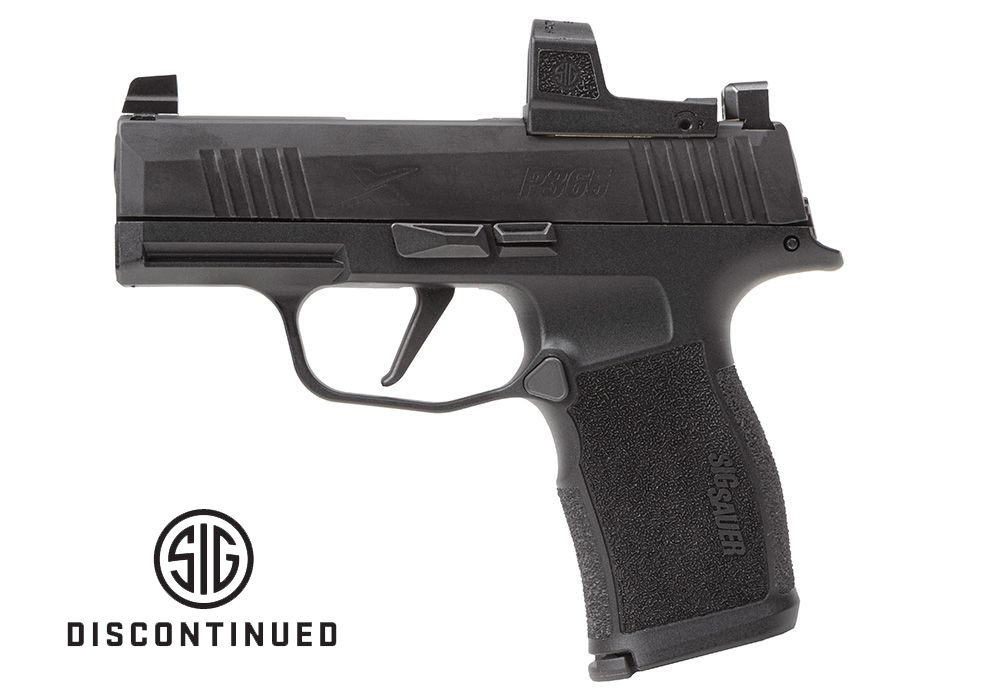
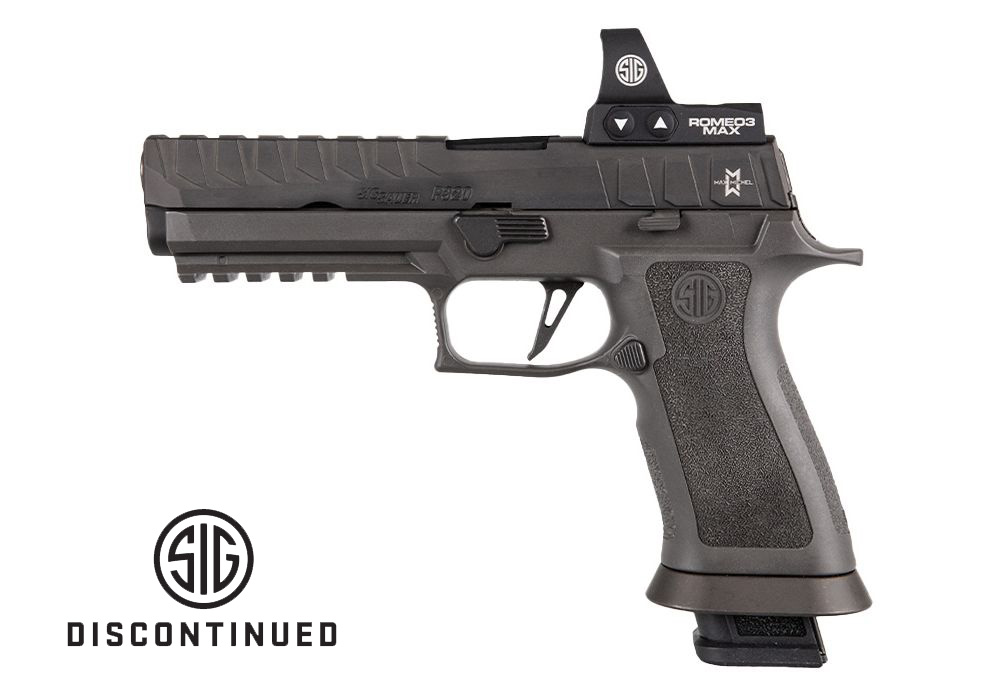
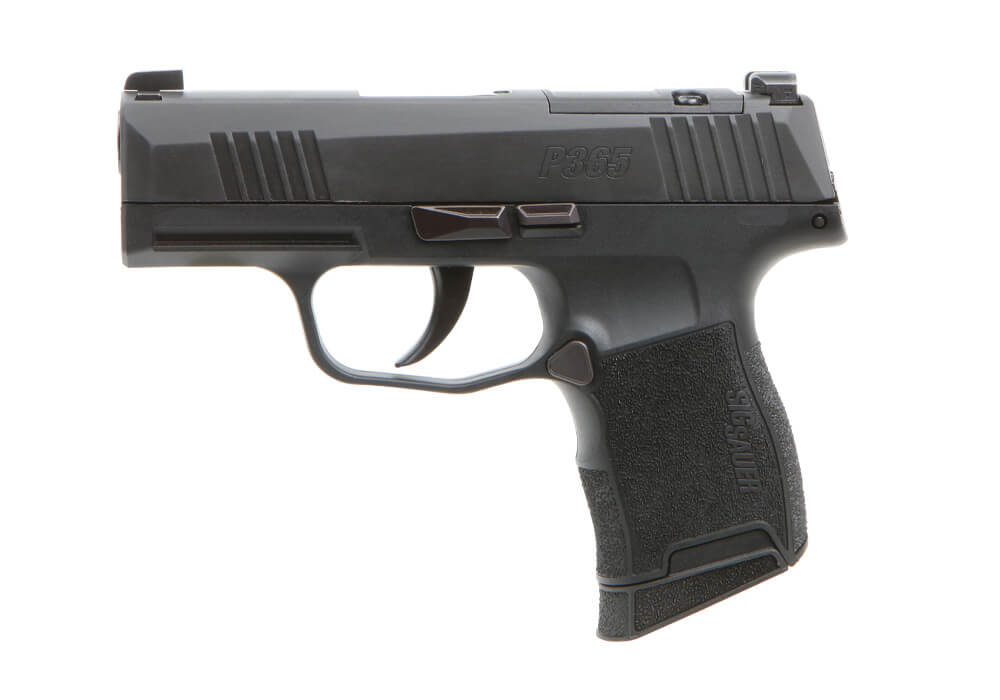
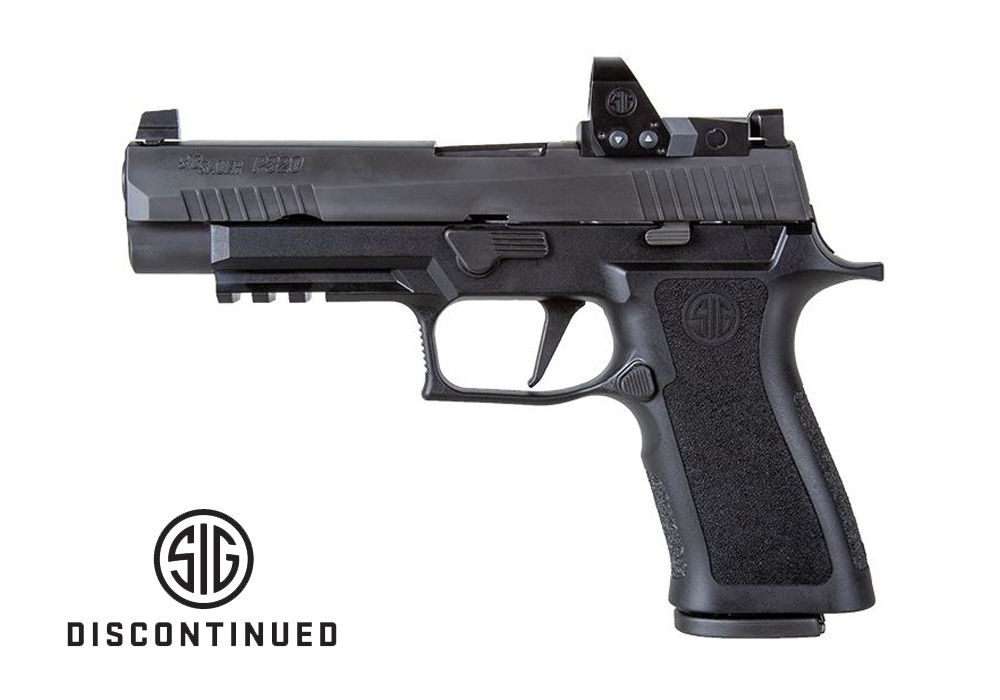
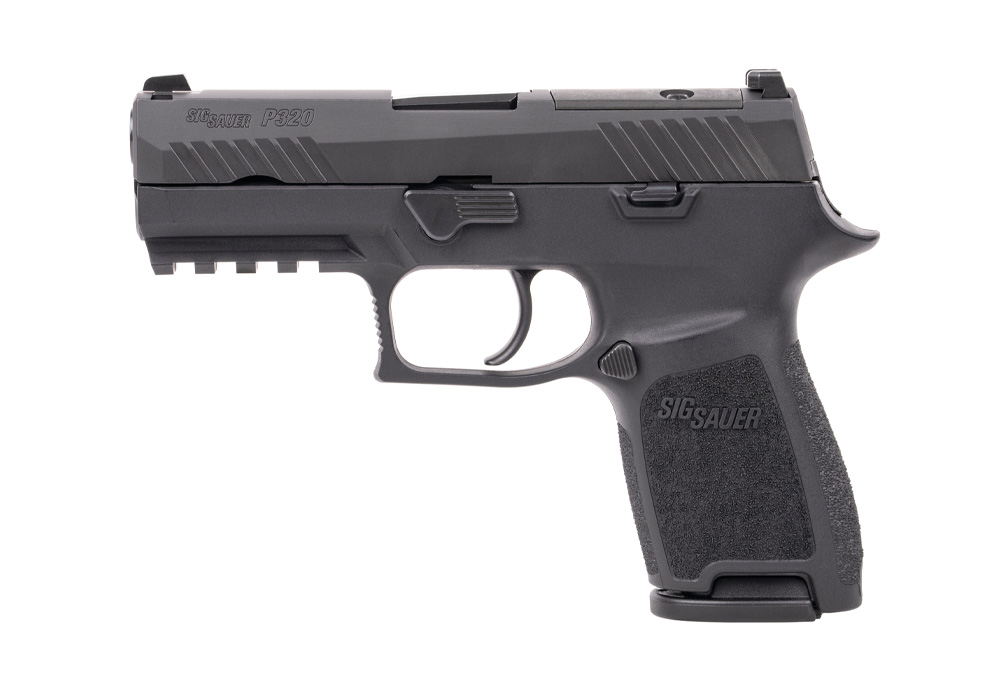
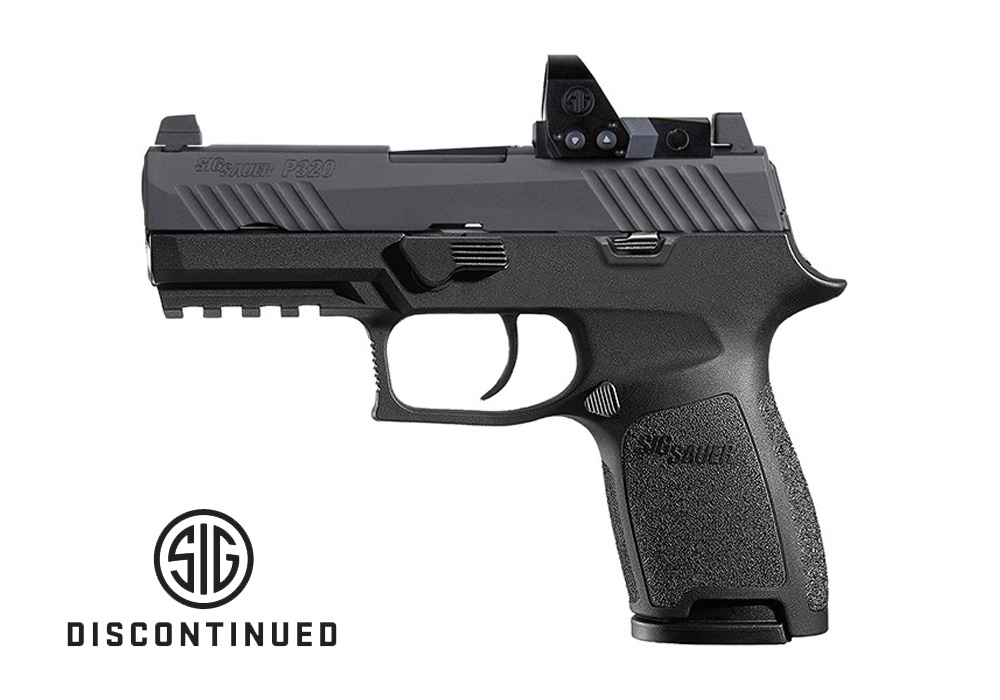
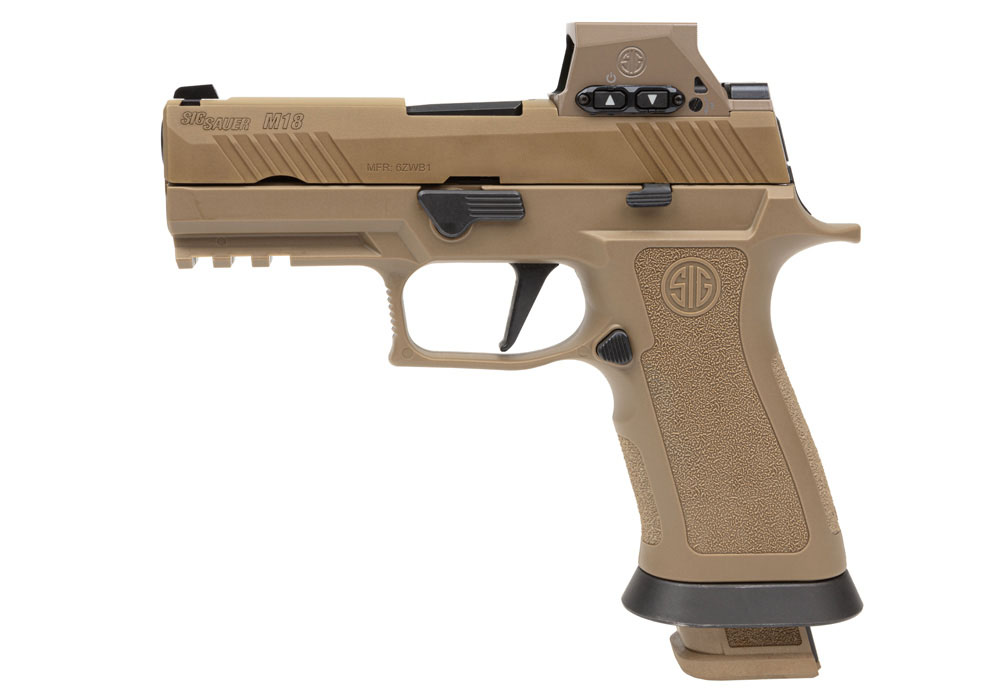
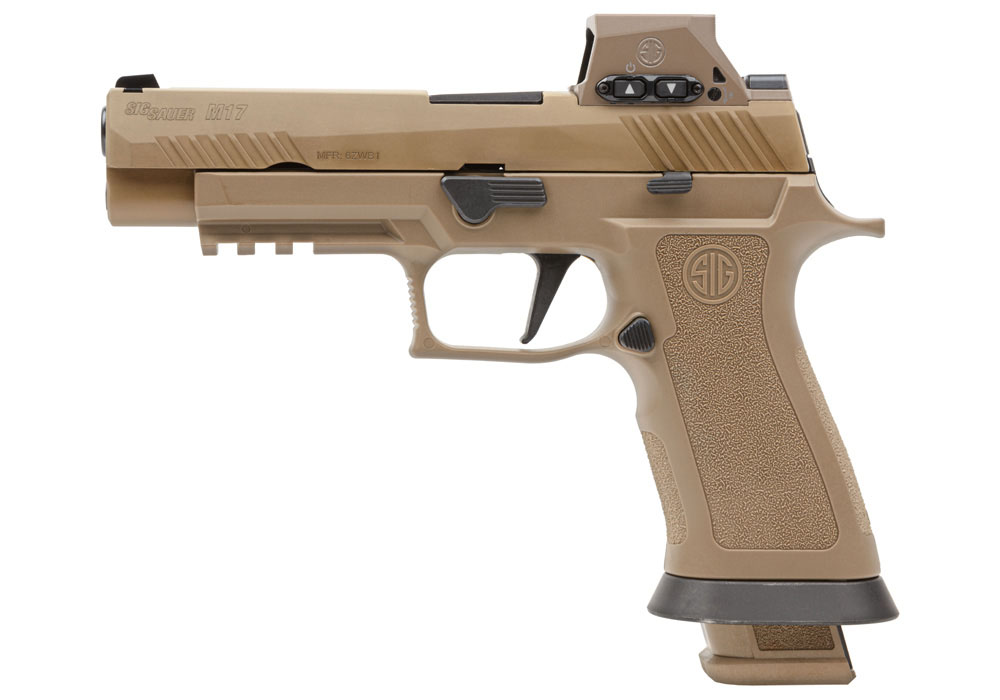
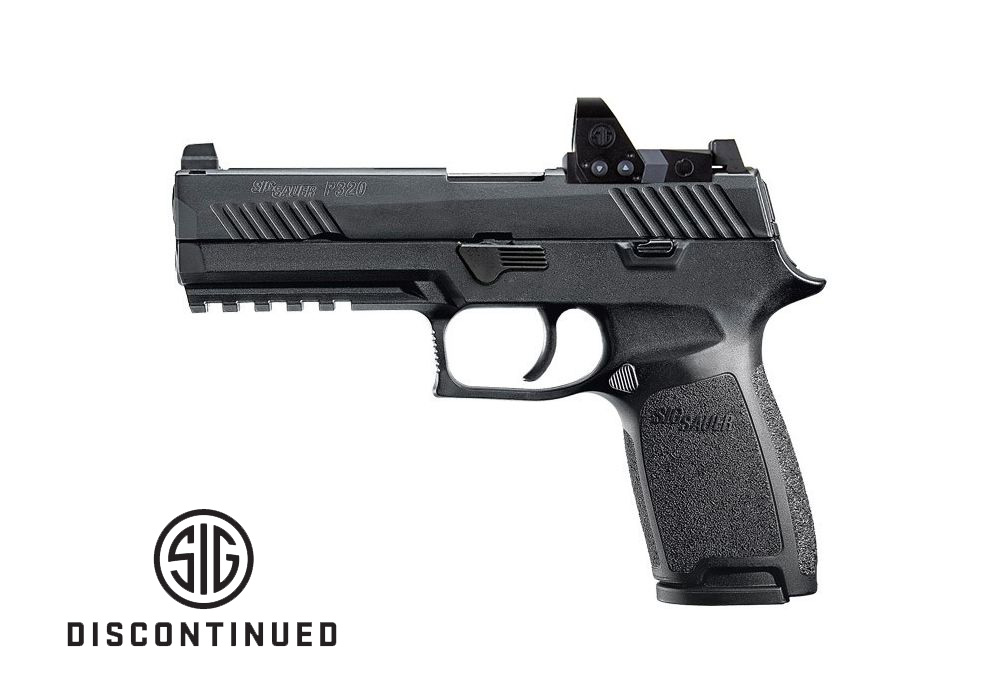
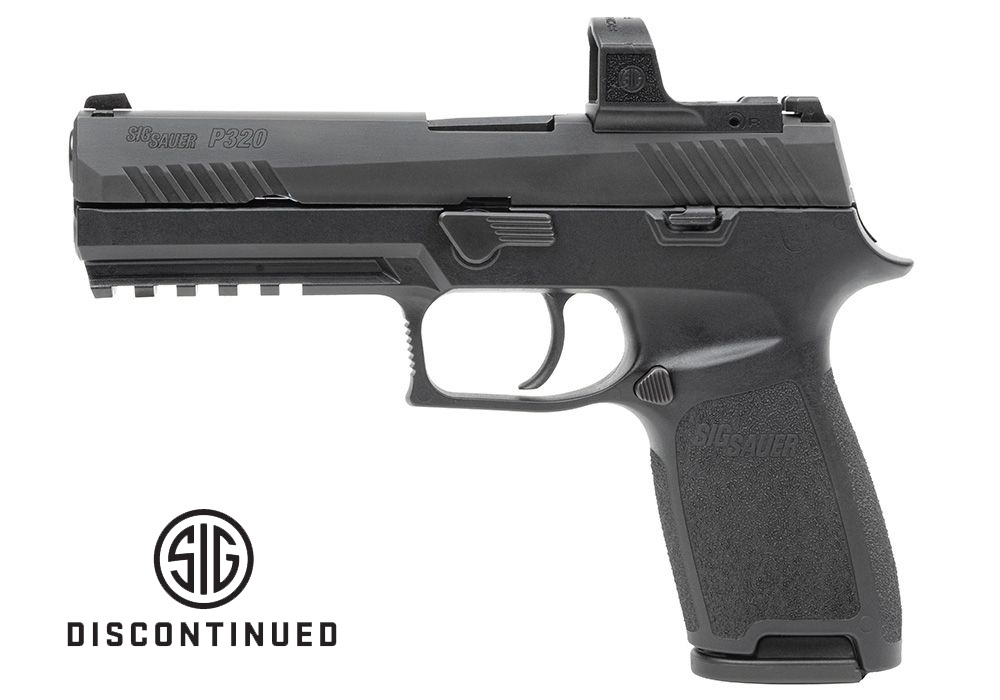
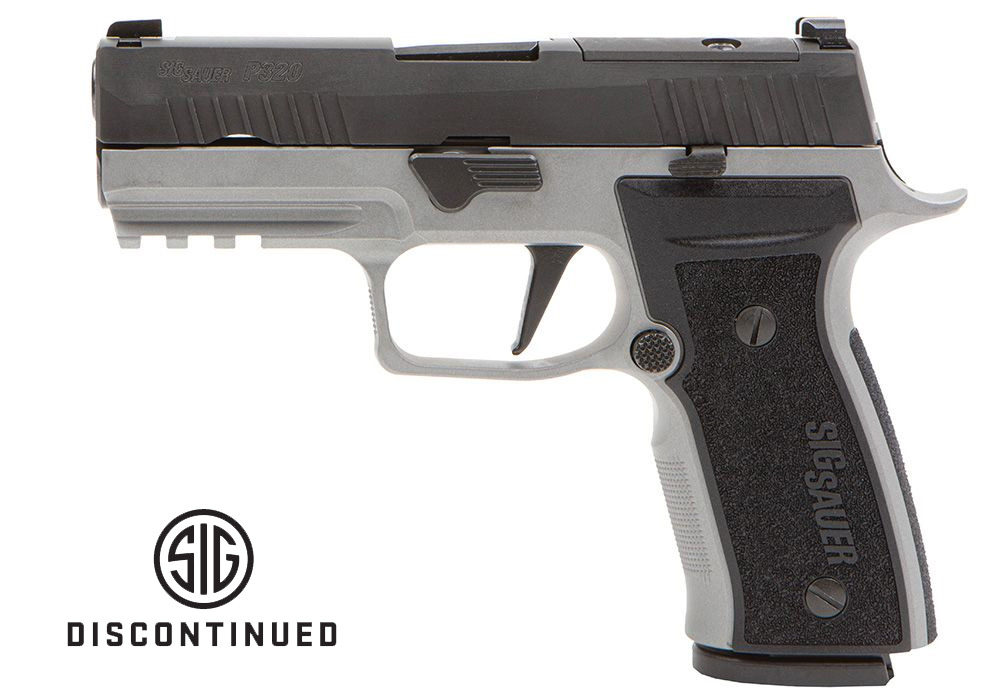
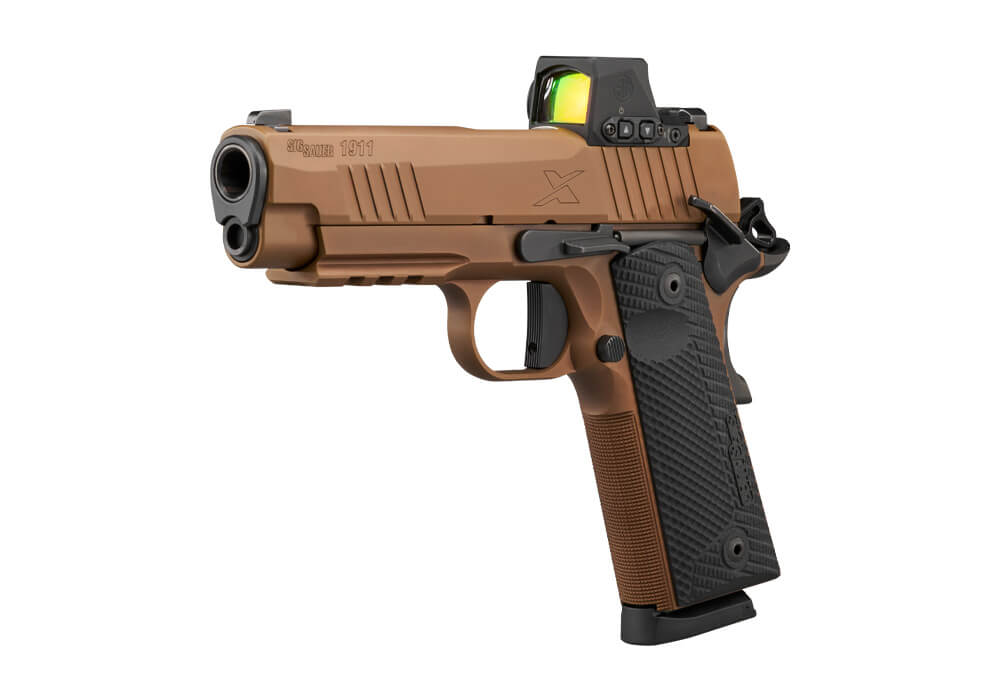
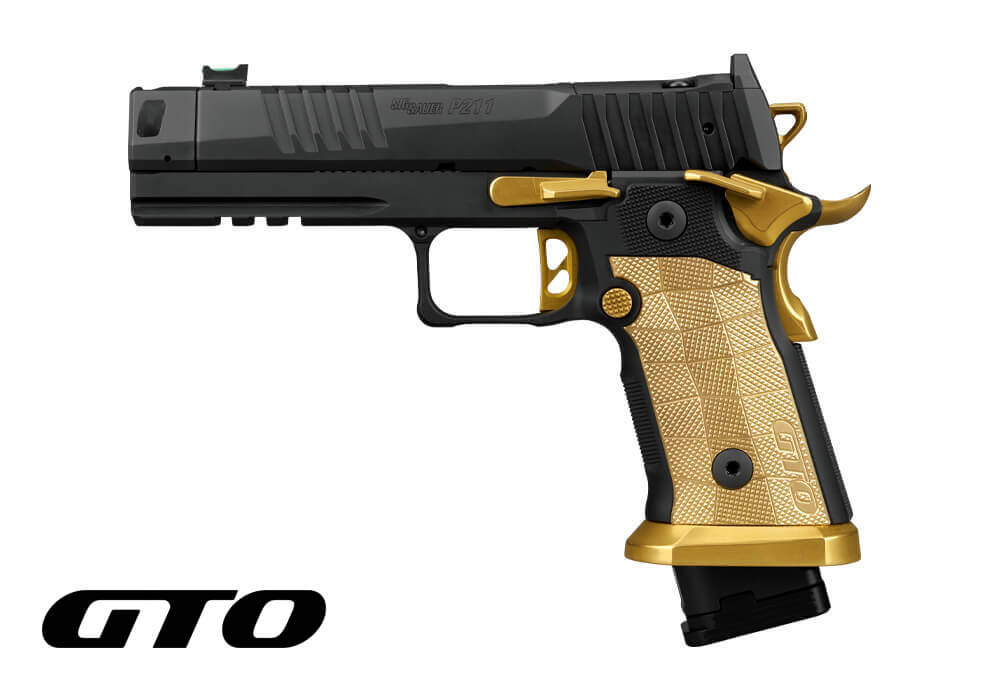
The best handguns with optics combine dependable operation, a comfortable grip, a compatible sighting system, and dimensions that suit the intended use. There is no single configuration that fits every shooter: a compact pistol for lawful concealed carry presents different priorities than a full-size handgun for recreational shooting or organized competition. What these firearms share is a slide-mounted optical sight, or a slide configured to accept one, that brings an illuminated aiming reference into the shooter’s view. A red dot can support target-focused shooting and offer a clearer aiming reference for people who find traditional front and rear sights difficult to distinguish. Those benefits still depend on sound fundamentals, a properly secured optic, and a verified zero. The distinction between optics-ready and optic-equipped matters, too. An optics-ready handgun has a mounting interface but does not necessarily include an optic; an optic-equipped configuration includes the sight, although its fit and setup still warrant attention. Size and ergonomics remain central to the overall experience. Micro-compact handguns emphasize a smaller profile, compact models balance portability with usable grip space, and full-size designs generally provide more room for the shooting hand. The collection of Full Size Handguns With Optic Ready Slide focuses on that larger format, where grip length and slide dimensions can suit range practice, competition, or other lawful applications. A comfortable handgun allows the shooter to reach the controls without an awkward change in grip, while its texture provides purchase without creating unnecessary discomfort against the body. Grip width, trigger reach, and the shape of the backstrap can matter more than a size label alone. Two pistols described as compact may feel distinctly different in the hand. The optic also becomes part of that fit: its housing adds height, its window affects the sight picture, and its position can influence compatibility with a holster. A well-matched combination feels coherent rather than like a pistol and sight chosen independently.
Optic compatibility is one of the most important characteristics of handguns in this category because mounting systems are not universal. A slide cut, an optic footprint, and an adapter plate each describe a different part of the connection between the pistol and sight. Some configurations accept a compatible optic directly, while others require a plate specified for the particular pairing. Screw dimensions, mounting support, and clearance all contribute to a secure installation, so a shared description such as “compact red dot” does not establish compatibility by itself. Manufacturer specifications provide the relevant details, and professional installation can be useful when the mounting requirements are unfamiliar. The sight itself has several characteristics that affect everyday use. A larger window may offer a less confined view, while a smaller housing can better complement a slim carry pistol. An enclosed-emitter design surrounds the light source and optical path, helping shield them from lint and debris; an open-emitter design leaves that area more exposed and can offer a less bulky profile, depending on its construction. Neither format eliminates the need for inspection and cleaning. Brightness controls, automatic illumination settings, battery access, and reticle options also shape the ownership experience. A clearly visible aiming point should not overwhelm the sight picture, and its appearance can vary with eyesight, corrective lenses, and astigmatism. An optic that looks crisp to one person may appear stretched or star-shaped to another. Materials deserve equal attention. Polymer grip frames can reduce weight, while metal frames may provide a heavier feel that some shooters prefer. Steel slides, protective finishes, and durable optic housings contribute to resistance against routine wear, but material labels alone do not establish overall quality. Fit between components, finish coverage, and the integrity of the mounting interface matter as well. Iron sights can provide an additional sighting option, though whether they remain visible through the optic depends on sight height, mounting depth, and the specific configuration. A low-mounted optic does not automatically guarantee that standard-height sights will be usable.
Long-term satisfaction with an optics-equipped handgun depends on how well the complete setup fits its role and how consistently it receives appropriate care. For a frequent range visitor, a comfortable grip, manageable controls, and a sight window that remains easy to view over an extended session can be more meaningful than the smallest possible dimensions. A participant in organized competition may also need to account for equipment rules, since an optical sight can affect eligibility for a particular division. For lawful concealed carry, the pistol, optic, and holster function as a system: the holster needs suitable clearance for the sight, secure retention, and full coverage of the trigger guard. A housing that presses against the body or conflicts with the holster can undermine an otherwise comfortable setup. For lawful home-defense ownership, secure storage and access limited to authorized adults remain essential considerations. Across these uses, an optic complements responsible handling and training rather than replacing them. Maintenance includes the firearm’s normal cleaning requirements along with care for the sight’s lenses, housing, battery contacts, and mounting hardware. Lens-safe cleaning materials help protect optical coatings; household cleaners or abrasive cloths can damage surfaces that need to remain clear. Solvents intended for firearm components may not be suitable for an optic, making the manufacturer’s care directions particularly relevant. Battery replacement is another practical distinction between designs. Some allow access without removing the sight, while others require removal and subsequent verification of the zero. Published battery-life estimates depend on operating settings and usage, so routine function checks are a better habit than relying on a single longevity figure. Mounting hardware also warrants periodic inspection according to the relevant specifications, especially after substantial use or service. Before cleaning or handling mounting components, the firearm should be unloaded, with ammunition kept separate from the work area. Secure storage protects against unauthorized access and helps prevent damage to both the handgun and its sight. Ultimately, the strongest options in this category pair suitable dimensions, clear compatibility information, durable construction, and practical upkeep with the shooter’s actual needs. That balance supports a handgun-and-optic combination that remains comfortable, serviceable, and familiar through regular practice.