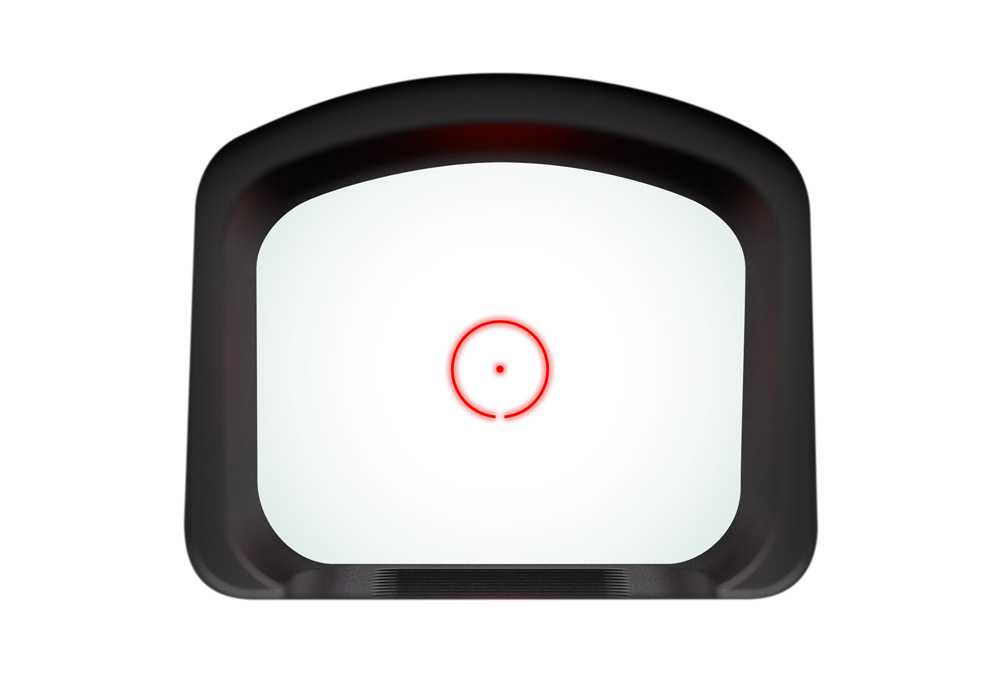
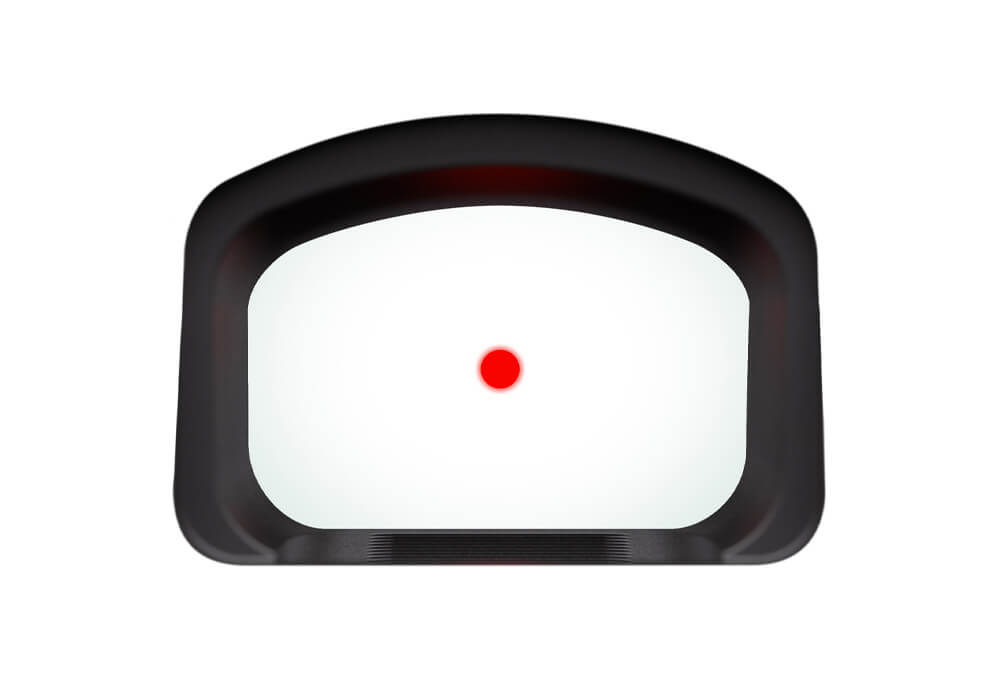
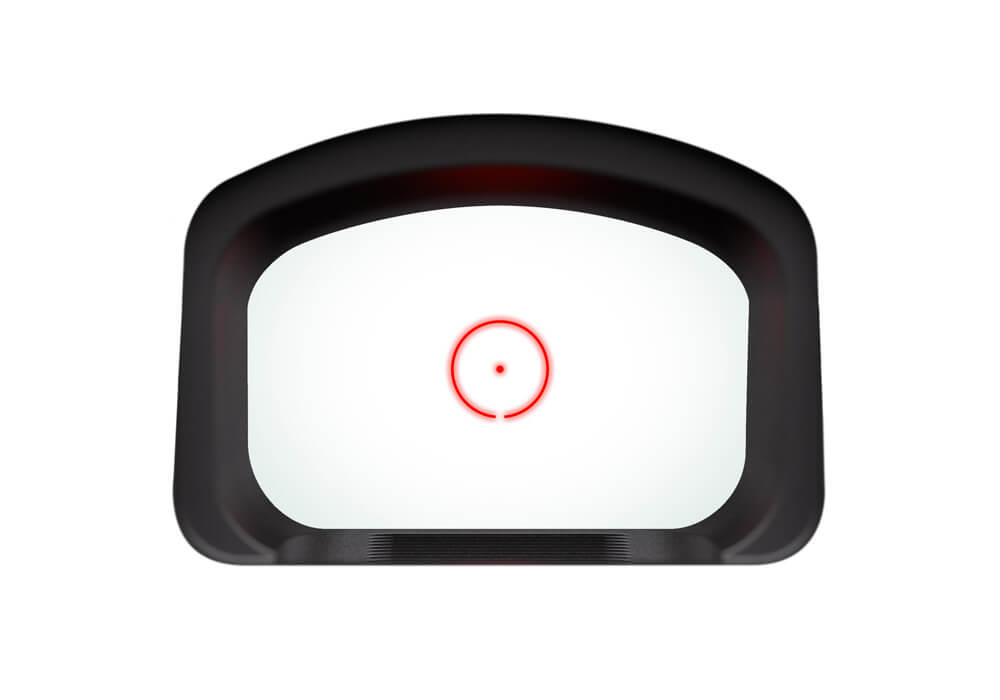
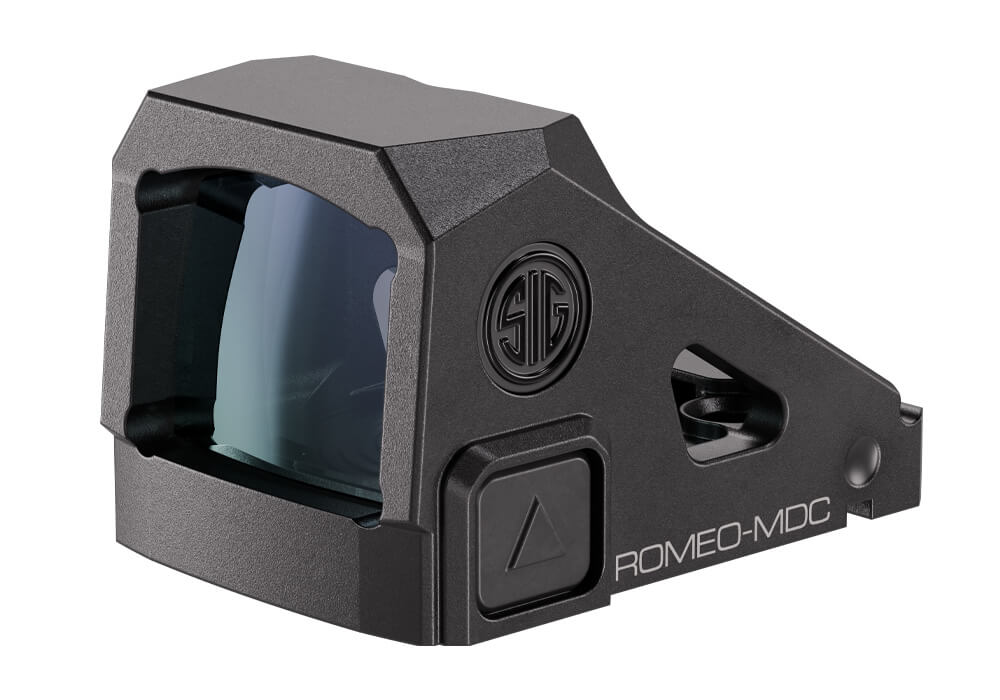
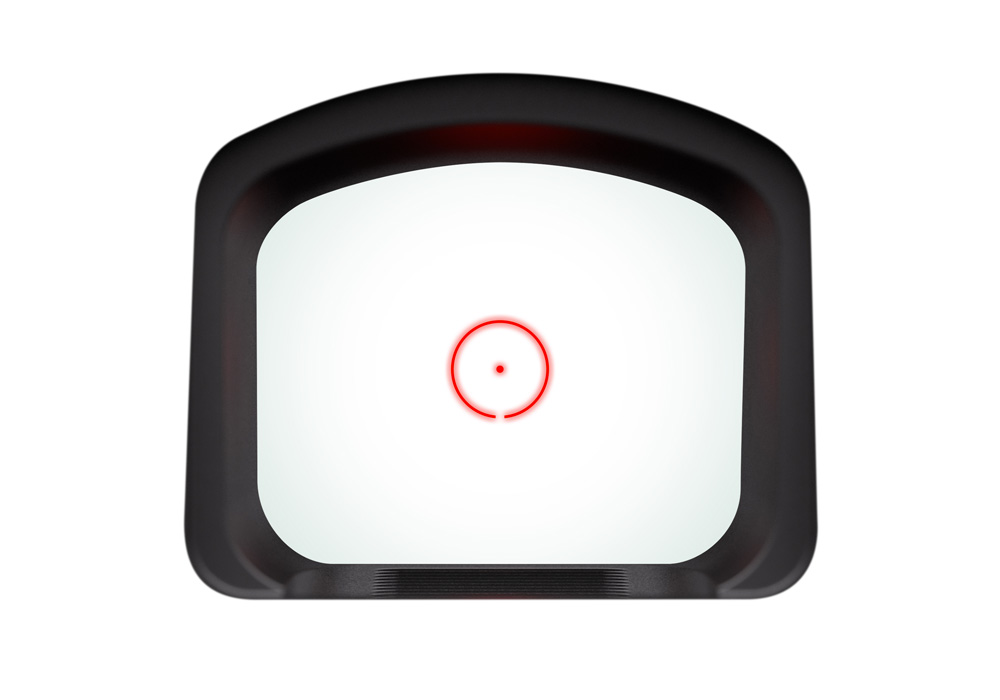
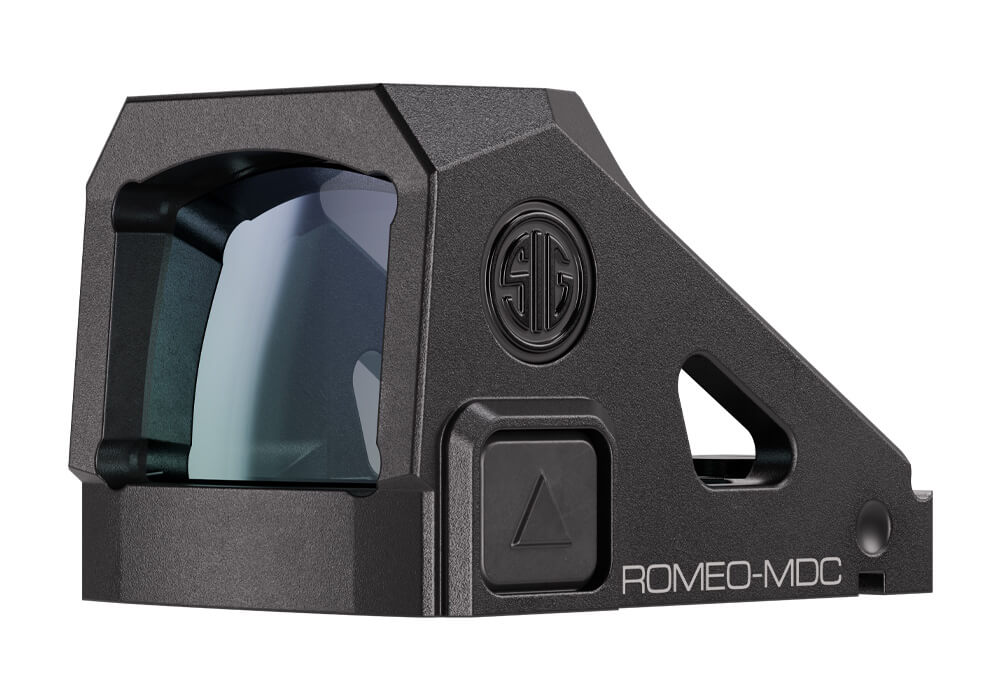
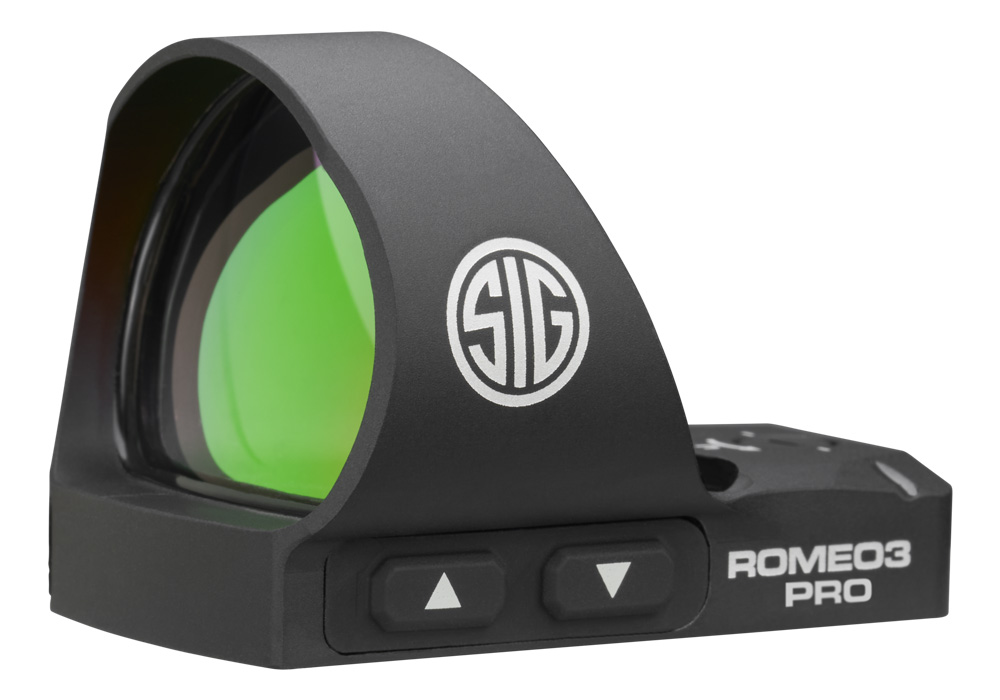
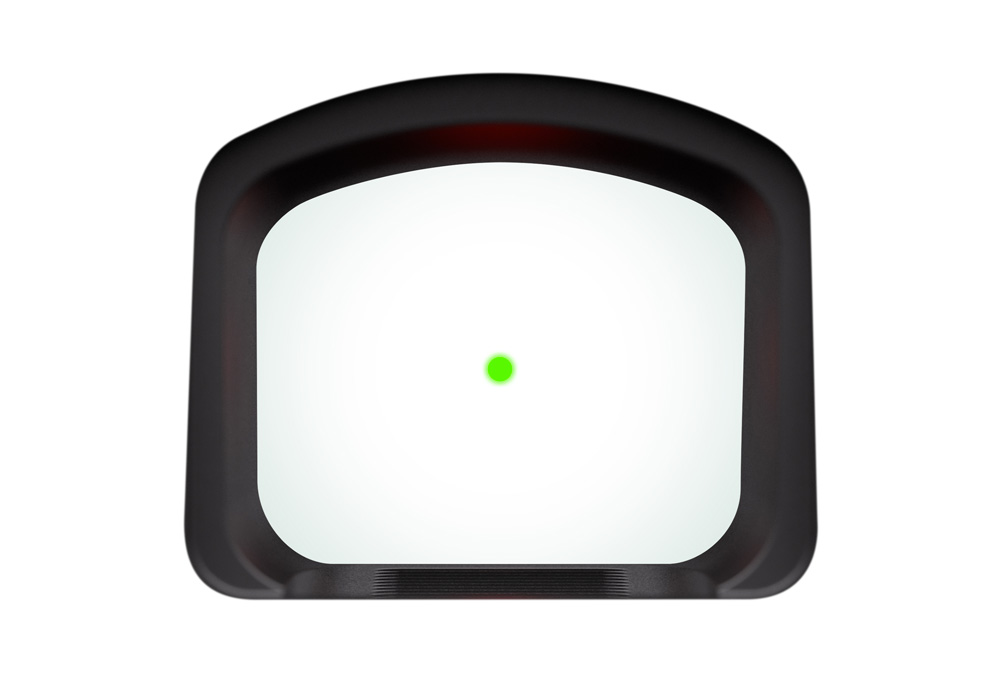
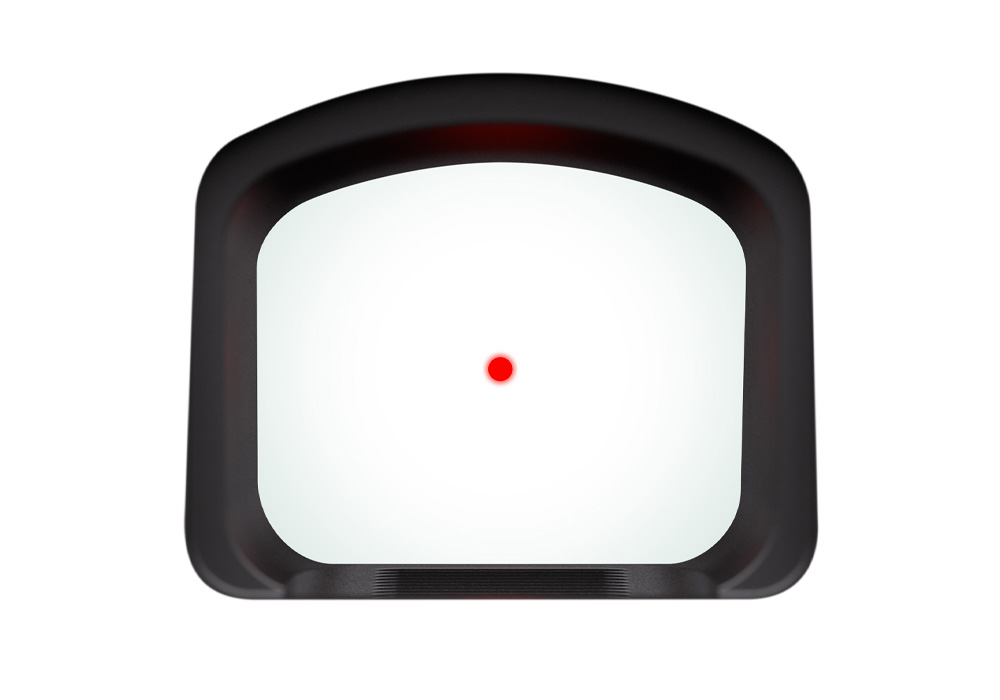
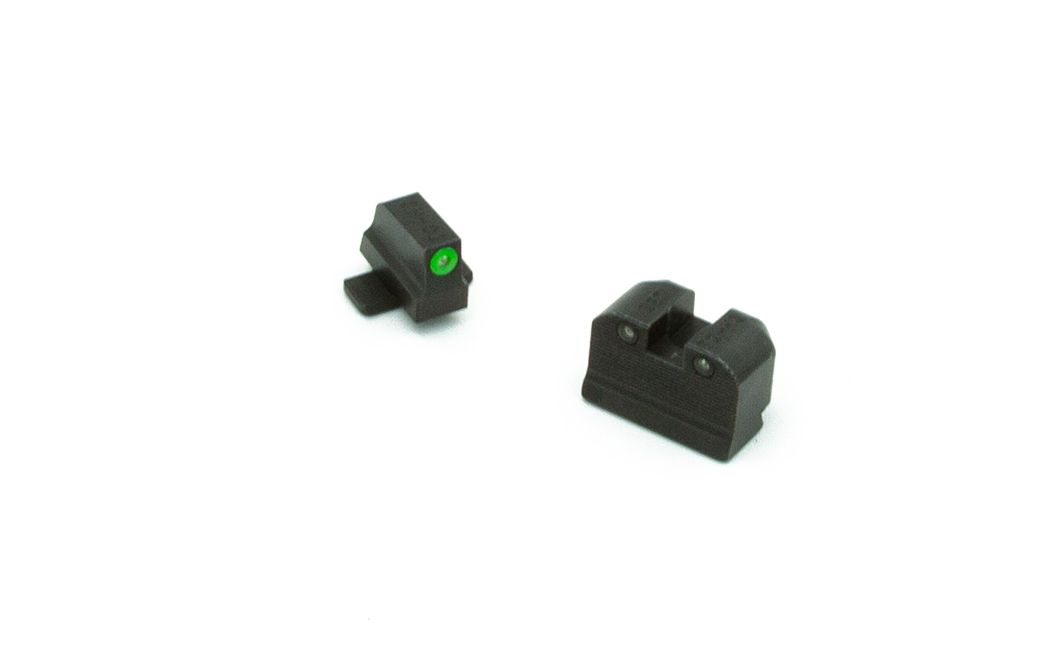
Concealed carry pistols paired with reflex sights give many shooters a compact aiming system designed for quick, clear target acquisition with both eyes open. Instead of aligning a front sight and rear sight, the shooter observes an illuminated aiming point superimposed on the target through a small lens. That can make it easier to maintain awareness of the surrounding area while keeping the pistol oriented toward the intended point of aim, particularly during practice sessions that involve movement, changing light, or close-range targets. A reflex sight may be a practical choice for everyday carriers, new shooters building confidence, experienced shooters refining their presentation, or anyone looking to modernize a compatible defensive pistol. It can also be a thoughtful gift for a responsibly minded firearm owner, provided the recipient’s pistol model, mounting system, and training preferences are confirmed before purchase. The best choice starts with fit rather than appearance. Check whether the pistol has an optics-ready slide or requires professional slide machining, then verify the exact footprint, mounting screws, plate system, and available clearance. Compact pistols can use different footprints even when their overall dimensions appear similar, and a sight that seems small enough may not mount directly or may sit too high for the existing iron sights. A low-profile design can help preserve a familiar presentation and may allow the factory sights to remain visible through the optic window, while a slightly taller setup may offer more lens area or additional adjustment range. Reviewing the manufacturer’s mounting specifications and having installation completed by a qualified professional can prevent loose hardware, damaged threads, or an optic that loses its zero.
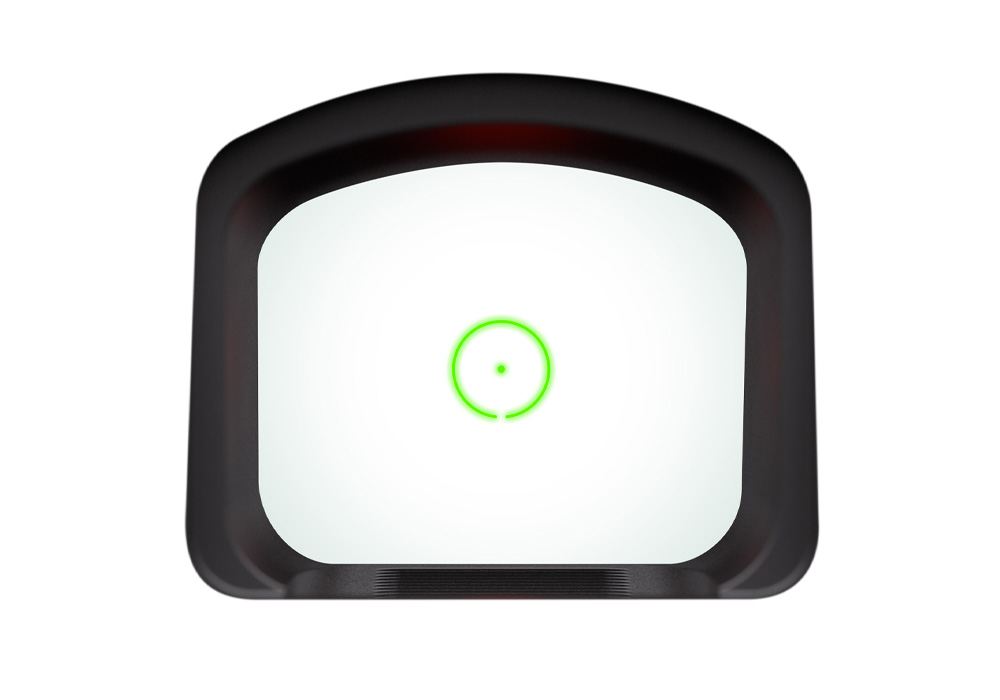
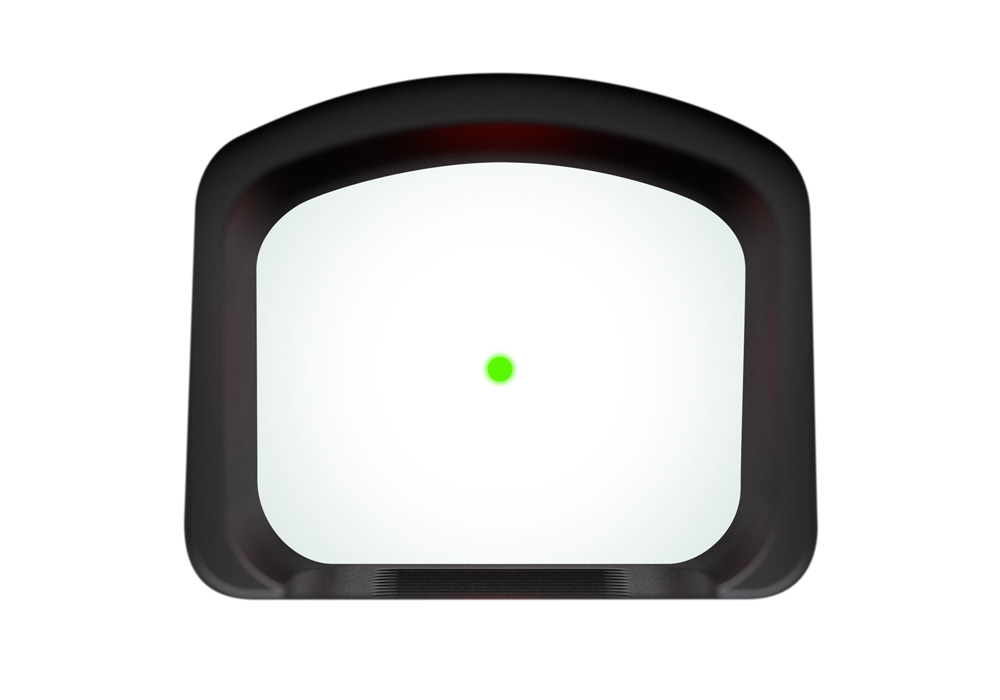
The main reflex sight configurations for concealed carry pistols are open-emitter and enclosed-emitter designs. An open reflex sight uses an exposed emitter and a single lens, typically offering a light, slim profile that can be comfortable for discreet carry and easy to keep aligned with a compact slide. Its exposed design also means lint, dust, rain, and other debris can interfere with the projected dot, so regular inspection matters. An enclosed-emitter sight seals the emitter and internal components inside a housing, helping shield them from pocket lint, moisture, and everyday debris. That added protection can be valuable for a pistol carried through changing weather, long days in a vehicle, or repeated movement between indoor and outdoor settings, although the housing may be somewhat bulkier. Brightness controls, automatic brightness adjustment, night-vision-compatible settings, dot size, multiple reticle options, and battery access are additional considerations. A smaller dot can support precise aiming at the range, while a larger dot may be easier to see during a hurried presentation or in dim conditions. Some shooters prefer a simple single-dot reticle for a clean sight picture; others appreciate selectable patterns that help them adapt to distance and lighting. Battery life is important, but convenient battery replacement, dependable controls, and a clear low-battery indication deserve equal attention. A sight that remains mounted on a defensive pistol should be checked periodically for lens cleanliness, secure fasteners, illumination, and zero. For additional options and related accessories, browse Concealed Carry Sights.
Choosing the right concealed carry reflex sight also means considering the complete carry system rather than the optic alone. Confirm that the holster is specifically designed for the pistol-and-sight combination, retains the firearm securely, covers the trigger guard, and supports a consistent draw. A sight can change the pistol’s overall height or slide profile enough to affect holster fit, clothing clearance, and comfort during extended wear. During the cooler months, layered clothing may make concealment easier, but heavier garments can also catch on the pistol or optic if the carry position and drawstroke are not practiced. Begin with safe, unloaded practice and follow all applicable laws, range rules, and storage requirements. Shooters should learn to present the pistol while keeping the muzzle pointed in a safe direction, find the illuminated dot without excessive head movement, and confirm that the dot appears where expected before increasing speed. Dry practice with approved procedures can help build a smooth motion, while live-fire sessions reveal practical details such as brightness preferences, eye focus, recoil behavior, and whether the chosen mounting arrangement maintains zero. It is normal for the dot to appear to “disappear” at first; concentrating on the target and allowing the sight to enter the line of vision generally becomes more natural with repetition. A reflex sight is an aiming aid, not a replacement for safe handling, sound judgment, or regular training. The most suitable setup balances optic durability, weather protection, dimensions, controls, battery management, mounting compatibility, and the carrier’s ability to use it confidently under varied conditions. When those pieces work together, a concealed carry pistol reflex sight can provide a clear, modern sight picture without sacrificing the compact practicality that makes a carry pistol useful for everyday ownership.