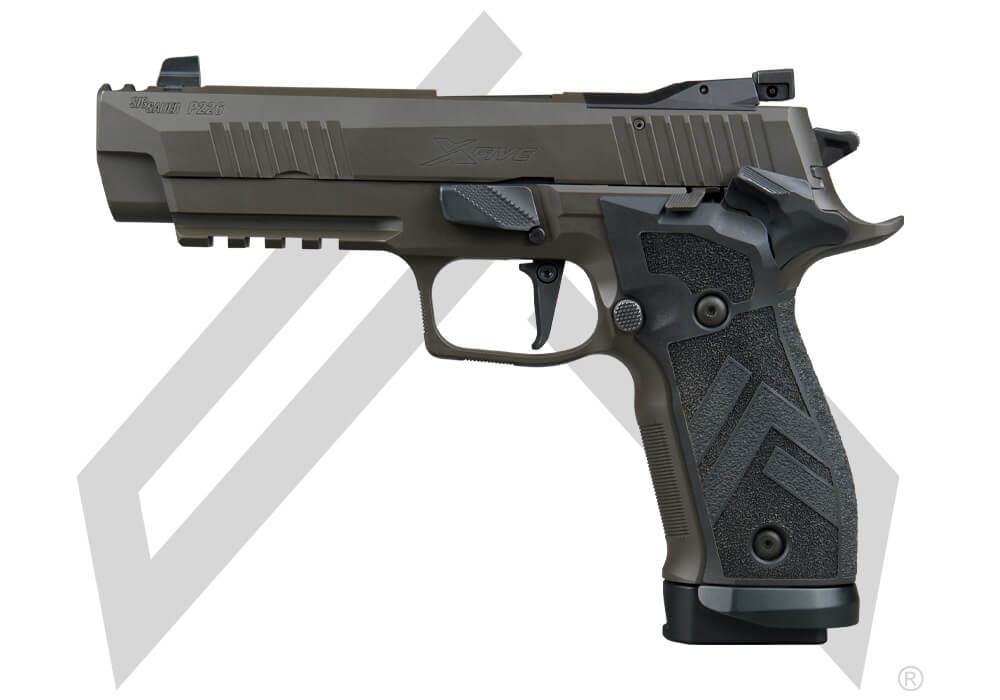
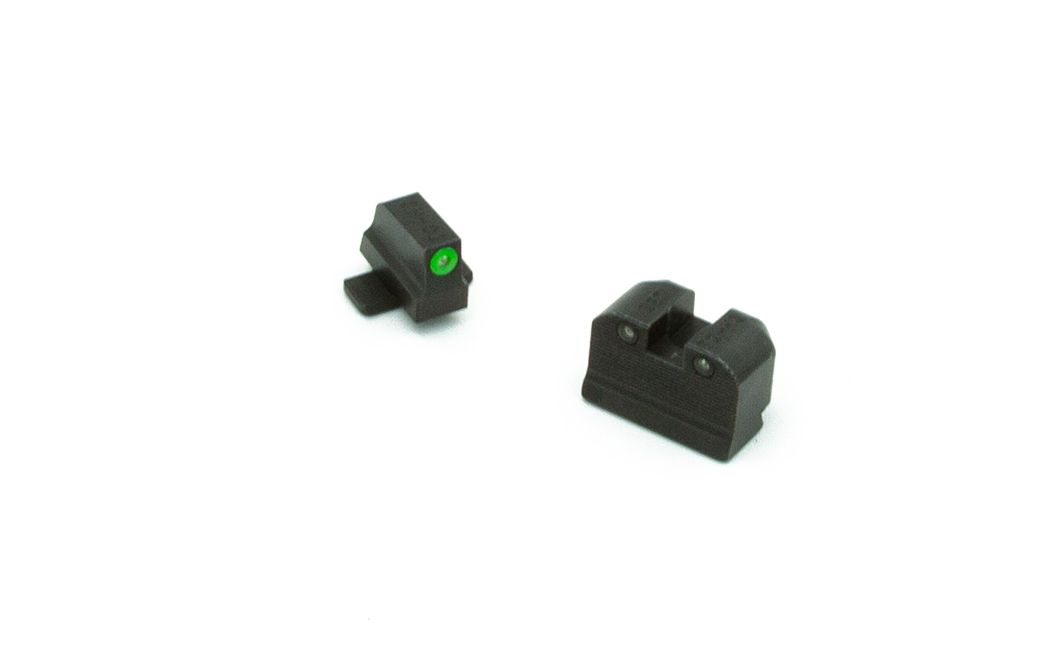
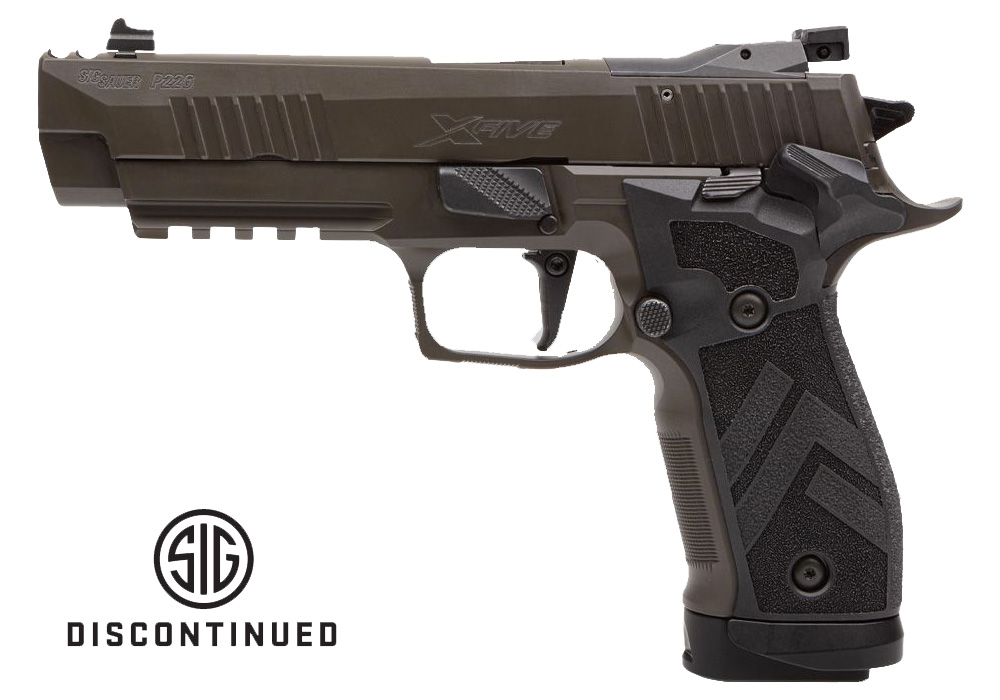
Adjustable rear sights for sport shooting give shooters a practical way to refine a firearm’s point of impact without changing their stance, grip, or aiming reference. Unlike fixed sights, which are generally set for a particular zero, adjustable sights can be tuned for windage and elevation. Windage moves the impact left or right, while elevation changes the impact up or down. This flexibility can be especially useful on a carefully maintained range pistol used for bullseye practice, precision drills, slow-fire groups, or other disciplines where small changes in point of impact are easy to see on paper. A shooter may also appreciate the ability to adjust a sight when moving between different distances, bullet weights, or target loads. Ammunition that looks similar on the loading bench can produce noticeably different results downrange, and an adjustable rear sight helps account for those changes. As a general rule, move the rear sight in the direction you want the bullet impact to move: if shots are landing to the left of the intended point, move the rear sight to the right; if shots are landing low, move the rear sight upward. Make adjustments gradually, using a consistent rest and a repeatable shooting position so each change reflects the sight rather than an inconsistent grip or trigger press. Allowing the barrel to cool between groups, confirming the firearm is unloaded before making any adjustments, and recording the final setting can make the process more orderly and repeatable. Shooters looking for options for a 9mm platform can also explore Adjustable Rear Sights For 9mm Pistols, while always confirming the correct firearm model, mounting pattern, cut, and sight dimensions before purchase.
Choosing an adjustable rear sight begins with compatibility. Check the exact handgun model and generation, the existing rear-sight cut, the front-sight height, and any manufacturer or competition requirements that apply to the intended use. Sight alignment depends on the relationship between the front and rear sights, so changing only one component may require a corresponding change in front-sight height to achieve a useful adjustment range. The sight should also offer an adjustment method that is easy to use deliberately, with clicks or markings that help the shooter track changes from one range session to the next. For precision-oriented shooting, a clearly defined rear notch and a sight picture that allows ample light around the front blade can make alignment easier to evaluate. For faster shooting, some competitors may prefer a simpler, lower-profile setup that presents quickly and remains less likely to snag on equipment. Adjustable sights are often most at home in bullseye, precision target, and general range shooting, where a shooter has time to confirm groups and fine-tune the zero. Fixed sights can be preferable for fast-paced action disciplines or defensive-style drills when a rugged, consistent setup and rapid presentation take priority. Neither approach is automatically right for every shooter; the best choice depends on the firearm, discipline, distances, ammunition, and the amount of adjustment the shooter expects to make. An adjustable rear sight can also be a thoughtful gift for an experienced range enthusiast who enjoys refining a familiar pistol, testing different target ammunition, or keeping a dedicated competition setup tuned to a preferred load. For a newer shooter, however, the most useful gift may include professional installation or time with a qualified instructor, since a properly fitted sight and sound fundamentals matter more than adjustment alone.
Regular inspection helps an adjustable rear sight remain dependable through repeated range use. Recoil, handling, cleaning, and transport can gradually loosen fasteners or allow adjustment screws to shift, particularly when a firearm is used frequently. Before a session, inspect the sight for movement, damage, unusual wear, or debris, and verify that the adjustment hardware remains secure according to the sight and firearm manufacturer’s instructions. Avoid forcing an adjustment beyond its intended range, and use the correct tool to reduce the chance of damaging small components. A light cleaning with appropriate equipment can remove powder residue and grit, while excessive oil around the sight may collect debris or affect adjustment parts. After installation or any significant change, confirm zero from a safe and stable position at a suitable range, then test the sight under the same conditions in which it will be used. Keeping a simple log of ammunition, distance, windage changes, elevation changes, and group results can turn trial and error into a repeatable routine. During the cooler months, indoor ranges and well-maintained outdoor facilities can provide useful opportunities to refine a setup, but temperature, light, wind, and shooting position may still influence results. Always follow range rules, treat every firearm as loaded until personally verified otherwise, keep the muzzle pointed in a safe direction, use appropriate eye and hearing protection, and have installation or fitting completed by a qualified professional when the work requires specialized tools or experience. With the right fit and careful adjustment, an adjustable rear sight can help a sport shooter make cleaner sight corrections, understand ammunition differences, and build greater consistency from one target session to the next.