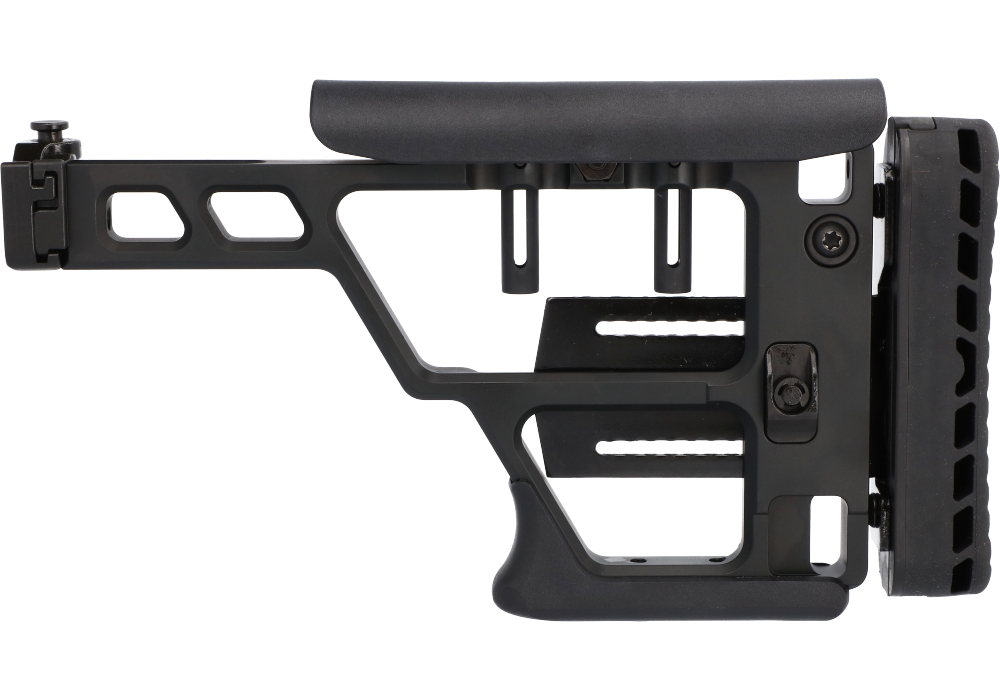
Adjustable rifle aids are designed to support and stabilize a firearm while helping the shooter make controlled, repeatable adjustments. Rather than holding the rifle entirely with the arms, these accessories transfer much of the weight to a stable support surface, which can reduce fatigue and limit movement during sight-in sessions, practice, competition, or hunting preparation. The right aid may be a bench rest with elevation and windage controls, a ratchet shooting bag that changes height through indexed adjustments, a bipod with independently adjustable legs, shooting sticks or a tripod for field positions, or a bag rider that allows the rear of the stock to move smoothly across a support bag. Each style serves a slightly different purpose. A bench rest is well suited to a solid range table, where precise vertical and horizontal changes help bring a rifle onto zero. A ratchet-style rest or adjustable support bag can provide fine elevation changes without repeatedly squeezing or reshaping the bag. Bipods offer a practical blend of stability and portability, with leg length and tilt adjustments that help accommodate uneven ground. Shooting sticks and tripods are useful when the shooter must remain standing, kneeling, or seated, while a rear bag or bag rider can help control the stock and make small elevation changes with minimal disruption to the shooting position. Across these designs, the goal is consistent contact, a steadier sight picture, and less movement between shots.
Choosing among adjustable rifle aids begins with the setting in which the accessory will be used. For a dedicated bench or range setup, look for a broad, stable footprint, smooth adjustment controls, durable construction, and enough elevation range to align the rifle naturally with the target. A support that allows separate front-to-back or left-to-right corrections can be especially useful during zeroing, when small changes may make a noticeable difference at distance. Field users generally place greater value on weight, packability, quick deployment, and the ability to adapt to rough terrain. Adjustable bipods should match the rifle’s mounting system and provide a useful range of leg positions without forcing the shooter into an awkward stance. Shooting sticks and tripods should extend high enough for the intended position and lock securely, while remaining easy to carry through brush, over rocky ground, or across a long walk to a blind. A rear support should complement the rifle’s stock shape and move predictably rather than catching on the bench or shifting under recoil. Compatibility also matters: confirm mounting interfaces, clearance around the magazine and sling, rifle weight limits, and the available room on a bench or in a shooting bag. A well-matched aid should let the shooter settle behind the rifle naturally, maintain a relaxed grip, and make modest elevation or position changes without lifting the rifle completely off support. During cooler months, simple controls and materials that remain easy to handle with gloves can make setup less distracting, particularly during early-morning range sessions when condensation, damp leaves, and firm ground all affect equipment placement.
These accessories can serve a wide range of rifle owners, from someone assembling a first range setup to an experienced hunter refining a familiar rifle before heading into the field. They are also practical gifts for a new shooter, a family member preparing for a hunting season, or anyone who spends long sessions practicing from multiple positions. A stable support can make training more comfortable and productive by helping the shooter focus on sight alignment, trigger control, breathing, and follow-through instead of fighting arm fatigue. At the range, adjustable aids are valuable for checking a new optic, confirming a zero after transport, comparing ammunition, or practicing from a consistent position. In the field, a compact bipod, tripod, or shooting stick can help steady the rifle when a natural rest is unavailable, whether the shooter is positioned along a ridgeline, in an open field, or at the edge of a wooded trail. Setup should always take place with the rifle pointed in a safe direction and unloaded until the shooter is ready to begin, with the action open whenever practical and the support placed on a firm, level surface. The aid should stabilize the rifle without obstructing controls, contacting the barrel in a way that affects performance, or creating an unstable balance point. Shooters building a complete practice setup may also explore Rifle Training Accessories to complement an adjustable support with equipment suited to range work and skill development. Whether selected for a permanent bench, a portable range bag, or a lightweight field kit, an adjustable rifle aid is a straightforward way to make a rifle easier to manage, reduce unnecessary movement, and build a more consistent shooting position.