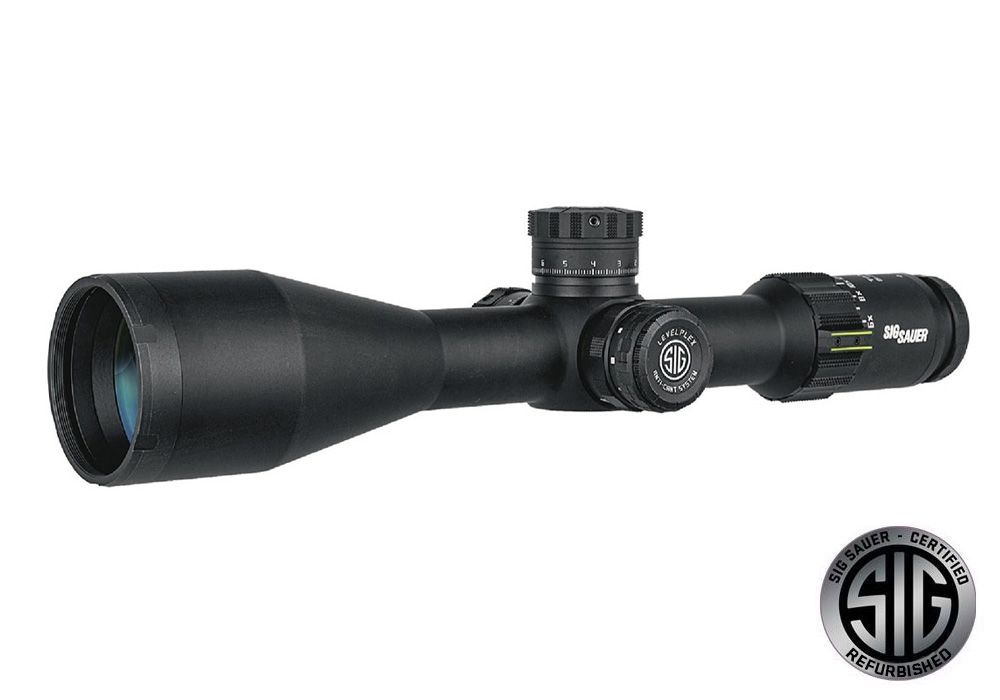
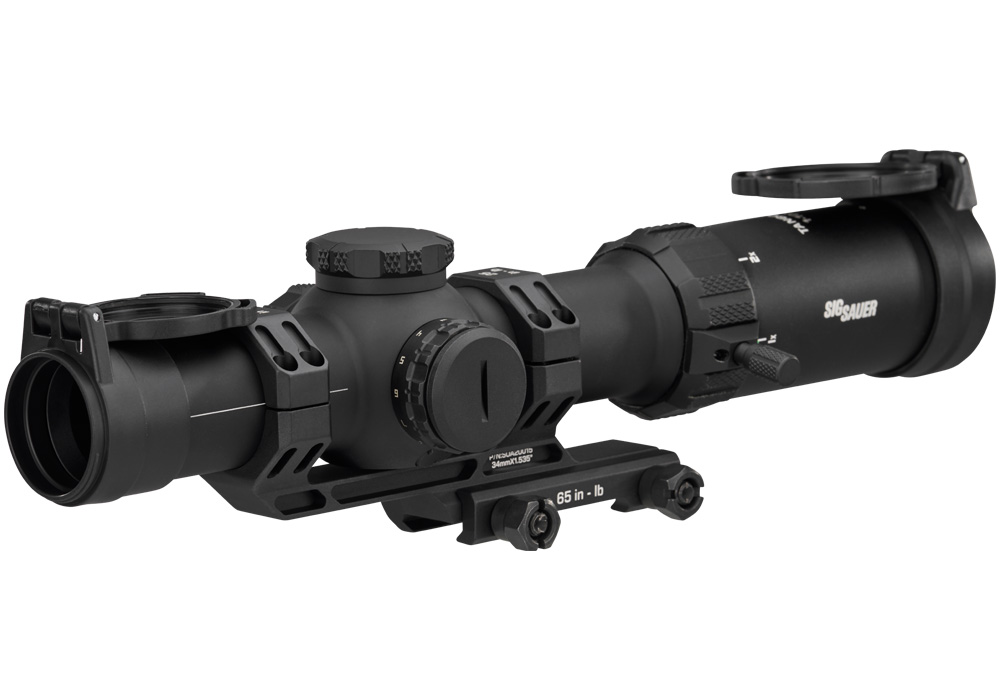
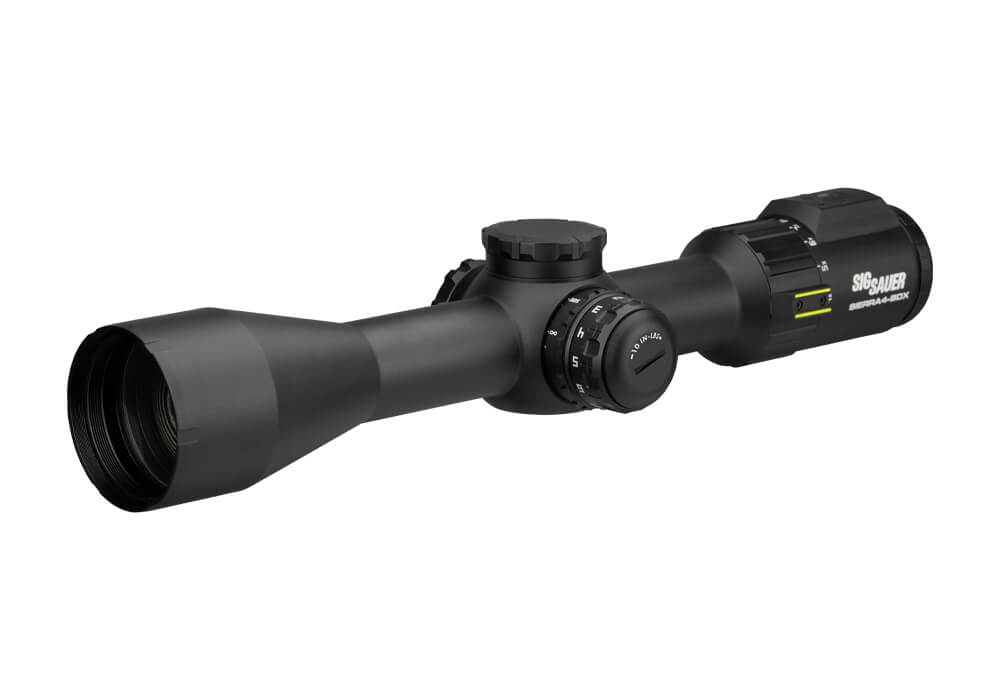
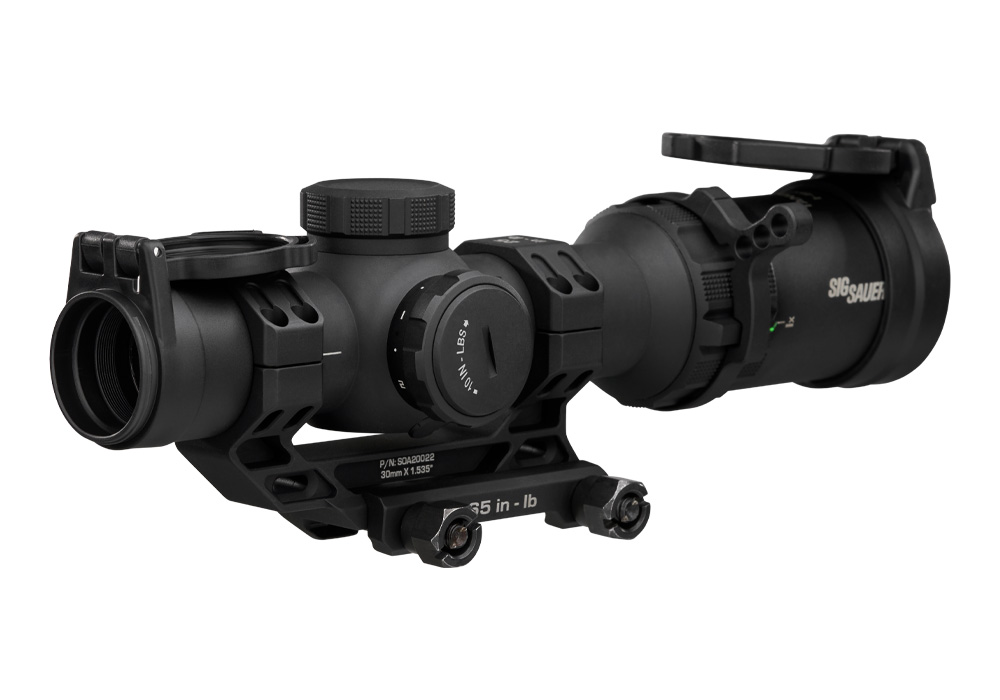
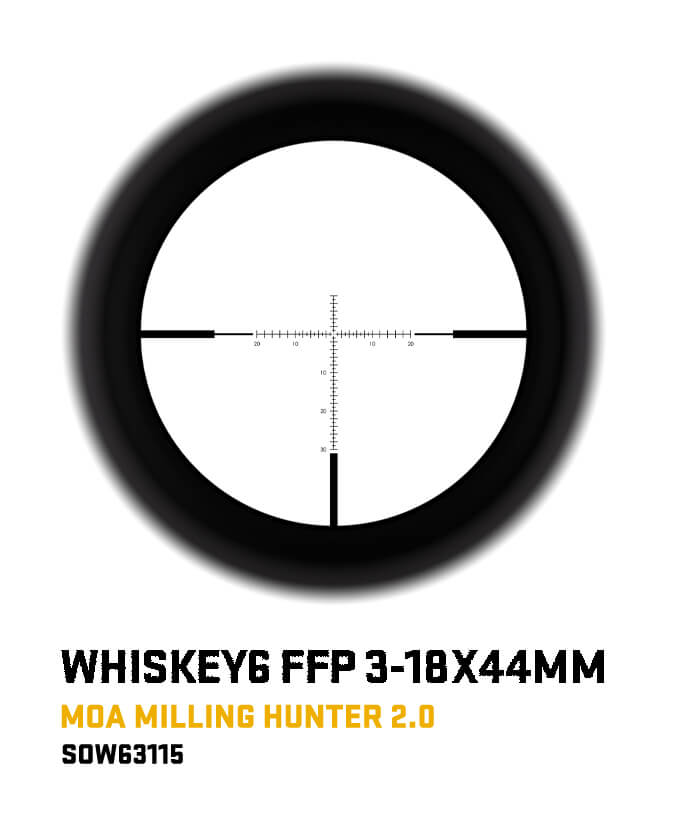
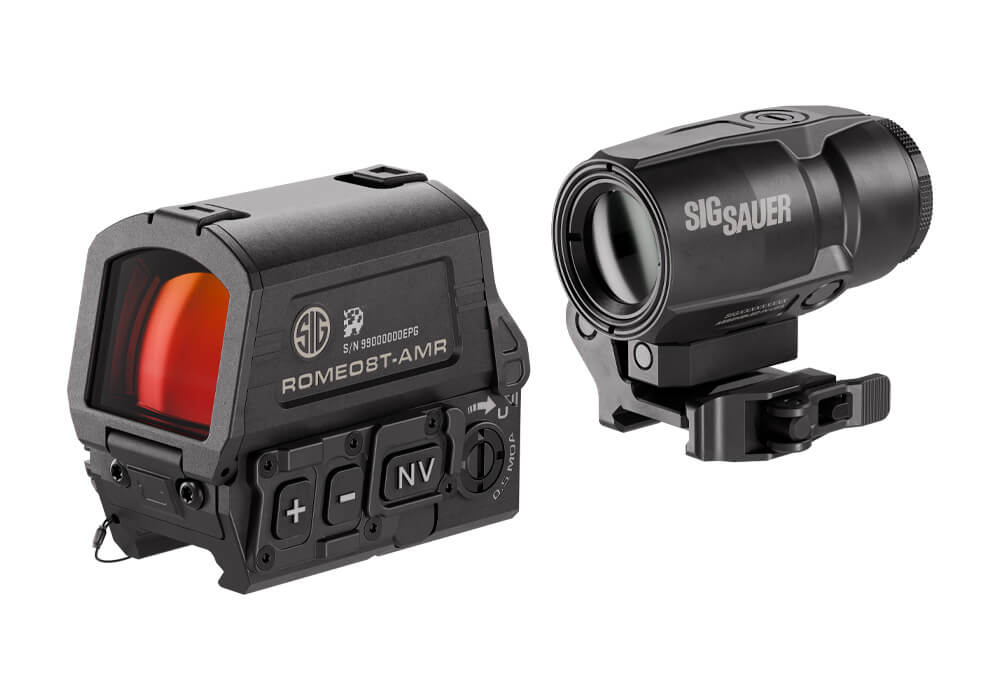
Long-range AR-15 optics help bring a practical precision element to a versatile rifle platform, especially when the shooting environment extends beyond typical carbine distances. For many shooters, the ideal optic balances magnification, field of view, reticle usability, and overall weight rather than focusing on a single specification. A 1-6x or 1-8x low-power variable optic can support quick target acquisition at closer distances while still providing enough magnification for careful shots at roughly 400 to 500 yards when conditions, ammunition, and shooter skill align. Shooters who spend more time working at 500 to 600 yards or beyond may prefer a 2-12x, 3-18x, or similar higher-magnification scope that offers a finer aiming point and greater target detail. Magnification alone does not determine practical range. Barrel length, cartridge selection, ammunition consistency, atmospheric conditions, rifle setup, and the shooter's ability to read wind all influence results. An optic with a clear image, usable reticle, dependable adjustments, and generous eye relief can help a shooter take full advantage of the rifle without adding unnecessary complexity.
When comparing long-range AR15 optics, begin by considering the distances and positions you use most often. A broad field of view is valuable when targets appear quickly or when shooting from unsupported positions, while higher magnification can help identify smaller targets and refine an aiming point from a stable bench or prone position. First-focal-plane reticles keep subtensions consistent throughout the magnification range, which can be helpful when using the reticle for holdovers or wind corrections. Second-focal-plane reticles often provide a bold, easy-to-see aiming pattern at lower magnification, though the marked subtensions are generally calibrated at a specific power setting. Reticle style is a personal choice, but uncluttered markings can be easier to read in changing light, while illuminated elements may help separate the aiming point from a dark or irregular background. Look for adjustment systems that track consistently, turrets that are easy to read and reset, and parallax adjustment suited to the distances you expect to shoot. Optical clarity at the edge of the image, low-light performance, mounting height, and eye relief also deserve attention. A compact optic may preserve the rifle's balance for field use, whereas a larger objective lens can gather more light while adding bulk. For additional ways to compare magnification ranges and features, browse Long Range Optics and consider how each configuration fits your rifle, range routine, and storage needs.
These optics can serve a wide range of users, from a new rifle owner building confidence at an established outdoor range to an experienced shooter refining holdovers and wind calls across varied terrain. They may also be a thoughtful gift for someone who already owns an AR-15 and enjoys range days, practical marksmanship, competition, or careful equipment tuning. A useful gift is not always the optic with the greatest magnification; the right choice depends on the recipient's rifle, rail space, preferred shooting distance, and comfort with different reticle systems. If the optic is intended for someone else, details such as mounting interface, tube diameter, preferred MIL or MOA adjustments, and whether the rifle uses .223 Remington or 5.56 NATO ammunition can help narrow the selection. Quality rings or a cantilever mount may also be necessary, but compatibility should be confirmed before purchase. During the cooler months, clear mornings and firm range conditions can be excellent for working through a new optic's setup, confirming a zero, and learning how the reticle corresponds to the rifle and ammunition. Always follow the firearm and optic manufacturers' instructions, use appropriate eye and ear protection, confirm the target and what lies beyond it, and handle the rifle in accordance with established range rules. With a thoughtful match between optic and rifle, long-range AR15 optics can provide a clear sight picture, repeatable adjustments, and a more informed connection between the shooter's position, the target, and the surrounding conditions.