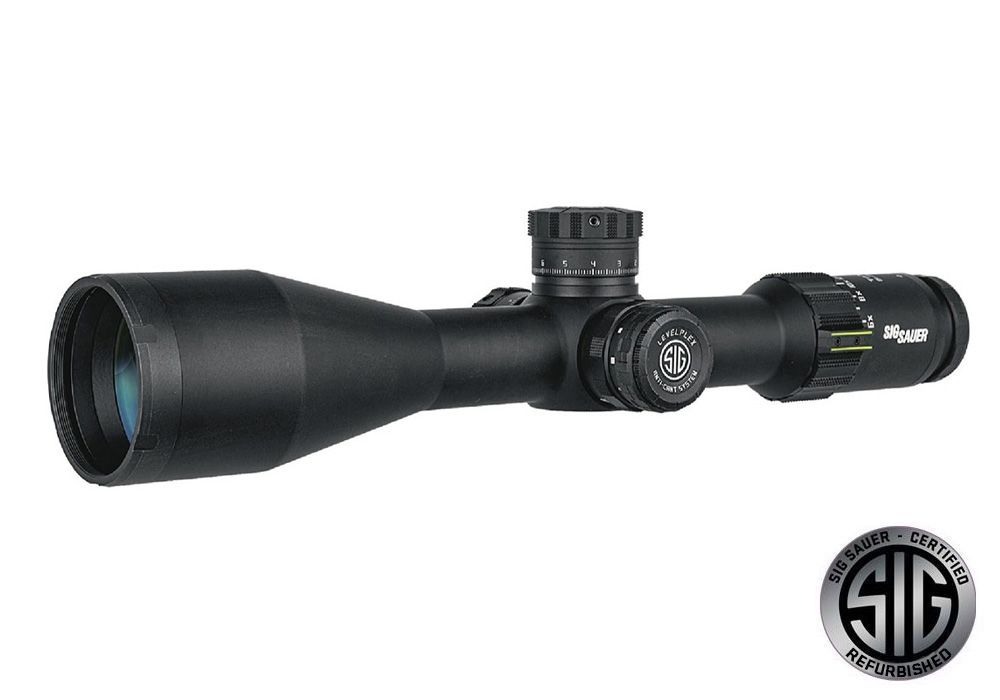
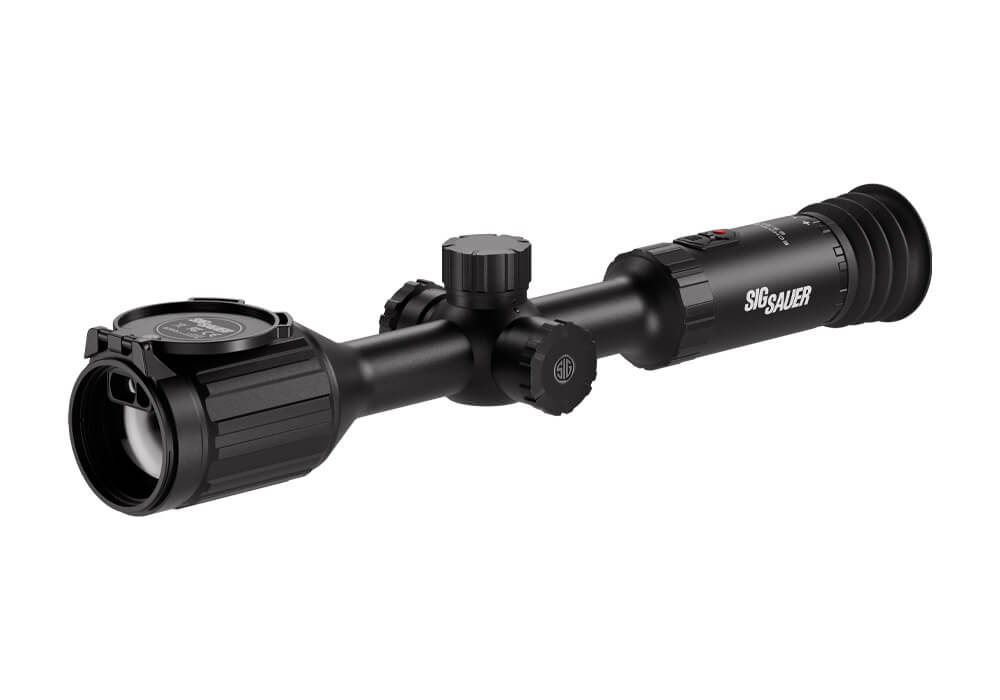
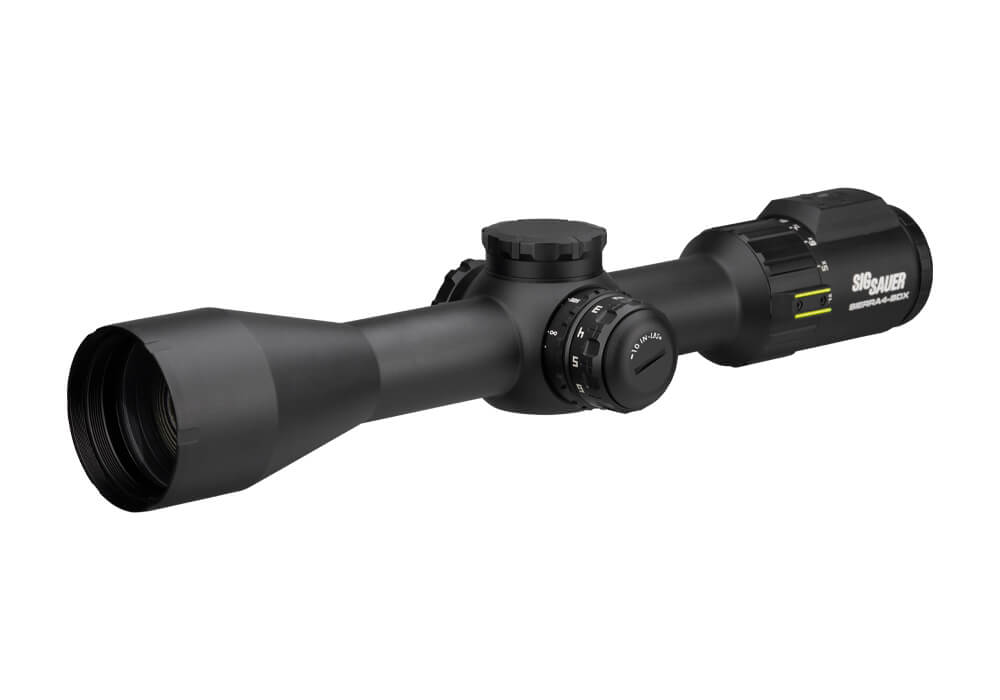
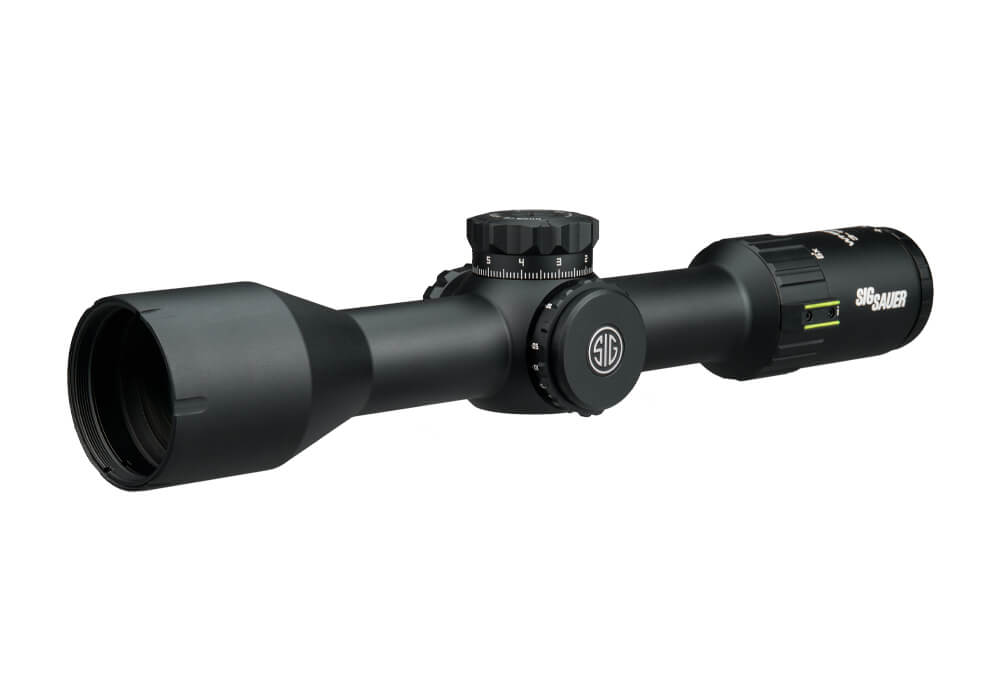
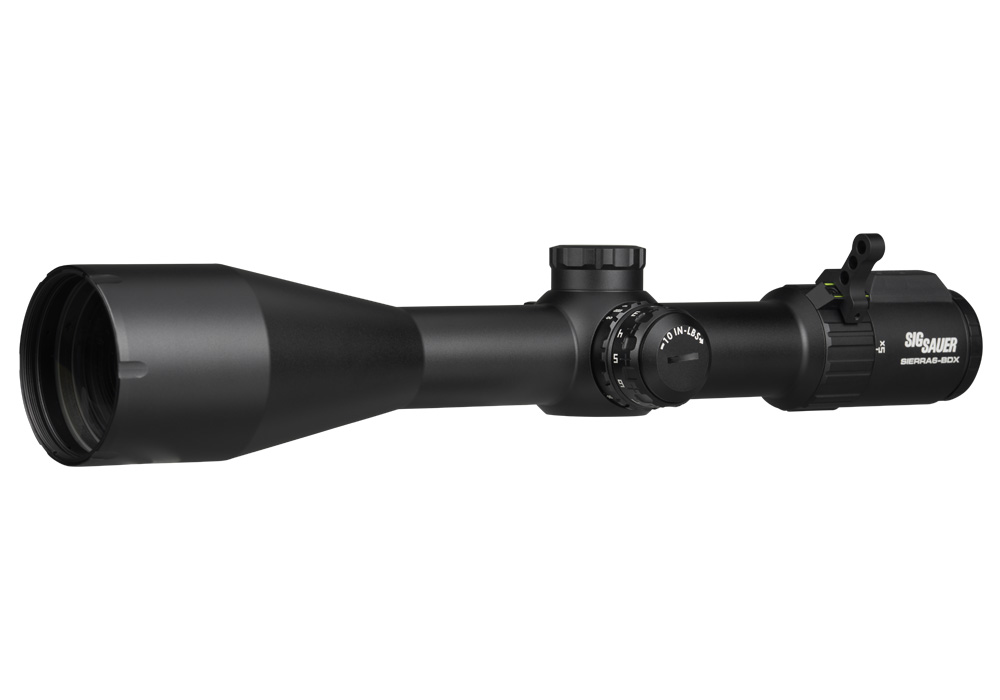
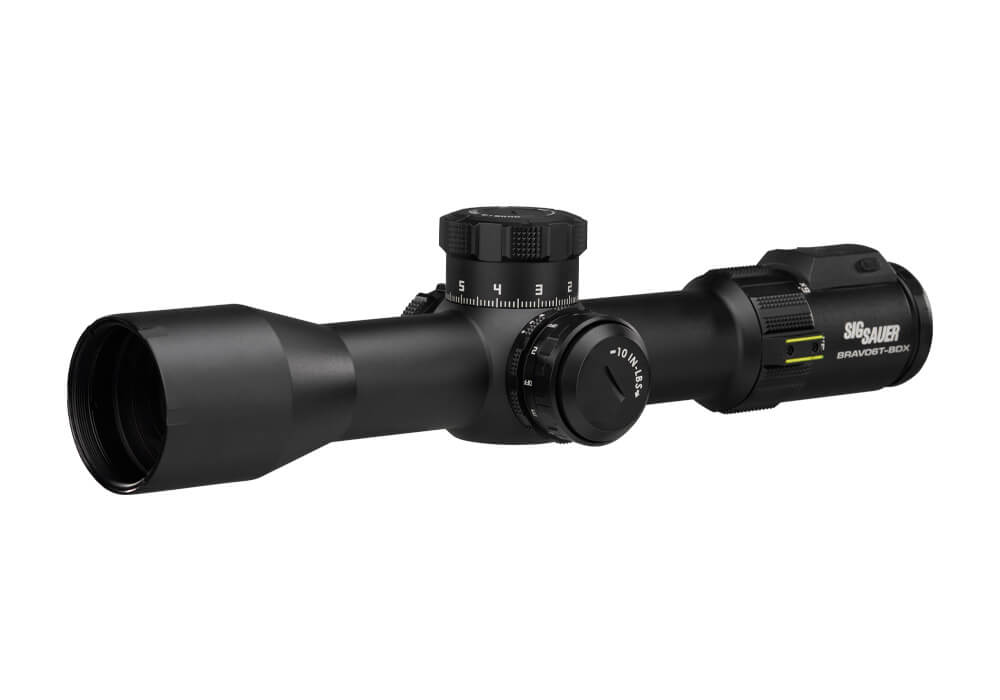
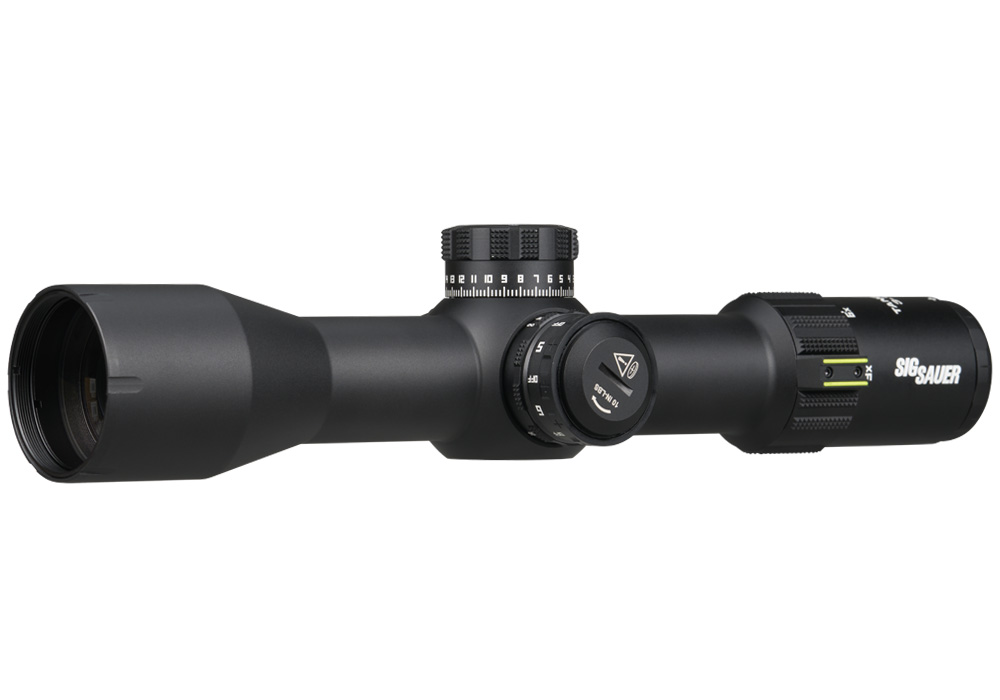
Long range optics are designed for shooters who need a clear, steady view of targets at extended distances, often beyond 500 yards. These rifle scopes combine magnification, precision adjustments, and carefully engineered optical systems to help a shooter make more informed aiming decisions as distance, wind, elevation, and lighting conditions change. A scope selected for long-range use should match the rifle, cartridge, shooting discipline, and realistic distances involved. A hunter working from a mountainside may value a broad field of view, manageable weight, and strong low-light performance, while a competitive shooter may place greater emphasis on turret feel, reticle detail, and repeatable tracking. Recreational target shooters often look for a balanced optic that provides enough magnification for small targets without becoming cumbersome during transport or setup. These optics can also make a thoughtful gift for an experienced rifle owner who is building a precision setup, refining a favorite hunting rifle, or preparing for organized long-range matches. Before choosing, consider the rifle’s mounting system, the available rail space, the cartridge’s trajectory, and the distances at which the firearm will actually be used. Magnification ranges with a lower starting power are easier to manage for closer targets and moving game, while higher maximum power can make distant aiming points easier to resolve when conditions allow. More magnification does not automatically mean a better view; mirage, vibration, and a narrow field of view can become more noticeable as power increases. A well-matched optic gives the shooter useful flexibility instead of adding features that rarely see practical use. Shooters setting up an AR-pattern rifle for extended-range work can also explore Long Range AR15 Optics for configurations suited to that platform.
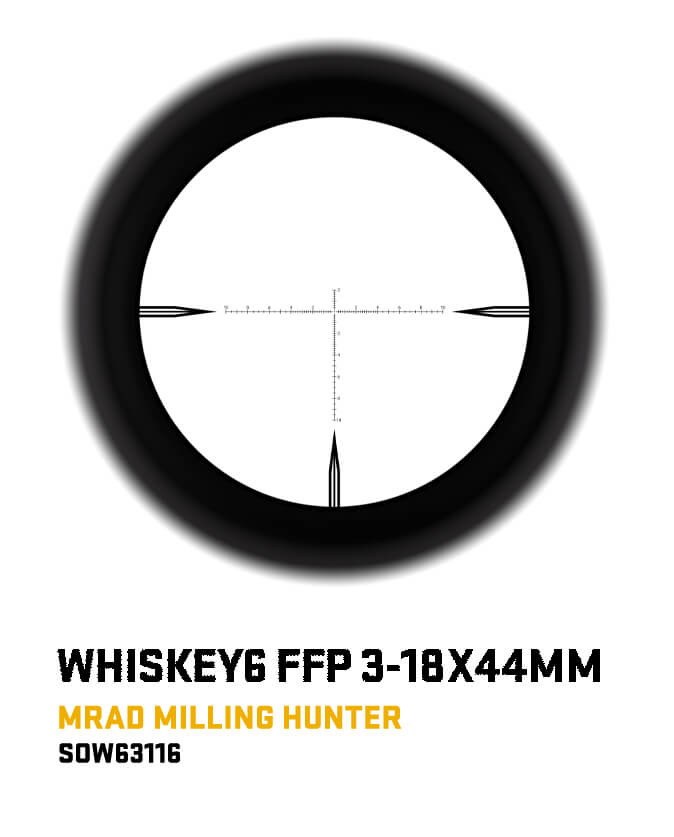
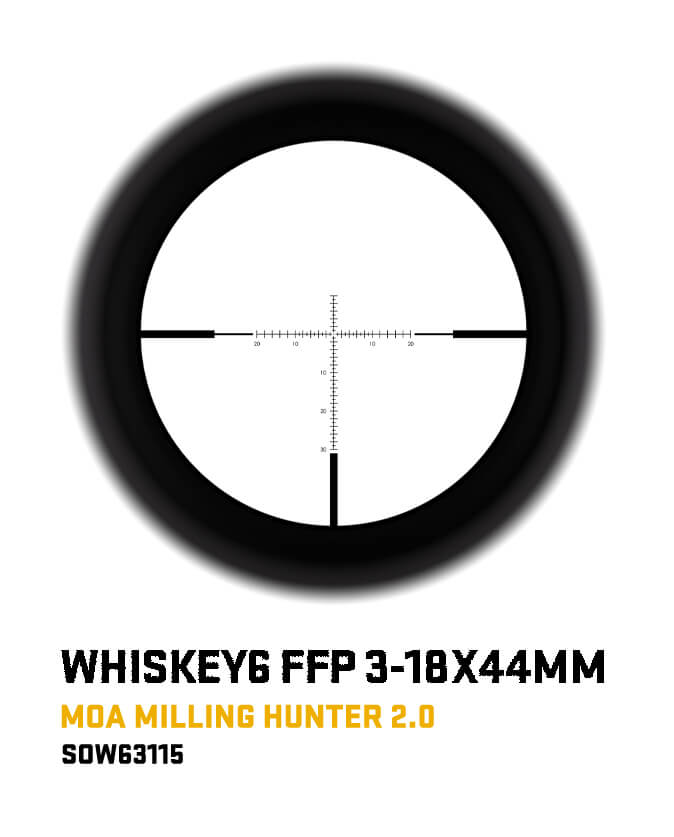
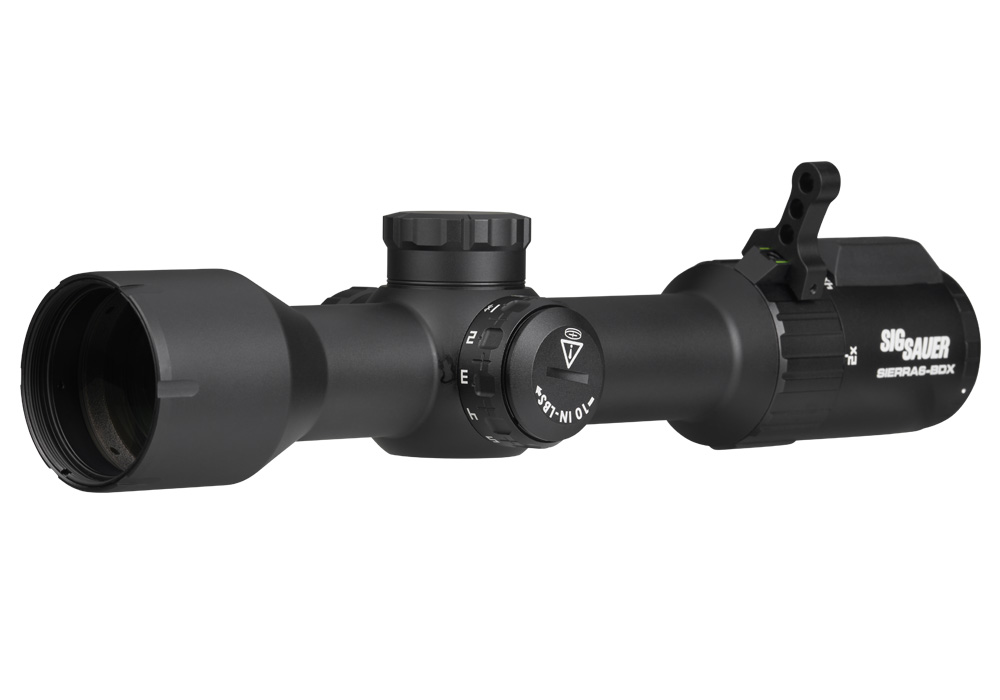
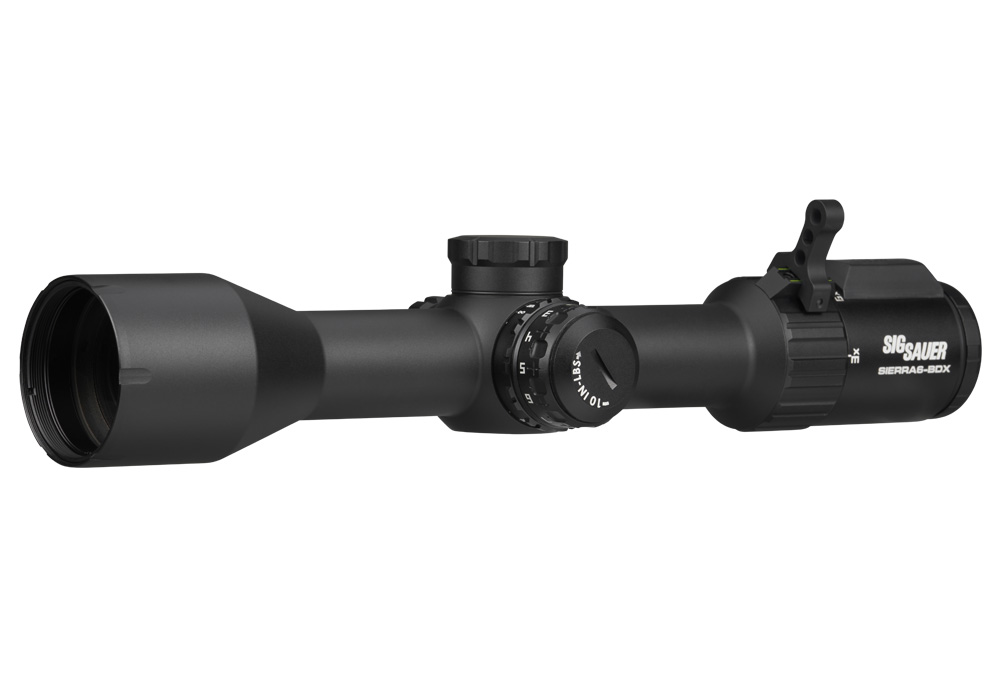
Reticle design is one of the most important purchase considerations because it determines how elevation and windage corrections are estimated in the field. First focal plane reticles change apparent size as magnification changes, allowing subtensions and holdovers to remain accurate throughout the scope’s power range. This can be especially useful in competition, dynamic target shooting, or hunting situations where a shooter may need to adjust magnification quickly. Second focal plane reticles remain the same apparent size, which can provide a clean, consistent sight picture and may be preferred by shooters who use holdovers at a specific magnification. Reticles may include references measured in minutes of angle or milliradians, and the best choice is usually the system that matches the shooter’s training, ballistic data, and adjustment habits. Turrets should offer distinct, tactile clicks with markings that are easy to read and track accurately. Reliable tracking means each adjustment produces the expected point-of-impact change, while a return-to-zero feature helps the shooter come back to the original zero without counting every click. A zero stop can be particularly helpful when changing elevation for different distances, since it provides a dependable reference point after dialing corrections. Look for controls that are easy to operate with gloves during cooler months, but resistant to accidental movement when the rifle is carried through brush, placed in a case, or moved between firing positions. Optical clarity matters just as much as mechanical precision. Larger objective lenses, commonly in the 50mm to 56mm range, can gather more light and support a brighter image during the subdued conditions found around dawn, dusk, or beneath a shaded tree line. They may also require taller rings and add weight, so clearance and balance should be considered before purchase. Lens coatings, edge-to-edge sharpness, color rendition, and resistance to glare all influence how easily a shooter can distinguish a small aiming point against terrain, steel, paper, or changing natural backgrounds.
A long-range optic should also be evaluated as part of a complete shooting system rather than as an isolated accessory. The scope must be securely mounted, properly leveled, and positioned for comfortable eye relief and a consistent cheek weld. A rifle that feels balanced in the hands is easier to steady from a bench, prone position, barricade, or field rest, particularly during a long session when small discomforts become distractions. Durability is equally important. Long-range equipment may encounter recoil, hard cases, dust, rain, temperature changes, and the occasional bump against a vehicle or shooting table. A rugged housing, dependable adjustment mechanism, and weather-resistant construction help protect the investment through repeated use. Clear markings and an intuitive layout are valuable when the shooter is working under pressure or wearing gloves, while a fast-focus eyepiece and usable parallax adjustment can make it easier to obtain a sharp image at different distances. Parallax adjustment is especially relevant for precision shooting because even slight changes in head position can affect the apparent relationship between reticle and target. Buyers should compare tube diameter, ring compatibility, total weight, adjustment range, reticle illumination, and warranty support along with magnification and price. It is also worth confirming that the optic’s adjustment units correspond with the shooter’s ballistic app, dope card, or established range notes. During the cooler months, many shooters spend more time preparing rifles, checking zeroes, and practicing from field positions before heading into open country or organized matches. A properly chosen long-range scope can make those sessions more productive by giving the shooter a consistent sight picture and predictable controls, but it remains one part of responsible marksmanship. Safe firearm handling, a stable shooting position, verified range data, and an appropriate backstop remain essential every time the rifle is used.