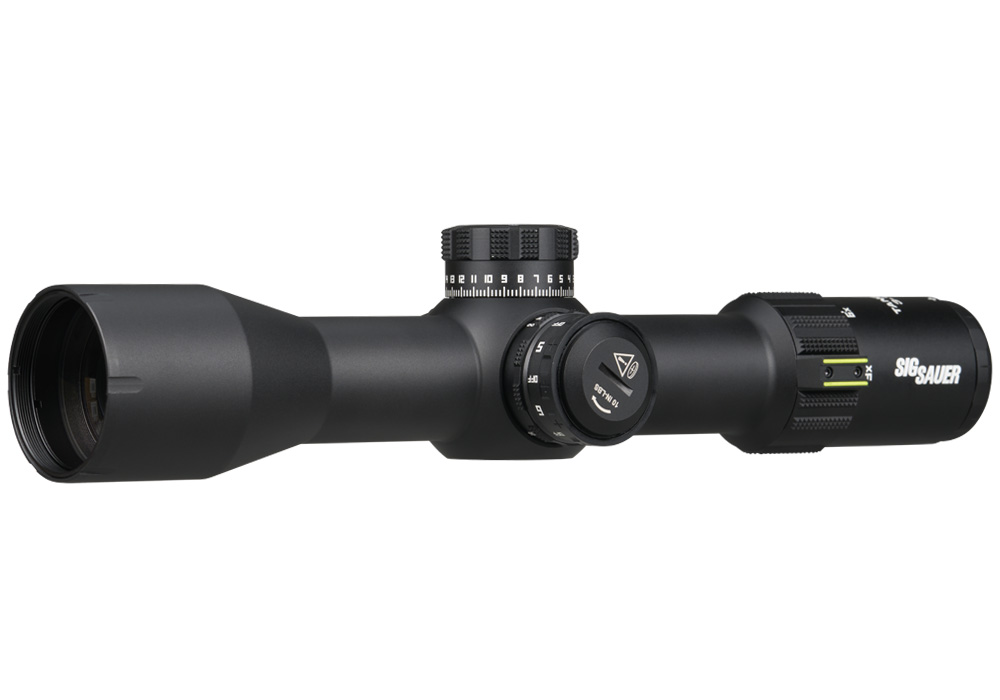
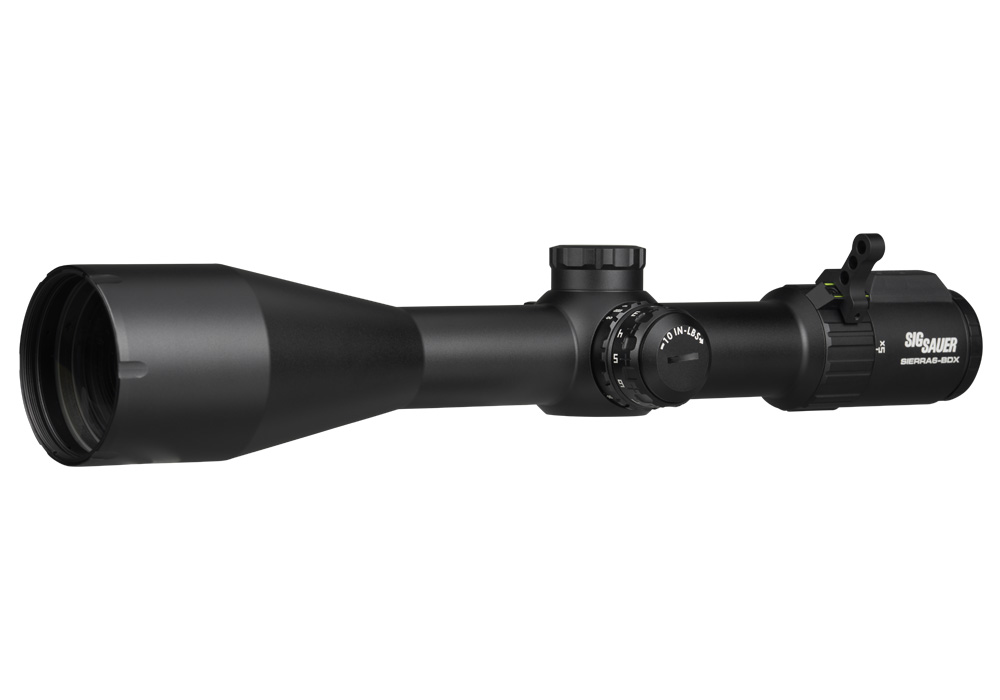
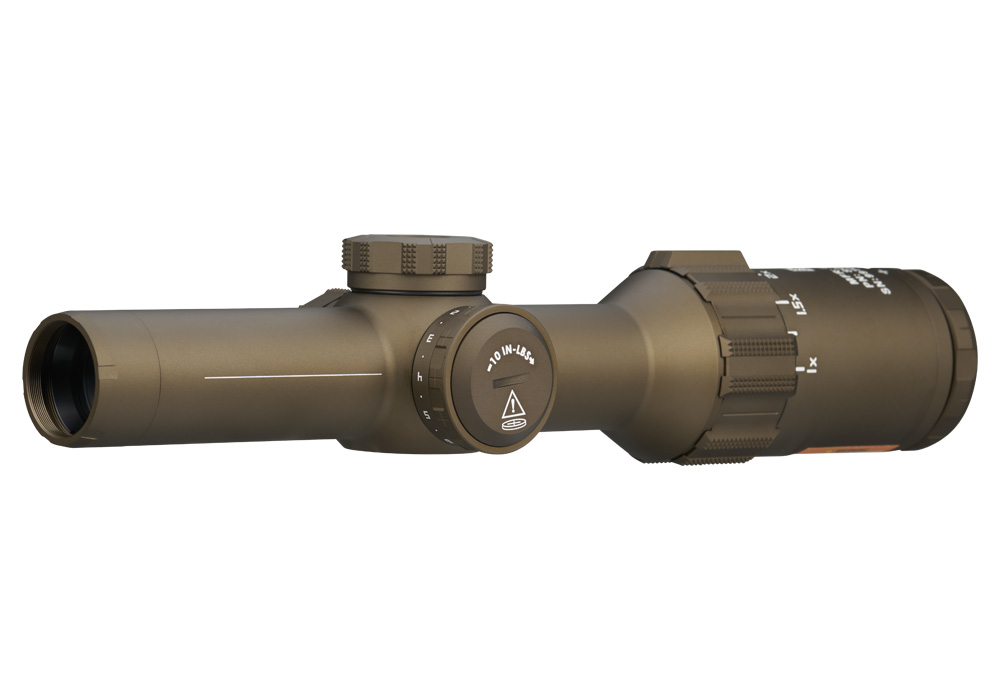
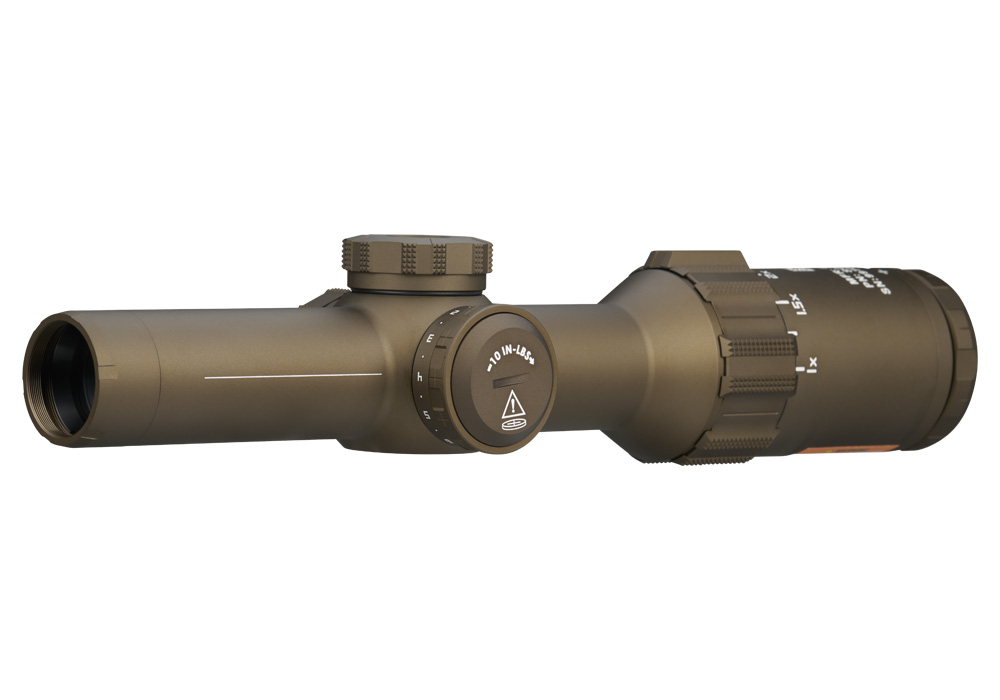
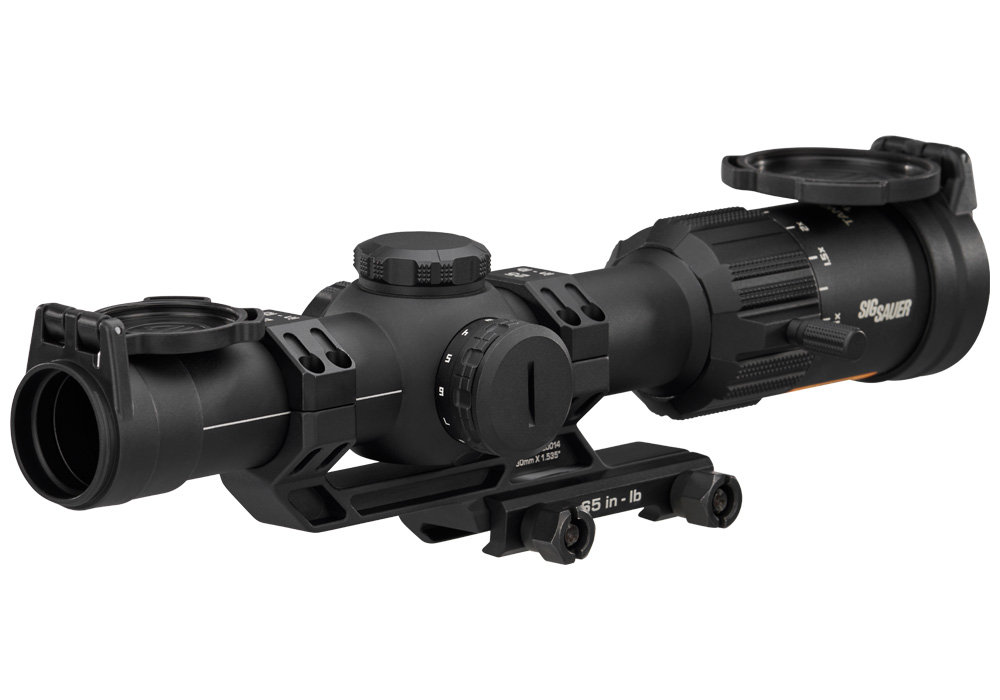
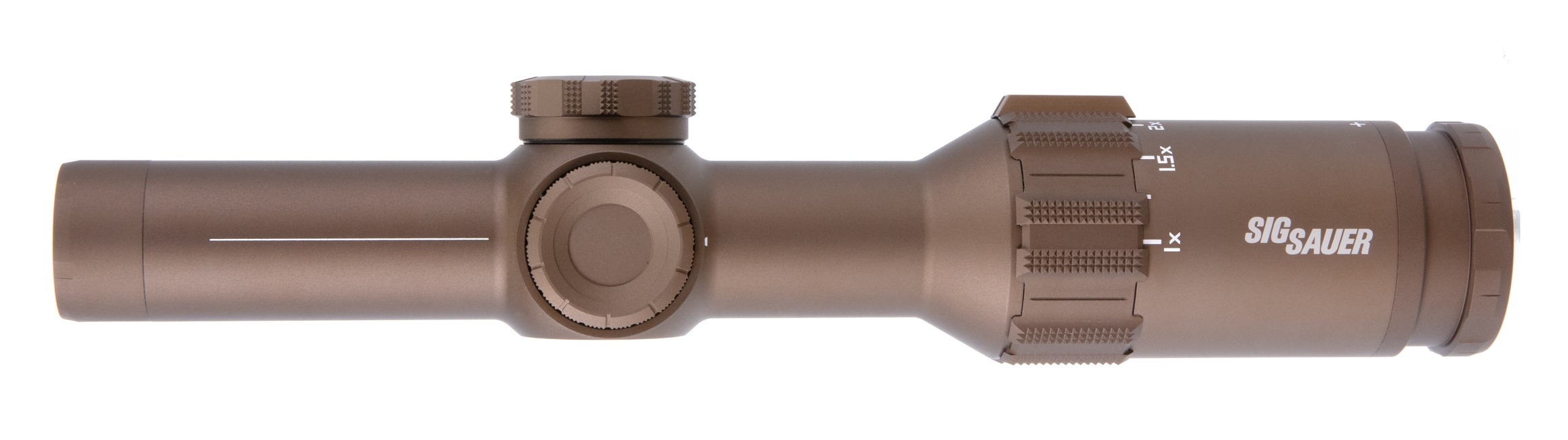
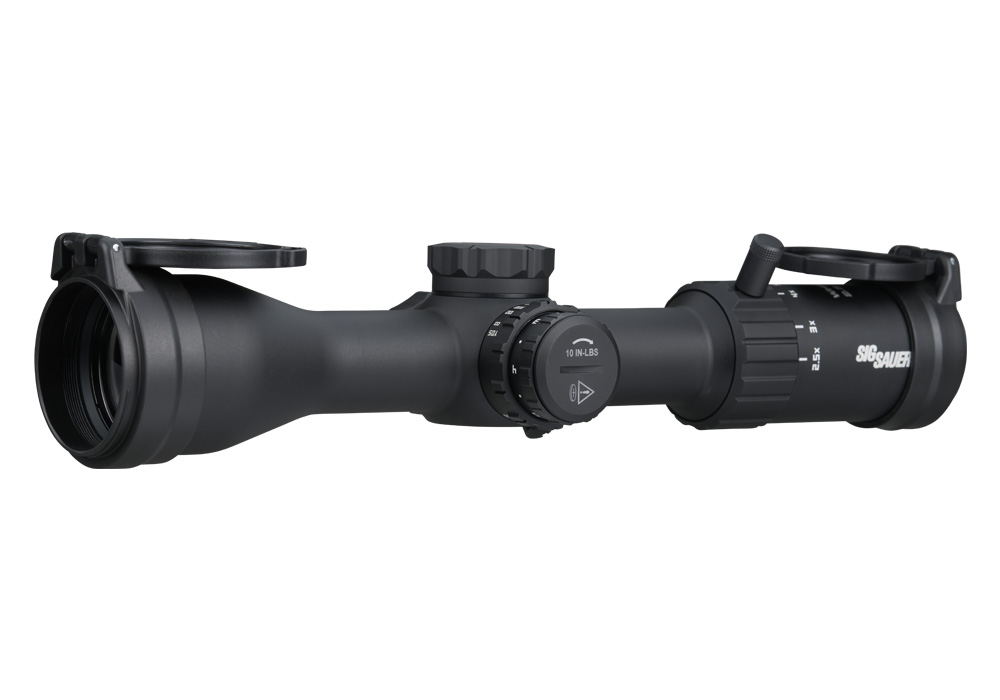
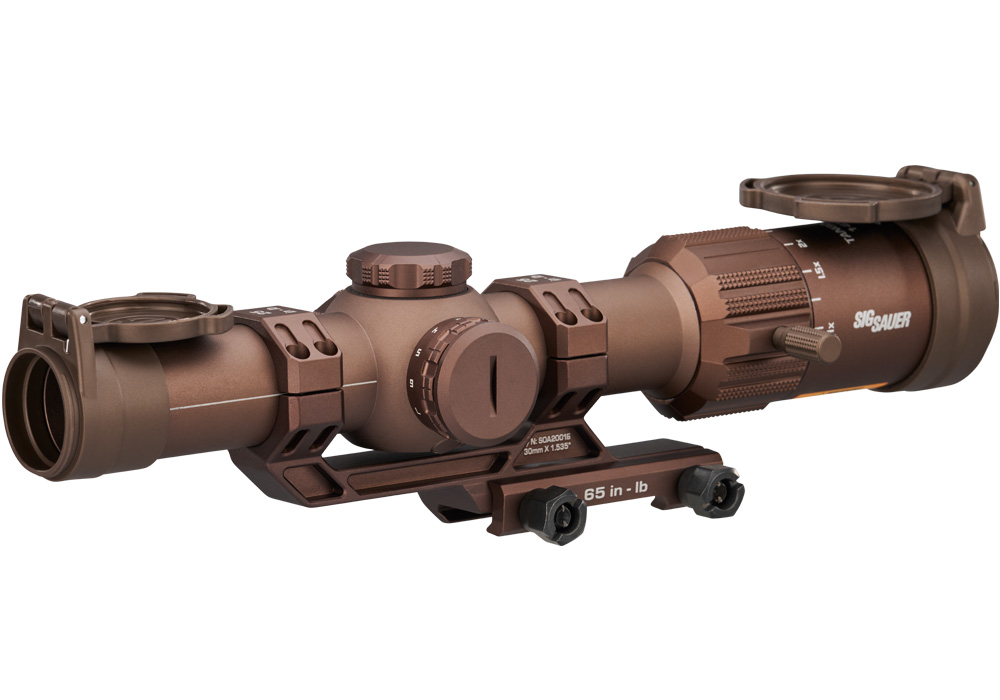
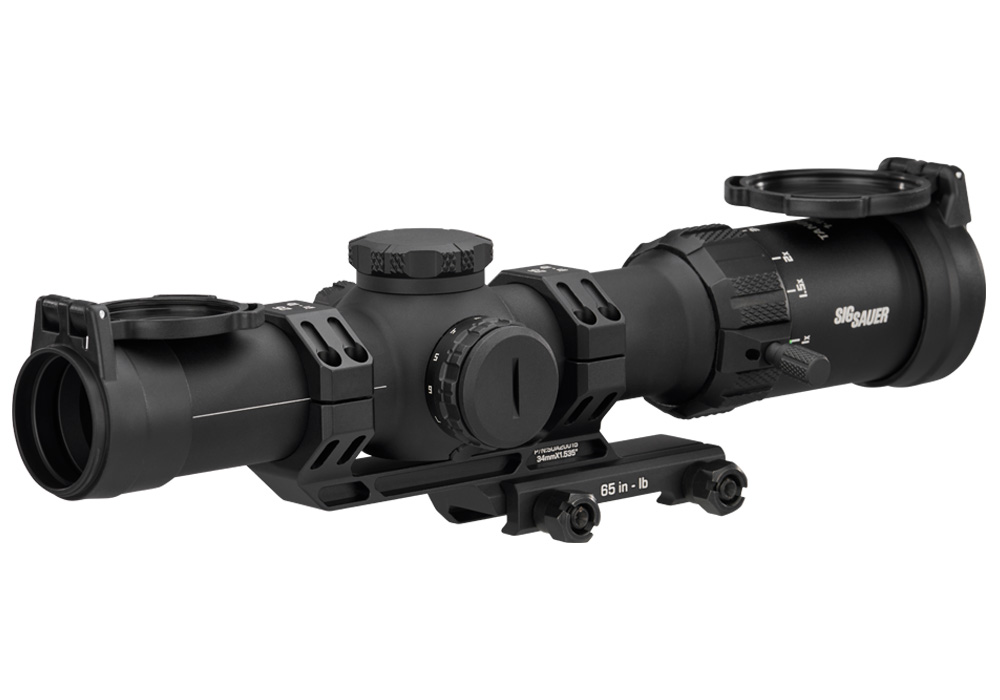
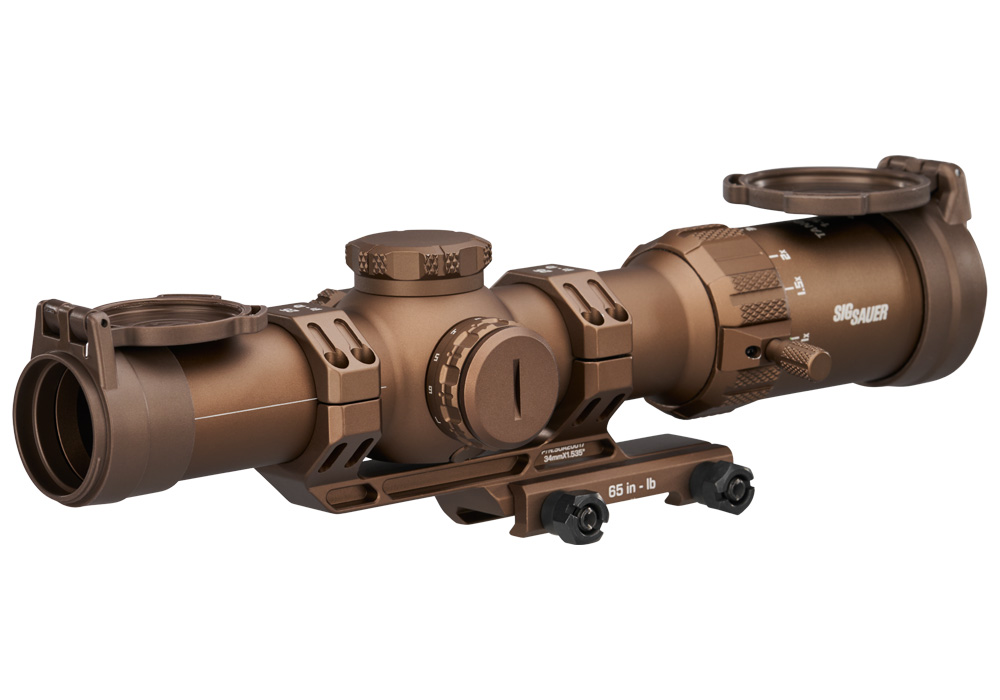
Long range turret scopes are designed for shooters who value precise, repeatable adjustments when targets stretch across open ground. Unlike a conventional hunting optic with capped adjustment knobs, these scopes typically use exposed elevation and windage turrets with clearly defined, tactile clicks. Each click represents a measured correction, allowing the shooter to dial for distance, compensate for wind, and return to a known zero with greater confidence. A zero-stop system can make that process faster by providing a firm reference point beneath the elevation adjustment, helping prevent accidental over-rotation when changing between distances. For anyone comparing long range turret scopes, the most important considerations usually include turret design, adjustment value, tracking consistency, reticle style, magnification range, optical clarity, and the scope’s overall size and weight. A scope may offer impressive magnification, but practical performance also depends on how smoothly the magnification ring turns, how easy the turrets are to read in changing light, and whether the reticle remains useful at the power setting used most often. Shooters who regularly work from a solid bench or a prone position may appreciate a larger objective and extended magnification, while those carrying a rifle over rolling terrain may prefer a more compact optic that balances easily and does not add unnecessary weight. A durable housing, dependable sealing, and controls that can be operated while wearing gloves are equally valuable during the cooler months, when cold fingers and shifting weather can make small controls difficult to manage. The best choice is not always the scope with the highest magnification or the most elaborate feature set; it is the optic whose controls, reticle, and optical performance fit the rifle, ammunition, and shooting conditions as a complete system.
Magnification is one of the first specifications shoppers notice, but it should be considered alongside field of view and light transmission. A scope with a range such as 5-25x, 6-24x, or a similar extended span can provide a wide enough view for locating a distant target at lower power while offering the detail needed for careful aiming at higher settings. Greater magnification can make small aiming errors more visible, so a stable rest and disciplined shooting technique become increasingly important as distance increases. First focal plane reticles are popular for this type of use because the reticle’s subtensions remain accurate throughout the magnification range. That allows a shooter to use holdovers or wind holds without recalculating the relationship between the reticle and the target each time magnification changes. Second focal plane designs can also be an excellent fit, particularly for shooters who prefer a reticle that stays visually consistent or who routinely use one magnification setting. Reticle illumination may help define the aiming point against dark backgrounds or during low-contrast conditions, although it does not replace a clear sight picture or sound dope. Mechanical tracking is just as important as optical specification. When elevation is dialed for a distant target, the adjustment should move the point of impact in a predictable amount, and returning the turret to its original setting should bring the rifle back to its established zero. Shooters often evaluate this by making measured adjustments, confirming impacts at known distances, and recording the results in a data card or ballistic app. Ammunition, muzzle velocity, bullet shape, temperature, elevation, and wind all influence trajectory, so even a precise scope works best when paired with verified data rather than assumptions. For hunting, a reliable zero, a forgiving eye box, and useful low-end magnification can matter more than extreme power. For target shooting or precision rifle competition, fast turret manipulation, a detailed reticle, repeatable tracking, and a broad magnification range may take priority. Those shopping for an optic intended for field use may also want to explore Long Range Hunting Scopes for options suited to a hunting-focused setup.
Long range turret scopes can serve a wide range of shooters, from a hunter preparing for an open-country season to a target enthusiast who spends quiet mornings checking groups at progressively greater distances. They can also make a thoughtful gift for an experienced rifle owner who has upgraded a rifle, joined a precision shooting club, or begun exploring longer-range target work. Because optics are personal equipment, gift buyers should confirm the rifle’s mounting requirements, intended use, preferred reticle style, and acceptable weight before making a selection. A scope that works beautifully on a heavy target rifle may feel cumbersome on a lightweight hunting rifle, and a large objective may require taller mounting hardware that changes cheek weld and shooting comfort. Mounting compatibility, tube diameter, rail or ring height, and available eye relief deserve attention before purchase. It is also wise to consider the environments where the optic will be used: bright western sunlight, shaded timber, dusty range conditions, wet grass, or cold air can all influence how a scope feels in practice. During a calm range session, a shooter may notice the satisfying resistance of each turret click, the crisp edge of a distant steel plate, and the ease of returning to zero after several adjustments. In the field, those same details become practical advantages when a shot opportunity appears across a broad valley or when a changing breeze calls for a quick correction. Responsible use remains central to the experience. Shooters should follow all applicable laws and range rules, confirm a safe backstop, identify the target and what lies beyond it, and verify their zero whenever the rifle, ammunition, or mounting system changes. With careful selection and deliberate setup, a long range turret scope can provide a clear, adaptable aiming system for practice, competition, and lawful hunting through changing conditions and across demanding distances.