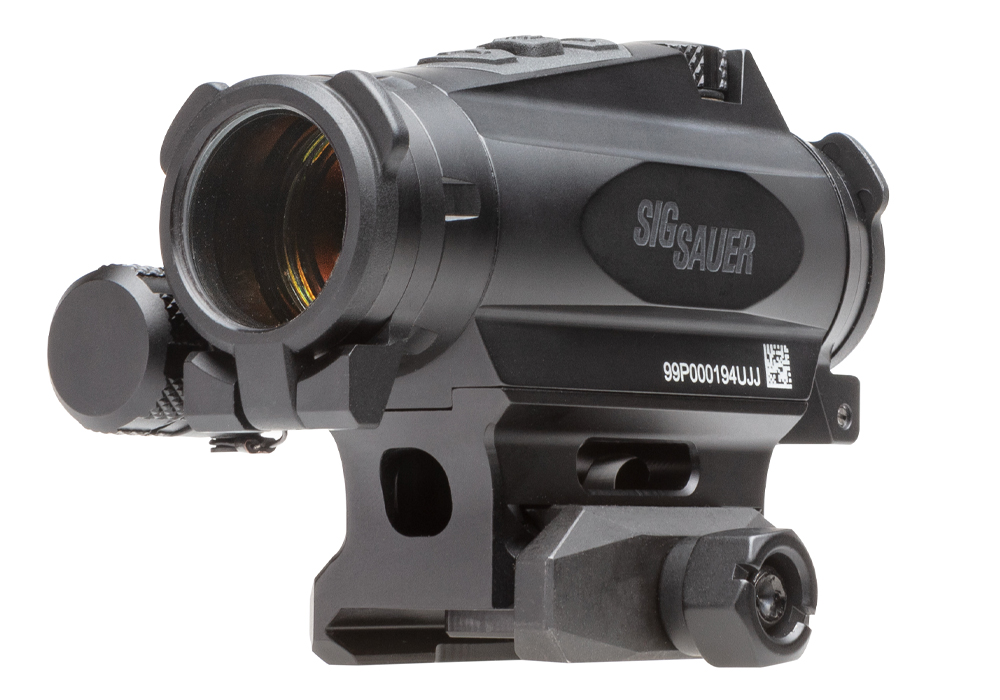
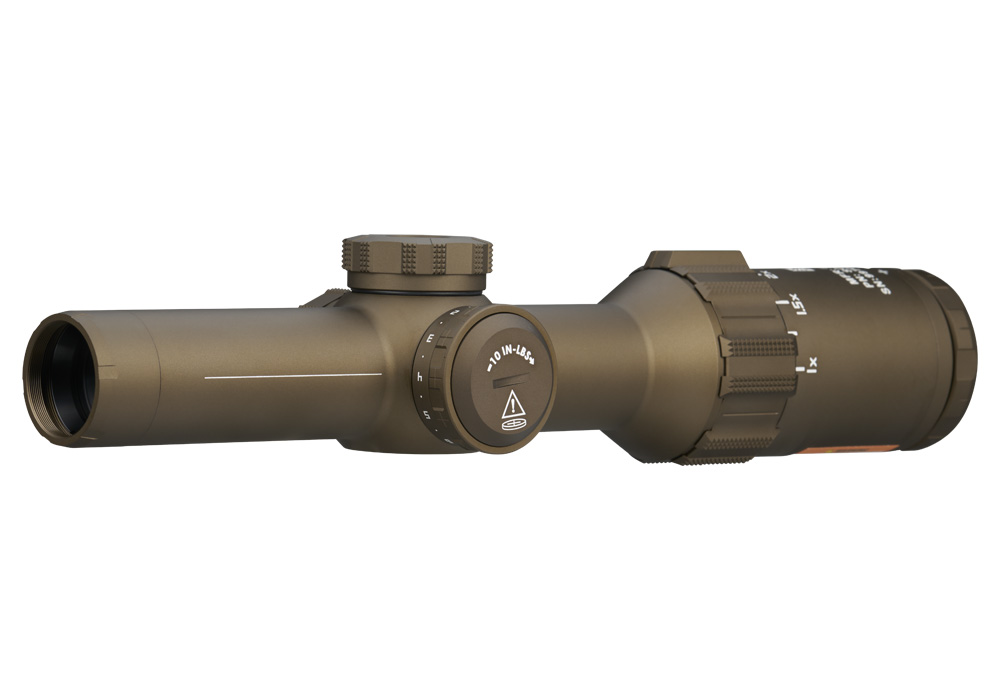
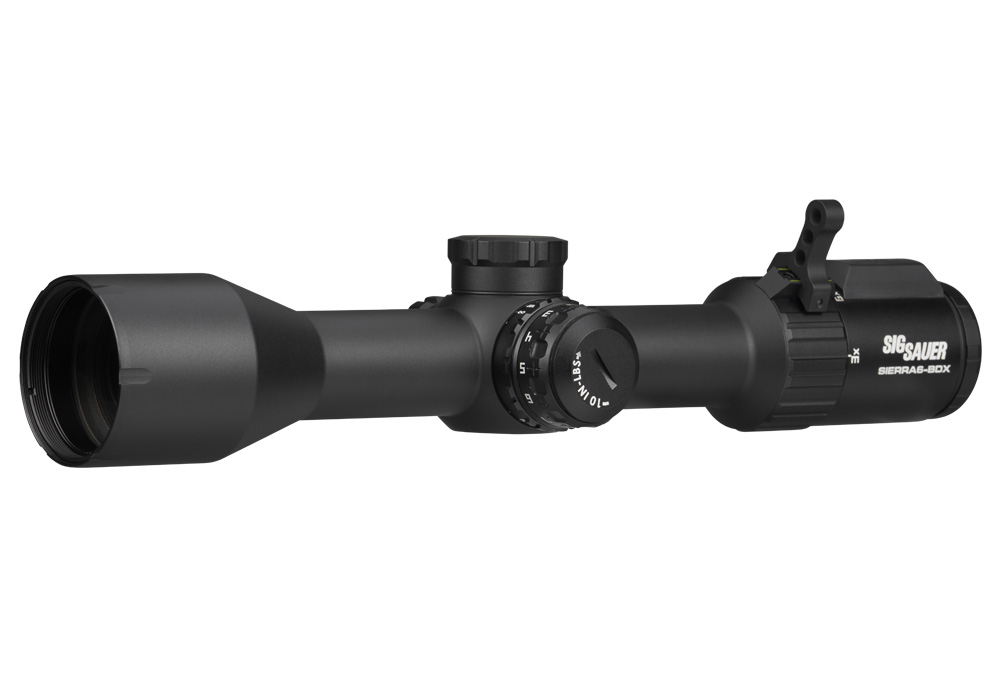
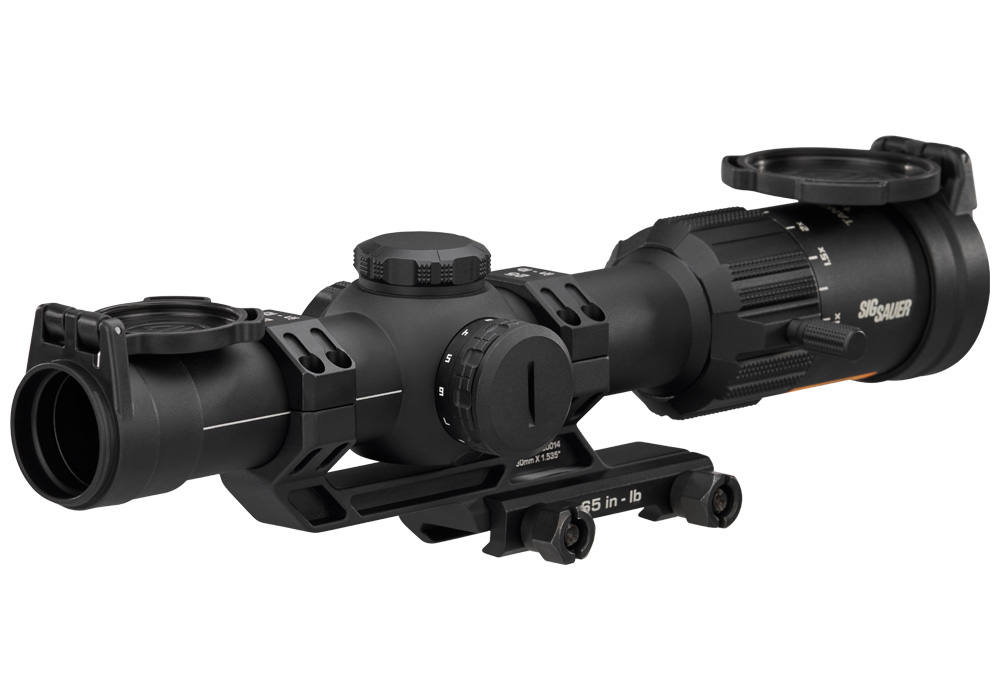
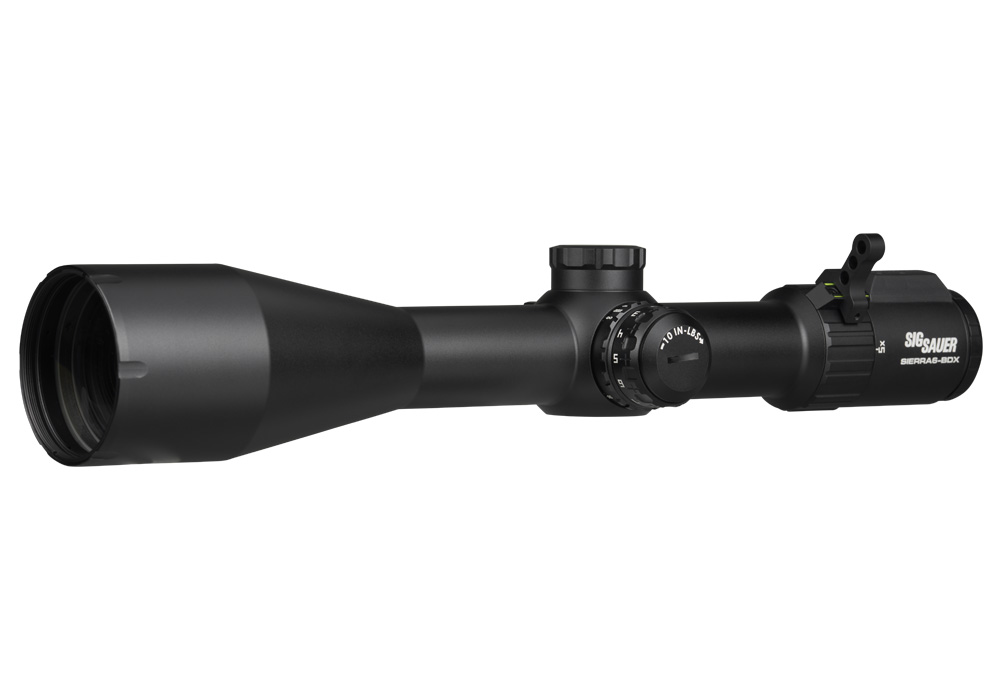
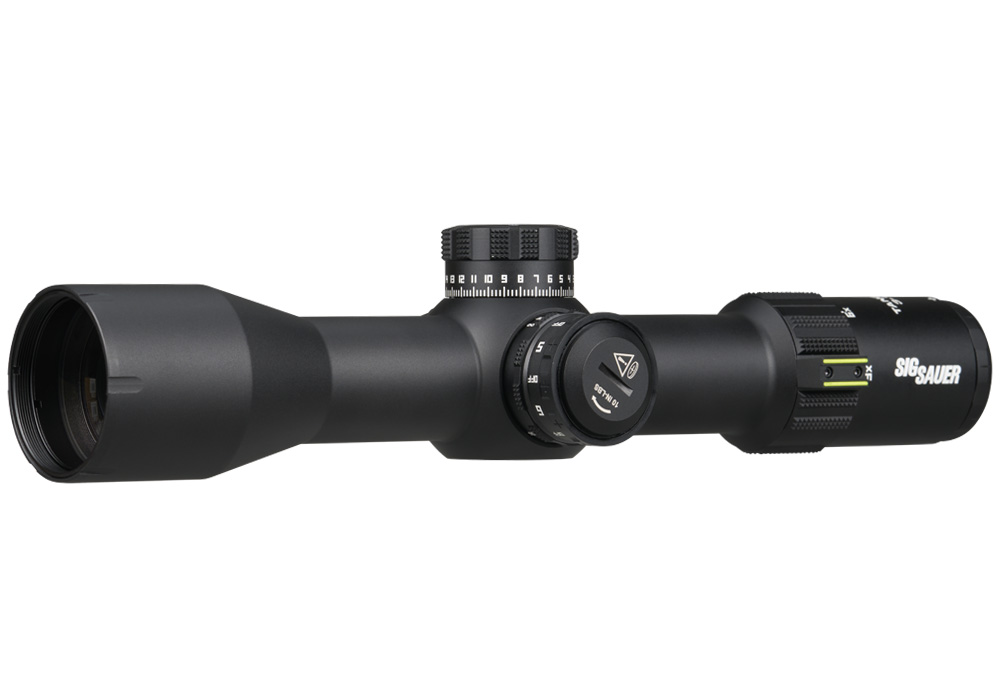
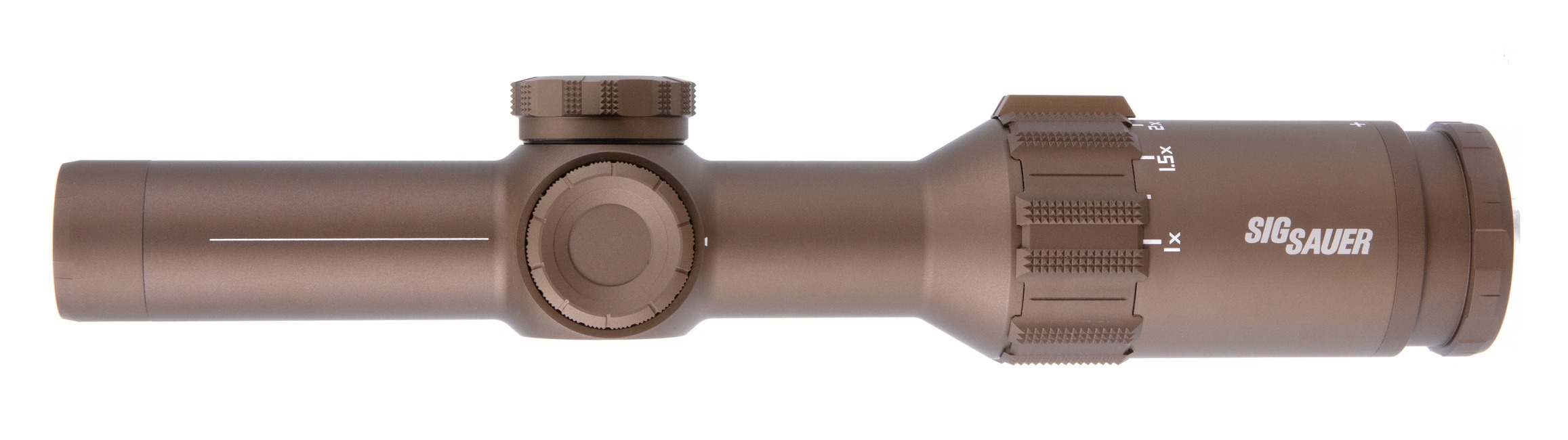
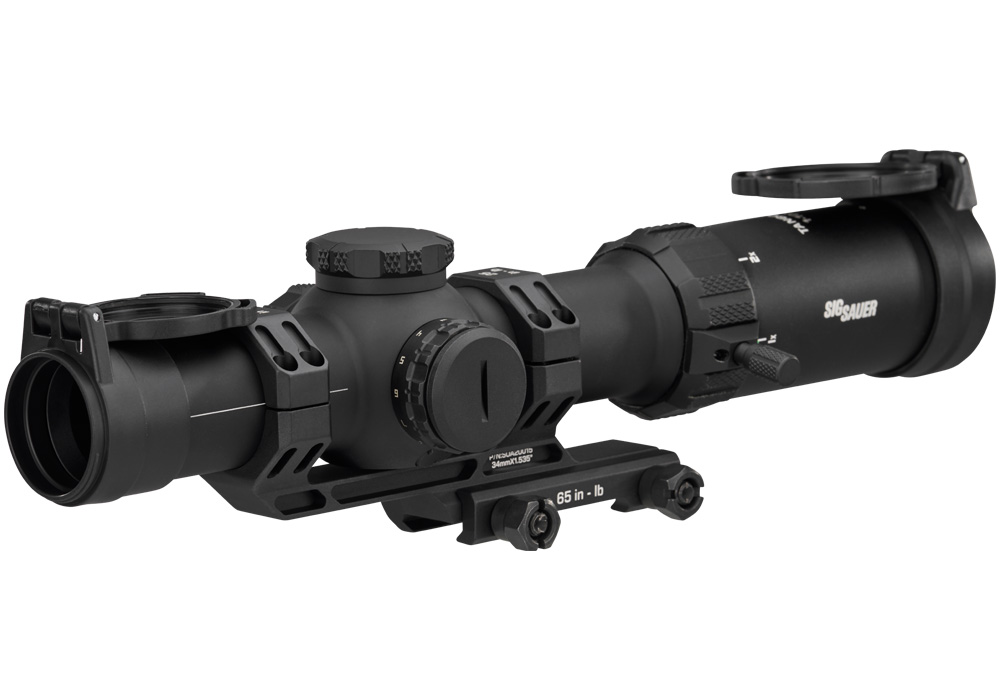
Long range hunting scopes are selected for the balance they bring to a demanding field setup: clear viewing at distance, dependable adjustment, practical size, and a reticle that remains useful when conditions change. For many hunters, a versatile magnification range such as 3-15x, 4-16x, or 5-25x offers a strong starting point. Lower power keeps the field of view broad when game appears nearby or moves through timber, while higher power helps with careful shot placement across open slopes, wide meadows, and broken ridgelines. More magnification is not always the better choice. At high power, hand movement becomes more noticeable, the field of view narrows, and locating a moving animal can take longer. A balanced scope should complement the rifle, the cartridge, and the terrain rather than overpower the entire setup. Consider the distances you regularly practice at, the longest ethical range you expect to encounter, and the way you carry your rifle during a full day in the hills. A compact optic can be easier to handle through thick cover and steep country, while a larger objective lens may gather more available light during the first and last minutes of legal hunting hours. Weight matters as well. A few extra ounces may seem insignificant on a workbench, but they become much more noticeable after several miles over uneven ground with a pack, layers, water, and other gear. For hunters who spend the cooler months moving between shaded timber and sunlit clearings, a scope with crisp contrast and reliable light transmission can help reveal antler, hide, and subtle movement against a changing background. Lens coatings, high-definition optical elements, and a clean sight picture are especially valuable during dawn and dusk, when game is often most active and the landscape has the least contrast. Eye relief should receive equal attention, particularly on rifles with energetic cartridges. A forgiving viewing position makes it easier to establish a full sight picture quickly and helps keep the shooting position comfortable through repeated practice.
The adjustment system is central to long-range performance. Turrets should provide clear, repeatable movement with tactile clicks that can be felt while wearing gloves. Locking controls or protective covers can help prevent unwanted changes as a rifle rides in a vehicle, scabbard, or pack, while a reliable zero-stop system gives the shooter a consistent reference point when returning to the original zero. Elevation and windage adjustments should track predictably, and the reticle should remain aligned with the bore as magnification and corrections change. Hunters who dial for distance may prefer exposed, easy-to-read turrets paired with a well-marked elevation scale. Others may favor a simpler configuration and hold using reticle references, especially when hunting in thick vegetation or in areas where shots can develop quickly. First focal plane reticles preserve subtension accuracy throughout the magnification range, allowing hold points to remain useful at every setting. Second focal plane reticles keep a more consistent visual size, which many hunters appreciate when the reticle must stay fine and unobtrusive at higher power. Illuminated reticles can be helpful against dark timber or a shadowed hillside, but brightness control is important; the ideal setting should enhance the aiming point without washing out the animal or surrounding detail. Parallax adjustment also deserves careful consideration for extended-range shooting. When properly set for the intended distance, it can reduce apparent reticle movement against the target and support more precise aiming. Before heading into the field, mount the optic with the correct rings and a level rifle, set eye relief in a natural shooting position, and confirm that every control is easy to reach without shifting your grip. A careful zeroing session should include the actual ammunition used for hunting, because different bullet weights and loads can produce different points of impact. Build a simple record of zero settings, environmental conditions, and confirmed distances, then verify the setup again after transport or a hard day in rough terrain.
Long range hunting scopes can suit experienced hunters refining a precision rifle, a new hunter assembling a first serious field setup, or a family member looking for a practical gift for someone who spends weekends at the range and during the cooler months in the mountains. They are also useful for hunters who travel between varied terrain, from rolling pasture and high desert to open woodland, where a flexible magnification range can reduce the need to change equipment between outings. A scope should never be chosen by magnification alone. Match its optical performance and adjustment range to the rifle’s chambering, ammunition, stock design, mounting height, and the distances at which the shooter can consistently place shots from supported and field positions. Practice should include more than a benchrest group. Work from prone, seated, kneeling, and pack-supported positions; rehearse finding the reticle at low power; and learn how much time it takes to adjust magnification, parallax, and illumination while wearing hunting gloves. Confirm trajectory at realistic distances and in conditions that resemble the places where the rifle will be carried. Wind can change across a canyon or rise along a slope, so learning to read grass, brush, dust, and distant terrain is as important as learning the turret markings. Keep the optic’s lenses protected when moving through brush, wipe away moisture with proper optical cloths, and inspect mounting screws and rings as part of regular gear checks. Hunters who expect rain, snow, freezing temperatures, or rapid changes in elevation may also want to explore Long Range Waterproof Rifle Scopes for added confidence in wet and demanding conditions. The best setup is the one that feels familiar when the pack is heavy, the wind is shifting, and a clear view opens across the landscape. With thoughtful selection, careful mounting, and consistent practice, a long range hunting scope can provide the clarity and control needed to evaluate a distant opportunity responsibly and make the most of every day afield.