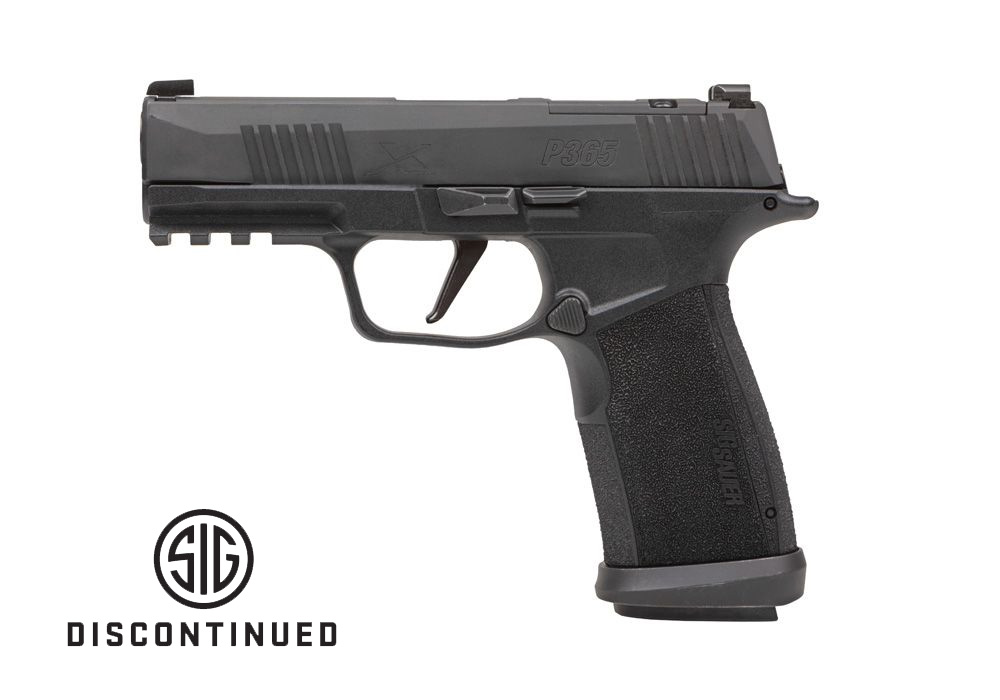
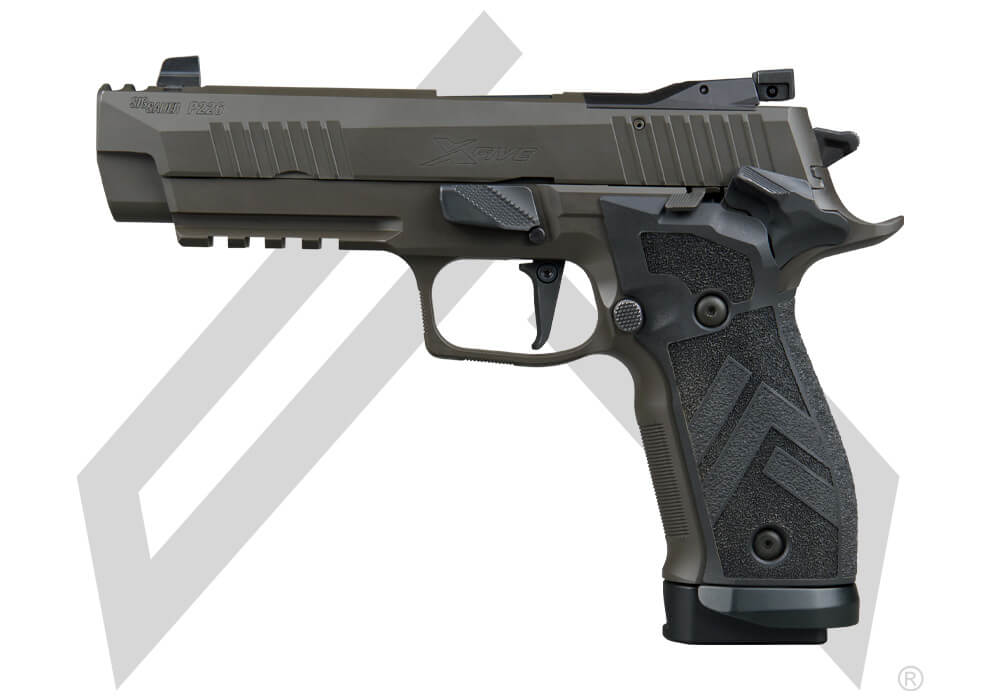
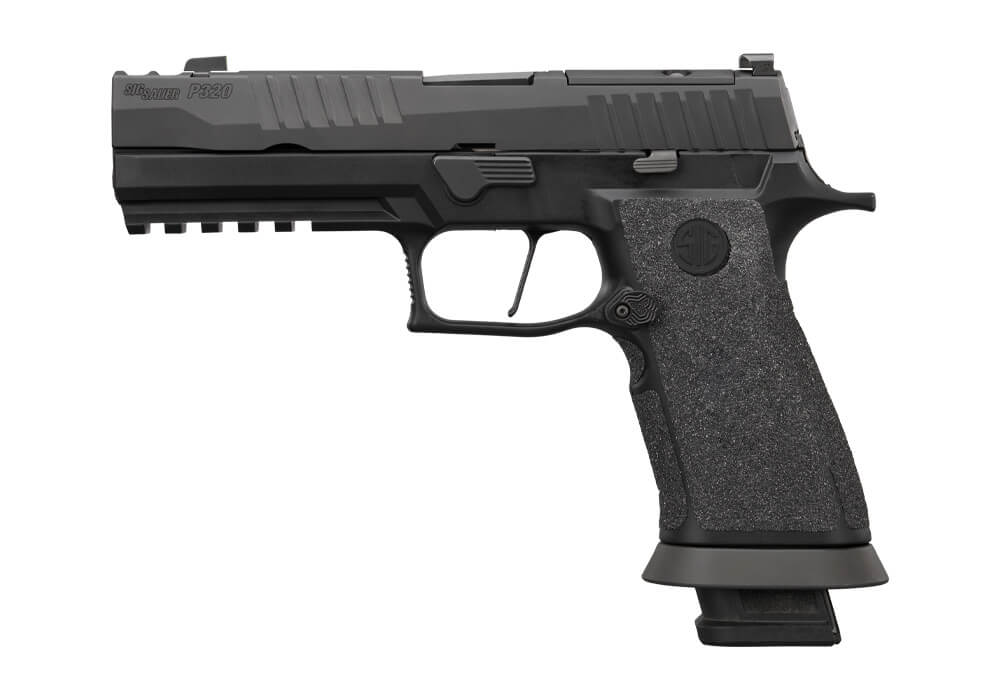
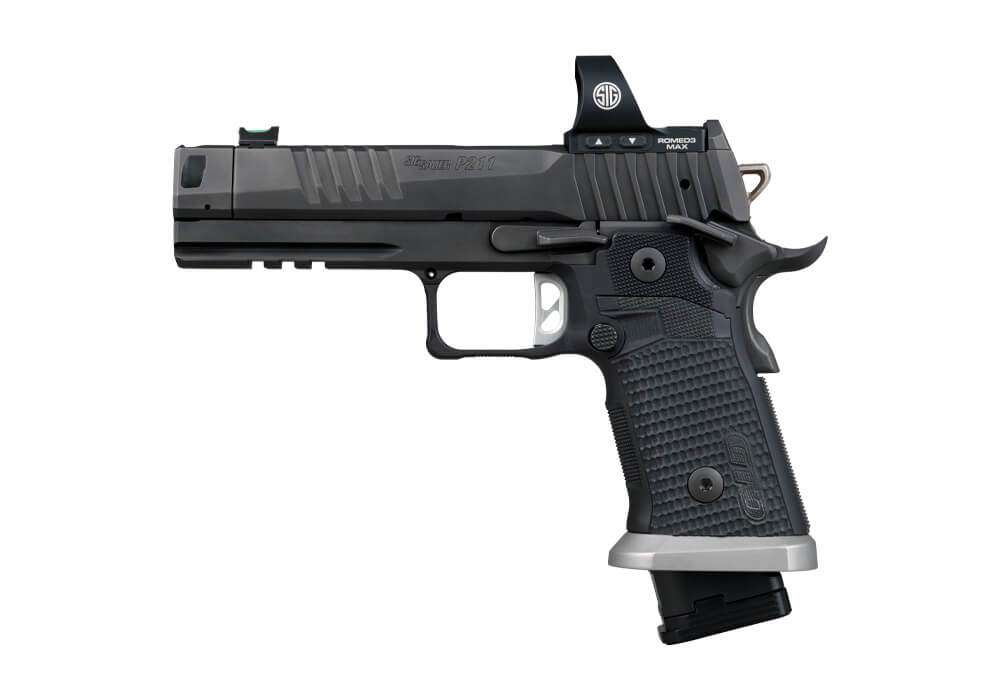
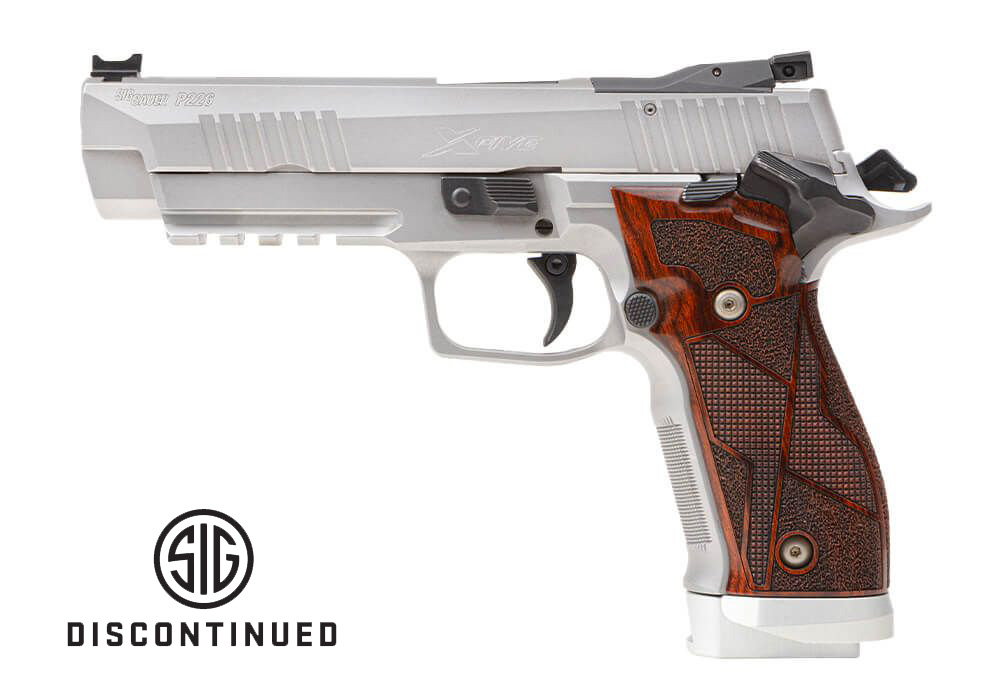
A flared magwell is a widened, funnel-shaped entrance to the magazine opening at the base of a pistol grip or the underside of a rifle receiver. Its purpose is to help guide a compatible magazine toward the opening, providing a broader entry surface than a straight-sided magazine well. That extra margin can make magazine changes feel smoother and reduce fumbling when alignment is slightly off. The flare may be built into the grip or receiver, or it may be a separate accessory designed for a particular platform. Although the basic function is similar, the shape, attachment method, and exterior dimensions vary considerably. A compact magwell might add only a subtle lip around the grip, while a competition-oriented design can have a more pronounced funnel and a wider lower edge. For recreational target shooters and competitors, the appeal is a more forgiving interface during repeated magazine changes. Picture a range session in which a magazine meets the edge of a narrow opening instead of entering cleanly: a well-matched flare provides a sloped surface that helps direct it inward. The benefit comes from that geometry, not from changing how the firearm operates internally. A flared magwell does not replace sound handling habits or practice, and its effect on reload consistency depends on the shooter, firearm, and magazine combination. Exterior shape also matters beyond the opening itself. Some designs create a ledge beneath the gripping hand, which may offer a useful reference point; others keep that edge restrained to preserve a slimmer silhouette. A larger funnel can be useful for organized shooting sports, but extra width may be less desirable when a pistol needs to fit an existing holster or storage case. Choosing between subtle and pronounced profiles is therefore a balance between a broader entry surface and the dimensions that suit the firearm’s intended role.
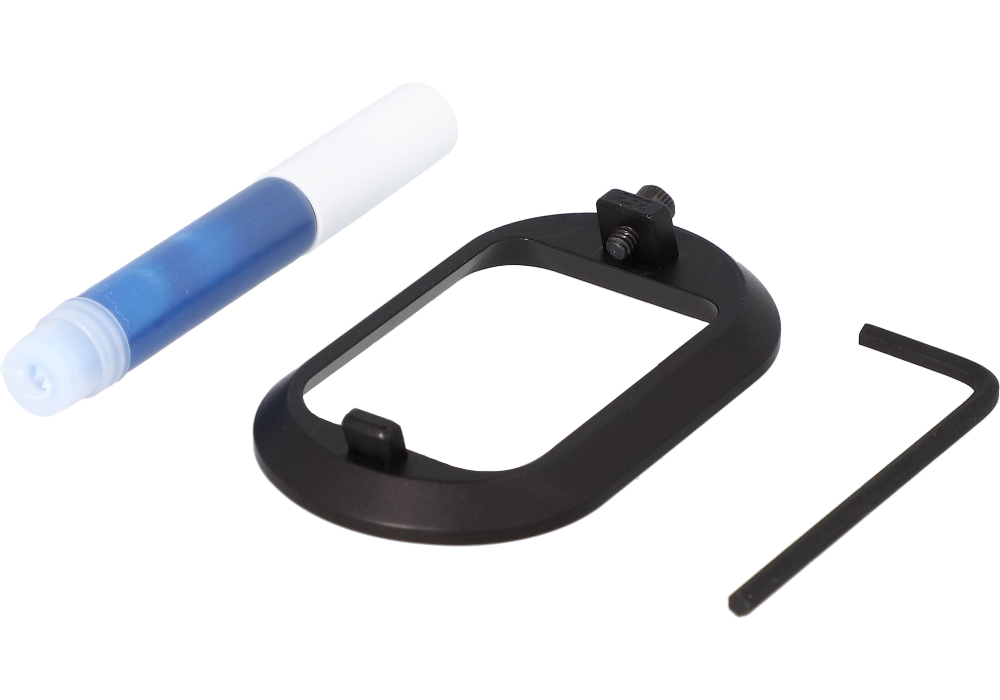
Fit is the most important consideration when comparing flared magwells. Similar-looking frames, grip modules, and receivers can have different contours, attachment points, and dimensions, so a general resemblance is not enough to establish compatibility. The stated firearm configuration should match, including any relevant frame size, grip length, or generation. Magazine fit deserves equal attention because the magazine body is only part of the relationship. A base pad that works with an unmodified grip may contact an added magwell before the magazine reaches its proper position. Flush-fitting floorplates, extended base pads, and aftermarket magazine components can each interact differently with the lower edge of the funnel. A magwell cannot turn an incompatible magazine into a compatible one, and a wider entrance is not a substitute for correct seating and retention. Pistol-specific configurations can be explored through Pistol Magwell Kits, with attention to the complete combination of grip, magazines, and mounting components rather than appearance alone. Materials influence how that combination feels and holds up. Aluminum is common where a rigid structure and precisely shaped surfaces are priorities, and an anodized finish can help resist surface wear and corrosion. Polymer can offer lower weight and a less metallic feel, although its durability depends on the material formulation and construction. Neither material is automatically the better choice for every application. Wall thickness, attachment design, edge finishing, and the quality of the internal funnel all contribute to the result. Smooth transitions are particularly relevant where the magazine travels across the entrance, while comfortable exterior edges matter where the hand rests. Added weight at the bottom of a pistol grip can also change its balance slightly, even when the accessory is relatively small. Installation requirements vary: some designs use existing mounting provisions, while others require a particular grip component or professional fitting. The manufacturer’s specifications should establish those requirements, and a qualified gunsmith is the appropriate resource when fit is uncertain or modification is involved.
Long-term satisfaction with a flared magwell depends as much on everyday compatibility and care as on its initial appearance. A useful design should remain secure, feel comfortable through a normal range session, and work with the magazines and other equipment intended for the firearm. Hand size can influence that experience. A lower ledge may feel supportive to one shooter but crowded to another, especially on a shorter grip where the little finger rests close to the magazine opening. Looking at the relationship between the grip length and the magwell’s upper edge helps explain why two designs with similar funnel widths can feel very different in the hand. Holster clearance is another practical consideration for pistols, particularly when the holster or its mounting arrangement sits close to the lower grip. Storage cases and protective inserts may also need enough room for the wider outline. For care, follow the firearm and accessory manufacturers’ safe handling and maintenance instructions before inspection or cleaning. Residue, lint, and fine grit can collect around the funnel and attachment area, so those surfaces deserve attention during routine maintenance. Cleaning products should be suitable for the finish and surrounding materials; aggressive solvents or abrasive tools may damage coatings or polymer surfaces. Ordinary contact with magazine base pads can leave cosmetic marks over time, but looseness, cracks, sharp edges, or distorted mounting surfaces warrant professional evaluation rather than being dismissed as normal wear. Durability is best judged by how well the magwell maintains its shape, attachment, and smooth entry surfaces through repeated use, not simply by whether its finish stays pristine. For a shooting-sports enthusiast, this category can also be a thoughtful gift when the recipient’s exact firearm configuration and magazine setup are known. Without those details, visual preference alone is a poor basis for selection. A well-chosen flared magwell complements the existing equipment: it provides a more forgiving magazine entrance while respecting grip comfort, secure fit, and the practical demands of the firearm’s intended use.