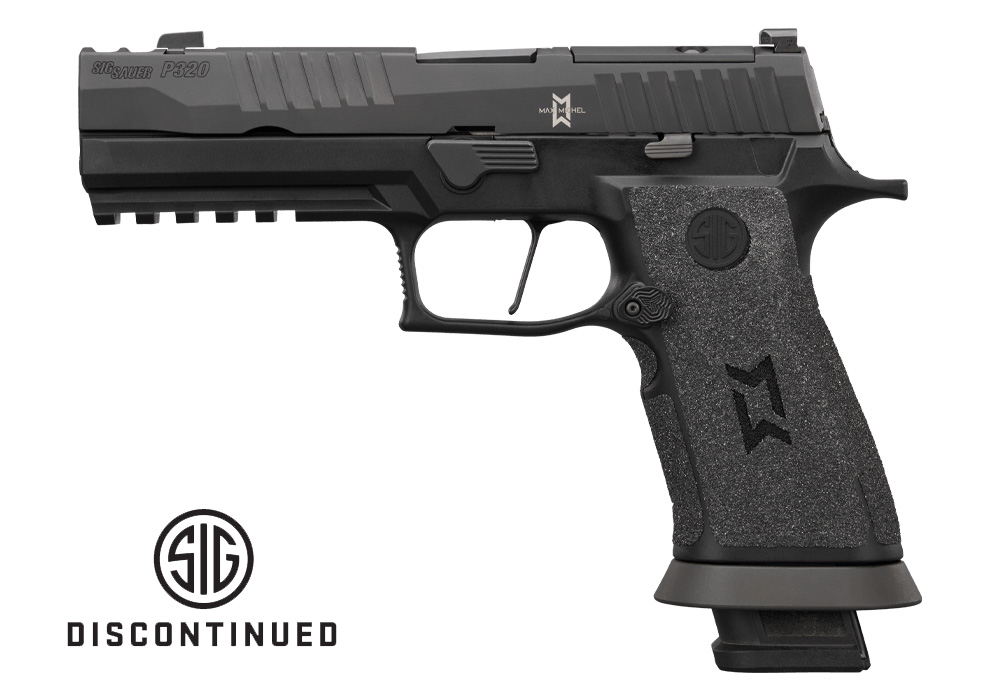
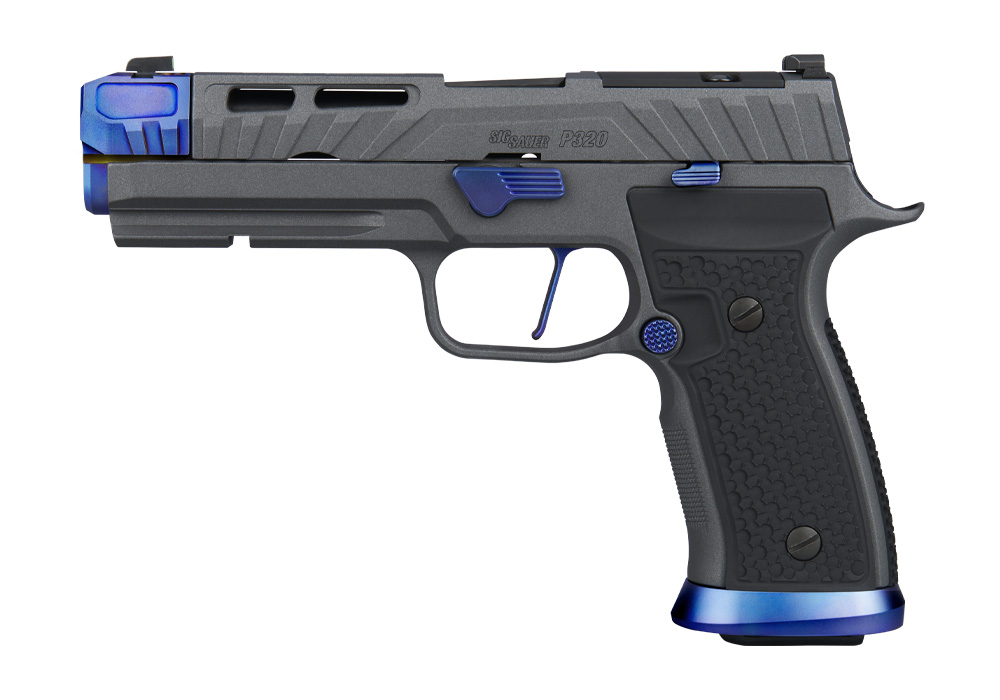
P320 magwell modifications are designed to flare the bottom of the grip frame into a wider funnel, giving the magazine a larger target during reloads. That added guidance can be especially useful when working under time pressure, wearing gloves, shooting in low light, or practicing with a high grip and limited visual attention on the pistol. A well-matched magwell may help reduce the chance of catching the magazine on the edge of the grip, while also adding a small amount of structure around the lower portion of the frame. These components are commonly considered by range shooters, competitive competitors, defensive-minded owners, and anyone who wants a more deliberate reload process without changing the basic controls of the P320. The right choice depends on the exact grip module, frame style, magazine configuration, and intended use. Some designs are slim and rounded for concealed carry or everyday handling, while others use a more pronounced flare for fast-action practice and competition. A low-profile option can preserve a familiar feel in the hand and minimize interference with clothing, while a larger funnel may offer more forgiving alignment during rapid magazine changes. Shooters who spend cooler months training outdoors may also appreciate a shape that remains easy to index when using heavier gloves, and those who practice indoors can benefit from a consistent reload reference point that feels the same from one session to the next. A magwell can also make a thoughtful gift for a P320 owner who already has a preferred optic, holster, and trigger setup but wants a practical refinement for range work. Before selecting one, identify whether the pistol uses a standard polymer grip module, an X-Series-style frame, an AXG-style frame, or another compatible configuration. The grip module’s generation and dimensions matter, and a component intended for one frame family may not fit another. Compact, carry, full-size, and extended configurations can differ at the base of the grip, so matching the modification to the exact frame is more important than choosing solely by appearance.
Magazine compatibility deserves equal attention. The opening created by a flared magwell must work with the magazine baseplate, and some combinations are intended for extended basepads or magazine extensions rather than flush factory baseplates. A standard baseplate may sit too close to the funnel, fail to pass cleanly through the opening, or limit the benefit of the modification if the dimensions are not designed to work together. When comparing options, check whether the magwell is intended for standard or extended capacity magazines, whether matching basepads are required, and whether the extension changes how the magazine seats or drops free. This is particularly important for owners who keep multiple magazines with different baseplate styles. A setup that performs smoothly with one magazine may not offer the same clearance with another, especially when using a heavier basepad or an extension intended to provide additional gripping surface. Holster clearance is another practical consideration. A magwell that extends below the grip may contact an enclosed holster, interfere with a magazine pouch, or change how the pistol rests against the body. Owners who carry concealed should compare the modification’s height and profile with their existing equipment before installation, while competitors may prioritize a broad funnel and a basepad that can be driven firmly into place during a reload. Fit and finish also matter: aluminum components can offer a solid, precise feel, while polymer-compatible designs may provide a lighter, more integrated appearance. Regardless of material, the magwell should sit flush against the grip module without rocking, sharp edges, or gaps that could collect debris. For shooters refining the entire reload area, coordinating the magwell with P320 Mag Release Improvements can create a more consistent relationship between the magazine release, grip, and magazine path without requiring a change in core handling habits.
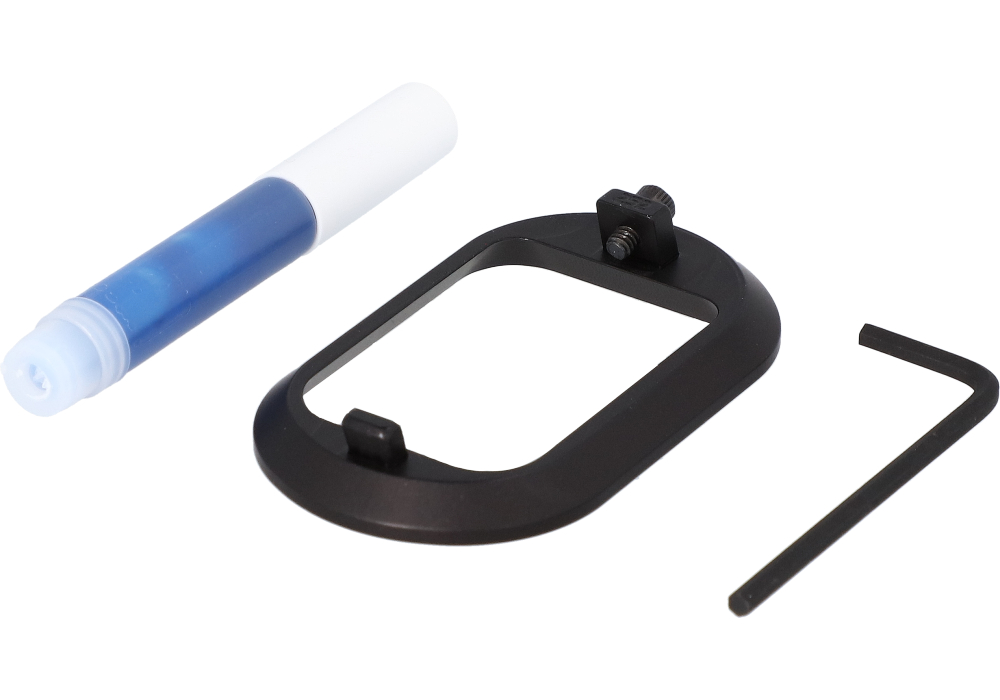
Installation should begin with the pistol completely unloaded, the magazine removed, and the chamber checked according to safe handling procedures. Read the manufacturer’s instructions closely, since attachment methods can vary between set-screw, bolt-on, and grip-specific designs. Some installations require removing an existing component or using a particular baseplate, and forcing a part into place can damage polymer or aluminum threads. A small amount of medium-strength threadlocker may be appropriate for compatible set screws when the instructions call for it, but it should be applied sparingly and allowed to cure as directed. Avoid overtightening, especially in softer materials, and confirm that the screw head does not protrude into the magazine path or contact the magazine body. After installation, test the fit with every intended magazine. Insert each magazine firmly, verify that it locks into place, and check that it can be released cleanly without the baseplate binding on the funnel. Cycle the process slowly before moving to live-fire practice, then inspect the attachment after the first range session for movement, uneven contact, or changes in magazine seating. The most useful magwell is the one that supports a repeatable motion without forcing the hand into an unfamiliar position. During practice, many shooters find it helpful to begin with deliberate reloads, feeling the base of the grip and watching for consistent magazine alignment, then gradually add speed while maintaining control. Keep local laws and range rules in mind when selecting magazine extensions or other related components, and store the pistol and magazines securely when not in use. With careful frame matching, proper baseplate selection, and a measured installation, P320 magwell modifications can provide a practical way to tailor the grip area for concealed carry, training, competition, or everyday range use.