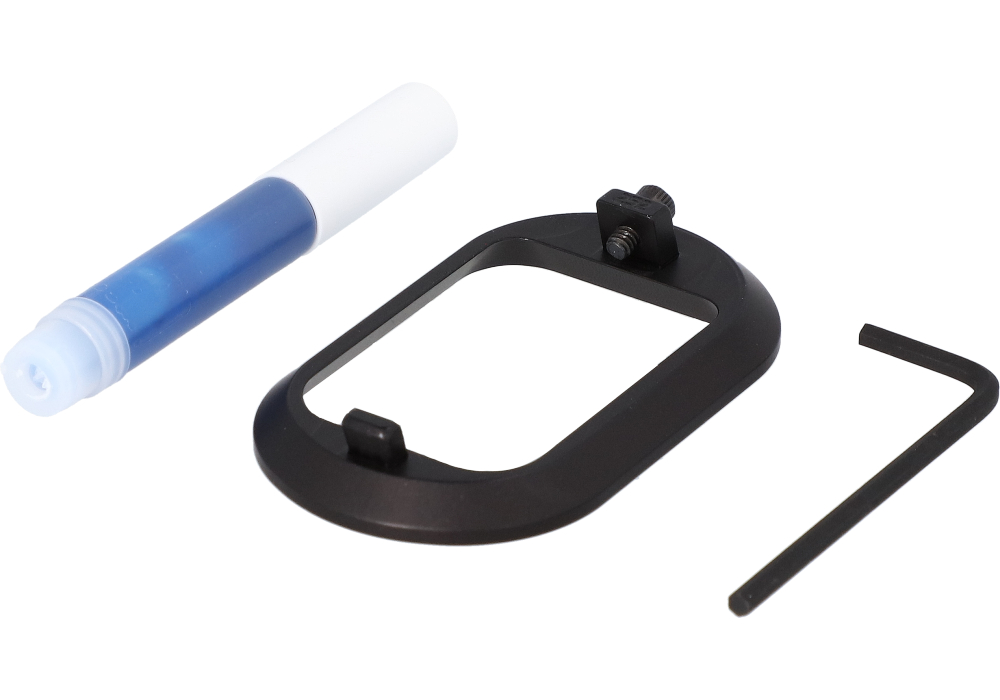
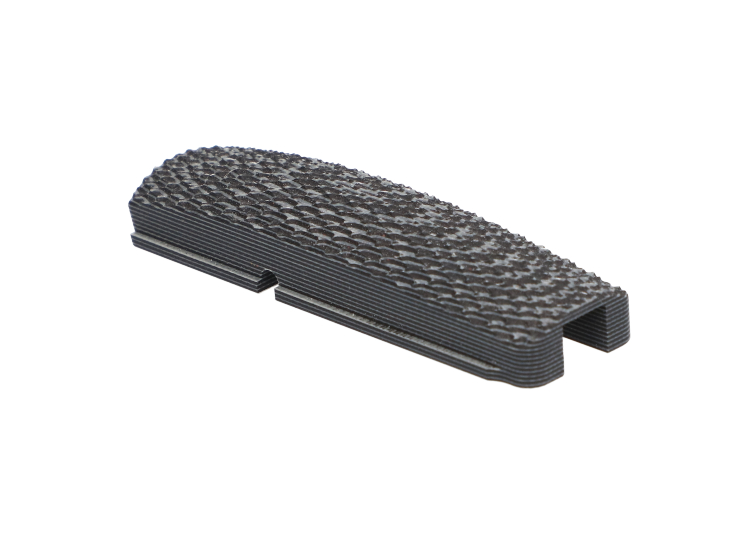
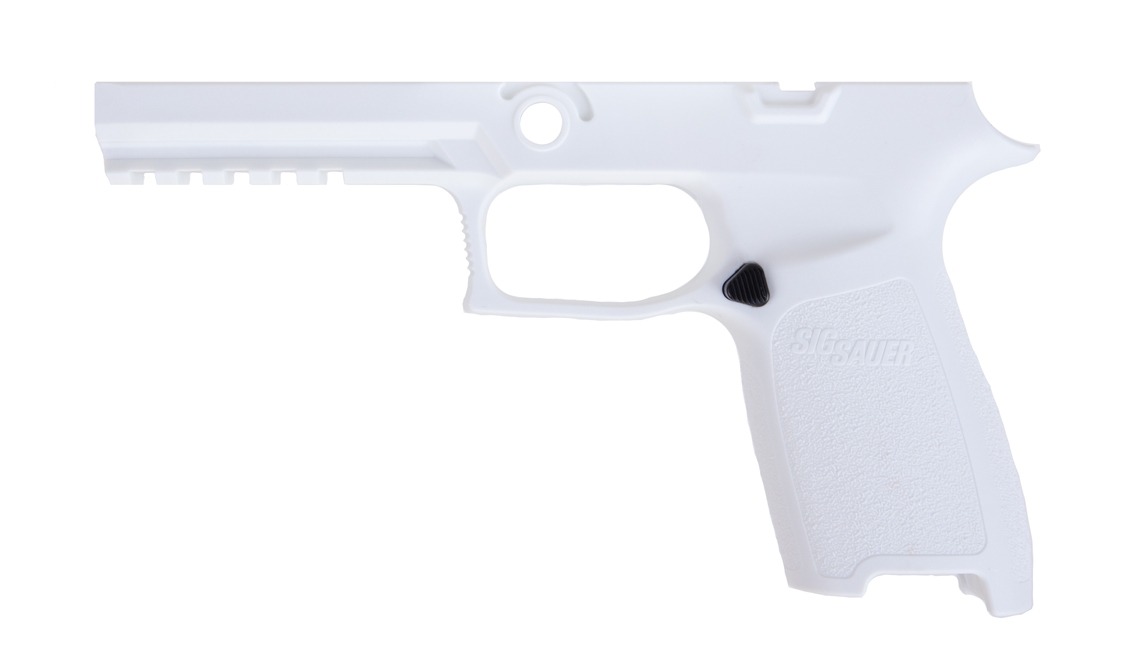
P320 grip enhancements give owners a practical way to refine the feel, control, and fit of a modular pistol without replacing the serialized fire control unit (FCU). Because the FCU can be moved into compatible grip modules, shooters can select a frame size and configuration that better suits their hands, intended use, and preferred shooting style. A replacement grip module may change the circumference of the grip, the reach to the trigger, the shape of the beavertail, the angle of the backstrap, and the texture available under the firing hand. Those details can have an immediate effect at the range. A grip that fills the palm evenly and places the trigger naturally beneath the index finger can make it easier to maintain a consistent firing position, while a more pronounced beavertail can help protect the hand and support a higher hold. Shooters who find a standard frame too large may prefer a reduced-profile design, while those with larger hands may look for additional palm swell or a longer grip area. Texture is another important consideration. Fine stippling or a subdued molded pattern can be comfortable for concealed carry and extended practice, whereas a more aggressive surface may provide a secure purchase during rapid fire, wet-weather training, or competition stages. Buyers should compare the grip module’s stated size with their existing frame, verify compatibility with their P320 configuration, and confirm whether the module accommodates the magazines and baseplates they plan to use. Since dimensions, rail geometry, slide-cut clearance, and safety configuration can vary, reviewing the manufacturer’s specifications before ordering is an essential part of a successful upgrade.
The best P320 grip enhancement depends on how the pistol is carried and used. For concealed carry, a slim polymer grip with rounded edges and a controlled texture can reduce snagging against clothing while remaining comfortable during long periods in a holster. A compact grip length may also help prevent the pistol from printing beneath a shirt or jacket, although the correct fit depends on the holster, belt, clothing, and the individual’s body shape. For home-defense use, many shooters prioritize a secure grip, a pronounced beavertail, and a texture that remains dependable when the hands are cold, damp, or under stress. A grip with a slightly larger surface area can give the support hand more room to contribute to recoil management and help maintain alignment during repeated shots. Range shooters often look for a frame that promotes a high, repeatable hold and keeps the sights returning quickly after recoil. Some designs add internal weights or use denser construction to increase overall mass, which may help reduce muzzle movement and make the pistol feel steadier during strings of fire. These heavier options can be appealing for competition or dedicated range use, but the added weight may be less convenient for daily carry. Metal frames can provide a solid, balanced feel and may accept replaceable grip panels, while polymer frames generally offer lighter weight, straightforward maintenance, and a familiar flexible feel. Thumb ledges, flared magwells, interchangeable panels, and extended grip contours can further tailor the pistol to a shooter’s technique. None of these features replaces training or proper fit; the goal is to select an enhancement that supports a consistent grip, allows the controls to be reached without shifting the hand, and remains comfortable through realistic practice sessions. After installation, function-check the pistol according to the manufacturer’s instructions and confirm reliable magazine seating, slide operation, and trigger function before relying on the configuration.
P320 grip enhancements can also be a thoughtful gift for an experienced P320 owner, particularly when the recipient has already identified a preference for a smaller grip, a different texture, or a more stable frame. A grip module is often easier to personalize than an optic or other sighting accessory because it focuses on the shooter’s direct contact with the pistol. For a gift, it is useful to know the recipient’s P320 variant, safety configuration, preferred grip size, and whether the pistol is used for concealed carry, home defense, training, or competition. When those details are uncertain, a gift card or an open conversation about fit may be more practical than guessing. Anyone purchasing for another shooter should also remember that firearm accessories must be compatible with the recipient’s specific configuration, and local laws or retailer policies may affect availability. The selection of P320 Custom Grips can be explored by comparing frame material, grip circumference, texture pattern, weight, magazine compatibility, and ergonomic features. A useful way to narrow the choices is to begin with the shooter’s hand size and primary purpose, then consider whether comfort, concealment, recoil control, or rapid handling matters most. A shooter who spends cooler months practicing at an indoor range may appreciate a frame that feels natural through long sessions, while someone who carries throughout changing weather may favor durable materials and a texture that offers control without irritating the skin. Whichever configuration is selected, careful installation, routine inspection, and live-fire practice are the best ways to determine whether the new grip provides the secure, repeatable handling that makes a P320 feel truly personal.
![[["P320 M18 XCARRY 9MM/40/.357 MANUAL SAFETY GRIP MODULE - COYOTE TAN, MEDIUM GRIP (MAGWELL ","& WEIGHT COMPATIBLE)"]]](http://www.sigsauer.com/media/catalog/product/g/r/grip-modx-ca-943-m-coy-ms-gen-web-1.jpg)